Visual learning stimulation Preschool Worksheets
3 filtered results
-
From - To
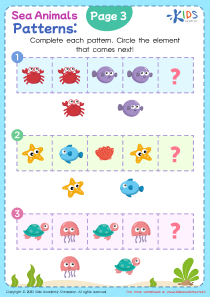
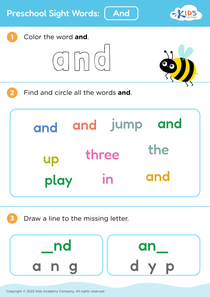
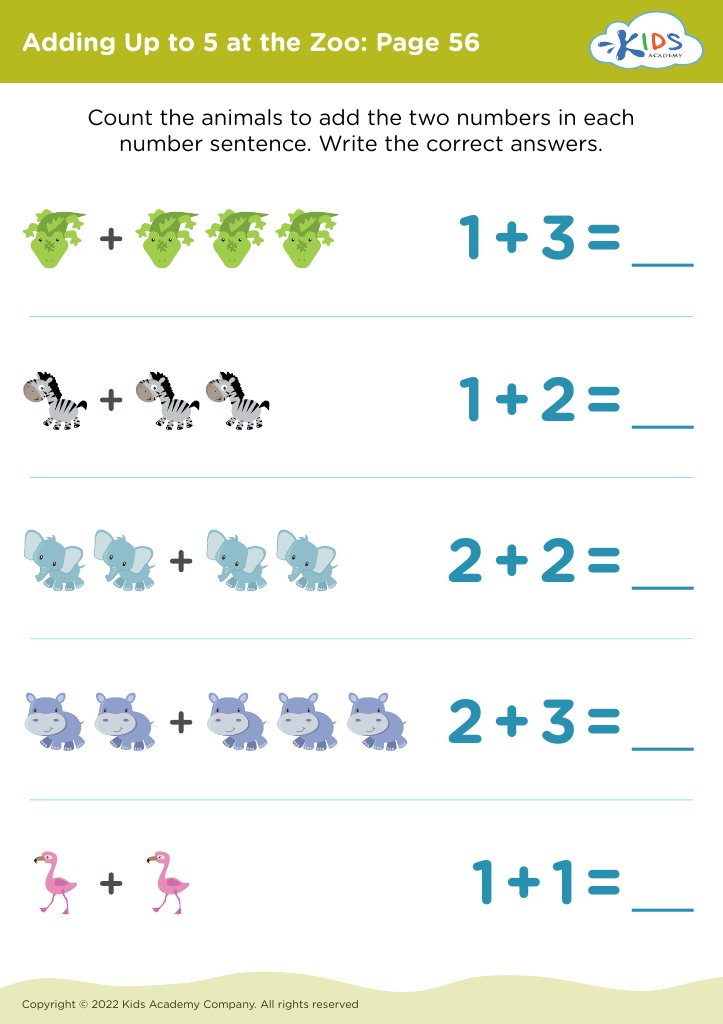
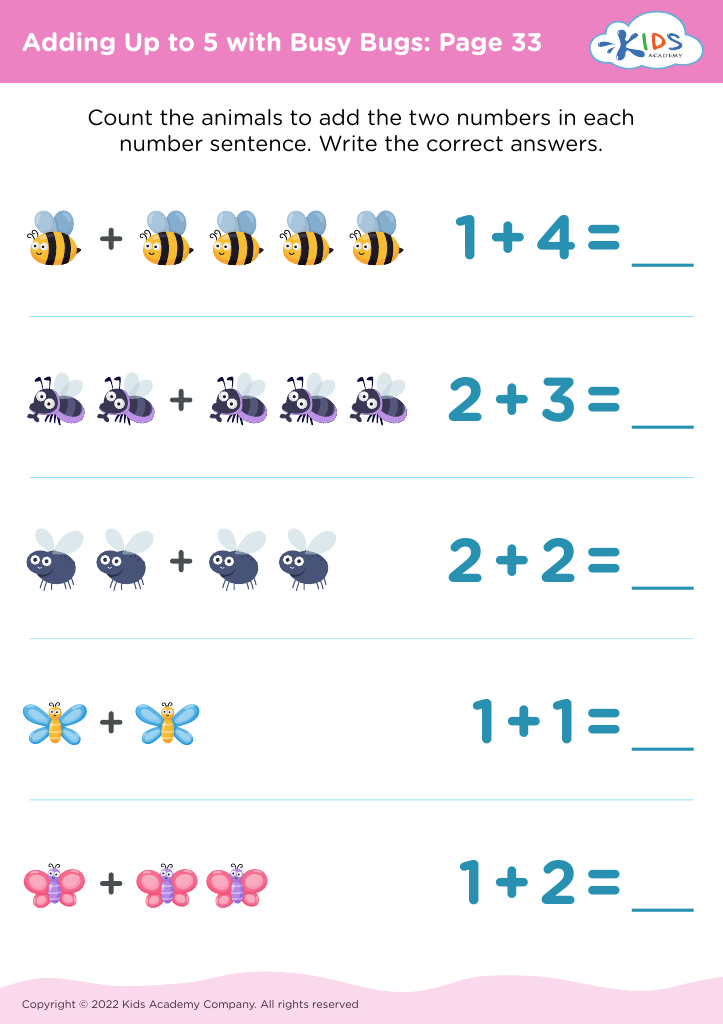
Unlock your child's potential with our Visual Learning Stimulation Preschool Worksheets! Designed to captivate young minds, these engaging printables boost essential developmental skills through colorful and interactive activities. Each worksheet focuses on improving visual perception, hand-eye coordination, and fine motor skills while stimulating creativity and critical thinking. Perfect for home or classroom use, our expertly crafted resources ensure learning remains fun and effective. Foster a love for learning in your preschooler by exploring shapes, colors, patterns, and more. Visit our site today to download and jumpstart your child’s educational journey with visually stimulating experiences!
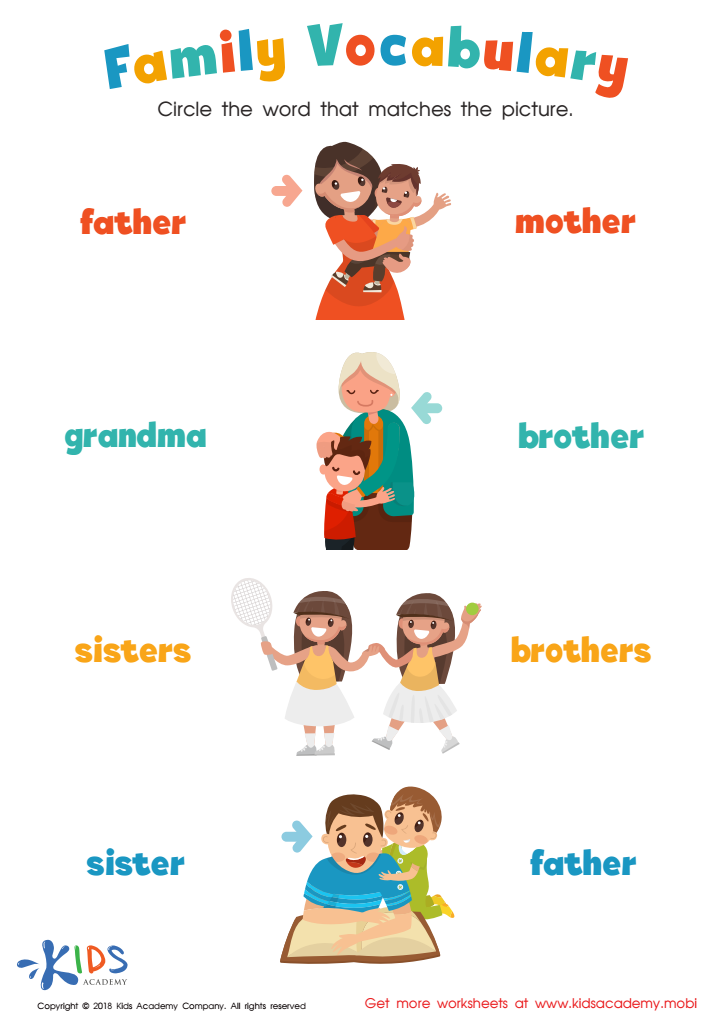
Family Vocabulary Worksheet
 Assign to My Students








Parents and teachers should prioritize visual learning stimulation in preschool because it lays the foundation for critical cognitive development and academic success. Young children's brains are highly receptive to visual input, which helps them comprehend and remember information more effectively. Visual learning techniques, such as using pictures, colors, and shapes, engage multiple parts of the brain, facilitating better memory retention and understanding.
This type of stimulation enhances important skills such as pattern recognition, spatial awareness, and information processing. For example, using colorful charts or picture books can make abstract concepts more concrete and relatable, aiding in language development and early literacy. Additionally, visual aids can foster creativity and imagination, allowing children to express themselves and explore new ideas.
Moreover, visual learning materials can cater to diverse learning preferences and needs, ensuring that all students have the opportunity to succeed. Visual stimulation also encourages active participation and motivation in the classroom, which is essential for sustained learning and curiosity.
Overall, incorporating visual learning strategies in preschool can significantly enhance a child's cognitive abilities, establish a strong educational foundation, and foster a lifelong love for learning, making it an essential focus for both parents and educators.