Visual perception Preschool Worksheets - Page 2
36 filtered results
-
From - To
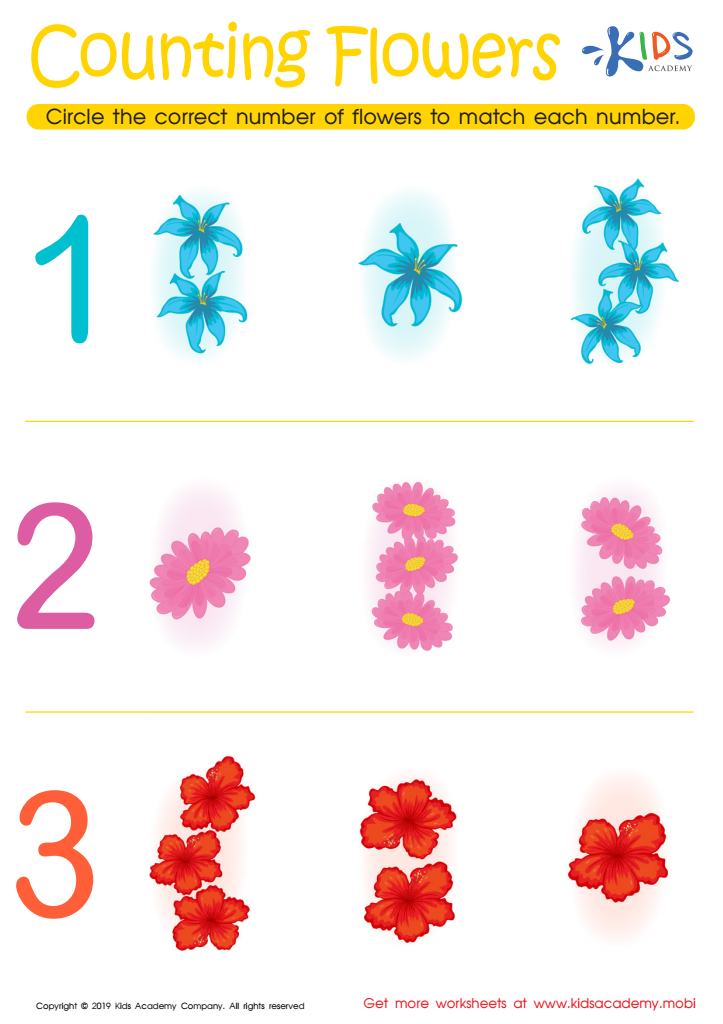
Counting Flowers Worksheet
 Assign to My Students
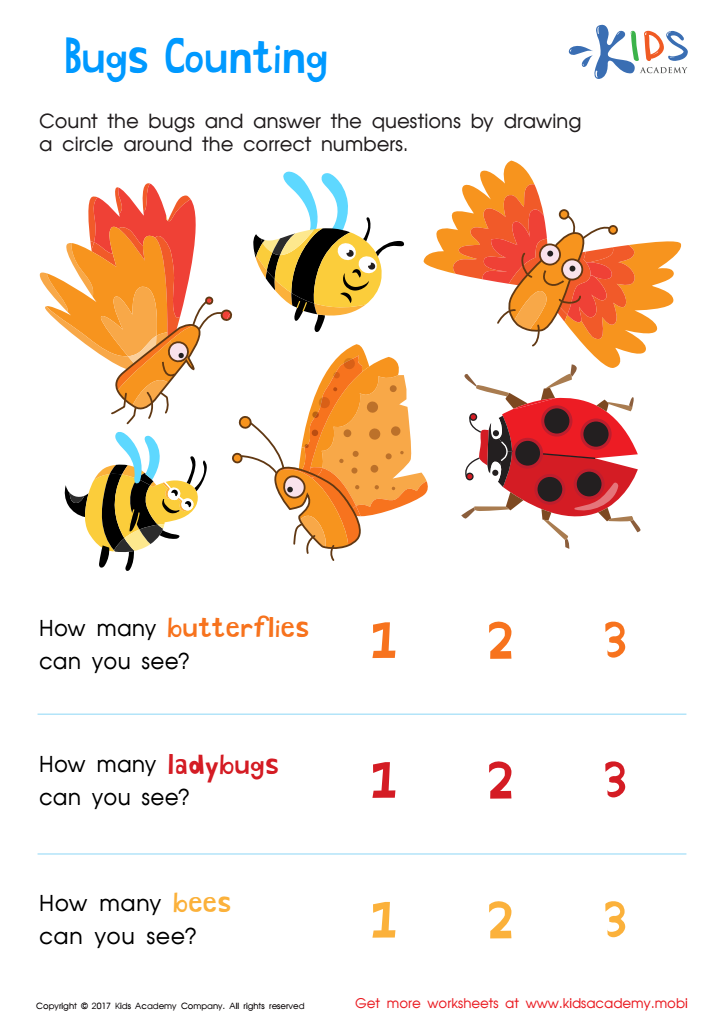
Bugs Counting Worksheet
Bee Rhyming Words Worksheet
Which Wagons Have 1 Less? Worksheet
Enrichment: Castle Counting Worksheet
Count and Match Vegetables 1 – 5 Math Worksheet
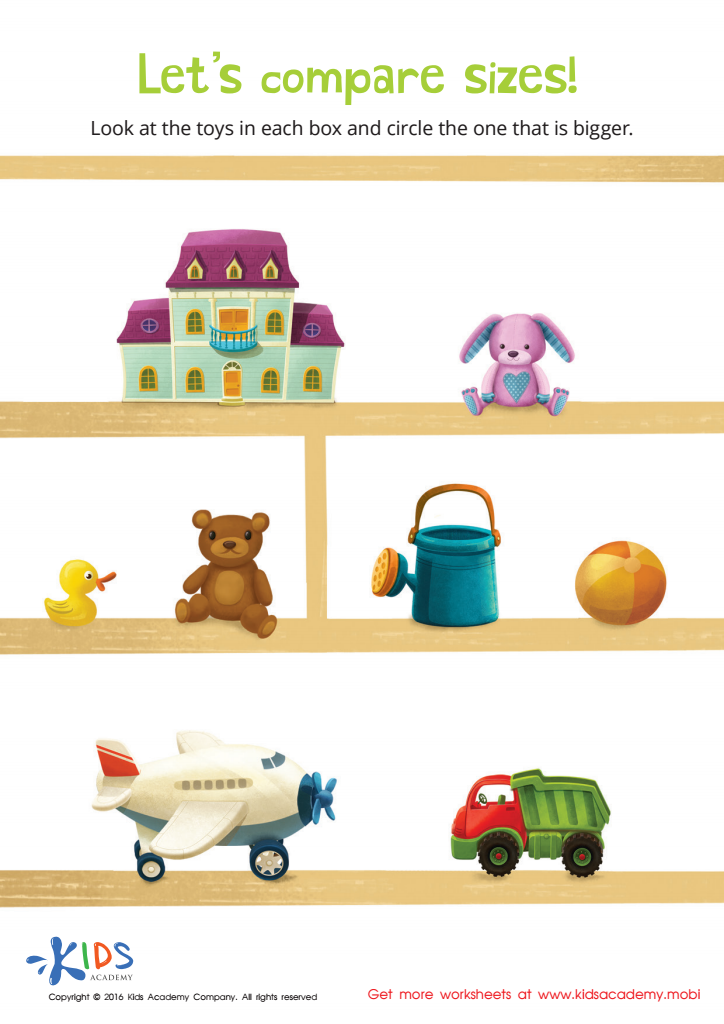
Classifying by Size Sorting Worksheet






.jpg)
.jpg)
Visual perception is a crucial skill that develops in preschool-aged children, and it plays a significant role in their academic and social success. Parents and teachers should care about visual perception because it influences how children interpret and interact with the world around them. Strong visual perception skills enable children to recognize shapes, differentiate colors, and understand spatial relationships, which are foundational for tasks such as reading, writing, and math.
Children with well-developed visual perception are better equipped to follow instructions, notice details, and anticipate outcomes in their environment—creating a more engaged learning experience. Conversely, difficulties in visual perception can lead to challenges in academic performance and increased frustration in children, impacting their self-esteem.
By focusing on visual perception through targeted activities such as puzzles, matching games, and art projects, both parents and teachers can promote these essential skills early on. This support not only benefits cognitive development but also enhances fine motor skills and fosters creativity. A strong emphasis on visual perception lays the foundation for lifelong learning and adaptability, making it a vital component of early childhood education. Engaging in the development of these skills ultimately prepares children for successful transitions into formal schooling and beyond.