Problem-Solving Skills Preschool Addition & Subtraction Worksheets - Page 3
70 filtered results
-
From - To
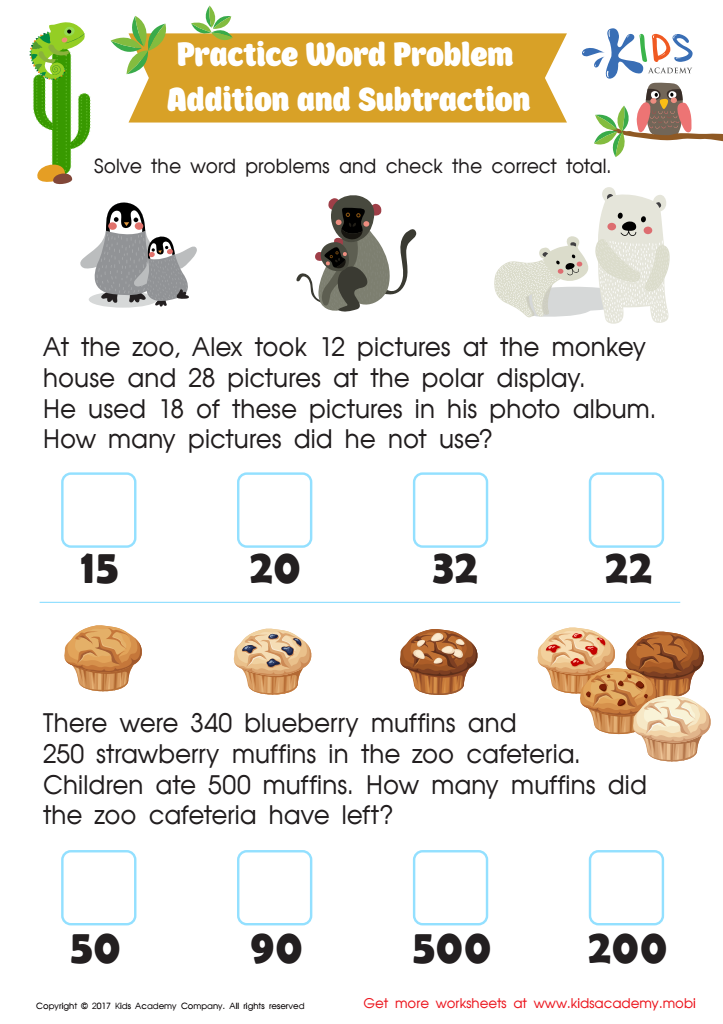
Addition and Subtraction: Word Problems Worksheet
 Assign to My Students
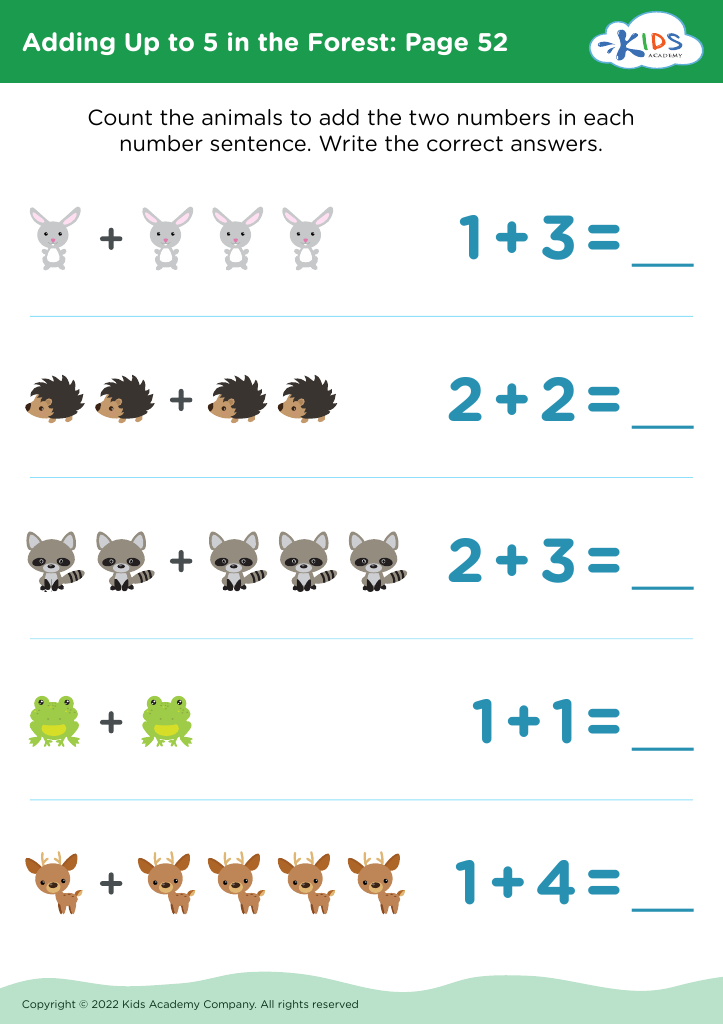
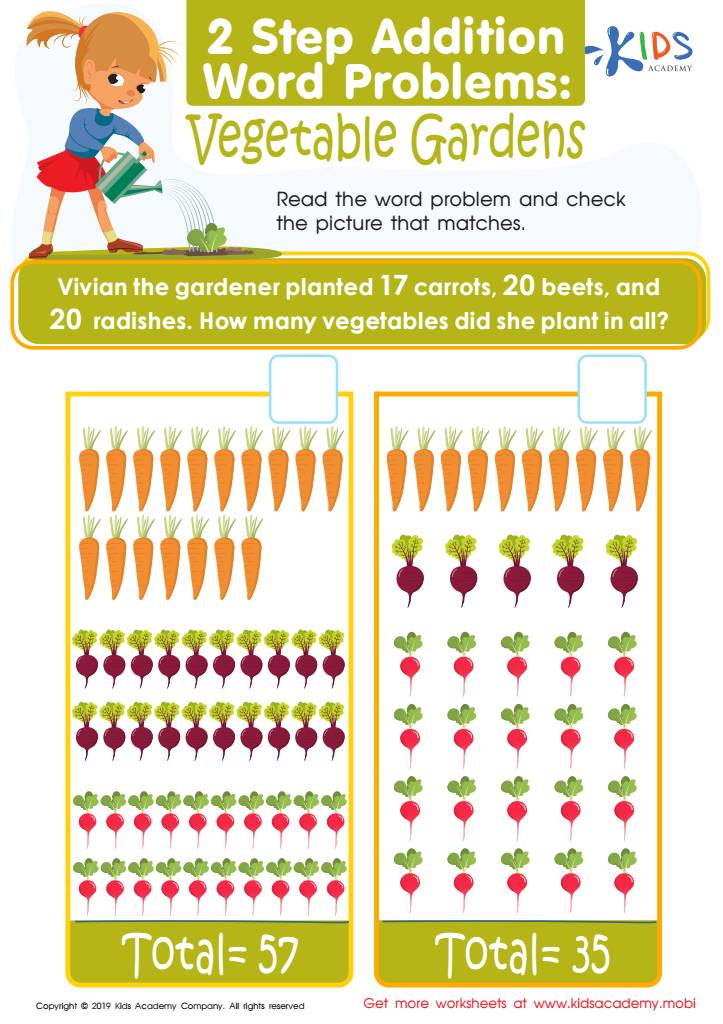
Vegetable Gardens Worksheet
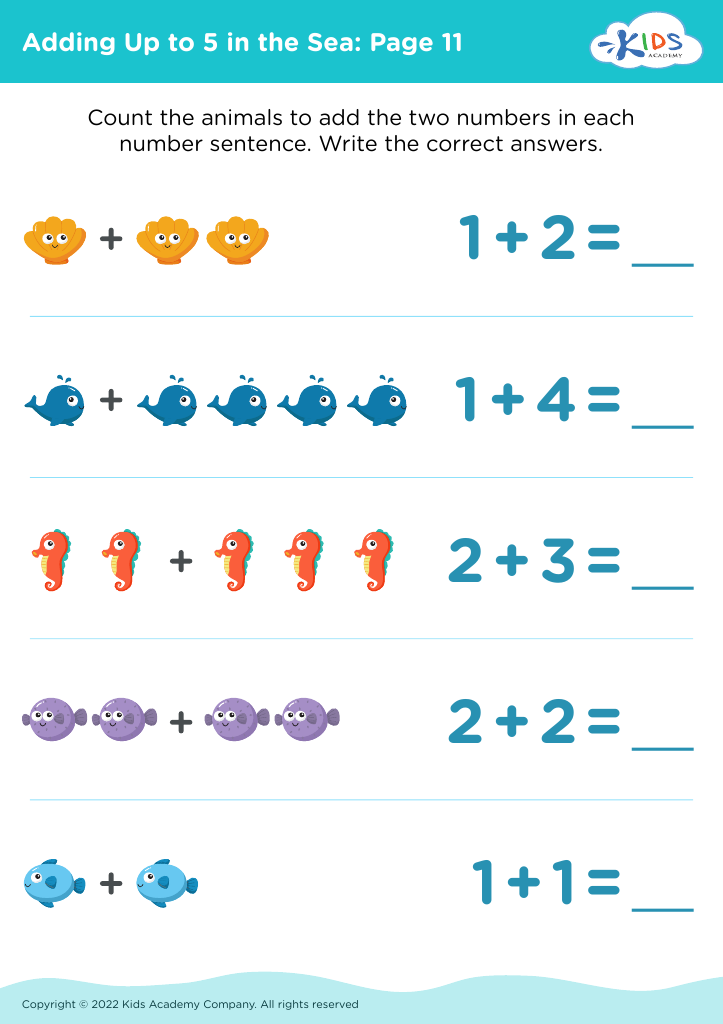
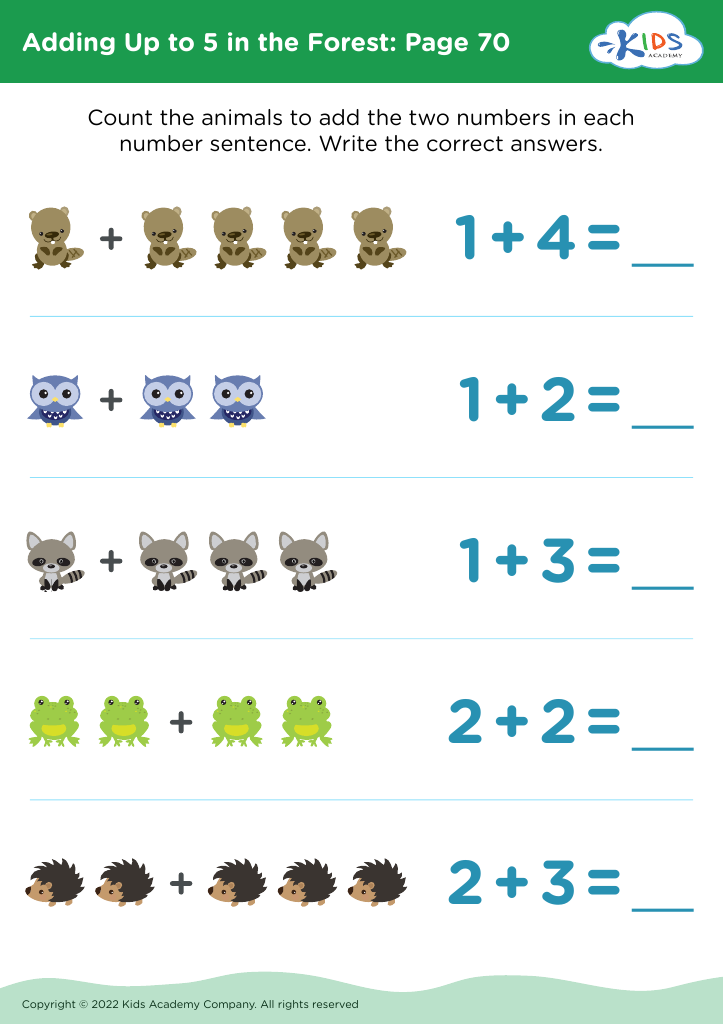
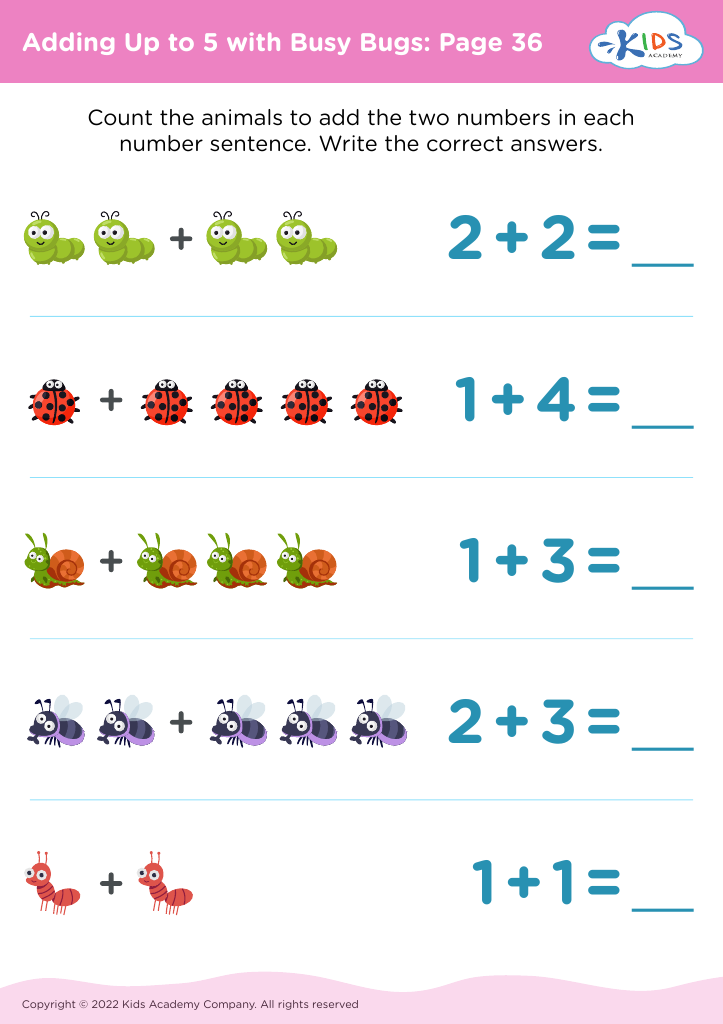
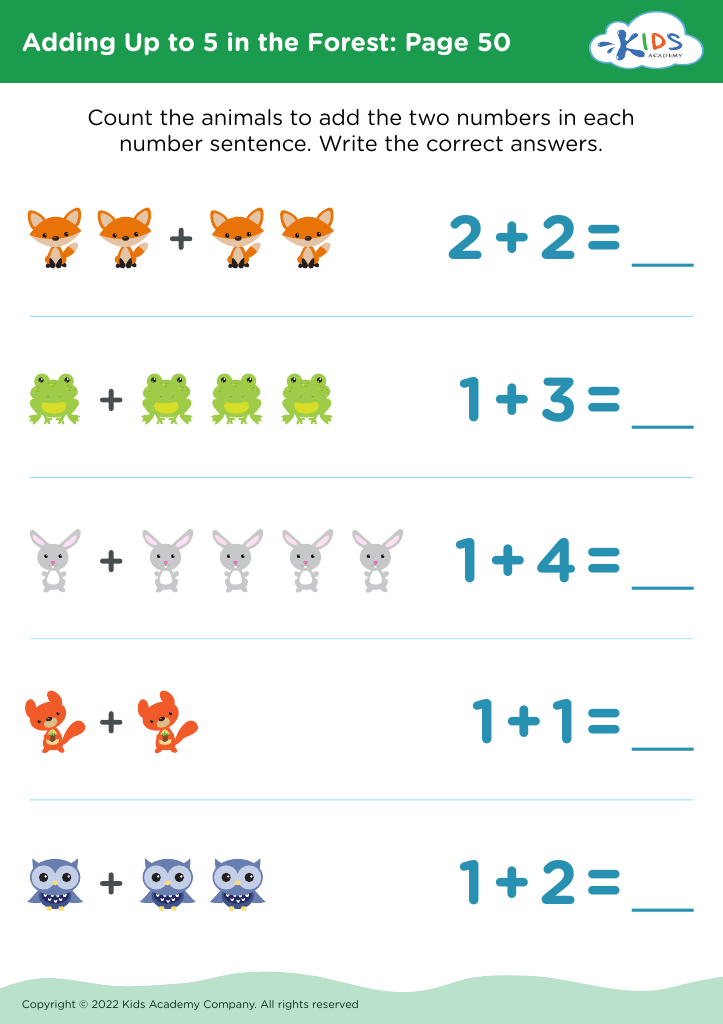
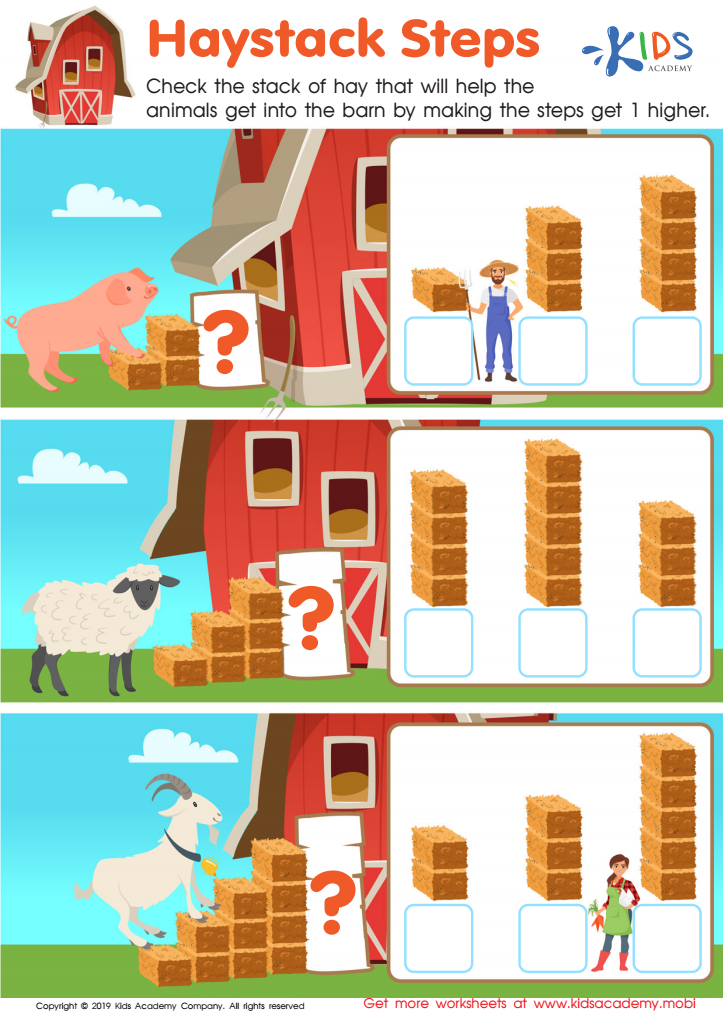
Haystack Steps Worksheet
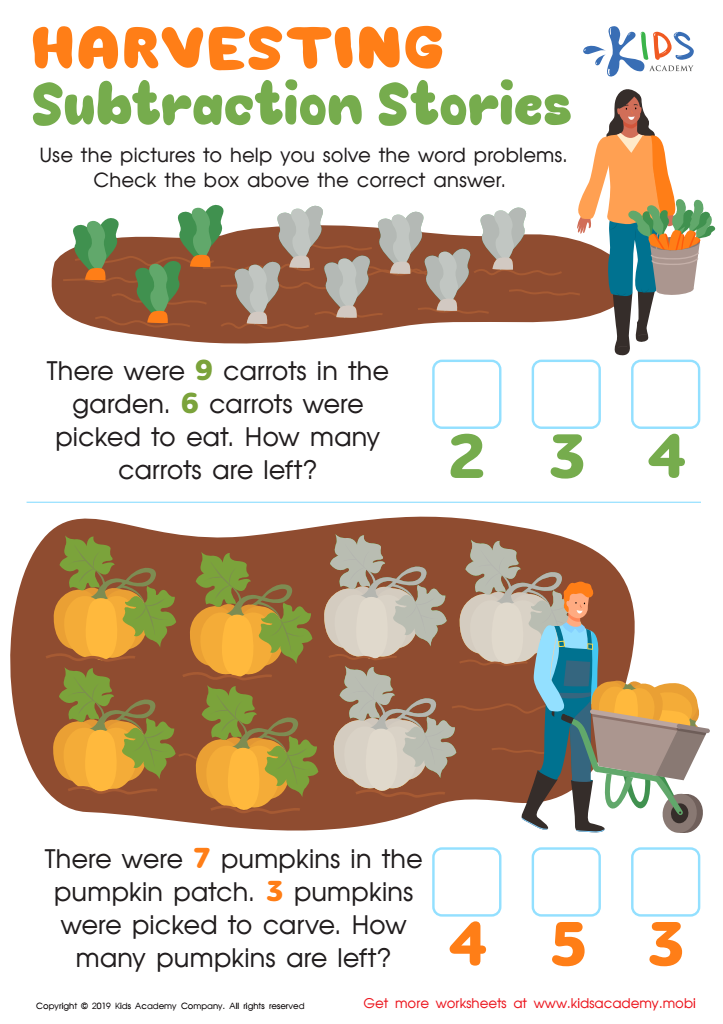
Harvesting Subtraction Stories Worksheet
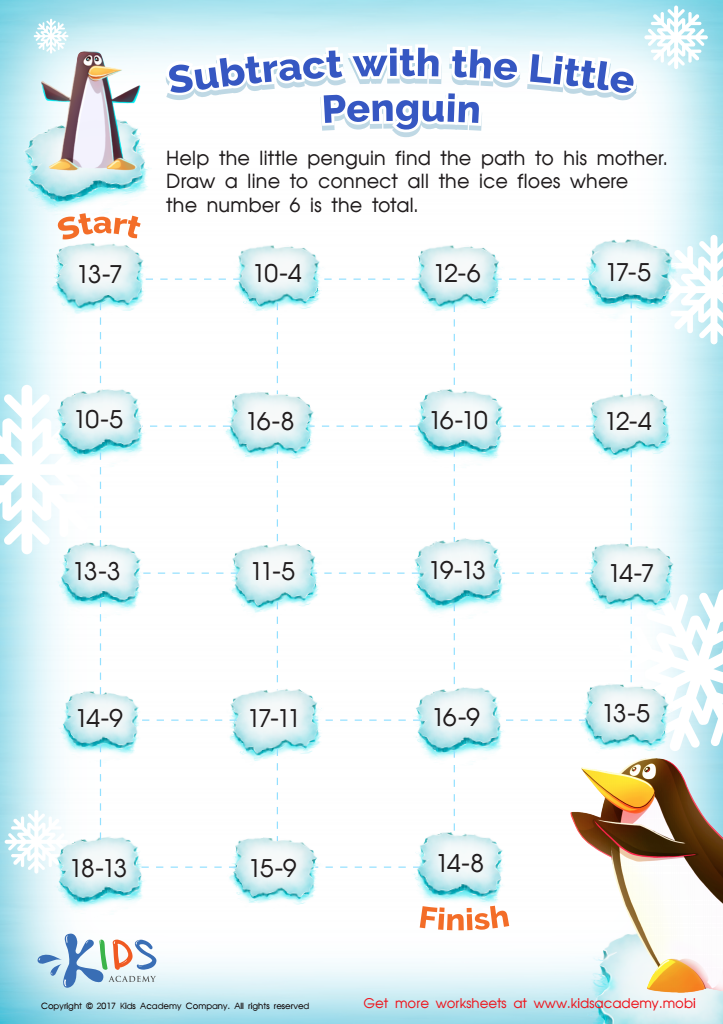
Subtract With The Little Penguin Substraction Worksheet
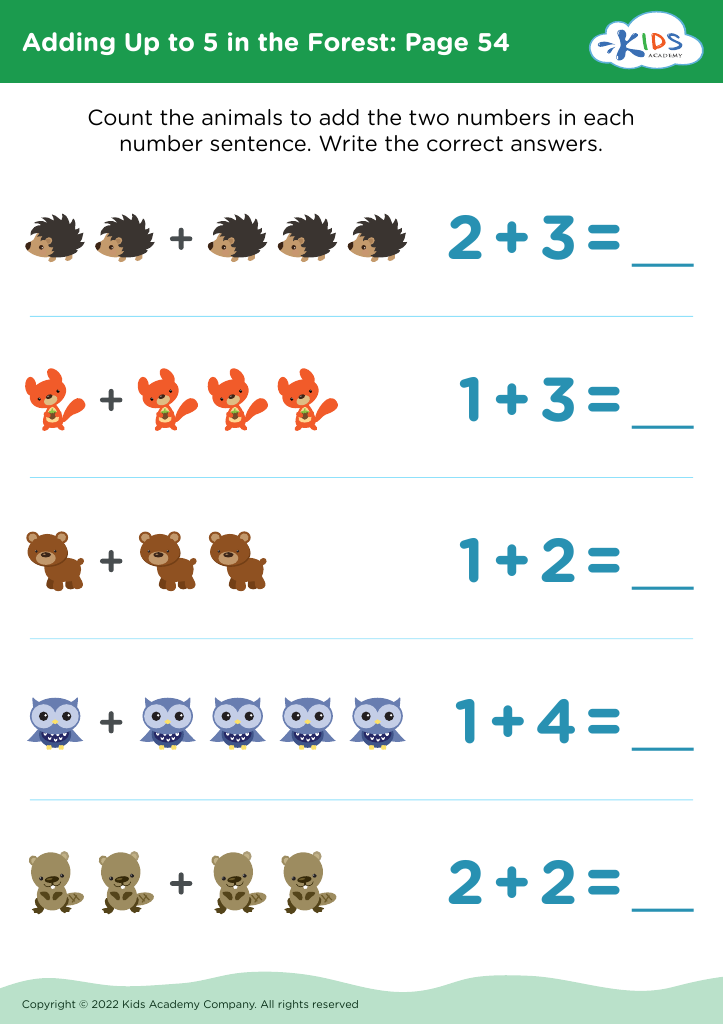
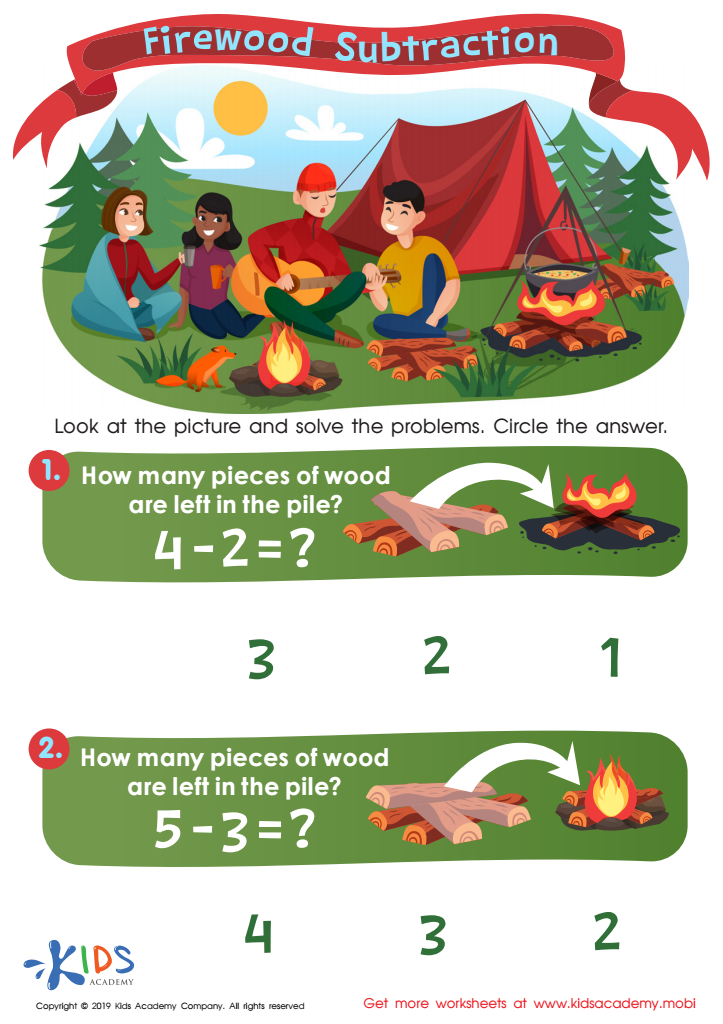
Firewood Subtraction Worksheet
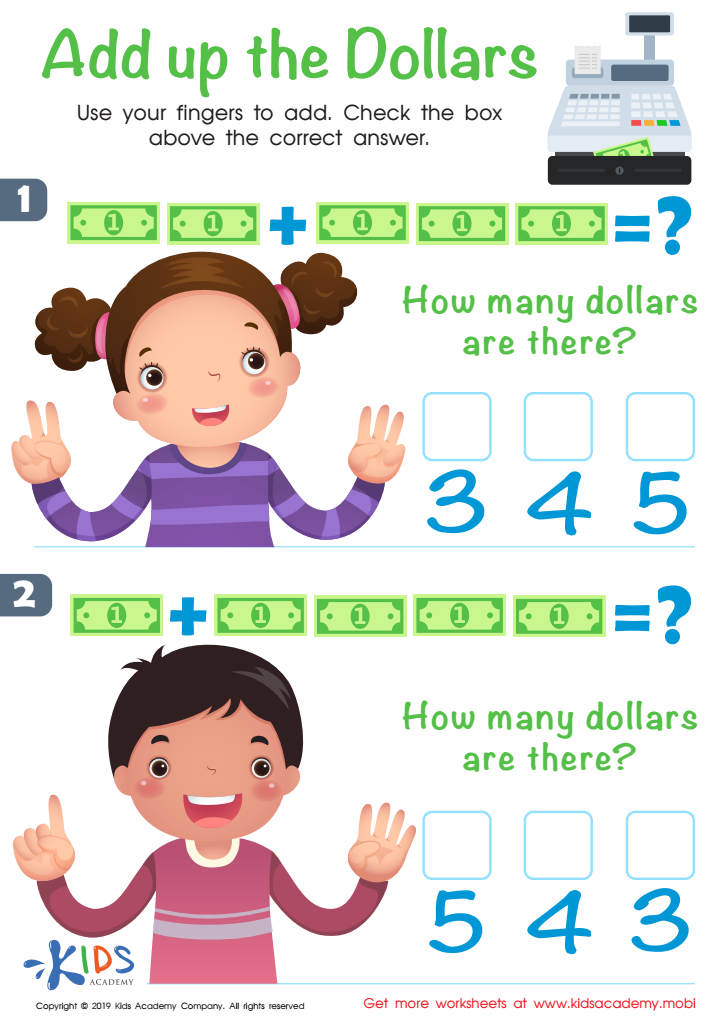
Add up the Dollars Worksheet
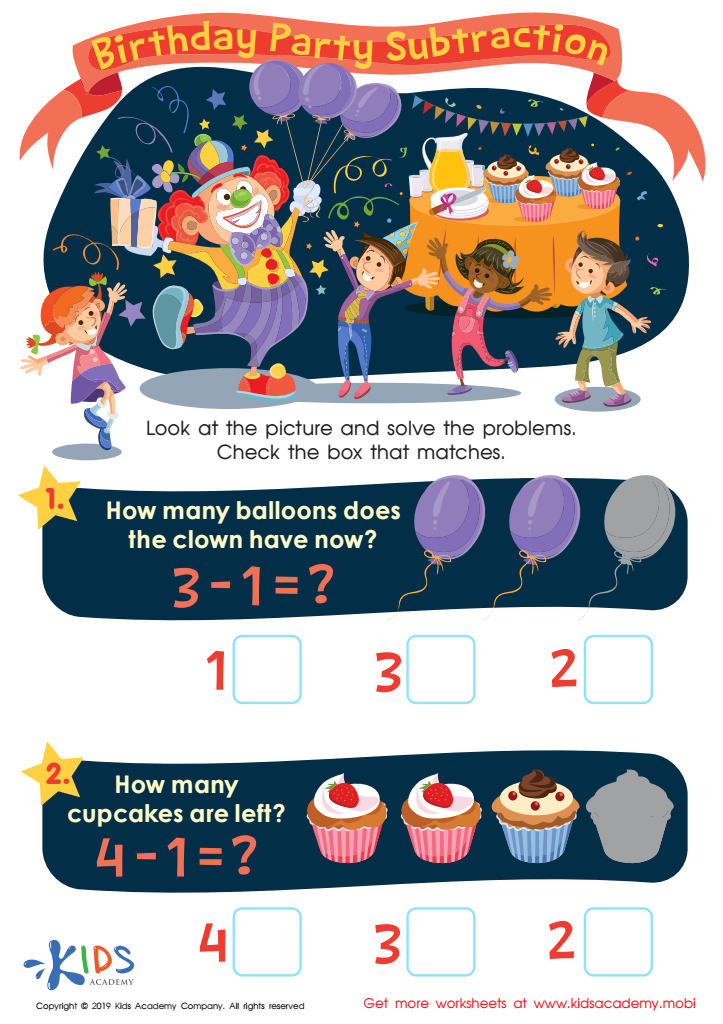
Birthday Party Subtraction Worksheet
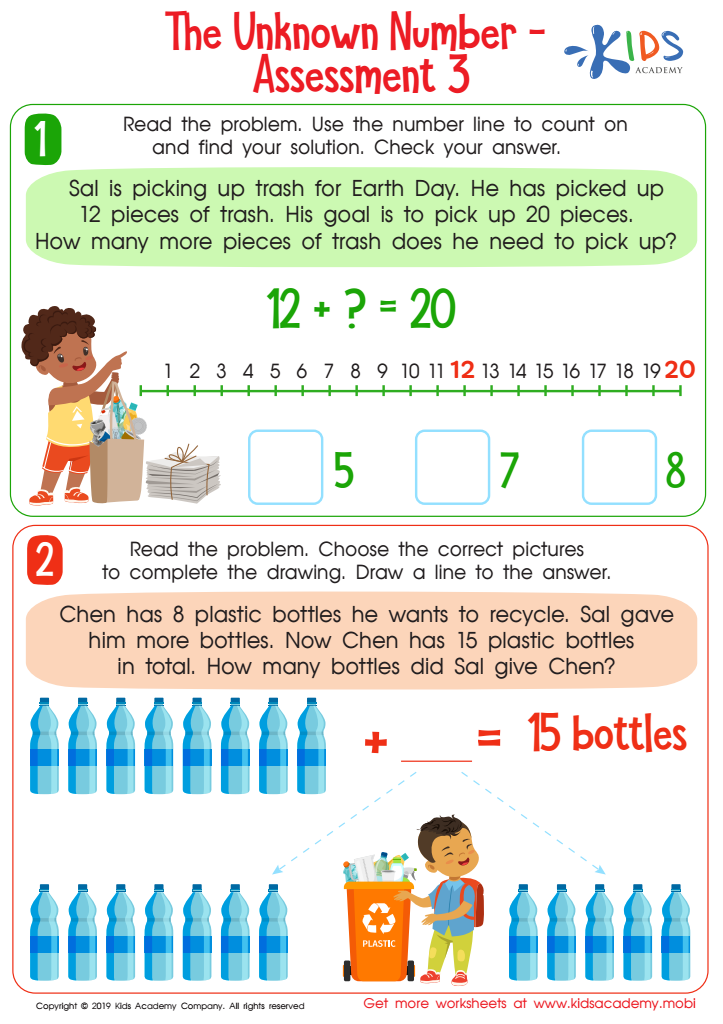
The Unknown Number - Assessment 3 Worksheet
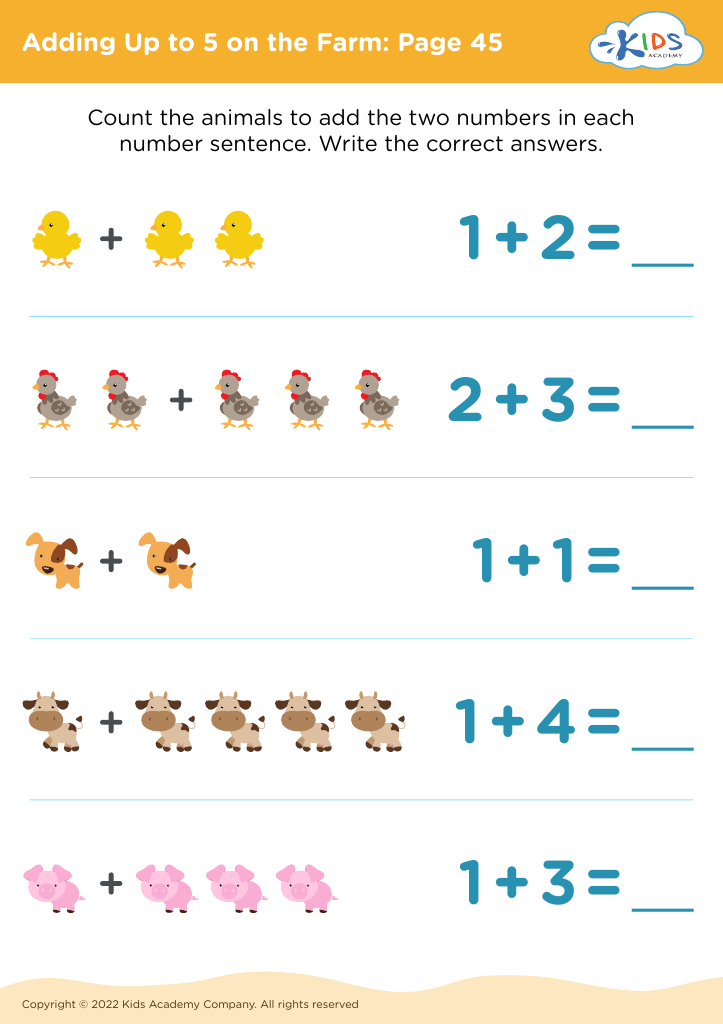
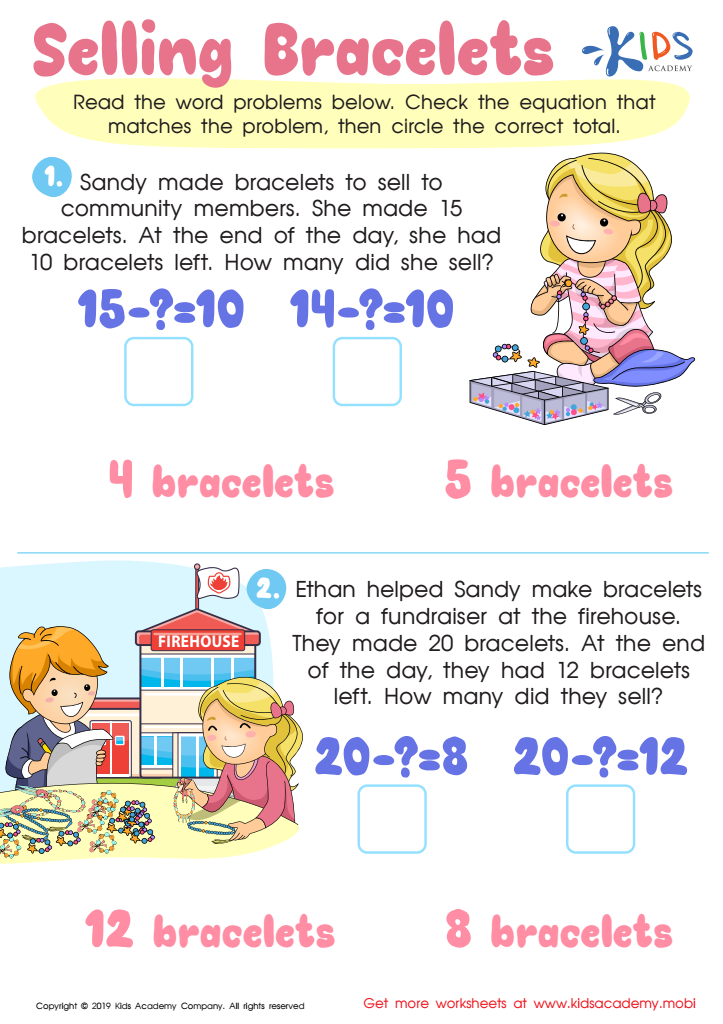
Selling the Bracelets Worksheet
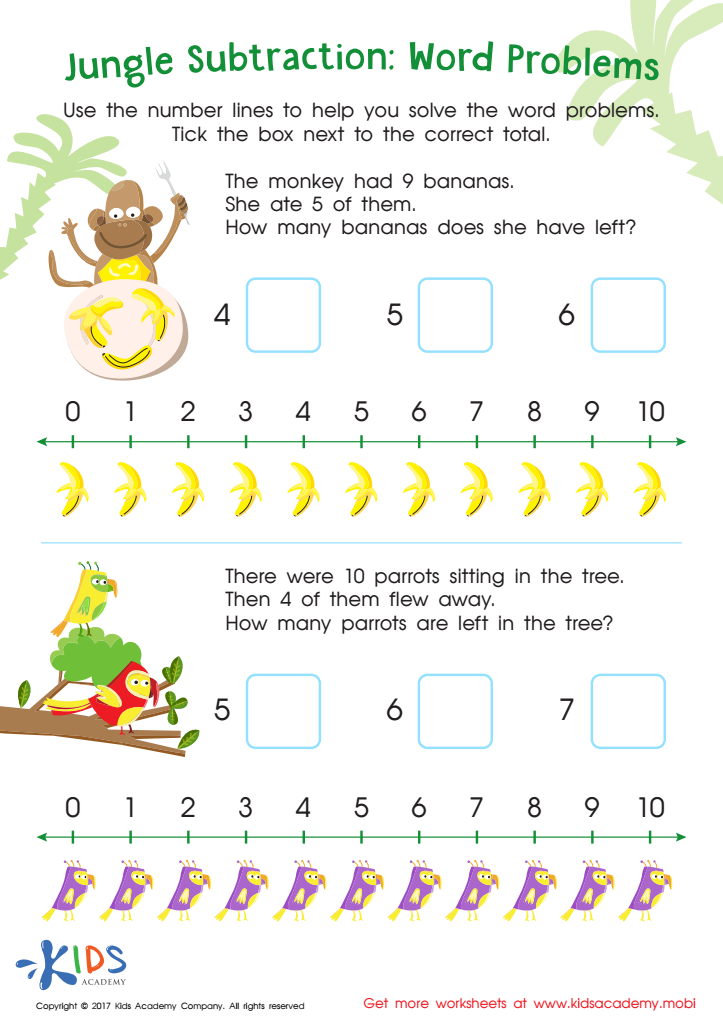
Jungle Subtraction Word Problems Substraction Worksheet
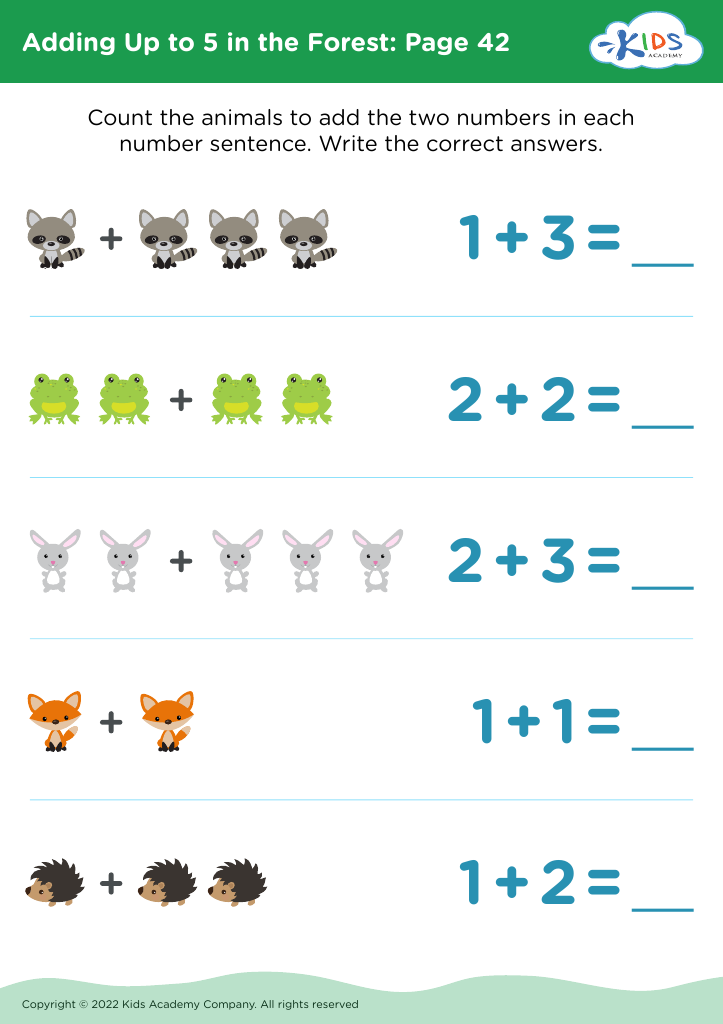
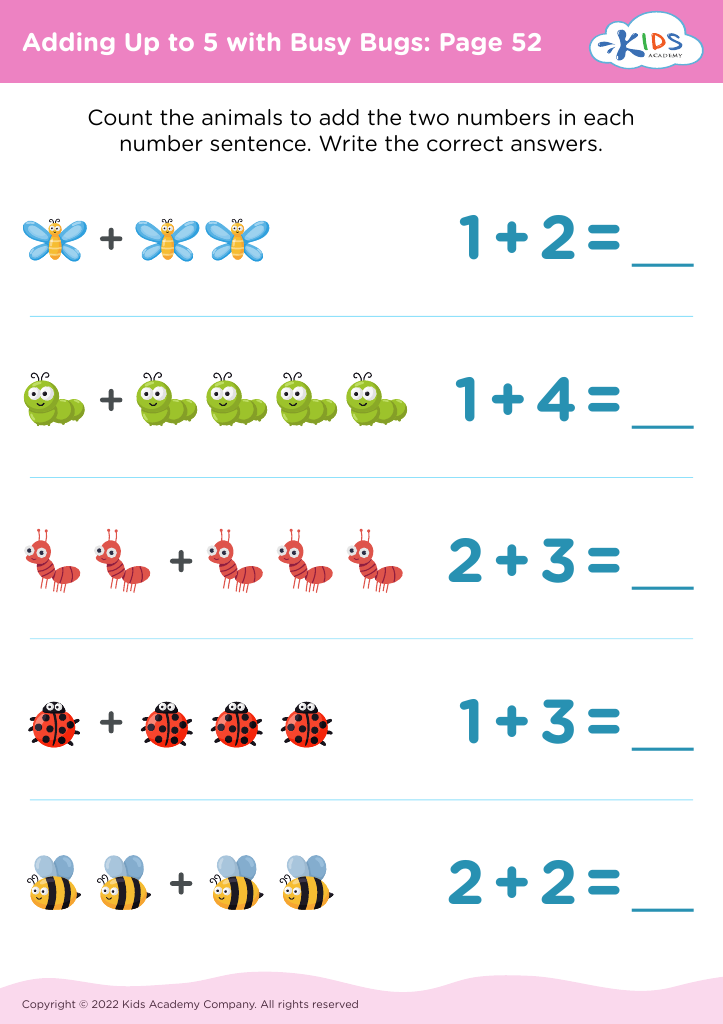








Parents and teachers should prioritize problem-solving skills in preschool addition and subtraction because these foundational skills set the stage for a child's overall mathematical development and critical thinking abilities. As children learn to navigate simple math problems, they engage in critical reasoning processes that enhance cognitive development. Mastery in these early math concepts fosters confidence and enthusiasm for learning, paving the way for more complex math topics in later years.
Moreover, cultivating problem-solving skills encourages children to approach challenges with curiosity and perseverance. It promotes a growth mindset, helping them understand that mistakes are valuable learning opportunities. Engaging preschoolers in addition and subtraction games and activities also provides a fun, interactive environment that stimulates their interest and keeps them engaged.
Additionally, problem-solving skills extend beyond mathematics; they enable children to apply logical thinking to everyday situations, enhancing their ability to make decisions and solve various life challenges. Collaborative problem-solving experiences in classrooms or at home build social skills, fostering teamwork and communication. In essence, cultivating these skills early helps children establish a strong foundation not only for math but for holistic development as active, critical thinkers in an increasingly complicated world.