Visual Learning Preschool Addition Worksheets - Page 2
87 filtered results
-
From - To
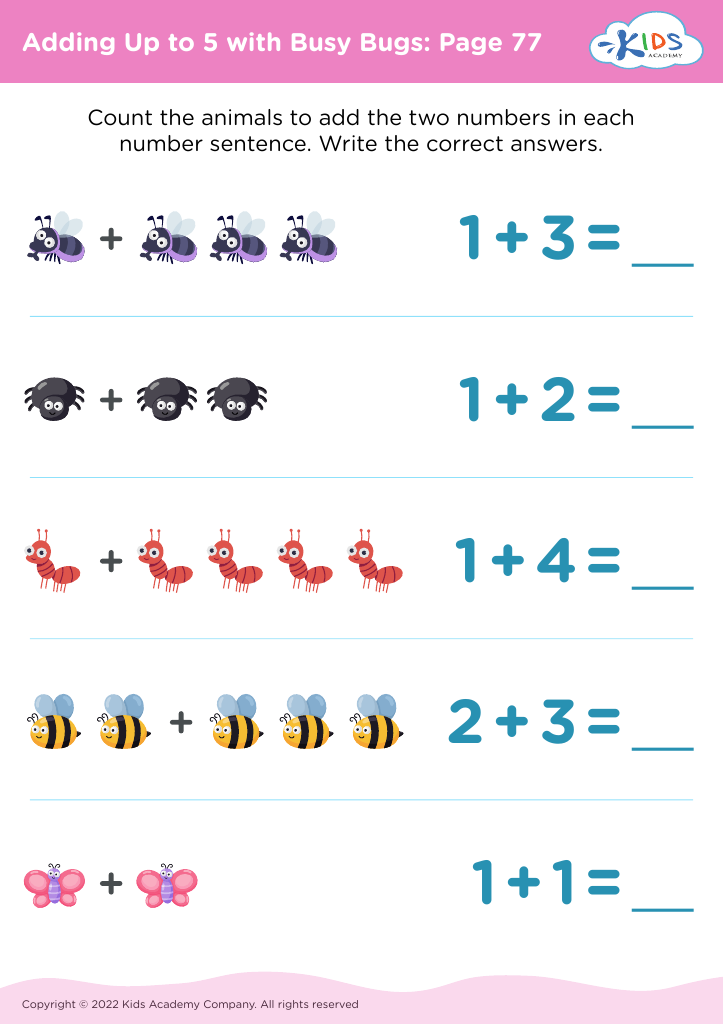
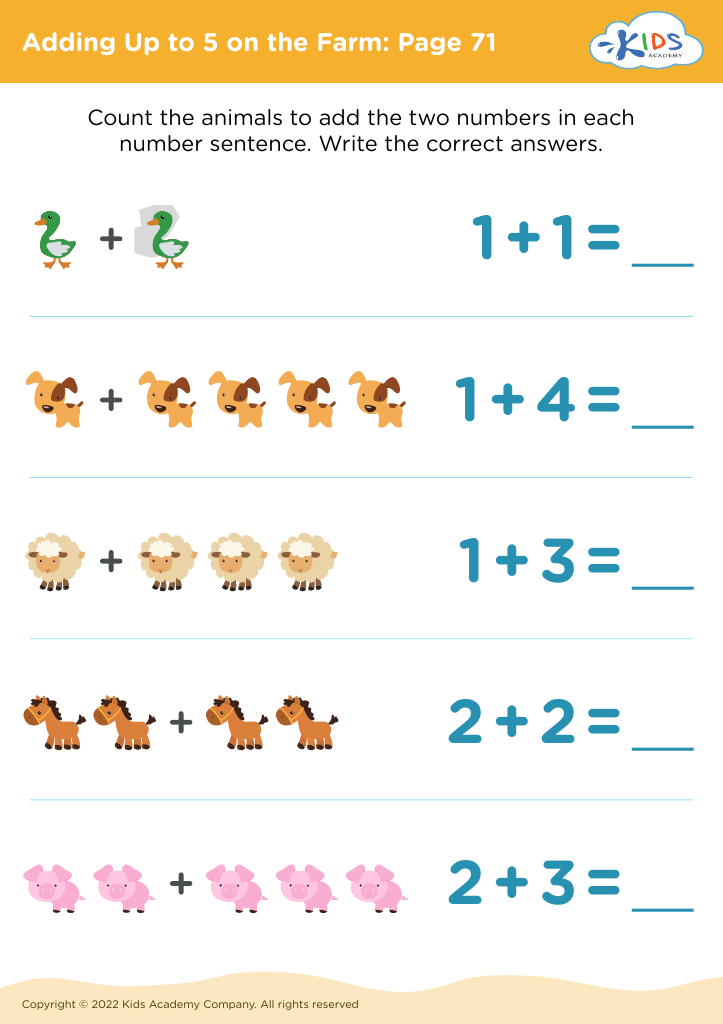
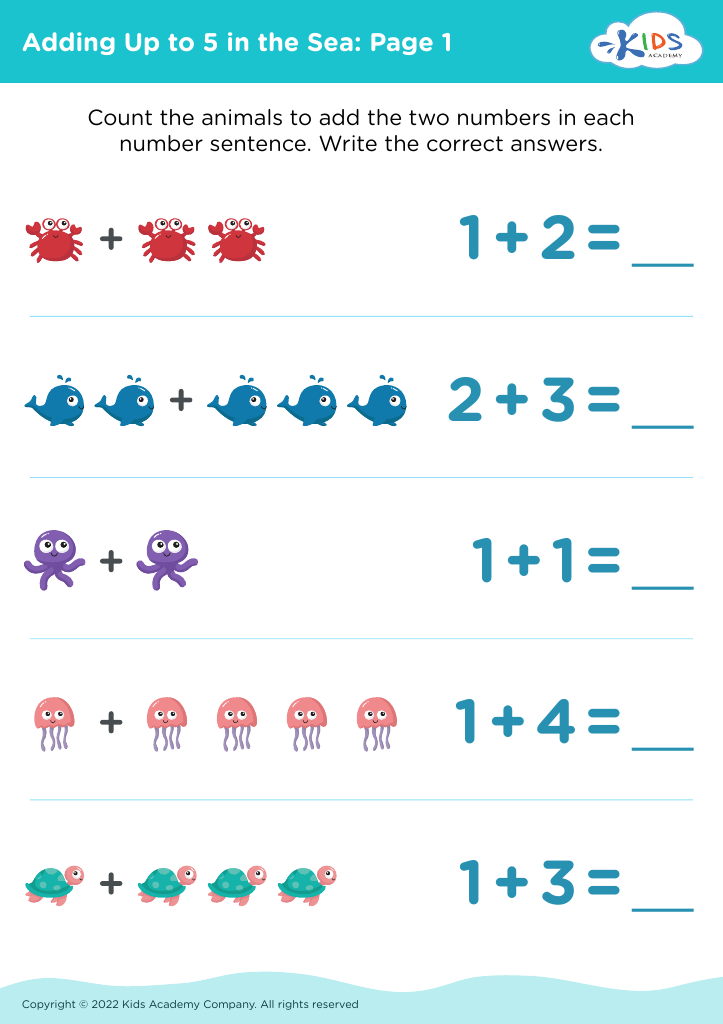
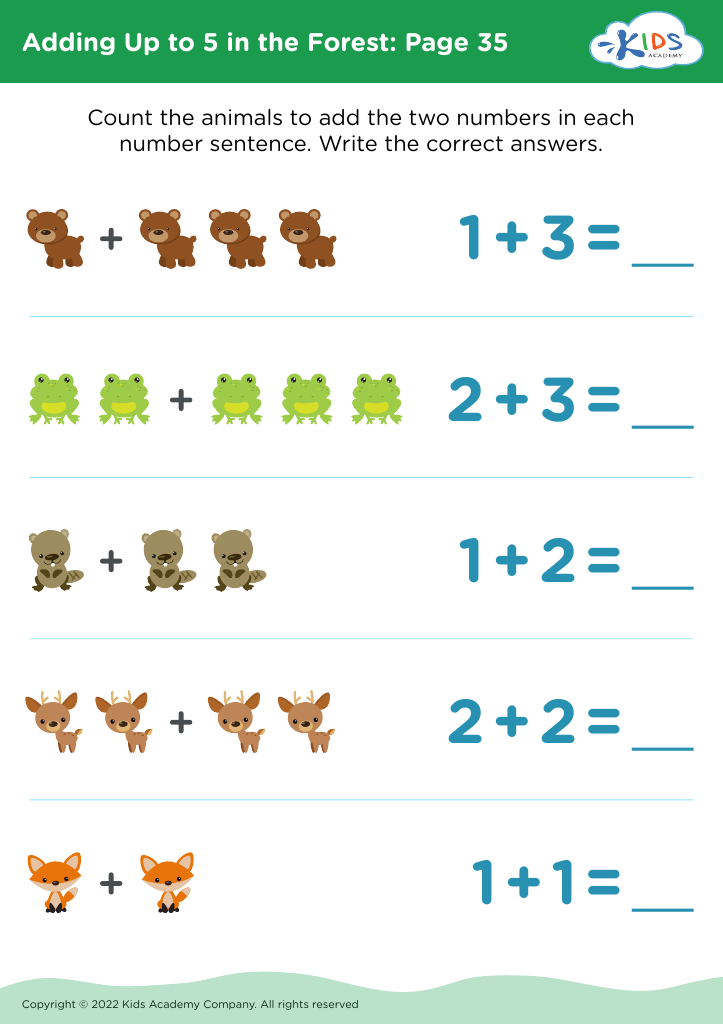
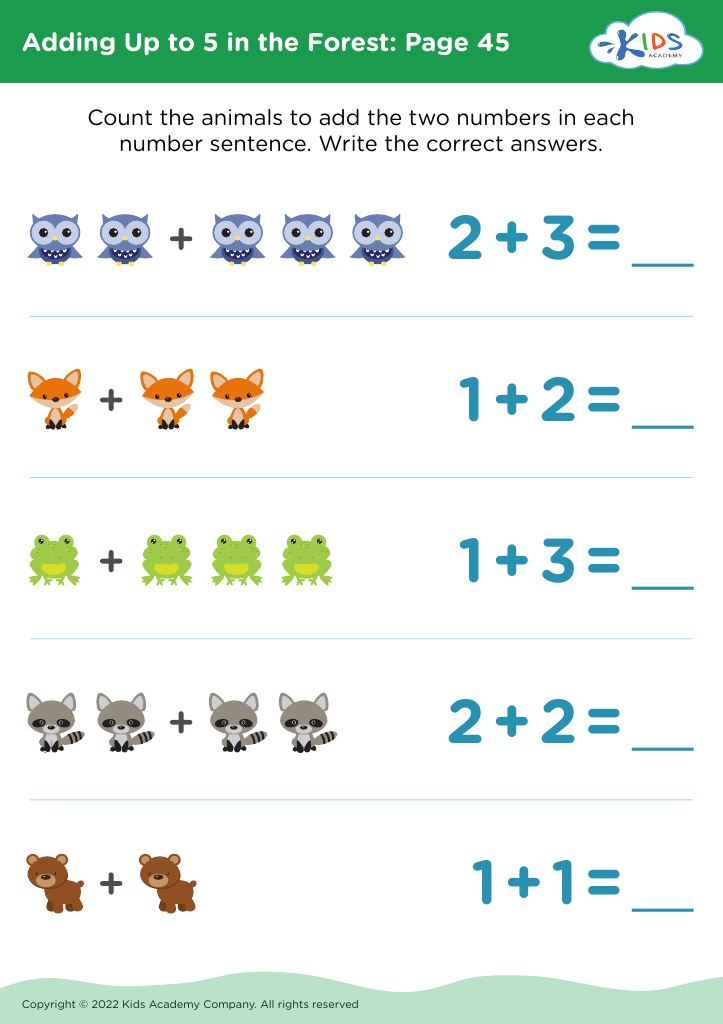
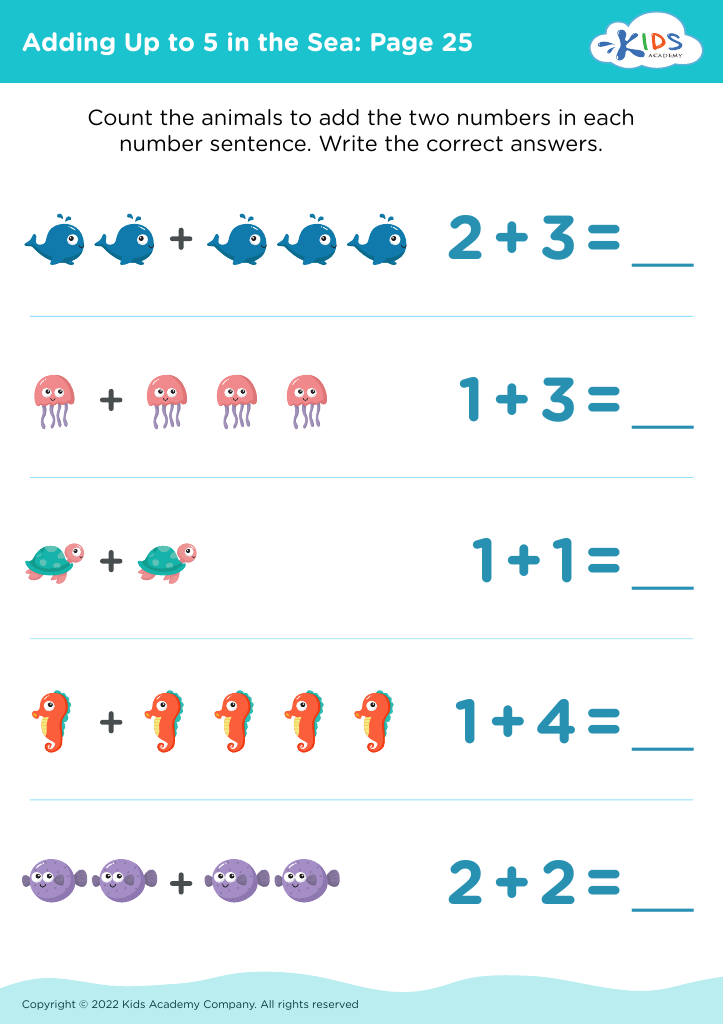
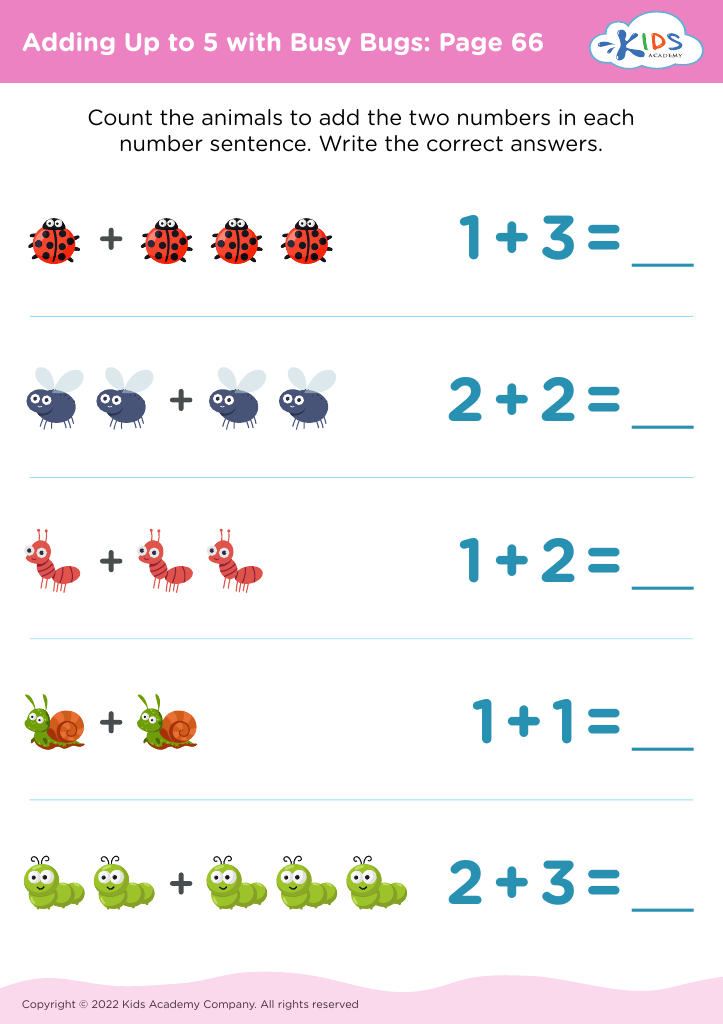
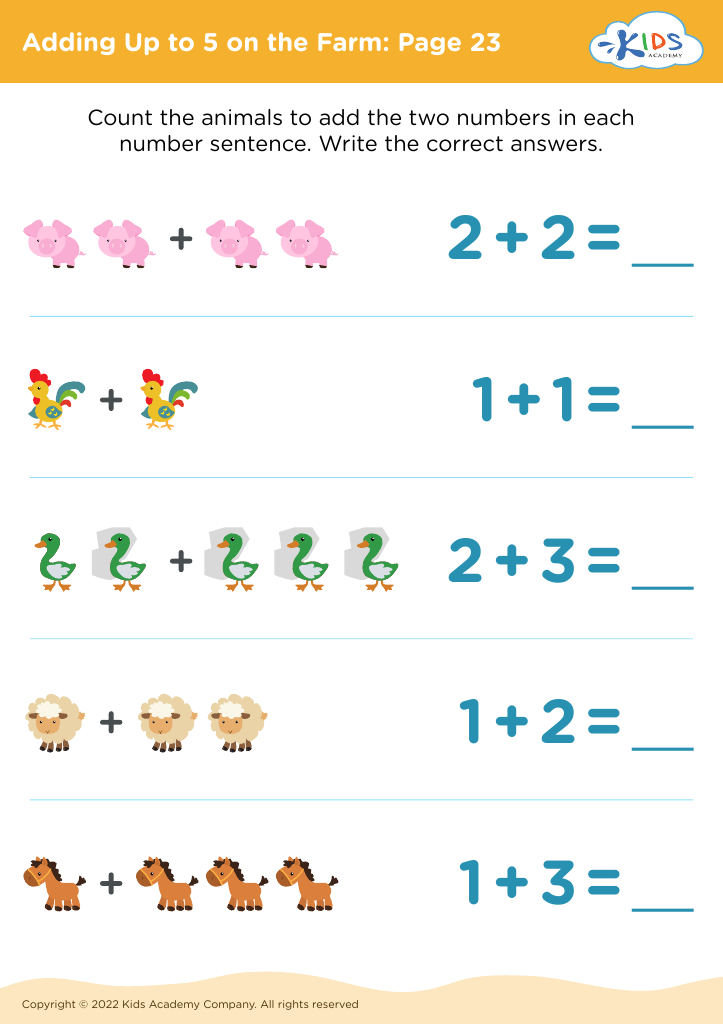
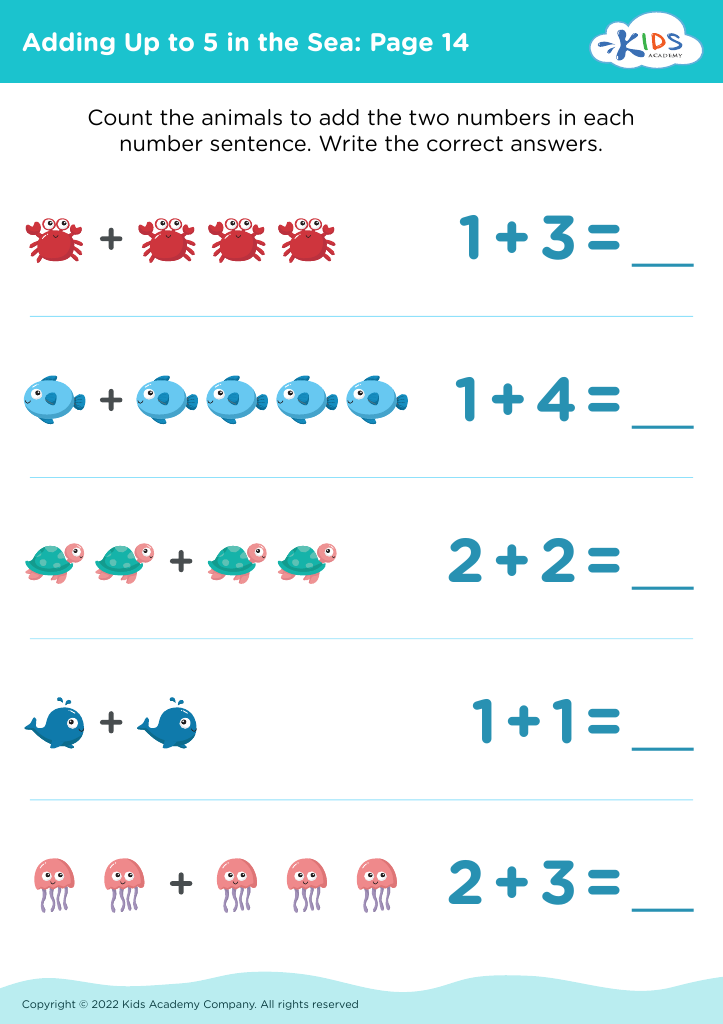
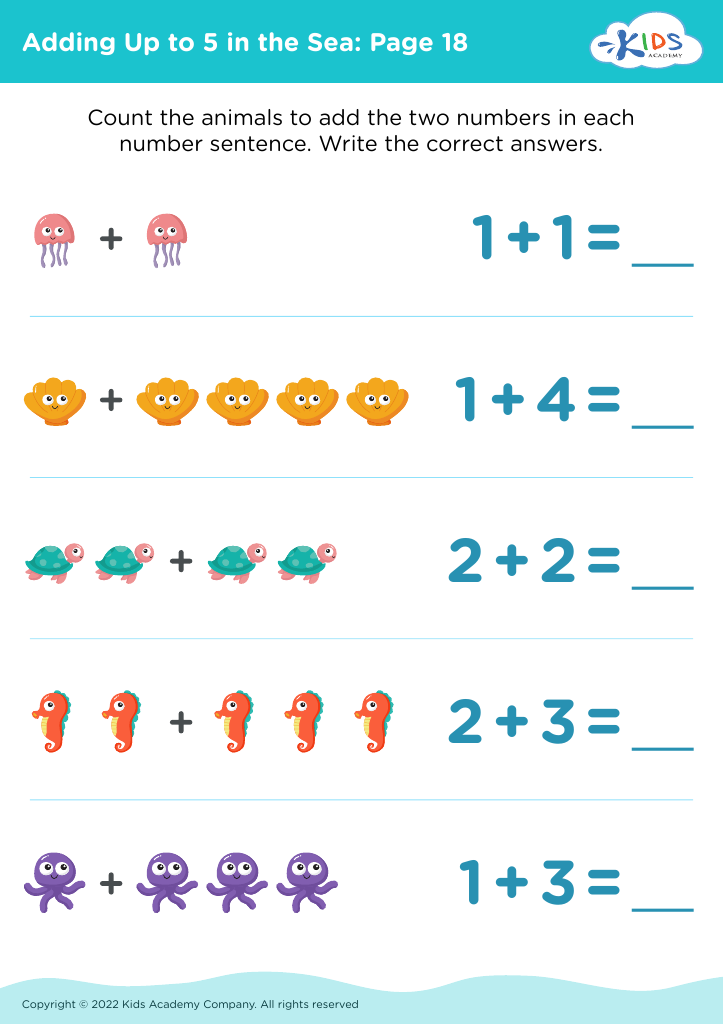
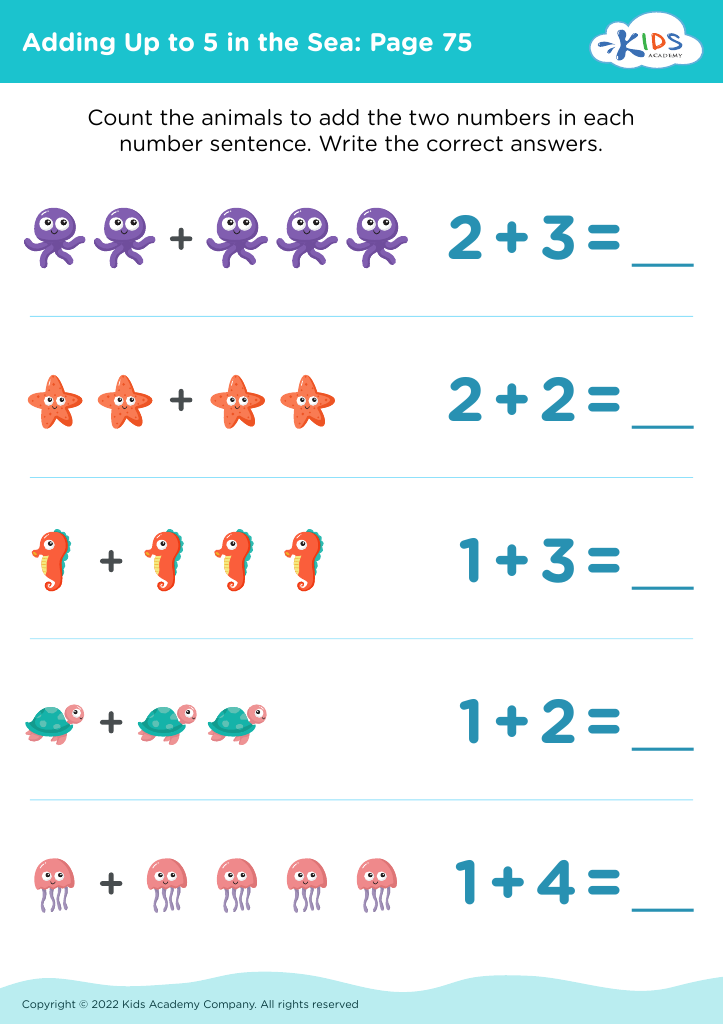
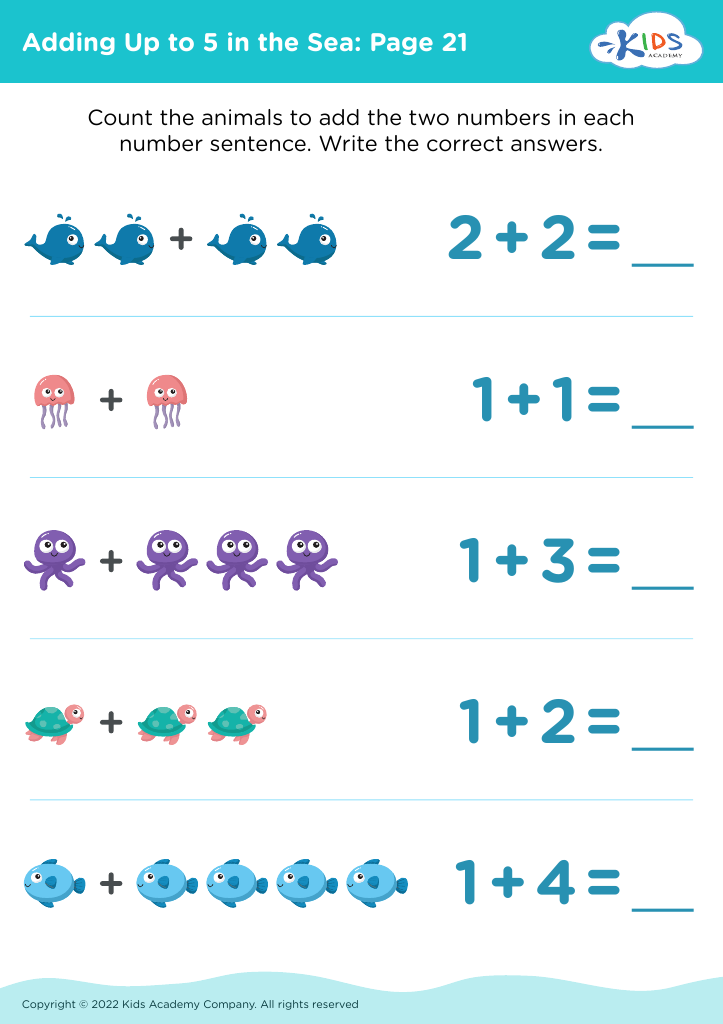
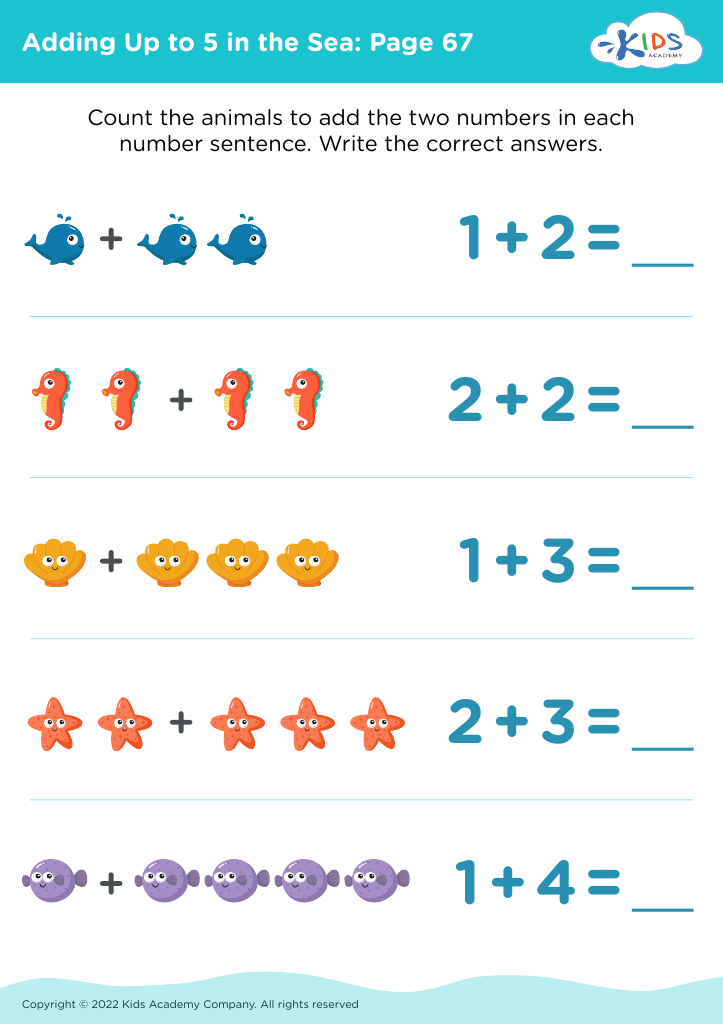
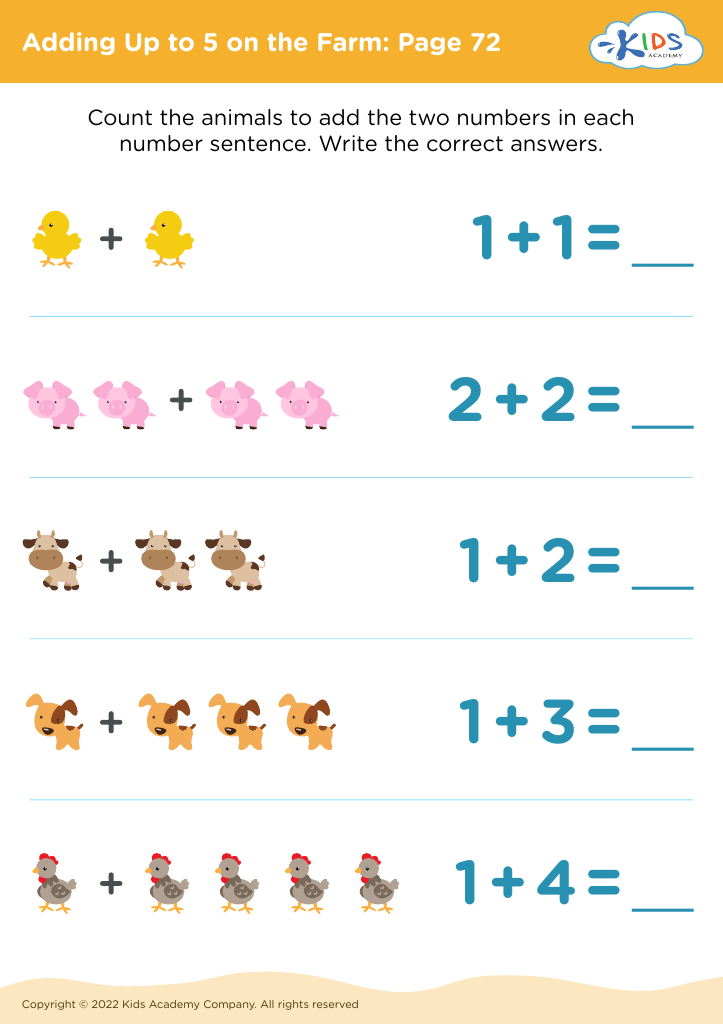
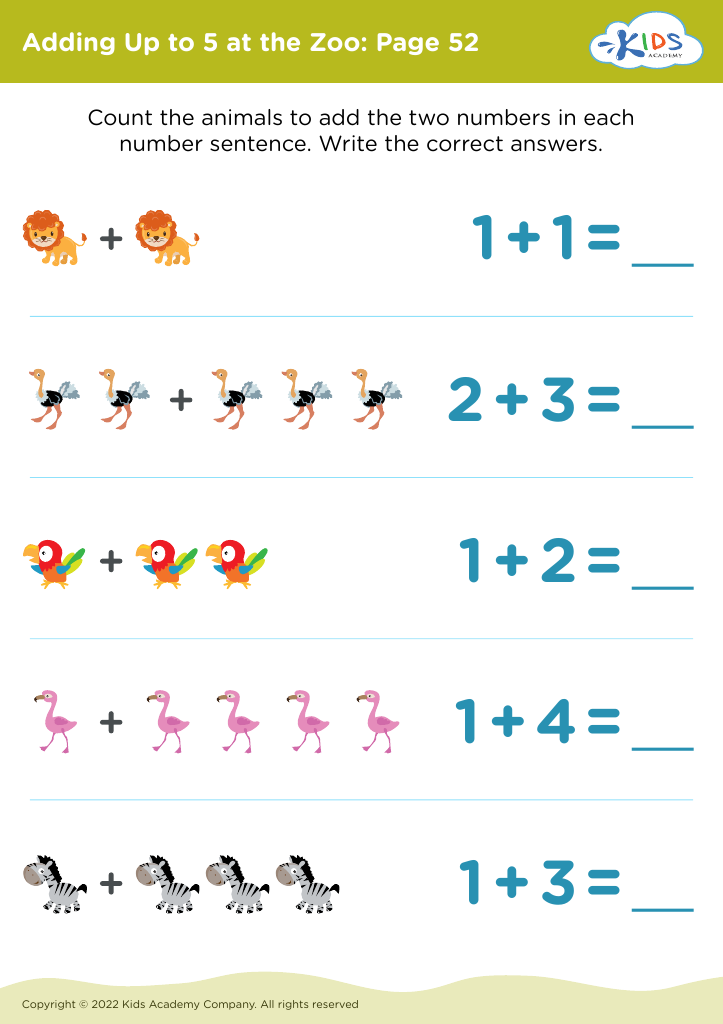
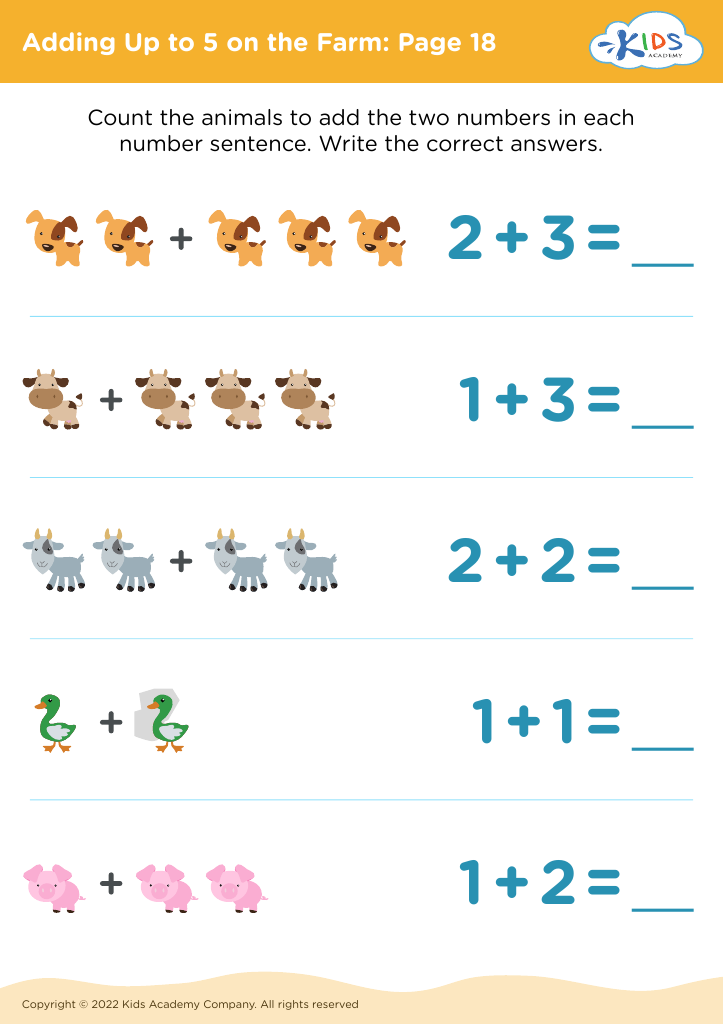
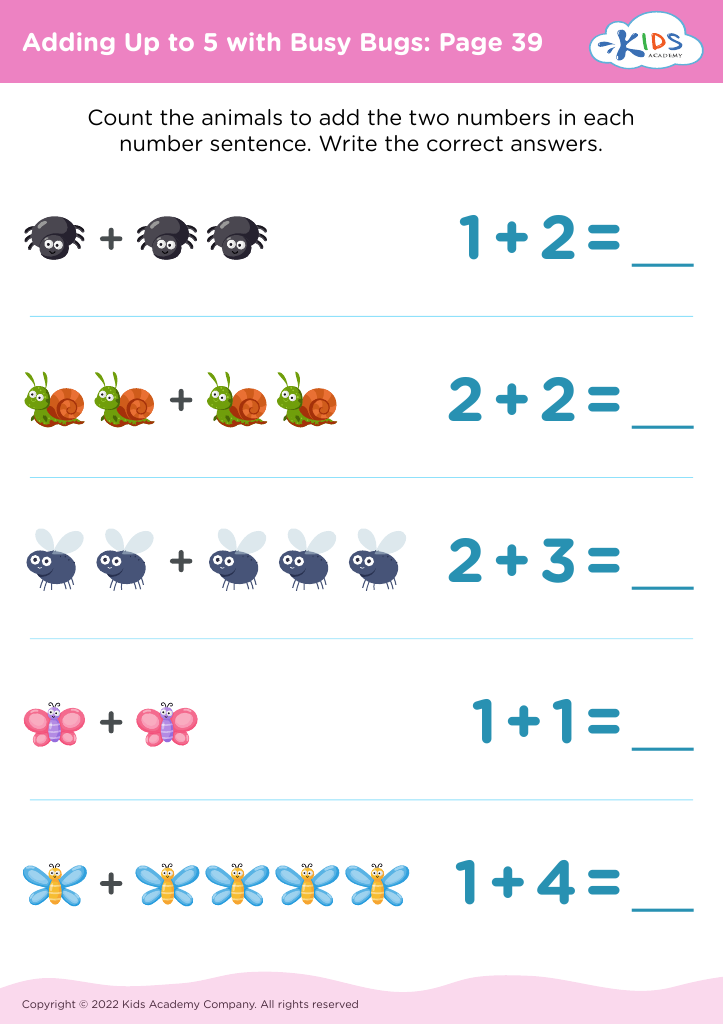
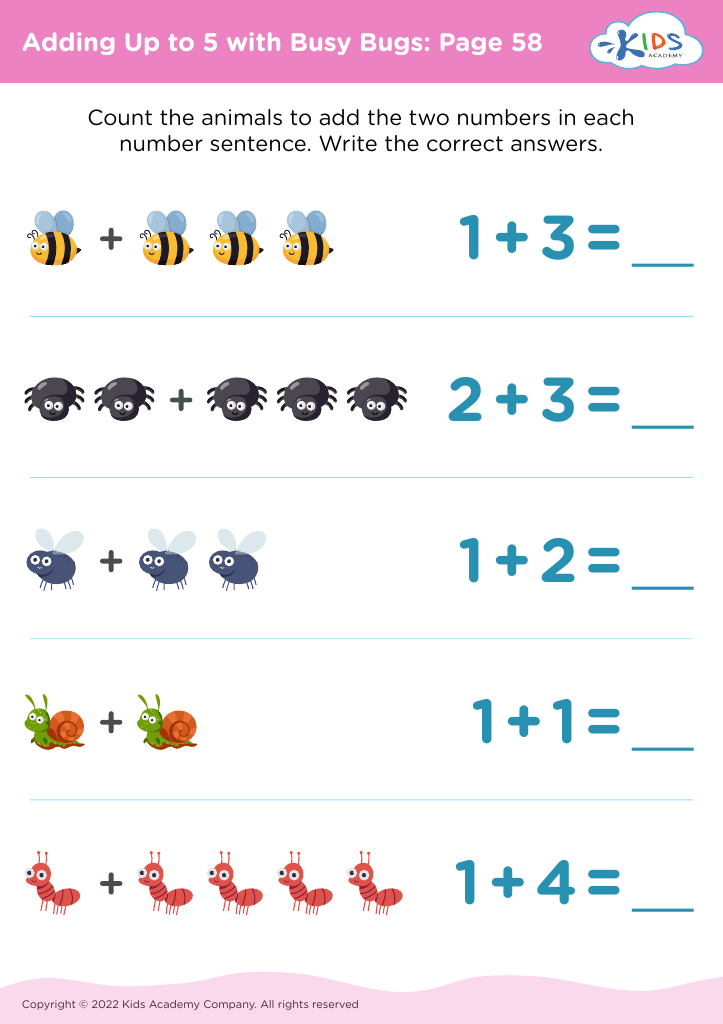
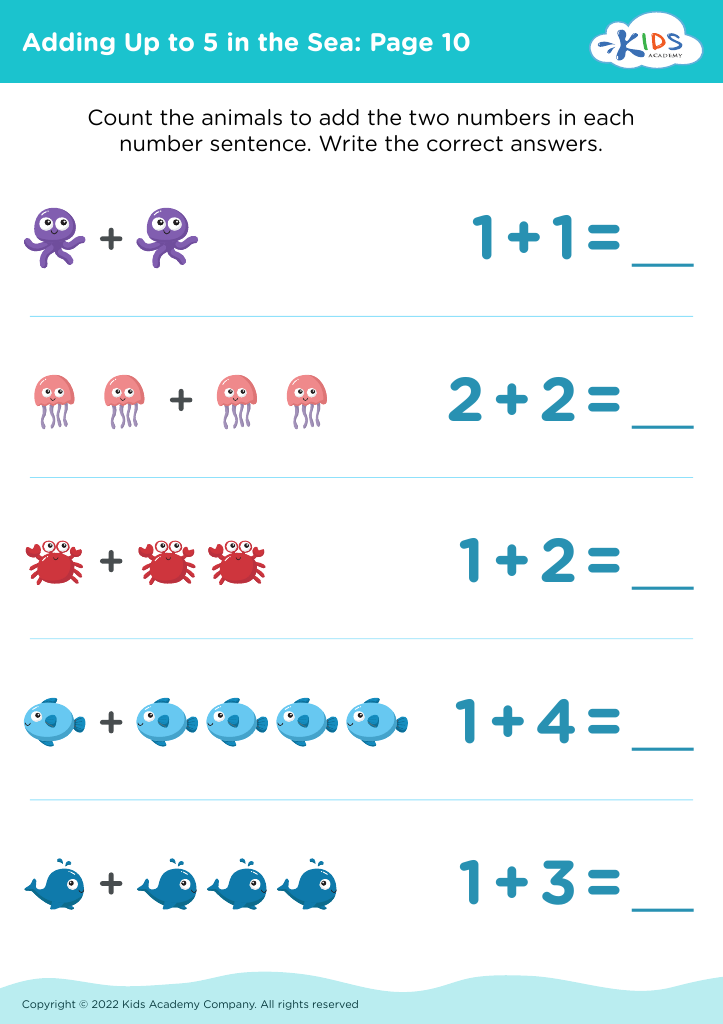
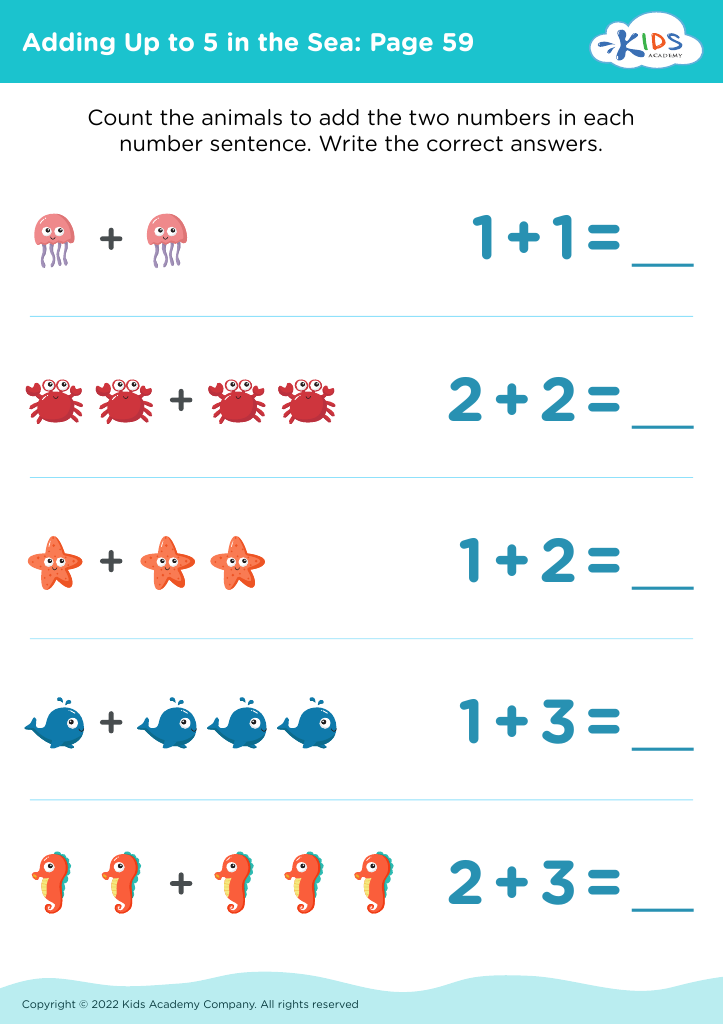
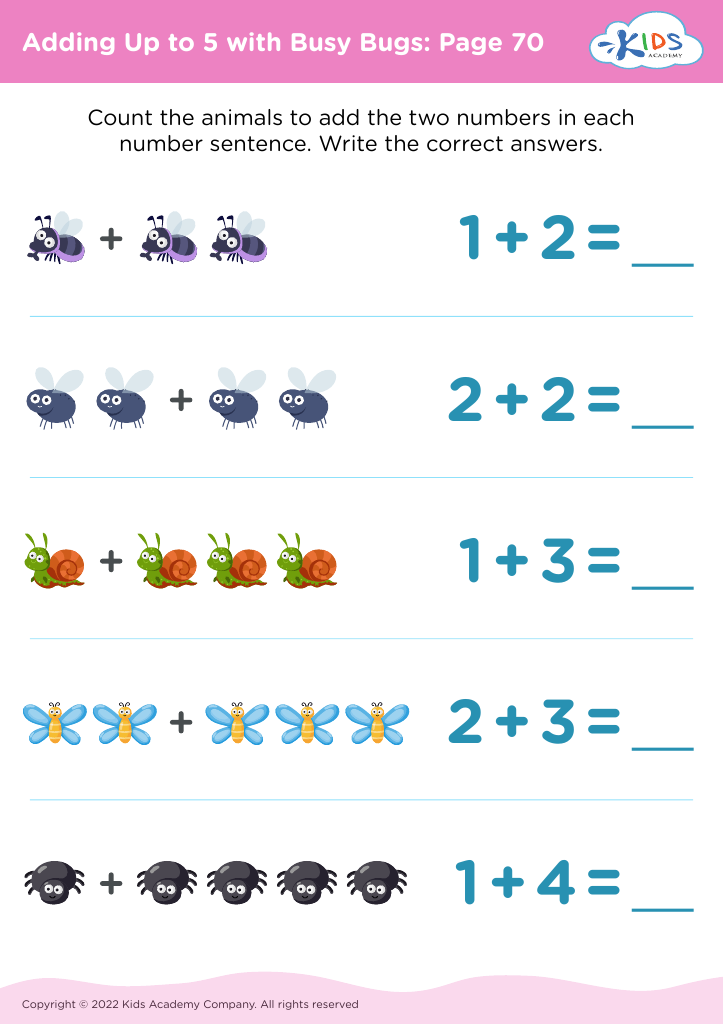
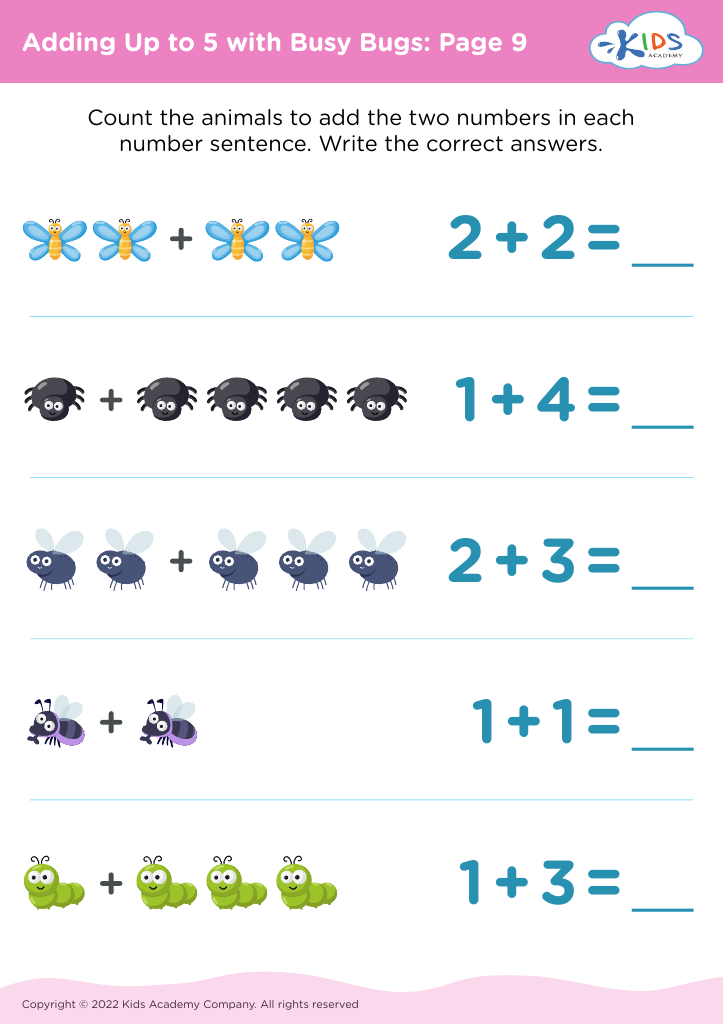
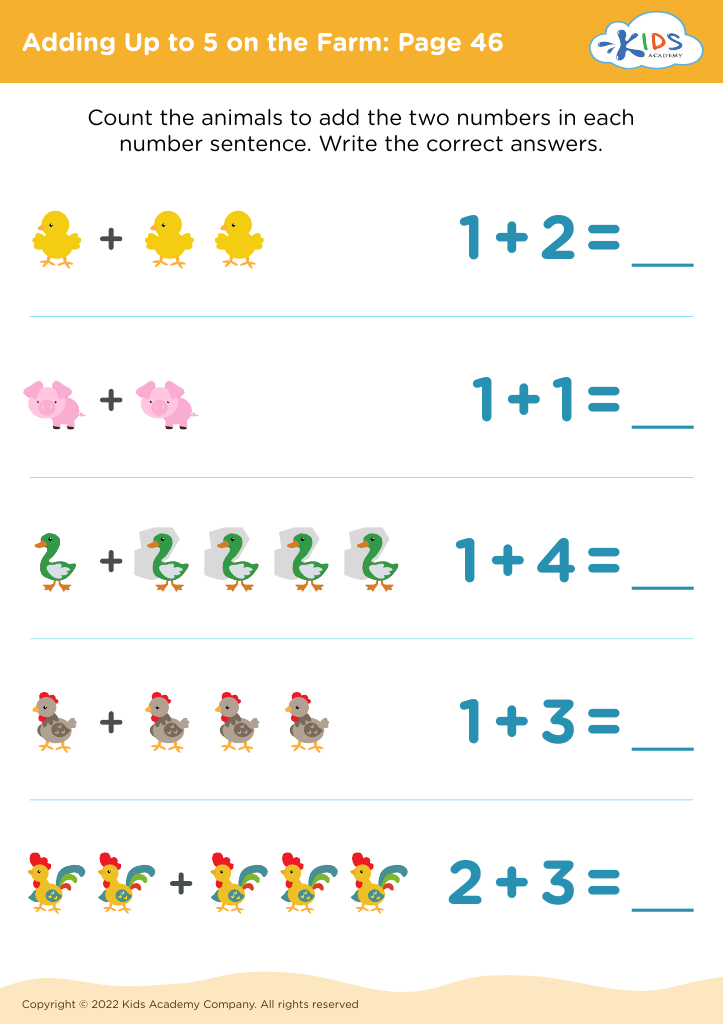
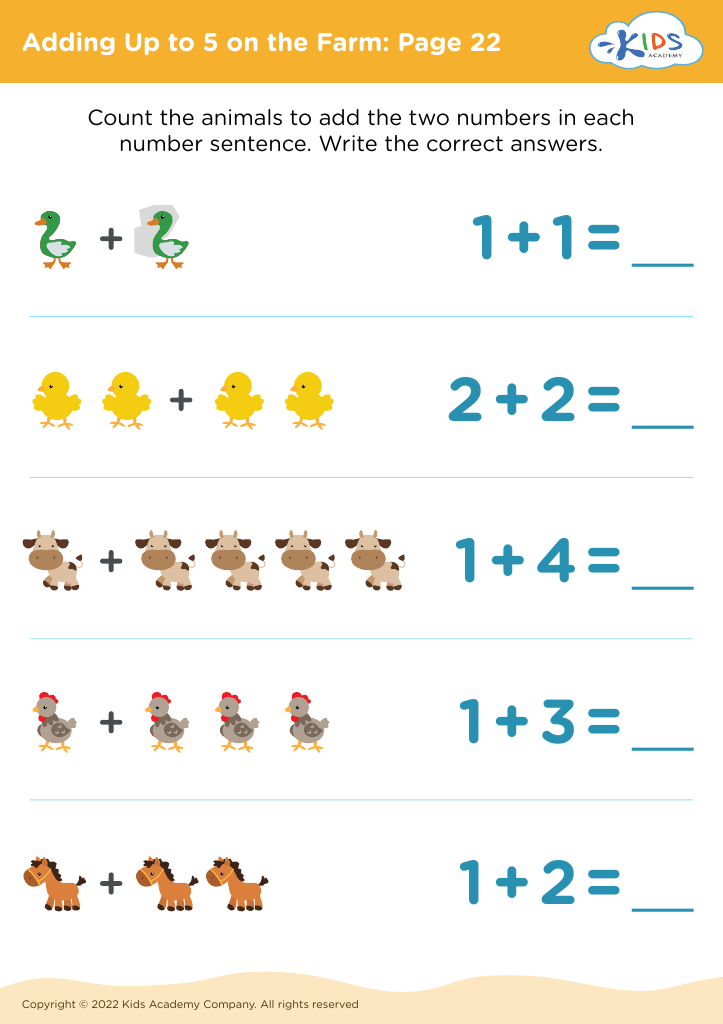







Visual learning is a vital educational approach for preschoolers, particularly in subjects like addition. It engages young learners by stimulating their visual senses, fostering understanding and retention of mathematical concepts. For both parents and teachers, integrating visual learning in preschool addition is crucial for several reasons.
Firstly, children at this age are developing key cognitive skills, including spatial awareness and memory. Visual aids, such as colorful counters, number lines, and interactive games, help simplify abstract concepts, making them accessible and relatable. For instance, using objects to represent quantities makes it easier for children to grasp the idea of addition as combining groups.
Additionally, visual learning supports various learning styles. Some children may excel with auditory instructions, but many benefit more from seeing concepts through diagrams and manipulatives. This inclusivity ensures that every child has the opportunity to succeed.
Moreover, fostering a positive early mathematics experience reduces math anxiety in the future, making children more confident in their skills as they progress through their education. Ultimately, when parents and teachers prioritize visual learning in preschool addition, they lay a strong mathematical foundation, encouraging engaged, well-rounded learners who are excited to explore and understand the world around them.