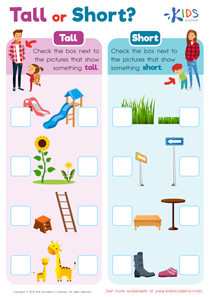
Visual discrimination Preschool Geometry Worksheets
4 filtered results
-
From - To
Enhance your preschooler's cognitive development with our Visual Discrimination Geometry Worksheets. These engaging, printable resources from Kids Academy are designed to sharpen your child's ability to recognize shapes, patterns, and spatial relationships. Perfect for early learners, these worksheets will help improve attention to detail and boost your child's geometry skills through fun, hands-on activities. Ideal for home or classroom use, our expertly crafted, visually stimulating worksheets ensure children build a strong foundation in geometry while enjoying the learning process. Set your preschooler on the path to success with Kids Academy's Visual Discrimination Geometry Worksheets!
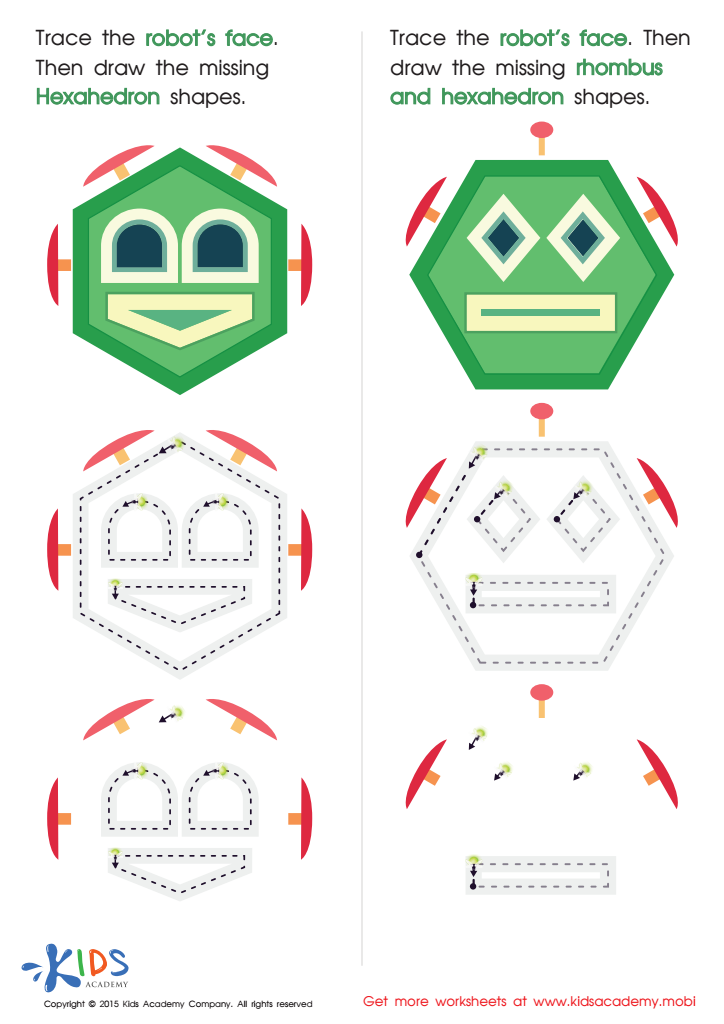
Practice Drawing Hexahedrons And a Rhombus Worksheet
 Assign to My Students


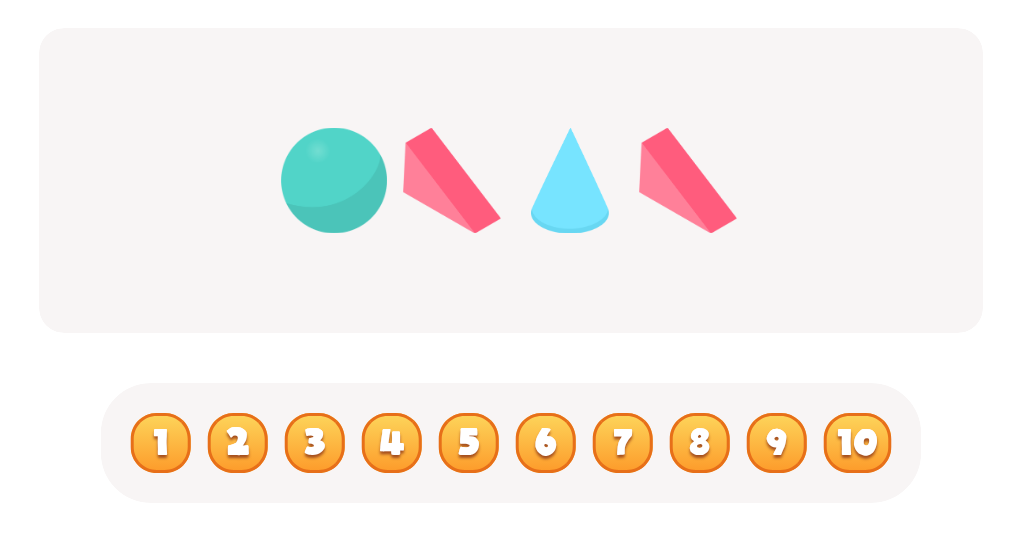
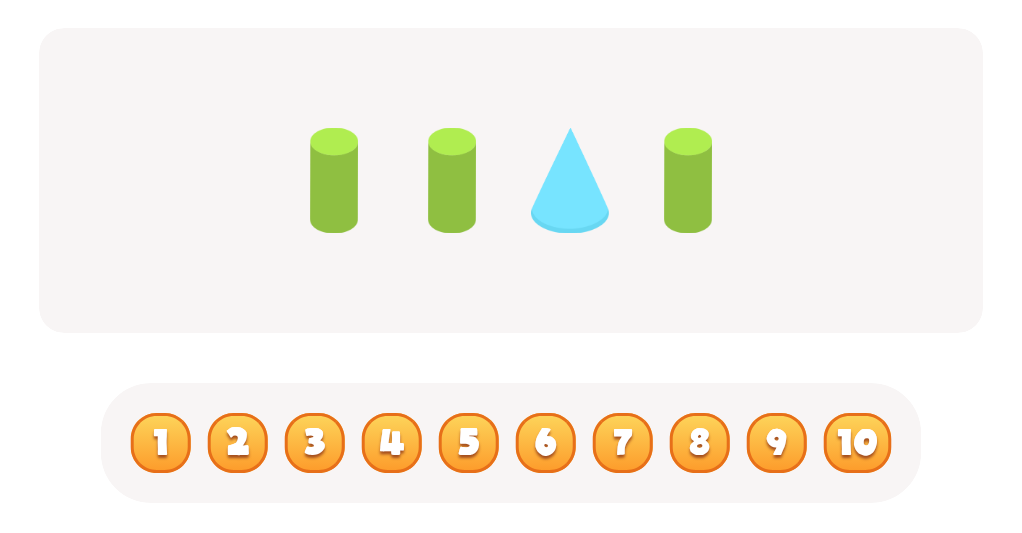



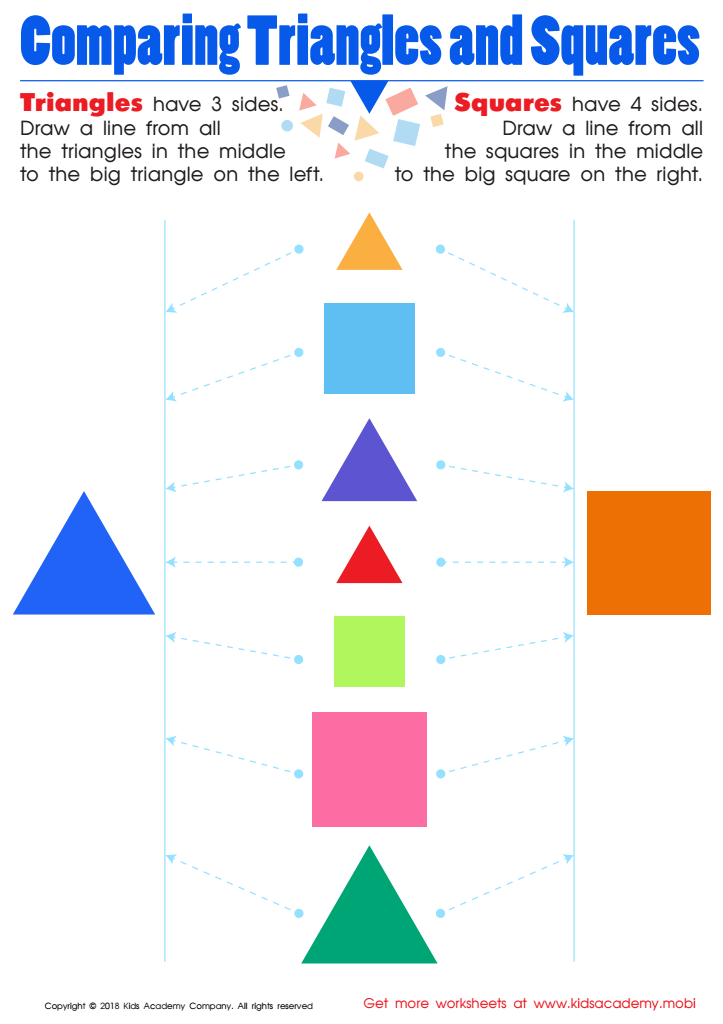
Comparing Triangles Squares Worksheet
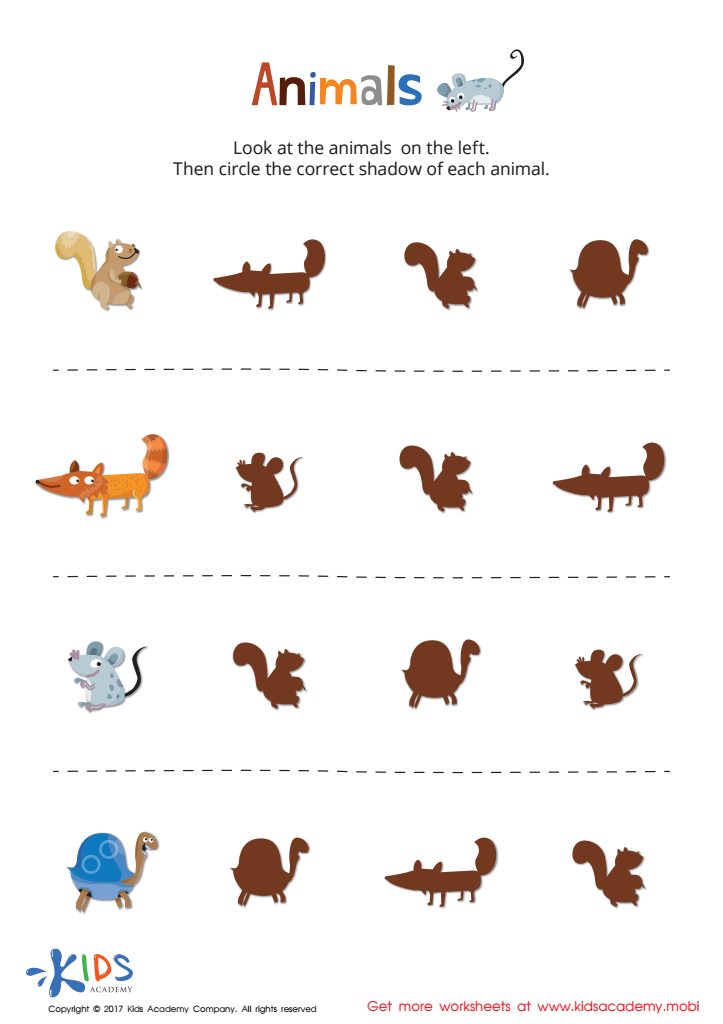
Animal Shadows Sorting Worksheet
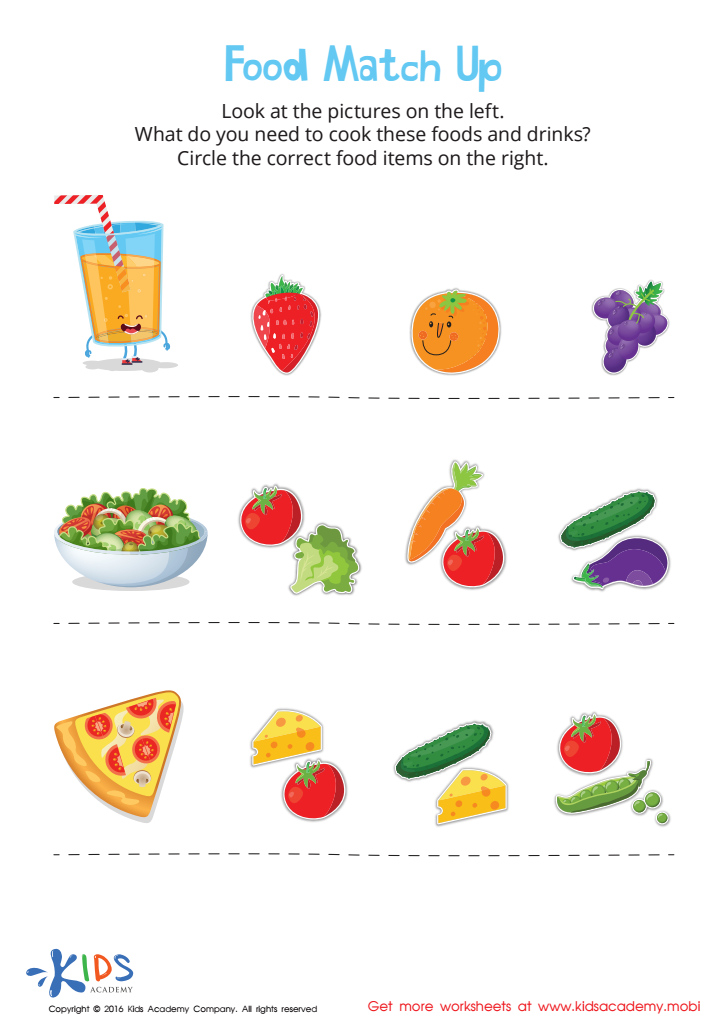
Food Match Up Worksheet








Visual discrimination is the ability to distinguish differences in visual images. For preschoolers, this skill is fundamental as it sets the stage for learning to read, write, and understand complex subjects like geometry.
For parents and teachers, caring about visual discrimination in preschool geometry is crucial for several reasons:
-
Cognitive Development: Visual discrimination helps children recognize and differentiate shapes, colors, and patterns. This is a critical cognitive skill that lays the groundwork for later mathematical and spatial reasoning. Understanding basic geometric concepts shapes their ability to solve problems and think logically.
-
Reading and Writing Readiness: In learning to read and write, children must discern between different letters and numbers, some of which can have very subtle differences (e.g., 'b' vs. 'd', '6' vs. '9'). Strong visual discrimination skills enable children to make these distinctions accurately, which helps in avoiding common confusions.
-
Motor Skills: Activities that enhance visual discrimination, like sorting shapes or matching patterns, improve fine motor skills. Holding a pencil, cutting with scissors, or assembling puzzles are activities that depend on hand-eye coordination and the precise control of hands.
-
Self-esteem and Engagement: Success in early tasks related to visual discrimination boosts confidence. Children enjoy recognizing shapes and completing patterns, fostering a love for learning.