Problem-Solving Skills Preschool Word Problems Worksheets - Page 2
37 filtered results
-
From - To
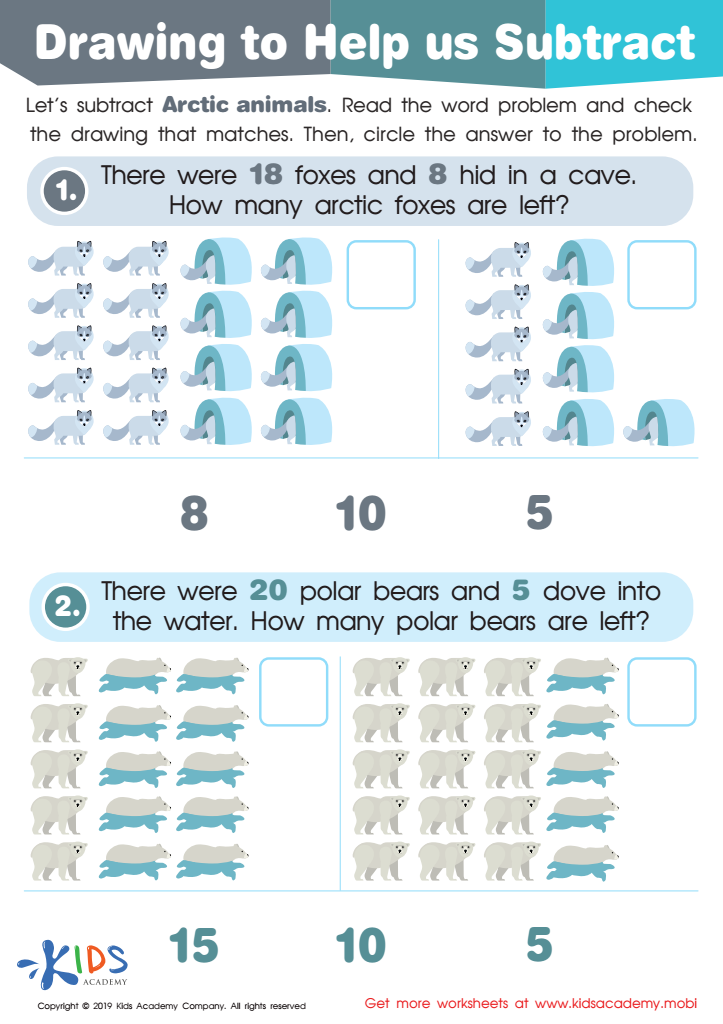
Drawing to Help Us Subtract Worksheet
 Assign to My Students
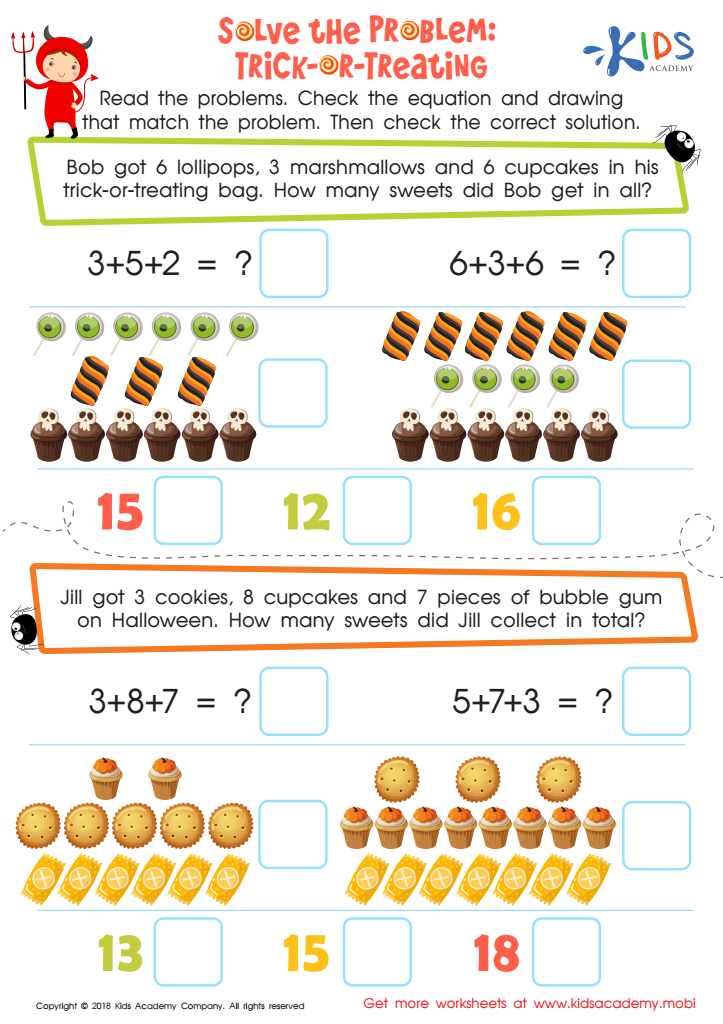
Solve the Problem: Trick–or–treating Worksheet
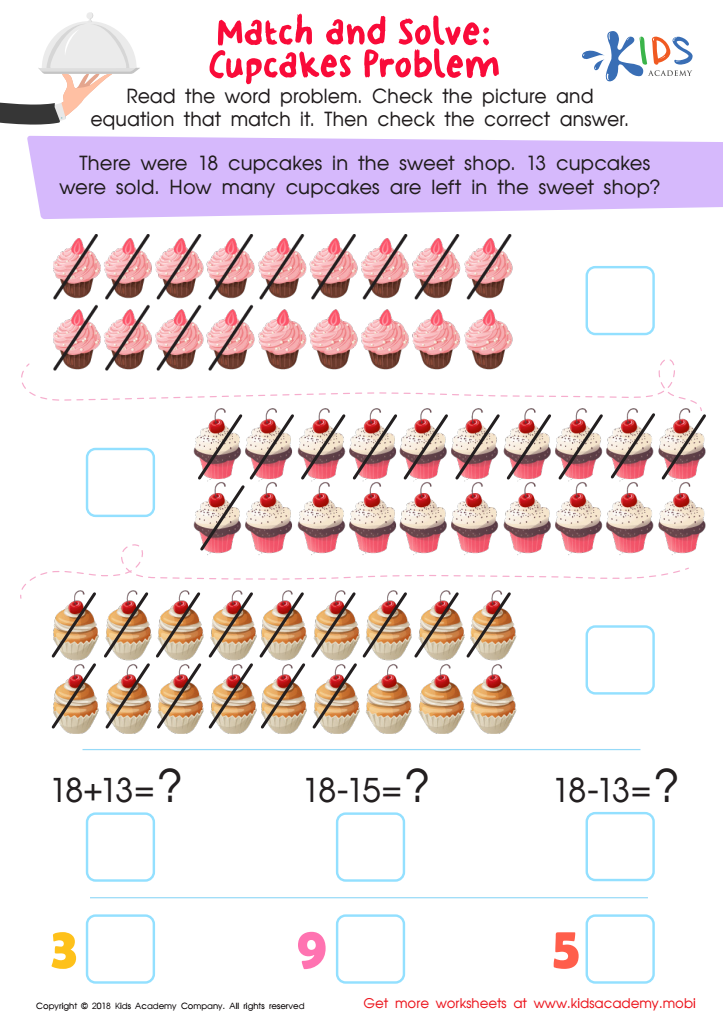
Match and Solve: Cupcakes Problem Worksheet
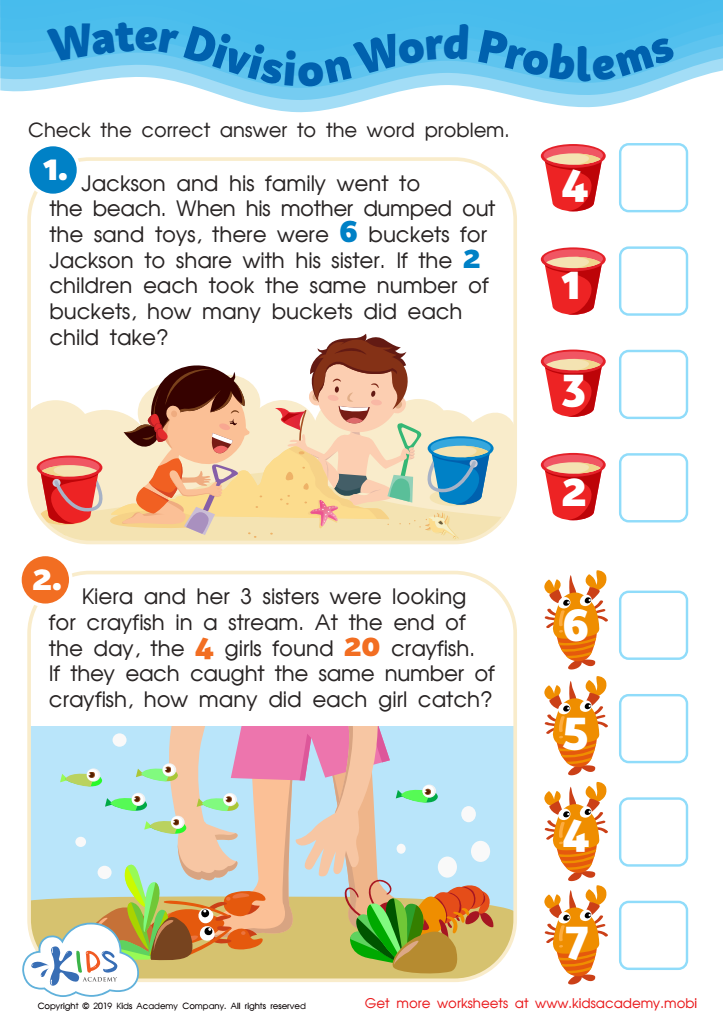
Water Division Word Problems Worksheet
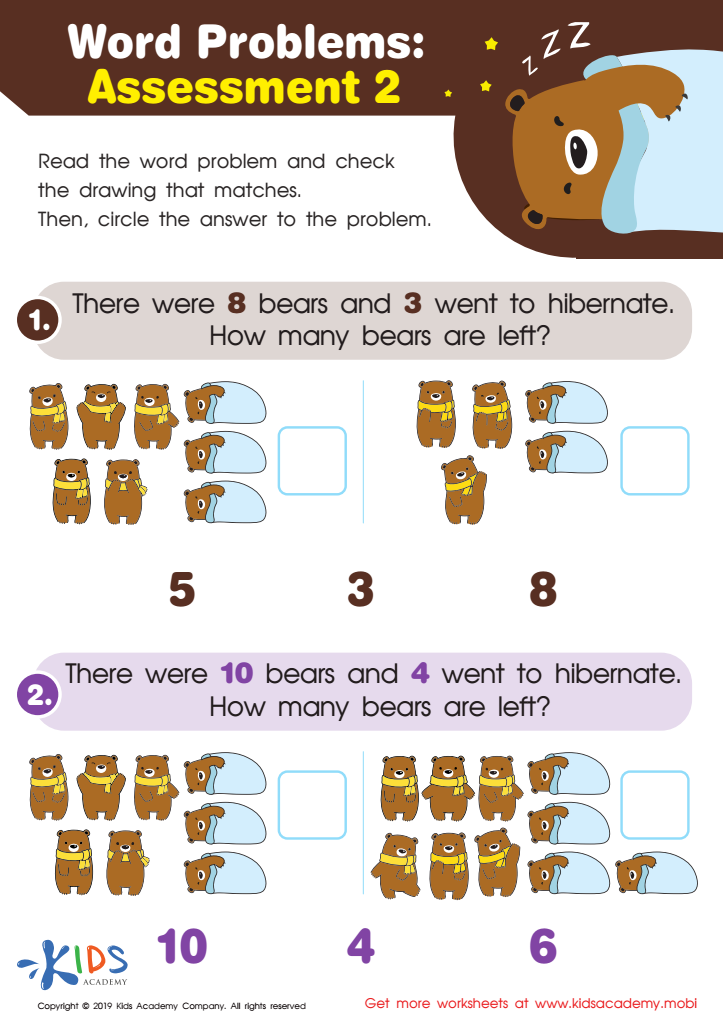
Word Problems: Assessment 2 Worksheet
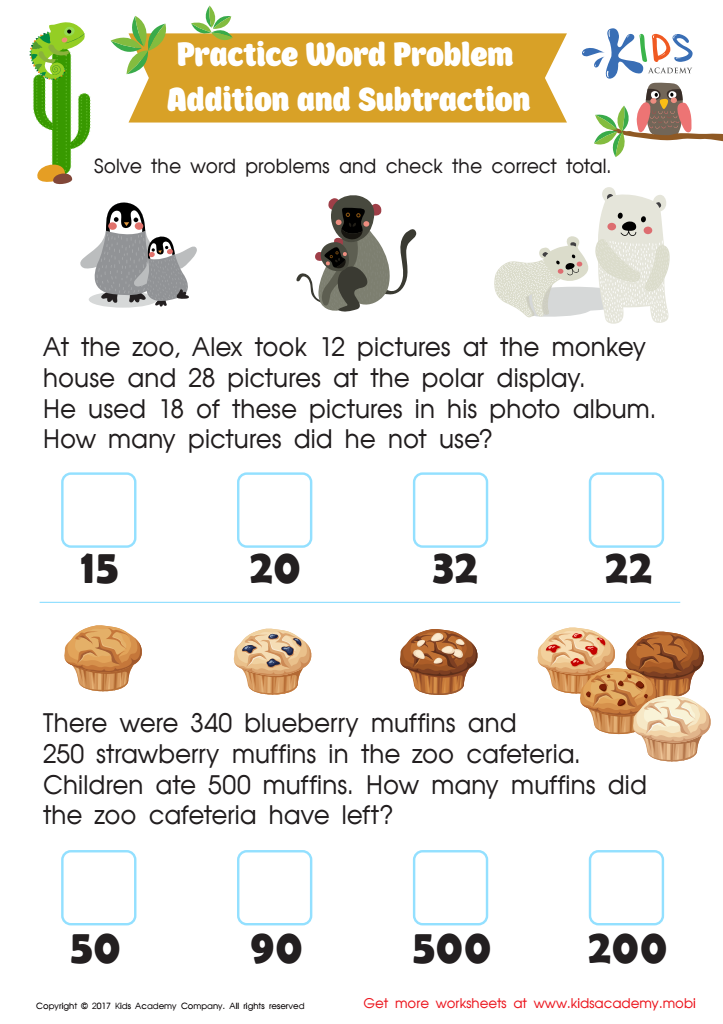
Addition and Subtraction: Word Problems Worksheet
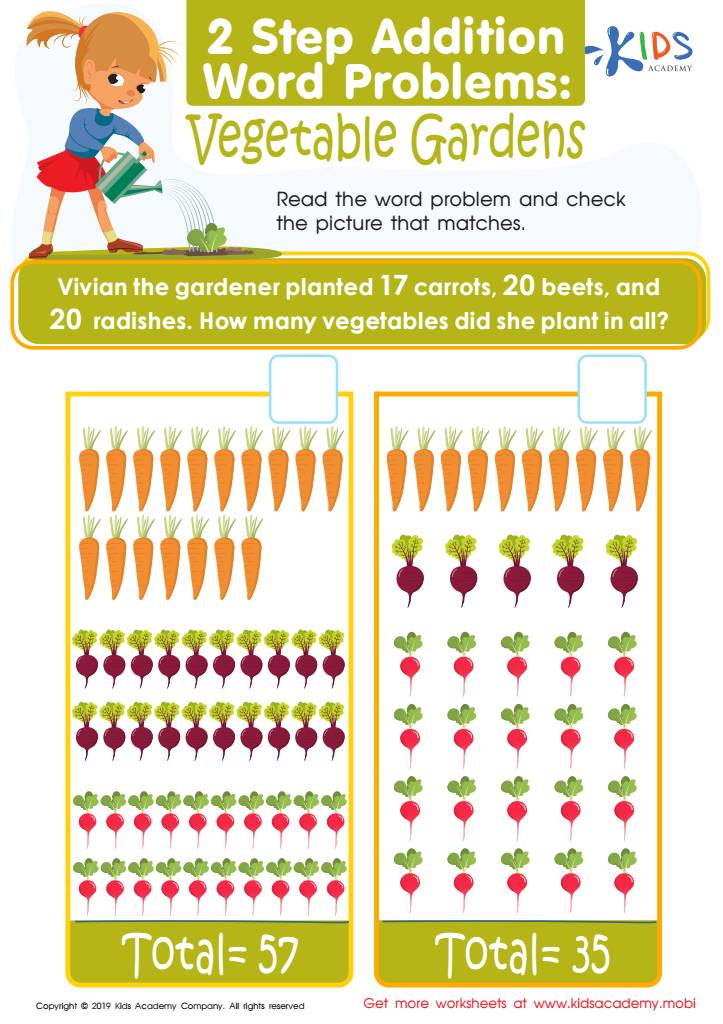
Vegetable Gardens Worksheet
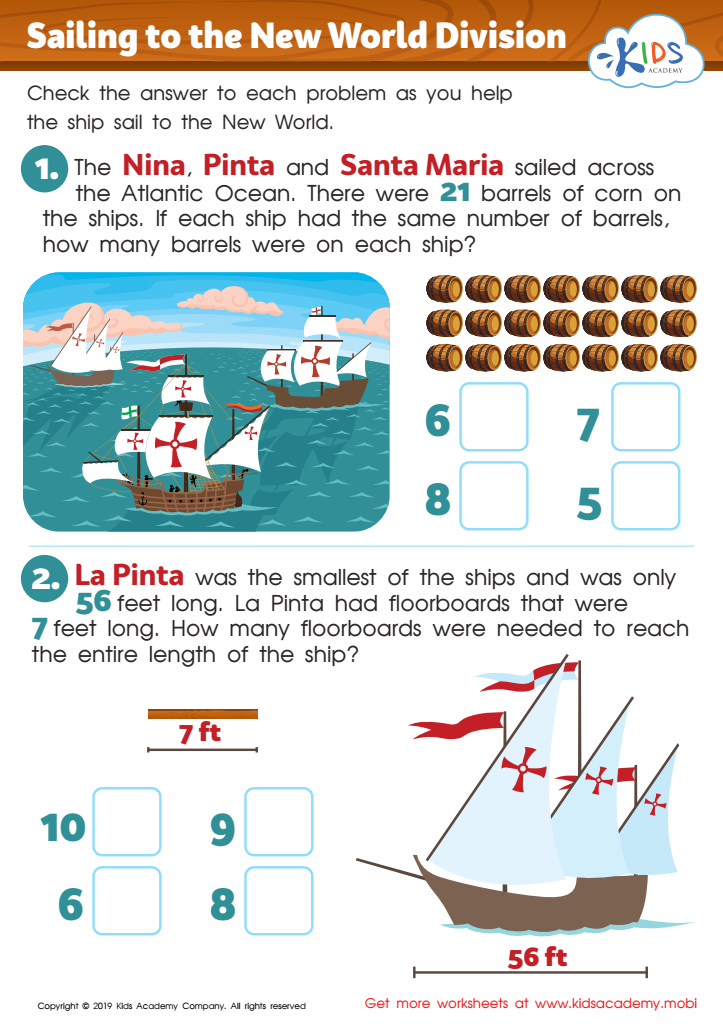
Sailing to the New World Division Worksheet
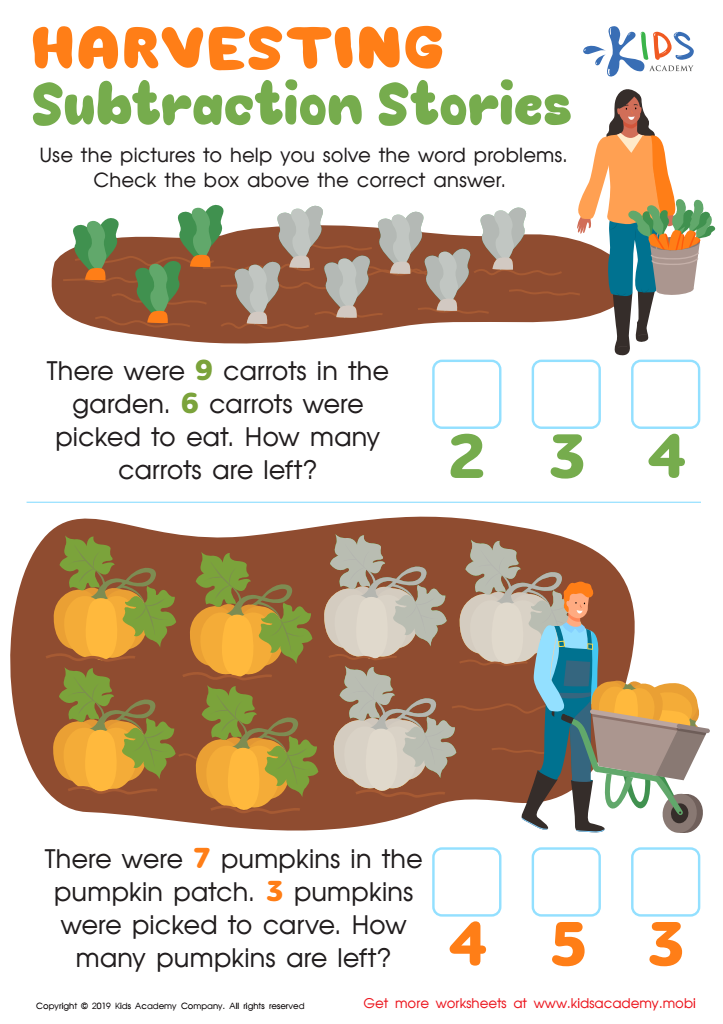
Harvesting Subtraction Stories Worksheet
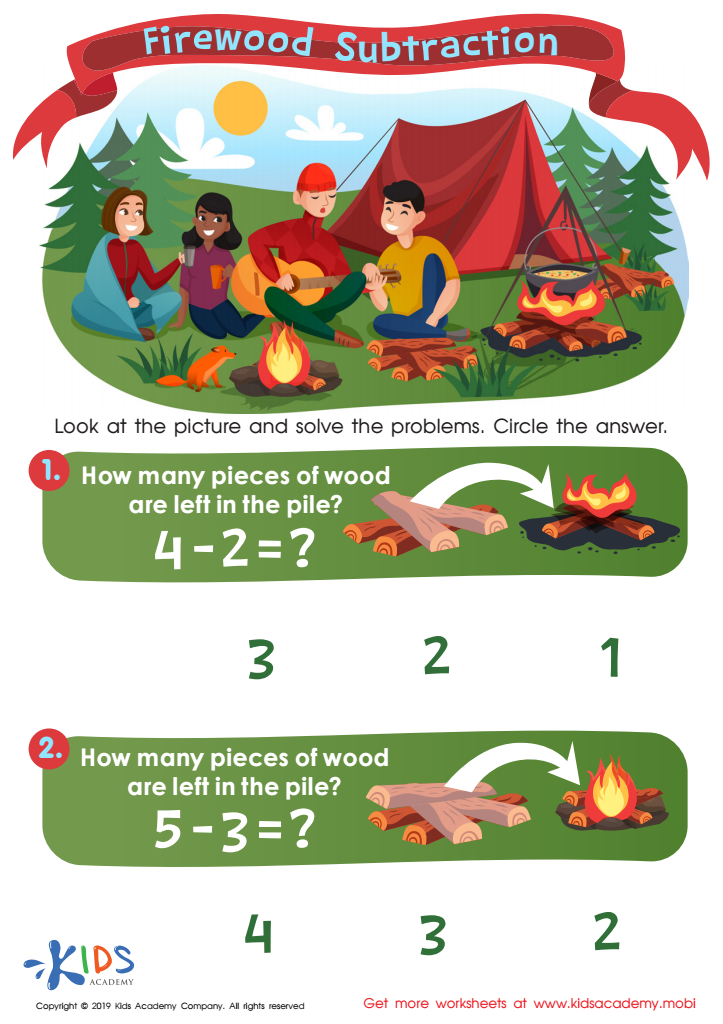
Firewood Subtraction Worksheet
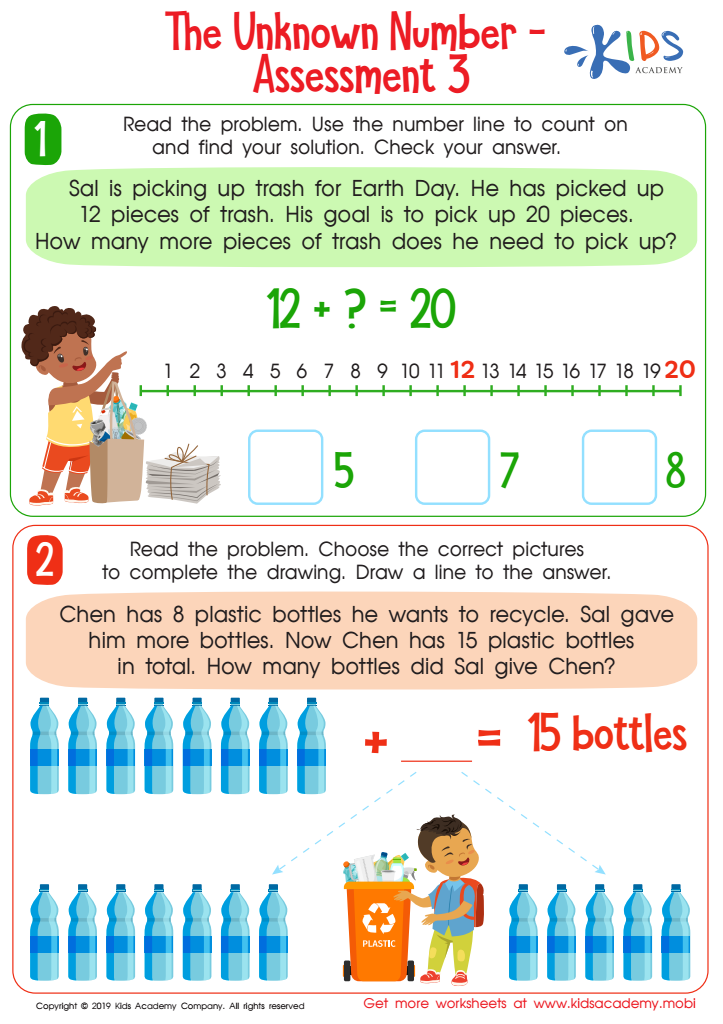
The Unknown Number - Assessment 3 Worksheet
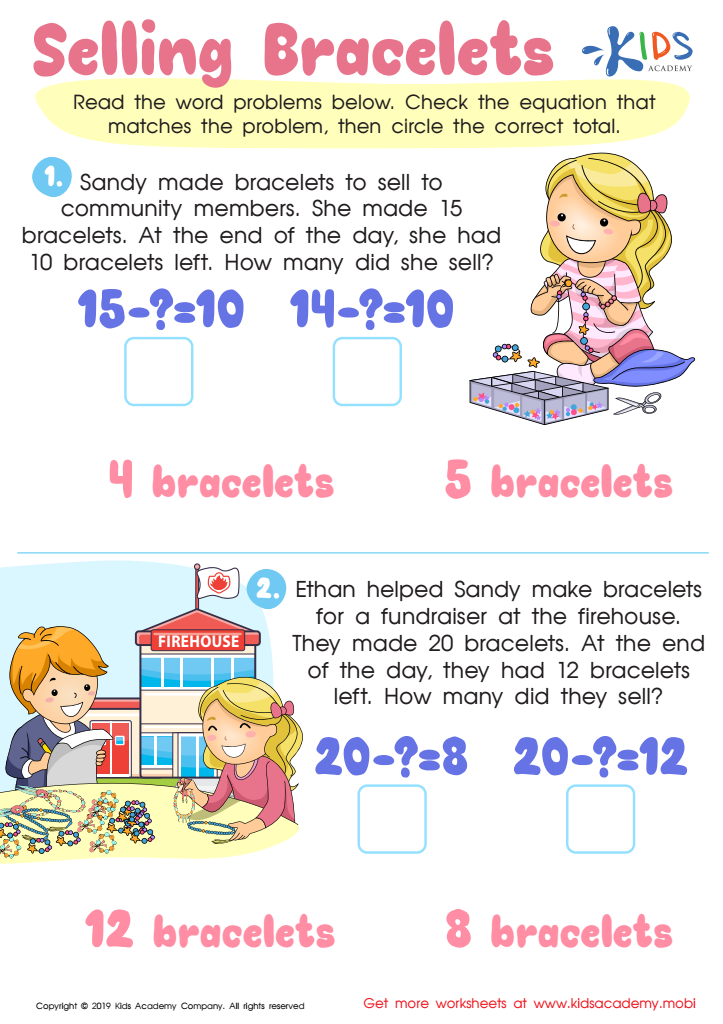
Selling the Bracelets Worksheet
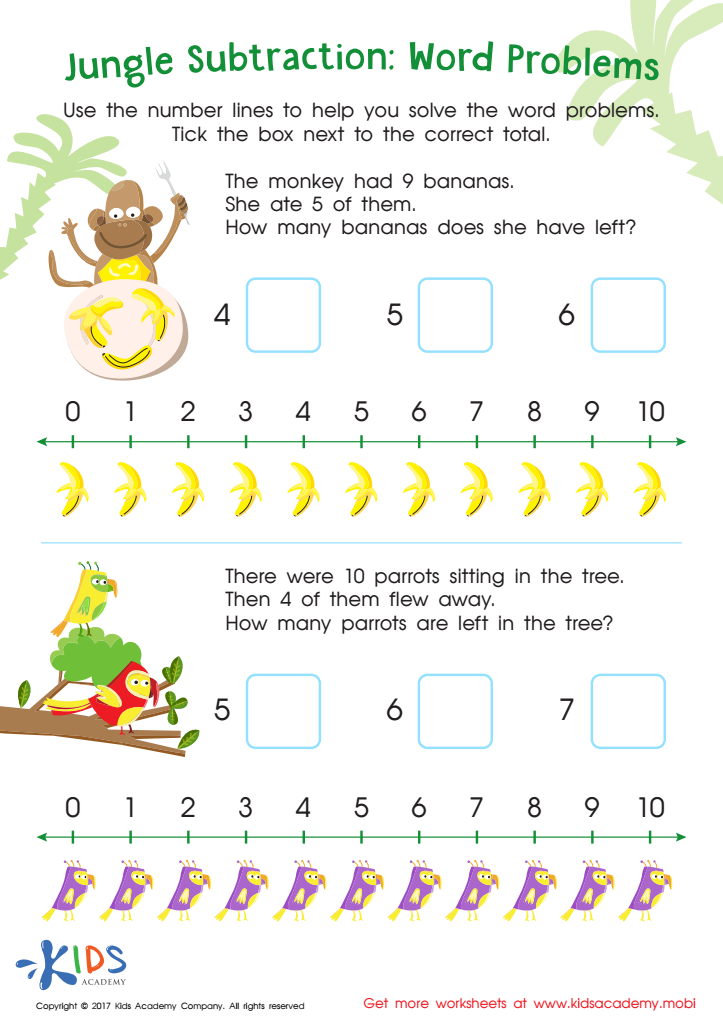
Jungle Subtraction Word Problems Substraction Worksheet








Problem-solving skills in preschool play a crucial role in early childhood development, fostering cognitive, emotional, and social growth. Teaching children to solve word problems develops their ability to think critically, reason logically, and understand cause-and-effect relationships, laying a strong foundation for future academic success. By engaging with word problems, children enhance their language skills, learning to comprehend instructions and communicate ideas clearly. This sets the stage for effective verbal and written communication, being pivotal for learning.
In addition, word problems encourage perseverance and resilience. Children learn to approach challenges with curiosity rather than frustration, building a growth mindset that views obstacles as opportunities for development. This mindset is invaluable not just in academics, but in everyday life, where problem-solving skills are essential for making decisions and overcoming difficulties.
Socially, group activities involving problem-solving help children develop teamwork and collaboration skills. They learn to listen to others, share their thoughts, and work together towards a solution, promoting empathy and understanding in social interactions.
For parents and teachers, investing in these skills supports a child's holistic development, preparing them for the complexities of the real world and instilling confidence to tackle various challenges. Thus, nurturing problem-solving skills through word problems in preschool is a key investment in a child's future.