Color recognition Preschool Writing Worksheets
11 filtered results
-
From - To
Enhance your preschooler's learning experience with our engaging Color Recognition Writing Worksheets! Designed for young learners, these worksheets not only teach children to identify and name various colors but also help improve their fine motor skills through tracing and writing activities. Perfect for home or classroom use, each worksheet combines fun illustrations with interactive prompts, making color learning enjoyable. Our resources aim to foster creativity and enhance early literacy skills, setting a strong foundation for future learning. Download our Color Recognition Writing Worksheets today and watch your child's confidence in recognizing and using colors grow!
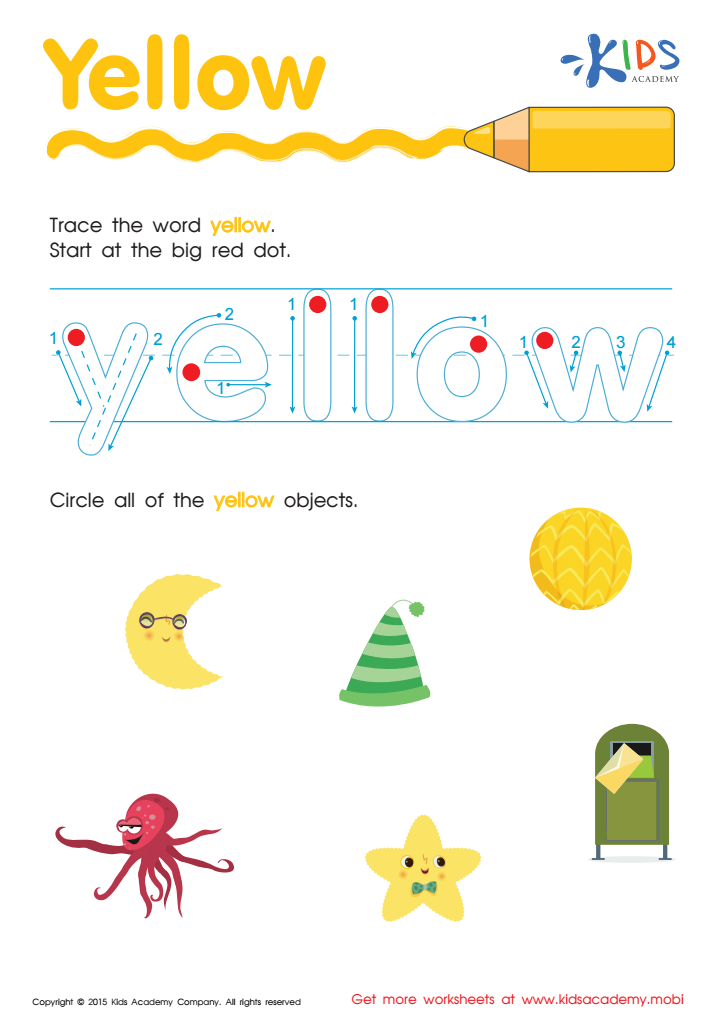
Yellow Tracing Color Words Worksheet
 Assign to My Students
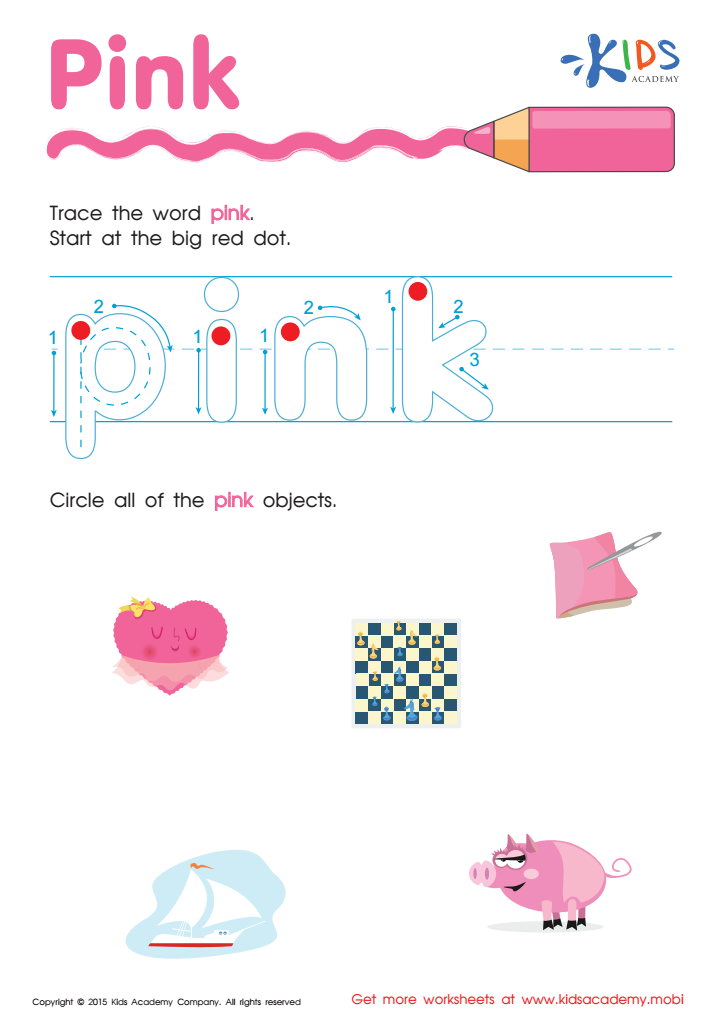
Pink Tracing Color Words Worksheet
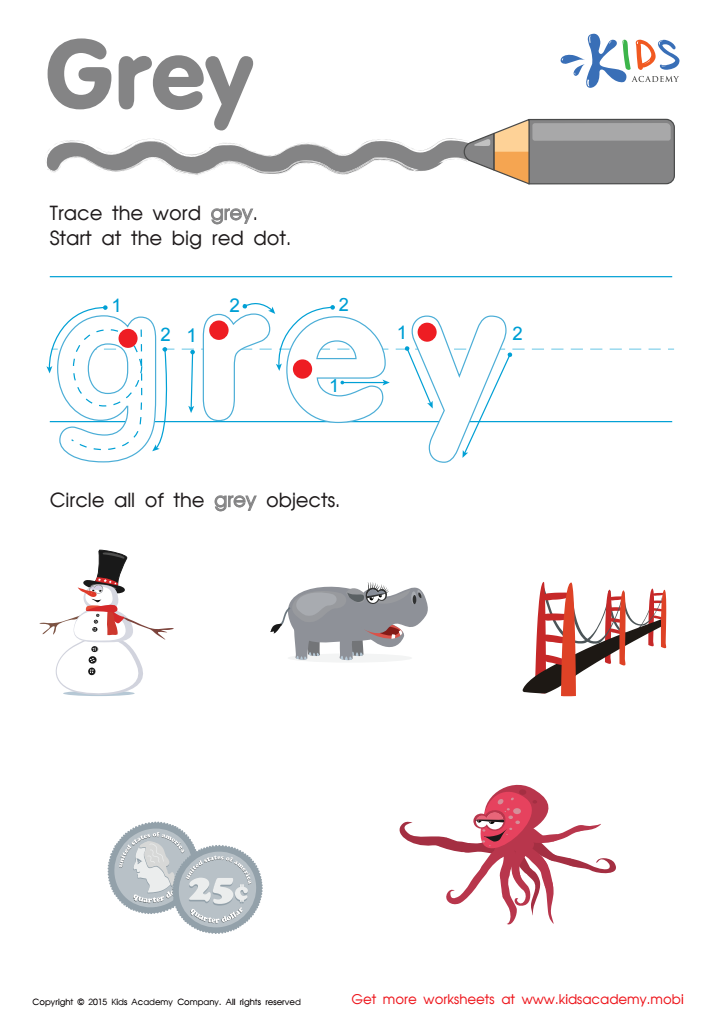
Grey Tracing Color Words Worksheet
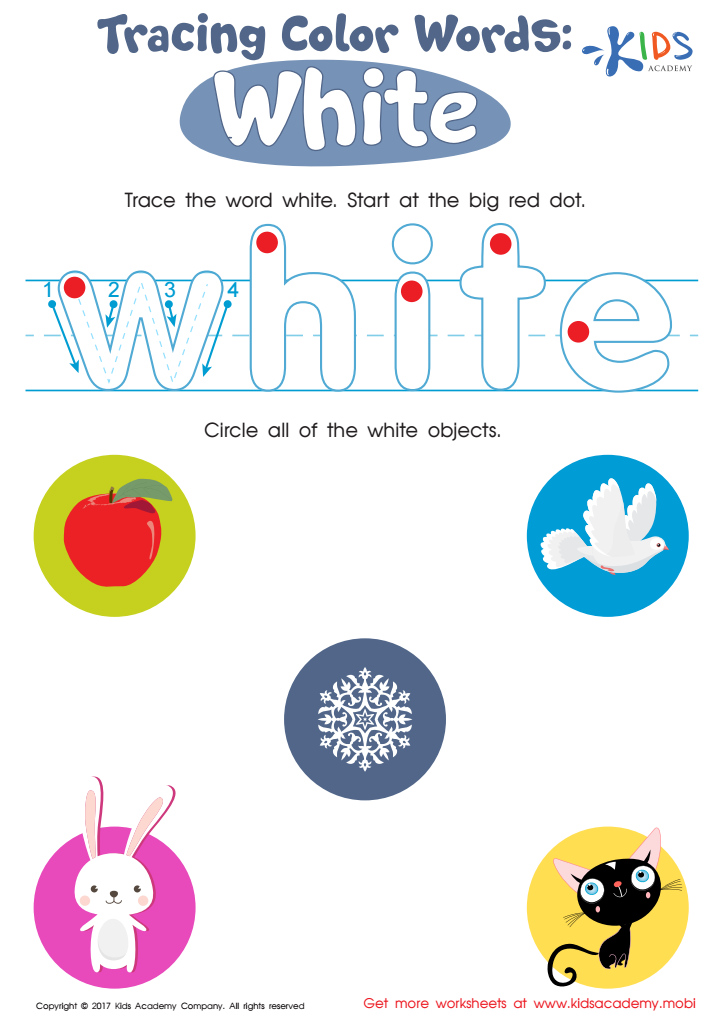
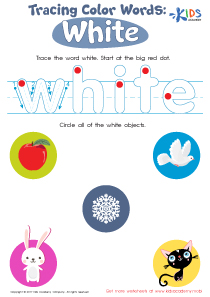
White Tracing Color Words Worksheet
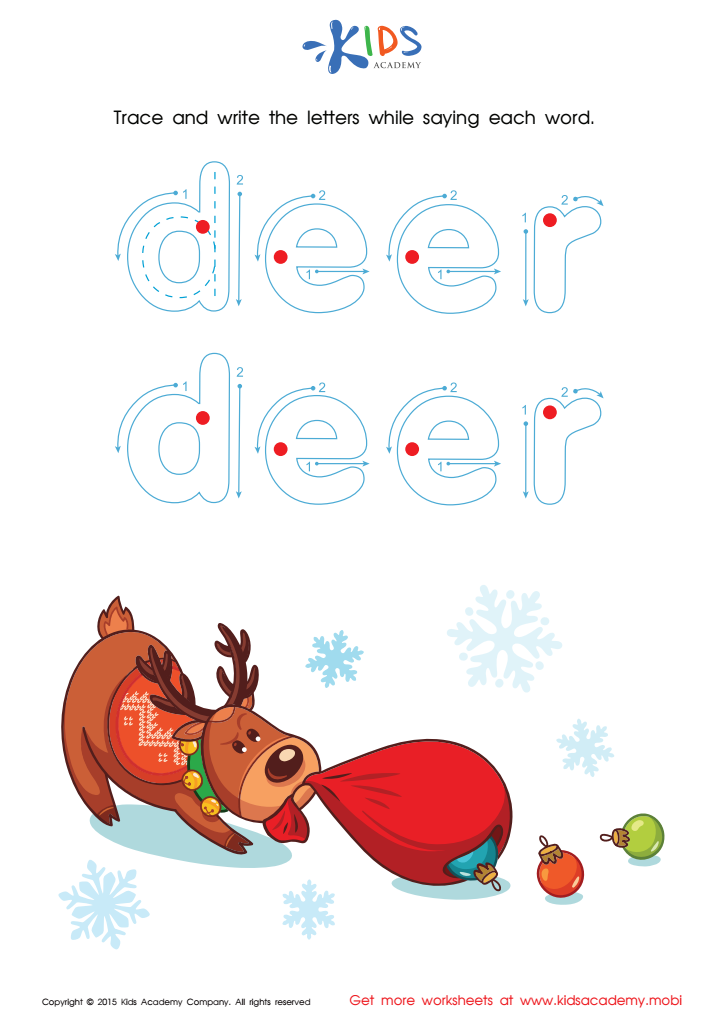
Deer Tracing Winter Words Worksheet
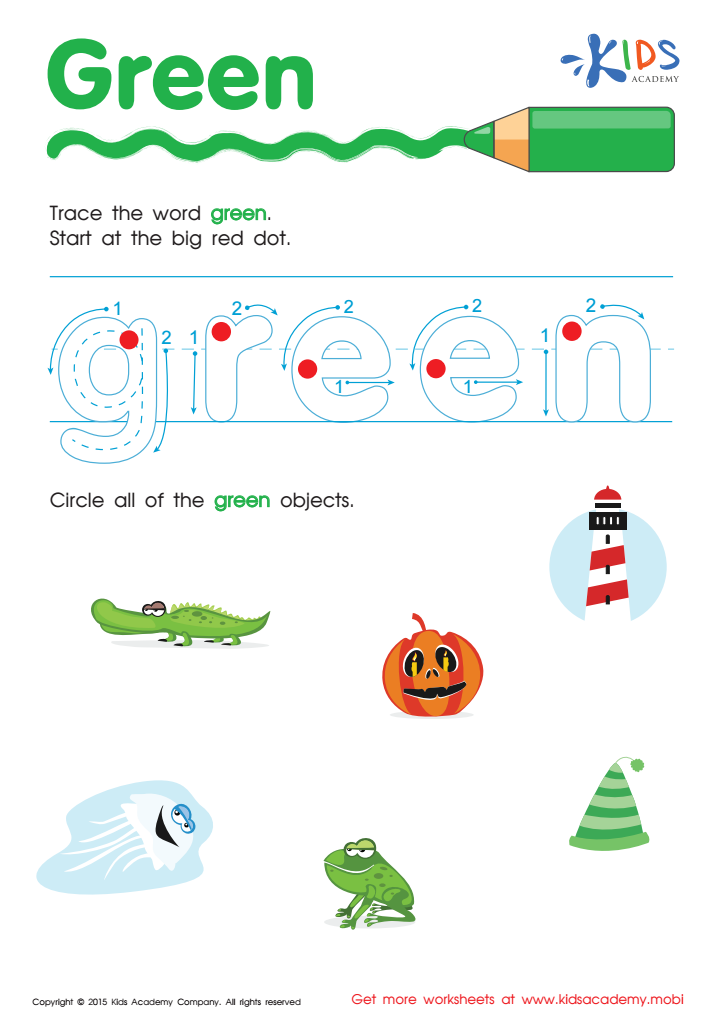
Green Tracing Color Words Worksheet
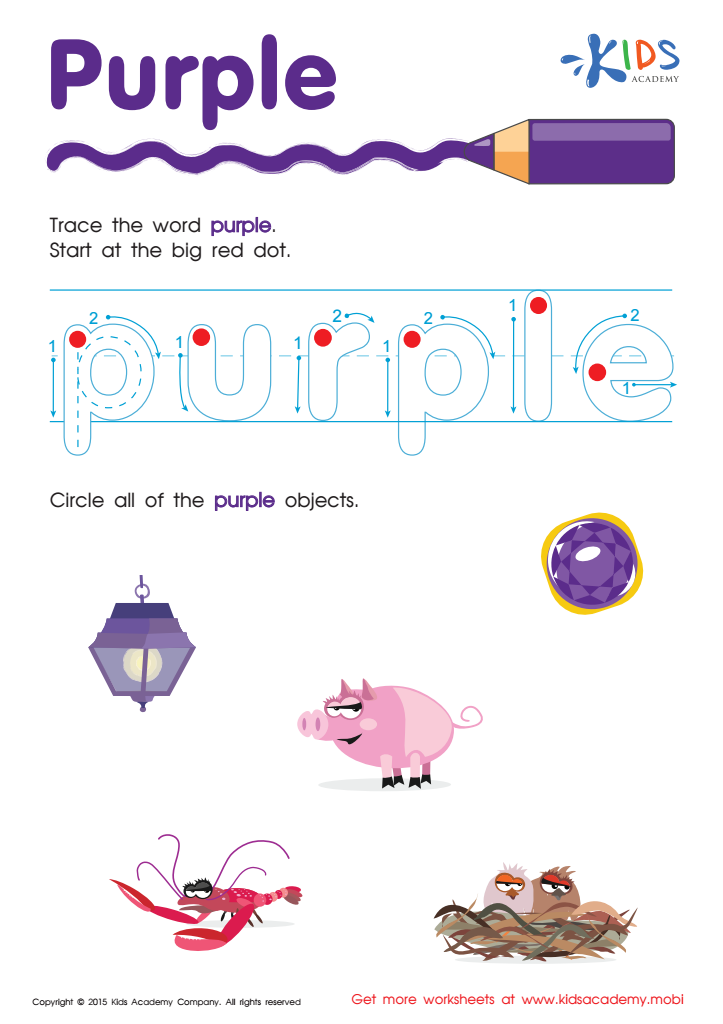
Purple Tracing Color Words Worksheet
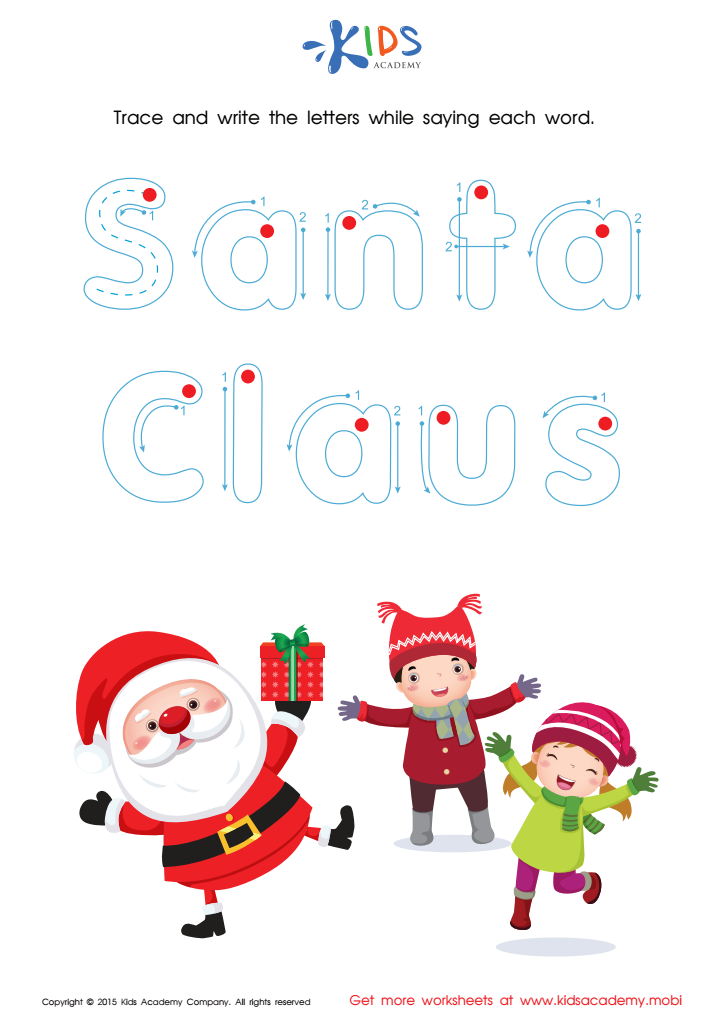
Santa Claus Tracing Winter Words Worksheet
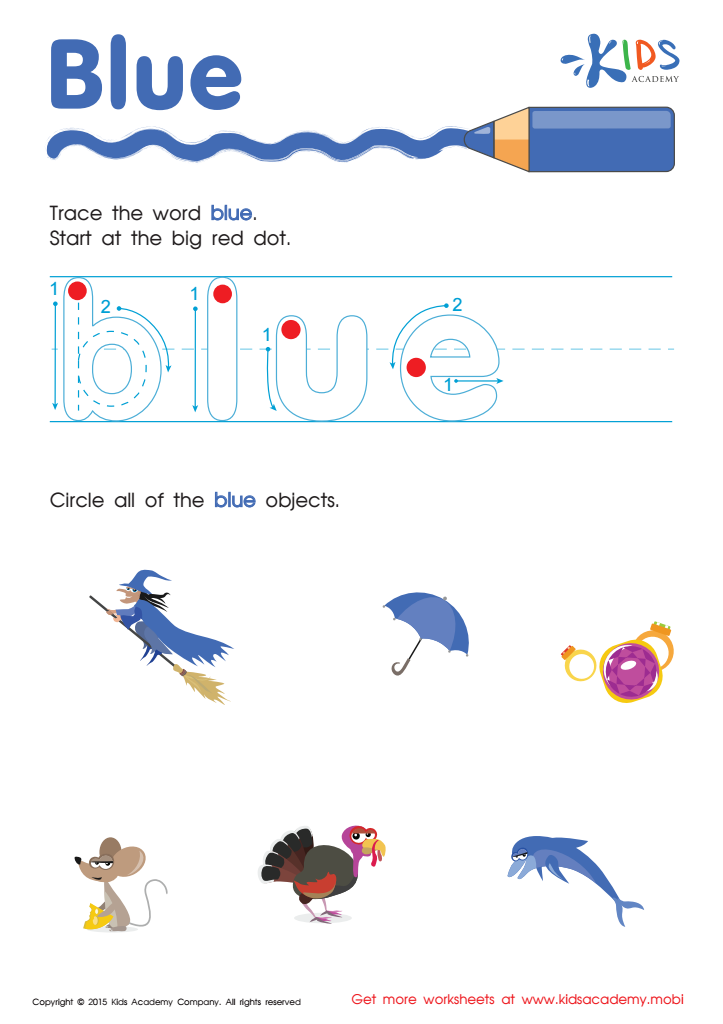
Blue Tracing Color Words Printable
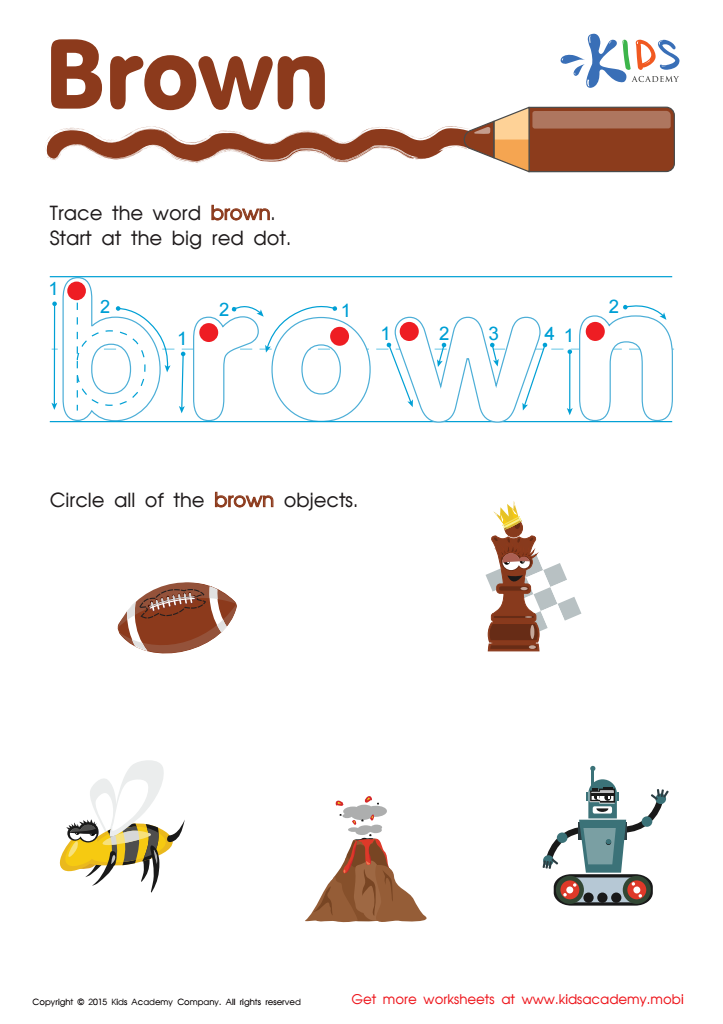
Brown Tracing Color Words Worksheet
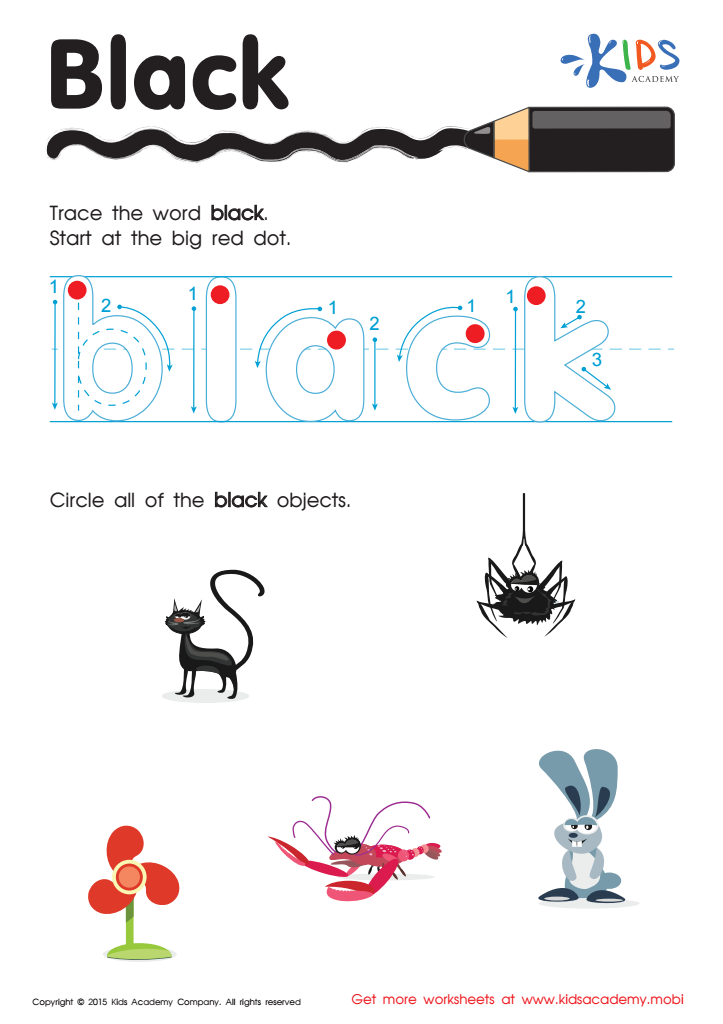
Black Tracing Color Words Printable








Color recognition is an essential foundational skill for preschoolers, serving as a critical building block for various aspects of early childhood development. Parents and teachers should care about this skill because it not only enhances children's visual and cognitive development but also fosters language acquisition and communication skills. By identifying and naming colors, children improve their vocabulary and learn to express their thoughts and feelings, which is vital for effective communication.
Moreover, color recognition supports mathematical understanding as children begin to categorize and classify objects, laying the groundwork for future problem-solving skills. Engaging in preschool writing activities that incorporate colors—such as color-themed drawings, color-coded charts, and labeling exercises—reinforces learning in a fun and interactive manner.
Additionally, recognizing colors helps children develop their sensory perception and artistic abilities, enabling creative expression. These activities also allow for community and family involvement, as parents can encourage exploration of colors in everyday life—through nature walks or by using art supplies.
By prioritizing color recognition within preschool writing and activities, parents and teachers can cultivate a more enriching environment that promotes holistic development, ensuring that children are well-prepared for future learning challenges.