Reading comprehension Building Vocabulary Worksheets - Page 3
117 filtered results
-
From - To
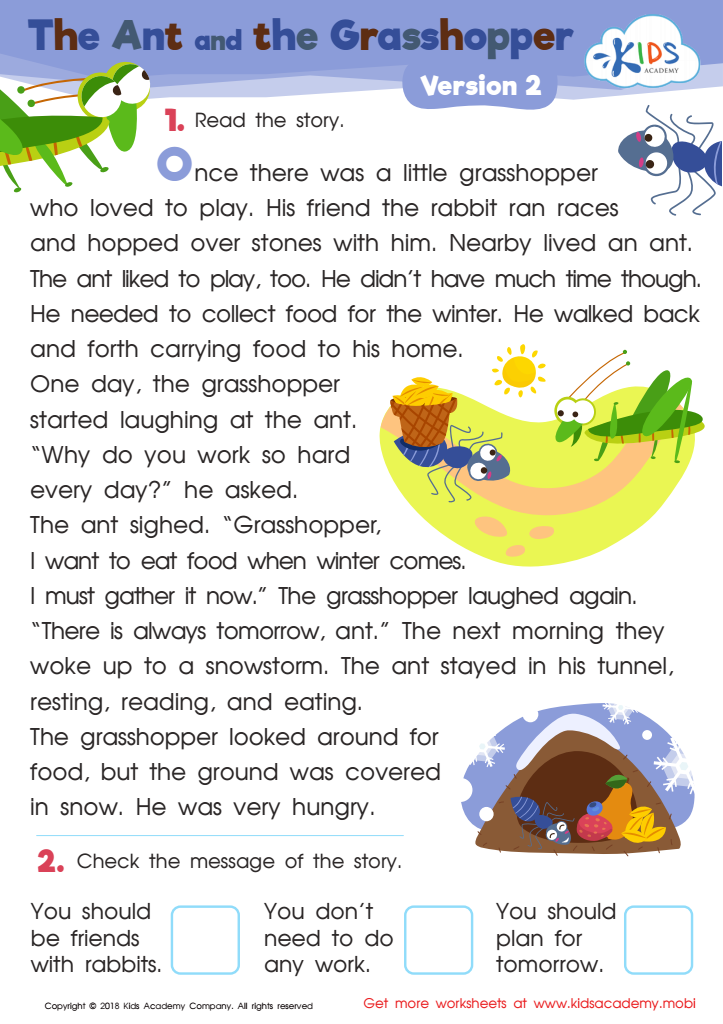
The Ant and The Grasshopper Version 2 Worksheet
 Assign to My Students











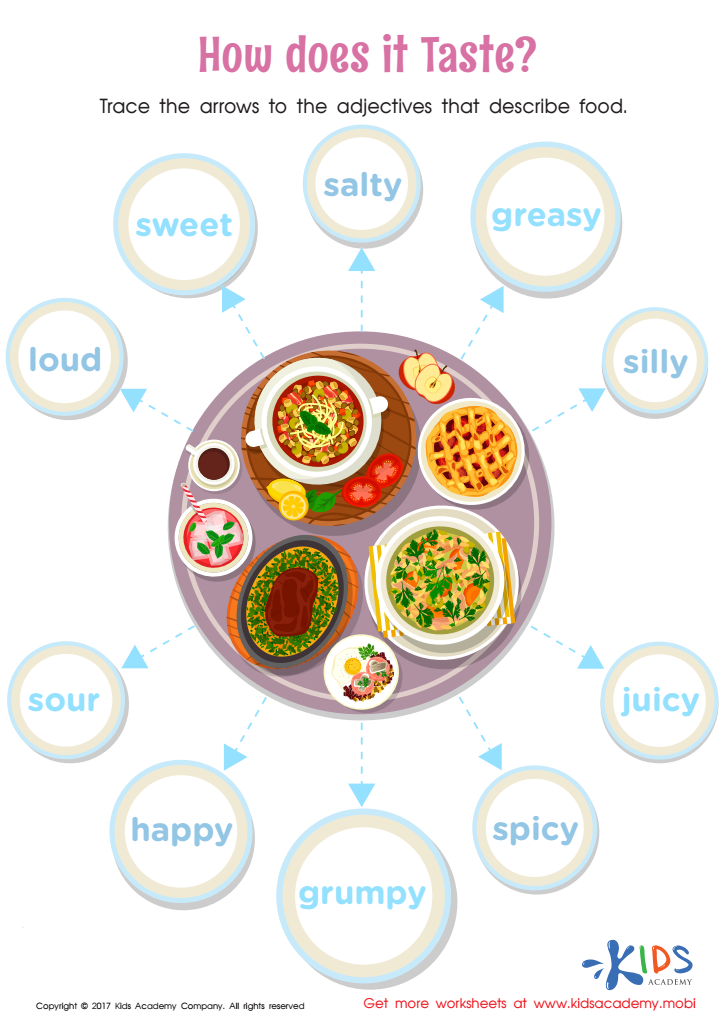
Food Adjectives Worksheet
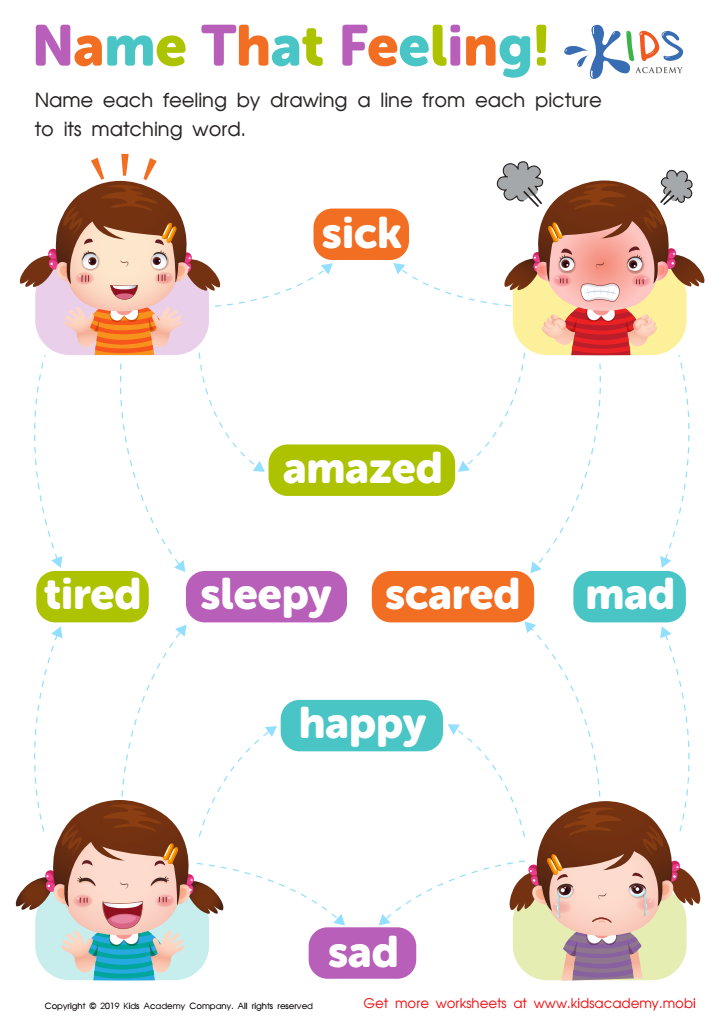
Name that Feeling Worksheet
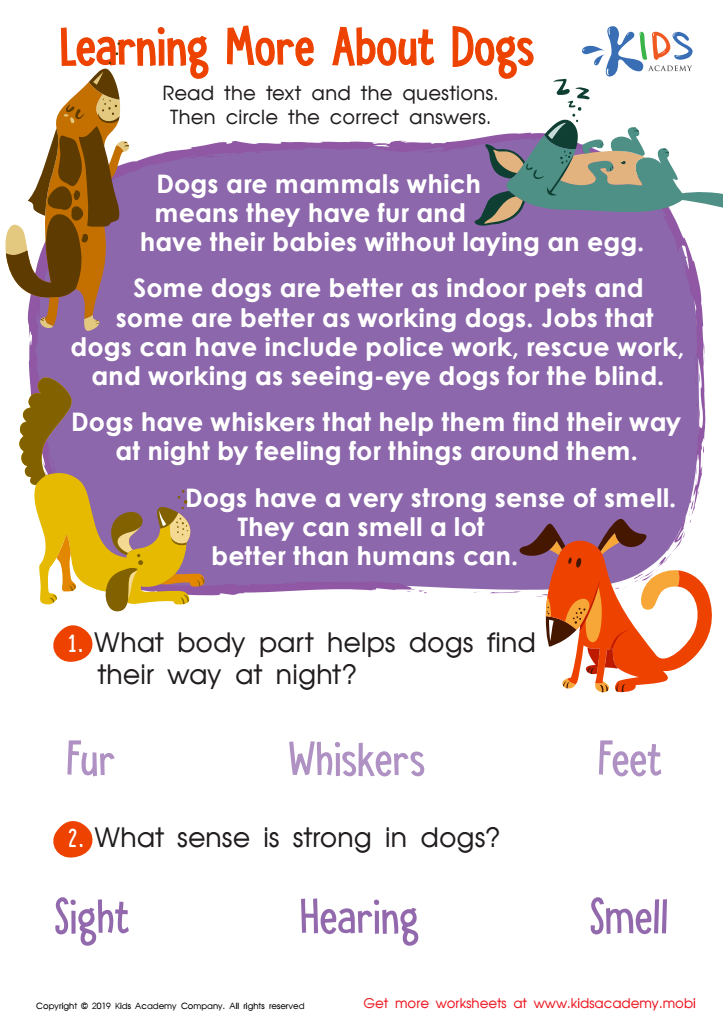
Learning More About Dogs Worksheet
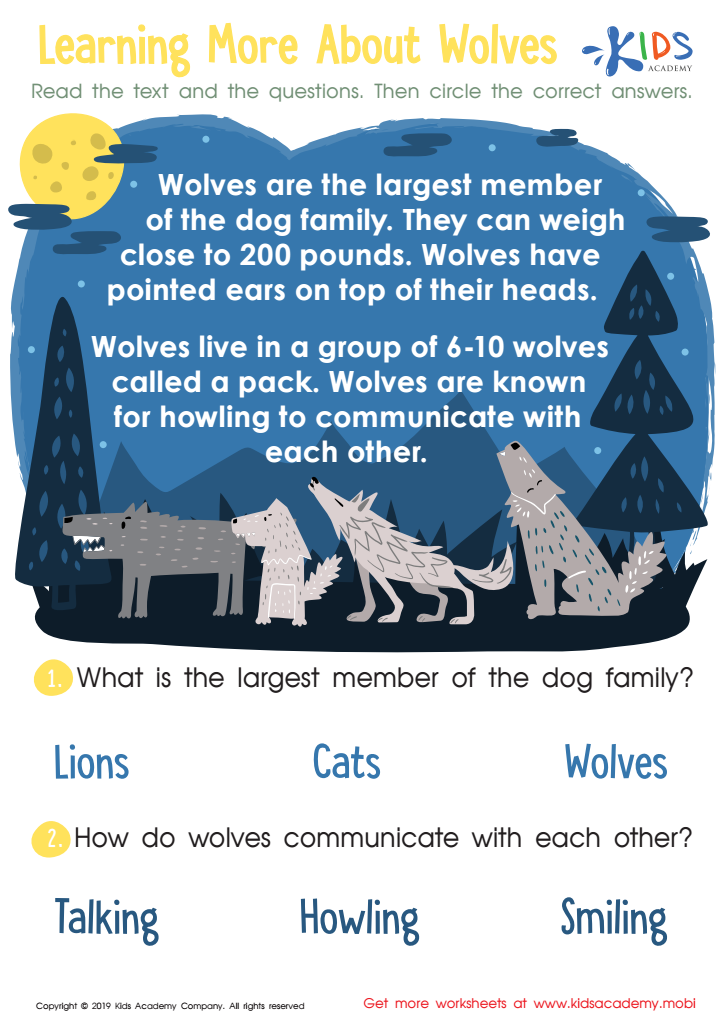
Learning More About Wolves Worksheet
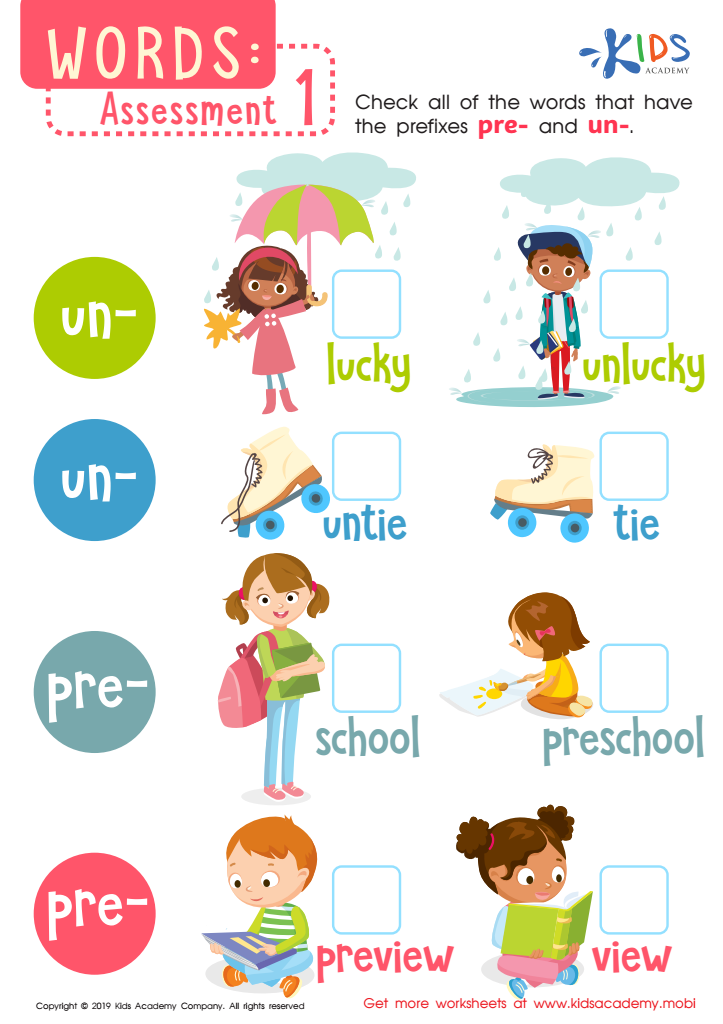
Words: Assessment 1 Worksheet
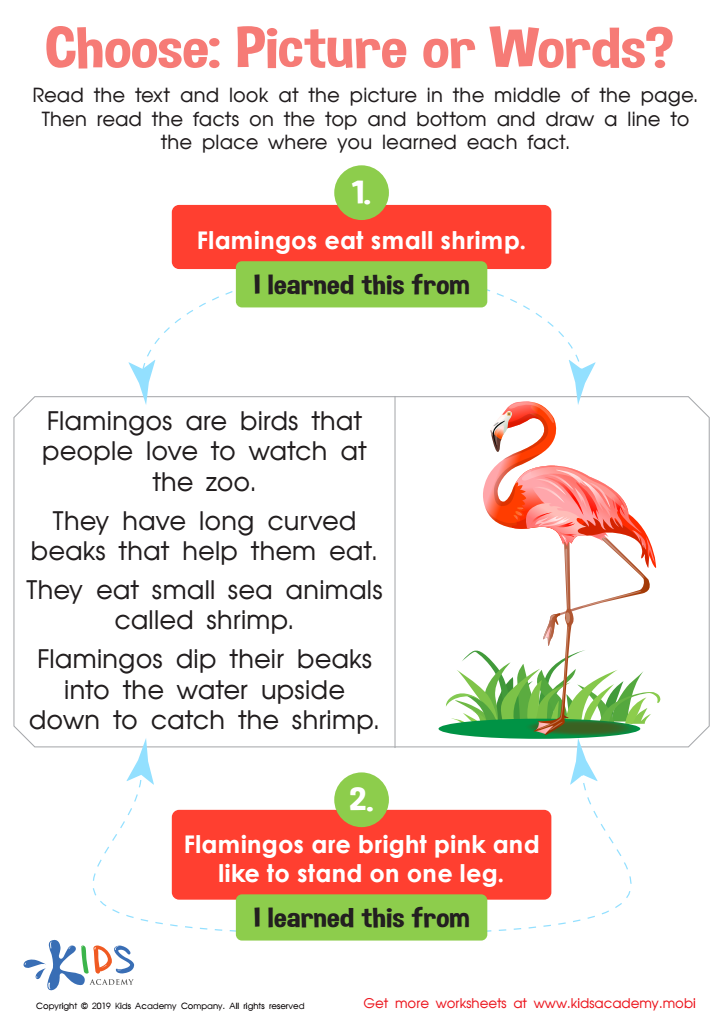
Choose Picture Words Worksheet
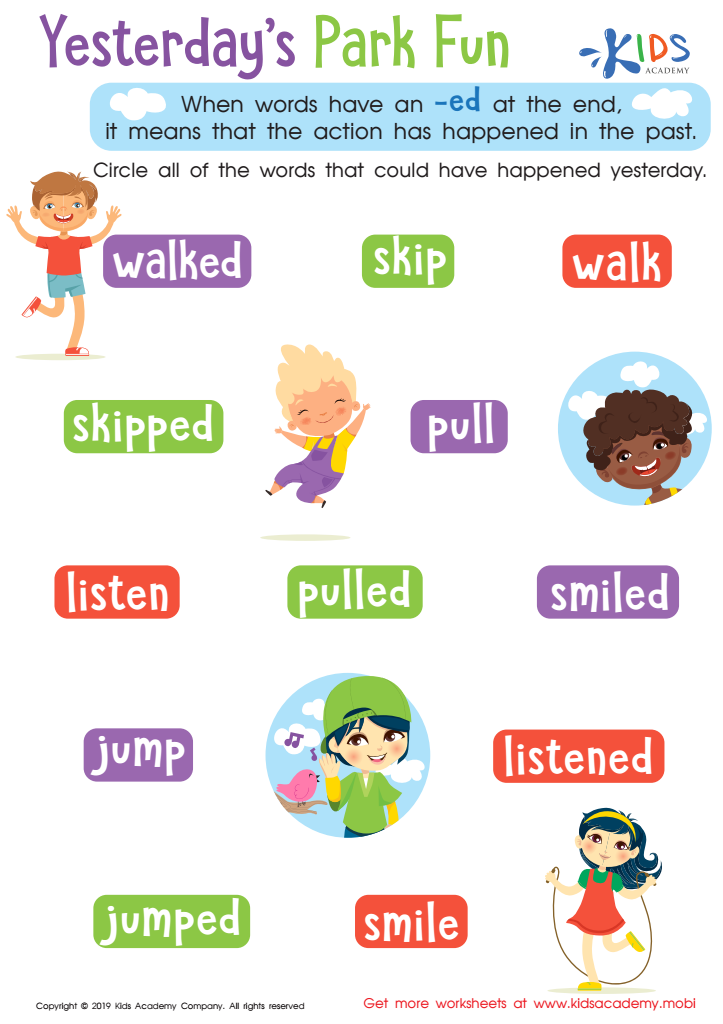
Yesterday's Park Fun Worksheet
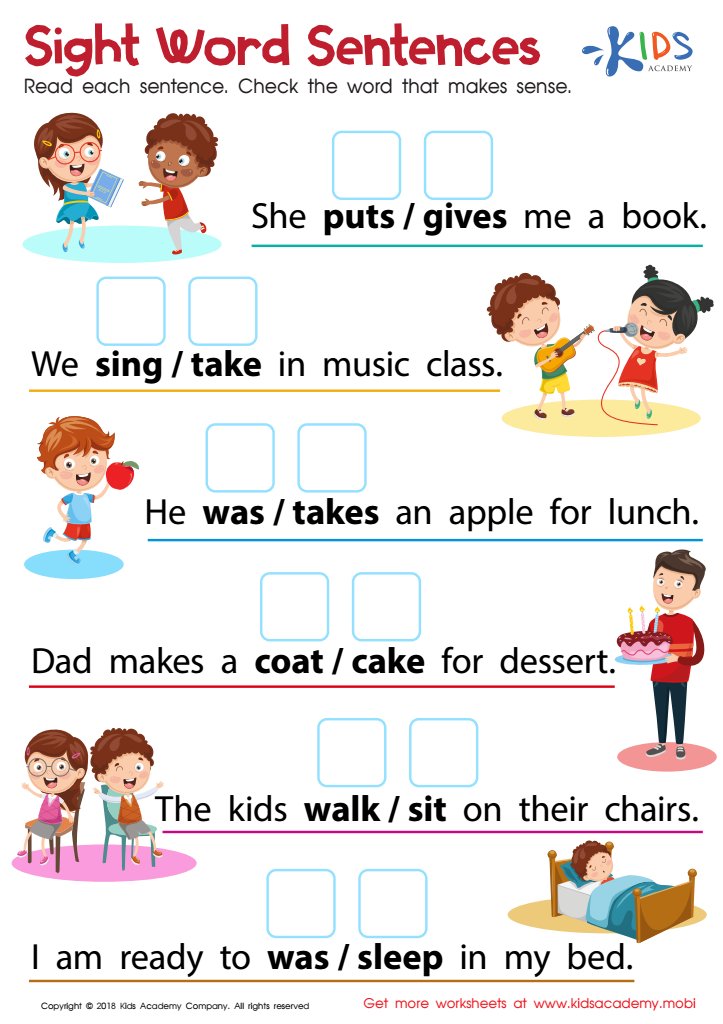
Sight Words Sentences Worksheet
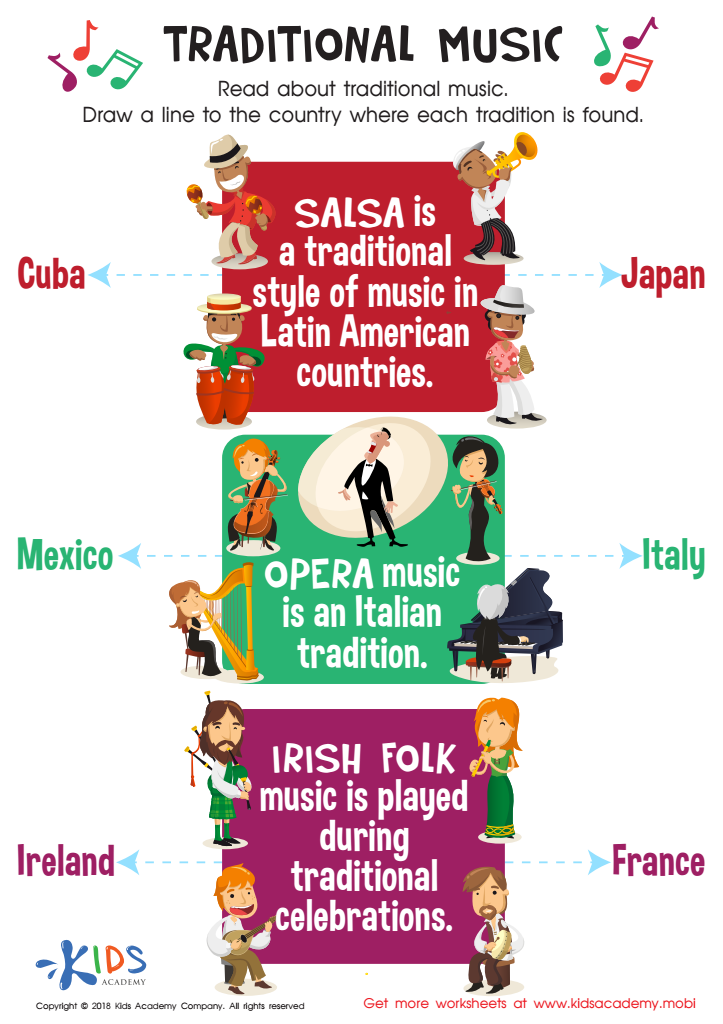
Traditional Music Worksheet
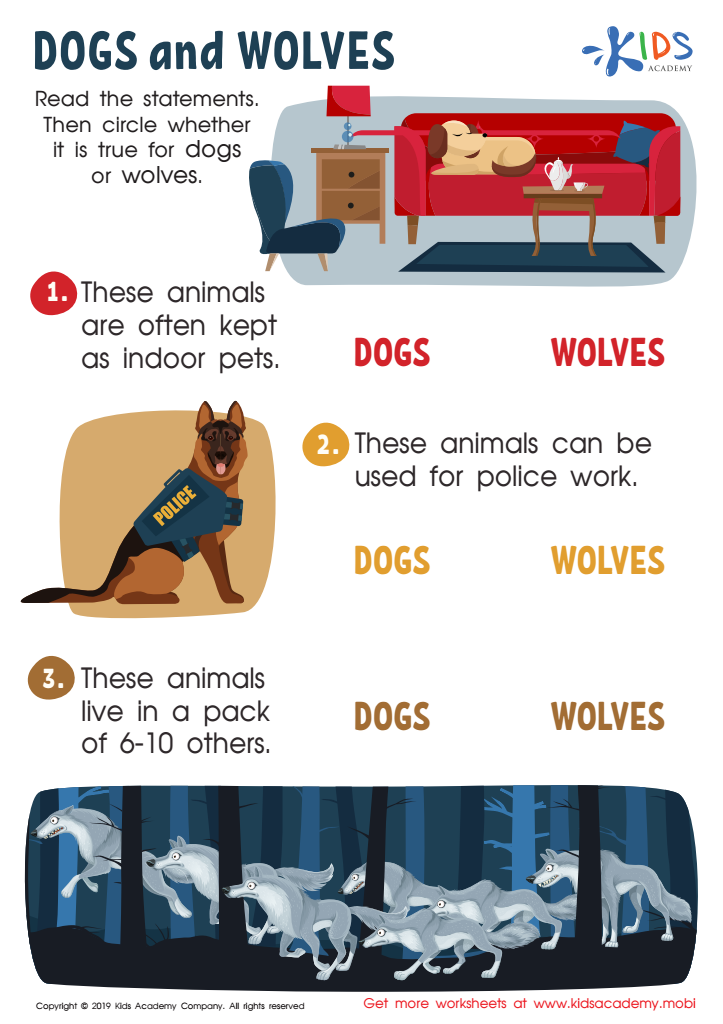
Dogs and Wolves Worksheet
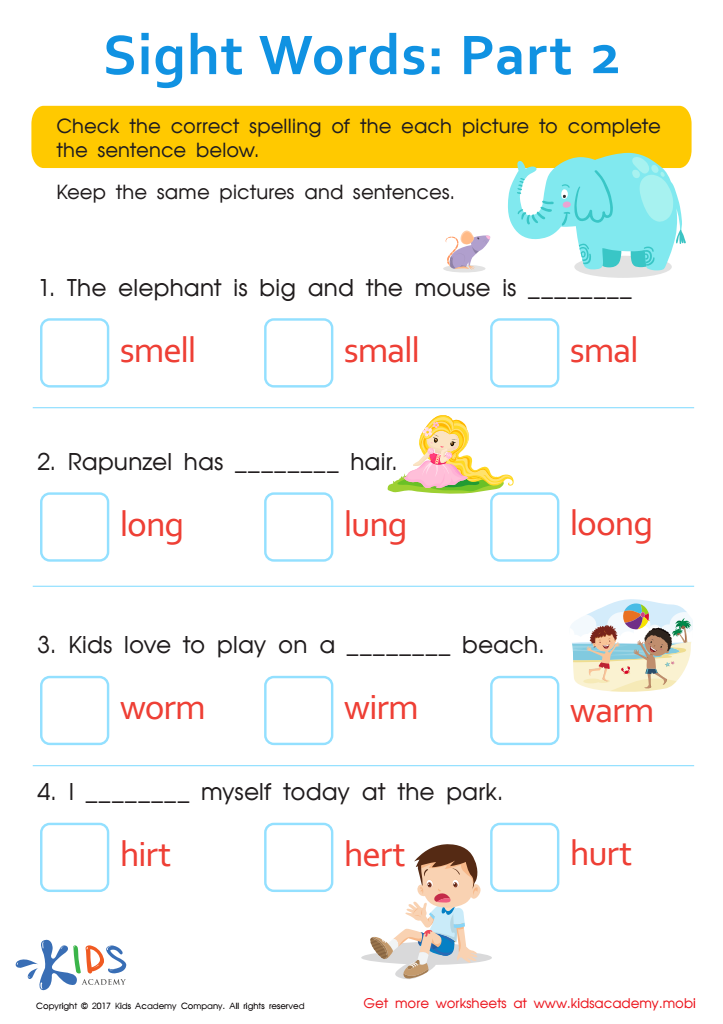
Sight Words Worksheet
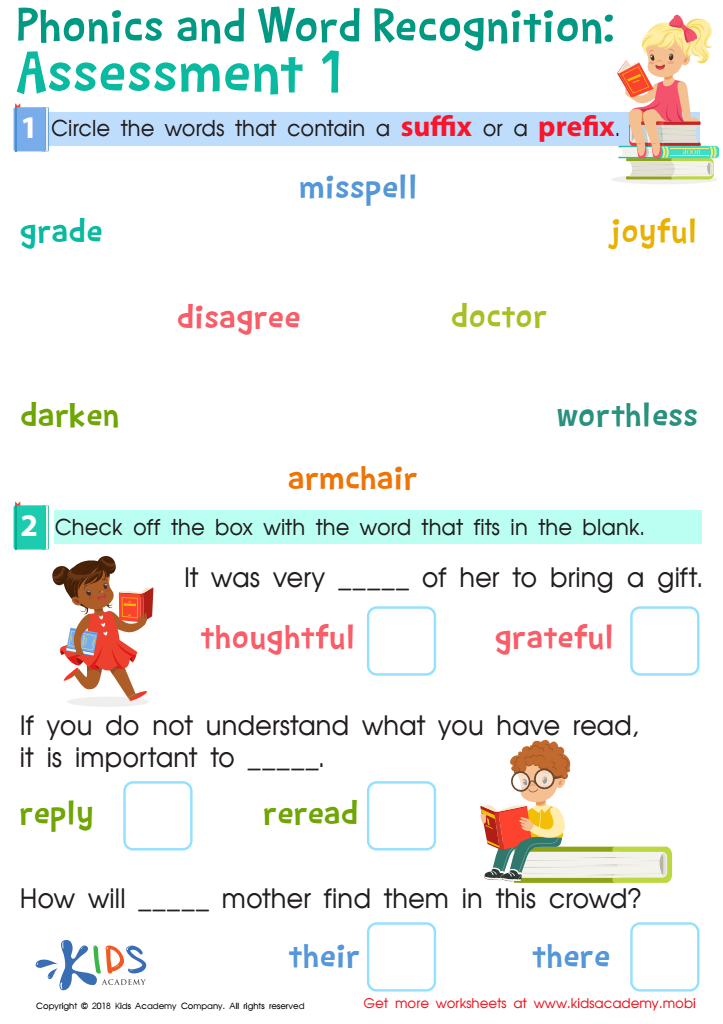
Phonics and Word Recognition: Assessment 1 Worksheet
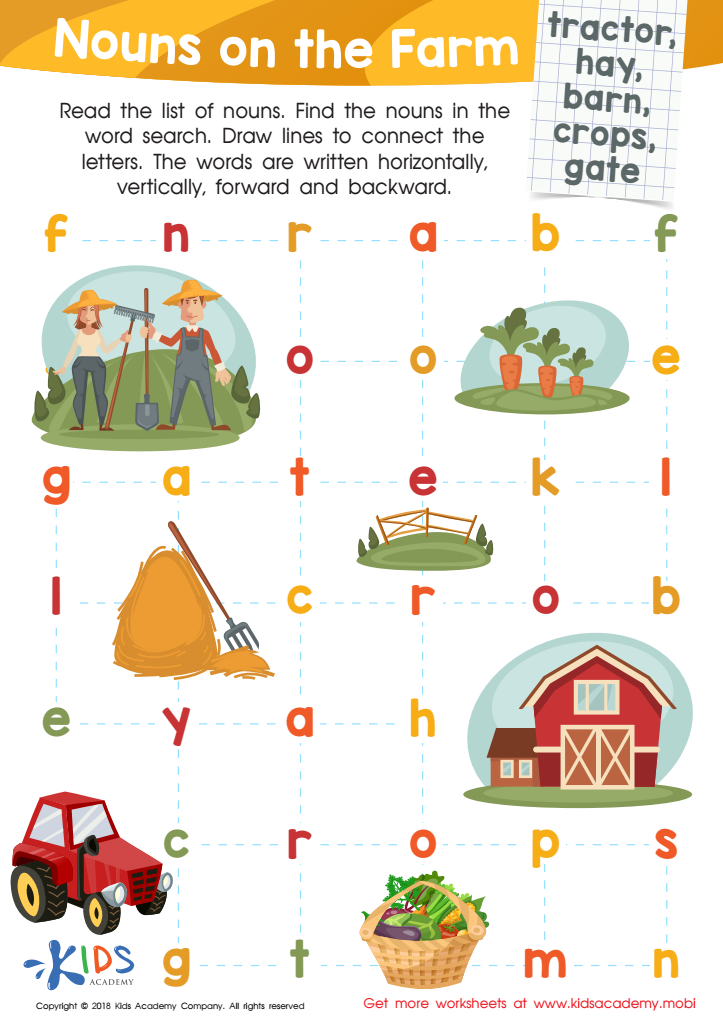
Nouns on the Farm Worksheet
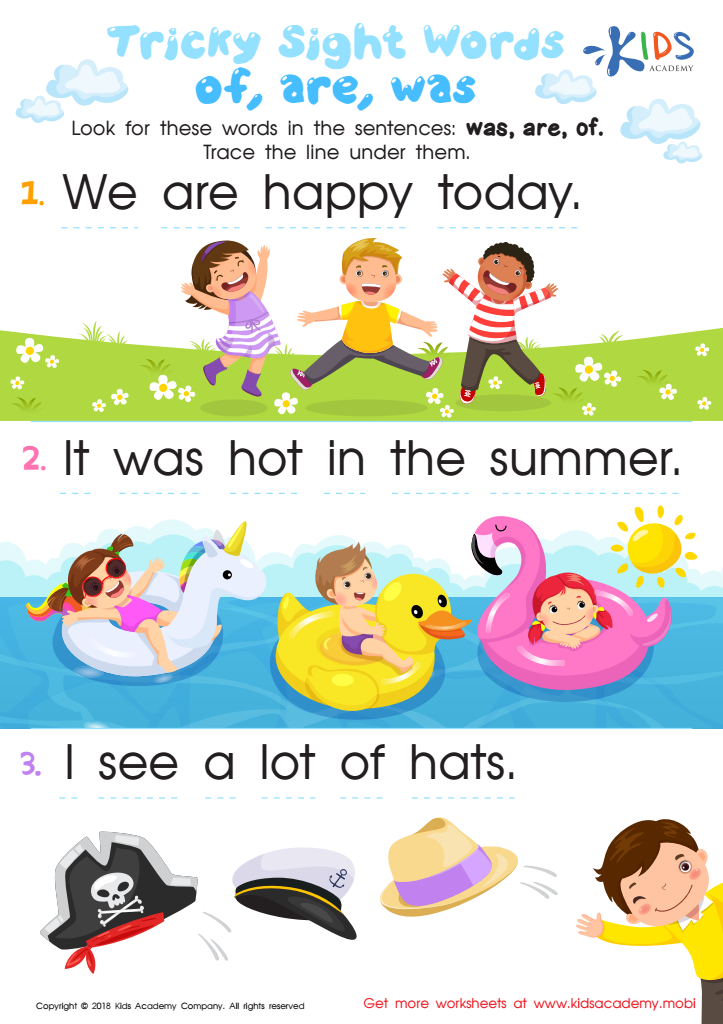
Tricky Sight Words Worksheet
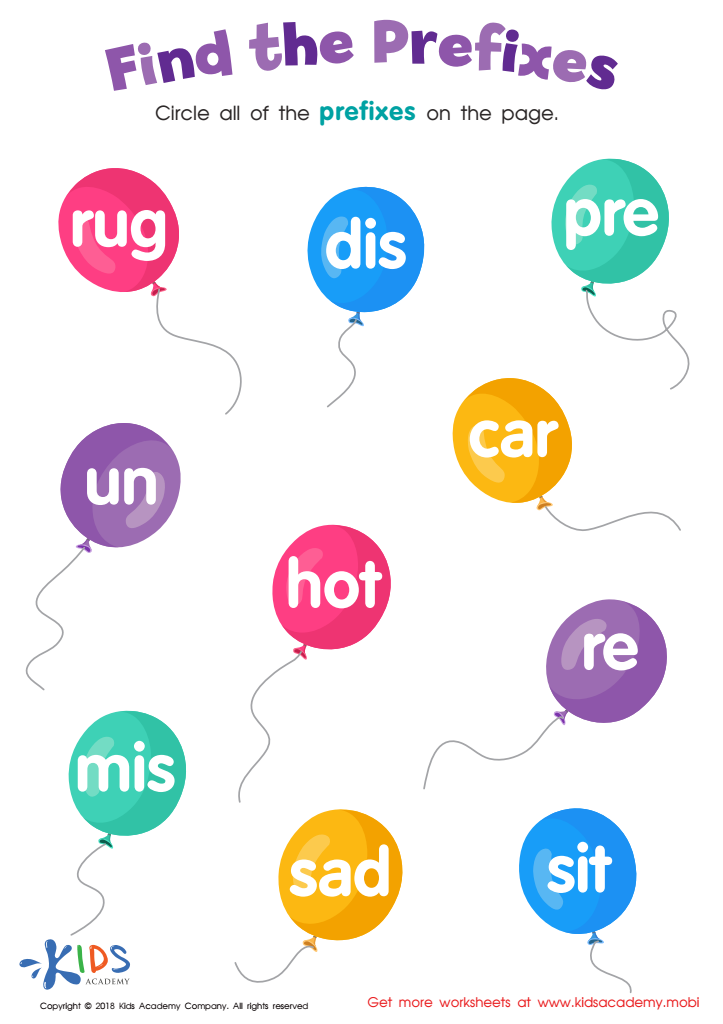
Reading: Find the Prefixes Worksheet
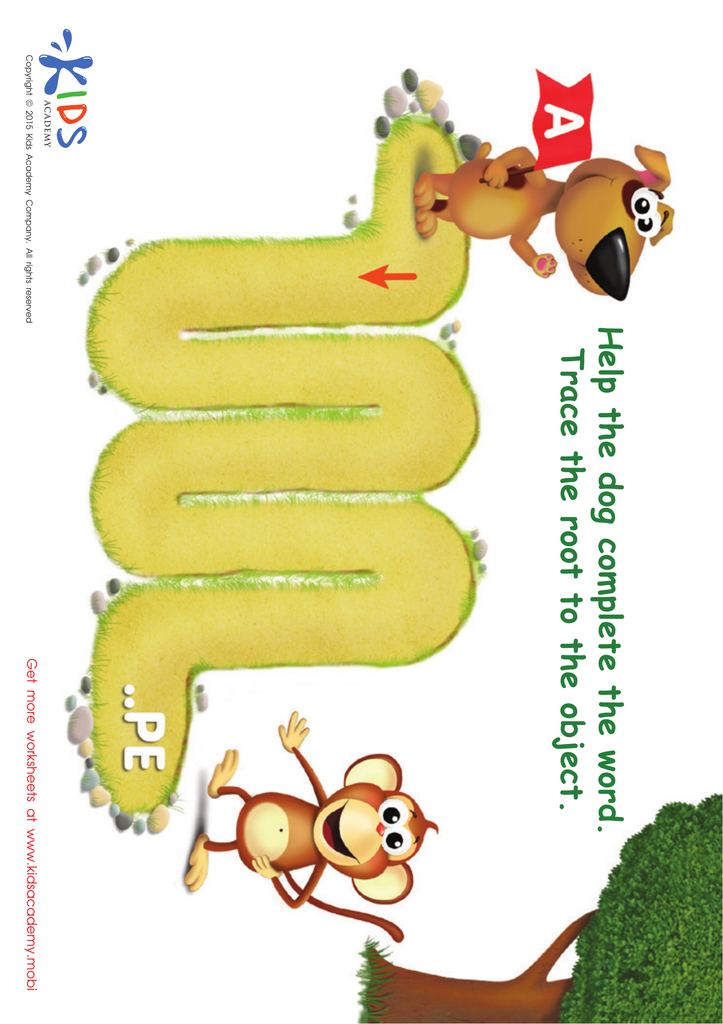
Long Vowel Sound A Worksheet Worksheet
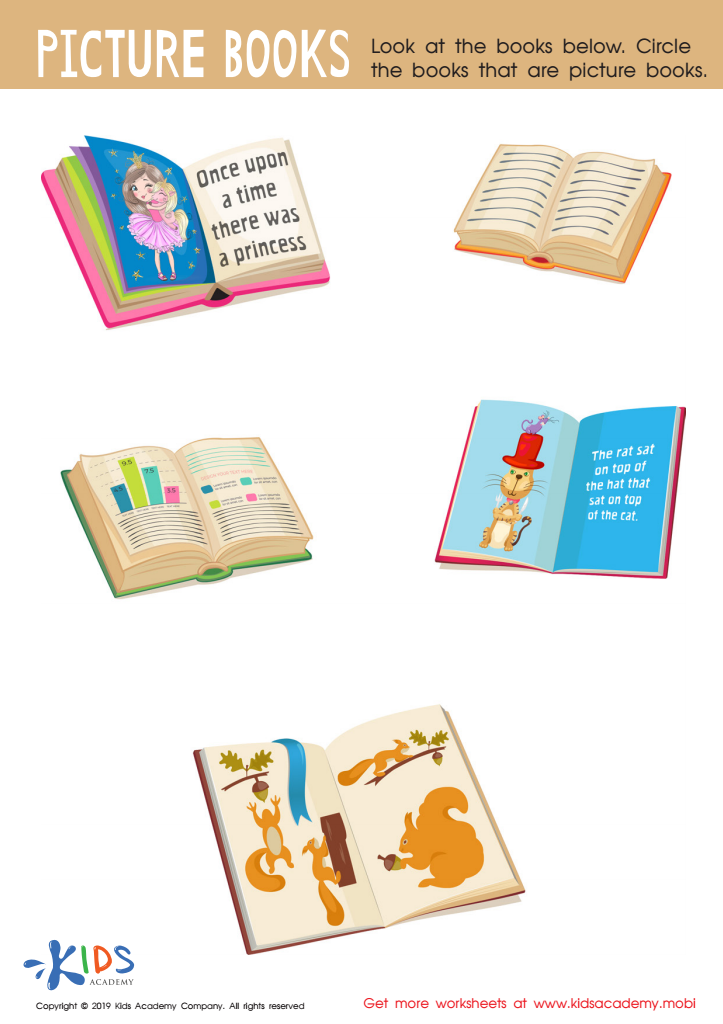
Picture Books Worksheet
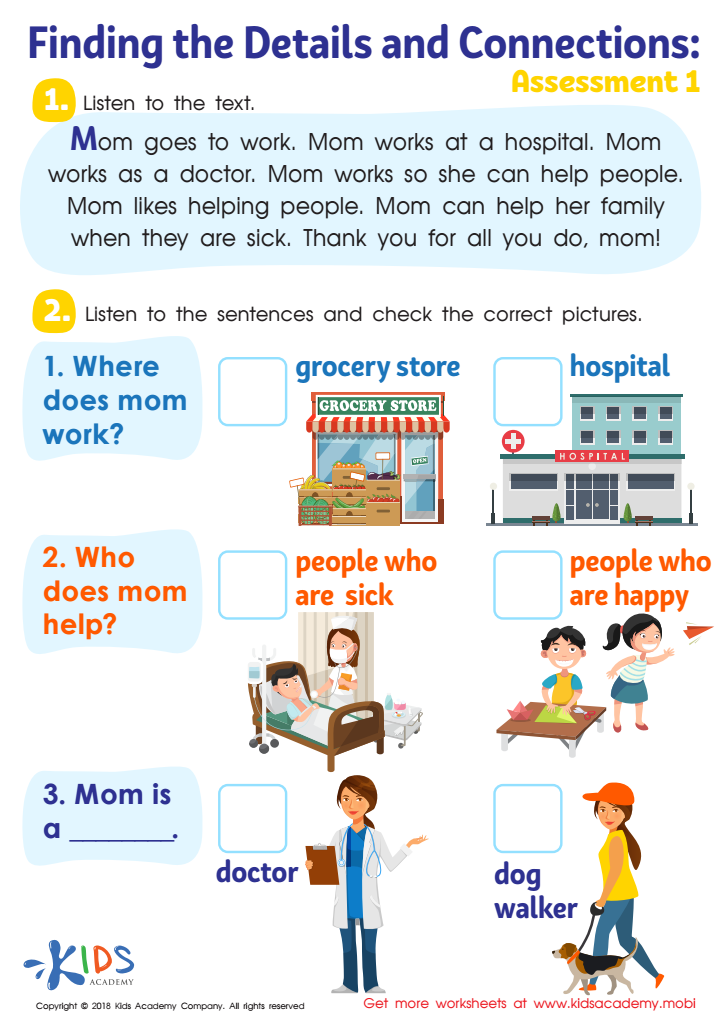
Finding the Details and Connections: Assessment 1 Worksheet
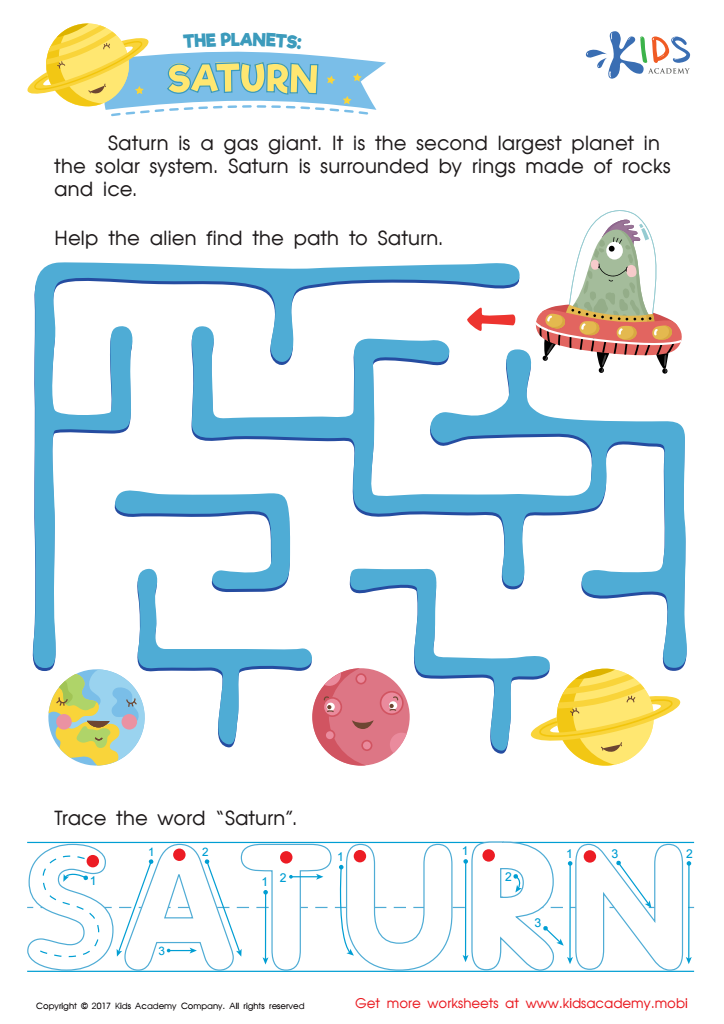
The Planets: Saturn Printable
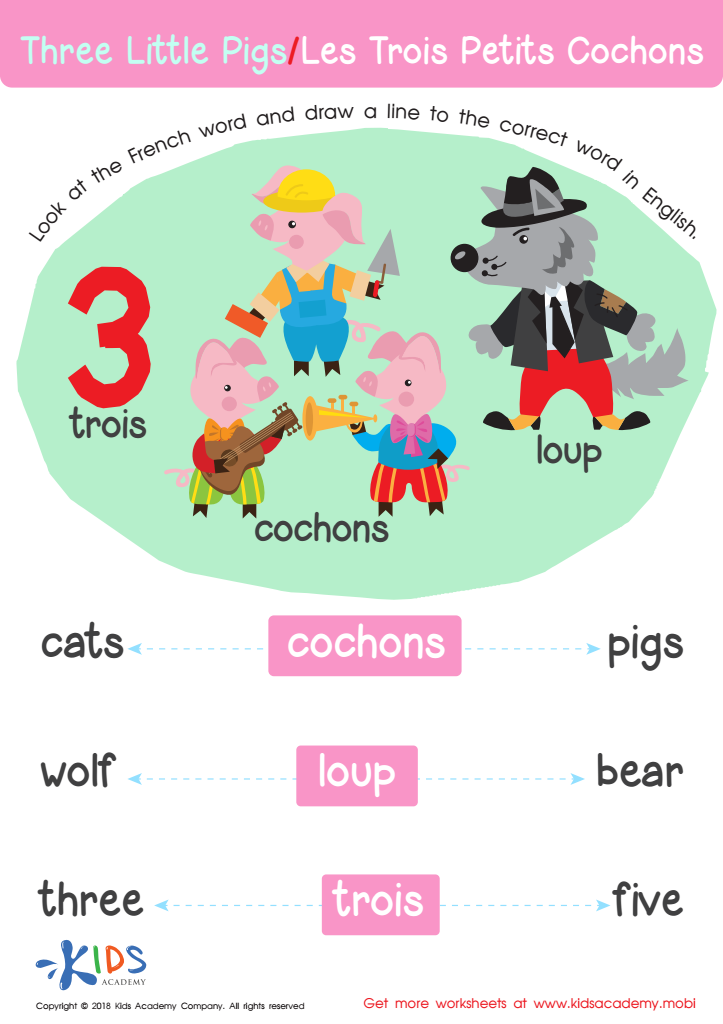
Three Little Pigs / Les Trois Petits Cochons Worksheet
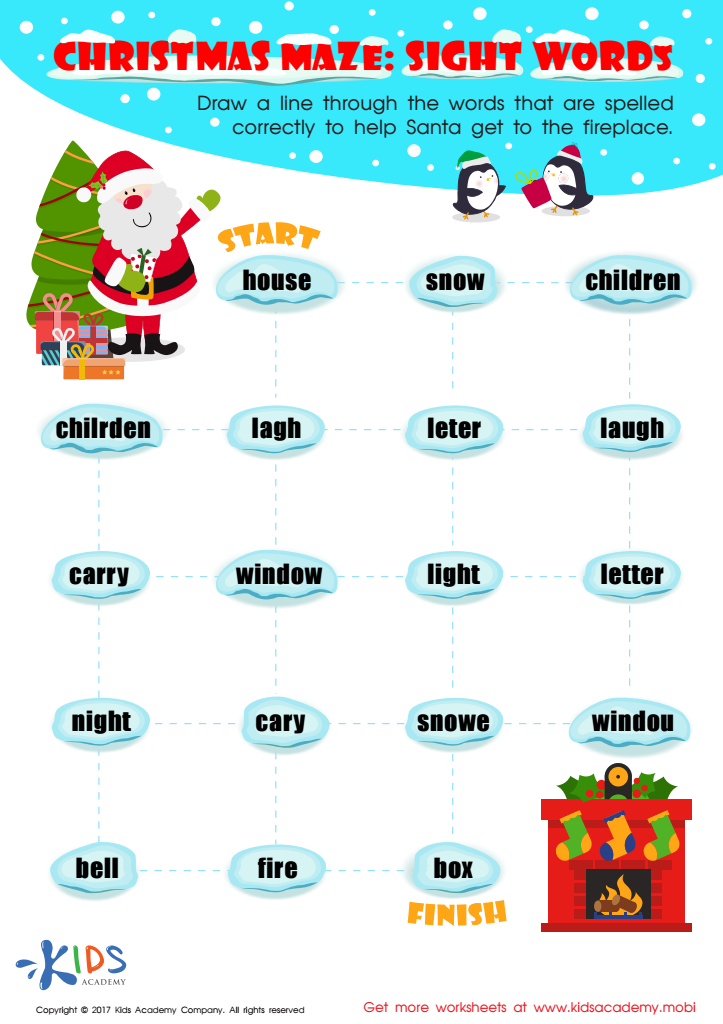
Sight Words Christmas Maze Printable
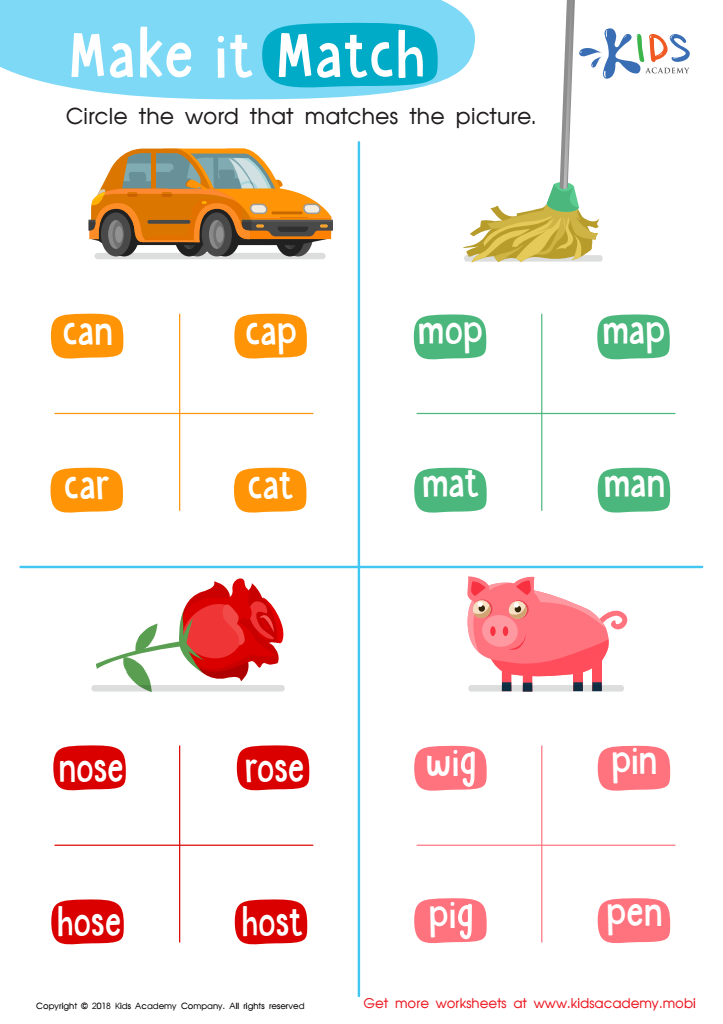
Make It Match Worksheet
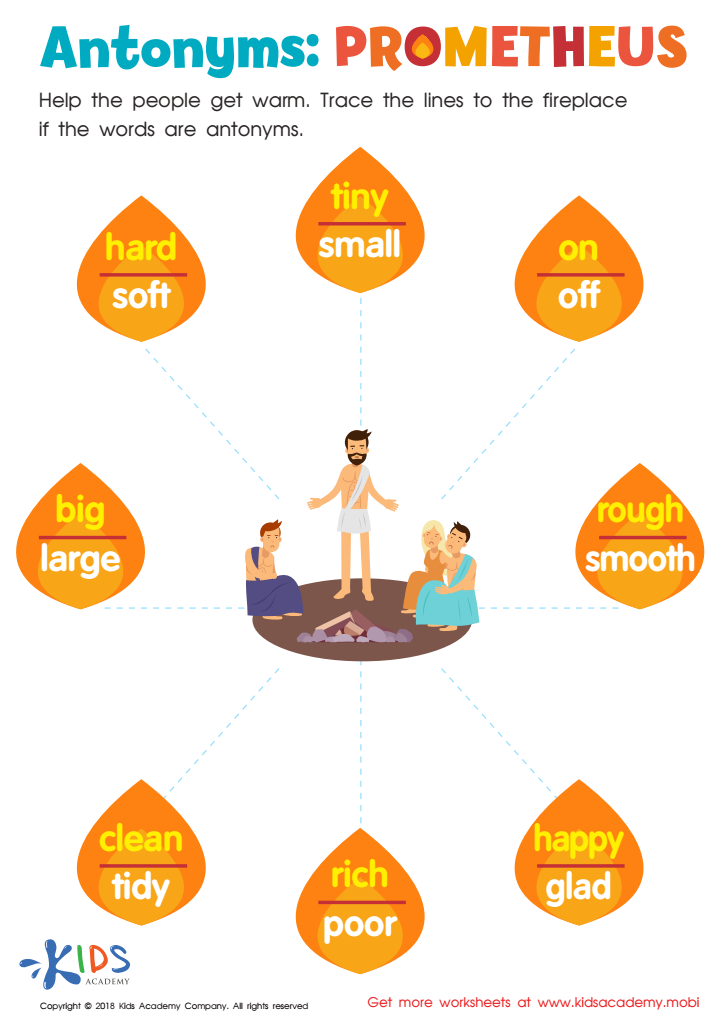
Antonyms: Prometheus Worksheet




.jpg)



Reading comprehension is a crucial skill for young learners, serving as the foundation for academic success. Parents and teachers should prioritize building vocabulary because it directly influences a child's ability to understand and engage with texts. A rich vocabulary allows students to decode words more efficiently, grasp nuanced meanings, and make connections between ideas.
When children encounter unfamiliar words, their comprehension can falter, limiting their learning potential and diminishing their confidence. Expanding vocabulary not only enhances their reading skills but also improves their speaking and writing abilities, enabling them to express thoughts articulately.
Furthermore, a robust vocabulary exposure fosters cognitive development, encouraging analytical thinking and problem-solving. When children learn new words, they also learn how to use them contextually, boosting their language acquisition and retention.
Parents' and teachers' involvement in vocabulary-building activities—such as reading aloud, discussing books, and engaging in conversations—demonstrates valuing language and literacy. By prioritizing vocabulary development, caregivers equip students with essential tools that pave the way to lifelong learning, helping cultivate a love for reading and a deeper understanding of the world around them. In short, nurturing vocabulary is key to nurturing confident, skilled readers and communicators.








