Color recognition Reading Worksheets - Page 2
30 filtered results
-
From - To
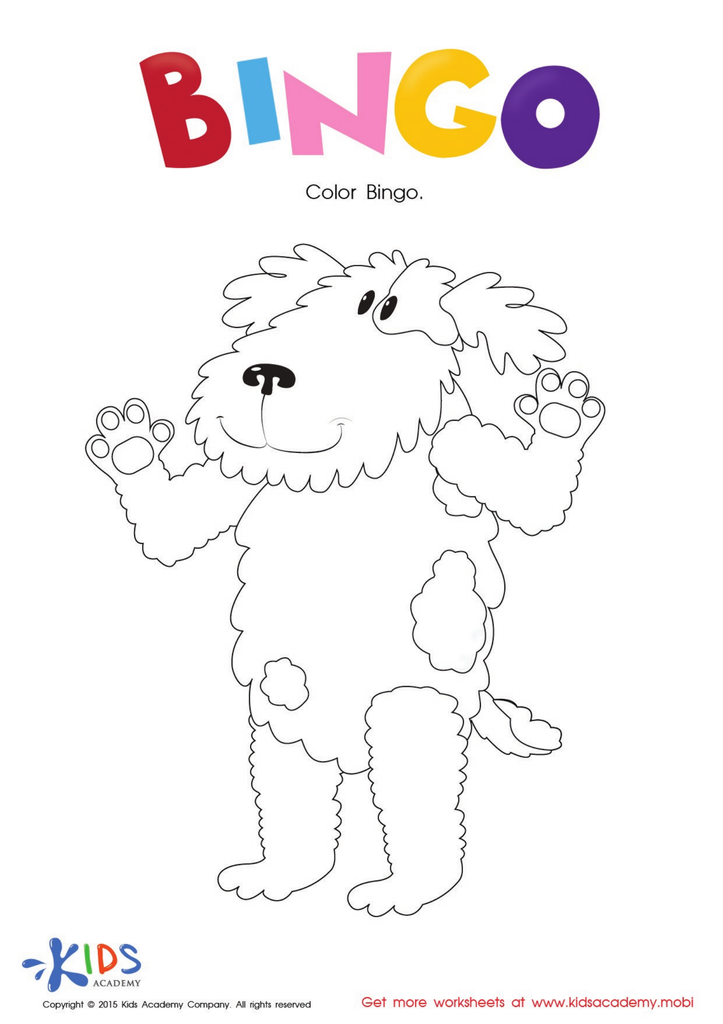
The Bingo Song: Coloring The Dog Worksheet
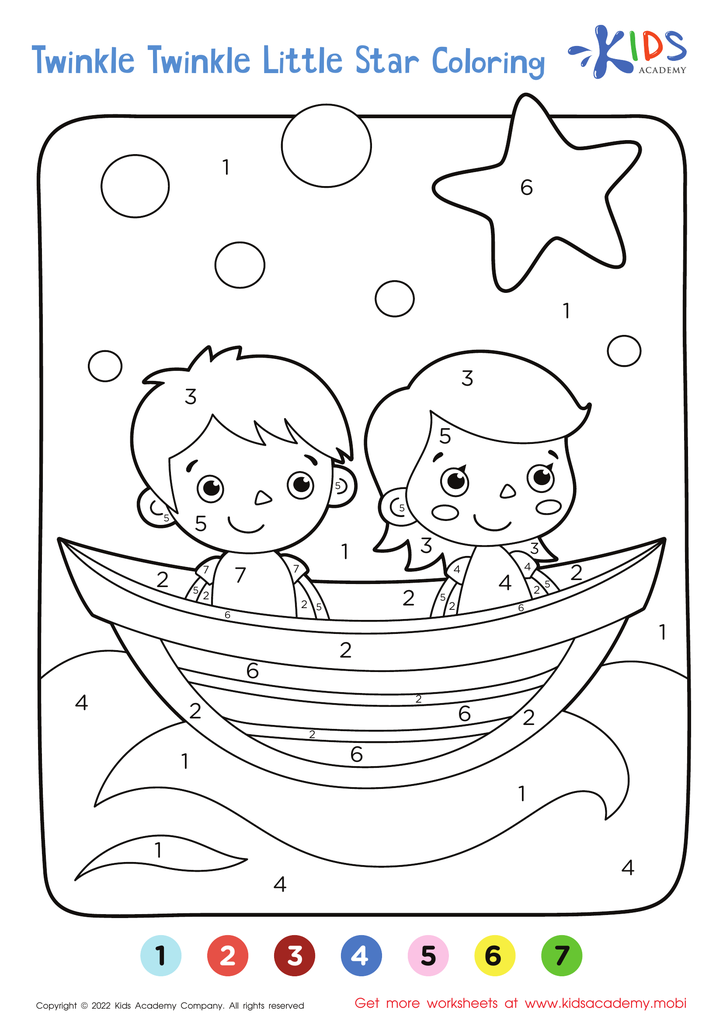
Twinkle, Twinkle, Little Star – Coloring by Numbers


.jpg)




Color recognition is a vital skill that lays the foundation for early literacy and cognitive development in young children. Parents and teachers should prioritize this aspect of learning because it aids in vocabulary expansion and enhances memory skills. When children learn to identify colors, they are also acquiring language skills, describing their environment, and improving their ability to express themselves.
Moreover, color recognition plays a significant role in a child's ability to categorize and distinguish objects, promoting critical thinking. It also supports number recognition and boosts confidence during activities that involve sorting and grouping items based on color. This skill is integral in various educational settings, aiding in the understanding of concepts such as patterns, sequences, and even emotions linked to colors.
Furthermore, engaging children in color-related activities such as art, games, and storytelling can strengthen their social skills and foster cooperative play. This collaborative learning environment nurtures emotional intelligence and communication skills. By caring about color recognition, parents and teachers contribute to children’s overall cognitive development, laying a strong foundation for future learning endeavors. Ultimately, recognizing the importance of color in education enriches children's learning experiences and encourages their love for exploration and discovery.








