Letter recognition Reading Worksheets
12 filtered results
-
From - To
Discover our engaging Letter Recognition Reading Worksheets designed to help young learners master the alphabet! These worksheets provide a fun and interactive way for children to identify, recognize, and practice both uppercase and lowercase letters. Each activity promotes essential early literacy skills through colorful visuals and stimulating exercises, ensuring an enjoyable learning experience. Perfect for preschool and kindergarten classrooms or at-home practice, our worksheets cater to various learning styles while reinforcing letter sounds and associations. Foster a love for reading and lay the foundation for academic success with our easy-to-use, printable resources tailored for early grade teachers and parents alike!
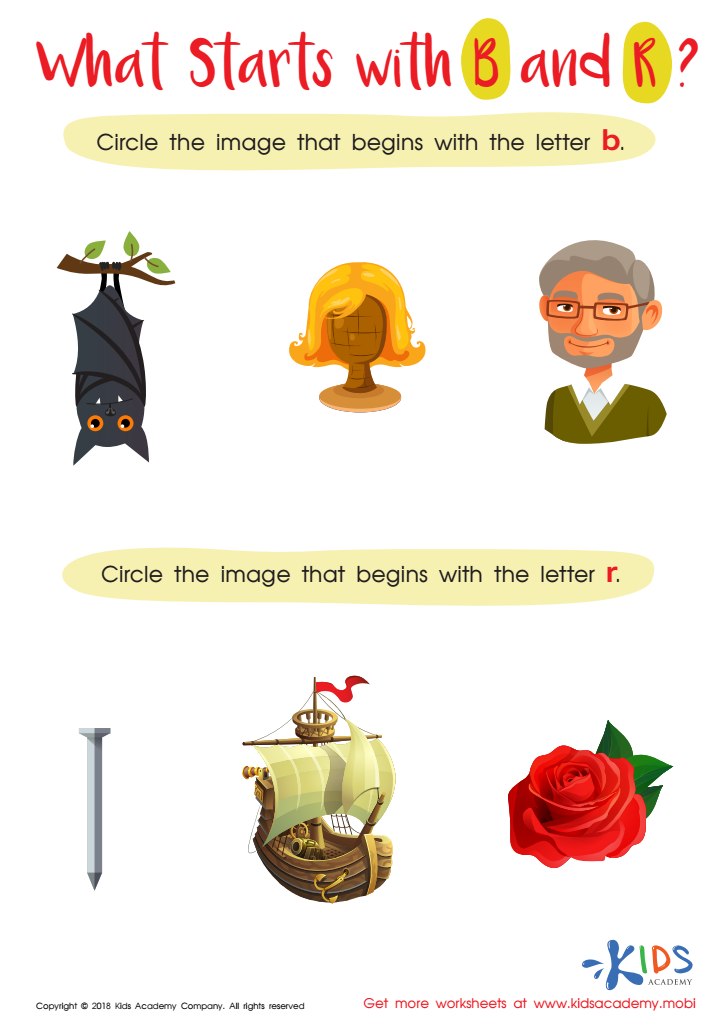
What Starts with B and R? Worksheet
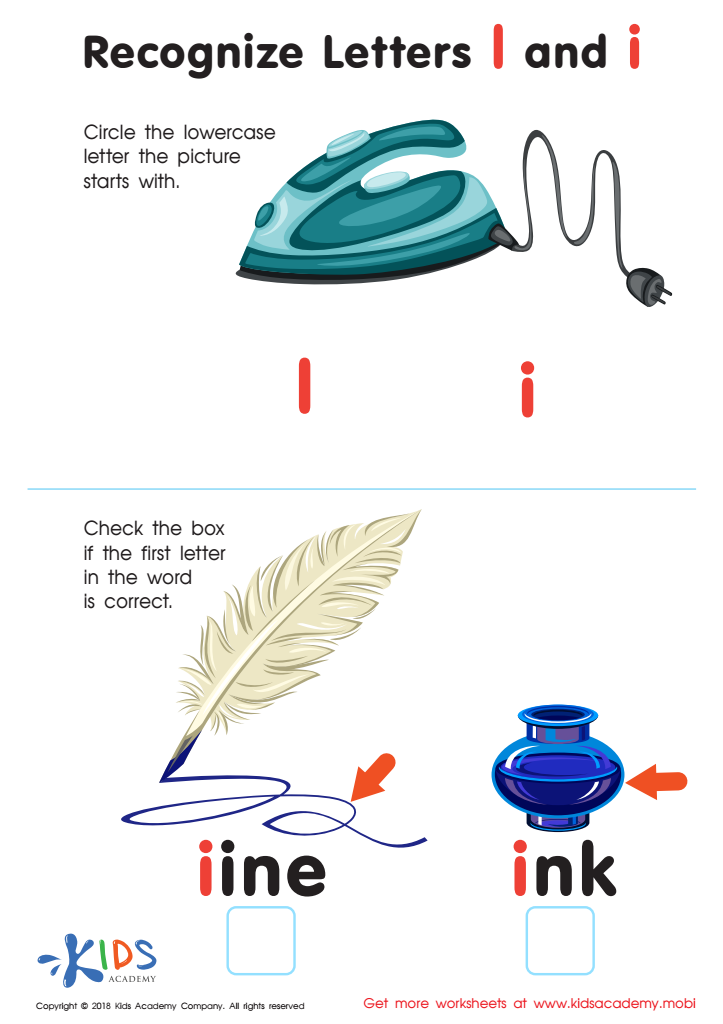
Recognize Letters l and i Worksheet
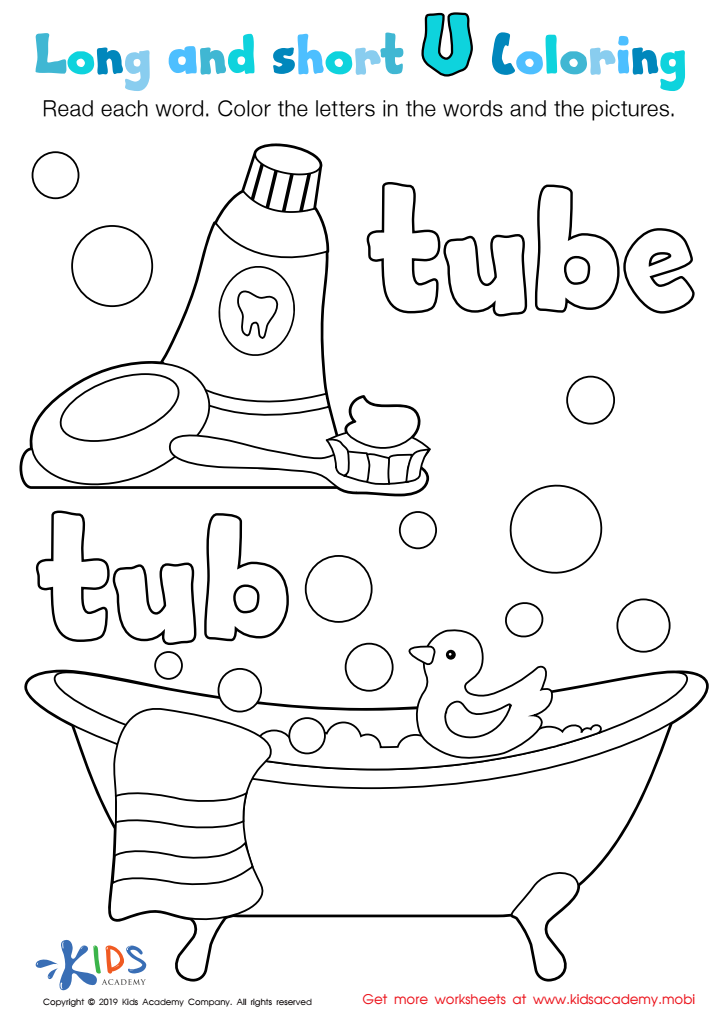
Long and Short U Worksheet
 Assign to My Students
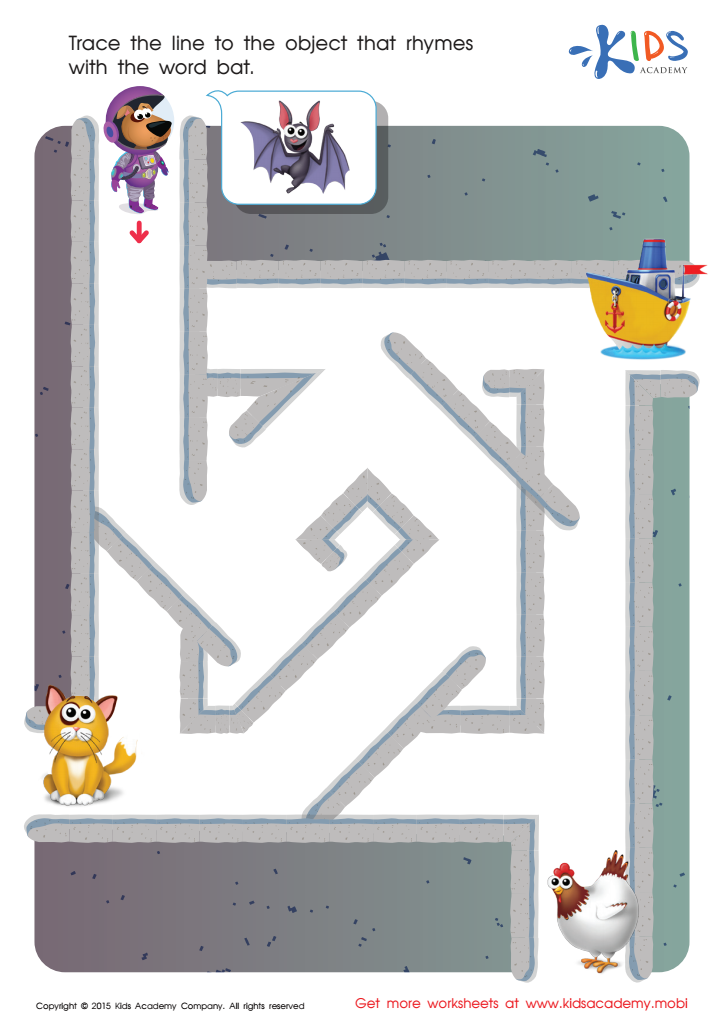
Bat Rhyming Words Worksheet
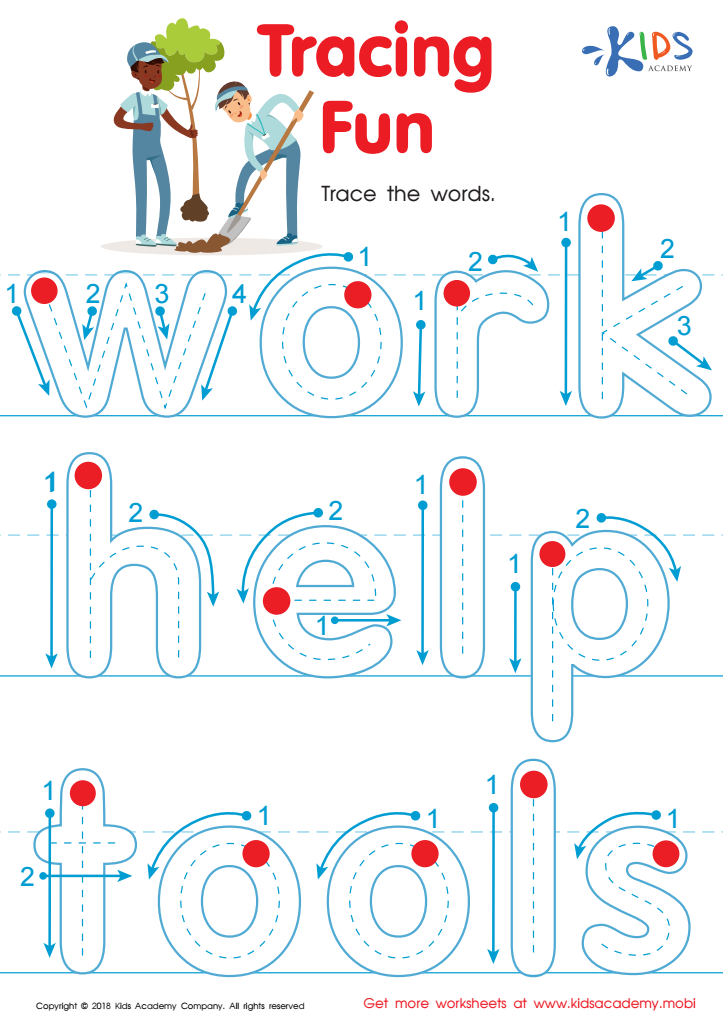
Tracing Fun Worksheet
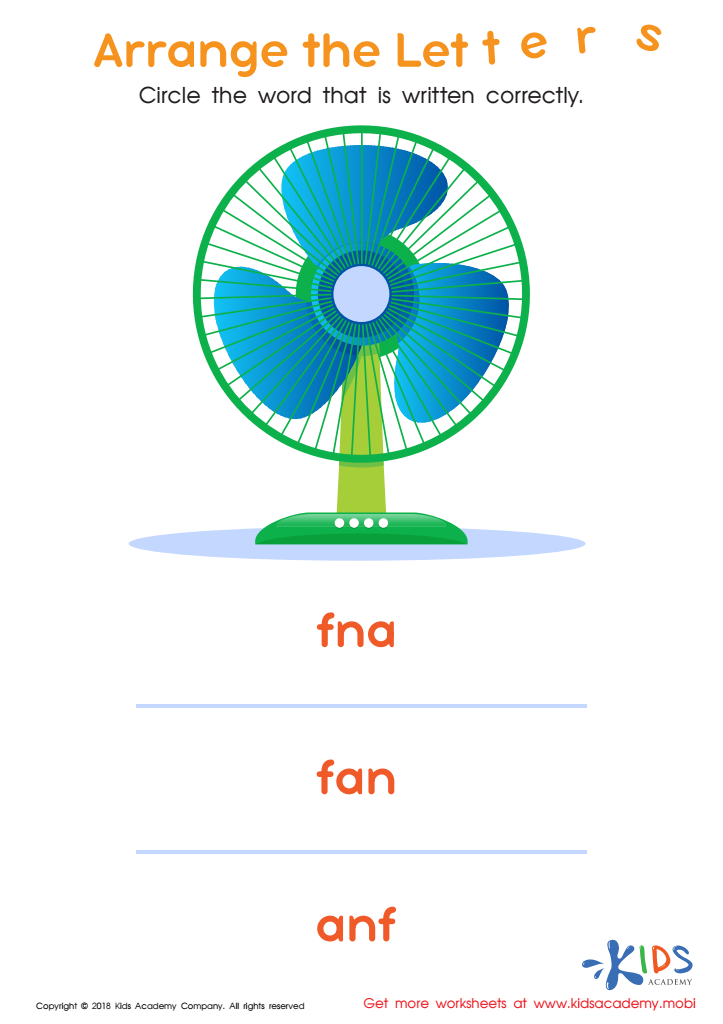
Arrange the Letters Worksheet
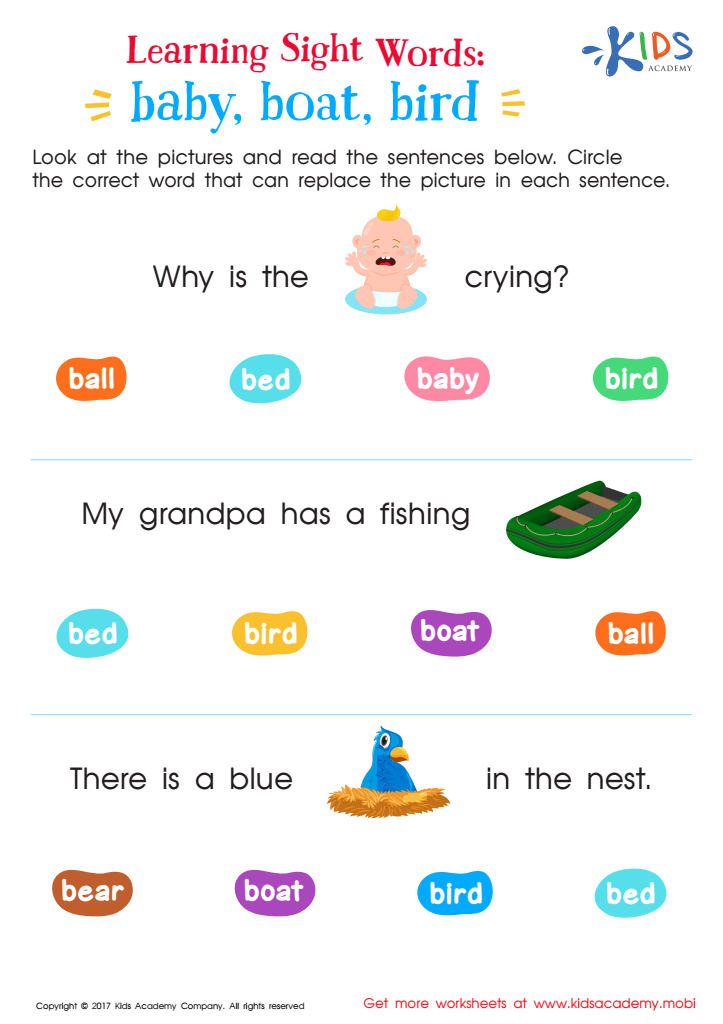
Baby, Boat, Bird Worksheet Sight Words Worksheet
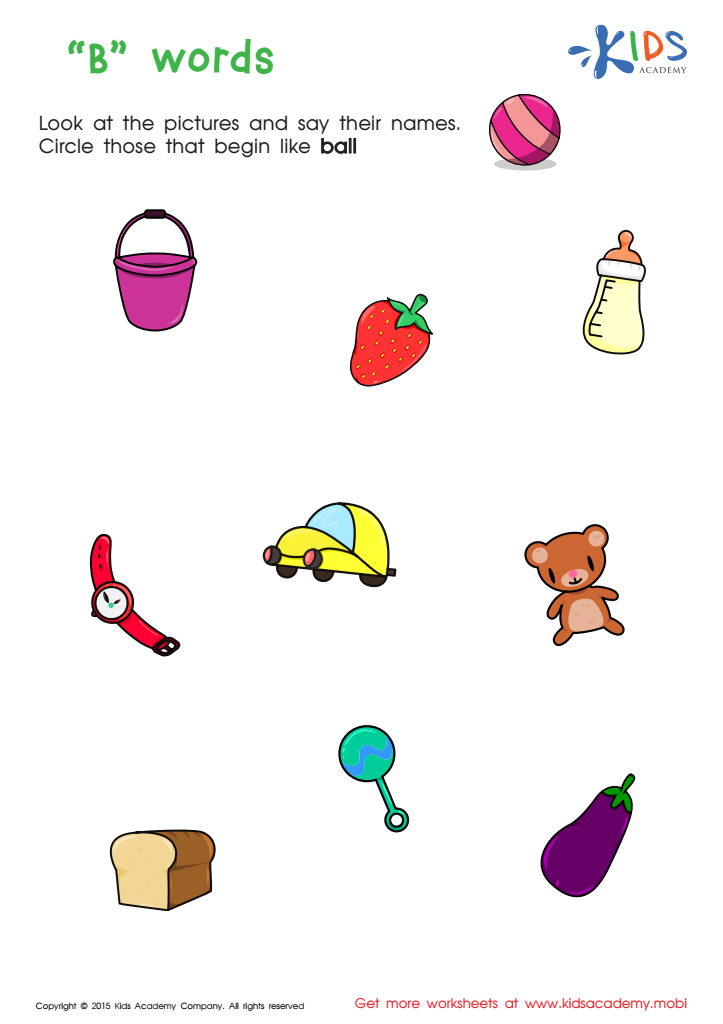
First Words Worksheet
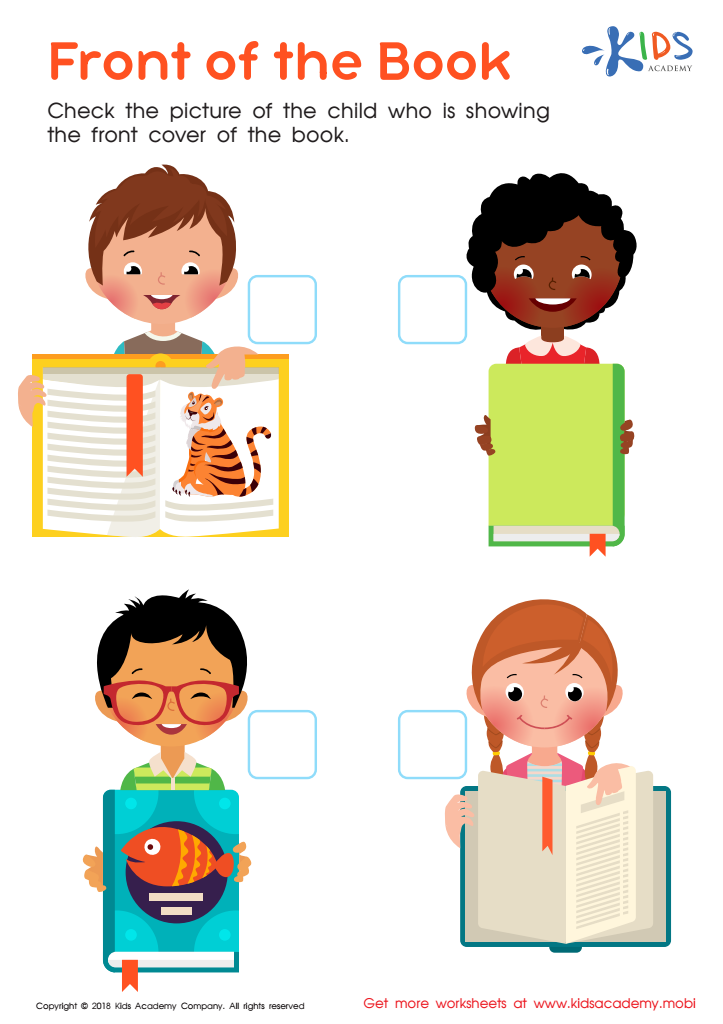
Front of the Book Worksheet

Long and Short E Worksheet
Assign to My Students
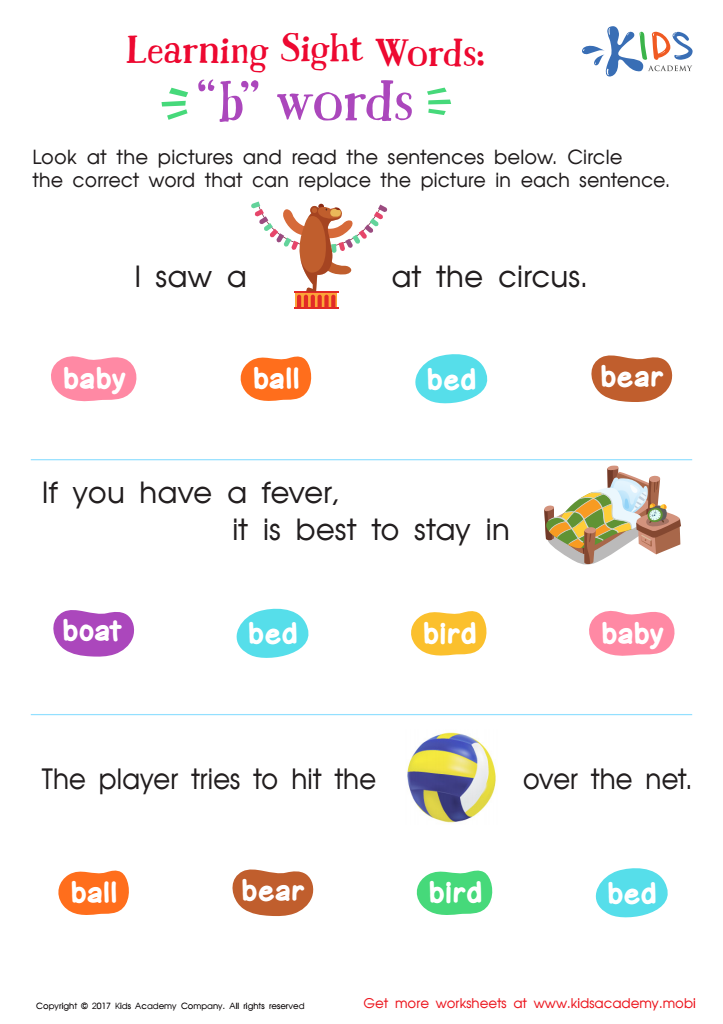
"B" Words Printable Sight Words Worksheet
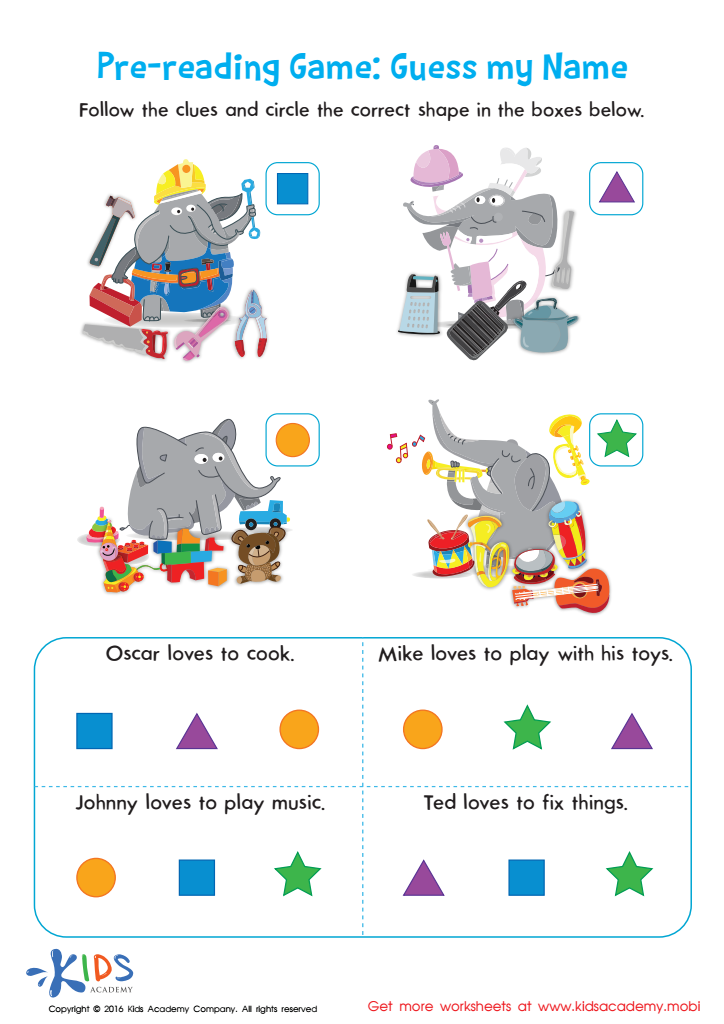
Pre Reading Worksheet Guess My Name








Letter recognition is a critical foundational skill in early literacy development that significantly impacts a child's reading abilities. Understanding and identifying letters is essential for children to later associate these letters with specific sounds, forming the groundwork for phonics and decoding skills. When children can recognize letters, they begin to make connections between written text and spoken language, which enhances their reading fluency and comprehension.
Parents and teachers should care about letter recognition because it serves as a gateway to broader literacy experiences. Early mastery of letter names and sounds leads to increased confidence in reading, encouraging a love for books and learning. Moreover, proficient letter recognition helps children navigate the demands of the classroom and promotes engagement with reading materials, ultimately affecting their academic success.
In addition, focused letter recognition activities stimulate cognitive development, improve fine motor skills, and support language development. By fostering an environment rich in letter recognition through games, storytelling, and print-rich surroundings, parents and teachers can positively influence children's educational journeys, setting them on the path to become proficient readers and lifelong learners. Essentially, prioritizing letter recognition ensures that children acquire the tools necessary for lifelong success in reading and communication.








