Number Recognition Reading Worksheets - Page 2
40 filtered results
-
From - To
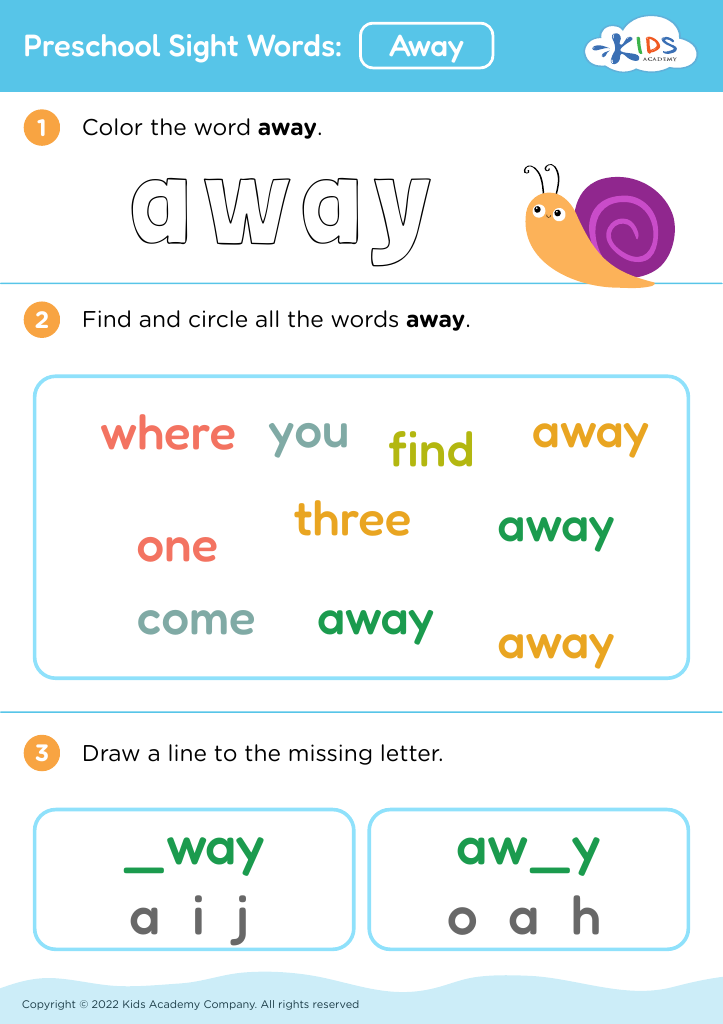
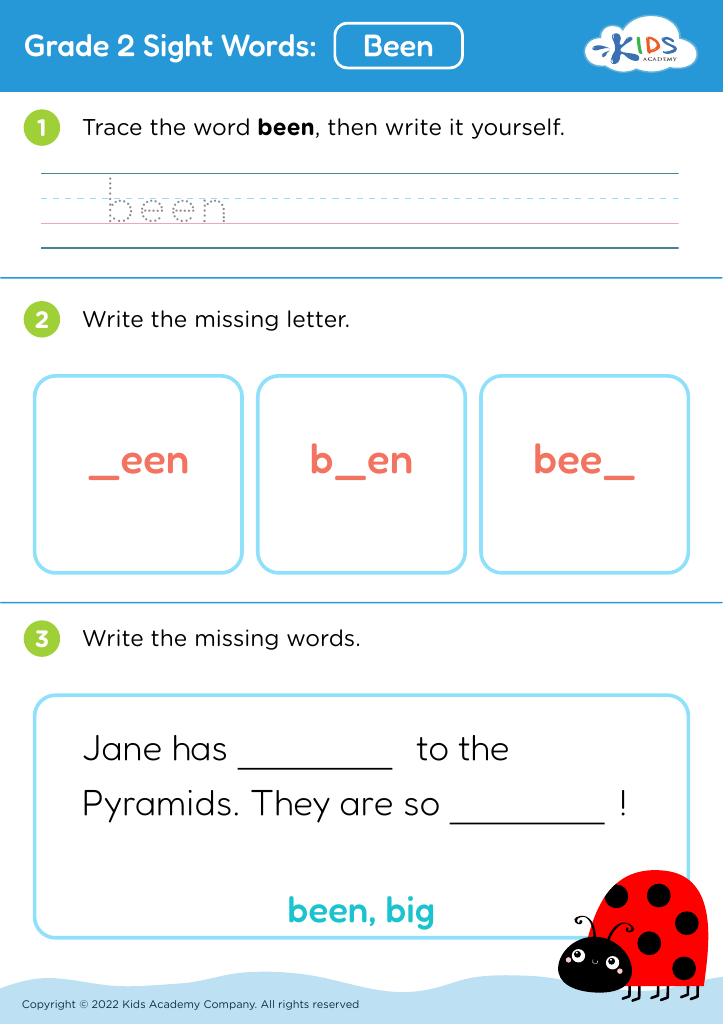
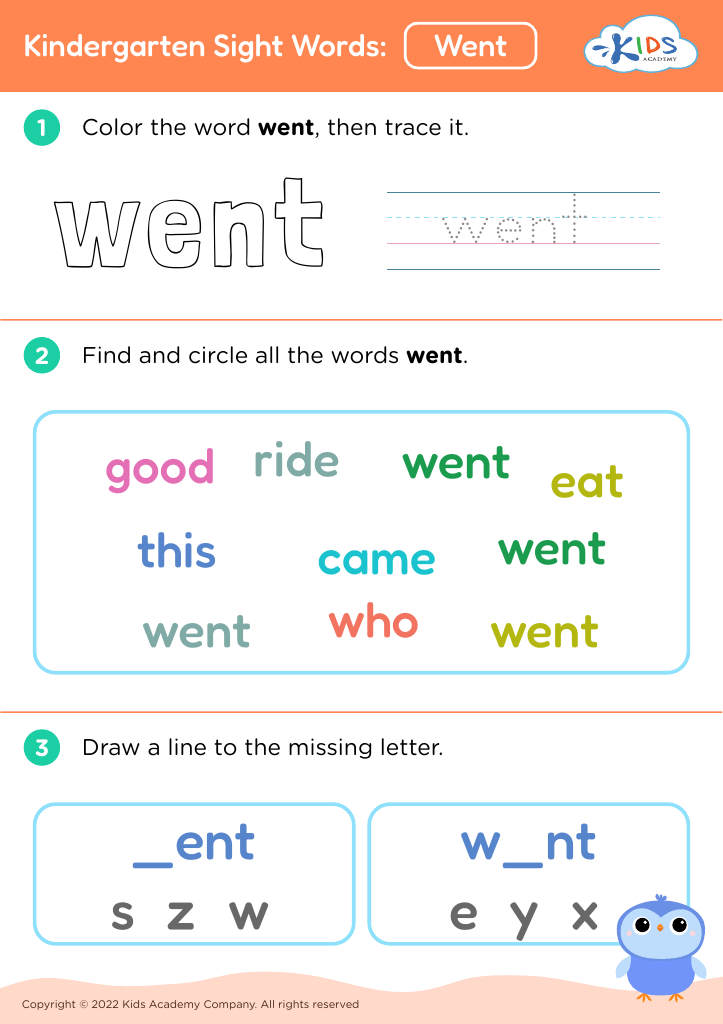
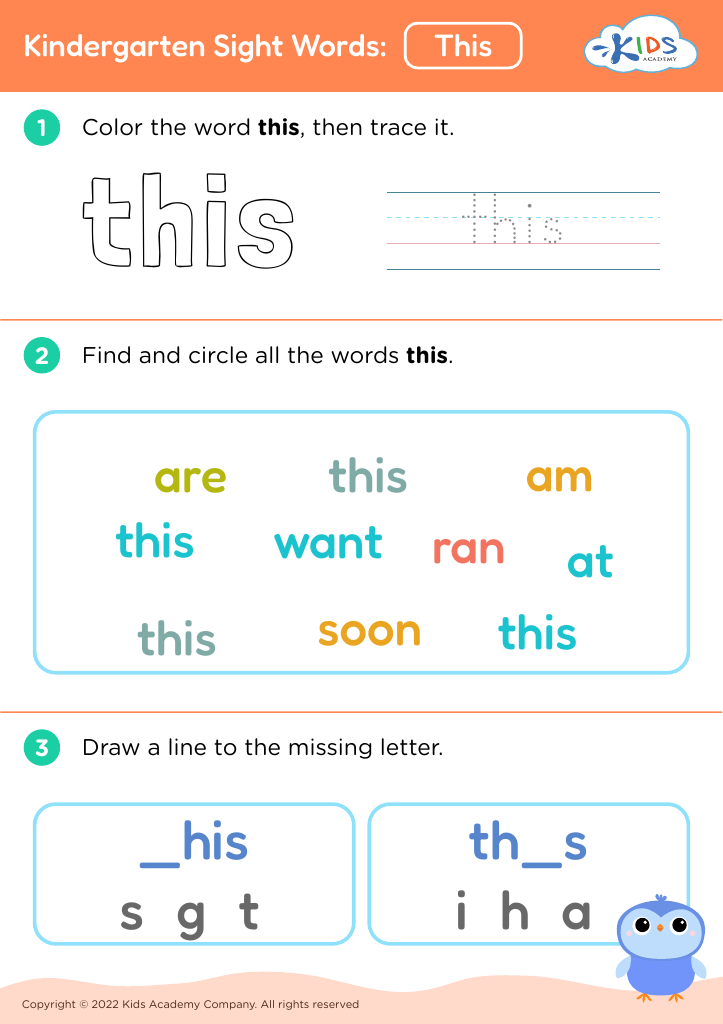
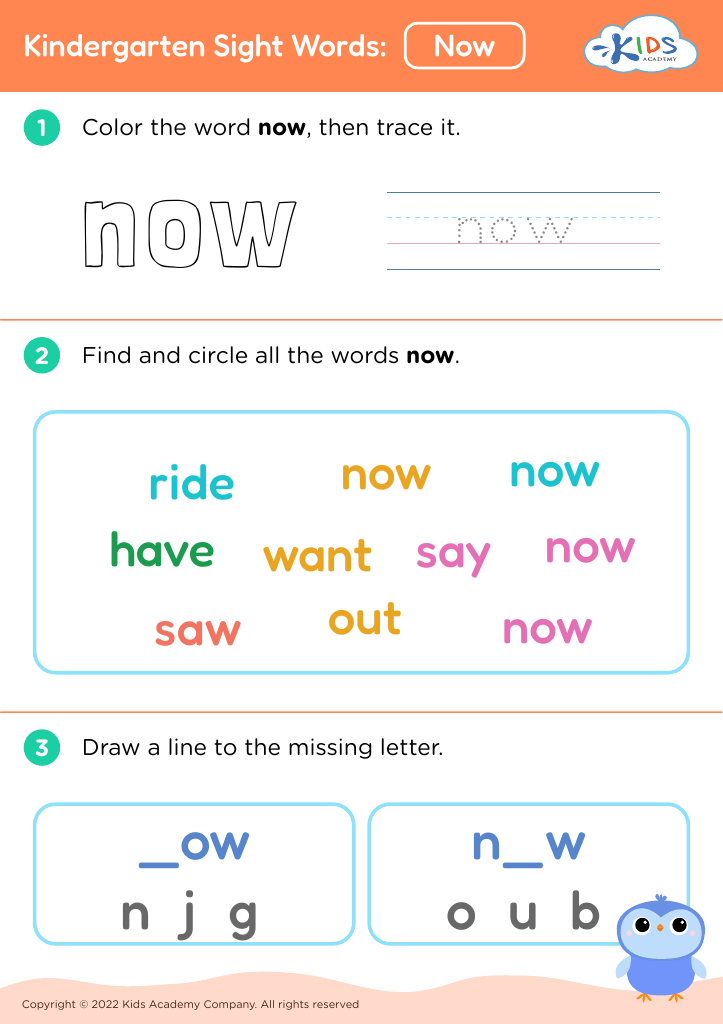
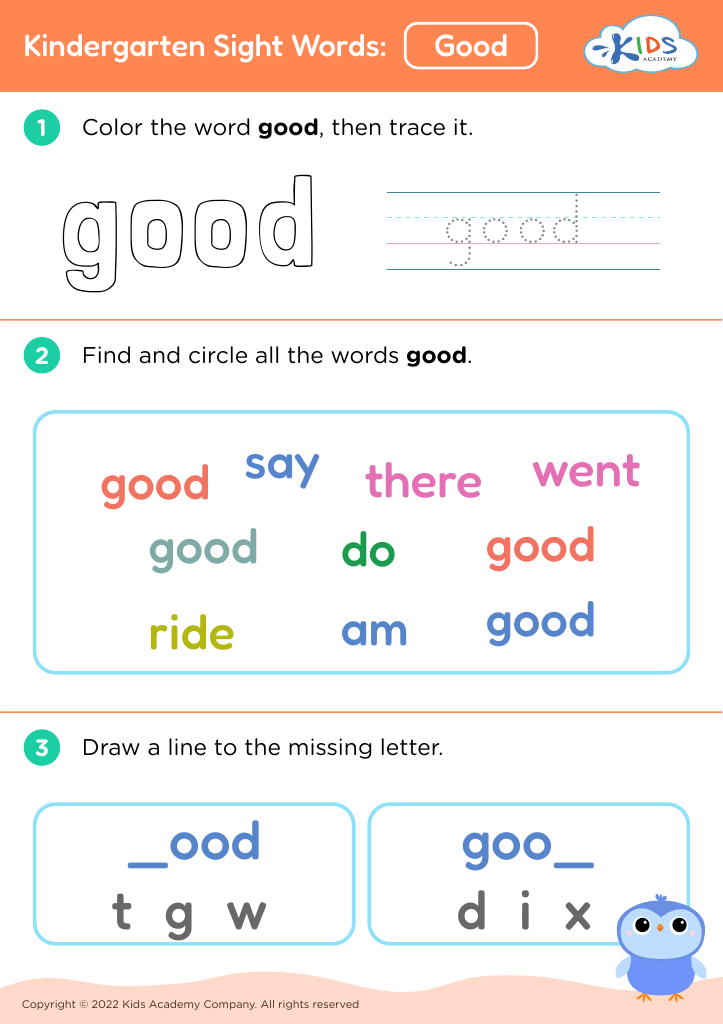
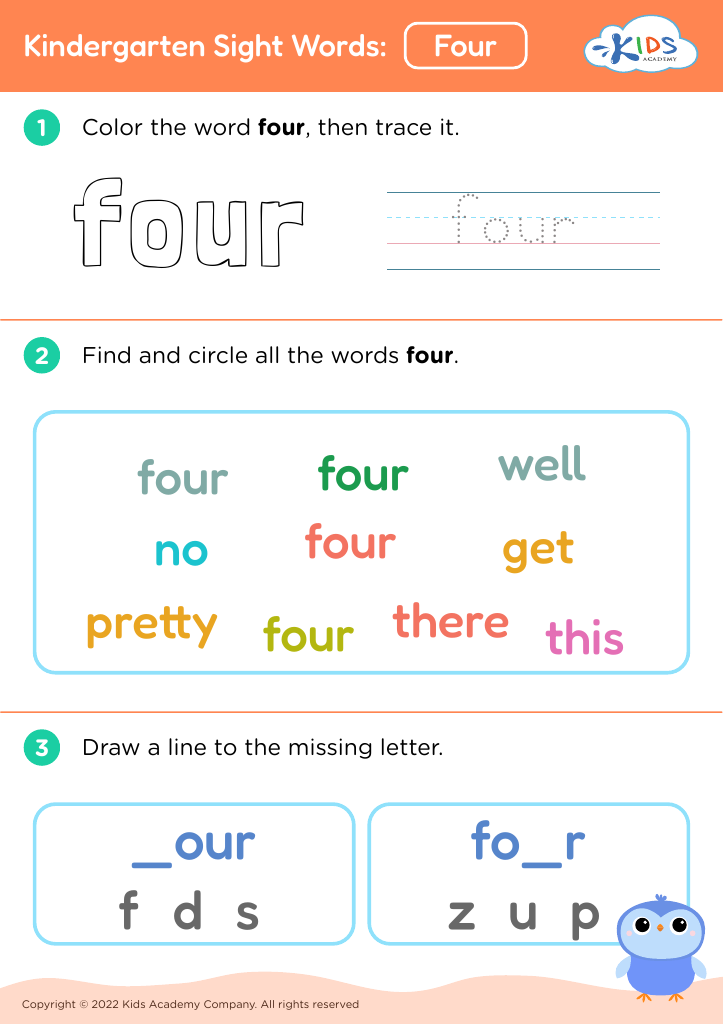
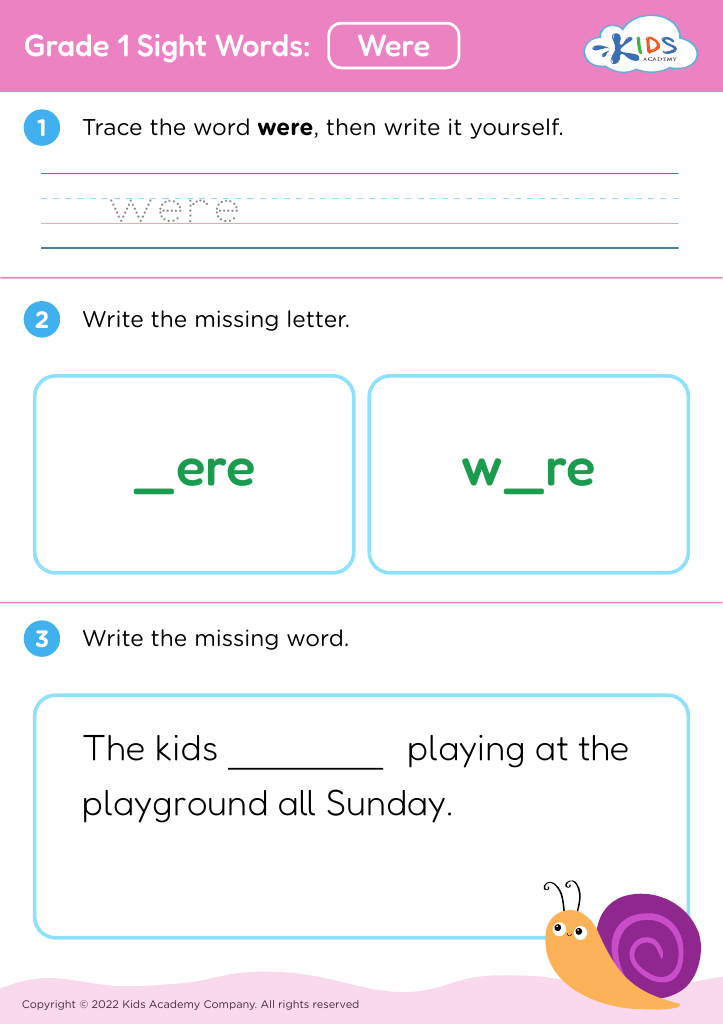








Parents and teachers should care deeply about Number Recognition Reading because it forms the foundational skill set necessary for future academic success, particularly in mathematics. At its core, number recognition is the ability to identify and name numbers, which is crucial for a child's numerical literacy. This basic skill is a stepping stone for more complex mathematical concepts such as addition, subtraction, multiplication, and division. When children can confidently recognize and understand numbers, they are better equipped to interact with numerical information in practical scenarios, from telling time to handling money.
Moreover, early number recognition can positively impact cognitive development including problem-solving and logical thinking abilities. Studies show that early proficiency in numerical skills often correlates with higher achievement in later grades. For teachers, focused attention on number recognition ensures a structured and sequenced educational approach, minimizing gaps in learning.
For parents, engaging in activities that bolster number recognition—like counting games, number puzzles, and interactive books—creates a supportive home learning environment. Learning numbers can also enhance a child's confidence, encouraging a love of learning that extends beyond numeracy to other areas of education. Ultimately, prioritizing number recognition fosters a well-rounded educational foundation pivotal for lifelong learning and achievement.








