Filters

14 filtered results

Clear all filters
Favorites
With answer key
Interactive

14 filtered results

Difficulty Level

Grade


Enhance your child's learning journey with our engaging Shape Recognition Reading Worksheets! Designed for early learners, these worksheets help children develop essential reading and comprehension skills while exploring the exciting world of shapes. Each activity is tailored to reinforce shape identification through fun exercises, interactive practices, and colorful illustrations. As students navigate through various tasks, they will boost their vocabulary and improve their critical thinking skills. Ideal for home or classroom use, our Shape Recognition Reading Worksheets provide an effective and enjoyable approach to learning. Download and watch your child’s confidence soar as they master shape recognition in reading!

Check out this FREE Trial Lesson on Reading!

Illustrations in a Text

Favorites
With answer key
Interactive
  • Shape Recognition
  • Reading
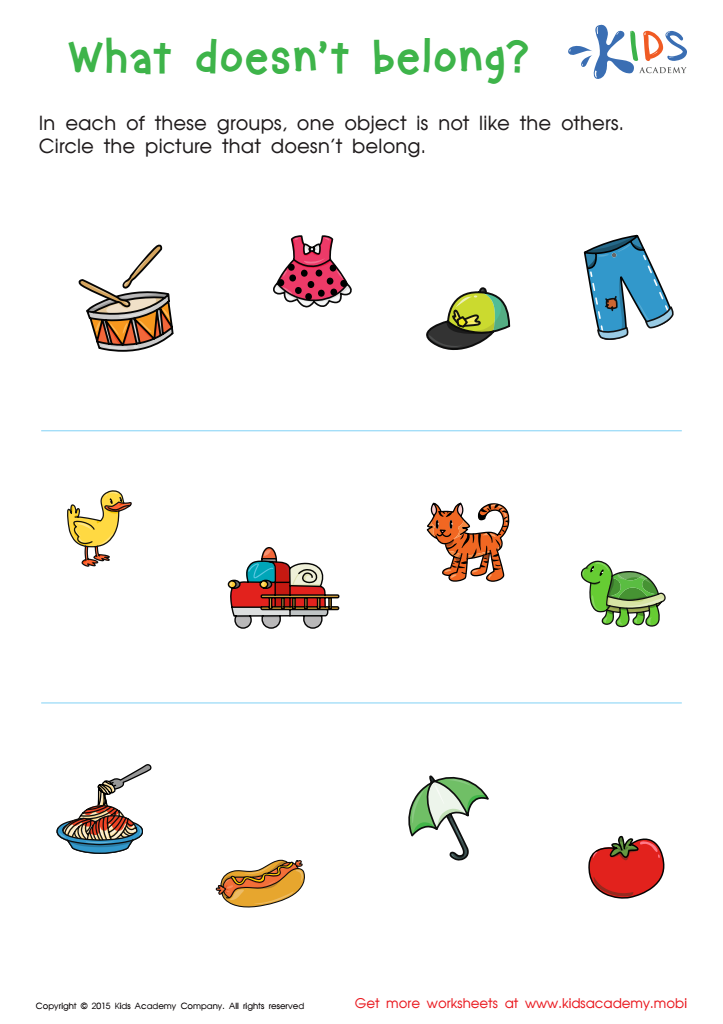
What Doesn’t Belong Worksheet for Preschool

First Words: What Doesn't Belong Worksheet

Categorizing items is an important skill for little learners. Sorting and classifying objects helps kids make sense of the world. With this "what doesn't belong" worksheet, your child will practice problem-solving, strengthen categorization and improve logical reasoning skills. It's perfect for toddlers and preschoolers, with bright and exciting images giving their minds a challenging workout!
First Words: What Doesn't Belong Worksheet
Worksheet
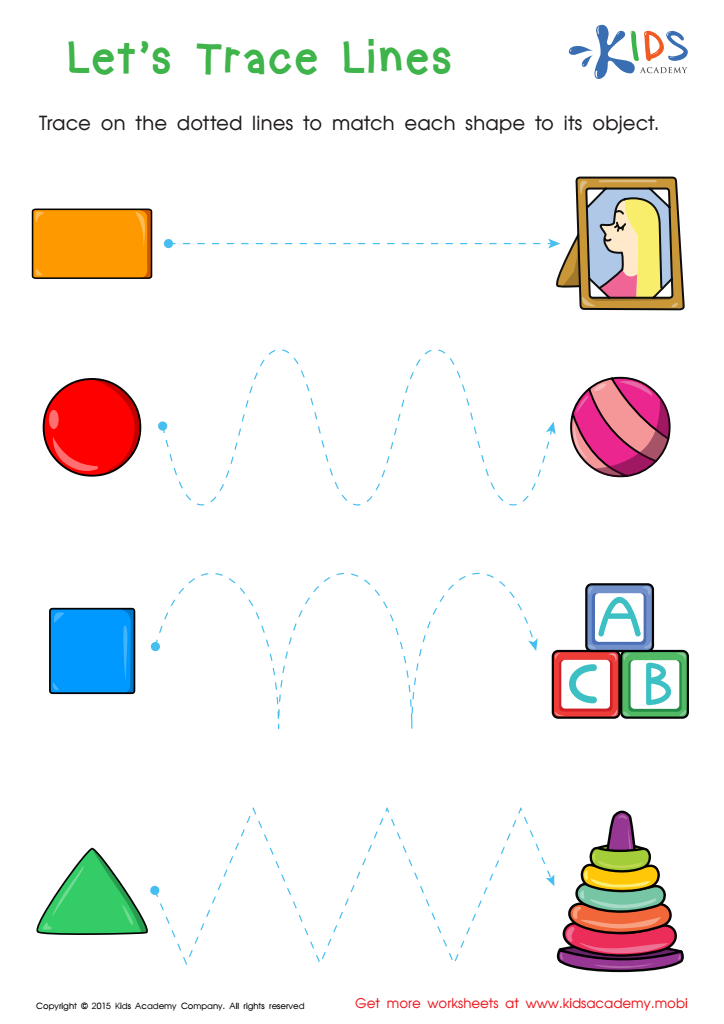
Printable Tracing Lines for Toddlers

First Words: Let's Trace Lines Worksheet
Printable tracing lines for toddlers will provide your little one with the skills needed for future handwriting success. Proper grip, fine motor skills, and hand-to-eye coordination are key. Let's get their writing journey off to a great start!
First Words: Let's Trace Lines Worksheet
Worksheet
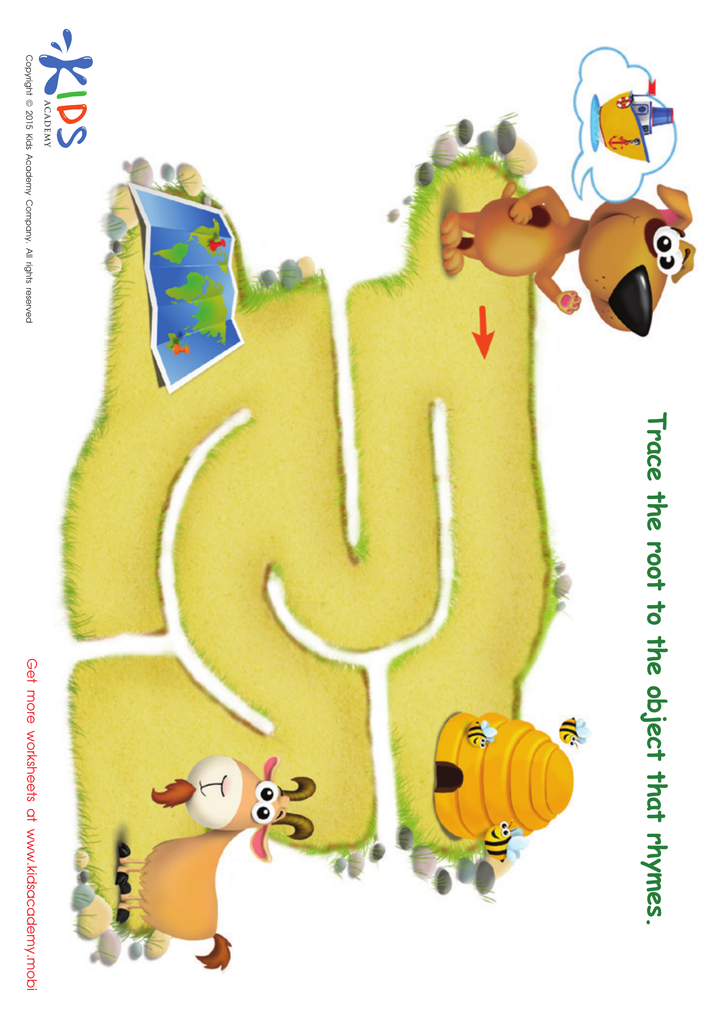
Rhyming Words PDF Worksheets, Boat

Boat Rhyming Words Worksheet

Help your preschooler complete the maze and rhyme with their favorite pooch! Draw a line from the dog to the matching item - is it a hive, a map or a goat? This fun activity lets them name the root words of pictures, and listen for rhymes to help them with phonics and reading.
Boat Rhyming Words Worksheet
Worksheet
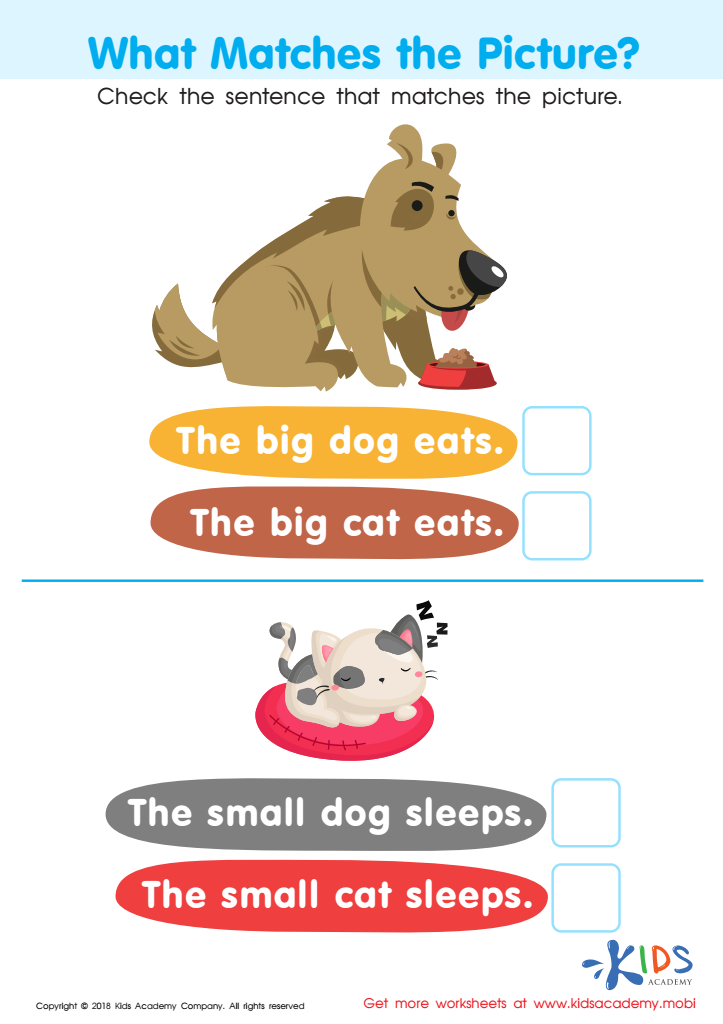
What Matches the Picture? Worksheet

What Matches the Picture? Worksheet

Emerging readers can use pictures of cute pets and phrase repetition to match sentences to pics, building skills while having fun! It's a great way to bolster vocab and confidence, motivating them to keep reading.
What Matches the Picture? Worksheet
Worksheet
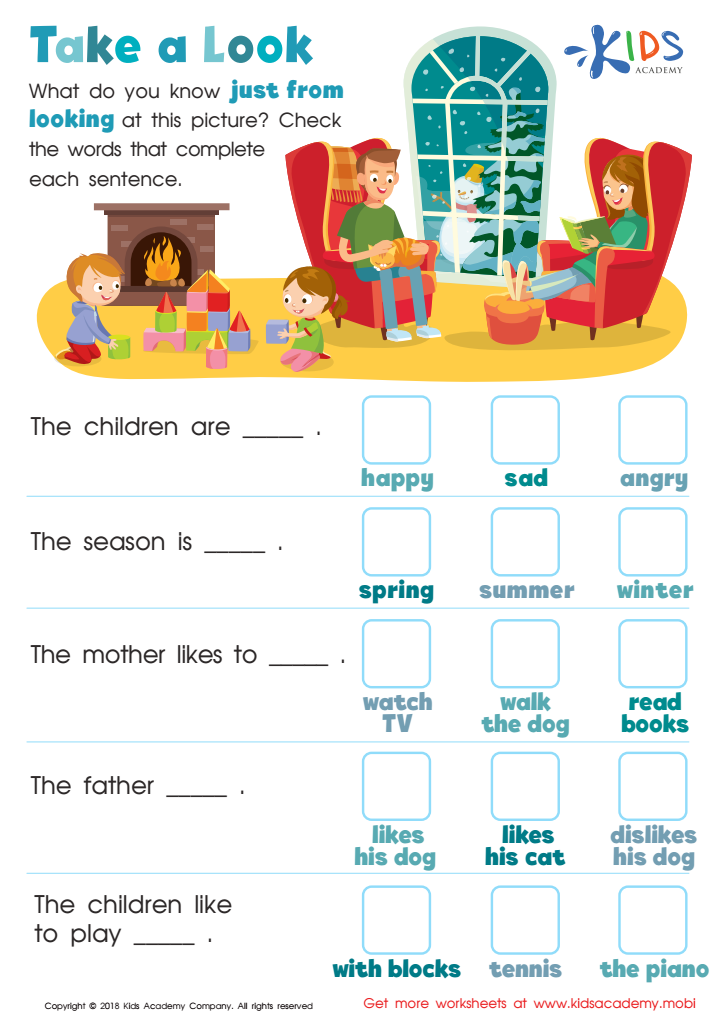
Take a Look - Part 1 Worksheet

Take a Look - Part 1 Worksheet

Young learners gain understanding when using picture clues when reading. Looking at illustrations can help students learn the meaning of key vocabulary when reading fiction or informational text. Ask your students to look at the worksheet and observe what they can learn from the picture. It's a great comprehension strategy for early readers.
Take a Look - Part 1 Worksheet
Worksheet
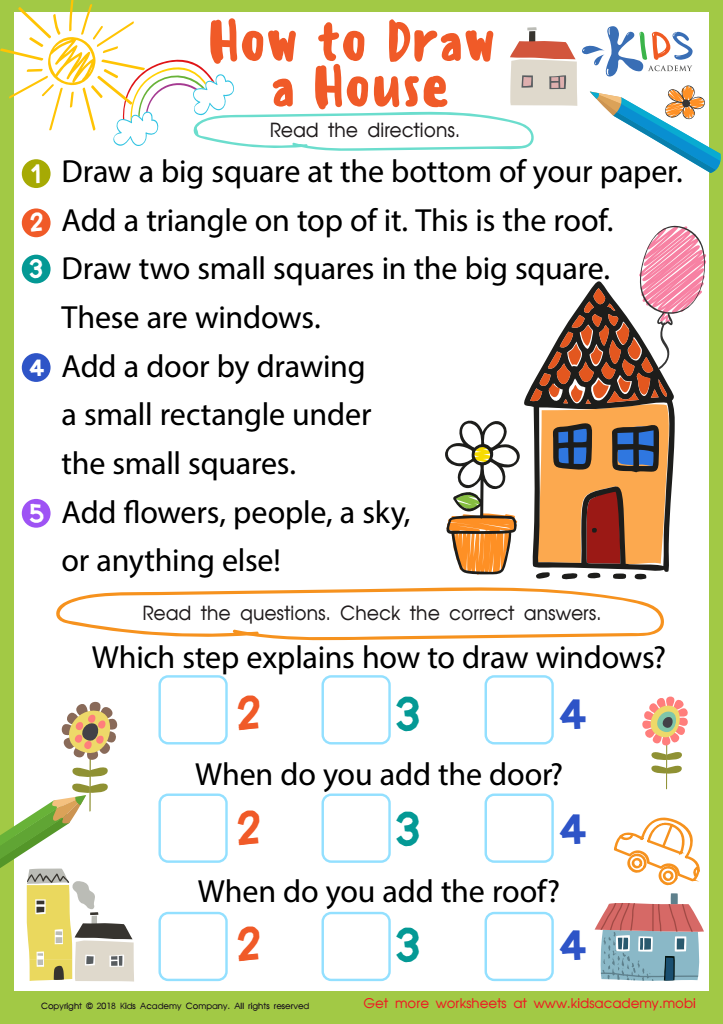
How to Draw House Worksheet

How to Draw House Worksheet

Does your child love to draw? Why not try teaching them some easy tricks? Get them to follow directions on this worksheet and learn how to draw a house. Read the questions at the end and ensure they get the answers right. Your kids will surely love it!
How to Draw House Worksheet
Worksheet
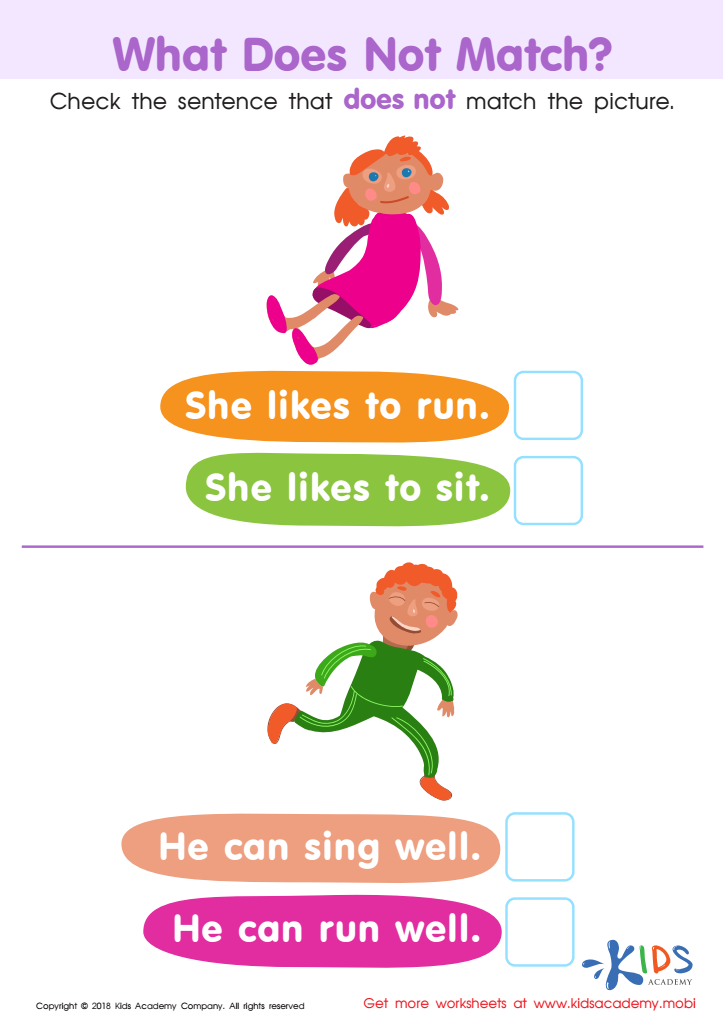
What Does Not Match? Worksheet
What Does Not Match? Worksheet
Emerging readers need to practice using visual cues and repetitive text. This colorful PDF provides them with an opportunity to look at pictures, use discrimination and discern which phrase does not match. It also enables them to gain familiarity with high-frequency words to aid decoding longer sentences.
What Does Not Match? Worksheet

Worksheet
Grade 3 Sight Words: Clean

Grade 3 Sight Words: Clean

Grade 3 Sight Words: Clean
Worksheet
Grade 2 Sight Words: Upon

Grade 2 Sight Words: Upon

Grade 2 Sight Words: Upon
Worksheet
Grade 2 Sight Words: Those

Grade 2 Sight Words: Those

Grade 2 Sight Words: Those
Worksheet
Grade 2 Sight Words: These

Grade 2 Sight Words: These

Grade 2 Sight Words: These
Worksheet
Preschool Sight Words: Little

Preschool Sight Words: Little

Preschool Sight Words: Little
Worksheet
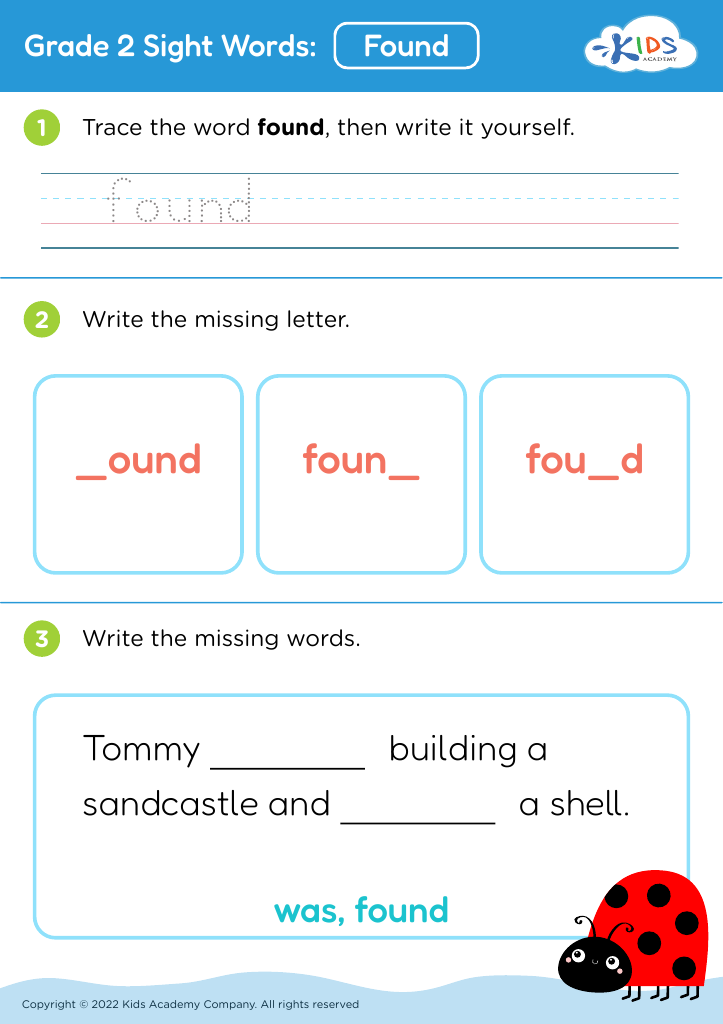
Grade 2 Sight Words: Found

Grade 2 Sight Words: Found

Grade 2 Sight Words: Found
Worksheet
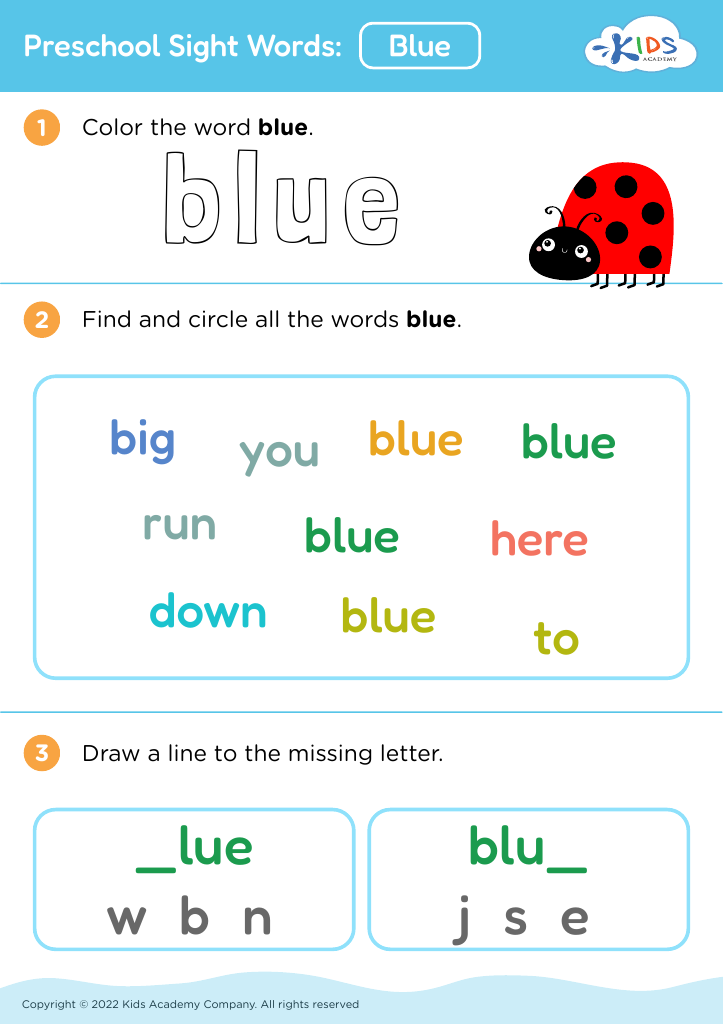
Preschool Sight Words: Blue

Preschool Sight Words: Blue

Preschool Sight Words: Blue
Worksheet


Shape recognition is a foundational skill that plays a vital role in early literacy and cognitive development. For parents and teachers, understanding the significance of shape recognition extends beyond simply identifying forms; it lays the groundwork for reading and writing.

Shapes are ubiquitous in our environment and help children make sense of the world. When children learn to recognize shapes, they enhance their observational skills and spatial awareness, enabling them to better understand letters and numbers. This recognition is crucial, as letters can often be abstract for young learners.

Moreover, incorporating shape recognition into reading activities can facilitate pattern recognition, which is essential for developing phonemic awareness and decoding skills. As children identify shapes, they draw connections that improve their ability to recognize letters and words, fostering pre-reading skills.

Engaging in shape-based activities also promotes fine motor skills, which are necessary for writing. Parents and teachers can use everyday objects as playful learning tools, making the process engaging and meaningful.

In summary, prioritizing shape recognition in early education can result in stronger literacy foundations, encouraging critical thinking, problem-solving, and a love for learning that ultimately supports a child’s academic journey.