
Understanding directions Reading Worksheets
3 filtered results
Difficulty Level
Grade
Age
-
From - To
Subject
Activity
Standards
Discover the importance of understanding directions with our engaging reading worksheets designed for early learners. These resources enhance students' comprehension skills, enabling them to follow written instructions effectively. Each worksheet includes various activities that challenge kids to interpret directions accurately, fostering critical thinking and independent learning. Perfect for classroom use or at-home practice, these worksheets cater to different learning styles and help build essential literacy skills. By mastering the art of following directions, children boost their confidence and prepare for more complex tasks ahead. Explore our diverse collection and empower your child’s reading journey today!
Favorites
With answer key
Interactive
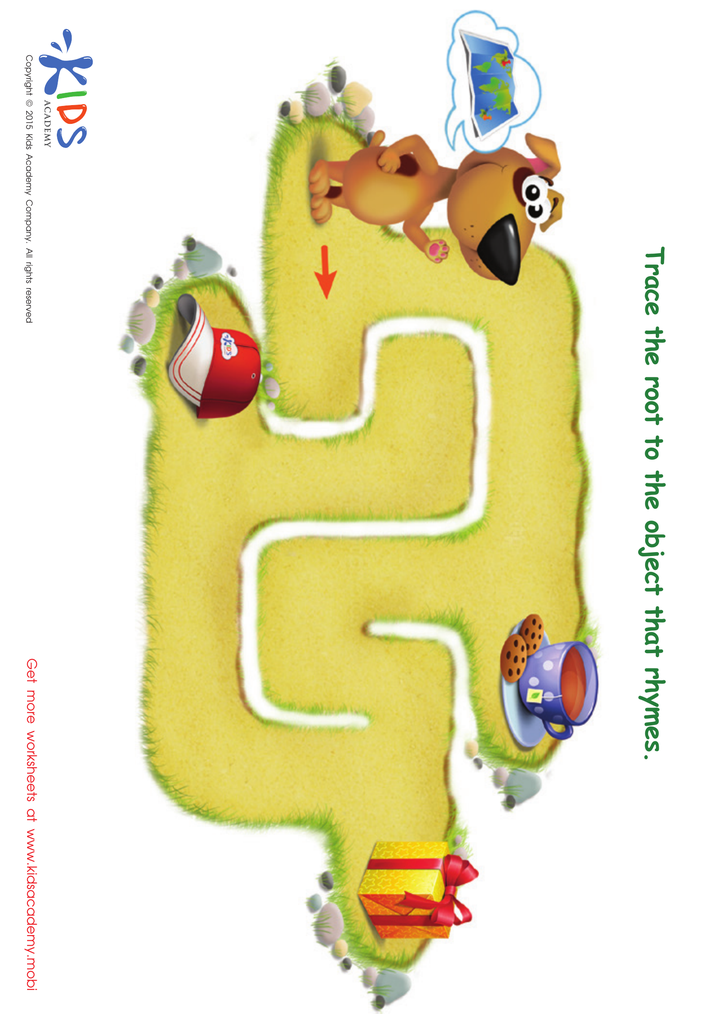
Map Rhyming Words Worksheet
Get them now and practice your skills while having fun playing. Find words that rhyme, trace the roots and enjoy the journey!
Map Rhyming Words Worksheet
Worksheet
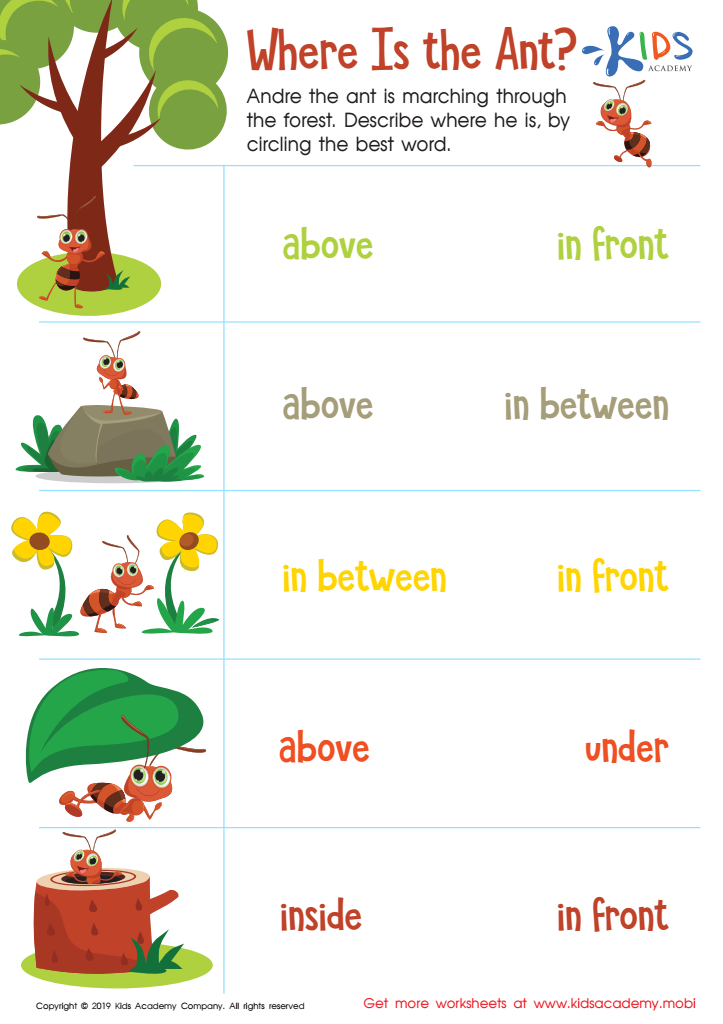
Where Is the Ant? Worksheet
Kids are captivated by ants. Andre is a busy ant, marching through the forest. Help your child circle the best word that best describes what he's doing in each picture. This colorful printout will show them the way.
 Assign to My Students
Where Is the Ant? Worksheet
Worksheet
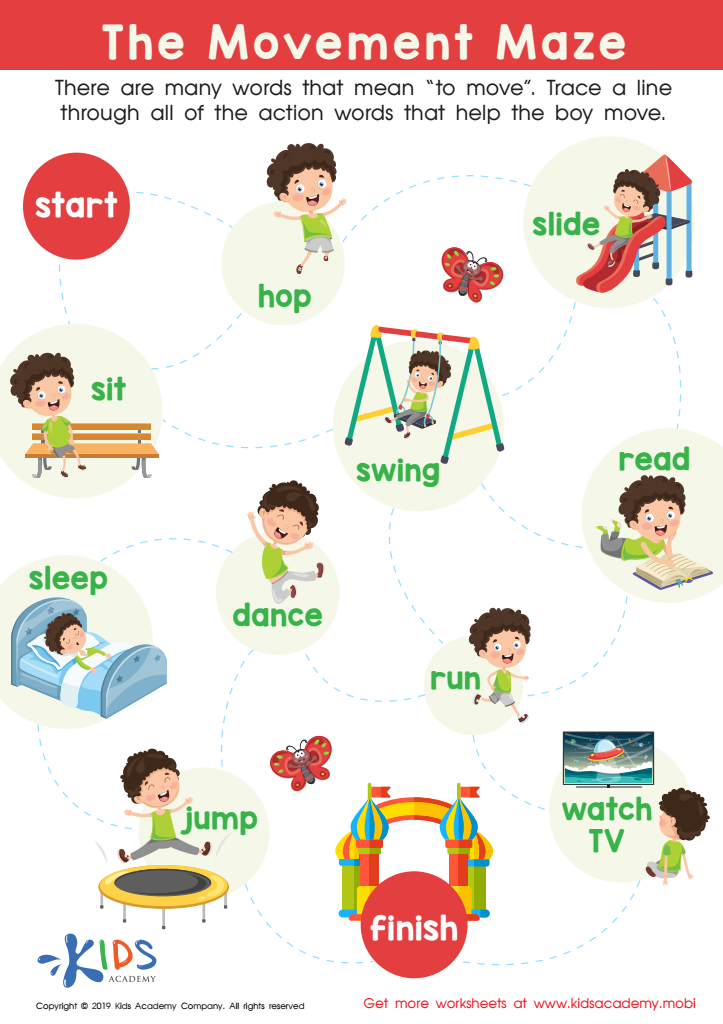
The Movement Maze Worksheet
Let your child have fun with this interactive PDF download. Kids will learn movement words with cute pictures, plus practice fine motor skills as they trace. A fun way to reinforce vocabulary. Jump, hop and sit – it's all here!
The Movement Maze Worksheet
Worksheet
Join Kids Academy for Free
Who is primarily going to use this learning content?








Understanding directions reading is essential for children, impacting their learning and independence. Parents and teachers should prioritize this skill because it lays the foundation for effective communication and comprehension in various academic and real-life situations. When children can accurately interpret instructions, they are better equipped to complete assignments, follow classroom procedures, and complete safe navigation through their environments.
Moreover, strong reading comprehension skills foster critical thinking and problem-solving abilities, enabling children to grasp complex concepts. When children learn to understand various forms of directions—whether they are written instructions, digital prompts, or verbal guidance—they enhance their ability to follow through with tasks and gain confidence in their capabilities.
Additionally, clear understanding of directions promotes independence, as children can execute instructions without constant assistance, fostering a sense of responsibility. As they grow, this ability becomes crucial in higher education and the workforce, where choices and projects require precise task management.
Ultimately, investing in understanding directions reading nurtures a child's overall literacy, paving the way for future academic success and life skills. Therefore, parents and teachers play a vital role in nurturing this capability to prepare children for lifelong learning and self-advocacy.








