
Visual perception Reading Worksheets
3 filtered results
Difficulty Level
Grade
Age
-
From - To
Subject
Activity
Standards
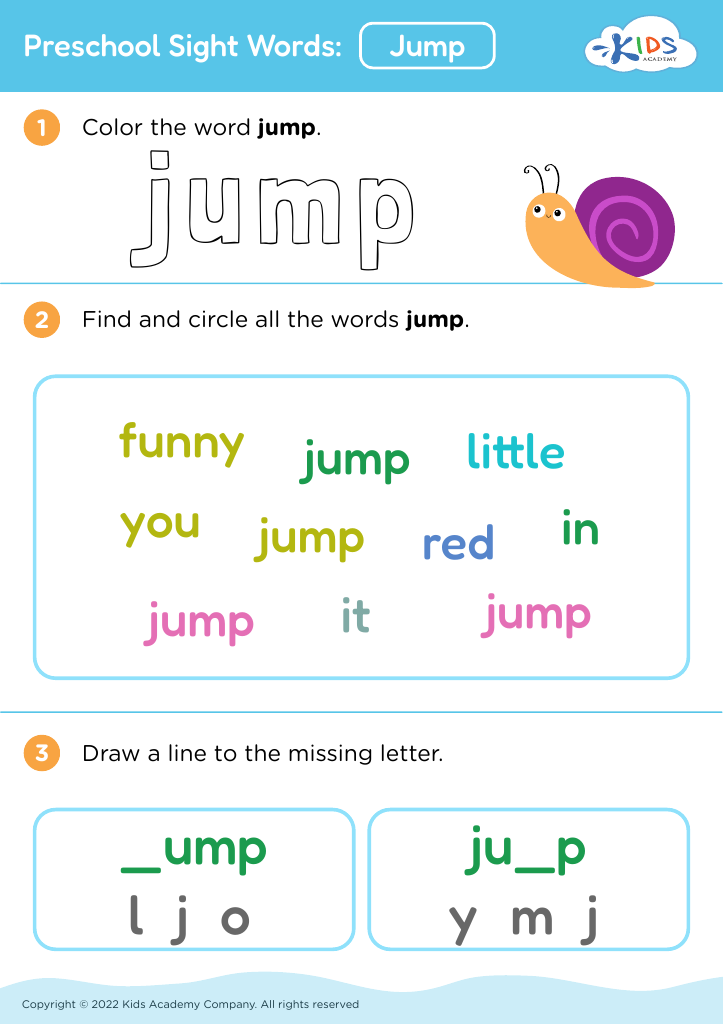
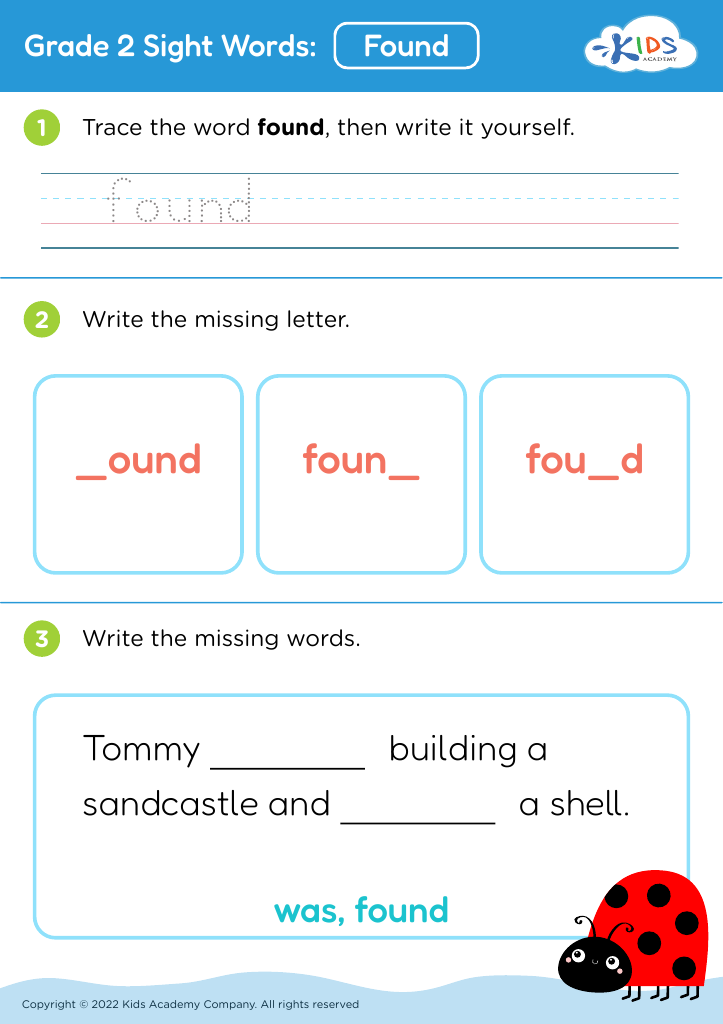
Discover our engaging Visual Perception Reading Worksheets designed to boost young learners’ reading skills. These interactive resources focus on enhancing visual recognition, comprehension, and overall literacy development. By incorporating fun and age-appropriate activities, our worksheets help children identify letters, words, and visual patterns, reinforcing their ability to process written information effectively. Perfect for early childhood educators and parents alike, these worksheets serve as a valuable tool for improving reading readiness. Explore our collection today and empower your child’s reading journey with essential visual perception skills that lay the foundation for lifelong learning!
Favorites
With answer key
Interactive
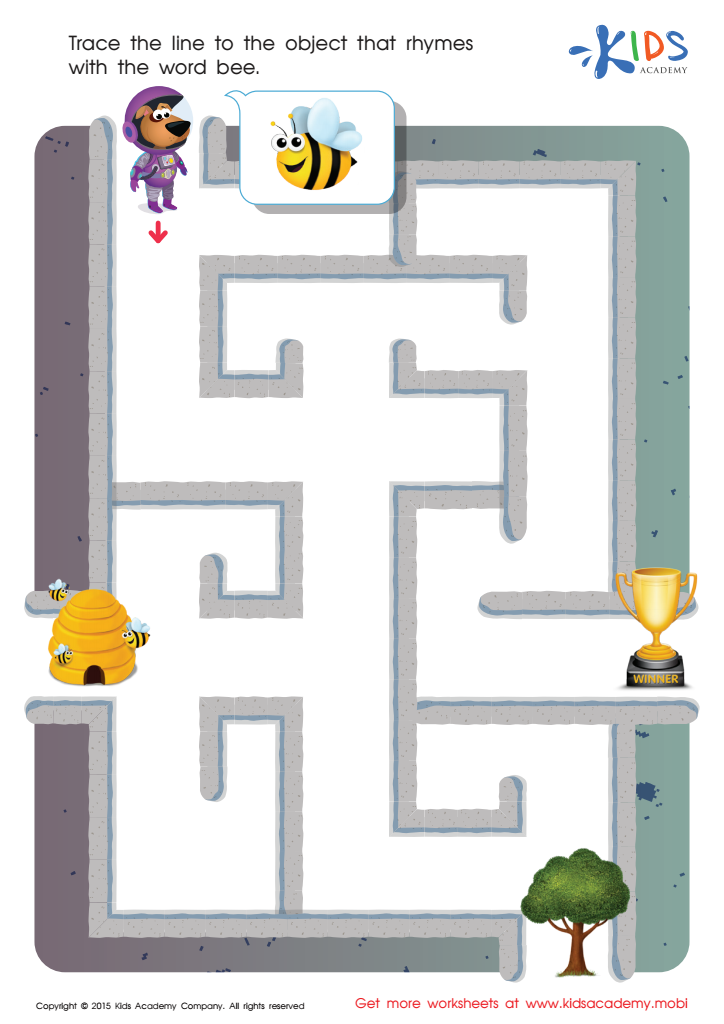
Bee Rhyming Words Worksheet
Download our new vocab builder worksheet and help our pup find rhymes. See how easy it is to trace the root between words! Make learning fun with our collection of English materials and worksheets. Get them now on our web site.
 Assign to My Students
Bee Rhyming Words Worksheet
Worksheet
Join Kids Academy for Free
Who is primarily going to use this learning content?







.jpg)
Visual perception is a crucial skill that underpins the reading process, making it essential for parents and teachers to lend it due attention. This cognitive function involves the ability to interpret and make sense of what we see, which is fundamental for recognizing letters, words, and sentences. Strong visual perception aids in differentiating between similar-looking letters (like 'b' and 'd') and helps students track text from left to right—a skill vital for proficient reading.
If a child struggles with visual perception, they may encounter difficulties in decoding words and comprehending text, resulting in frustration and a lack of interest in reading. By recognizing the importance of visual perception, parents and educators can target these skills through activities that enhance visual memory, figure-ground discrimination, and spatial orientation, fostering a stronger reading foundation.
Moreover, research indicates that early interventions can significantly improve a child's reading ability, setting them up for academic success. Investing time and resources into enhancing visual perception not only supports reading development but can also enhance overall learning experiences, helping children to become confident readers and lifelong learners. Thus, understanding and addressing visual perception at an early age is critical for educational success.








