Identifying Animals Science Worksheets
3 filtered results
-
From - To
Our Identifying Animals Science Worksheets are an excellent resource for young learners eager to explore the animal kingdom. Designed for early-grade students, these printable worksheets enhance observational skills and deepen understanding of various animals' features and habitats. Each engaging activity combines fun and learning, helping children identify, categorize, and appreciate diverse species. Perfect for both classroom and home use, these worksheets cater to Grade K-3 students, making science both interactive and enjoyable. Empower your young scientists with tools to discover the fascinating world of animals through these expertly crafted educational resources. Dive into learning with our Identifying Animals Science Worksheets today!
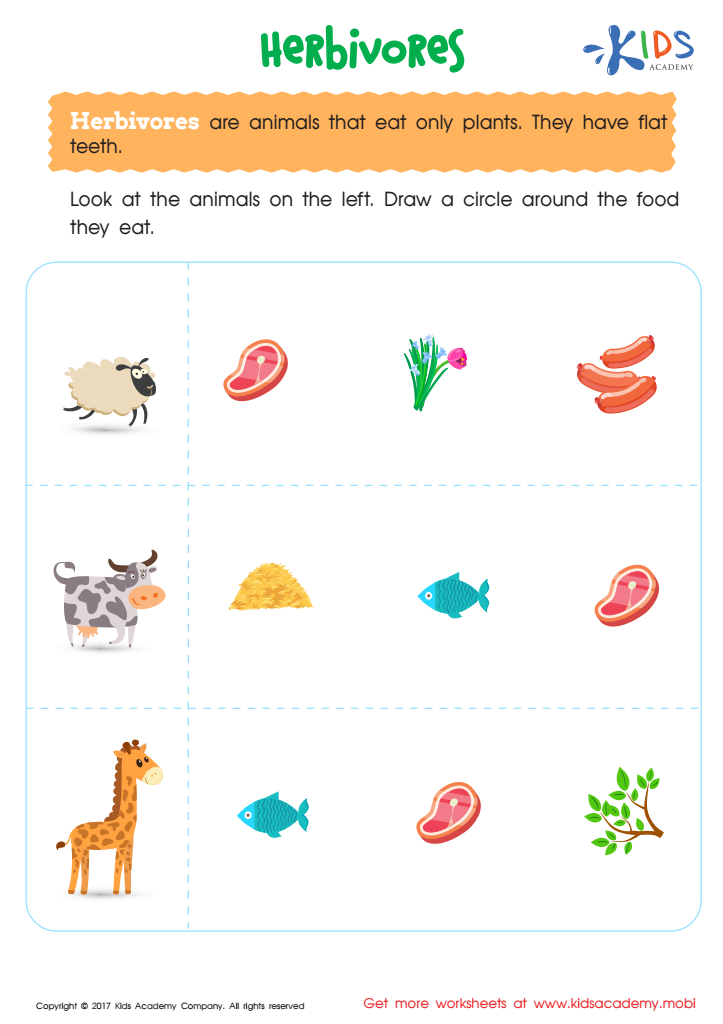
Herbivores Printable
 Assign to My Students
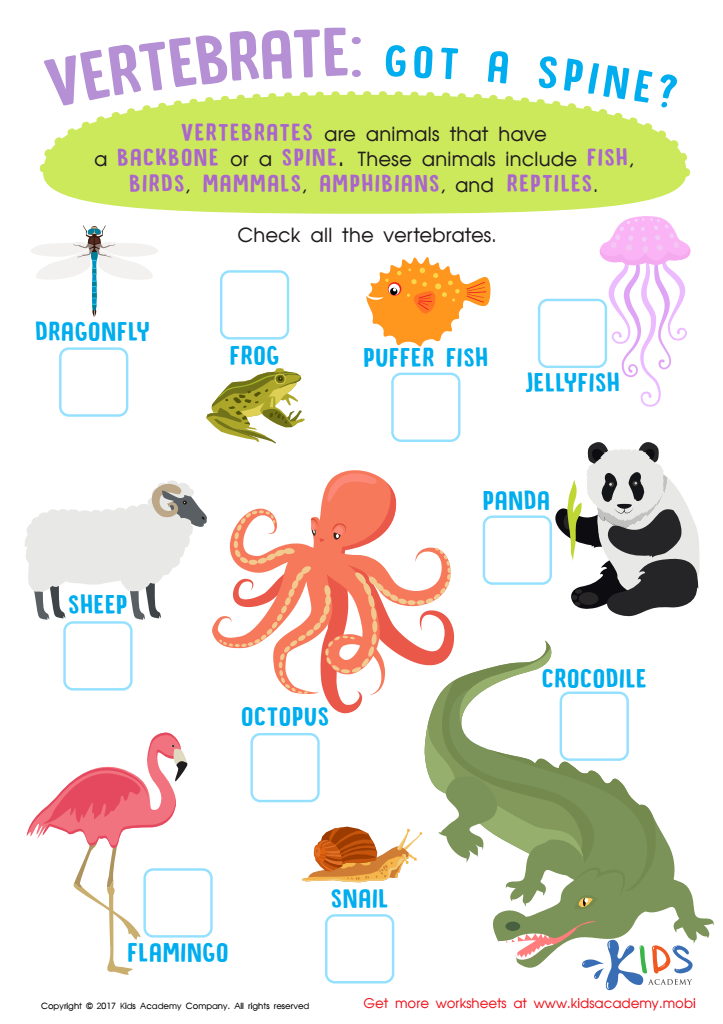
Vertebrates Animals Worksheet for 3rd Grade
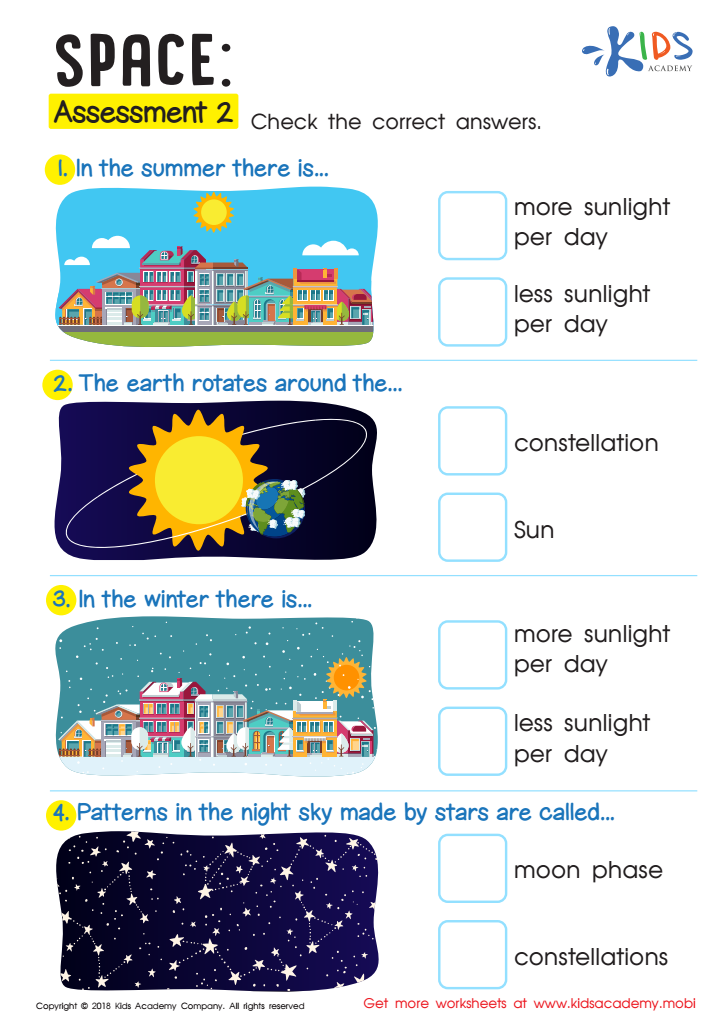
Space: Assessment 2 Worksheet







Understanding and identifying animals in science is crucial for both parents and teachers because it fosters a well-rounded education and promotes environmental stewardship from an early age. For young learners, engaging with animal identification enhances observational skills, critical thinking, and a curiosity about the natural world. It lays the foundation for scientific literacy, which is essential in comprehending broader ecological relationships and conservation efforts.
Parents and teachers who incorporate animal science into children’s learning cultivate empathy and respect for living organisms. This awareness can inspire responsible behaviors, such as protecting local habitats and making environmentally friendly choices, which are vital amid growing ecological concerns. Moreover, recognizing various species and their roles in ecosystems helps demystify the natural world's interconnectedness, highlighting the importance of biodiversity and the impact of human actions on wildlife and habitats.
Additionally, identification activities often involve interactive, hands-on experiences, from nature walks to using identification guides and apps. These activities make learning enjoyable and memorable, encouraging children to continue exploring the subject. Therefore, investing time in identifying animals nurtures lifelong learning habits and solidifies a child's role as an informed, conscientious member of the global community.







