Knowledge application Science Worksheets
6 filtered results
-
From - To
Discover our engaging Knowledge Application Science Worksheets, designed to enhance students’ understanding and application of scientific concepts. These worksheets provide challenging and interactive activities that promote critical thinking and problem-solving skills. Tailored for early grade learners, they cover essential topics in a fun and educational way, making science accessible and enjoyable. Each worksheet encourages students to connect their knowledge with real-world scenarios, fostering deeper comprehension and retention. Perfect for classroom use or at-home learning, our resources support educators and parents in nurturing a lifelong interest in science. Explore our collection today and empower young minds to investigate, experiment, and explore!
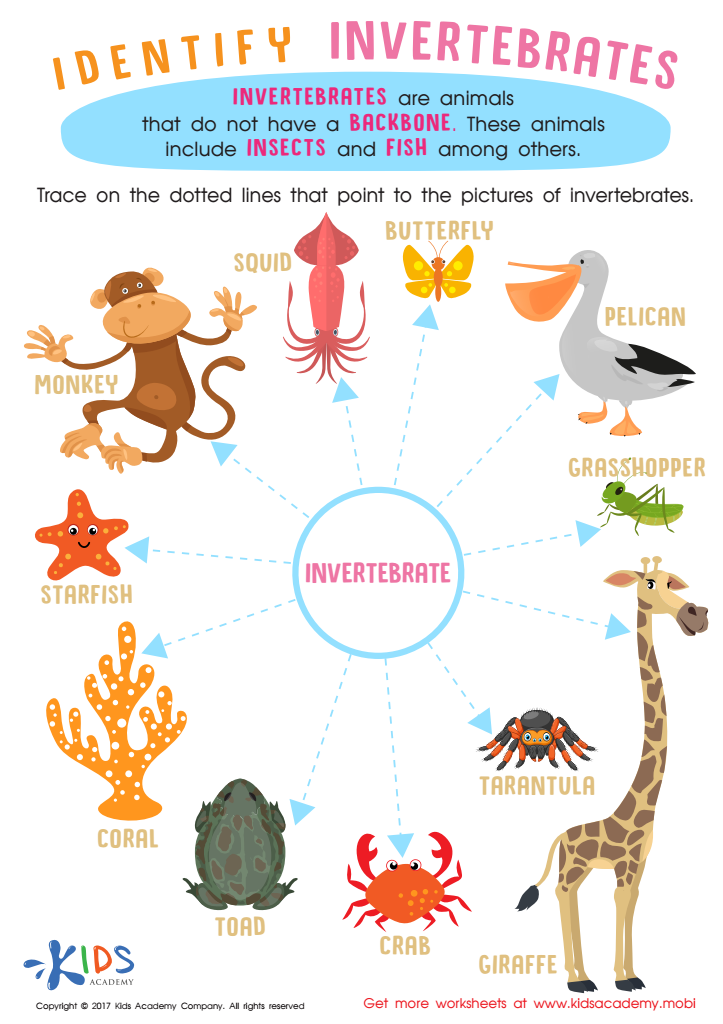
Invertebrates Worksheet for Grade 3
 Assign to My Students
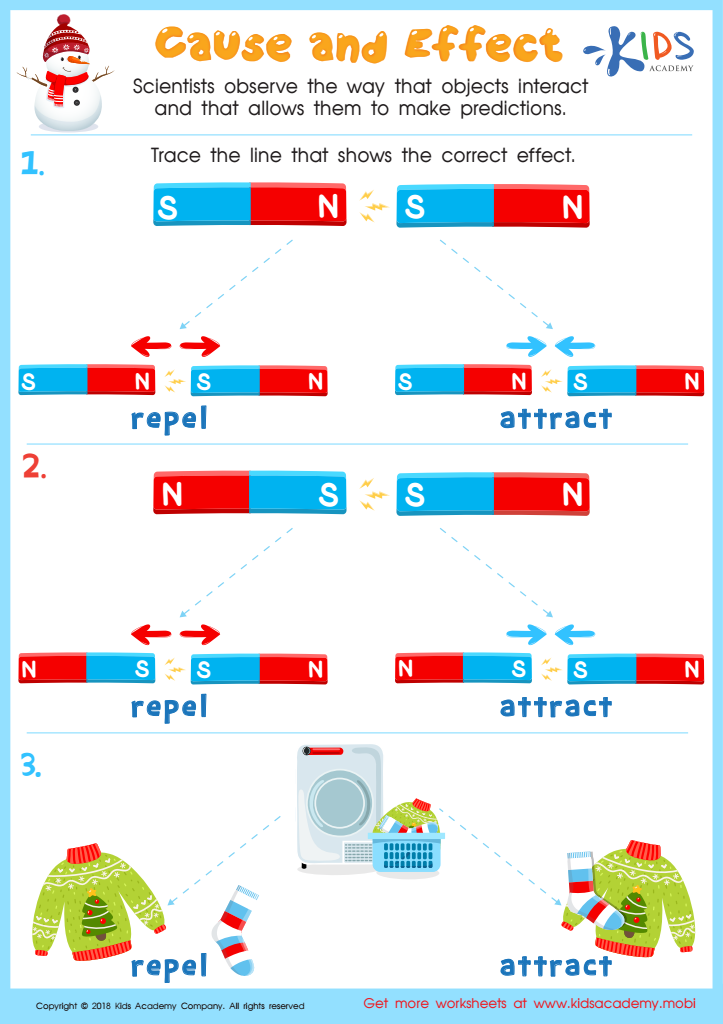
Repel and Attract Magnet Worksheet
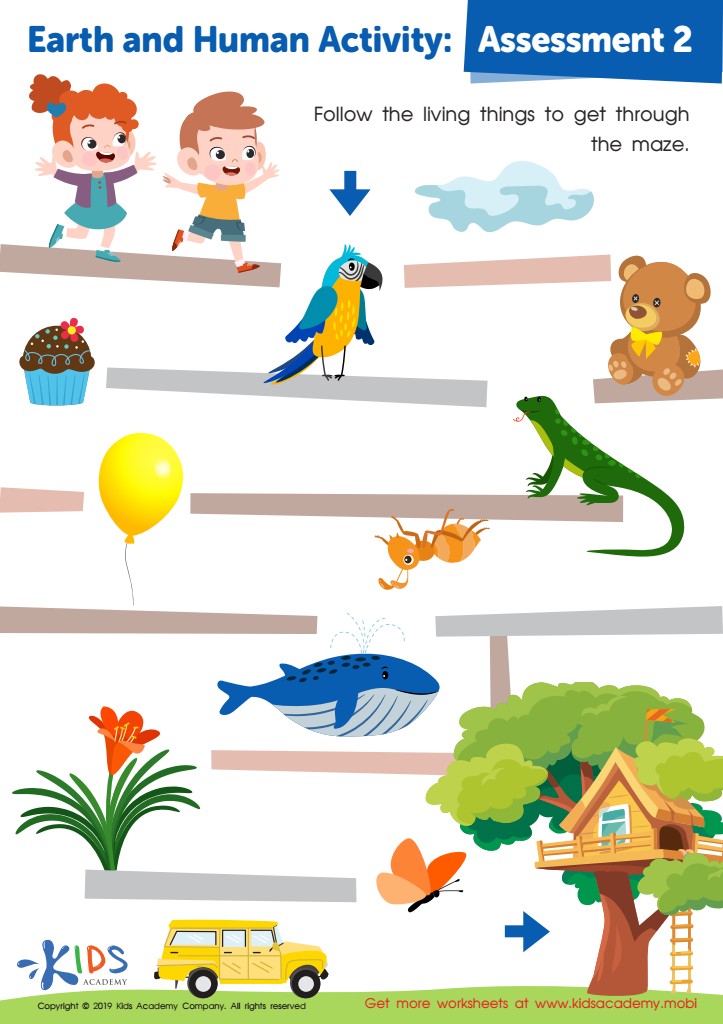
Earth and Human Activity: Assessment 2 Worksheet
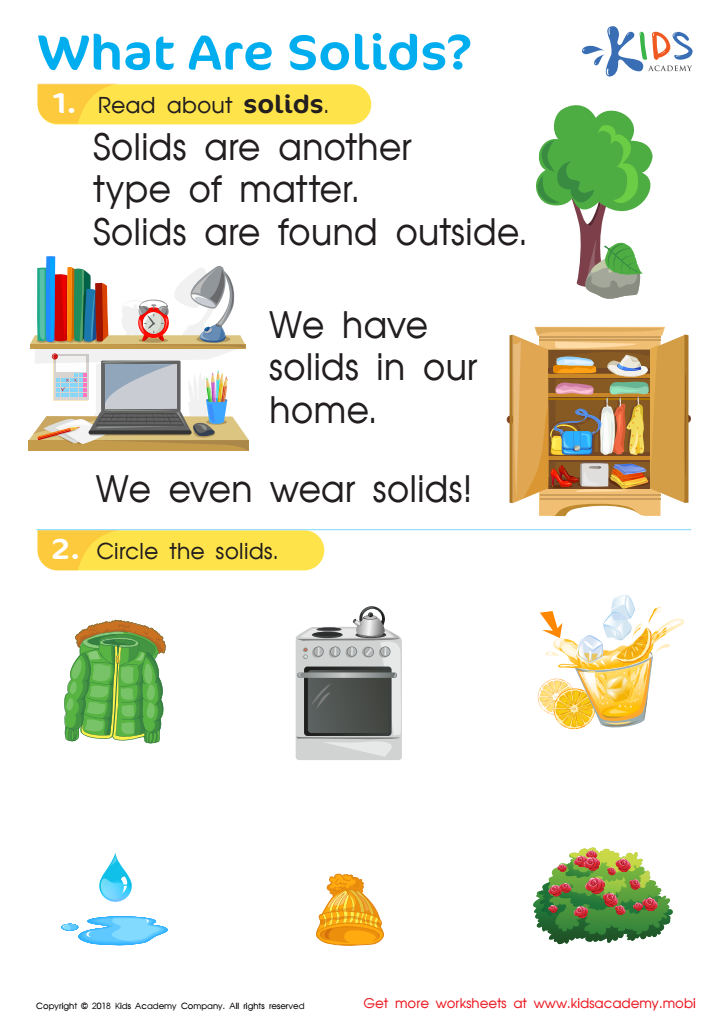
What Are Solids? Worksheet
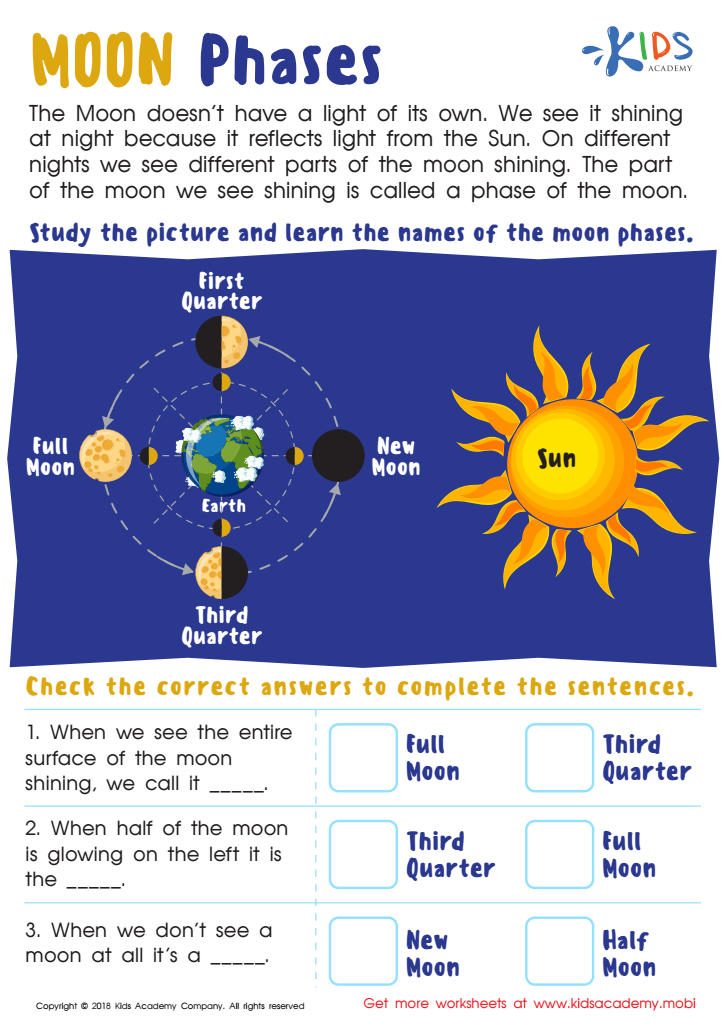
Moon Phases Worksheet
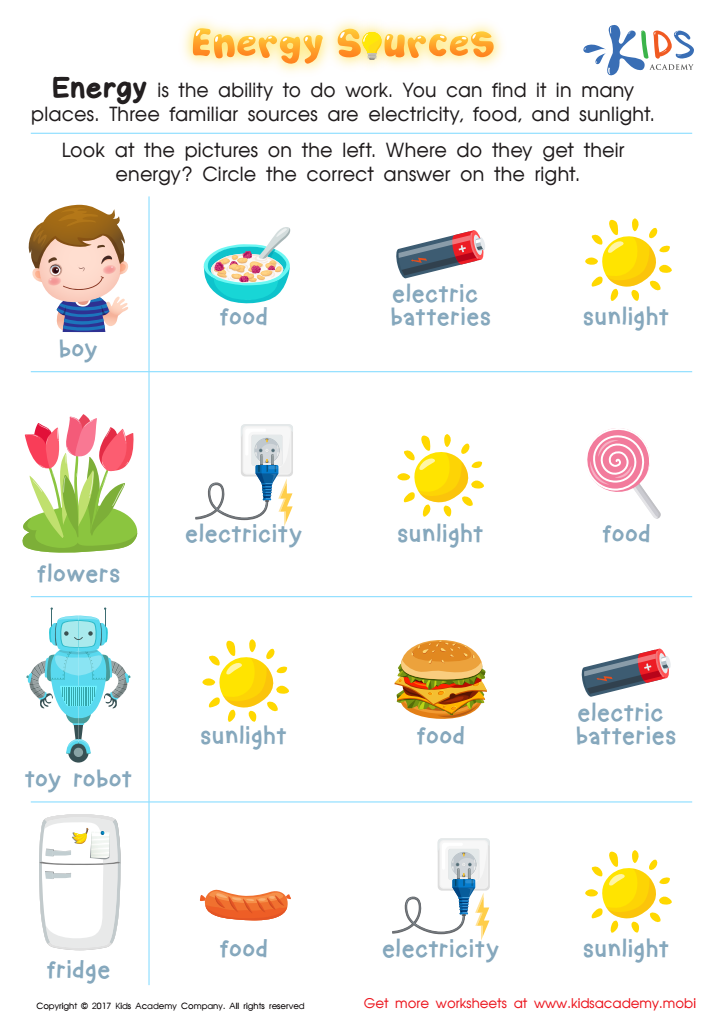
Energy Sources Printable







Parents and teachers should prioritize knowledge application in science education because it fosters critical thinking, problem-solving abilities, and real-world connections for students. Unlike rote memorization, knowledge application encourages learners to actively engage with scientific concepts, allowing them to understand and analyze information rather than simply recall it. This hands-on approach cultivates a genuine curiosity about the world, essential for lifelong learning.
Moreover, applying scientific knowledge enhances students' capacity to tackle complex, real-life challenges. For instance, through experiments and projects, children learn to formulate hypotheses, test them, and draw informed conclusions. Such skills are transferable beyond the classroom, equipping students to become informed citizens capable of making decisions based on evidence.
In an era of rapid technological advancements and environmental issues, the ability to apply knowledge effectively is crucial. It empowers students to address current global challenges such as climate change or health crises. When parents and teachers emphasize the application of science, they not only enrich students' understanding but also inspire the next generation of innovators and thinkers. Ultimately, fostering these skills lays the foundation for a more competent, responsible, and engaged society.







