Observational skills development Science Worksheets
3 filtered results
-
From - To
Enhance your child's learning experience with our "Observational Skills Development Science Worksheets." Designed for early learners, these engaging activities encourage critical thinking and curiosity about the world around them. Children will explore the concepts of observation through fun exercises that include identifying patterns, describing objects, and making predictions. Our worksheets foster essential skills like attention to detail and analytical thinking, laying a strong foundation for future scientific inquiry. Perfect for classroom or home use, these resources help young learners build a keen awareness of their environment while having fun. Start nurturing your child's observational skills today!
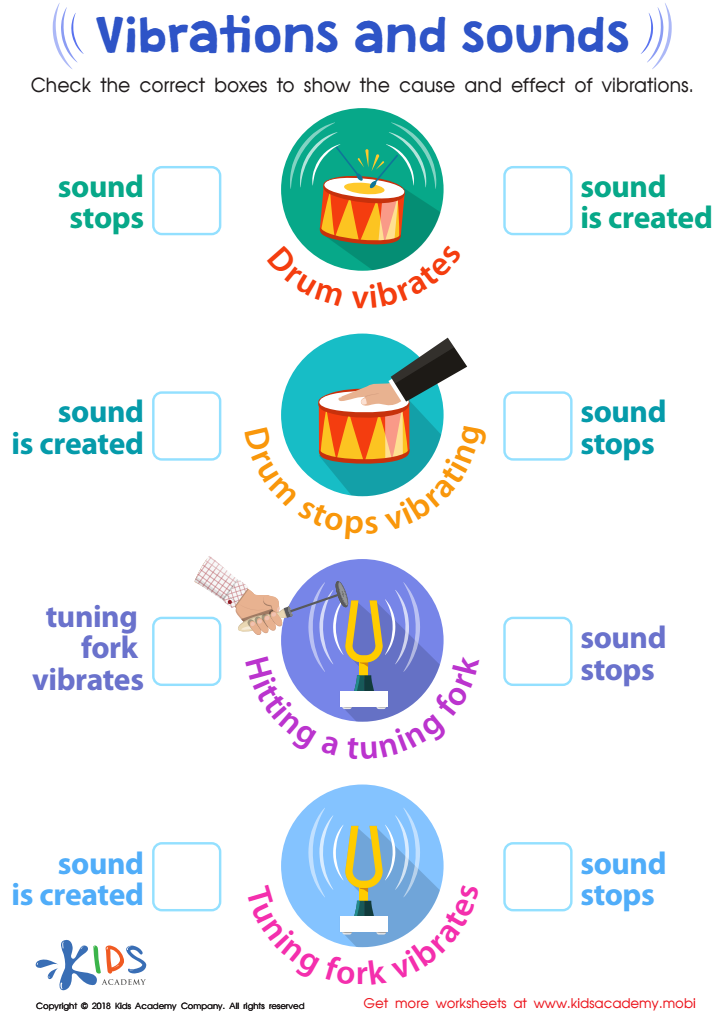
Vibrations and Sounds Worksheet
 Assign to My Students
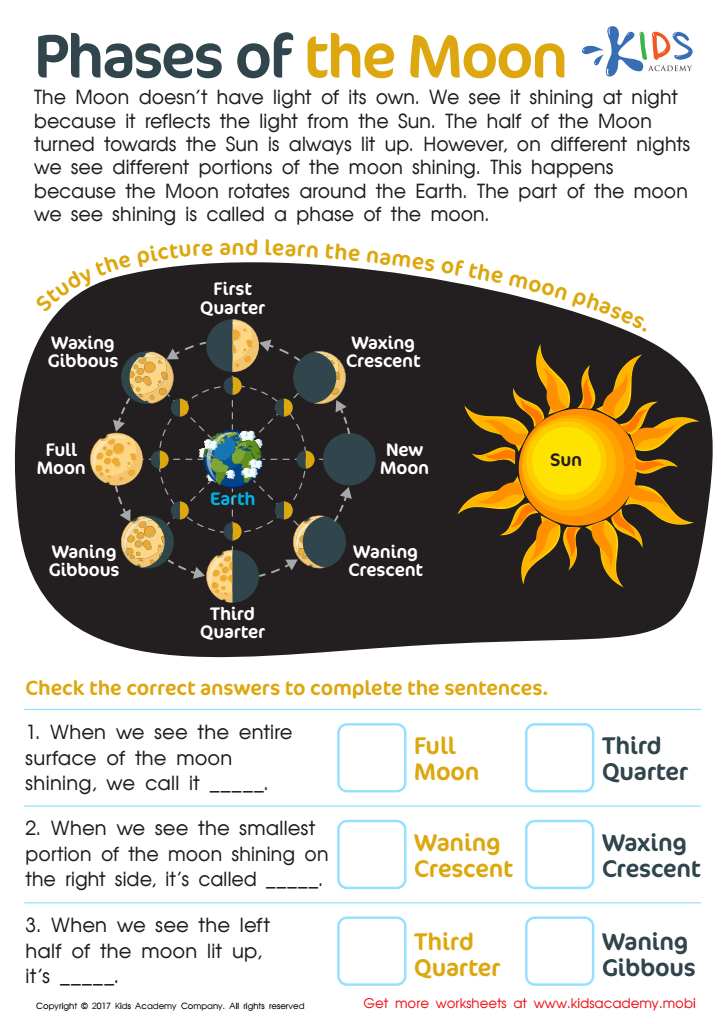
Phases of The Moon Worksheet
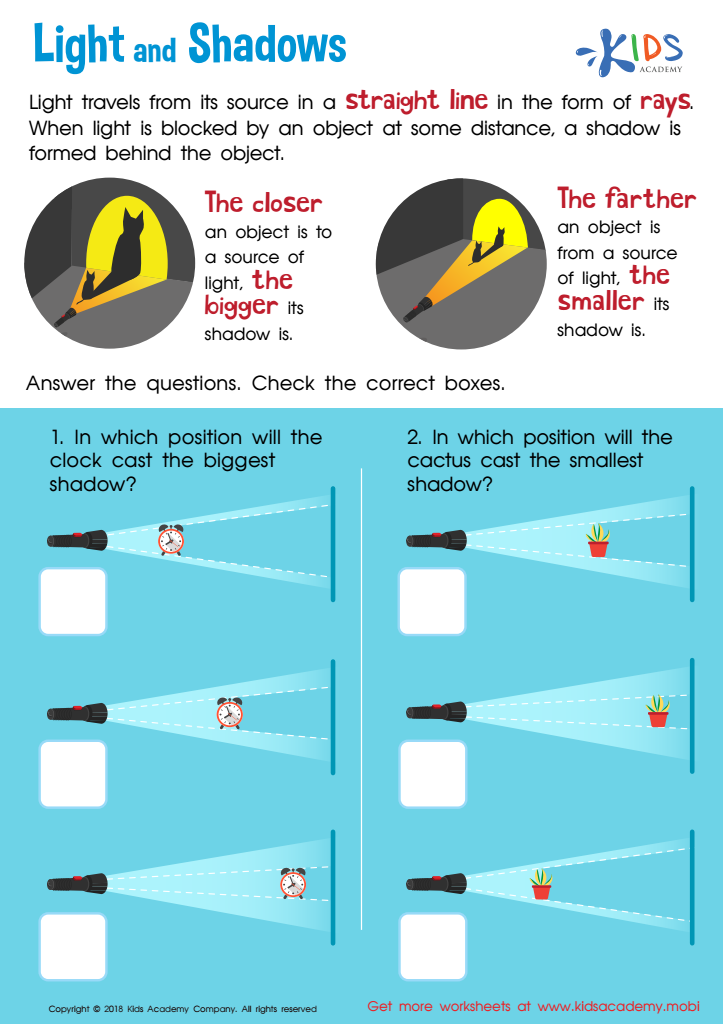
Light and Shadow Worksheet for Grade 3



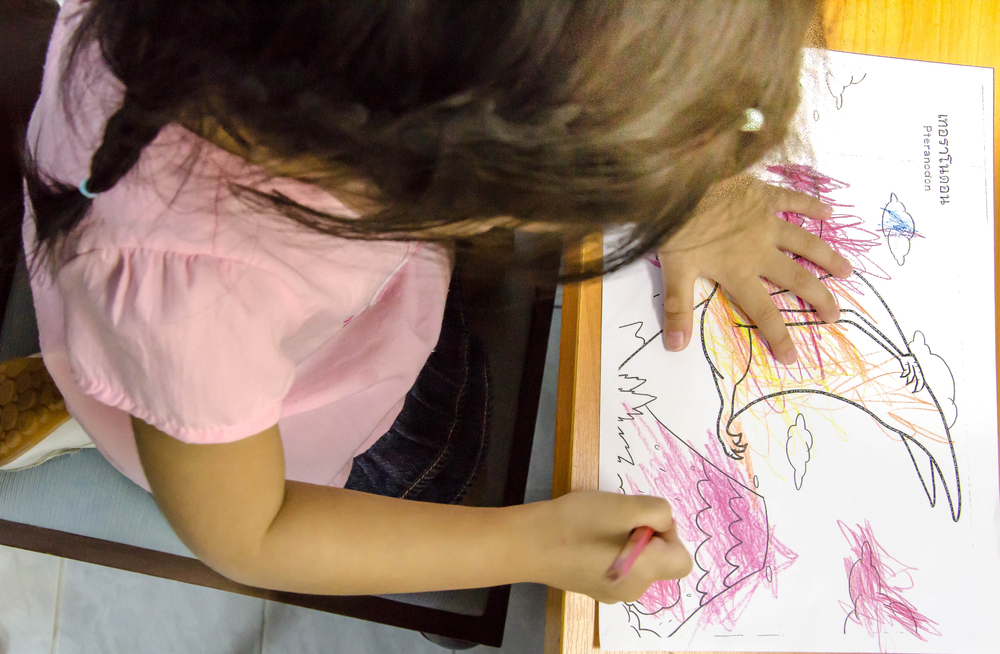
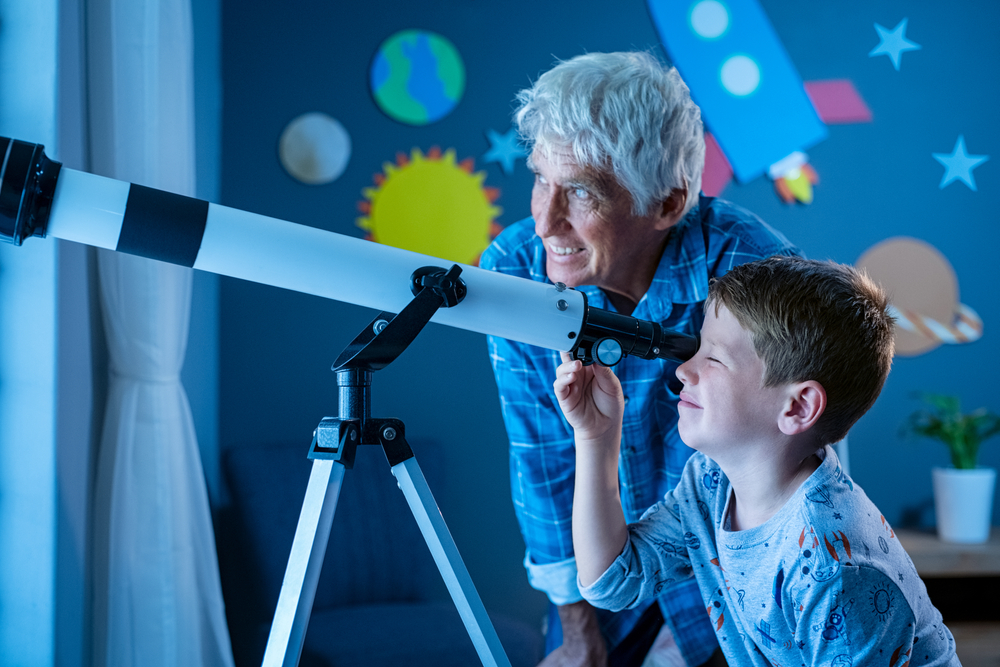


Observational skills are fundamental for children, especially in the realm of science education, and both parents and teachers should prioritize their development. These skills enable children to gather, interpret, and analyze information about their surroundings, laying the groundwork for critical thinking and problem-solving abilities.
In science, observational skills facilitate curiosity; they encourage children to ask questions about natural phenomena, conduct experiments, and draw meaningful conclusions. By developing these skills, children learn to notice details, identify patterns, and think analytically, which enhances their understanding of scientific concepts and principles.
Furthermore, strong observational abilities contribute to a lifelong love for learning and exploration. As children grow, these skills become crucial not just in academia but in everyday decision-making and navigating the world around them.
Parents and teachers play a vital role in nurturing observational skills, promoting hands-on activities, outdoor exploration, and open-ended questioning. Engaging in discussions about an experiment’s outcomes or why a particular phenomenon occurred fosters a more profound understanding and retention of knowledge.
Ultimately, investing in the development of observational skills equips children with essential tools they will need to succeed in all areas of life, reinforcing their confidence as learners and innovators.







