Sequencing Skills Science Worksheets
4 filtered results
-
From - To
Enhance your child's understanding of scientific concepts with our Sequencing Skills Science Worksheets. Designed for early learners, these worksheets focus on developing crucial sequencing skills by guiding students through the natural progression of events in various scientific scenarios. From life cycles to weather patterns, our engaging activities encourage critical thinking and organization. Each worksheet is tailored to foster creativity and hands-on learning, providing a solid foundation for future scientific exploration. Perfect for classroom or home use, these resources are essential for nurturing your child’s curiosity and love for science. Explore, learn, and have fun with our sequencing skills worksheets today!
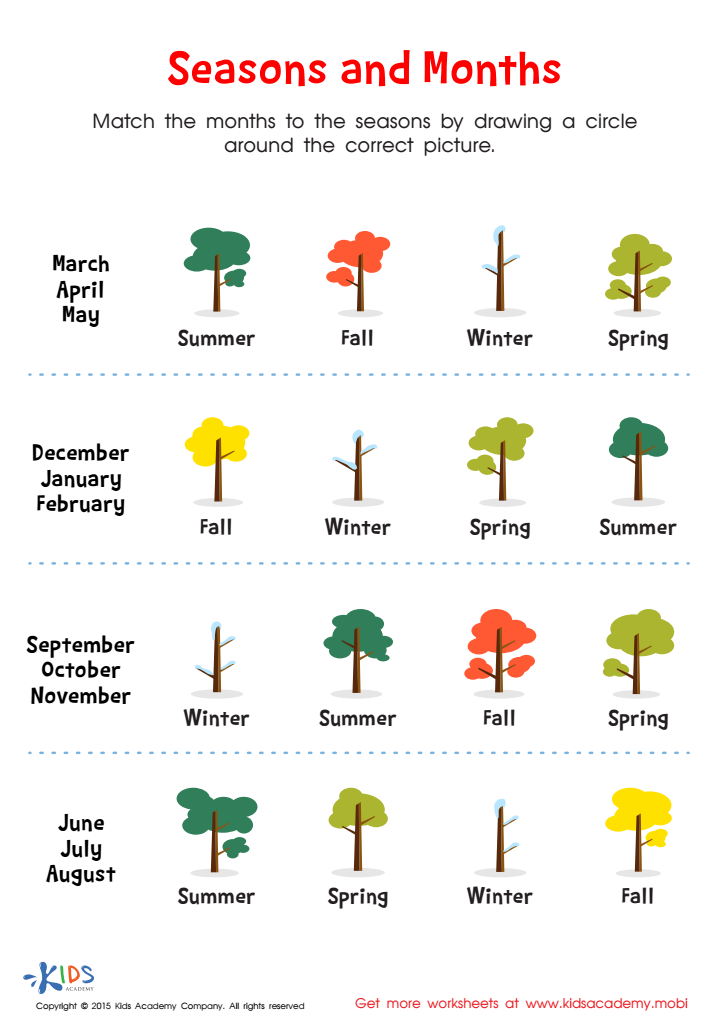
Seasons and Months Worksheet
 Assign to My Students
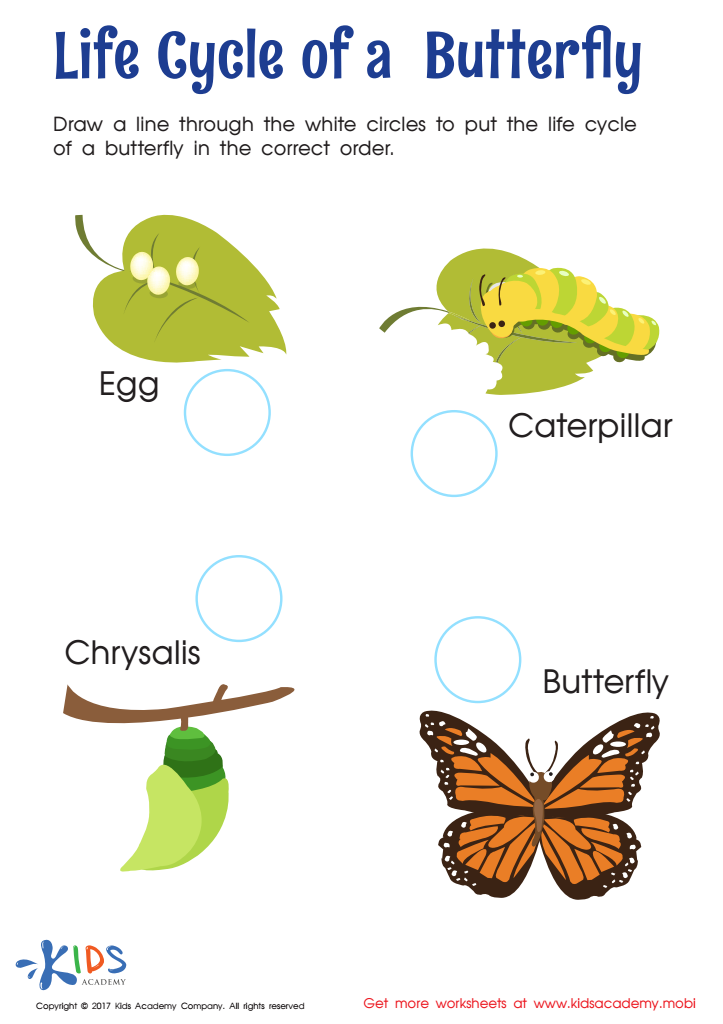
Life Cycle of Butterfly Worksheet
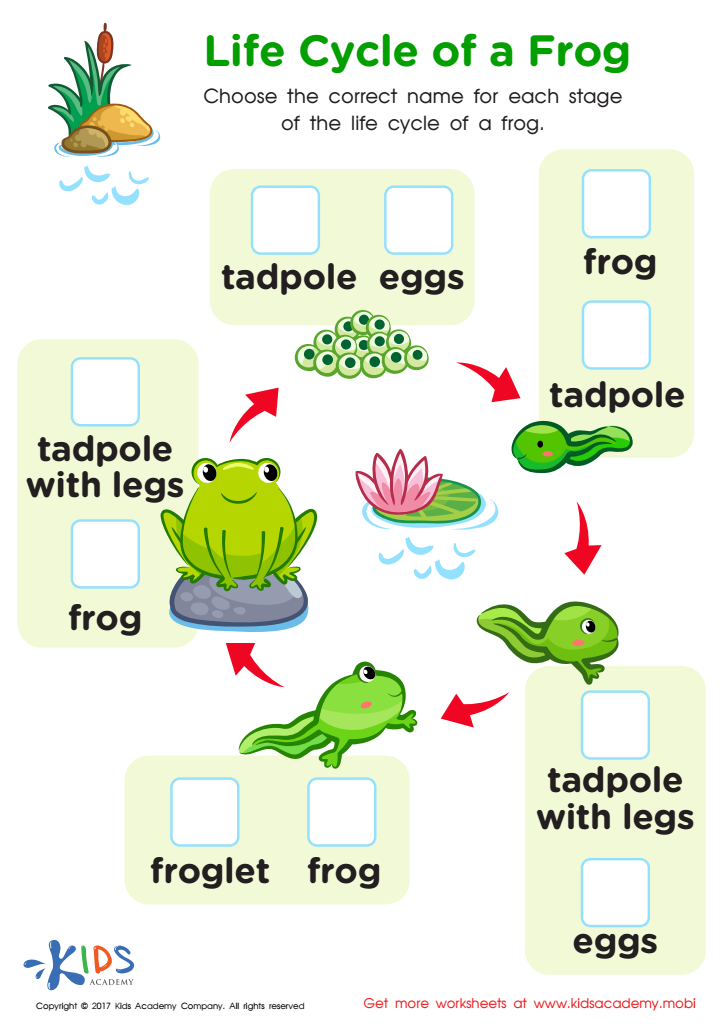
Life Cycle Frog Printable
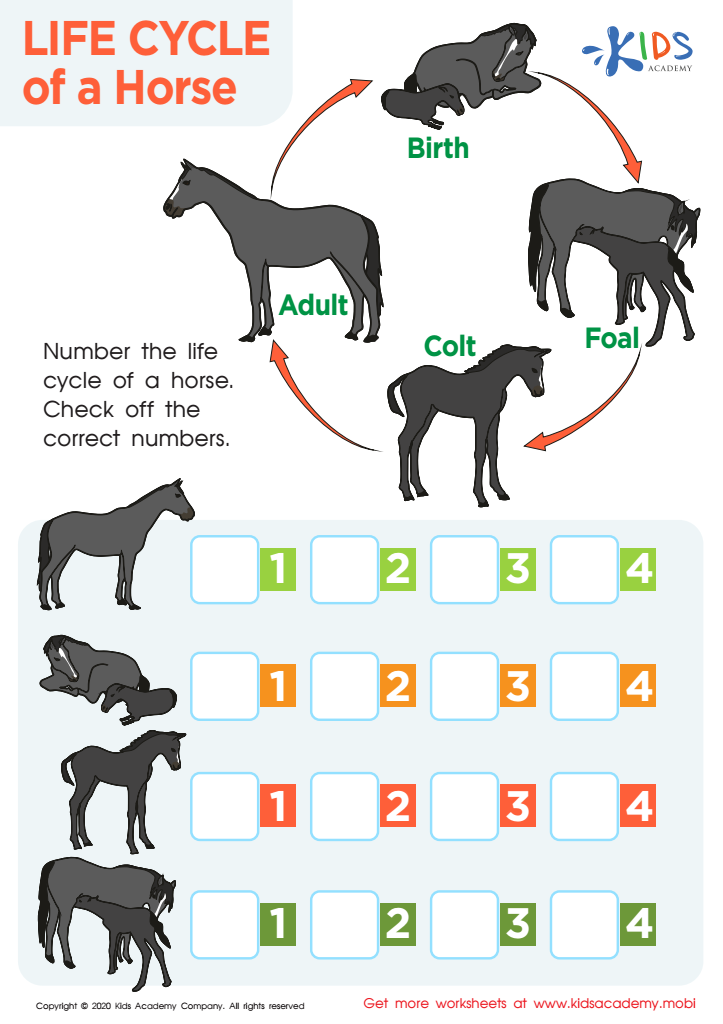
Life Cycle of a Horse Worksheet








Sequencing skills are crucial for early literacy and cognitive development, particularly in science education. Parents and teachers should prioritize these skills since they provide the foundational structure for understanding scientific concepts and processes. Sequencing involves organizing events or information in a logical order, an essential skill not just in language, but also in grasping cause-and-effect relationships, understanding scientific methods, and exploring ecosystems, weather patterns, and life cycles.
When students learn to sequence scientific information, they enhance their comprehension and retention of knowledge. For instance, successfully organizing steps in a scientific experiment or the stages of a life cycle fosters their critical thinking and analytical abilities. Sequencing skills also enable children to follow instructions accurately and predict outcomes based on previous experiences.
Moreover, as they encounter increasingly complex scientific theories and experiments in the classroom, strong sequencing abilities can help them break down information into manageable parts, leading to deeper understanding. By engaging in activities that promote sequencing—whether through storytelling, hands-on experiments, or discussions—parents and teachers can bolster students' overall academic performance. This ultimately empowers students to become more confident learners and prepares them for future scientific inquiry. Supporting sequencing skills is an investment in a child’s intellectual growth and their ability to navigate the world around them.







