Vocabulary enhancement Physical Science Worksheets
7 filtered results
-
From - To
Enhance your child's physical science understanding with our engaging Vocabulary Enhancement Physical Science Worksheets! Designed for young learners, these interactive and printable worksheets help kids strengthen their vocabulary related to physics by exploring fundamental concepts such as force, motion, energy, and matter. With appealing images and simple definitions, each worksheet ensures that learning science is fun and effective. Ideal for both classroom and home use, these resources are perfect for developing science literacy and bolstering reading comprehension skills. Empower your child to explore the exciting world of physical science with Kids Academy’s expertly crafted vocabulary worksheets, fostering curiosity and knowledge.
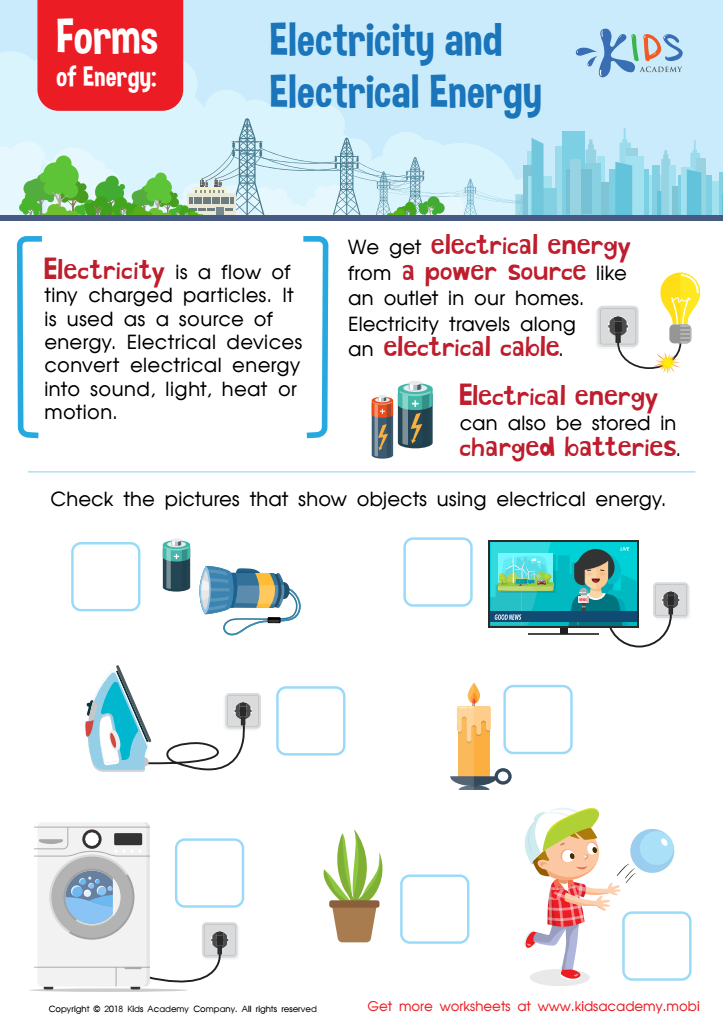
Forms of Energy Worksheet
 Assign to My Students
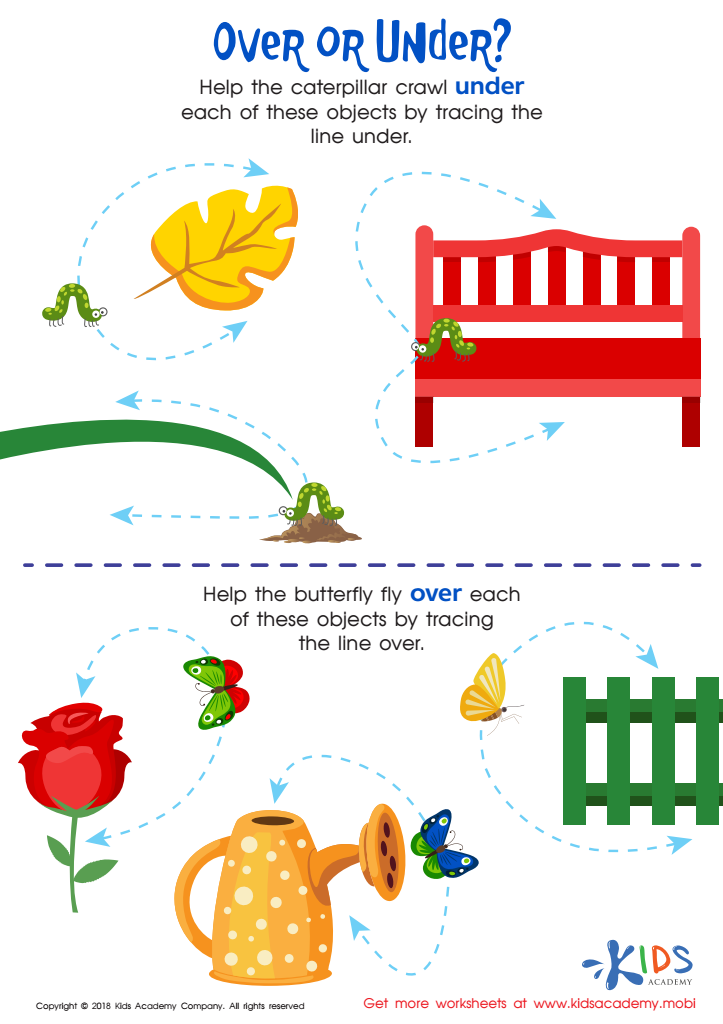
Over or Under? Worksheet
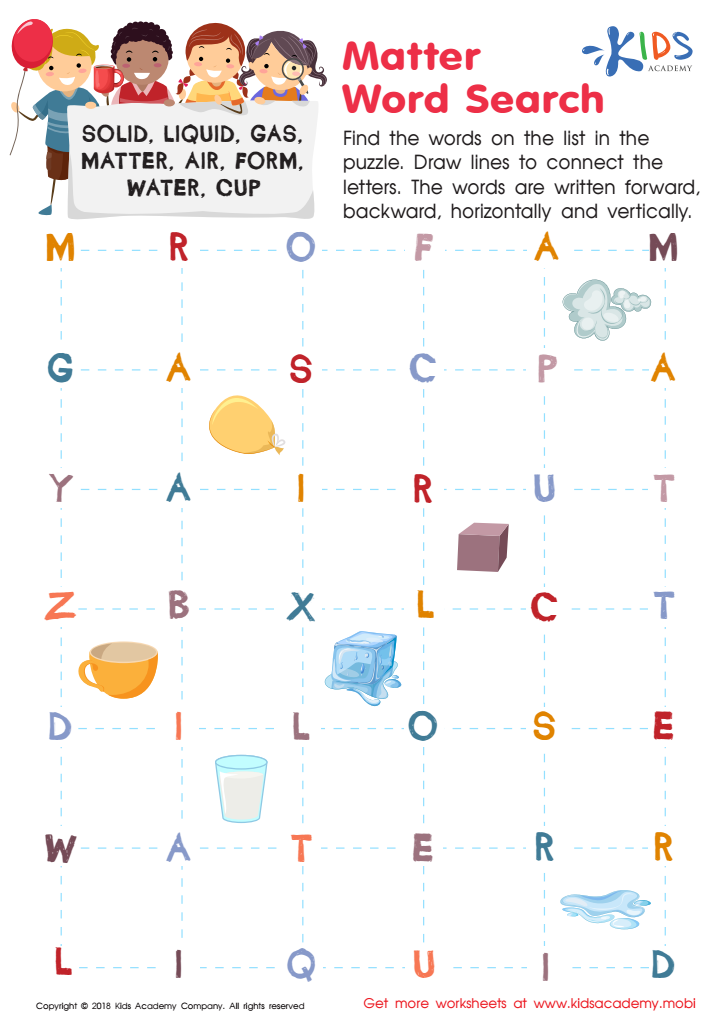
Matter Word Search Worksheet
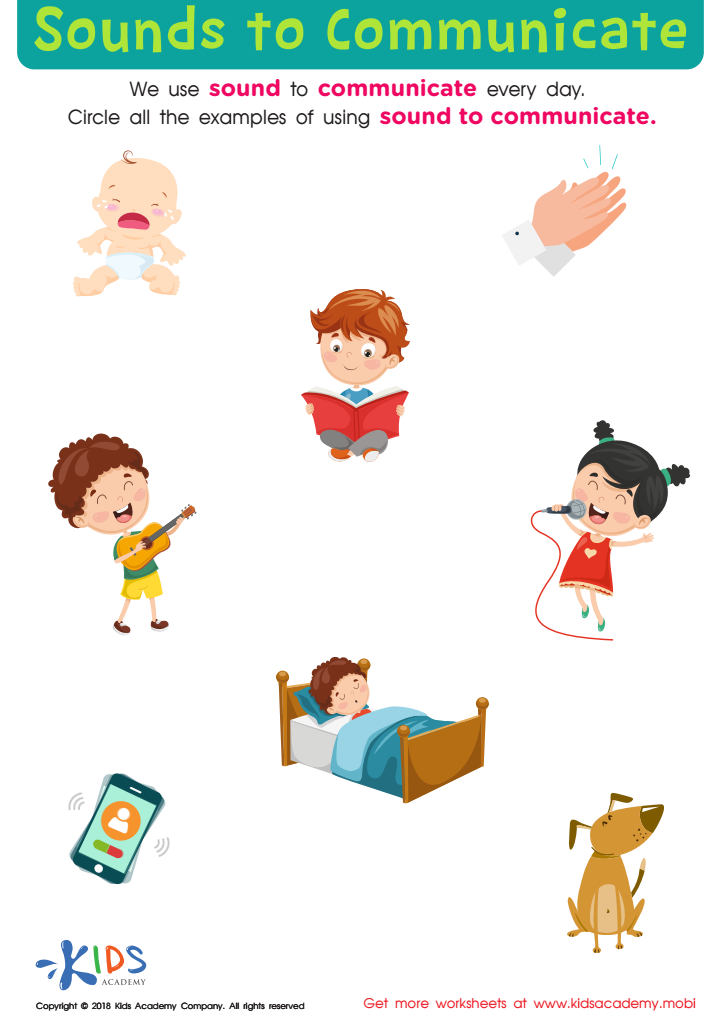
Sounds to Communicate Worksheet
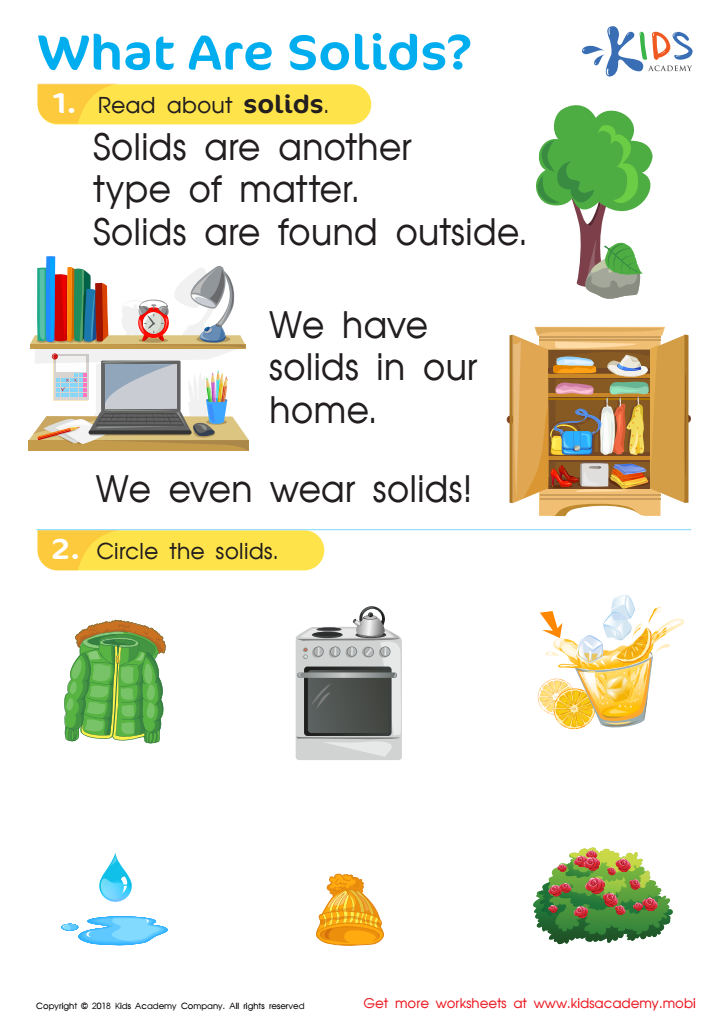
What Are Solids? Worksheet
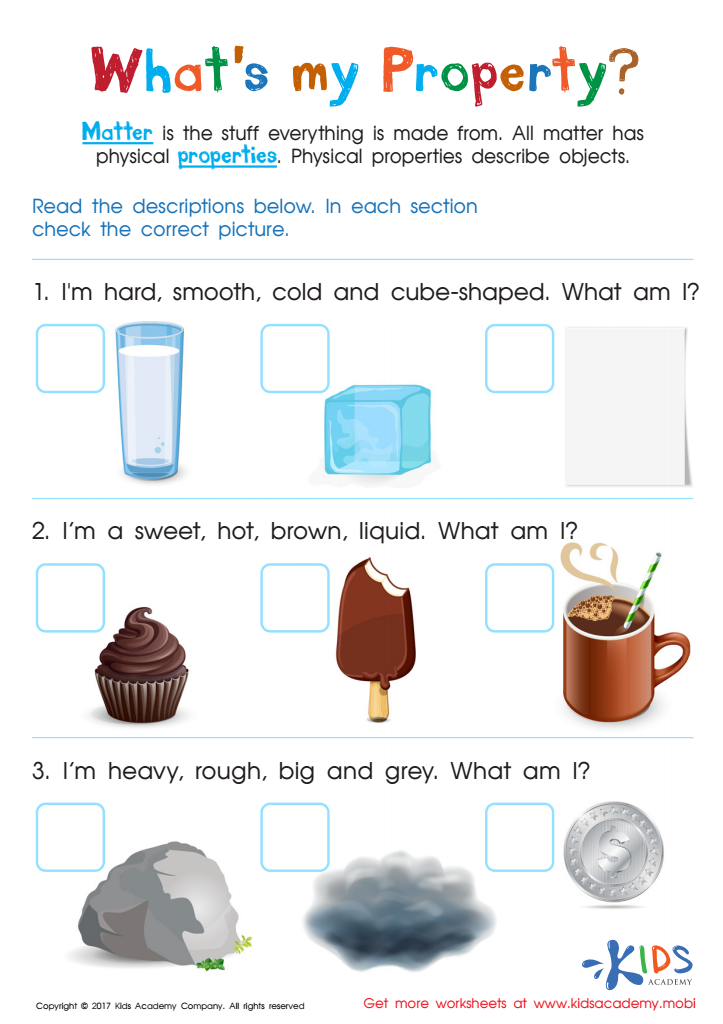
Physical Properties Of Matter Worksheet
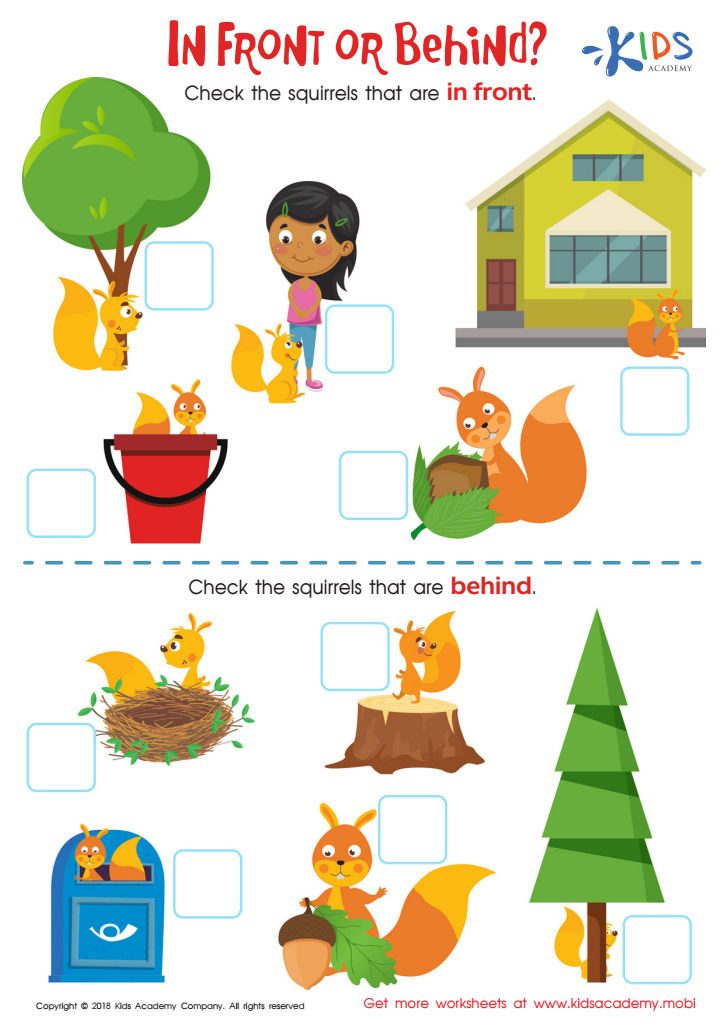
In Front or Behind: Part 2 Worksheet



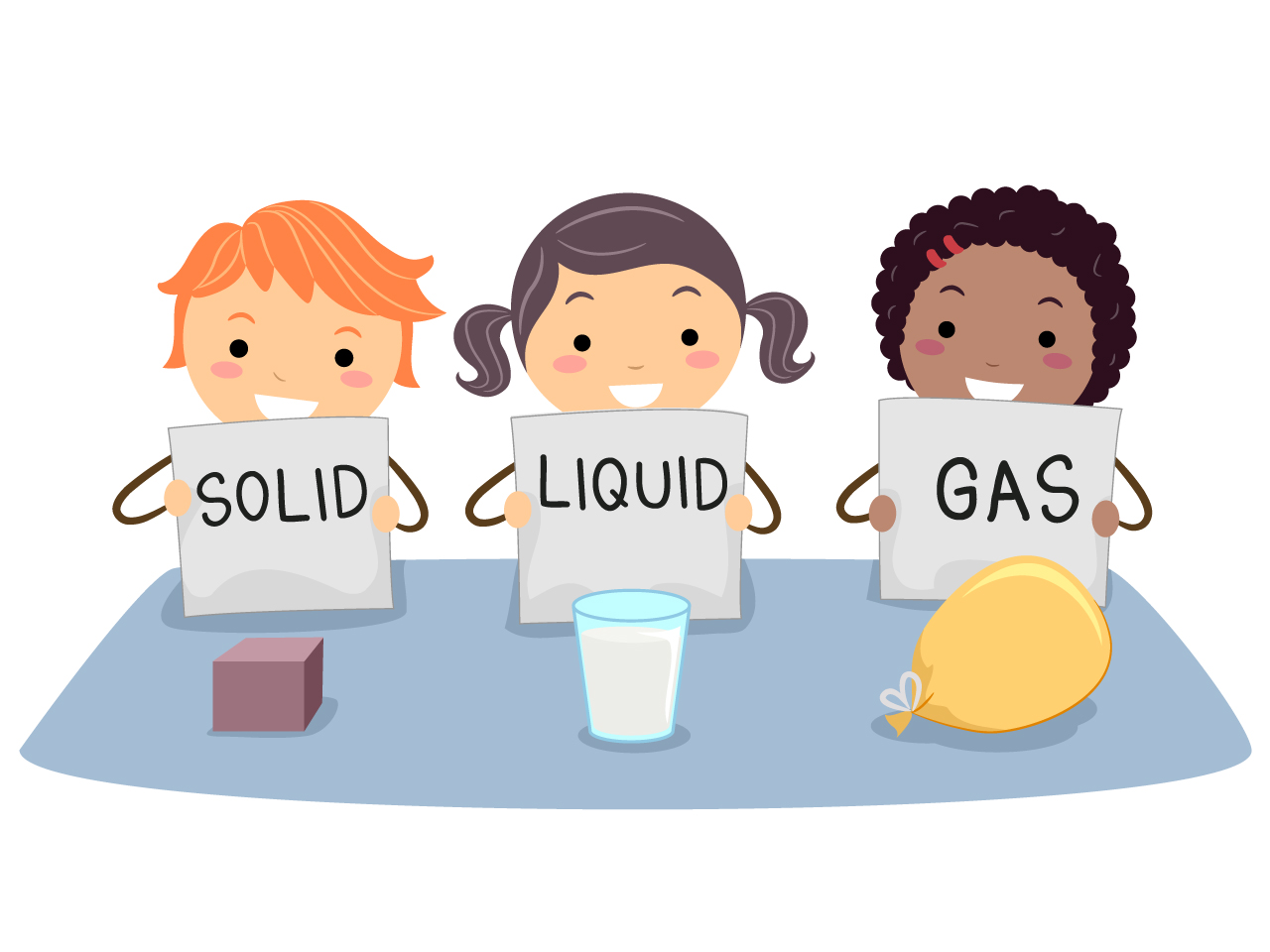




Vocabulary enhancement in Physical Science is crucial for students as it lays the foundation for understanding complex scientific concepts. When parents and teachers prioritize vocabulary development, they provide students with the tools needed to grasp various physical science topics effectively. Improved vocabulary equips children to follow instructions, comprehend reading materials, and articulate their thoughts in both written and verbal communication.
Science often involves specialized terms that students might not encounter in everyday language. For example, understanding terms like "photosynthesis", "gravity", or "molecule" is essential for deeper engagement with scientific experiments and literature. When children can accurately use and understand these terms, they are more likely to be enthusiastic and confident in their learning processes.
Moreover, enhanced vocabulary facilitates better academic performance. Standardized tests and classroom evaluations frequently assess students’ understanding of specific scientific terminology. Reinforced vocabulary skills help in critical thinking, problem-solving, and reasoning abilities, which are vital beyond the classroom setting as well.
Parents and teachers who actively involve children in discussions about science vocabulary can stimulate curiosity, thereby fostering a lifelong interest in the sciences. This fundamental step not only benefits academic achievement but also nurtures informed, knowledgeable individuals who are better equipped to navigate and appreciate the world around them.







