Critical thinking skills Plants and Animals Worksheets
6 filtered results
-
From - To
Enhance your child's critical thinking skills with our engaging Plants and Animals Worksheets! Designed for early learners, these worksheets encourage exploration and inquiry about the natural world. Kids will analyze information, compare different species, and draw conclusions through fun activities. By connecting plants and animals to their environments, students develop important reasoning abilities and improve problem-solving skills. Our worksheets are perfect for classroom use or at-home learning, fostering curiosity and a deeper understanding of biology. Download the PDF resources today and inspire your child's love for science. Help them become confident thinkers as they discover the wonders of plants and animals!
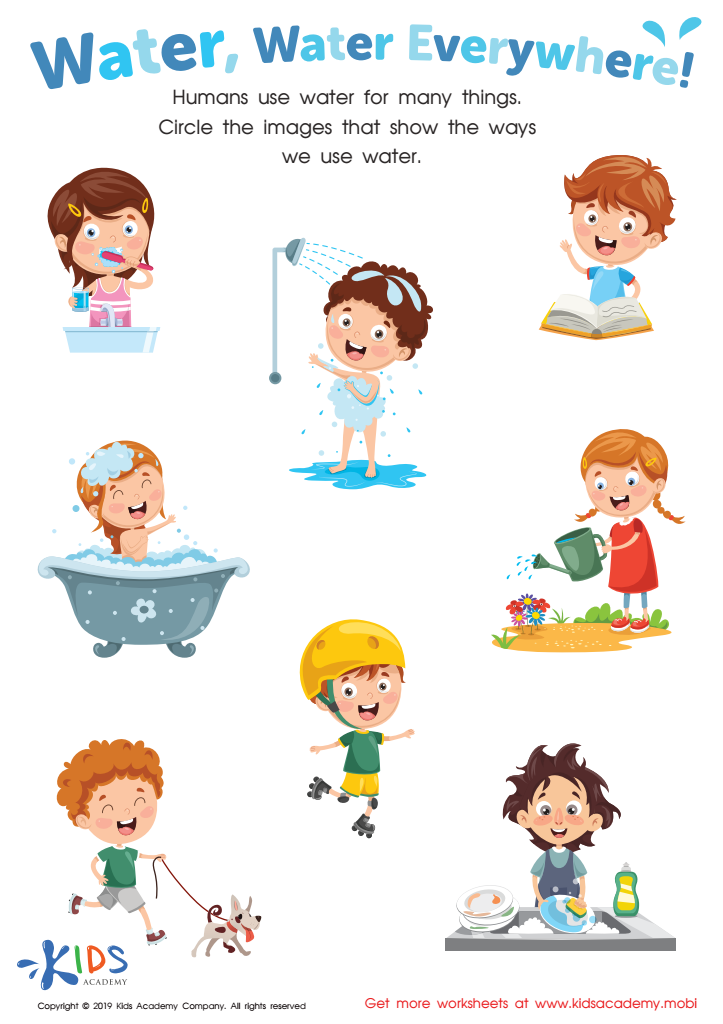
Water, Water Everywhere! Worksheet
 Assign to My Students
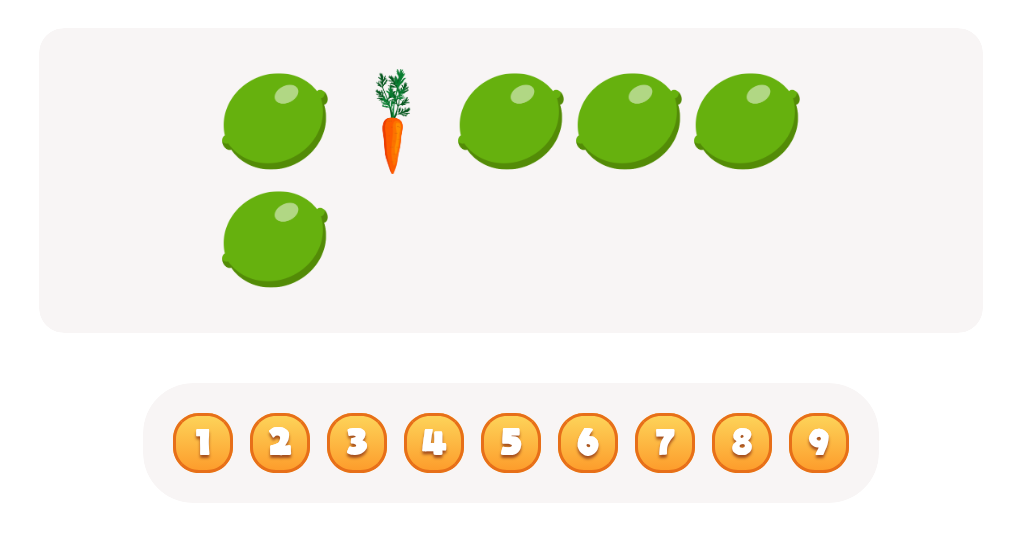

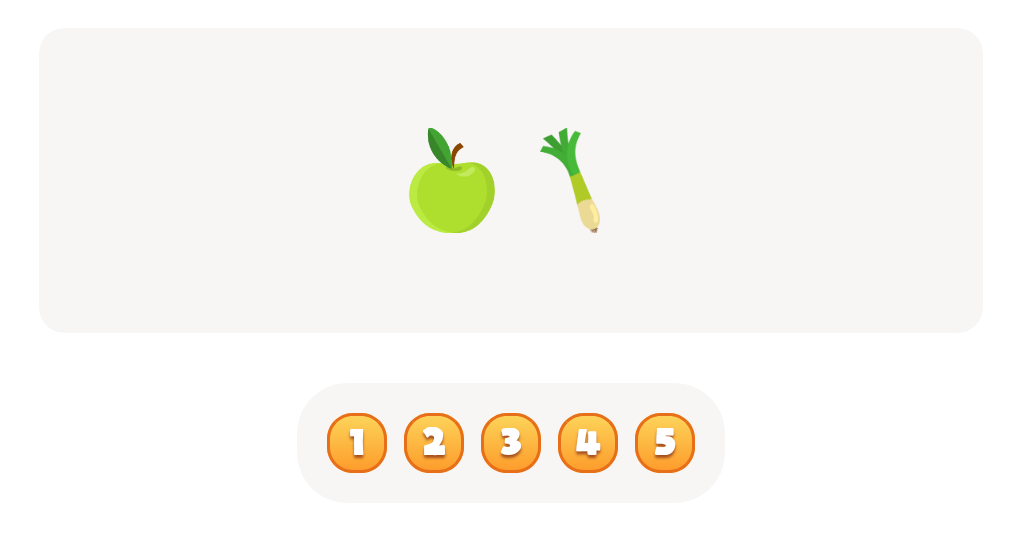
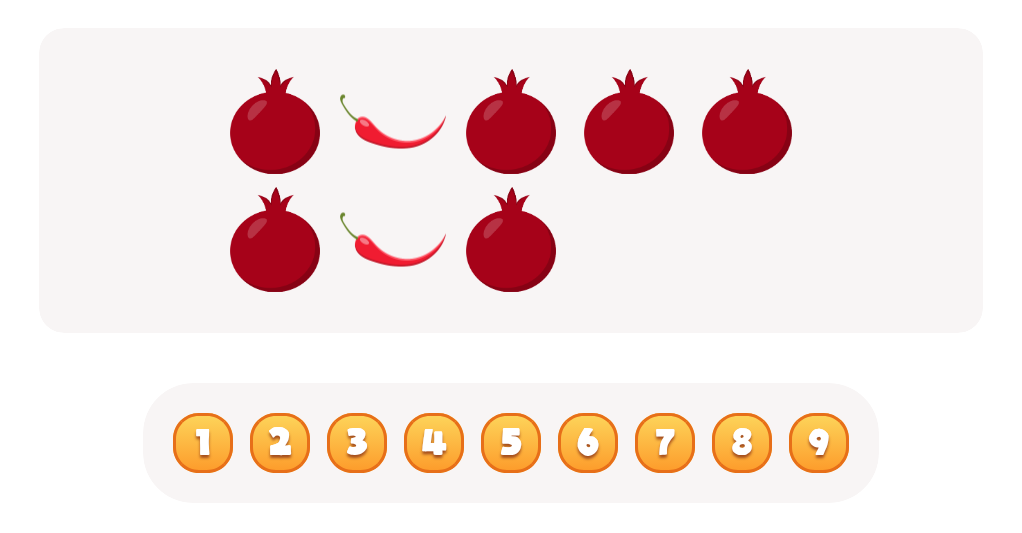
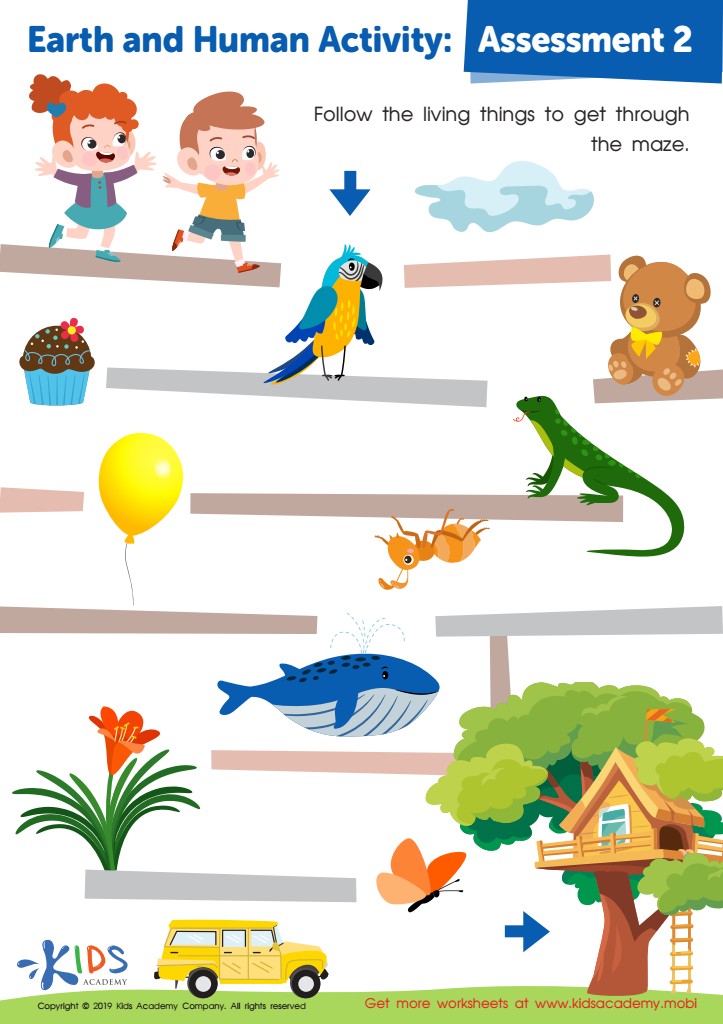
Earth and Human Activity: Assessment 2 Worksheet
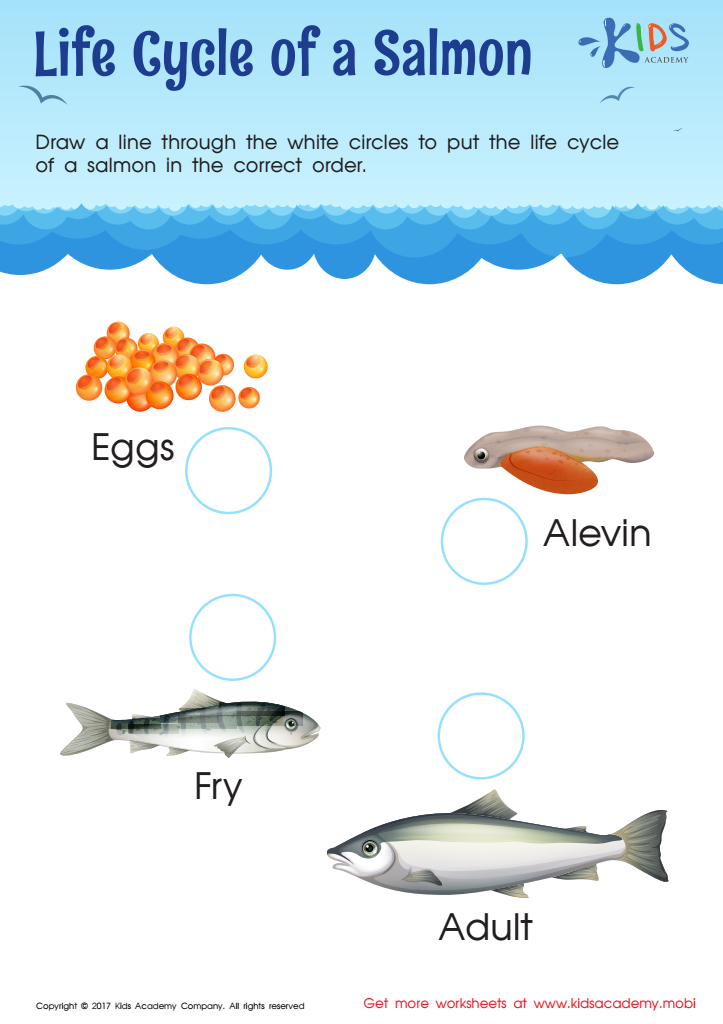
Cycle Of Salmon Worksheet
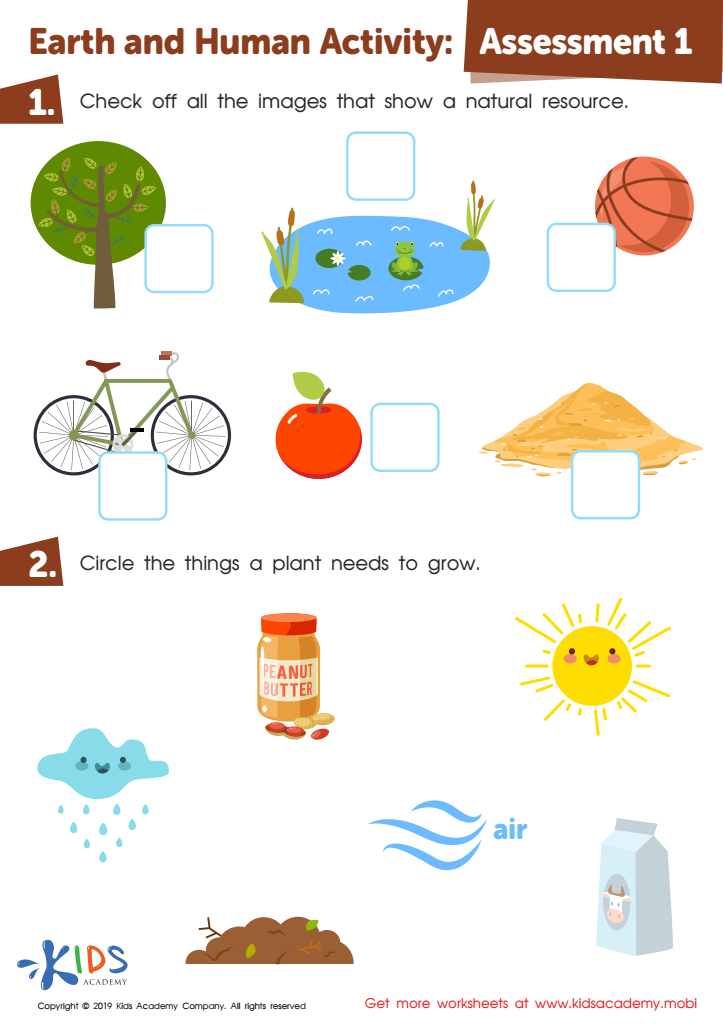
Earth and Human Activity: Assessment 1 Worksheet
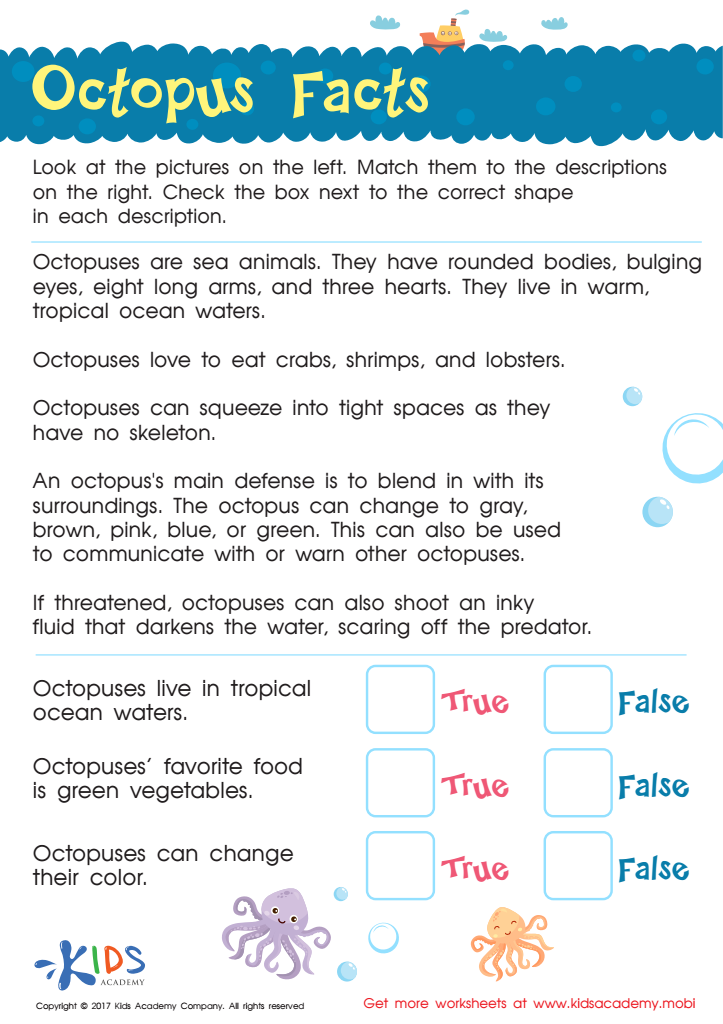
Octopus Facts Worksheet For Kids
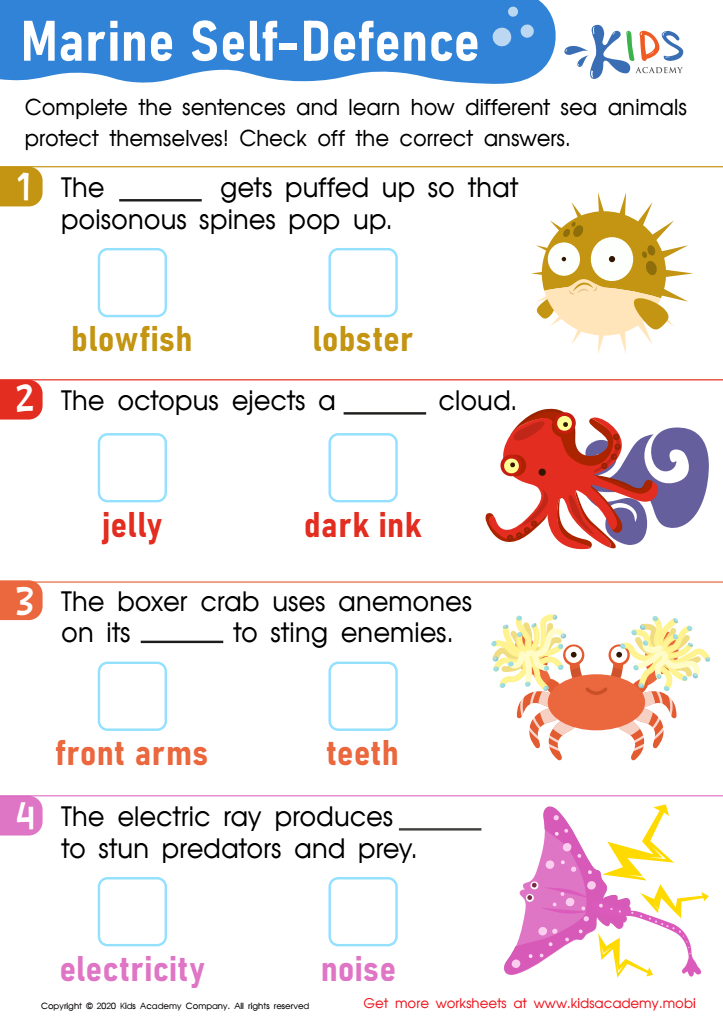
Marine Self-Defence Worksheet








Critical thinking skills are vital for cultivating a deeper understanding of the natural world, especially when it comes to plants and animals. For parents and teachers, encouraging critical thinking in students fosters curiosity, creativity, and inquiry-based learning. Understanding plants and animals isn’t just about memorizing facts; it’s about asking questions, making connections, and seeking solutions to real-world problems.
When educators emphasize critical thinking, they help students explore ecosystems, comprehend the interdependencies in food chains, and understand the importance of biodiversity. This analytical approach develops skills such as observation, analysis, and evaluation, which are crucial for constructive learning. For instance, when children explore the impacts of habitat destruction or the role of pollinators, they learn to formulate arguments and make informed decisions regarding environmental stewardship.
Moreover, fostering these skills prepares students for future academic pursuits and responsible citizenship. By engaging with scientific concepts in a meaningful way, students become empowered to advocate for conservation and sustainability efforts in their communities. Ultimately, teaching critical thinking about plants and animals equips the next generation to make reasoned choices, solve ecological challenges, and appreciate the inherent value of all living creatures.








