Handwriting practice Grade 2 English for Beginners Worksheets - Page 2
43 filtered results
-
From - To
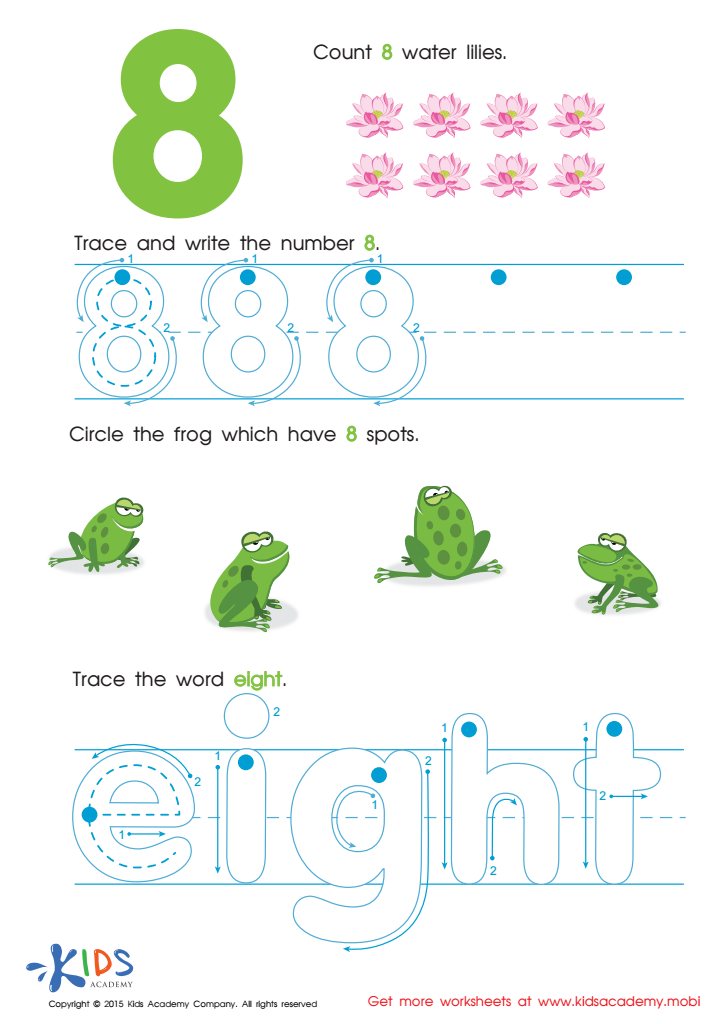
Learn Number 8 Easily Worksheet
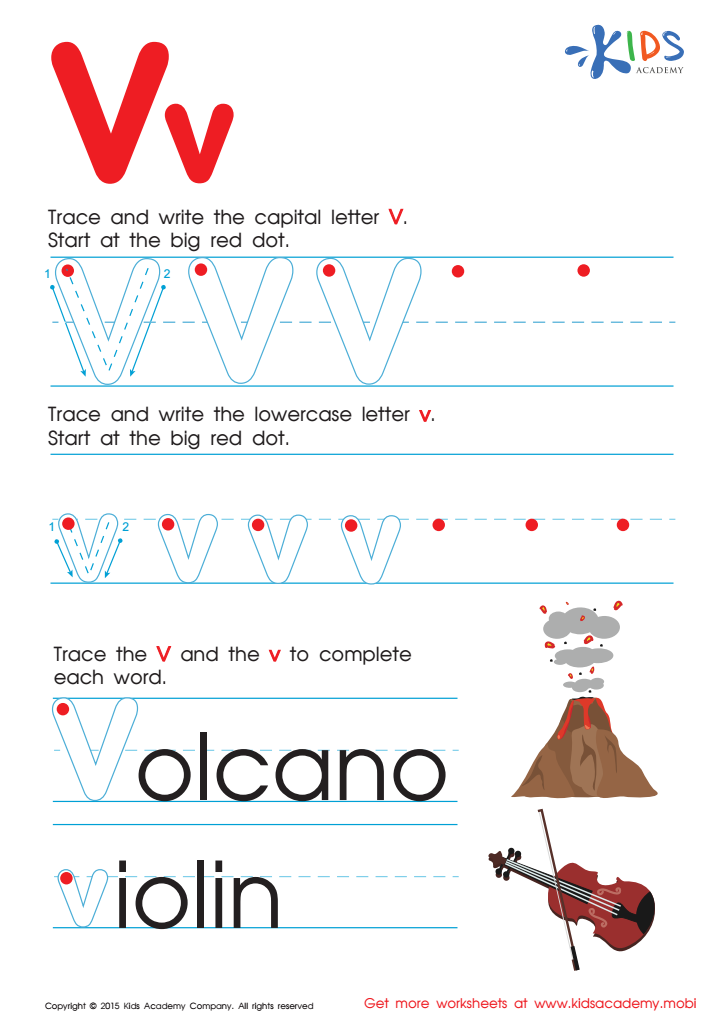
Letter V Tracing Page
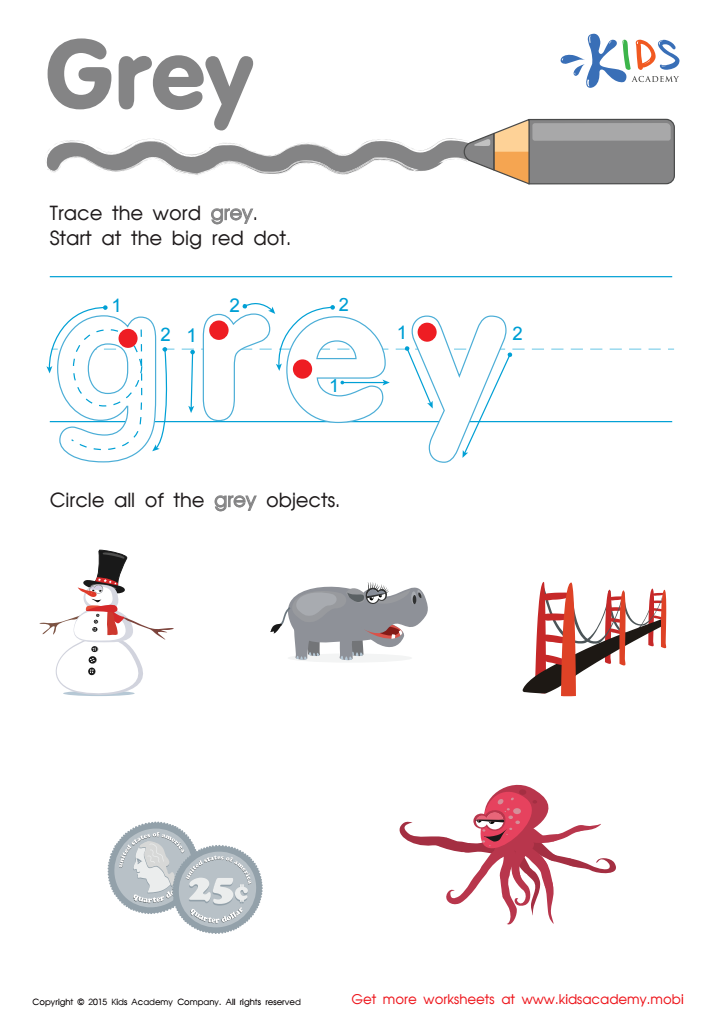
Grey Tracing Color Words Worksheet
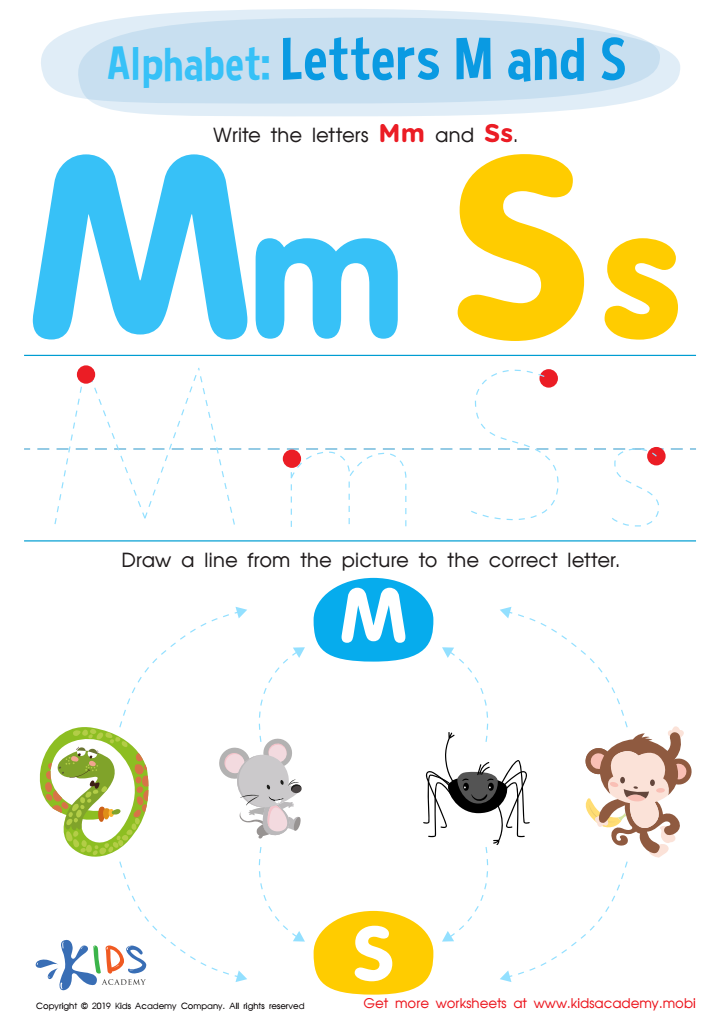
Letters M and S Tracing Worksheet
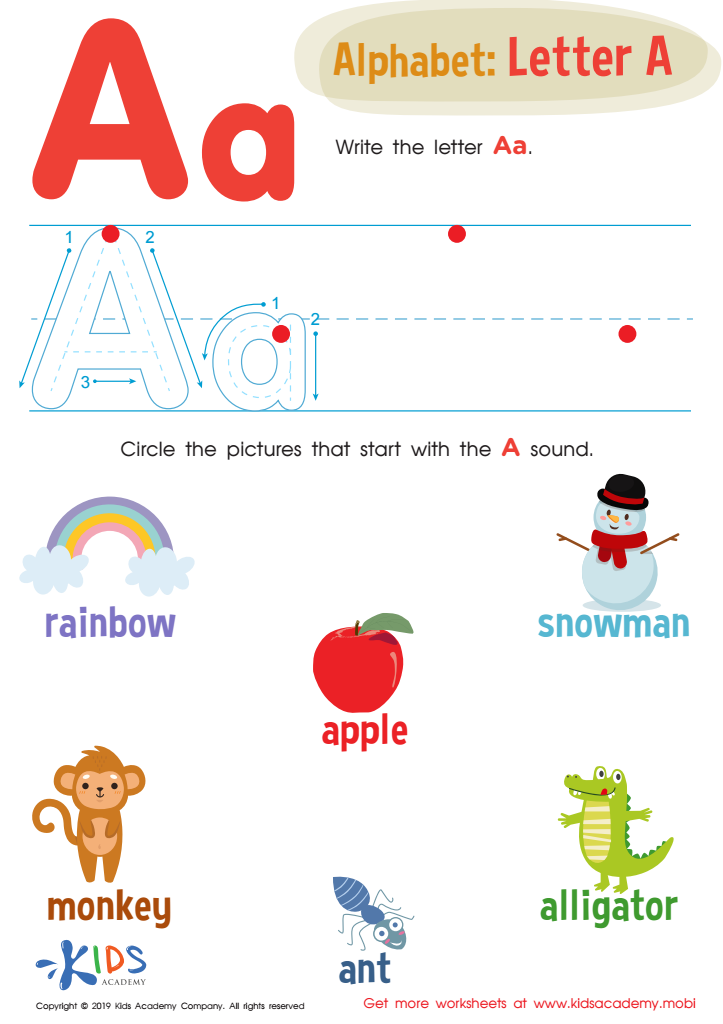
Letter A Tracing Worksheet
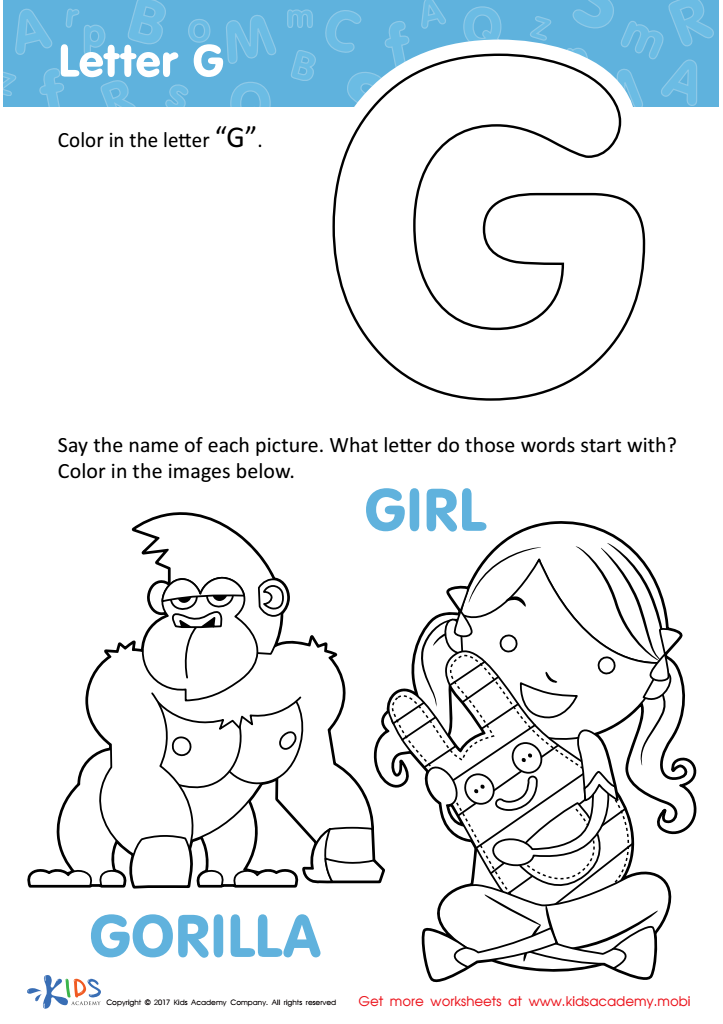
Letter G Coloring Sheet
 Assign to My Students
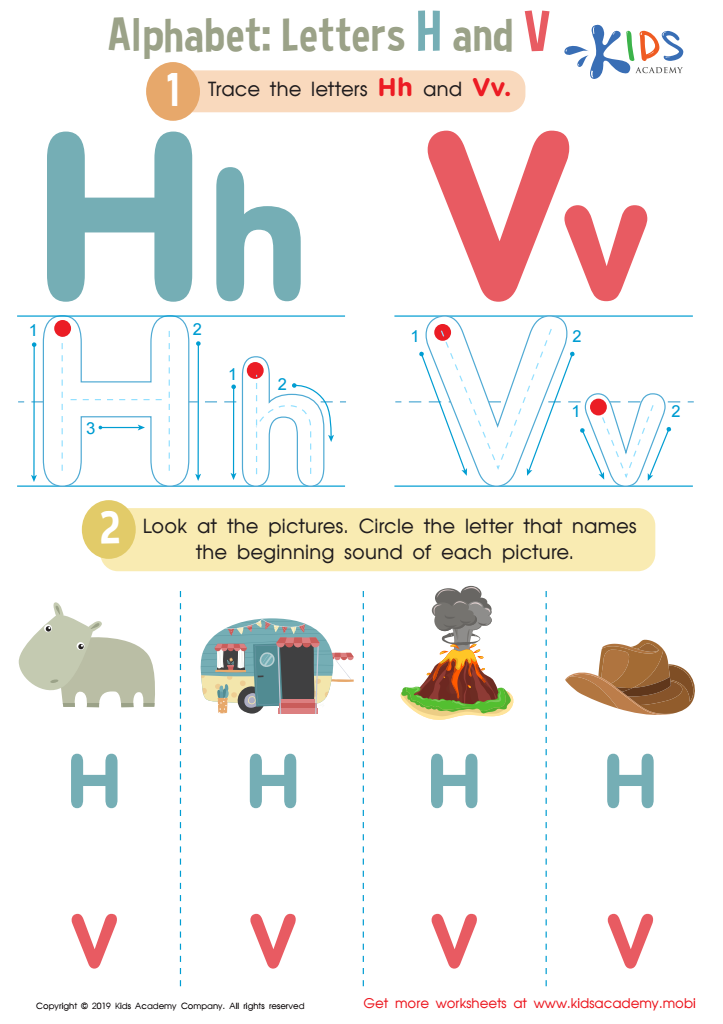
Letters H and V Tracing Worksheet
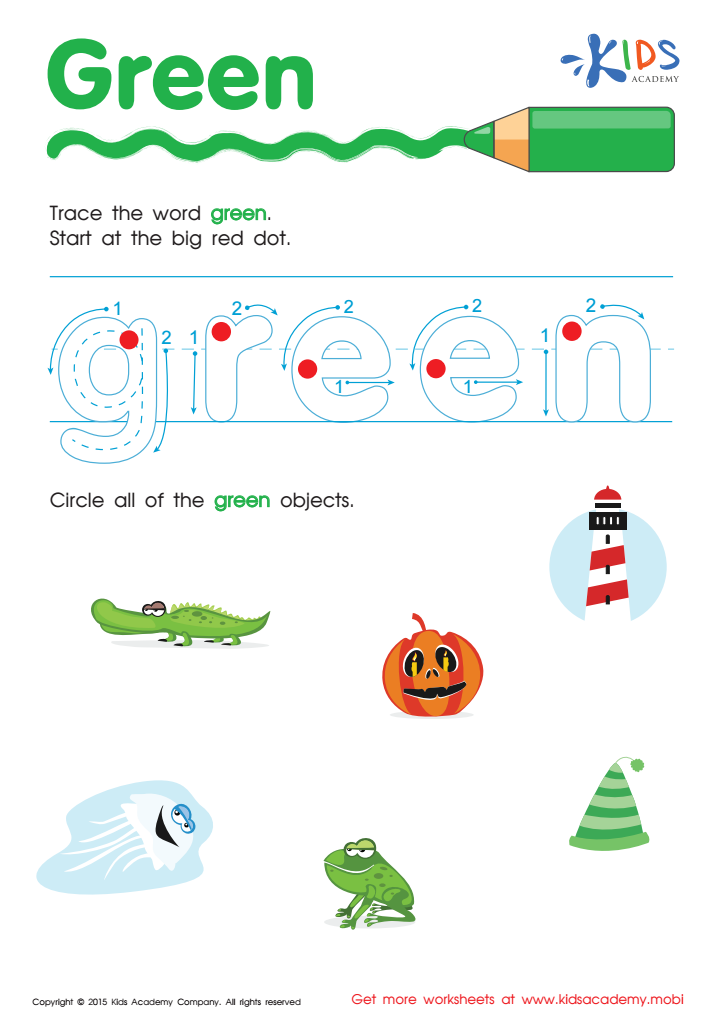
Green Tracing Color Words Worksheet
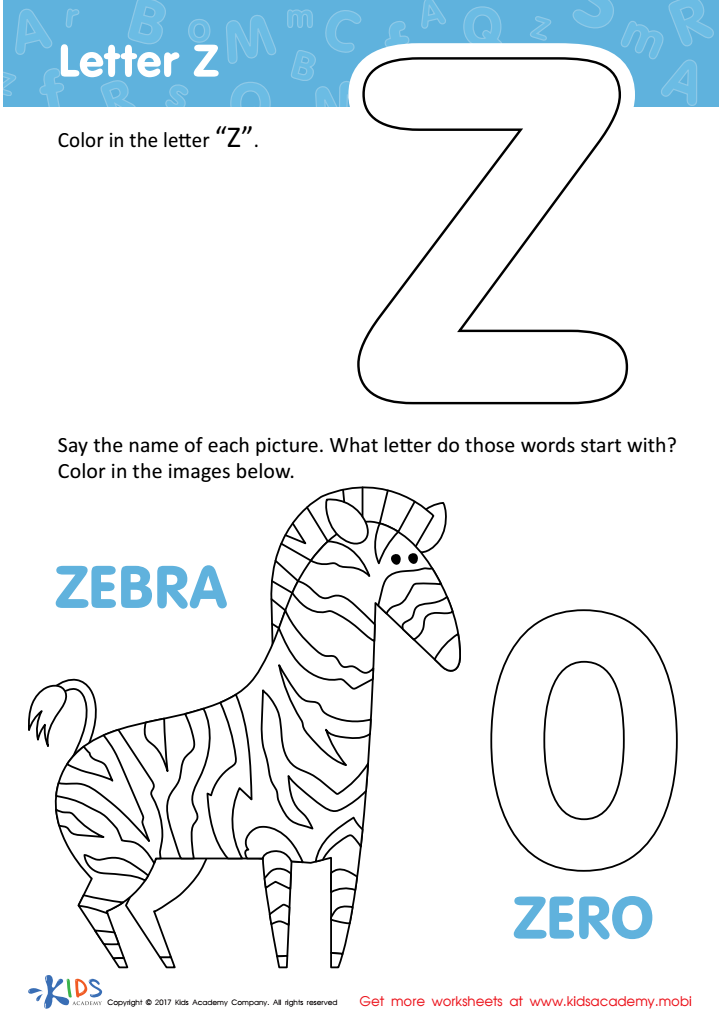
Letter Z Coloring Sheet
Assign to My Students
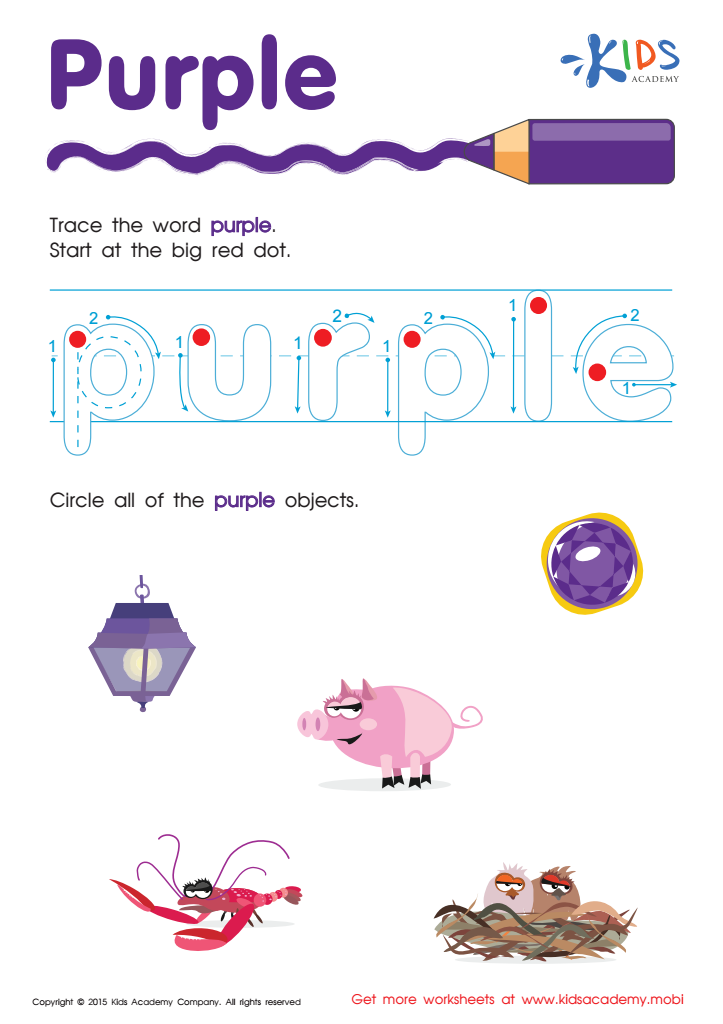
Purple Tracing Color Words Worksheet
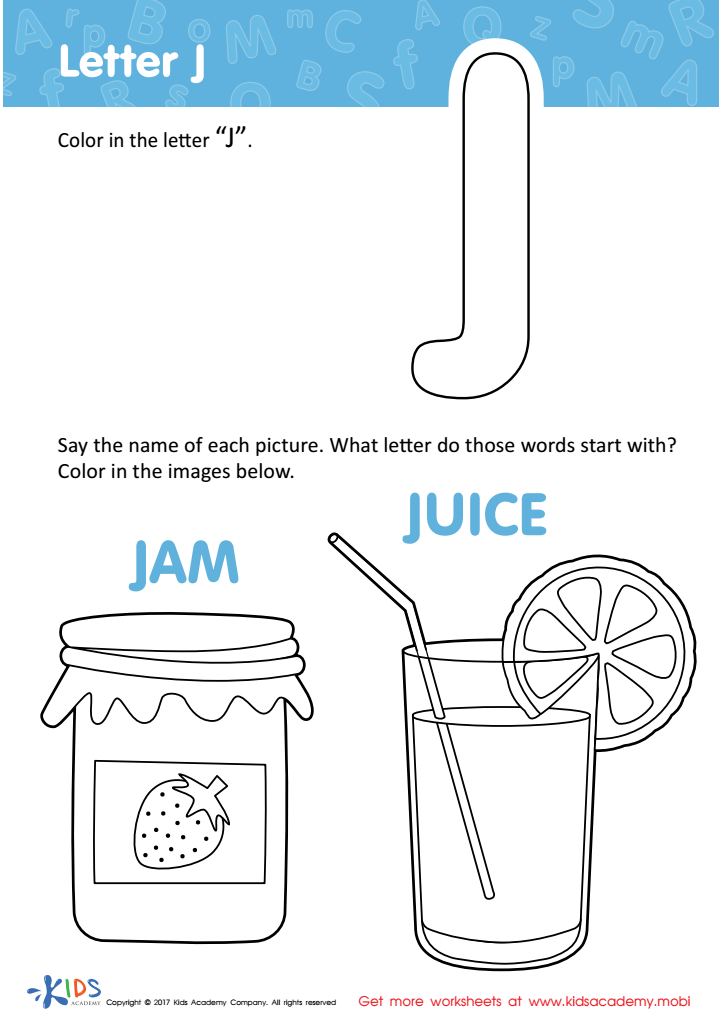
Letter J Coloring Sheet
Assign to My Students
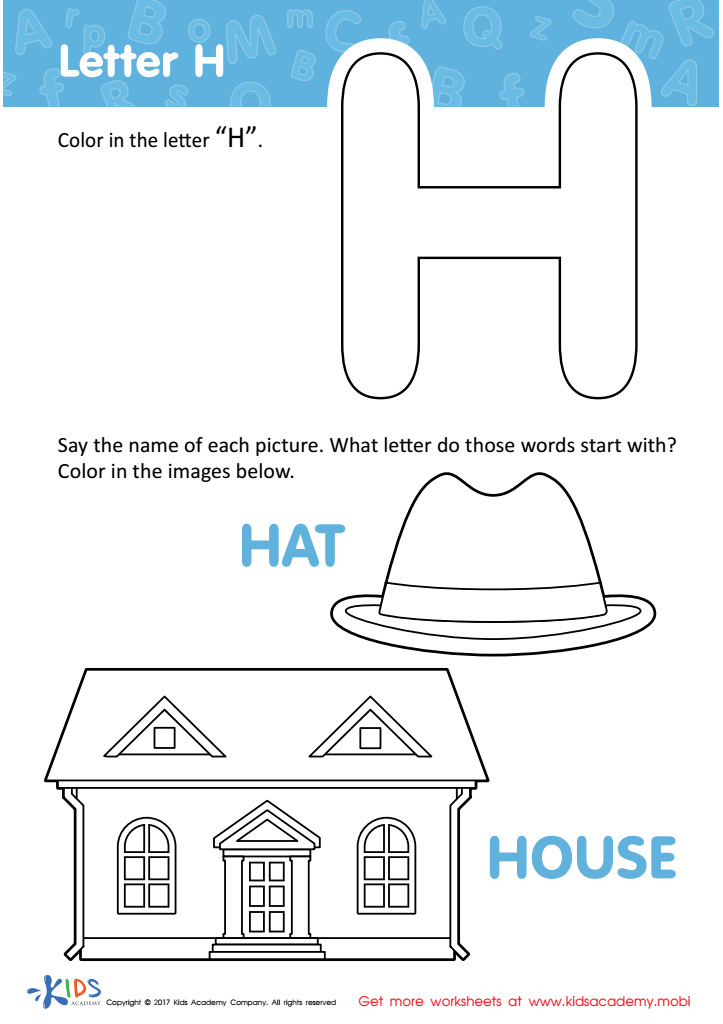
Letter H Coloring Sheet
Assign to My Students
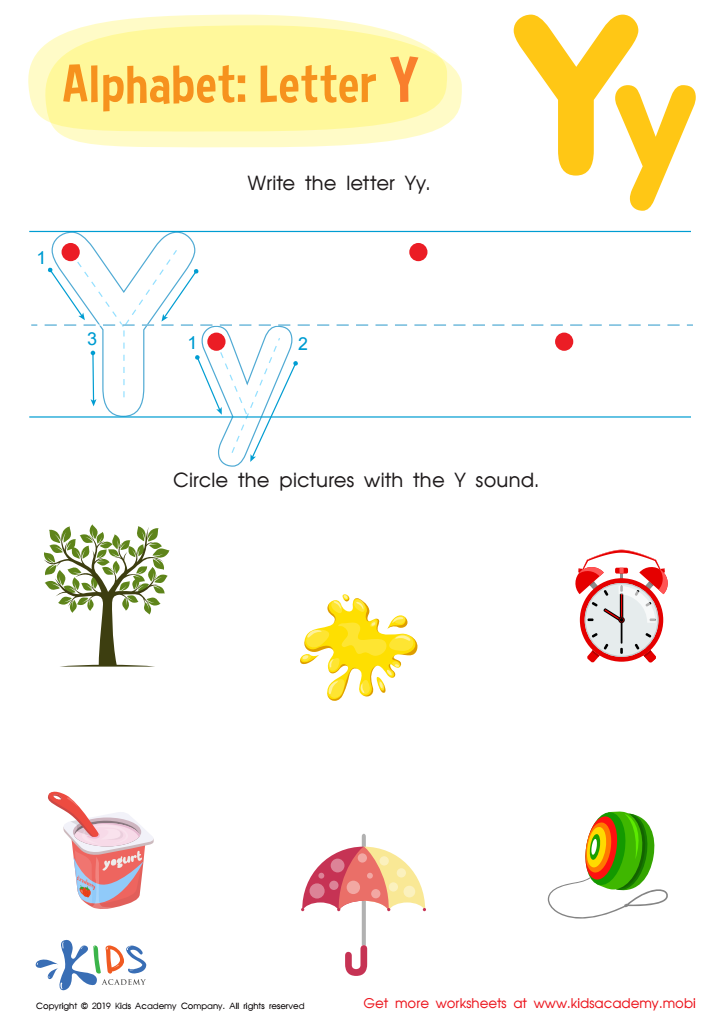
Letter Y Tracing Worksheet
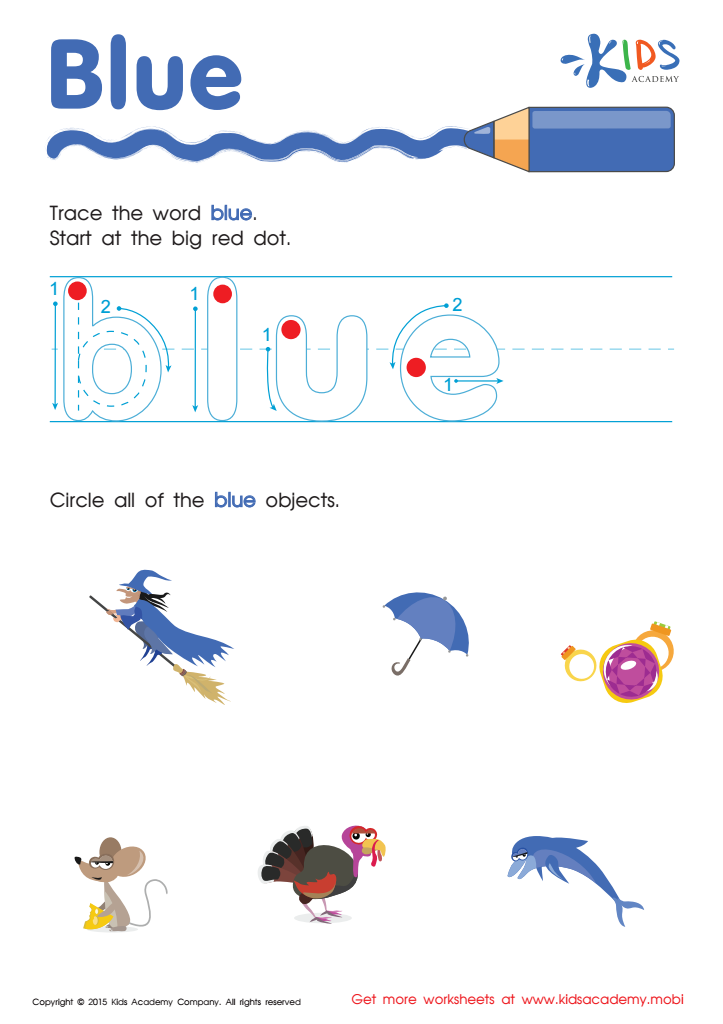
Blue Tracing Color Words Printable

Brown Tracing Color Words Worksheet
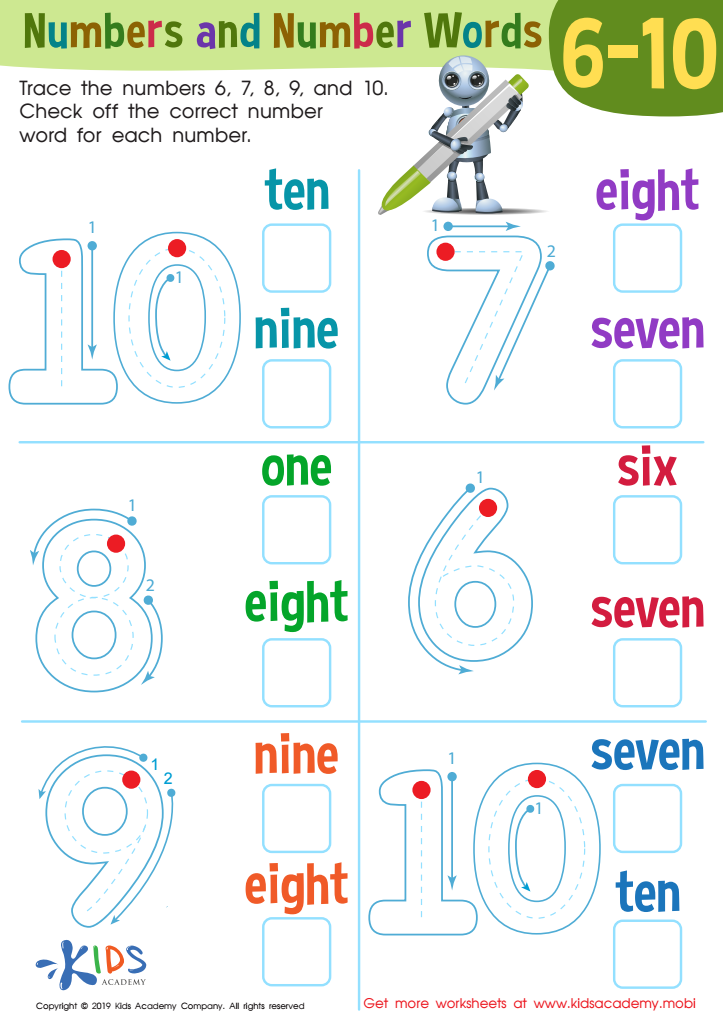
Numbers and Number Words 6–1 Worksheet
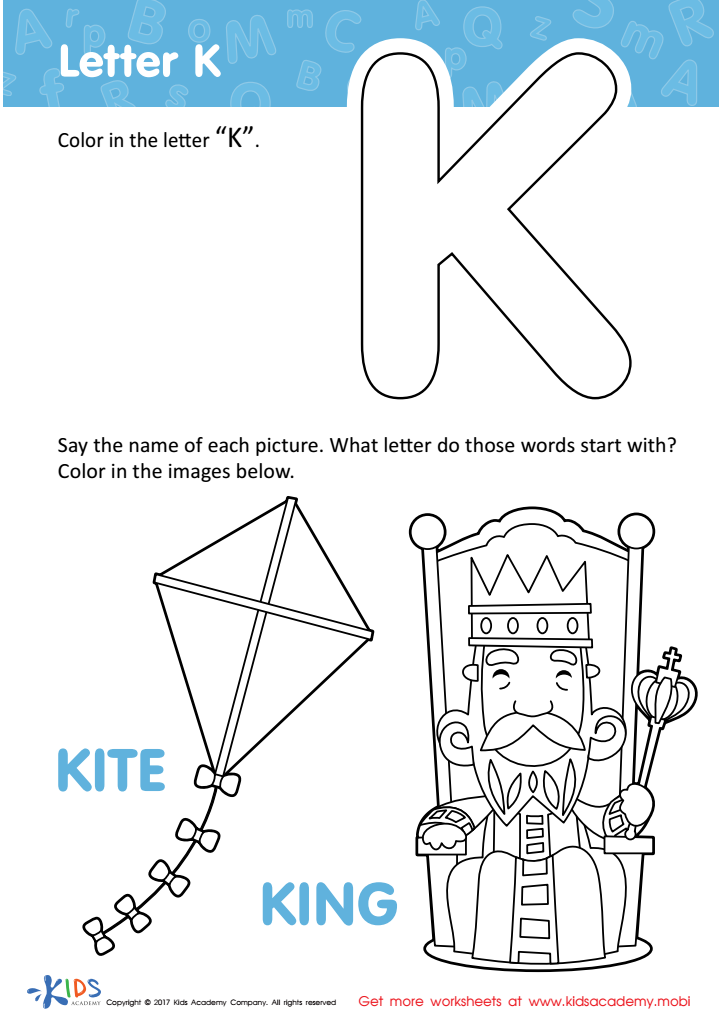
Letter K Coloring Sheet
Assign to My Students
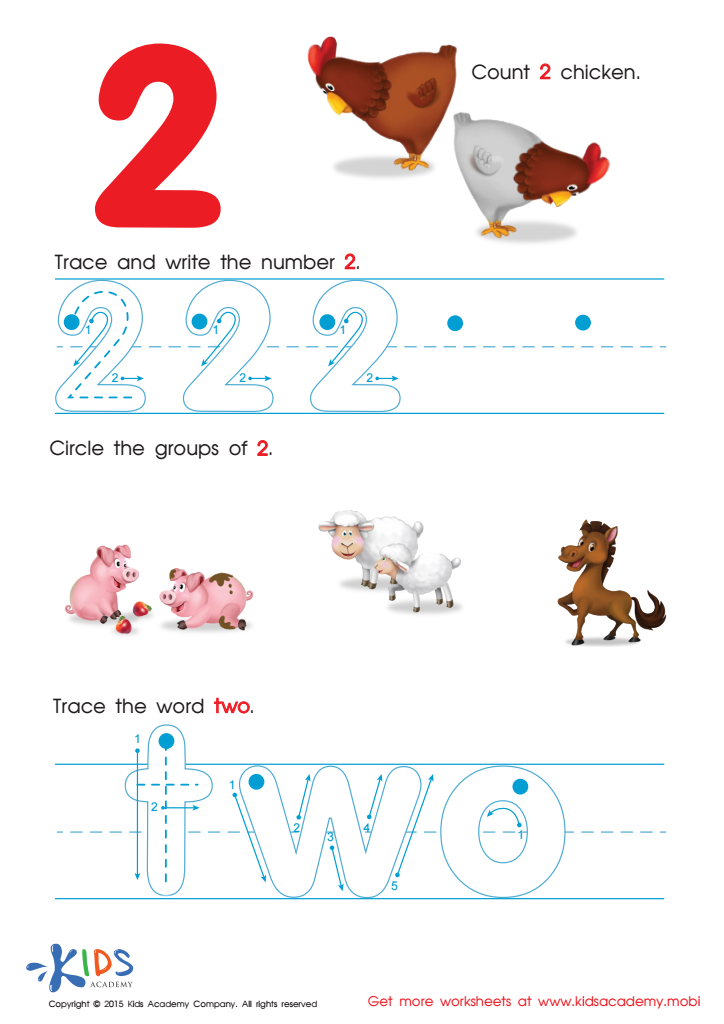
Learn to Write the Number 2 Worksheet
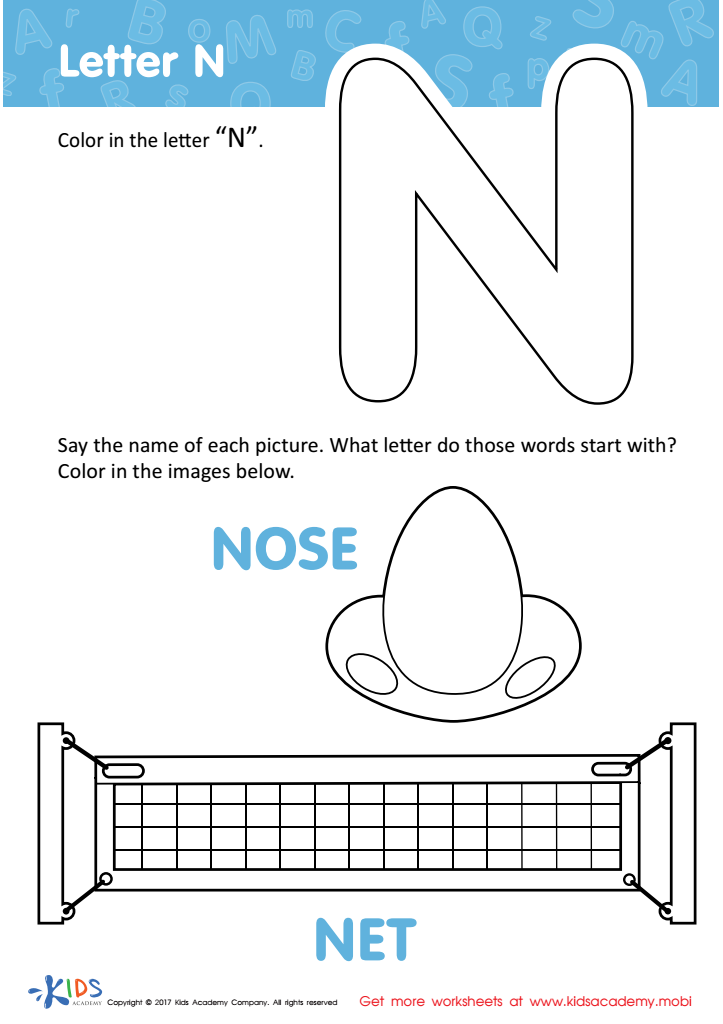
Letter N Coloring Sheet
Assign to My Students


Handwriting practice in Grade 2 English is crucial for several reasons. First, it plays a vital role in developing fine motor skills, which are essential for tasks beyond writing, such as cutting and drawing. As children learn to control their pencil and form letters, they enhance their hand-eye coordination, laying the groundwork for future learning experiences.
Moreover, early handwriting instruction supports literacy development. When children practice writing letters, they reinforce their understanding of phonics and spelling patterns. This connection between writing and reading fosters stronger language skills and promotes overall academic achievement.
Additionally, good handwriting can significantly impact self-esteem and confidence. Well-developed writing skills allow students to express their thoughts clearly and neatly, making it easier for them to share their ideas with peers and teachers. This social aspect of writing encourages communication and collaboration.
Finally, in our increasingly digital world, handwriting remains an essential tool for effective note-taking and reflecting on learning. It encourages mindfulness and thoughtfulness that typing on a screen may lack.
In summary, investing time in handwriting practice in Grade 2 is beneficial not only for academic success but also for the development of important life skills, making it a pivotal focus for both parents and teachers.