Comparison Skills Grade 2 Worksheets
4 filtered results
Difficulty Level
Grade
Age
-
From - To
Subject
Activity
Standards
Boost your child's critical thinking with our engaging Comparison Skills Grade 2 Worksheets! Designed to enhance observational and analytical abilities, these worksheets encourage students to identify similarities and differences across various categories, such as shapes, objects, and texts. By participating in fun activities, children develop important reasoning skills essential for their academic growth. Whether in the classroom or at home, our printable worksheets provide colorful illustrations and age-appropriate exercises tailored for second graders. Unlock the power of comparison with these interactive resources that make learning enjoyable. Start fostering your child's comparison skills today and watch their confidence soar!
Favorites
With answer key
Interactive
 Assign to My Students
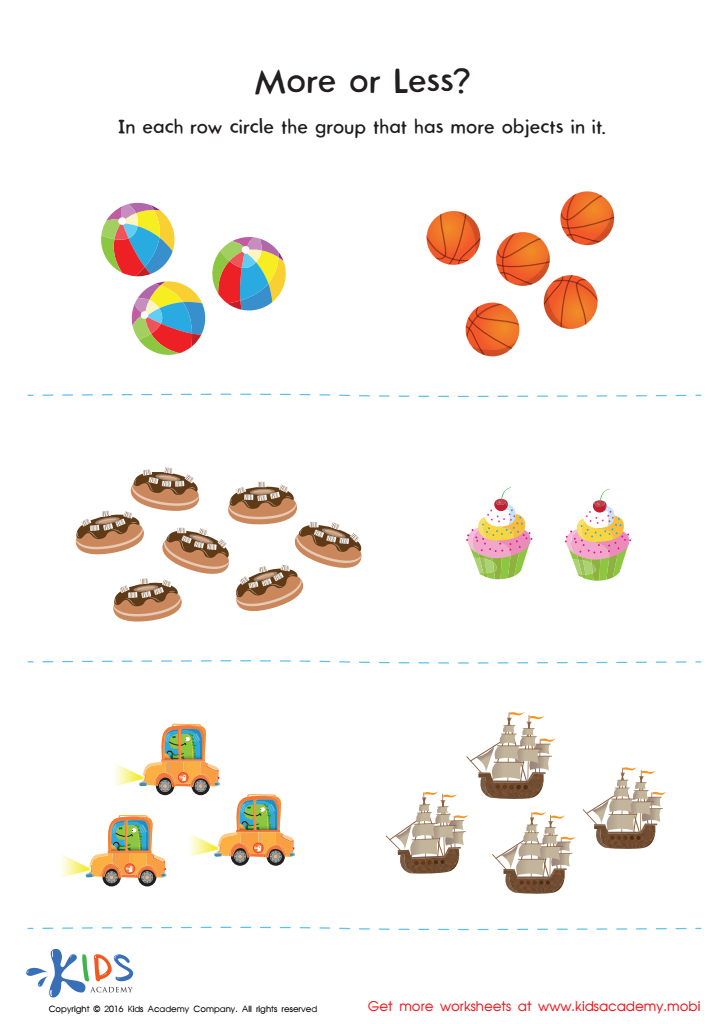
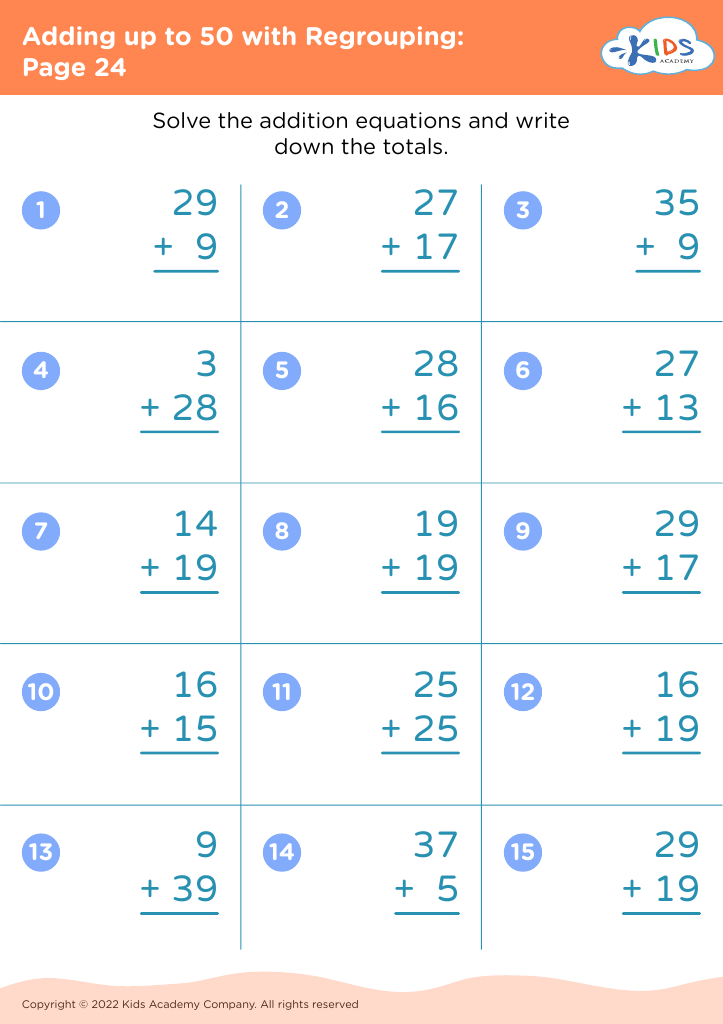
More or Less Size Worksheet
Worksheet
Join Kids Academy for Free
Who is primarily going to use this learning content?







Comparison skills in Grade 2 are crucial for children's cognitive and social development. At this age, children begin to grasp the concepts of similarities and differences, which lays the foundation for critical thinking. When parents and teachers emphasize comparison skills, they help students engage in problem-solving, foster decision-making abilities, and promote analytical thinking. For example, by comparing objects, stories, or numbers, children learn to categorize information and analyze relationships between various elements, which is vital for math and literacy.
Additionally, comparison skills play a significant role in social interactions. Children learn to recognize their feelings and the feelings of others by observing and comparing their experiences. This awareness promotes empathy and helps them build friendships, as they can identify with their peers’ emotions.
By nurturing these skills, parents and teachers equip children with valuable tools for their academic journey and help develop life skills that will benefit them long-term. Engaging students in activities that promote comparison—such as sorting, discussing book characters, or contrasting different situations—can boost engagement in learning while also supporting their emotional and social well-being. Thus, fostering comparison skills is an essential focus for both parents and educators in a child's early academic stages.