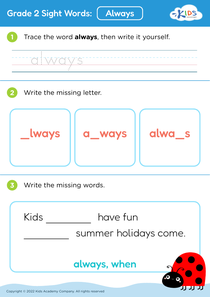
Enhancing observational skills Grade 2 Worksheets
5 filtered results
-
From - To
Unlock your child's potential with our "Enhancing Observational Skills Grade 2 Worksheets". Specifically designed for second graders, these worksheets are tailored to develop sharp observation and attention to detail, which are essential skills for academic success. Through engaging and fun exercises, students will practice identifying patterns, recognizing differences, and understanding visual information. Each activity encourages critical thinking and careful analysis, ensuring a solid foundation for future learning. Perfect for classroom use or at-home practice, our worksheets provide a valuable resource for parents and educators aiming to boost their children's observational power and overall cognitive development.
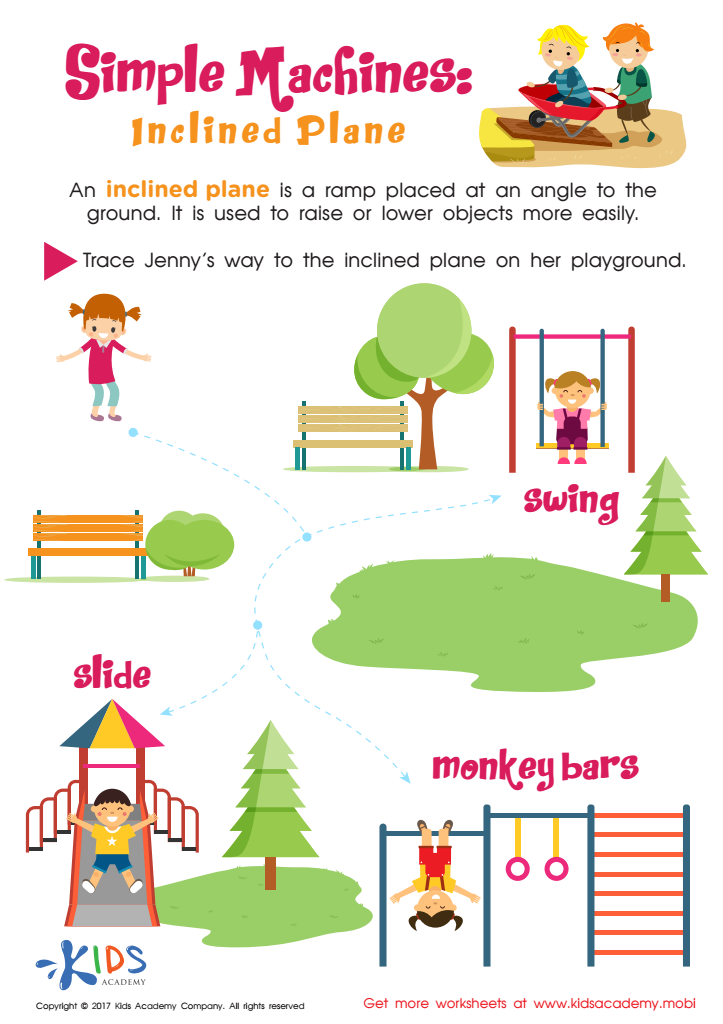
Simple Machines Inclined Plane Worksheet
 Assign to My Students
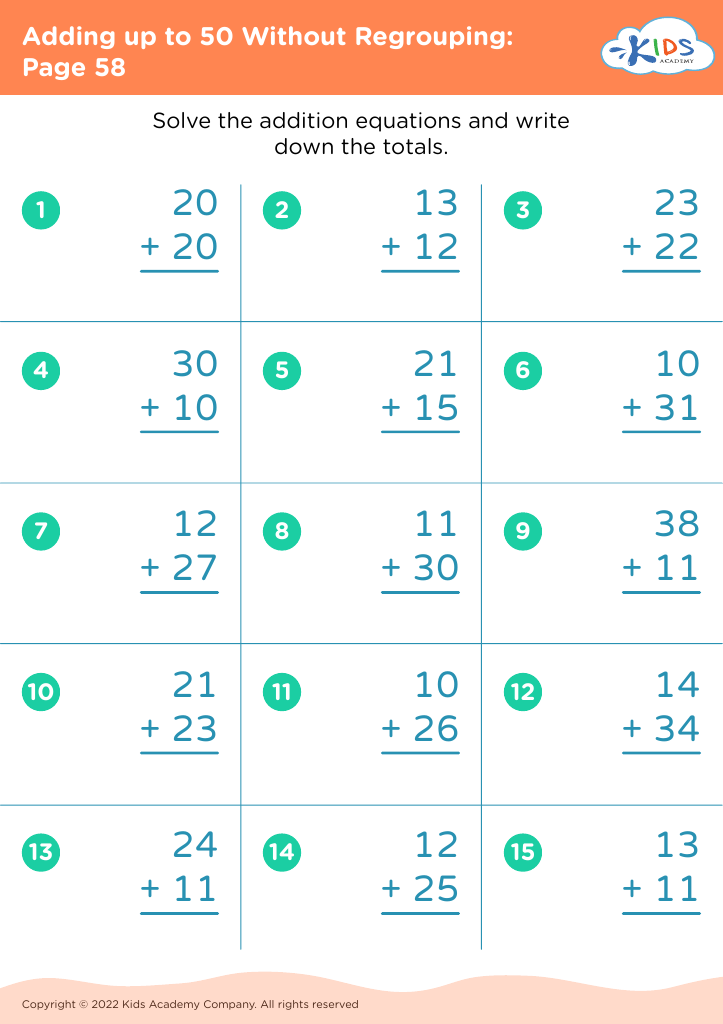
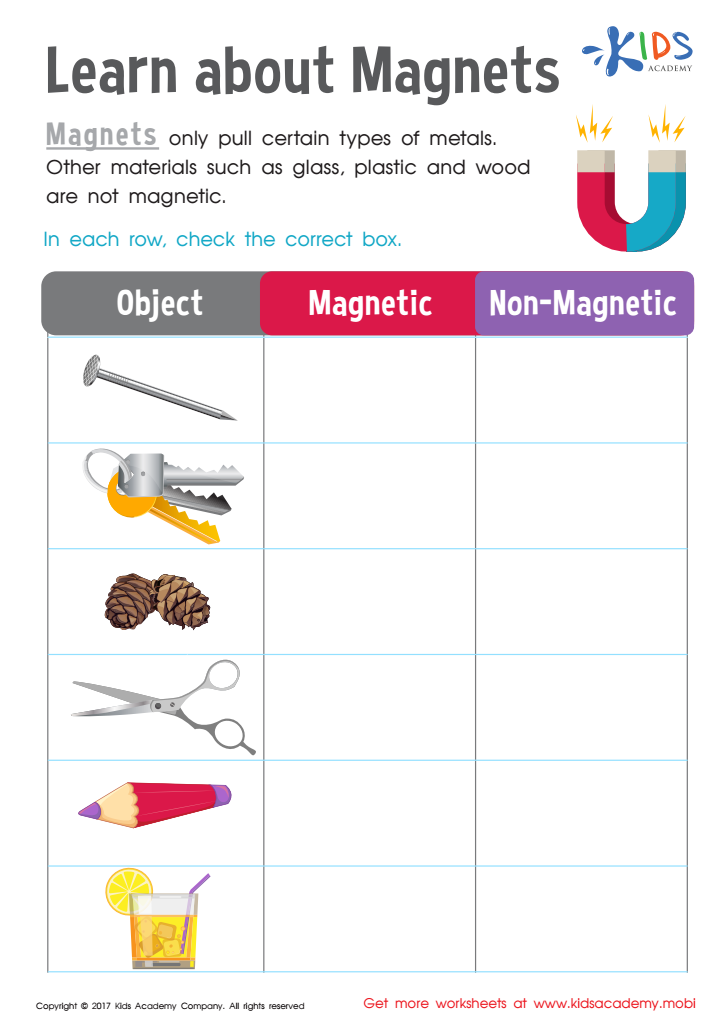
Magnetic Or Not Worksheet
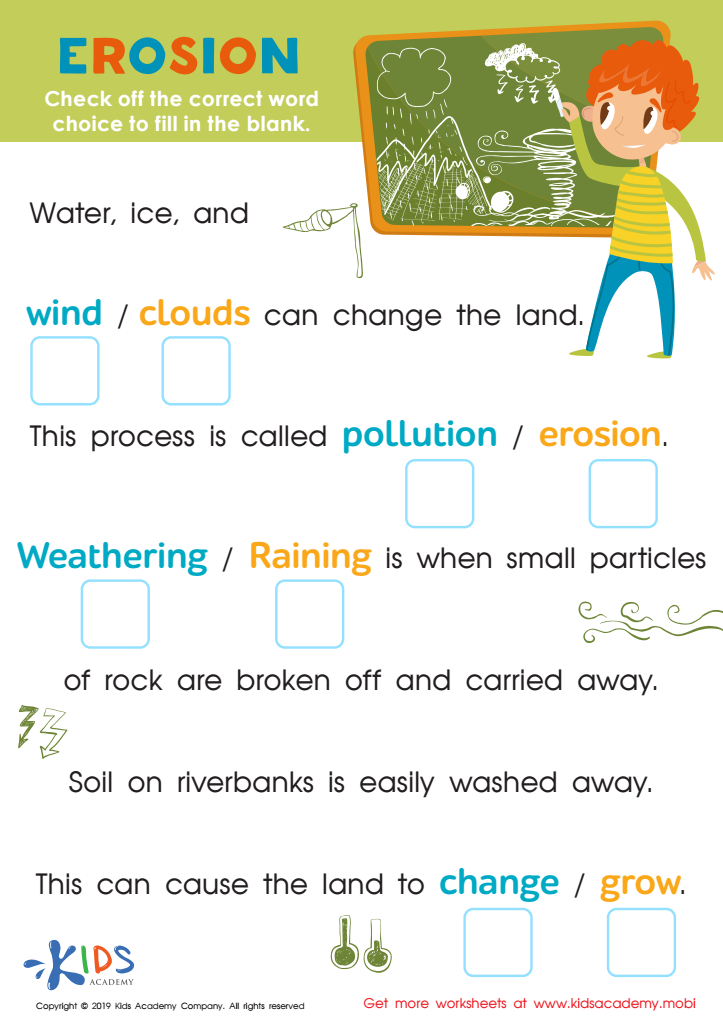
Erosion Worksheet
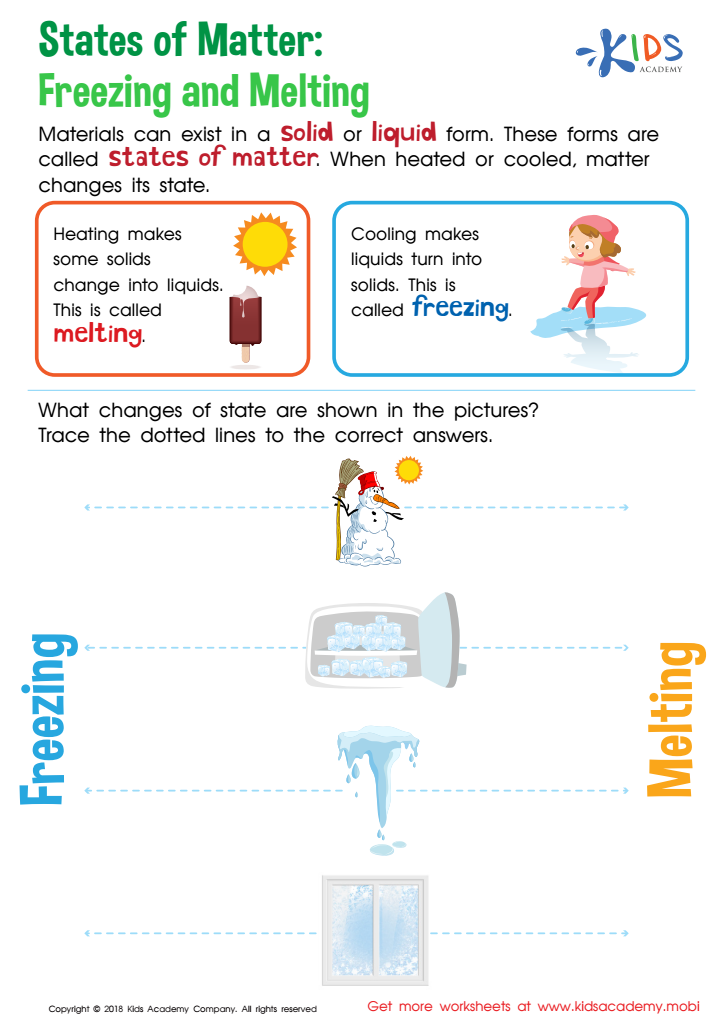
States of Matter: Freezing and Melting Worksheet








Enhancing observational skills in second graders is essential for their overall development and learning progression. These skills lay the foundation for critical thinking, problem-solving, and effective communication. When children learn to observe their environment carefully, they develop an acute sense of awareness and attention to detail, which are crucial for academic success and daily life interactions.
For parents and teachers, fostering observational skills means encouraging curiosity and exploration, helping children notice patterns, sequences, and interrelationships. Such practices not only aid in subjects like science, where observations form the crux of experiments and understanding natural phenomena, but also enhance literacy as children begin to recognize and predict story developments and identify deeper layers of texts.
Moreover, in social settings, improved observational skills help children understand non-verbal cues, enhancing empathy, cooperation, and interpersonal relationships. These skills encourage a growth mindset, where children learn to question, analyze, and reflect upon their surroundings, leading to more engaged and motivated learners.
Parents and teachers can nurture these abilities through activities such as nature walks, journaling, memory games, and discussions about daily observations. Such efforts create a robust foundation for lifelong learning and help children become keen, insightful, and thoughtful individuals, prepared to navigate the complexities of the world around them.