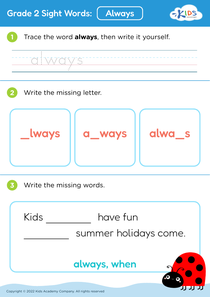
Hand-eye Coordination Grade 2 Worksheets - Page 2
34 filtered results
-
From - To
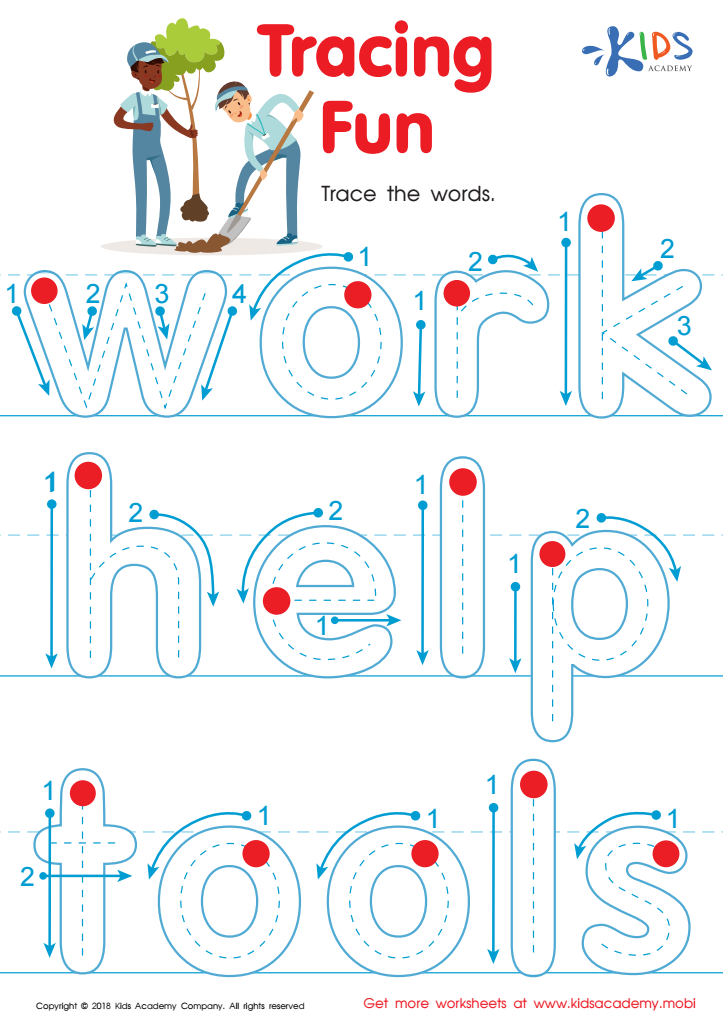
Tracing Fun Worksheet
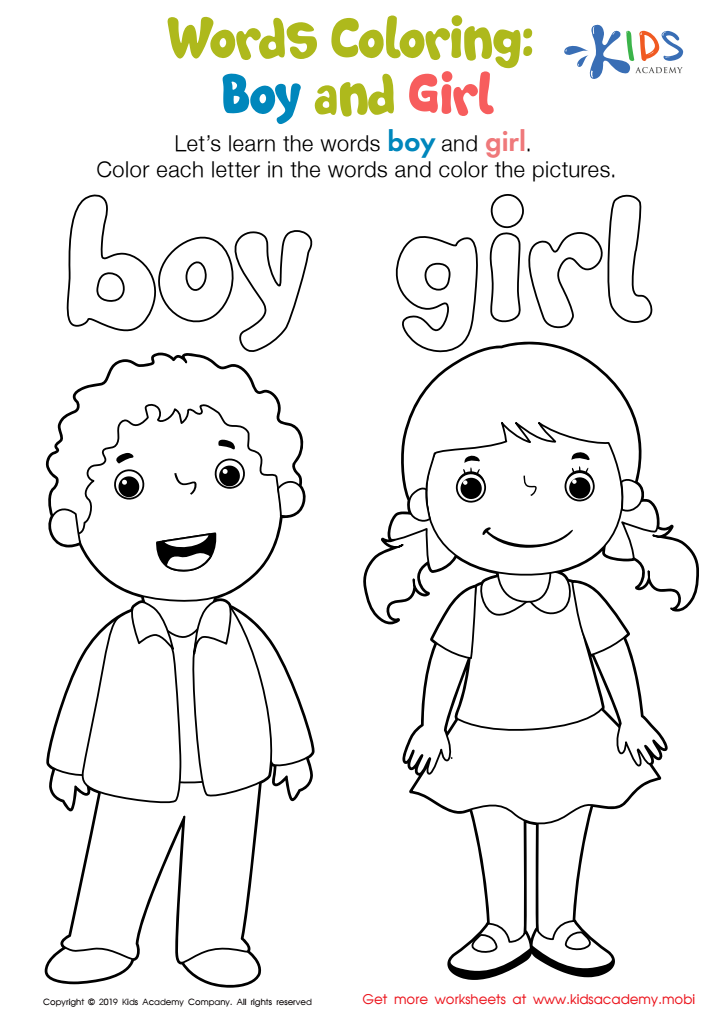
Boy and Girl Words Coloring Worksheet
 Assign to My Students
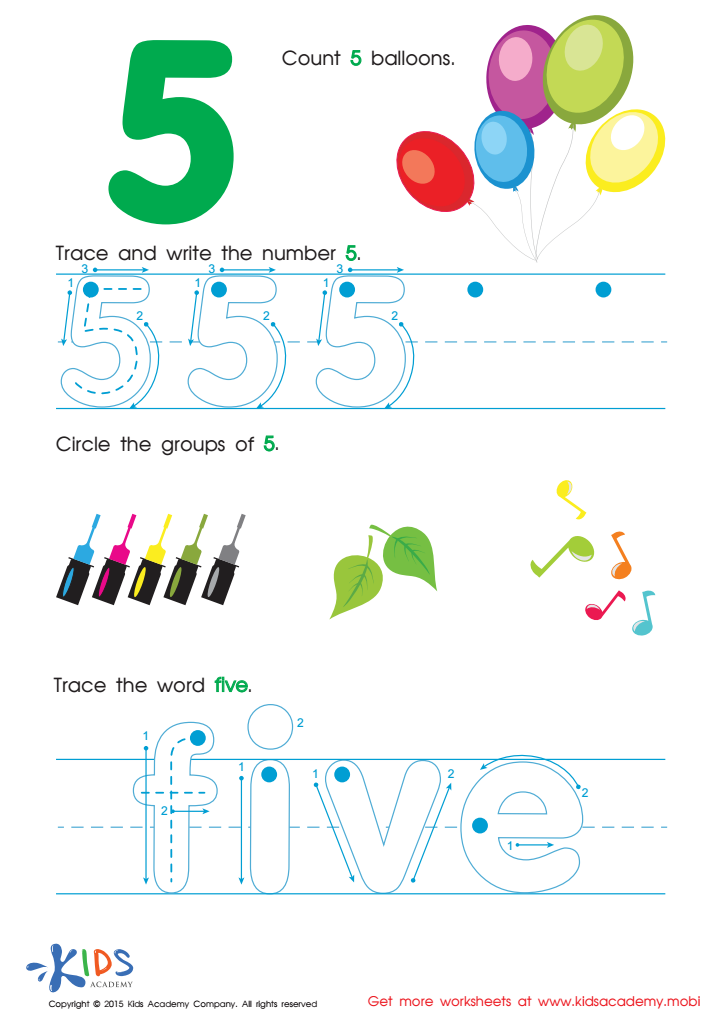
Practice Writing Number 5 Worksheet
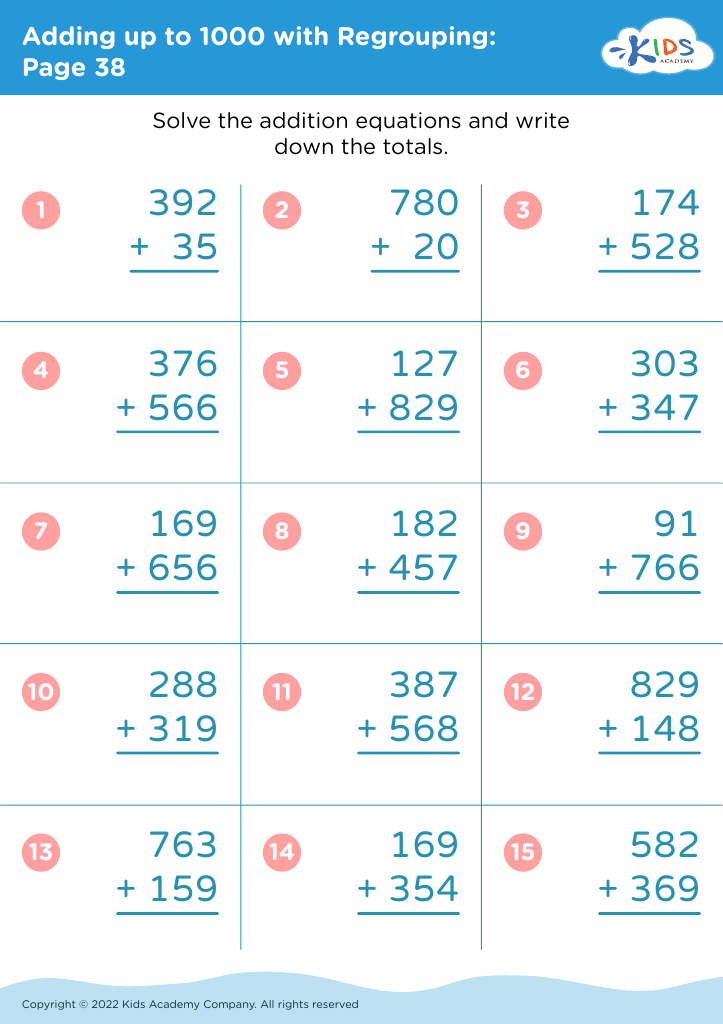
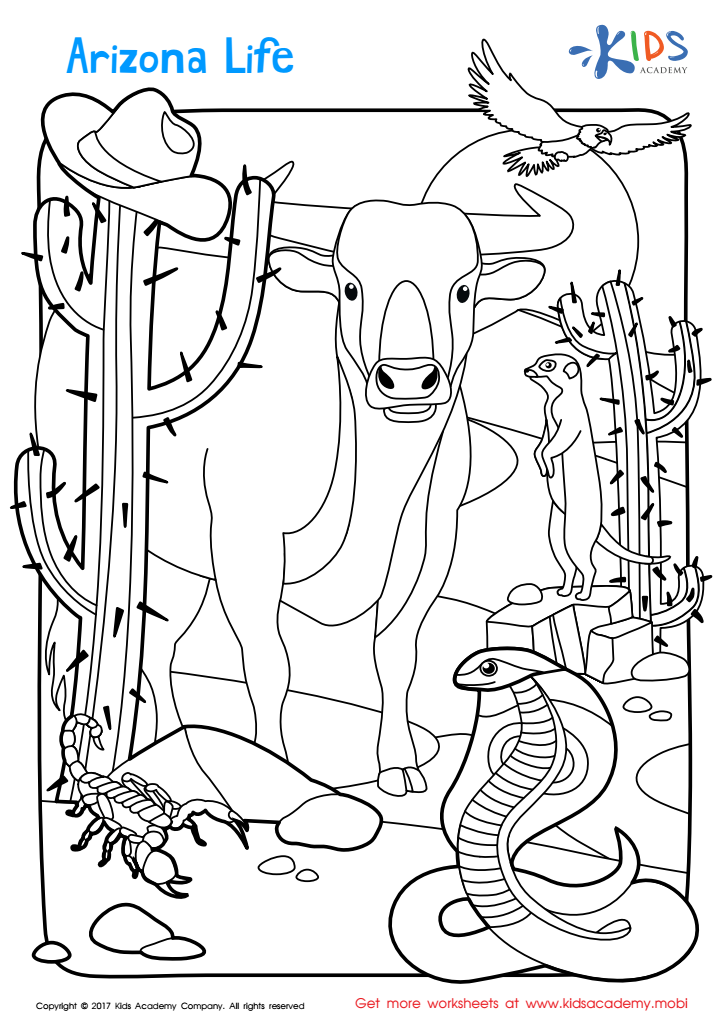
Arizona Coloring Page Worksheet
Assign to My Students
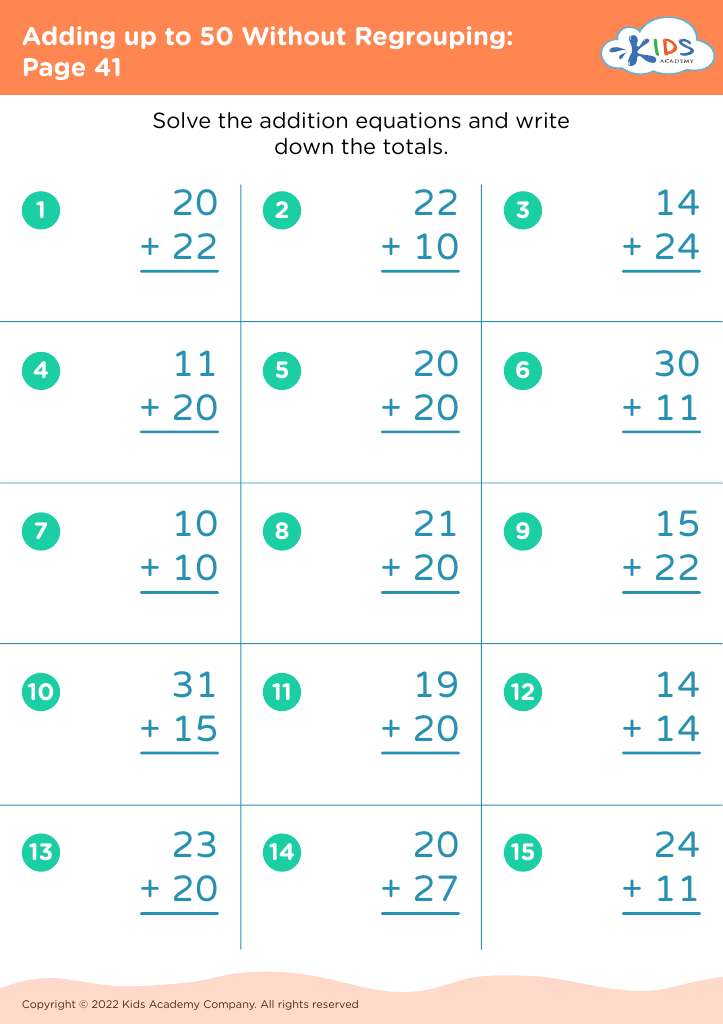
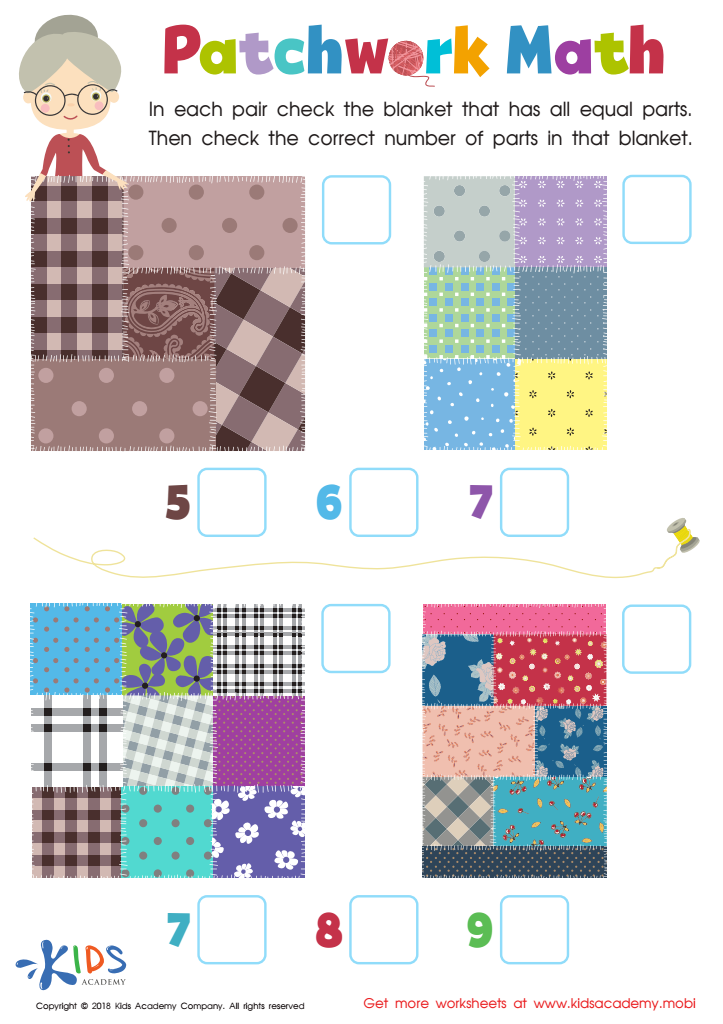
Patchwork Math Worksheet
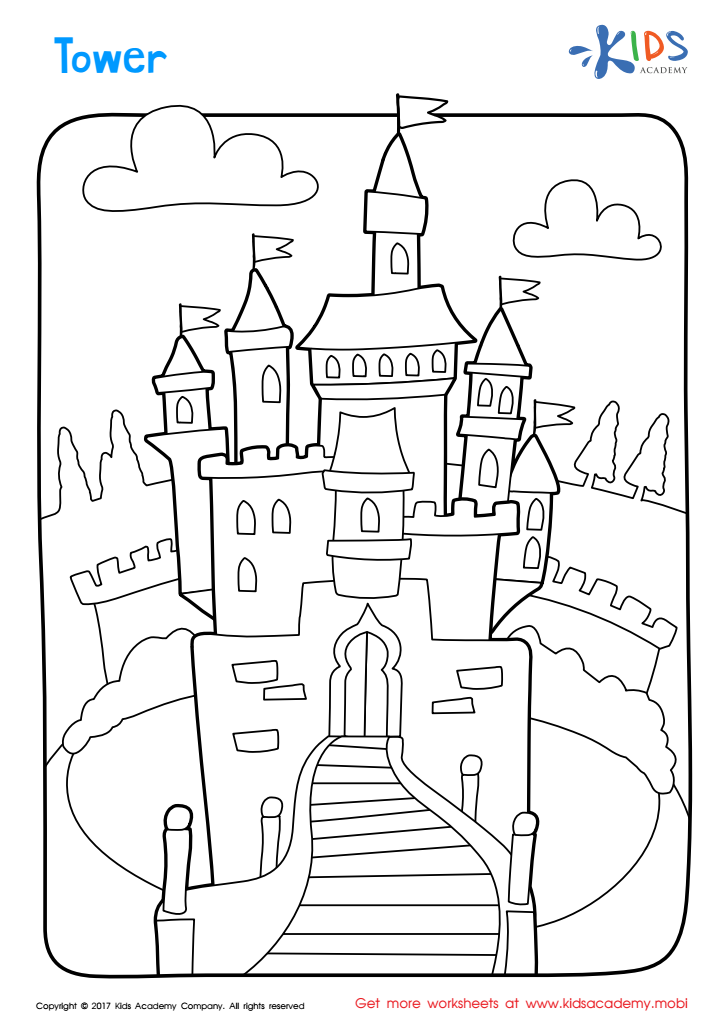
Tower Coloring Page
Assign to My Students
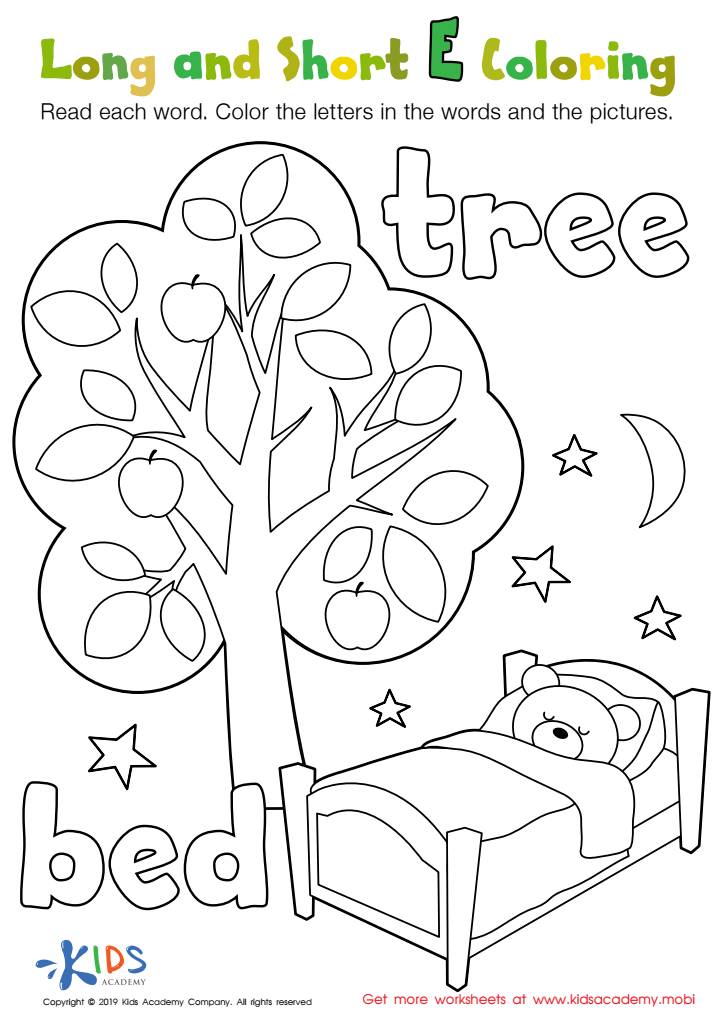
Long and Short E Worksheet
Assign to My Students

Letter D Tracing Page


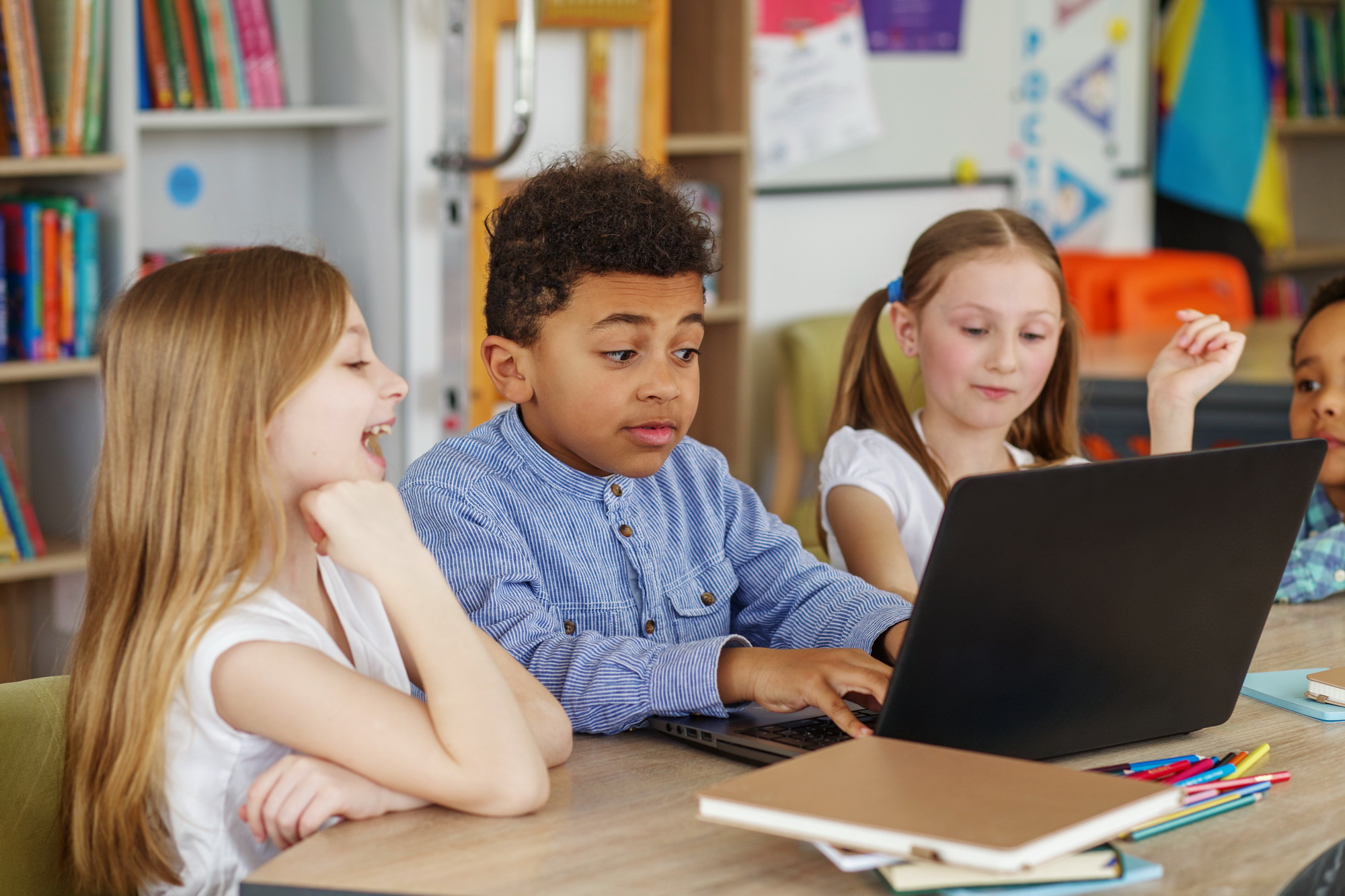


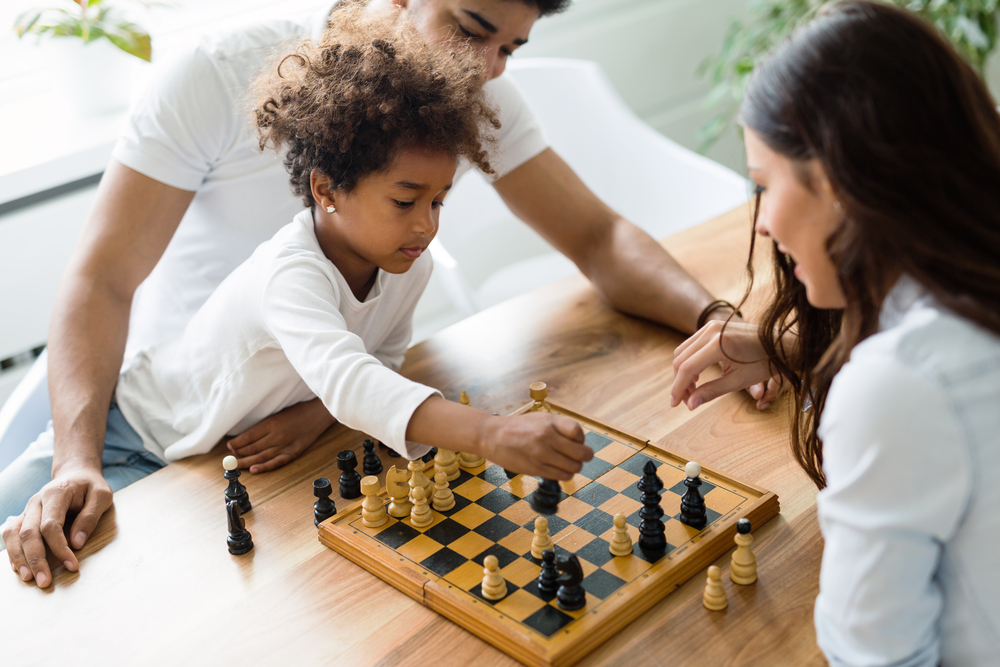

Hand-eye coordination is a crucial skill for second graders as it directly influences their ability to perform tasks that are essential for learning and daily life. This coordination skill is the synchronized control of eye movement with hand movement and processing visual input to guide hand actions, and it plays an important role in child development.
Parents and teachers should care about hand-eye coordination because it underpins many academic and extracurricular activities. For instance, children with strong hand-eye coordination tend to have better handwriting, which is essential for taking notes, completing assignments, and executing tests. Additionally, this skill impacts their ability to perform basic arithmetic, as organizing numbers and aligning rows and columns require precise visual-motor alignment.
Beyond academics, hand-eye coordination is foundational for physical activities and overall motor skills. Sports, playing musical instruments, arts and crafts, and even everyday tasks like buttoning a shirt or tying shoelaces are easier for children who have well-developed coordination. Encouraging activities that enhance hand-eye coordination, such as puzzles, ball games, and drawing, helps children build confidence, improve concentration, and support their overall cognitive development.
Therefore, fostering hand-eye coordination during Grade 2 sets children on a positive developmental path, enhancing both their academic success and everyday competence.