Learning about ecosystems Grade 2 Worksheets
3 filtered results
-
From - To
Explore our engaging Grade 2 worksheets focused on learning about ecosystems! Perfect for young learners, these resources promote an understanding of the different environments that support various plant and animal life. Designed to align with educational standards, these worksheets encourage critical thinking through interactive activities, such as matching, fill-in-the-blanks, and diagram labeling. Students will dive into the fascinating relationships between organisms and their habitats, enhancing their grasp of ecology in a fun and enjoyable way. Ideal for classroom or at-home learning, our ecosystem worksheets make exploring nature exciting and accessible for second graders. Start the adventure in learning today!
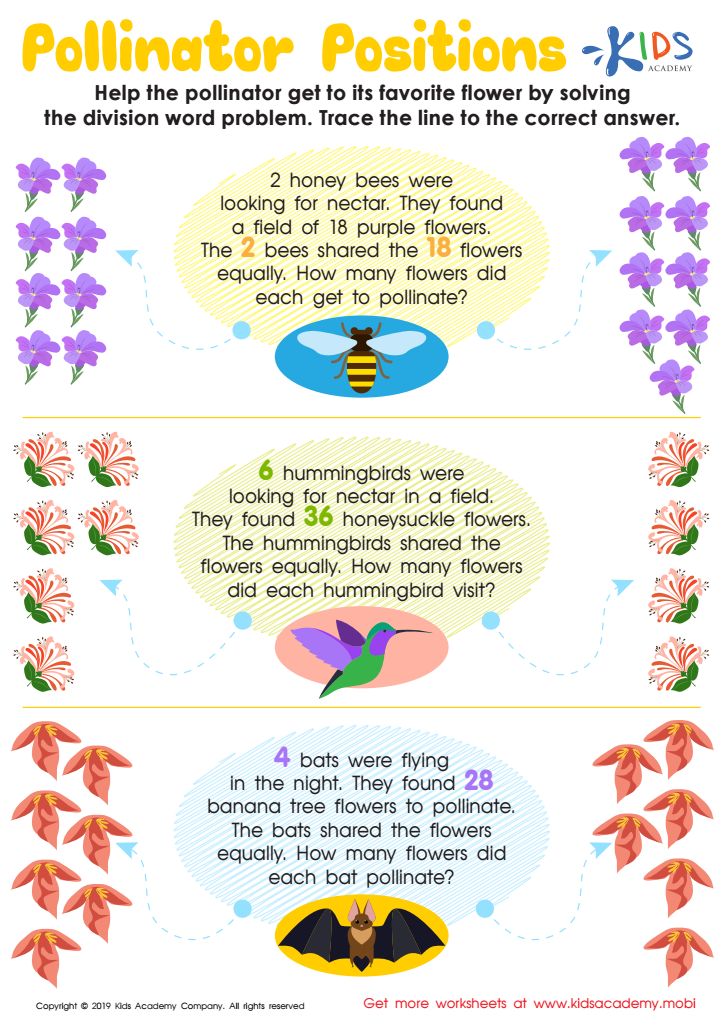
Pollinator Positions Worksheet
 Assign to My Students
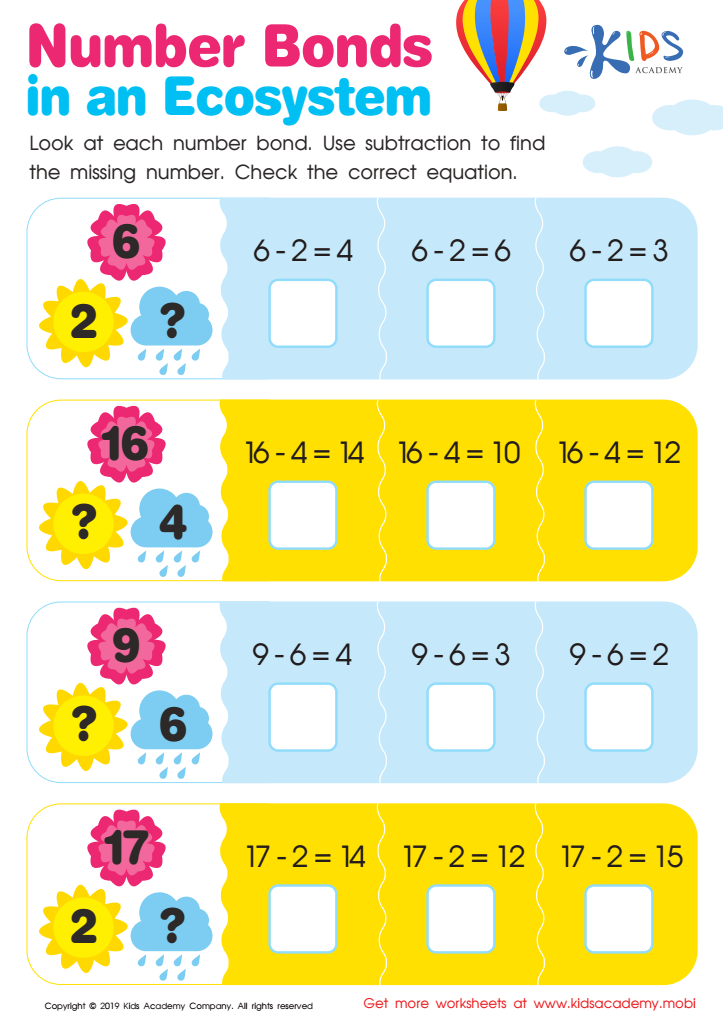
Number Bonds in an Ecosystem Worksheet
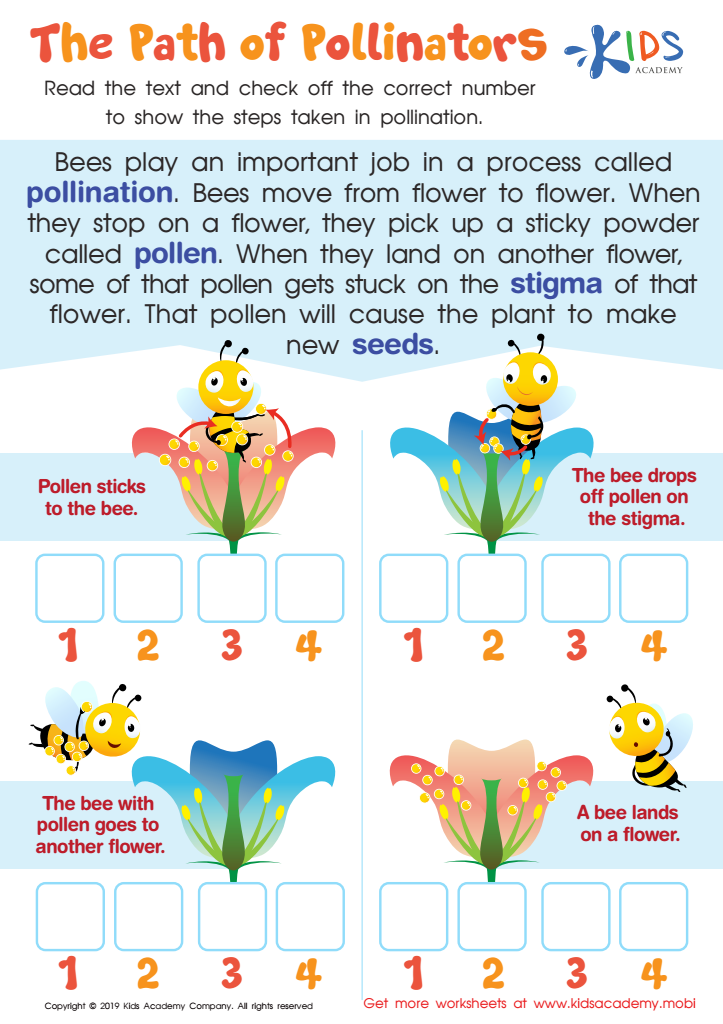
The Path of Pollinators Worksheet








Learning about ecosystems is essential for second graders as it instills a sense of curiosity and responsibility toward the natural world. At this age, children are naturally inquisitive, and introducing them to ecosystems encourages exploration and discovery. Understanding how different organisms interact with their environment helps build foundational scientific principles and critical thinking skills.
Moreover, ecosystems include everything from plants and animals to weather and landscapes, teaching children about biodiversity and the interdependence of life. This knowledge not only fosters appreciation for the environment but also highlights the importance of conservation efforts as they learn that human actions can positively or negatively impact ecosystems.
In addition, discussing ecosystems can enhance problem-solving skills. When children explore how ecosystems work, they begin to understand concepts like collaboration and community, which are vital in both nature and society.
By integrating ecosystem learning into the curriculum, parents and teachers can help students become environmentally conscious citizens. This crucial understanding prepares them to tackle future challenges such as climate change, pollution, and habitat destruction, ultimately fostering a generation that values and protects the planet.