Recognizing shapes Grade 2 Worksheets
34 filtered results
-
From - To
Explore our engaging "Recognizing Shapes Grade 2 Worksheets," designed to enhance your child's understanding of shapes in a fun and interactive way. These worksheets feature various exercises that help students identify, categorize, and compare both 2D and 3D shapes. With vibrant illustrations and challenging activities, students will learn to recognize shapes in everyday objects, improving their spatial awareness and critical thinking. Perfect for classrooms or at-home practice, these worksheets aim to build foundational geometry skills while fostering creativity. Download our worksheets today and watch your second grader develop confidence in recognizing shapes!
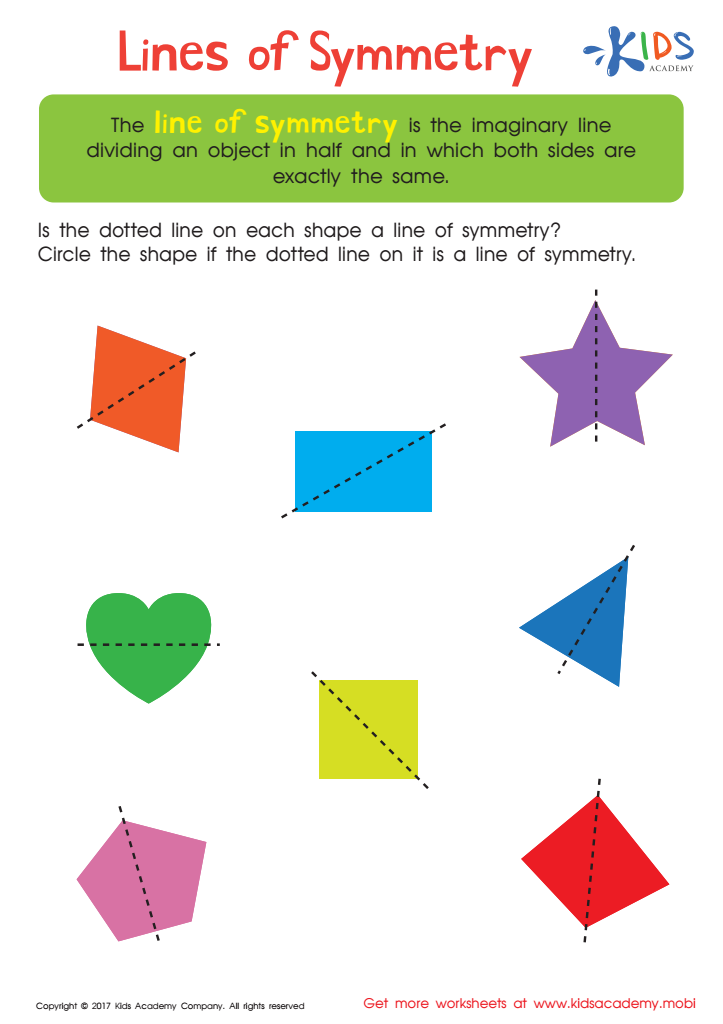
Lines of Symmetry Printable
 Assign to My Students
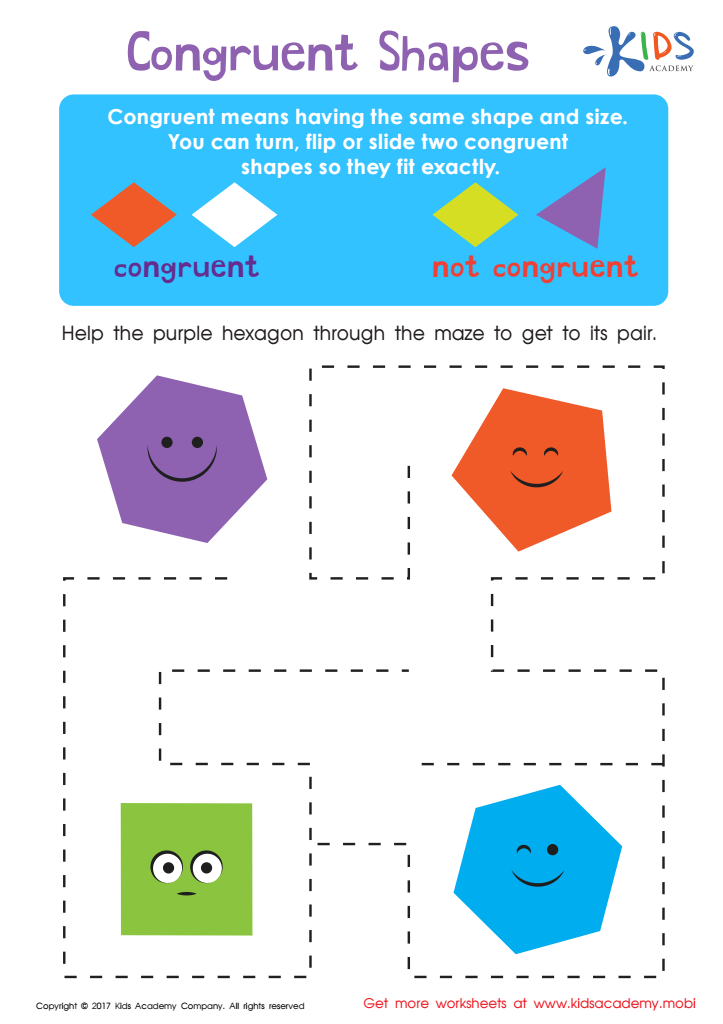
Congruent Shapes Worksheet
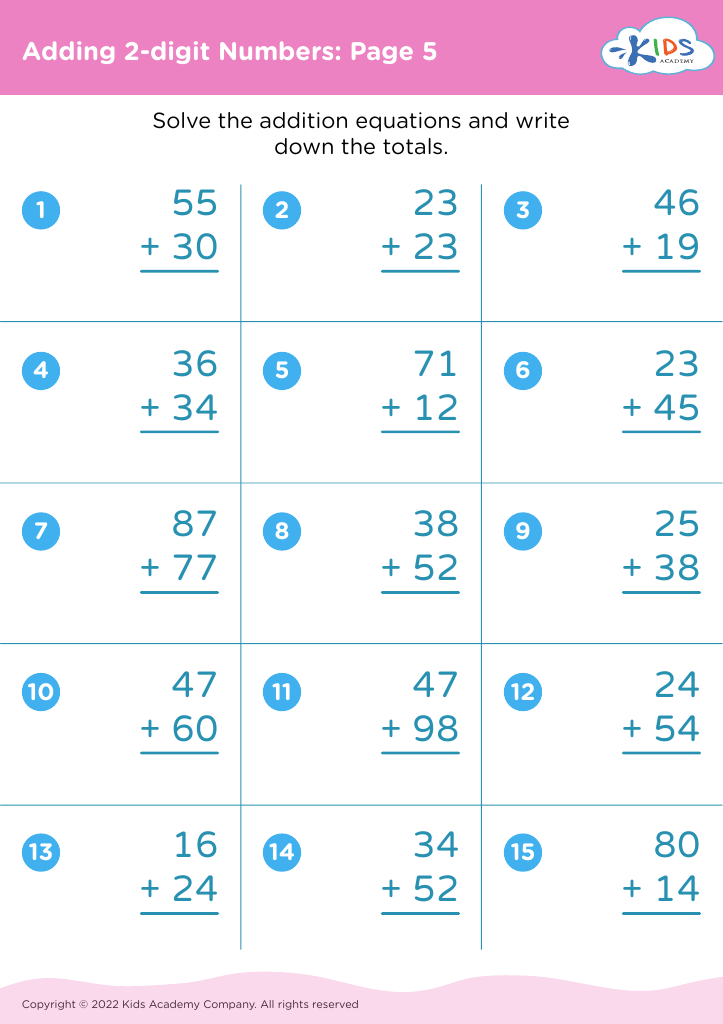
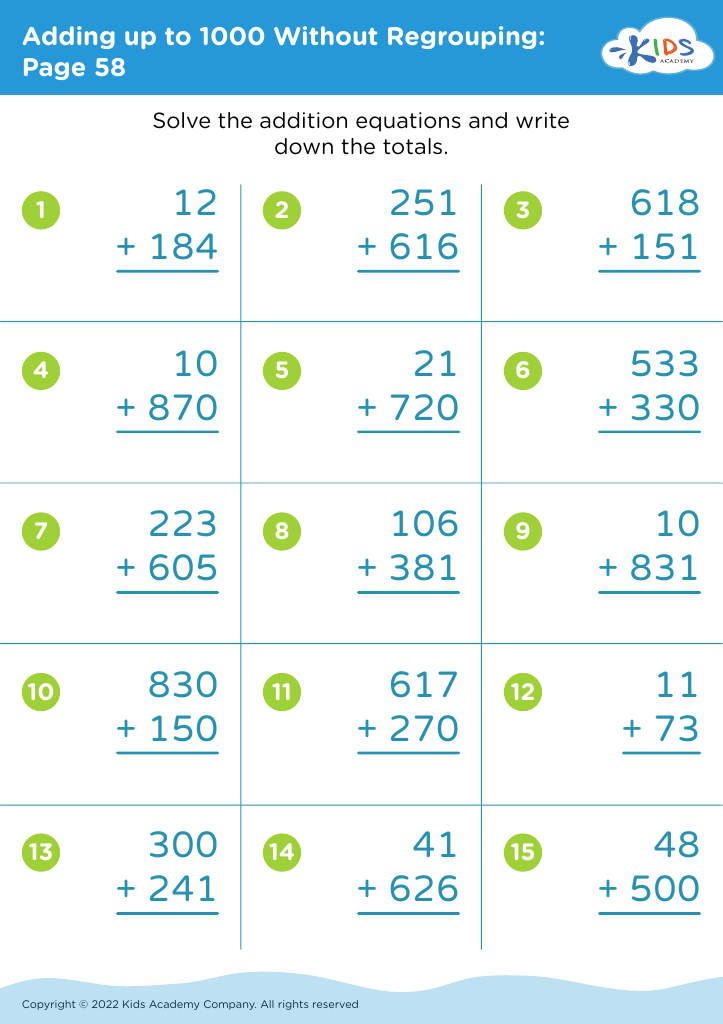
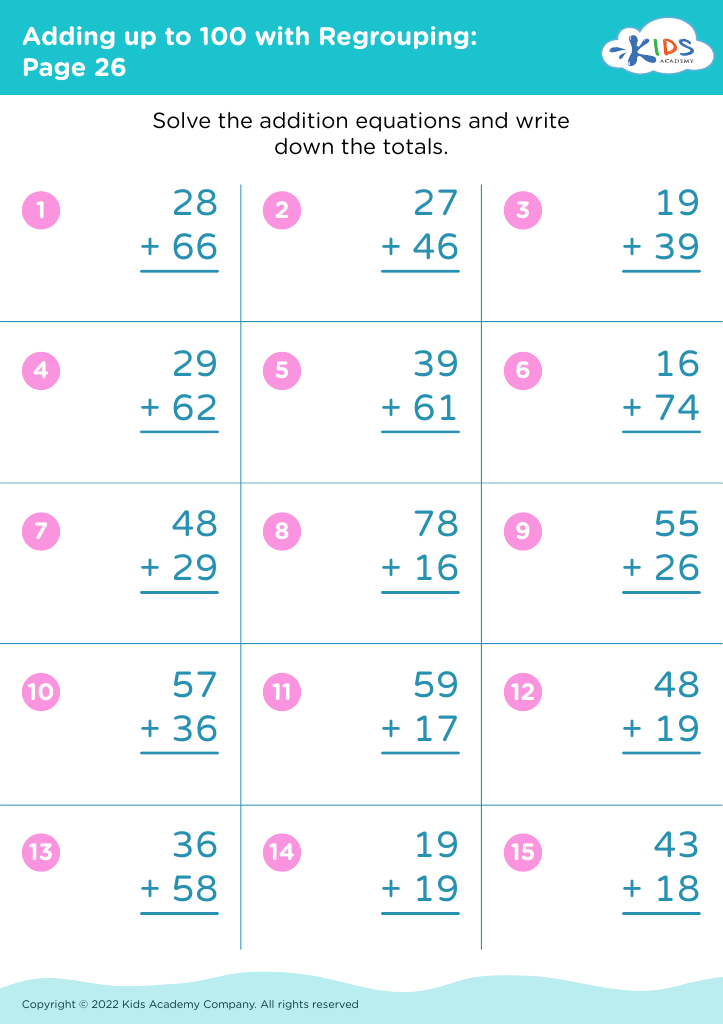
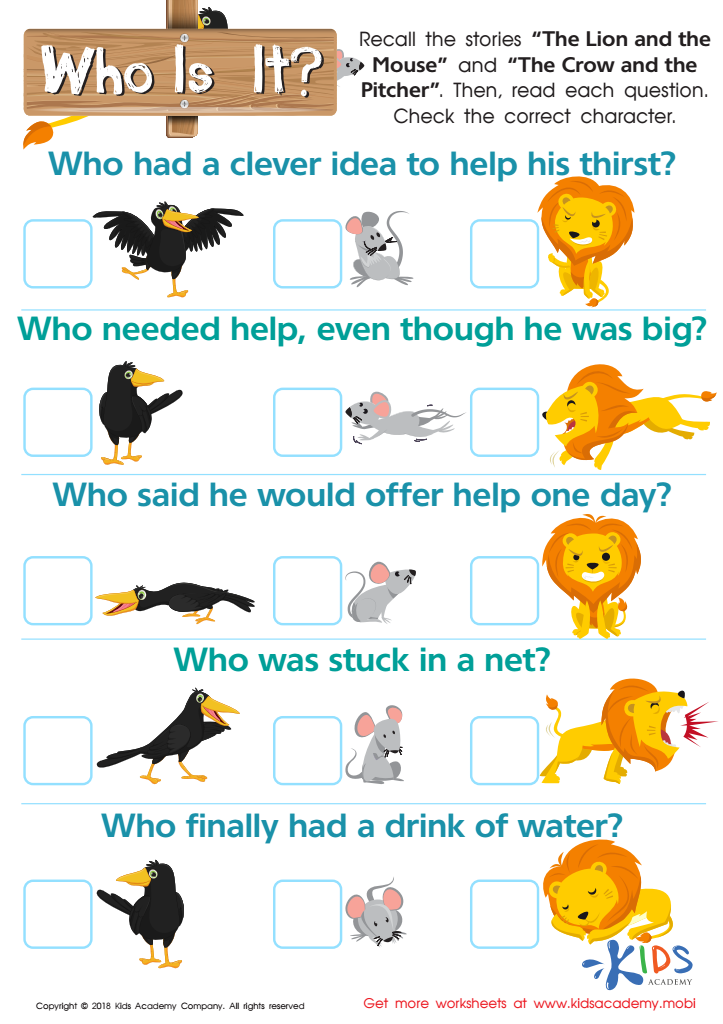
Who Is It? Worksheet
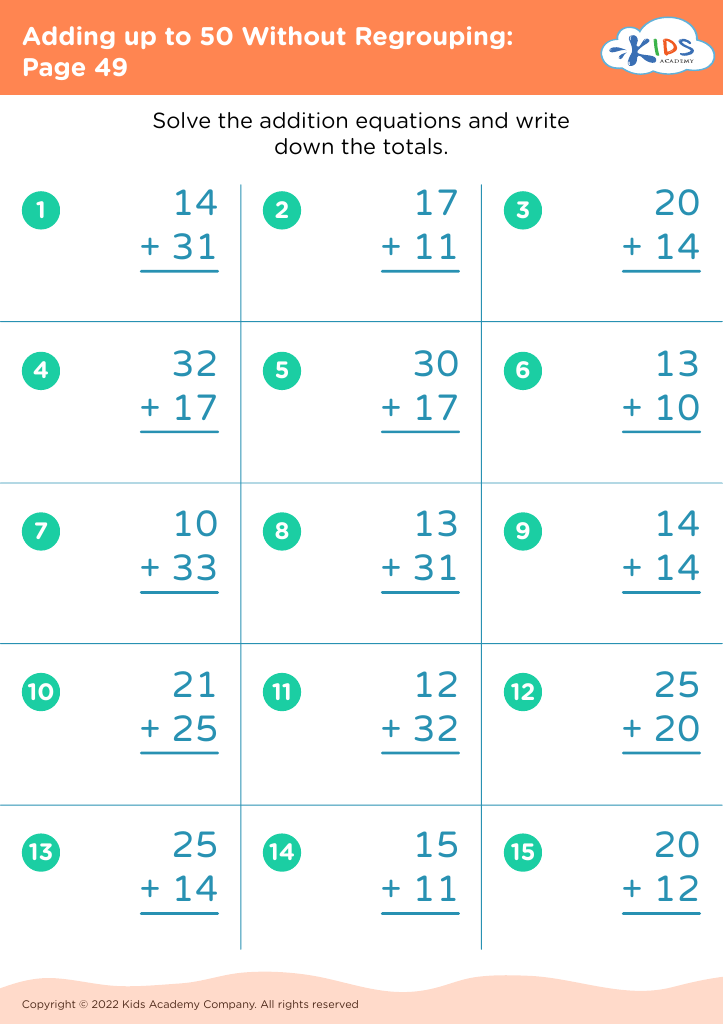
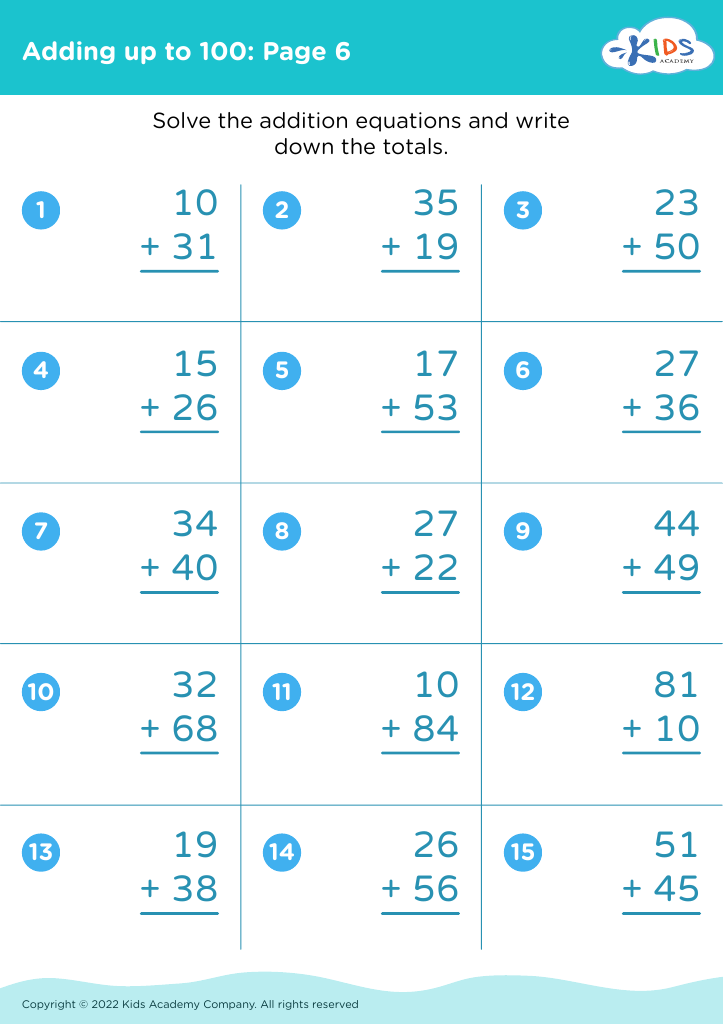
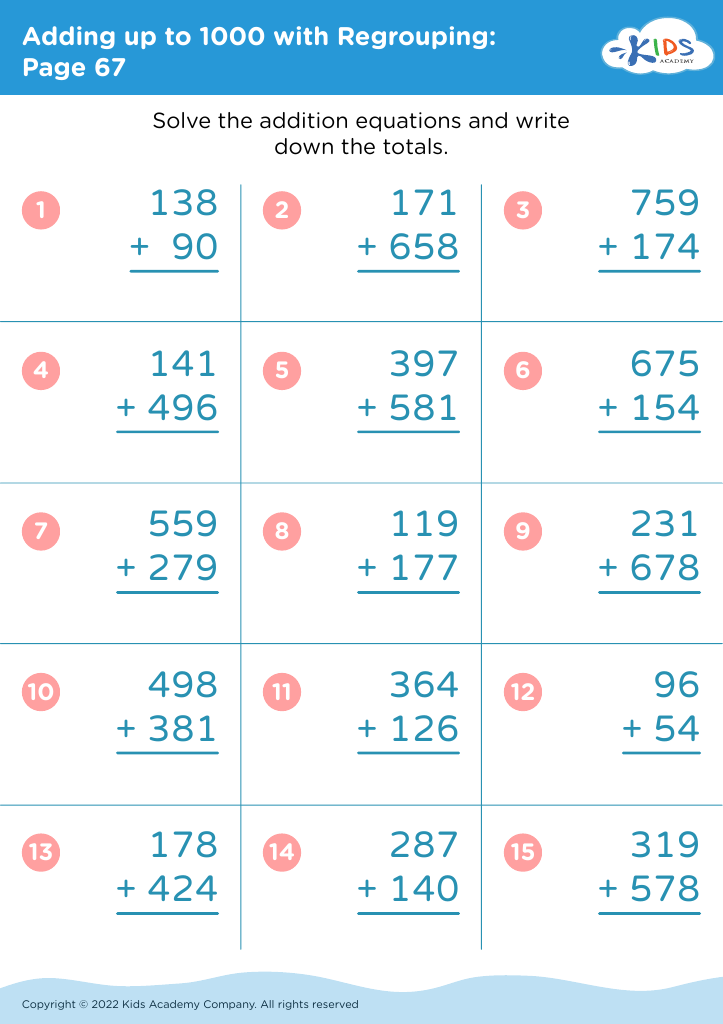







Recognizing shapes is a fundamental skill in Grade 2 that supports children's cognitive and mathematical development. Understanding shapes enables students to identify and categorize objects in their environment, fostering observational skills that are vital for daily life. It lays the groundwork for more complex concepts, such as area, perimeter, and spatial reasoning, which are encountered in later grades.
For parents and teachers, encouraging shape recognition cultivates critical thinking skills and enhances problem-solving abilities. Engaging students in discussions about different shapes and their properties can stimulate curiosity and creativity. As they explore shapes, children also develop language skills by learning to express their thoughts and observations.
In addition, recognizing shapes aids in understanding patterns and symmetry, concepts that further support their mathematical foundation. Through hands-on activities and practical applications, students gain real-life experiences managing shapes, which promotes engagement and retention.
Ultimately, prioritizing shape recognition in Grade 2 contributes not only to academic growth but also to a well-rounded education. It empowers children with essential skills that they will utilize in various disciplines, enhancing their overall learning experience and preparing them for future challenges in academics and beyond.