Discover a fun and engaging way to teach your second graders about simplifying fractions with our comprehensive worksheets! Designed specifically for young learners, these worksheets provide clear explanations and plenty of practice problems to help reinforce essential skills. Students will learn to identify equivalent fractions and simplify them through step-by-step exercises that promote critical thinking. Each worksheet is visually appealing and age-appropriate, making learning enjoyable. Whether used in the classroom or at home, these resources are perfect for enhancing your child's math knowledge and confidence. Start simplifying fractions today and watch your students thrive in their understanding of this essential math concept!
Check out this FREE Grade 2 "Simplifying Fractions" Trial Lesson!

One-Syllable Long and Short Vowel Words

Favorites
With answer key
Interactive
  • Grade 2
  • Simplifying Fractions
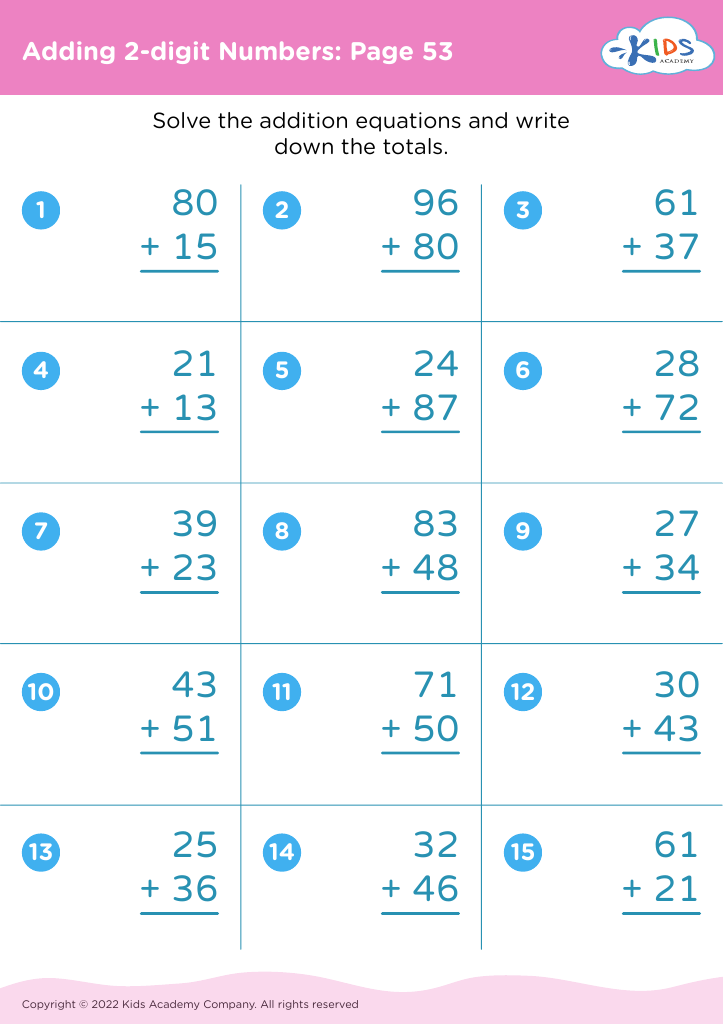
Adding 2-digit Numbers: Page 53

Adding 2-digit Numbers: Page 53

Adding 2-digit Numbers: Page 53
Worksheet
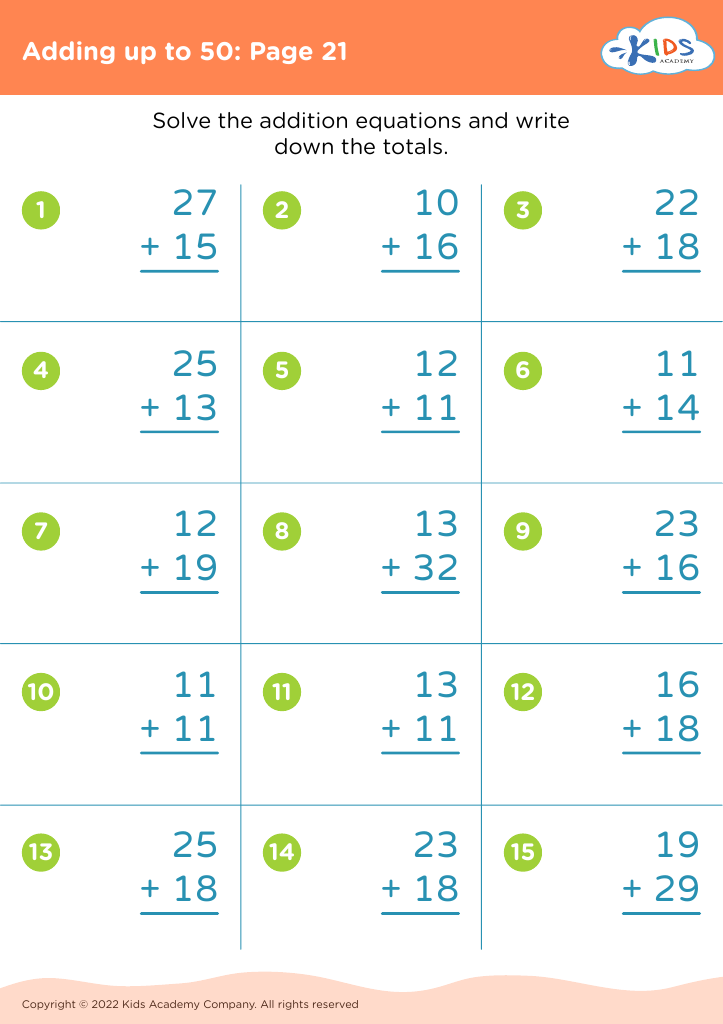
Adding up to 50: Page 21

Adding up to 50: Page 21

Adding up to 50: Page 21
Worksheet
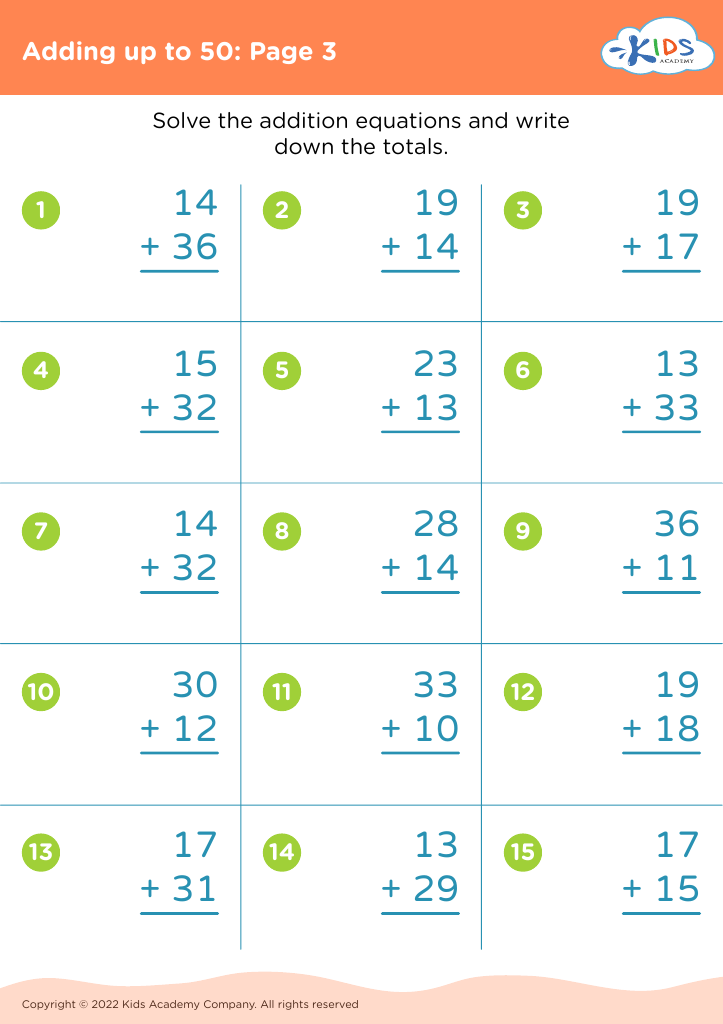
Adding up to 50: Page 3

Adding up to 50: Page 3

Adding up to 50: Page 3
Worksheet
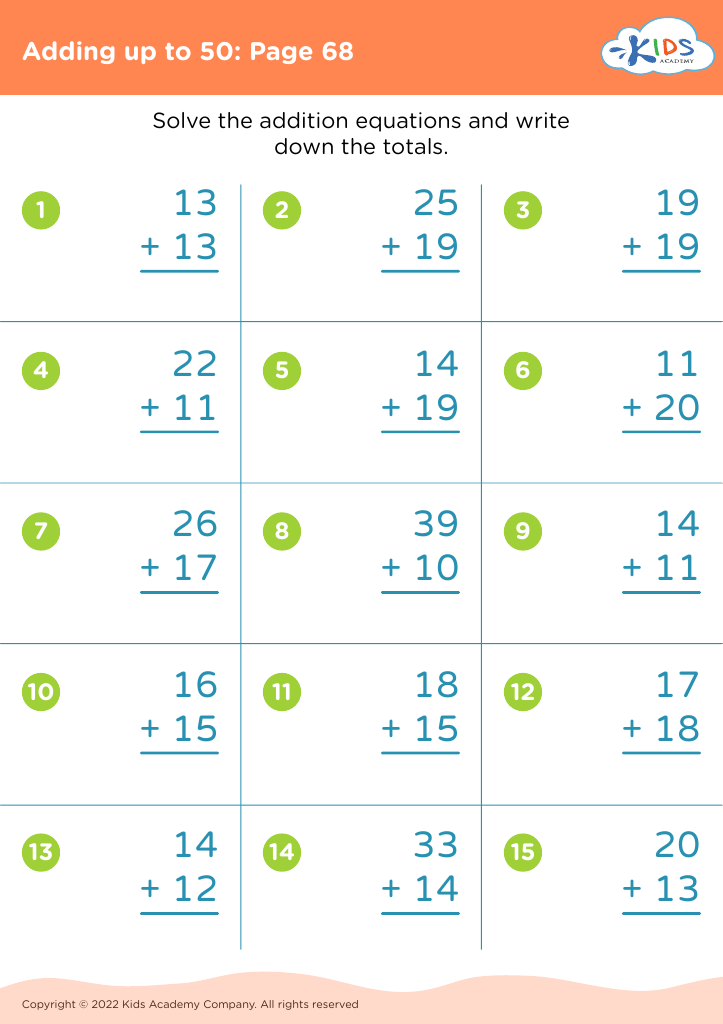
Adding up to 50: Page 68

Adding up to 50: Page 68

Adding up to 50: Page 68
Worksheet
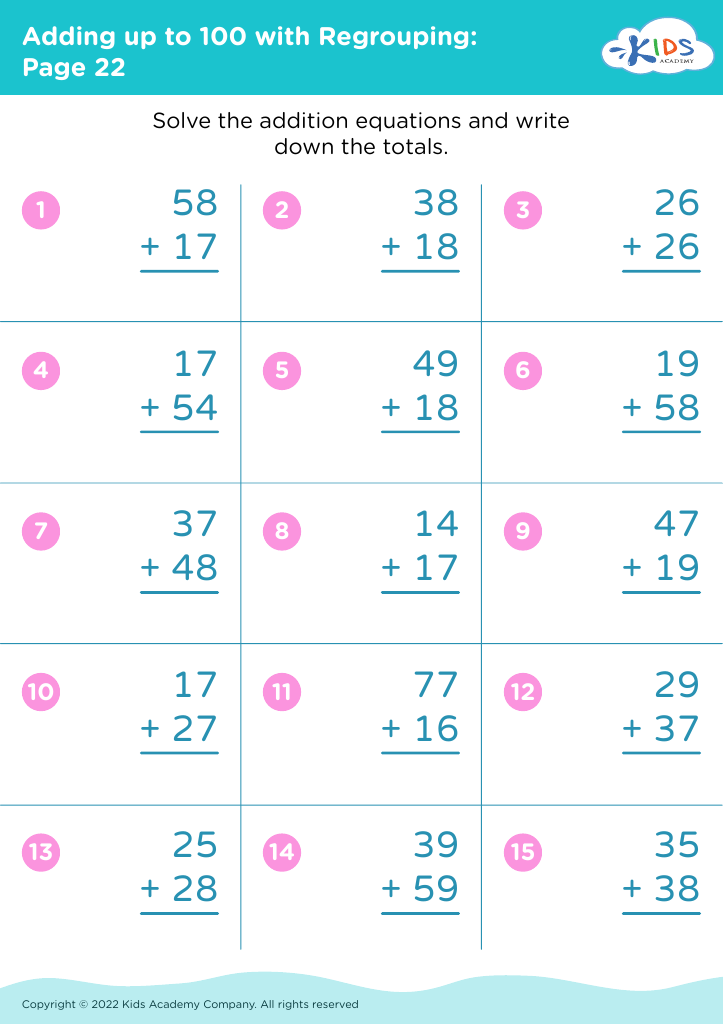
Adding up to 100 with Regrouping: Page 22
Worksheet
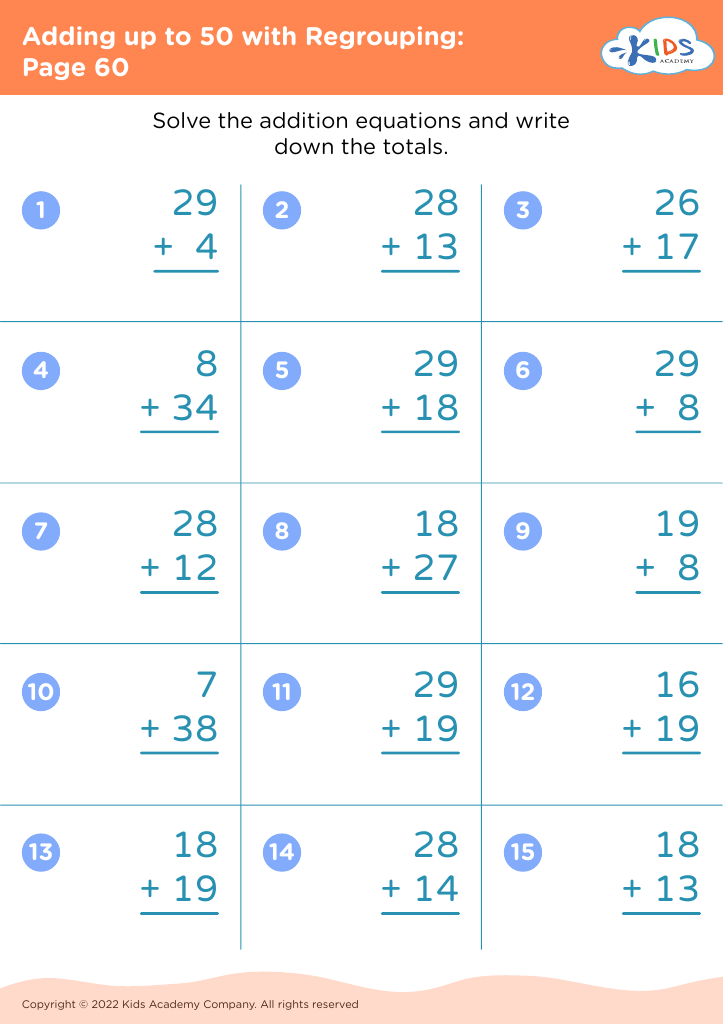
Adding up to 50 with Regrouping: Page 60
Worksheet
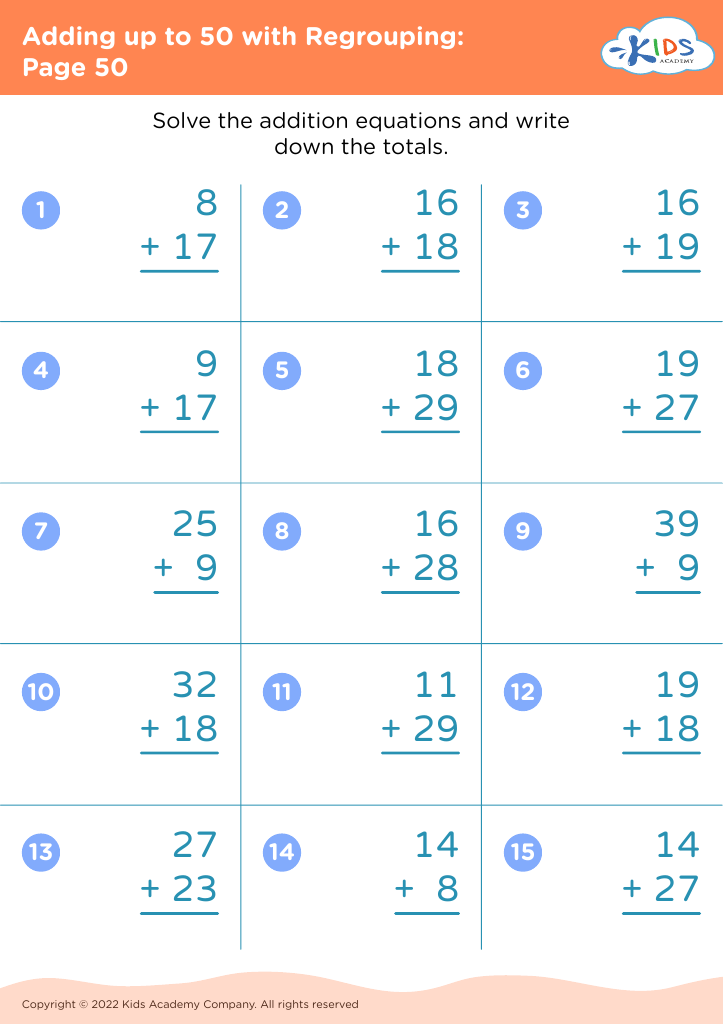
Adding up to 50 with Regrouping: Page 50
Worksheet
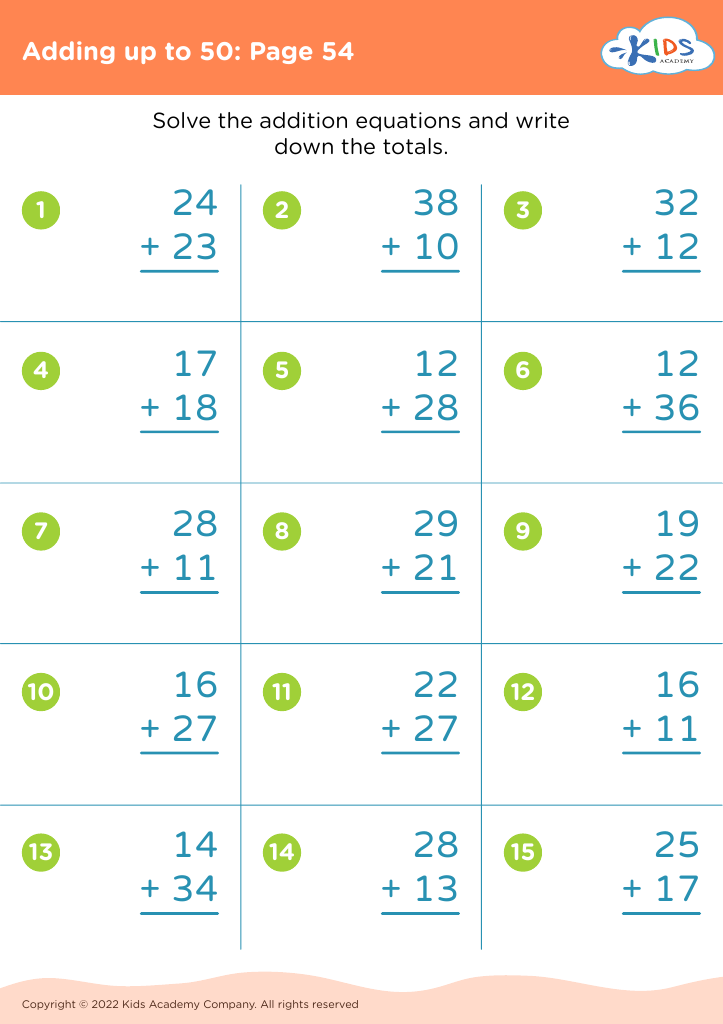
Adding up to 50: Page 54

Adding up to 50: Page 54

Adding up to 50: Page 54
Worksheet
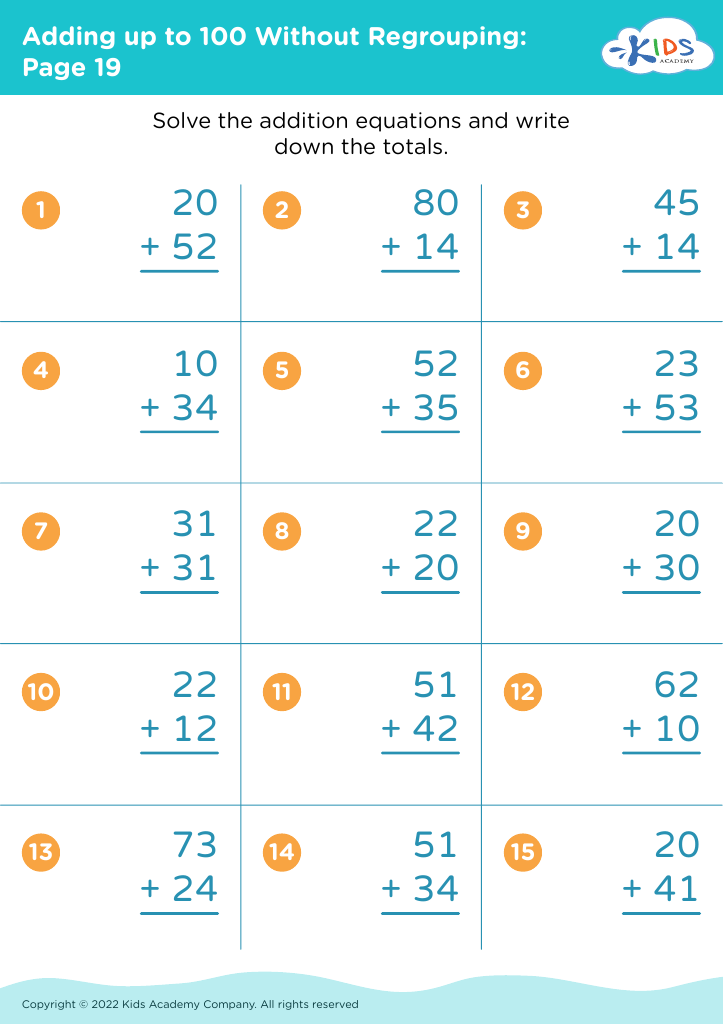
Adding up to 100 Without Regrouping: Page 19
Worksheet
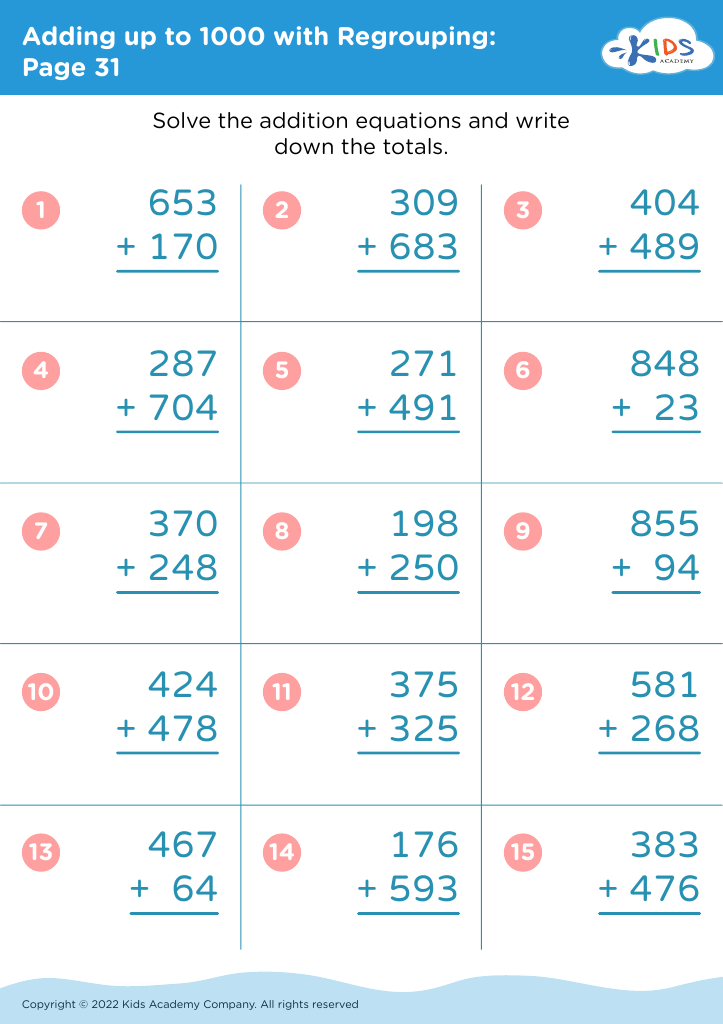
Adding up to 1000 with Regrouping: Page 31
Worksheet
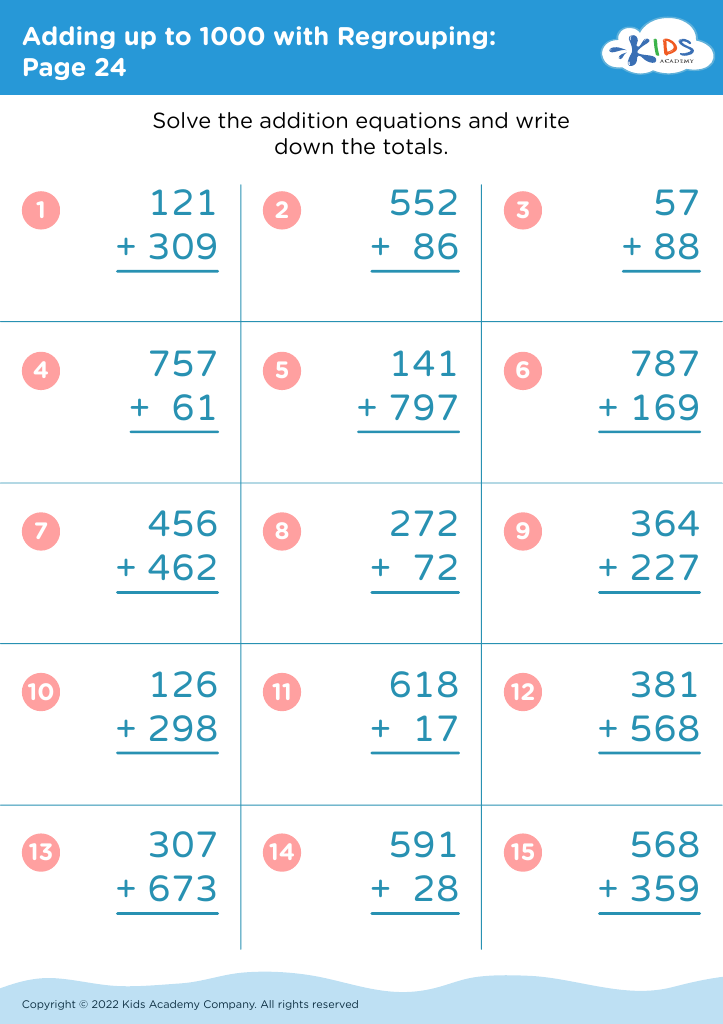
Adding up to 1000 with Regrouping: Page 24
Worksheet
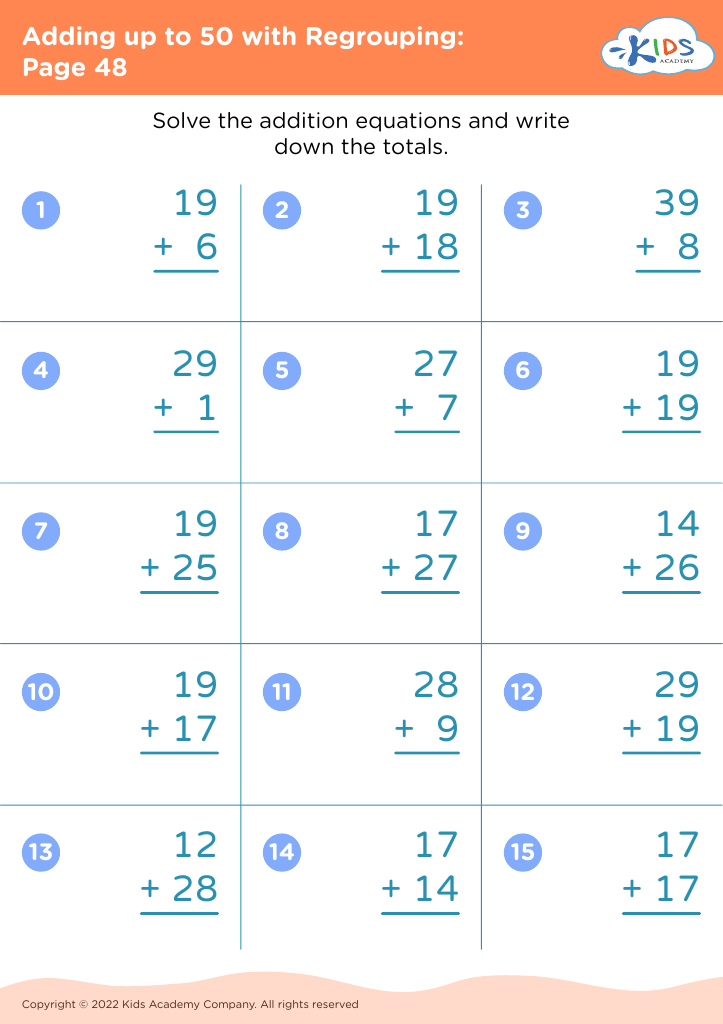
Adding up to 50 with Regrouping: Page 48
Worksheet
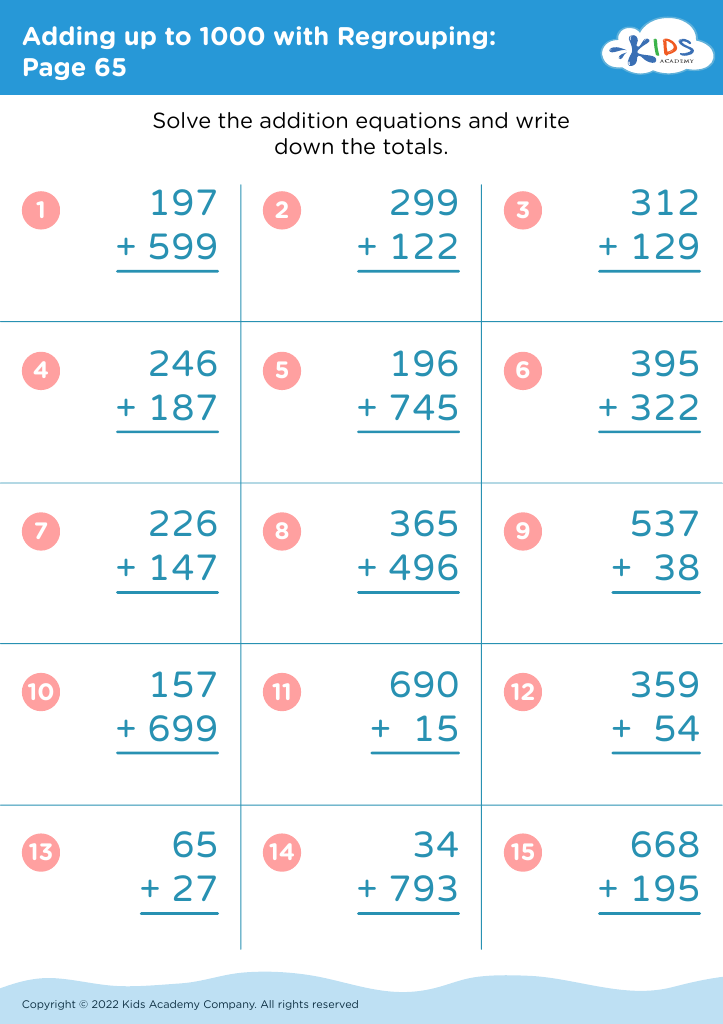
Adding up to 1000 with Regrouping: Page 65
Worksheet
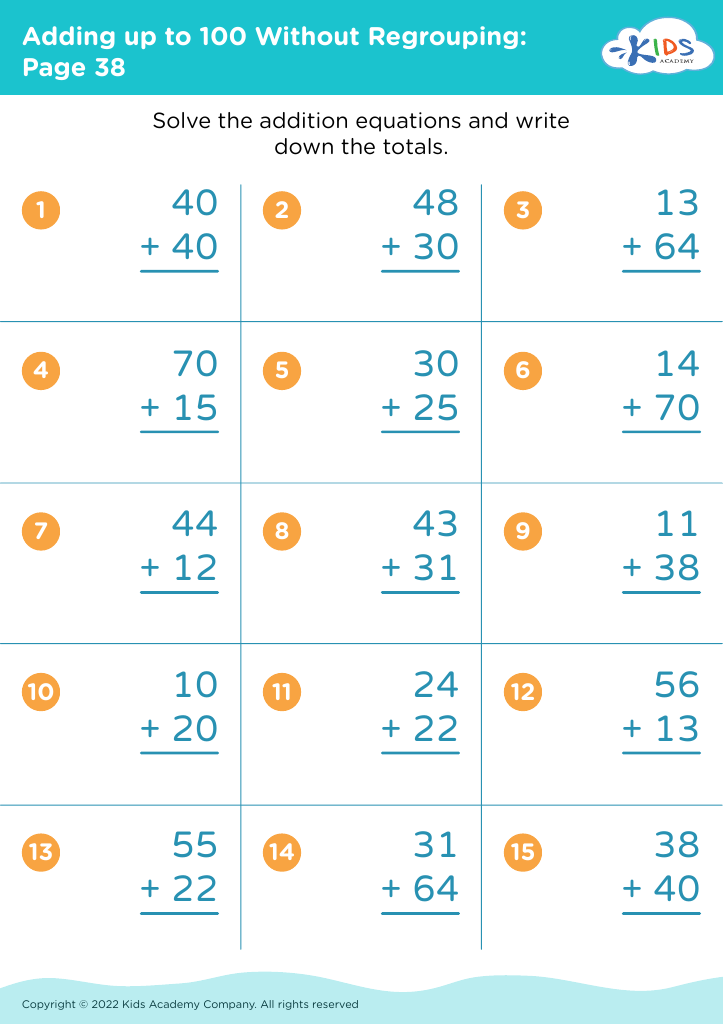
Adding up to 100 Without Regrouping: Page 38
Worksheet
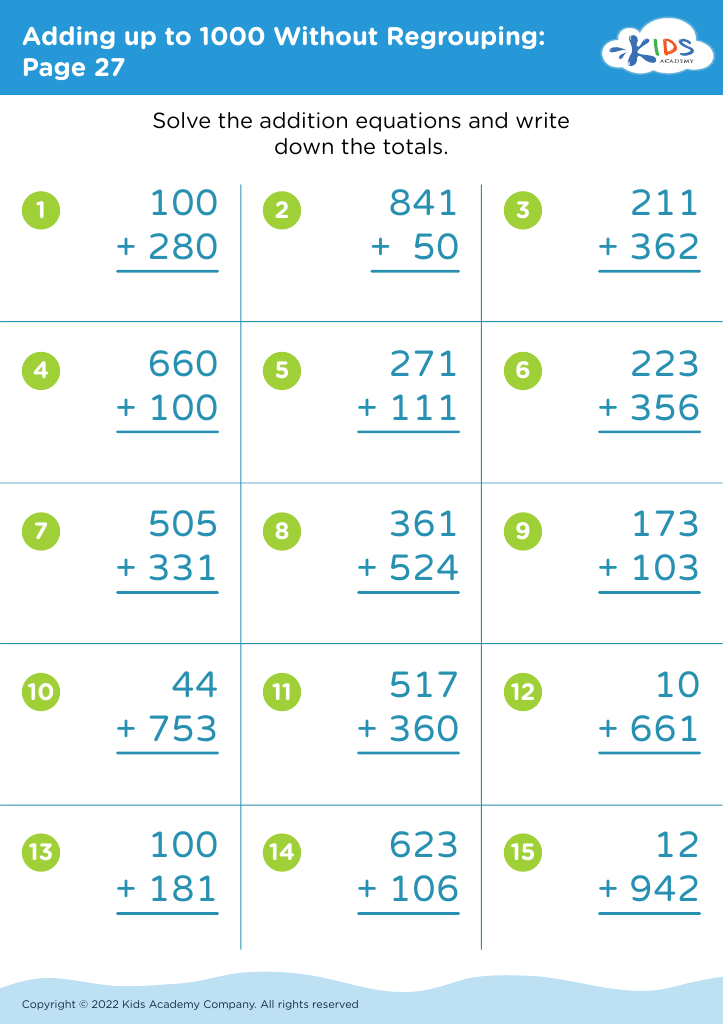
Adding up to 1000 Without Regrouping: Page 27
Worksheet
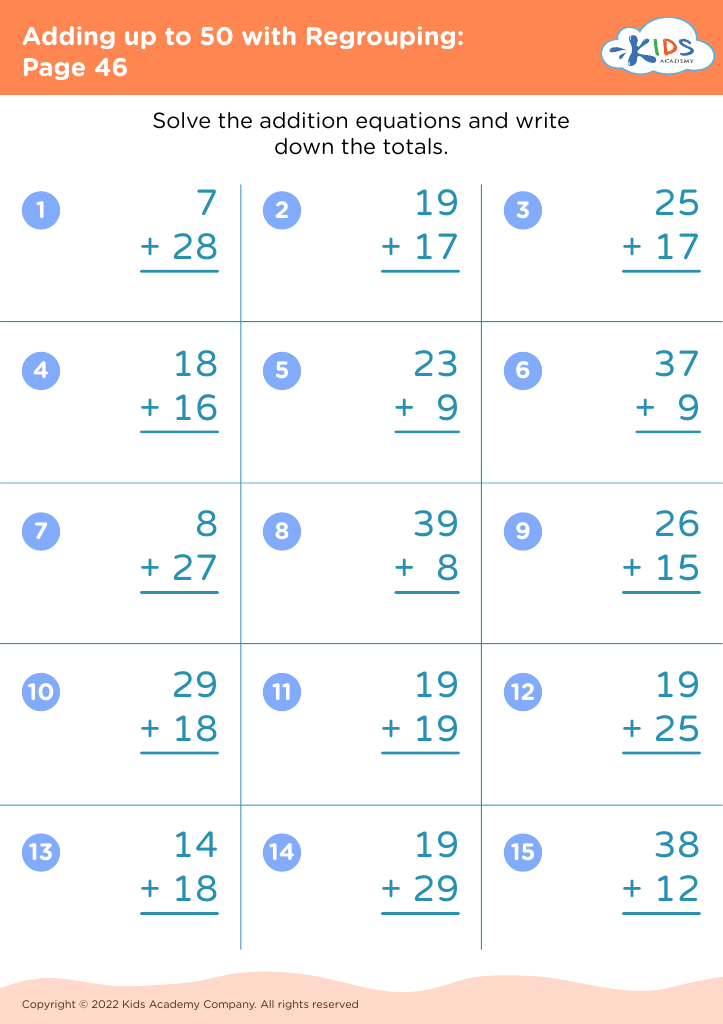
Adding up to 50 with Regrouping: Page 46
Worksheet
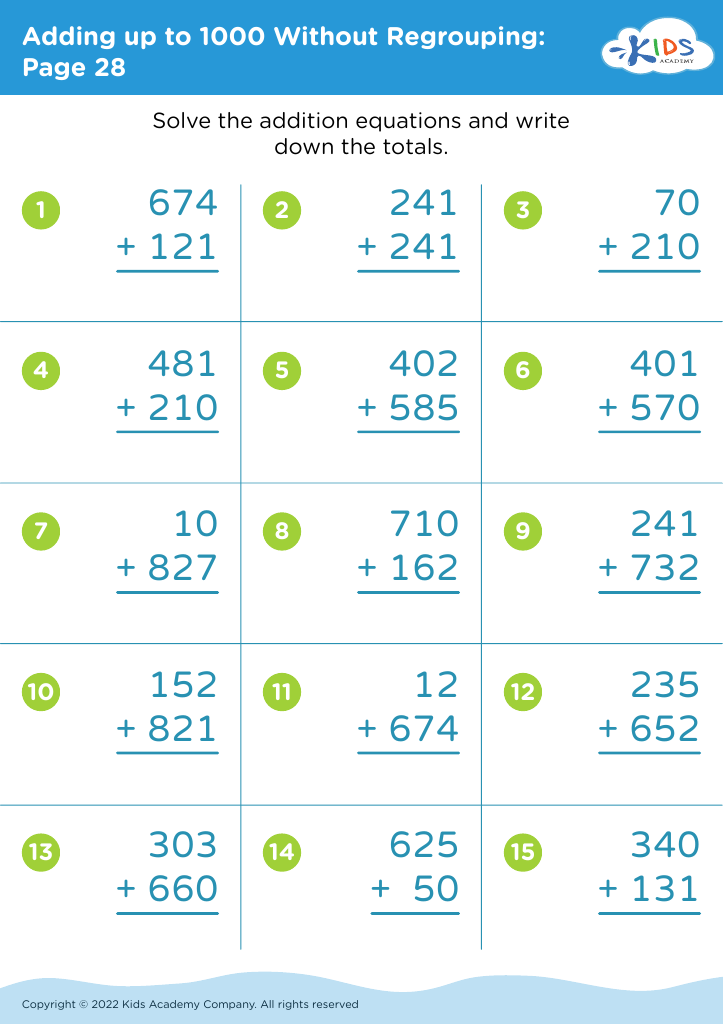
Adding up to 1000 Without Regrouping: Page 28
Worksheet
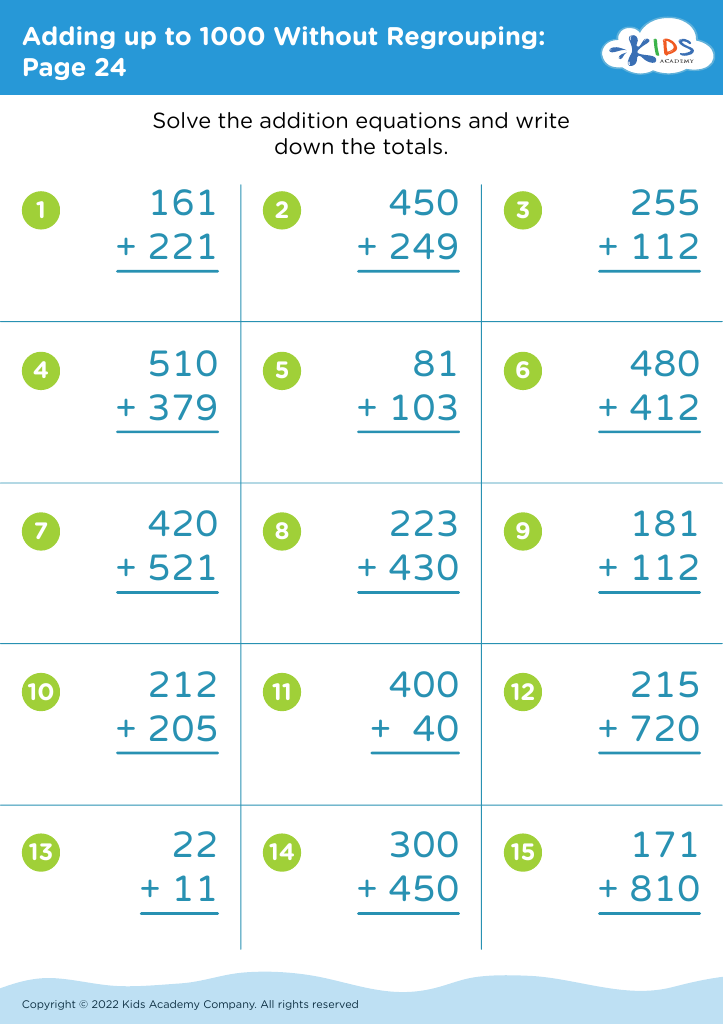
Adding up to 1000 Without Regrouping: Page 24
Worksheet
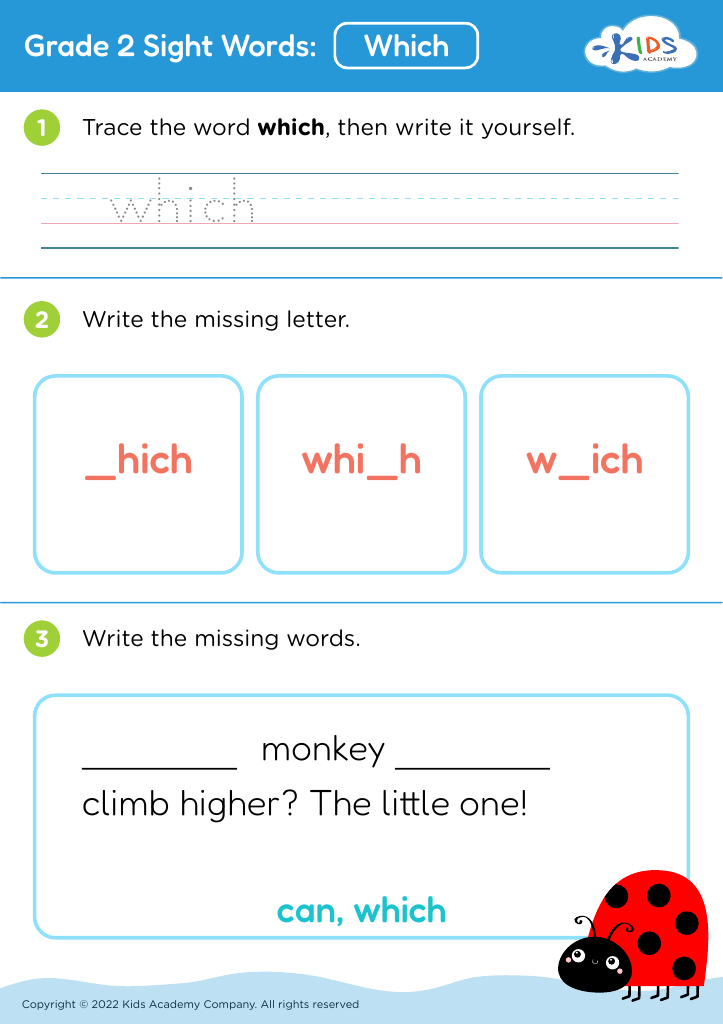
Grade 2 Sight Words: Which

Grade 2 Sight Words: Which

Grade 2 Sight Words: Which
Worksheet
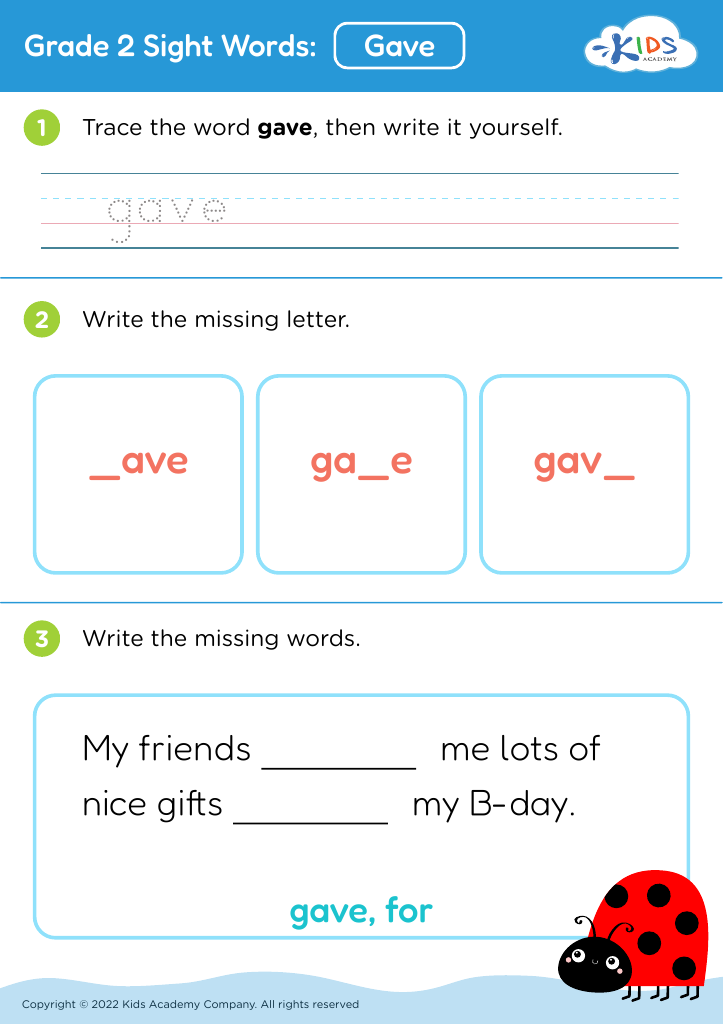
Grade 2 Sight Words: Gave

Grade 2 Sight Words: Gave

Grade 2 Sight Words: Gave
Worksheet
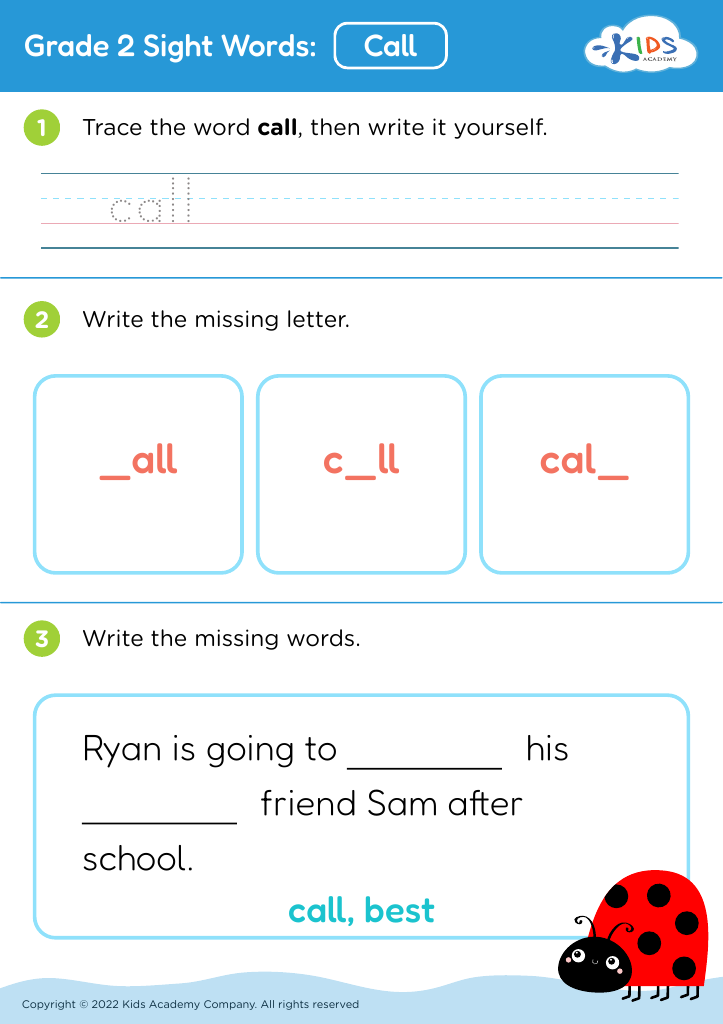
Grade 2 Sight Words: Call

Grade 2 Sight Words: Call

Grade 2 Sight Words: Call
Worksheet


Simplifying fractions is an essential skill for Grade 2 students as it lays the groundwork for future mathematical concepts. Parents and teachers should care about this topic because it helps students develop number sense, which is crucial for both understanding mathematics and applying it in real-life situations. When children simplify fractions, they learn to recognize equivalent values and improve their problem-solving abilities. This skill promotes critical thinking and encourages logical reasoning, which can enhance their overall academic performance.

Moreover, simplifying fractions is often a stepping stone to understanding more complex math topics, such as adding and subtracting fractions, finding common denominators, and even analyzing ratios. Therefore, mastering simplification early on can build confidence and make these future concepts more accessible.

Additionally, engaging students in simplifying fractions can foster a collaborative learning environment, where parents and teachers work together to support students' educational journeys. This two-way involvement reinforces the importance of math in day-to-day life and motivates children by showing them practical applications of what they learn. Ultimately, by emphasizing the significance of simplifying fractions, parents and teachers equip students with the skills necessary for long-term mathematical success.