Understanding patterns Grade 2 Worksheets
32 filtered results
Difficulty Level
Grade
Age
-
From - To
Subject
Activity
Standards
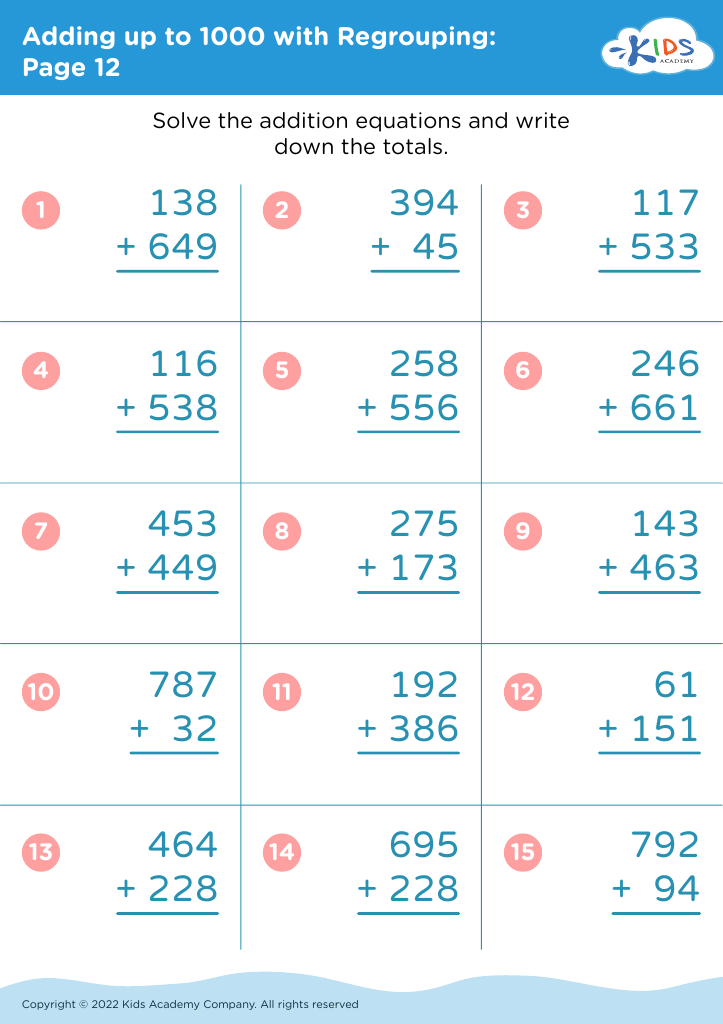
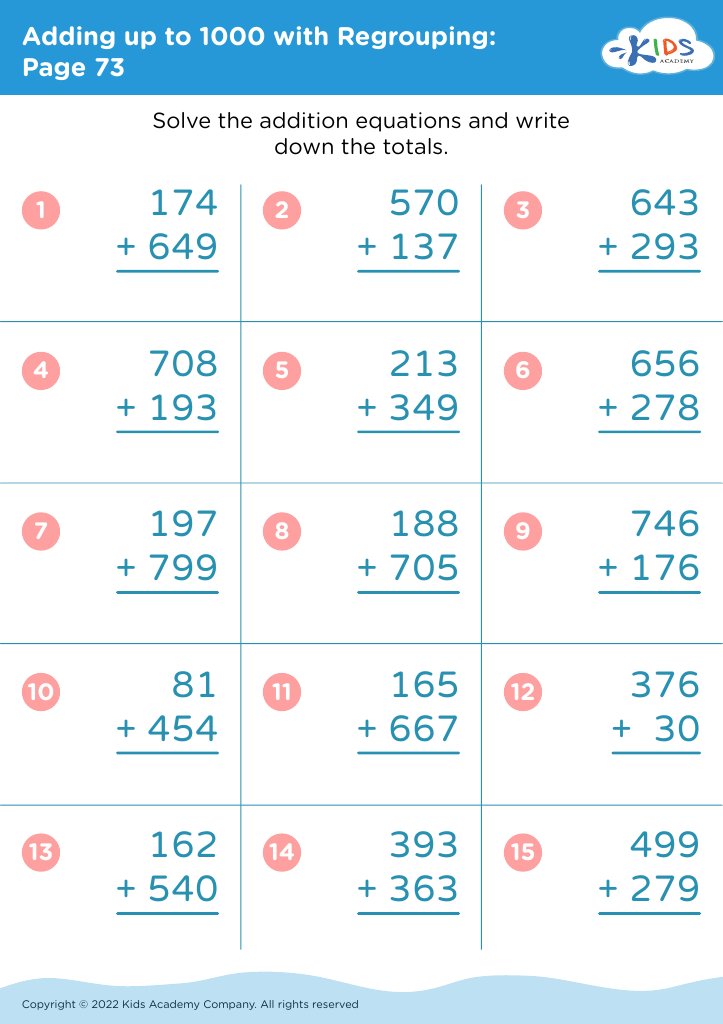
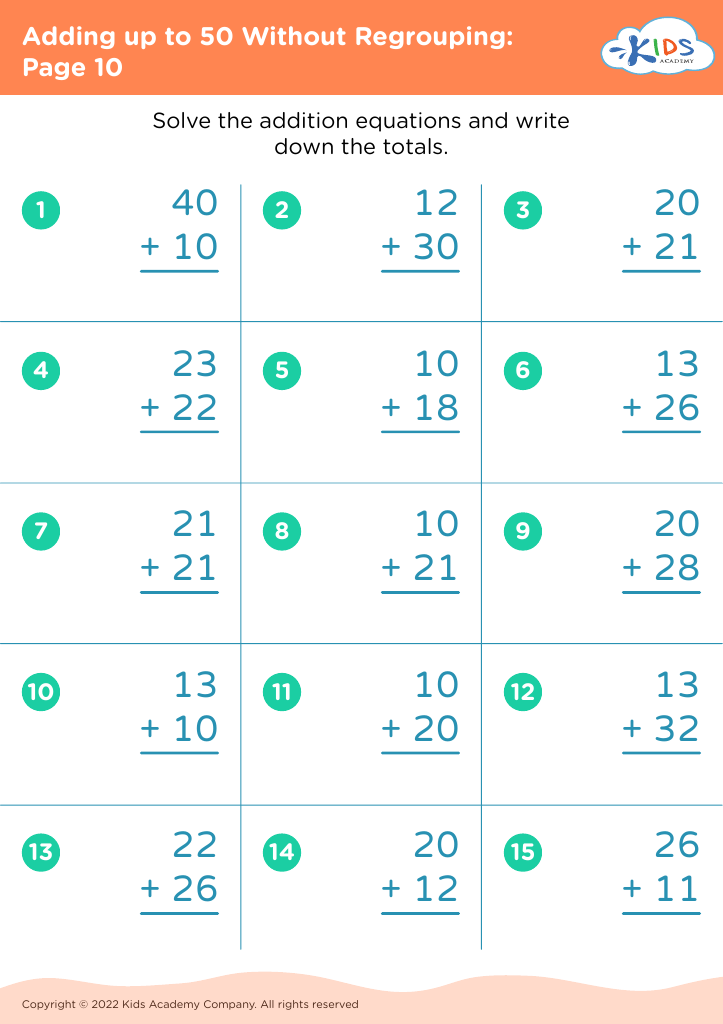
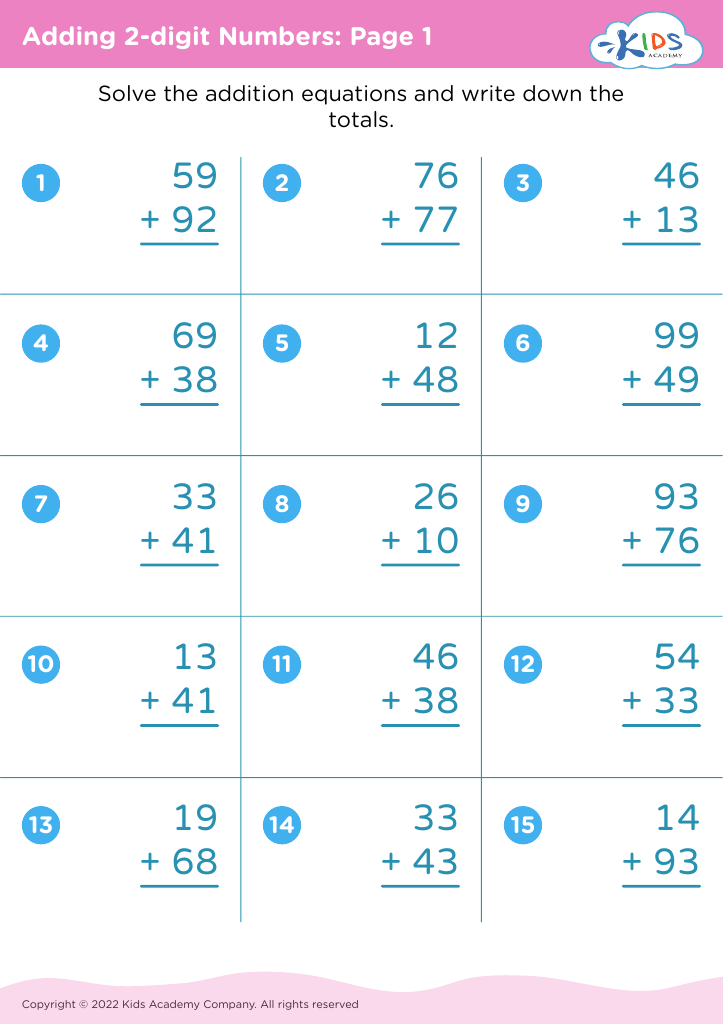
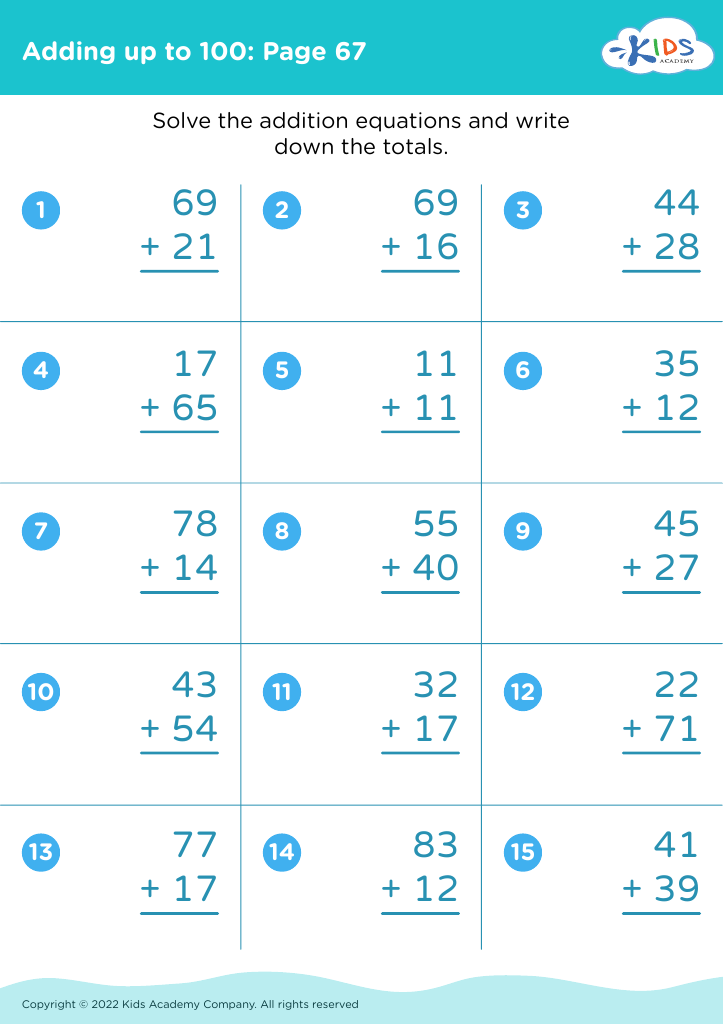
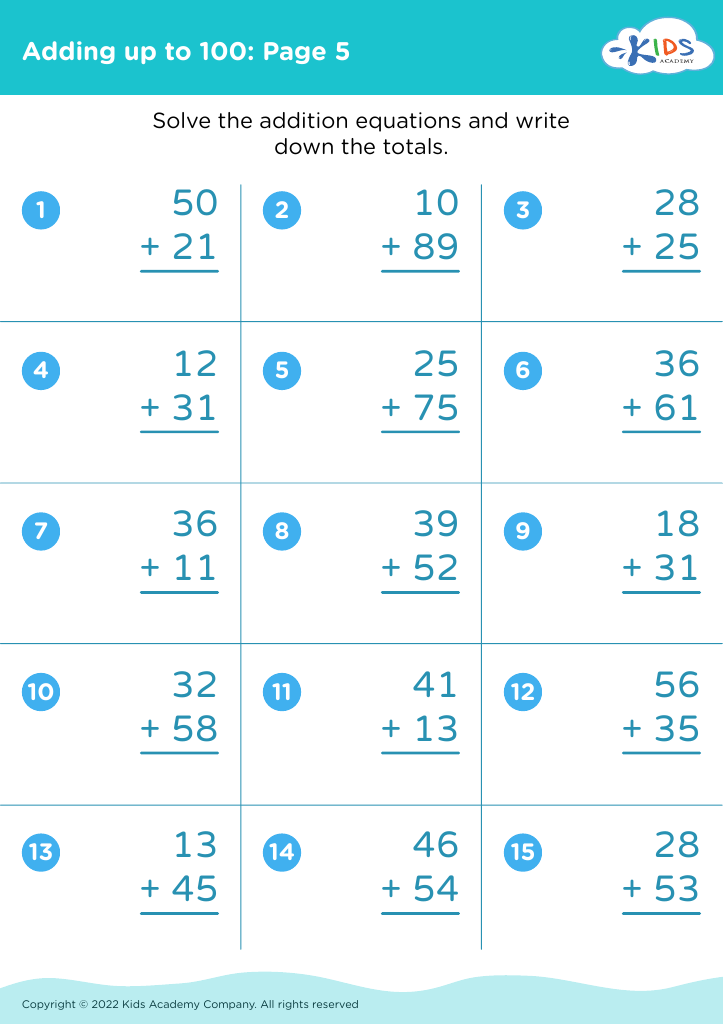
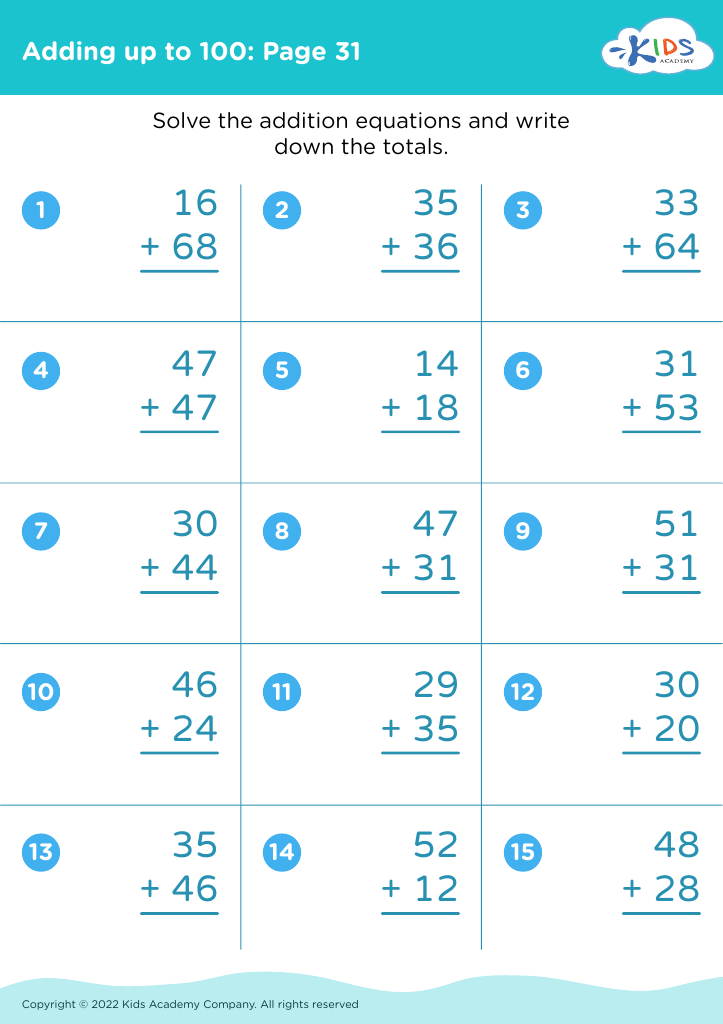
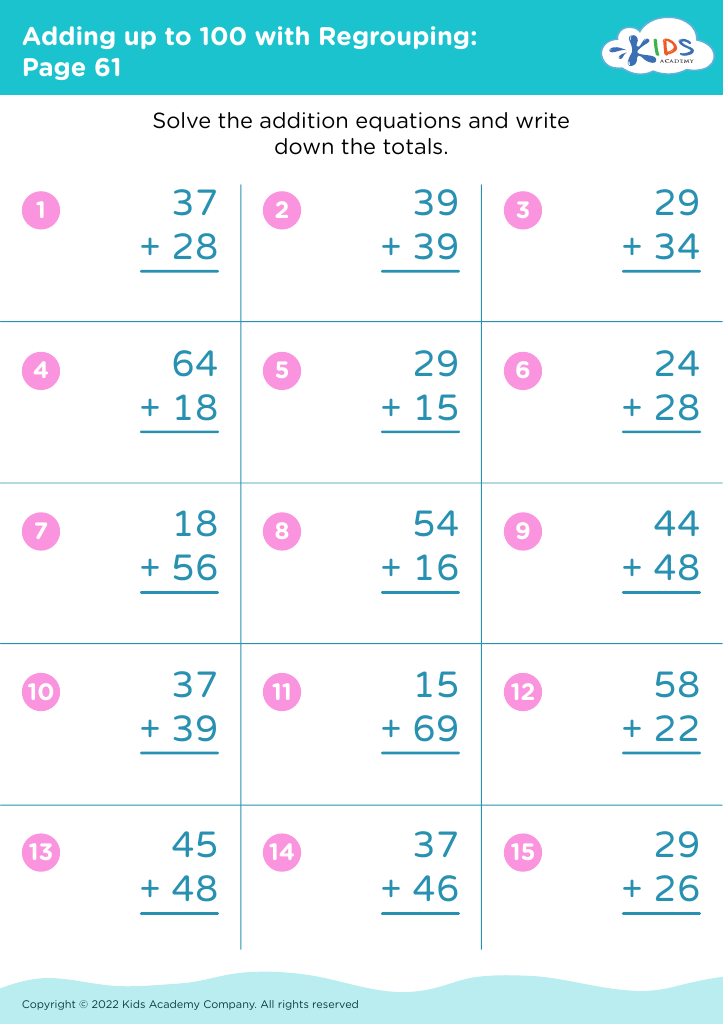
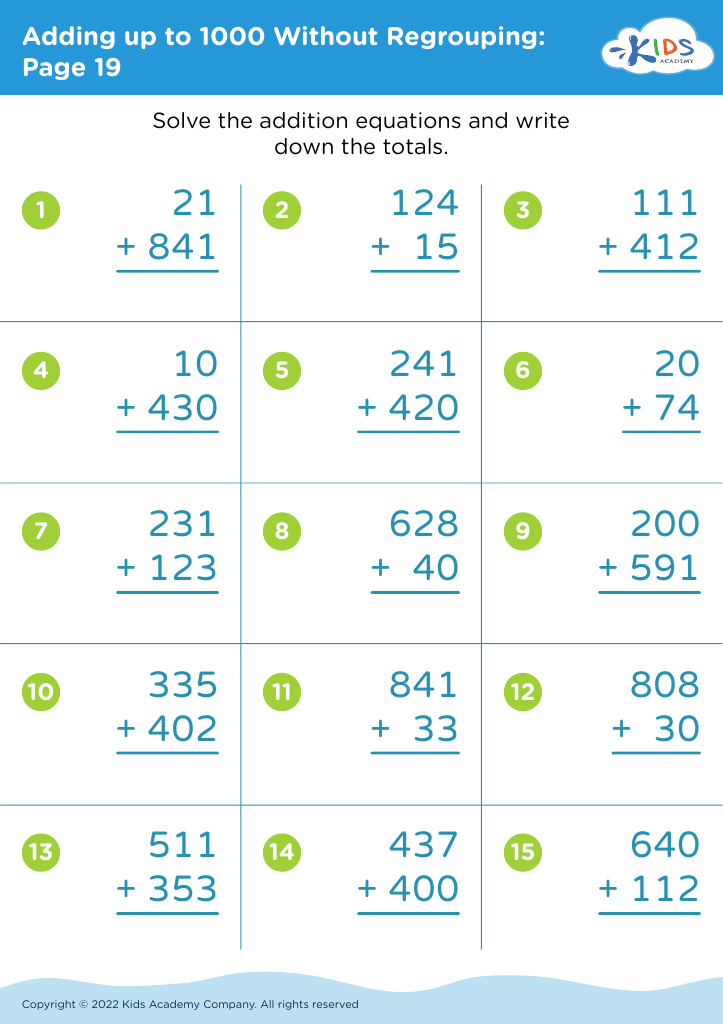
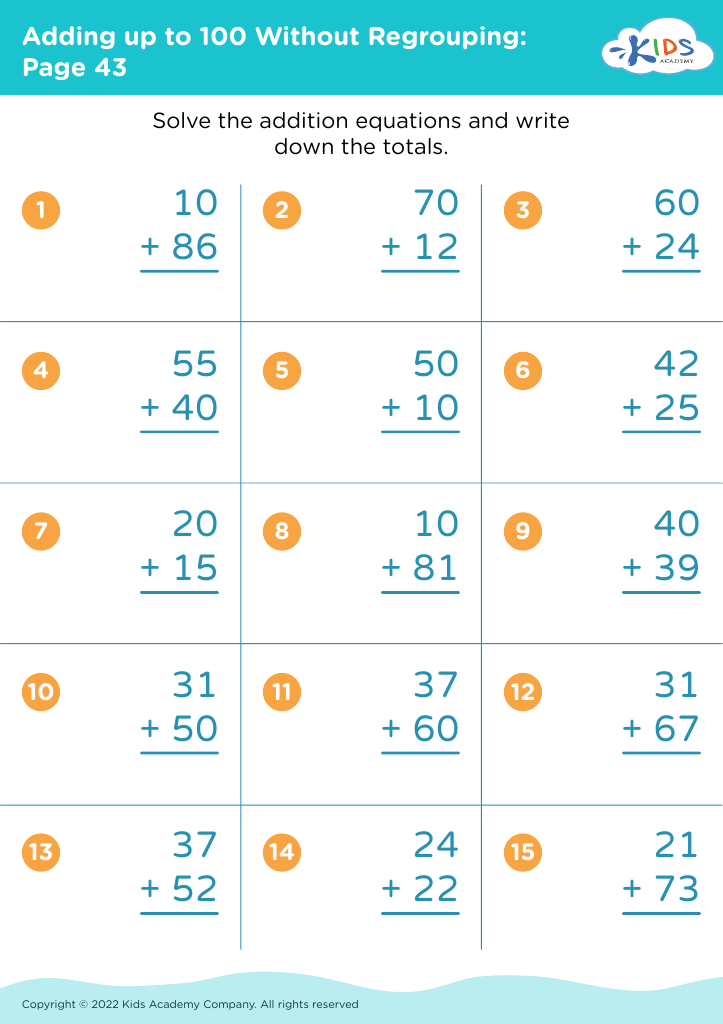
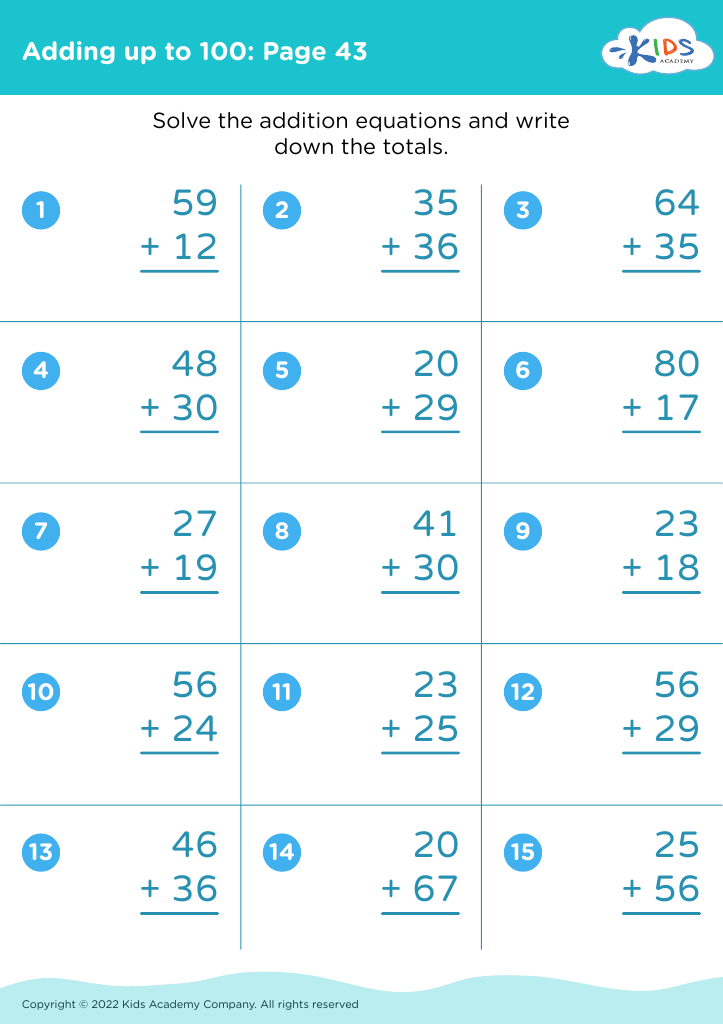
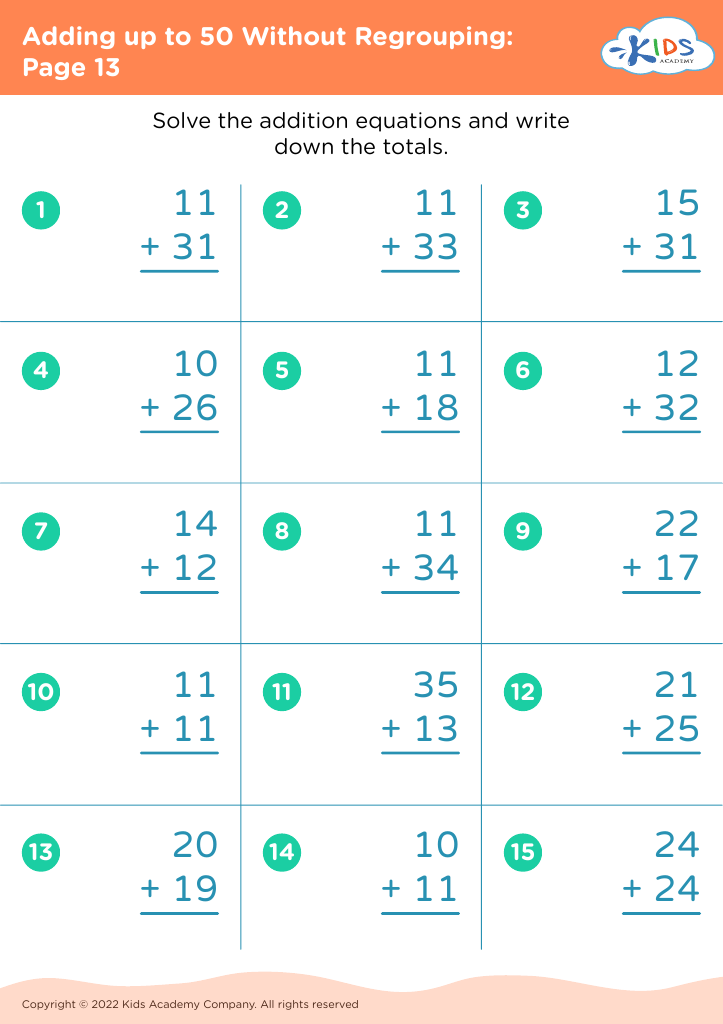
Unlock the world of patterns with our engaging Grade 2 worksheets designed to enhance your child's learning experience! Our "Understanding Patterns" worksheets provide various activities that build crucial skills in recognizing, creating, and predicting patterns. Perfect for reinforcing classroom lessons, these interactive exercises cover visual, number, and color patterns, encouraging critical thinking and problem-solving. Plus, they're great for homework or additional practice at home! Free to download and easy to use, these worksheets cater to different learning styles, making mathematics fun and enjoyable. Help your child master patterns while fostering a love for learning with our comprehensive resources today!
Favorites
With answer key
Interactive
Join Kids Academy for Free
Who is primarily going to use this learning content?







Understanding patterns is a fundamental skill in Grade 2 that significantly impacts a child's cognitive development and mathematical proficiency. Firstly, recognizing and creating patterns enhances critical thinking and analytical skills. Patterns serve as an essential building block in mathematics, helping students grasp concepts such as addition, subtraction, and even early algebraic ideas. By identifying relationships and making predictions based on sequences, children develop stronger problem-solving abilities.
Moreover, patterns are everywhere in daily life—from the rhythms of nature to art and music. By teaching children to recognize and describe these patterns, parents and teachers instill a sense of observation and curiosity about the world around them. This not only stimulates creativity but also encourages young learners to explore and make connections across different subjects.
Additionally, mastering pattern recognition builds confidence in math and sets a solid foundation for future learning. When children grasp these concepts, they become more engaged and motivated in their studies. Thus, understanding patterns is not merely an academic requirement; it is a crucial life skill that fosters resilience and adaptability, preparing students for more advanced concepts in higher grades and in real-world problem-solving scenarios. Engaging children in pattern activities can pave the way for successful learning experiences throughout their education.