Filters

21 filtered results

Clear all filters
Favorites
With answer key
Interactive

21 filtered results

Difficulty Level

Grade


Enhance your child's math skills with our Grade 2 Recognizing Patterns Addition Worksheets! Designed specifically for second graders, these engaging materials help students identify and work with numerical patterns while mastering addition concepts. Each worksheet features vibrant illustrations and varied exercises that promote critical thinking and make learning enjoyable. From solving addition sequences to discovering number relationships, our resources foster a deeper understanding of mathematics. Perfect for classroom use or at-home practice, these worksheets support young learners in building a strong mathematical foundation. Download now and watch your child's confidence in addition soar as they recognize and utilize patterns effectively!
Check out this FREE Grade 2 Trial Lesson on Addition!

Suffixes

Favorites
With answer key
Interactive
  • Grade 2
  • Recognizing Patterns
  • Addition
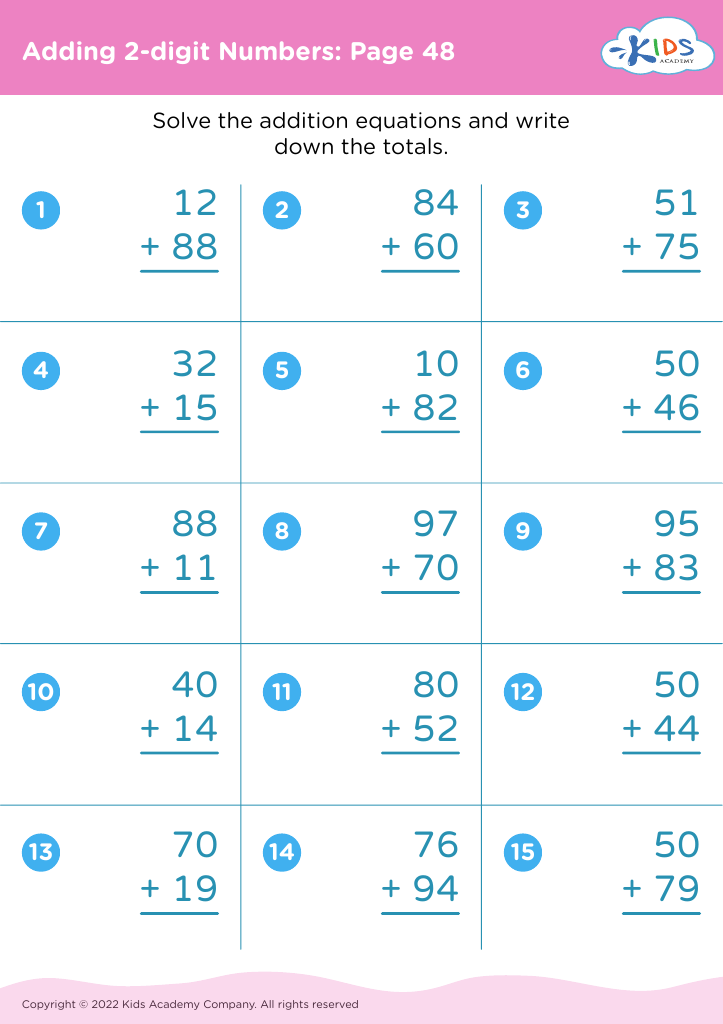
Adding 2-digit Numbers: Page 48

Adding 2-digit Numbers: Page 48

Adding 2-digit Numbers: Page 48
Worksheet
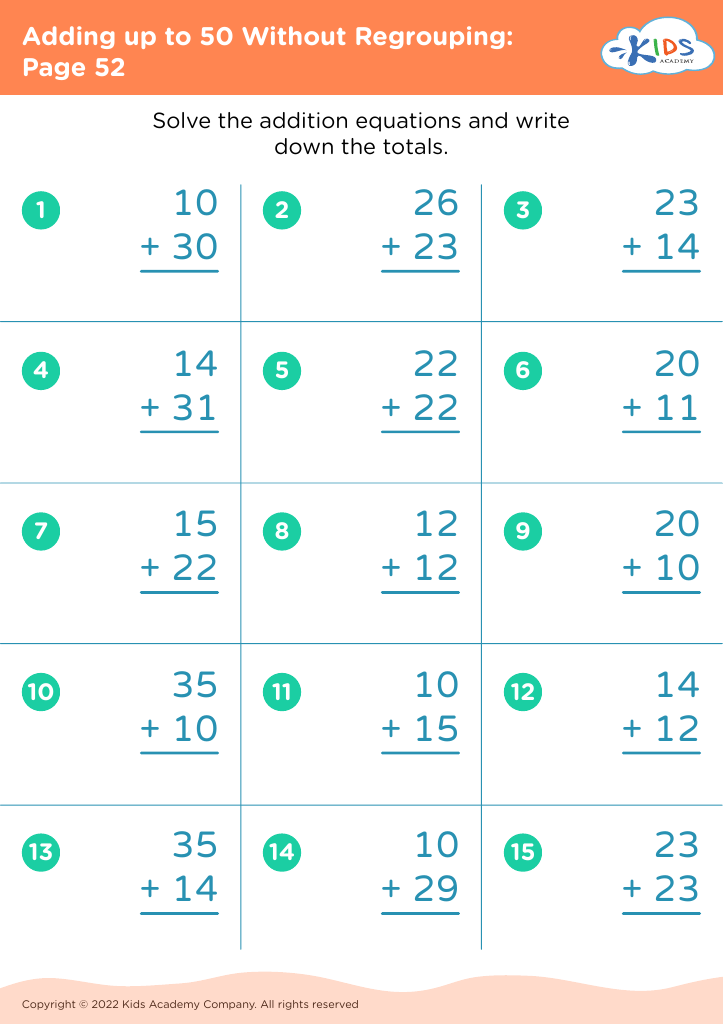
Adding up to 50 Without Regrouping: Page 52
Worksheet
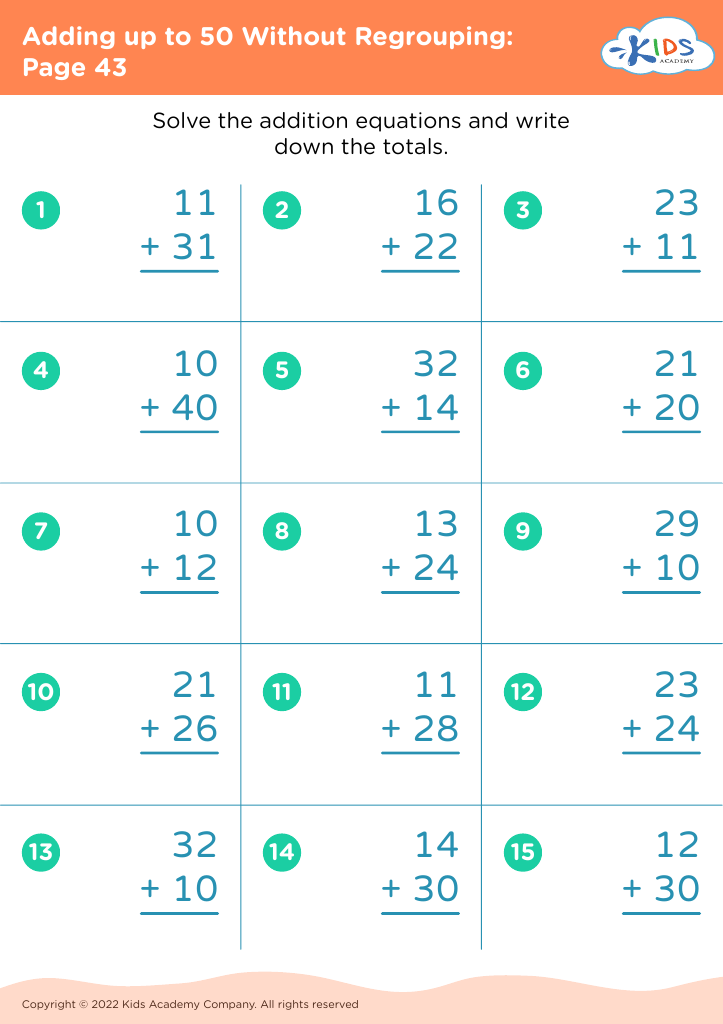
Adding up to 50 Without Regrouping: Page 43
Worksheet
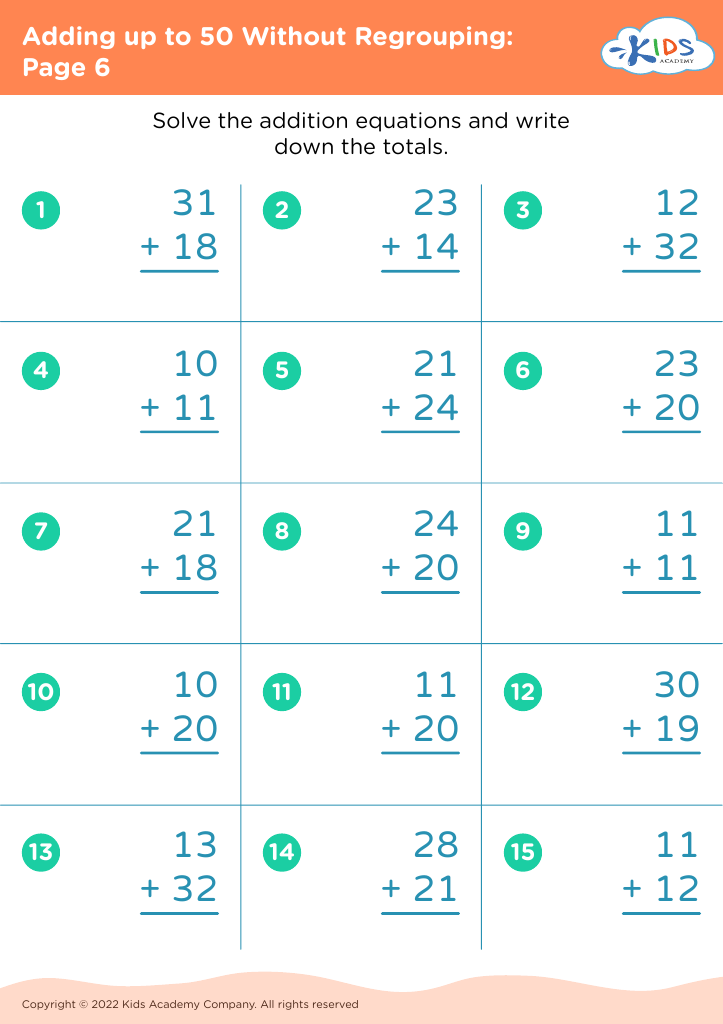
Adding up to 50 Without Regrouping: Page 6
Worksheet
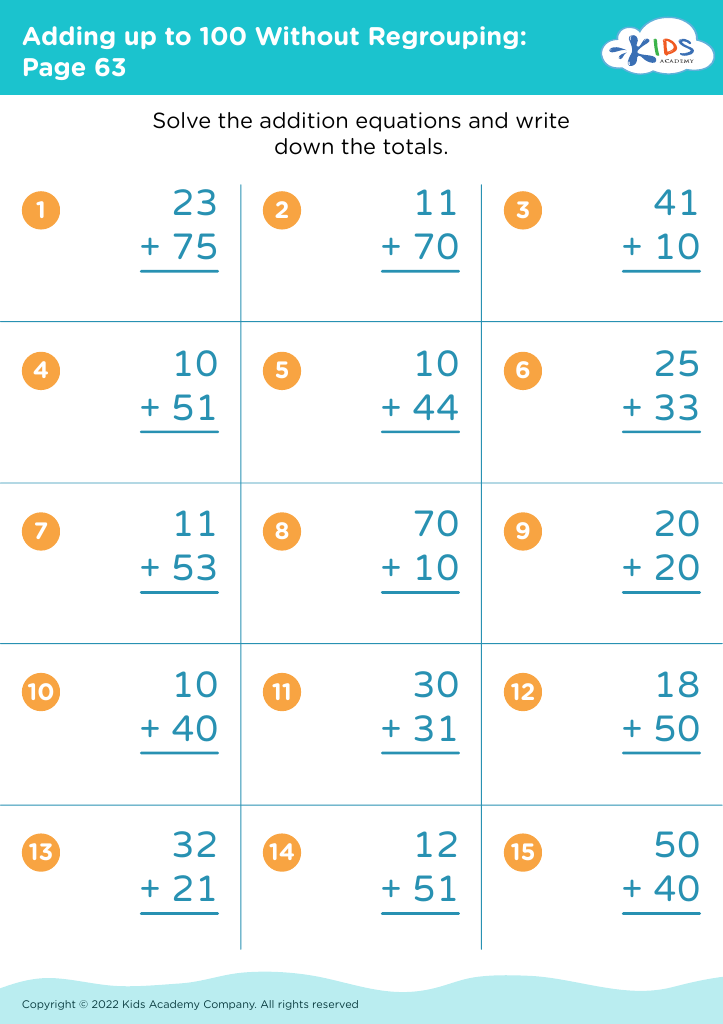
Adding up to 100 Without Regrouping: Page 63
Worksheet
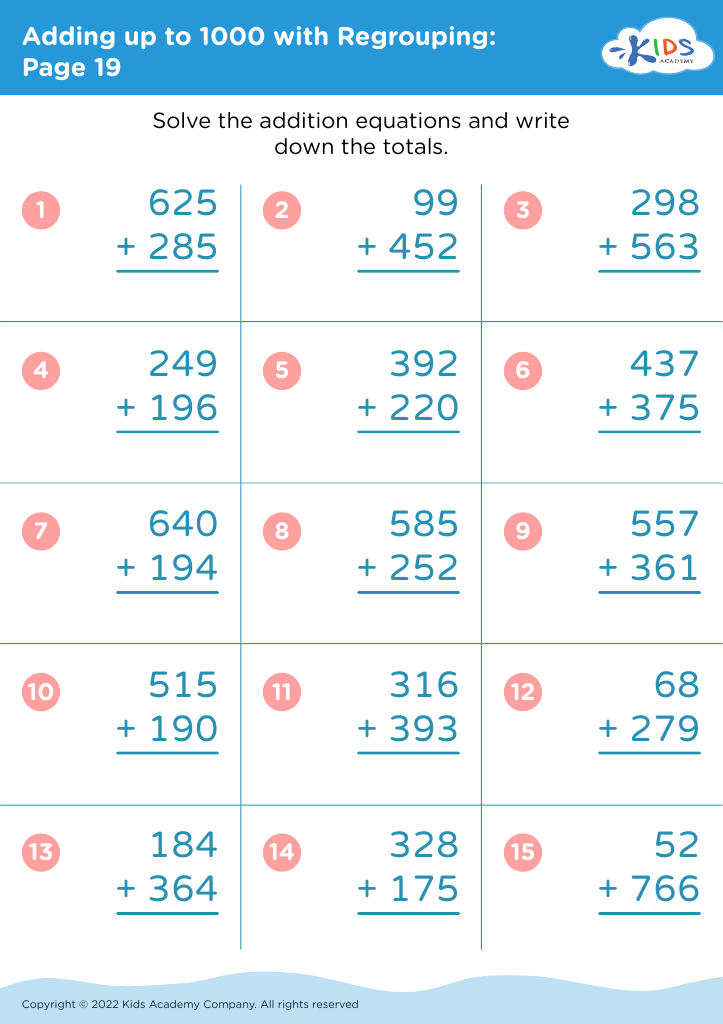
Adding up to 1000 with Regrouping: Page 19
Worksheet
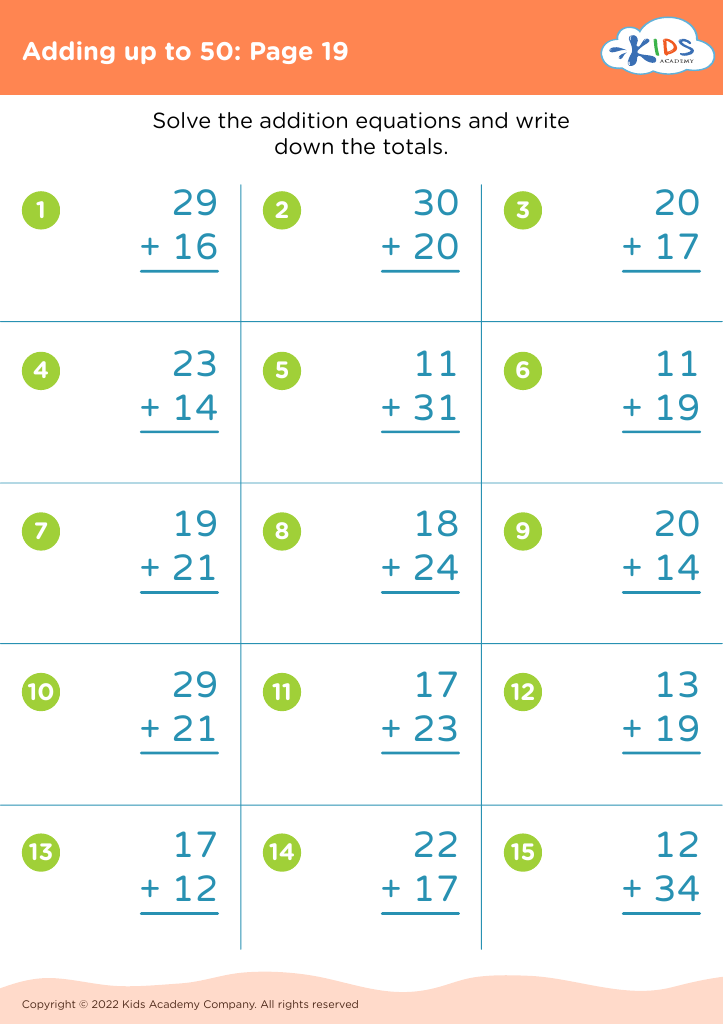
Adding up to 50: Page 19

Adding up to 50: Page 19

Adding up to 50: Page 19
Worksheet
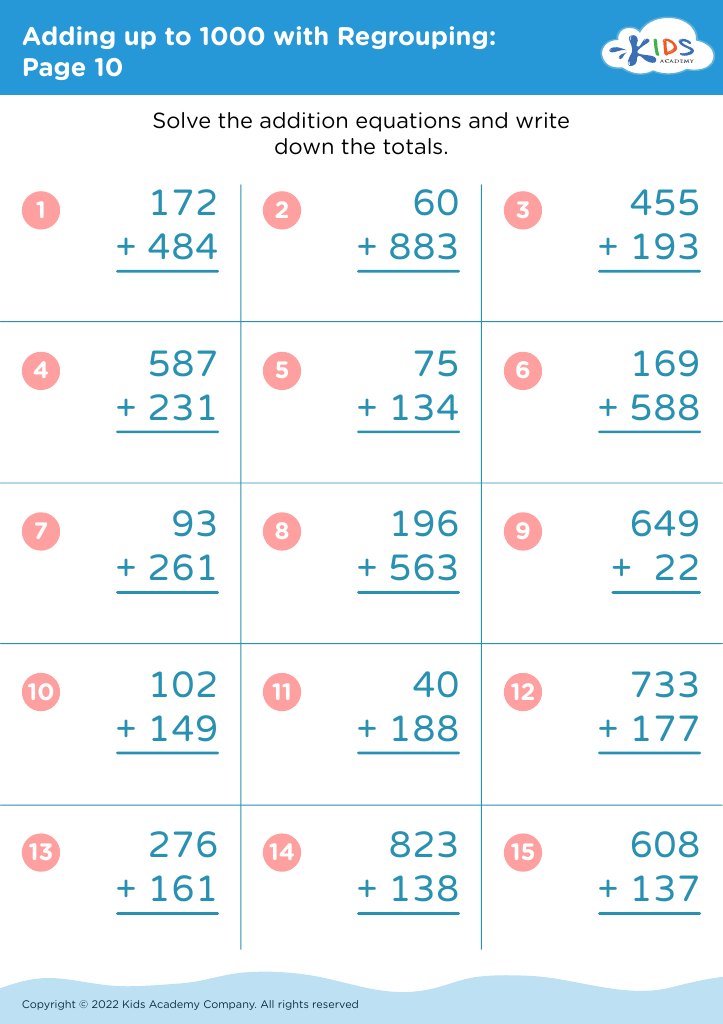
Adding up to 1000 with Regrouping: Page 10
Worksheet
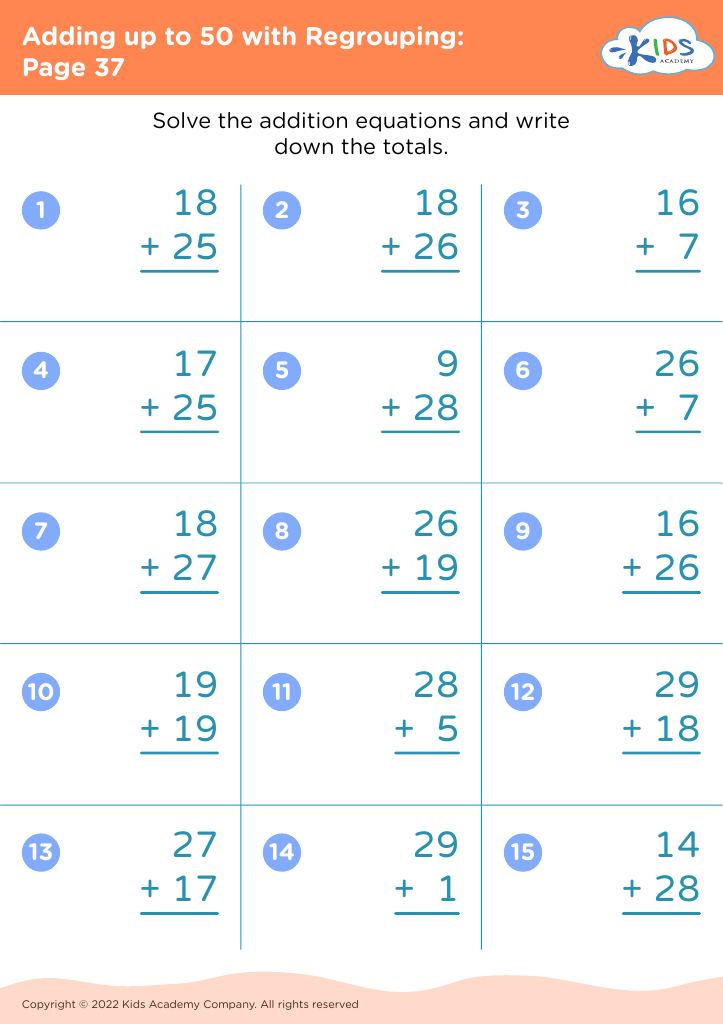
Adding up to 50 with Regrouping: Page 37
Worksheet
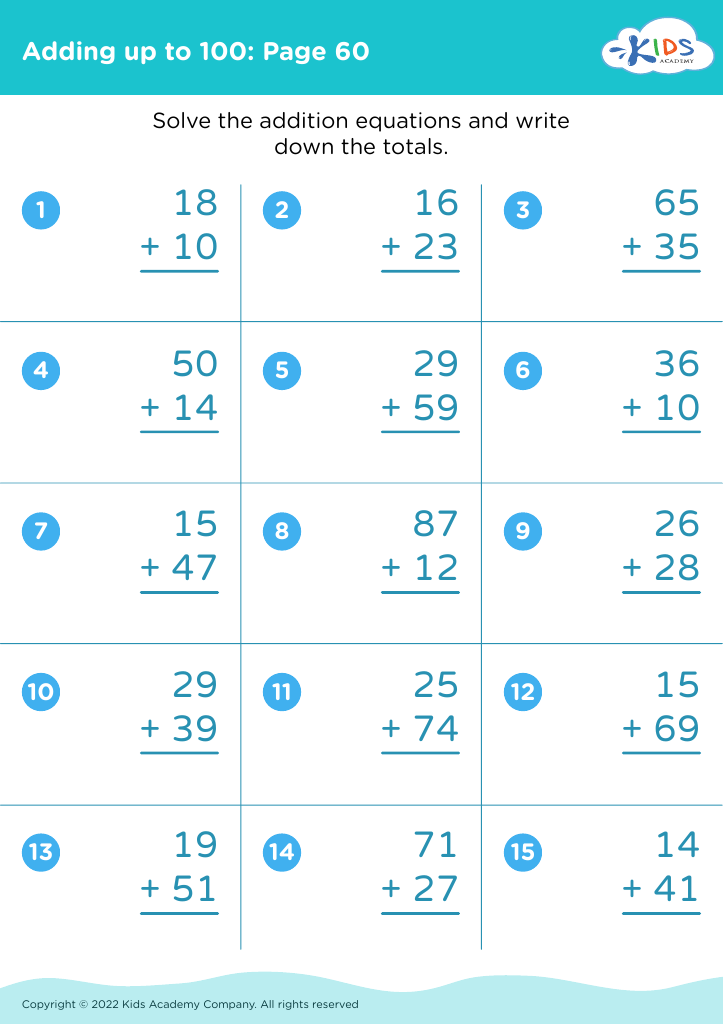
Adding up to 100: Page 60

Adding up to 100: Page 60

Adding up to 100: Page 60
Worksheet
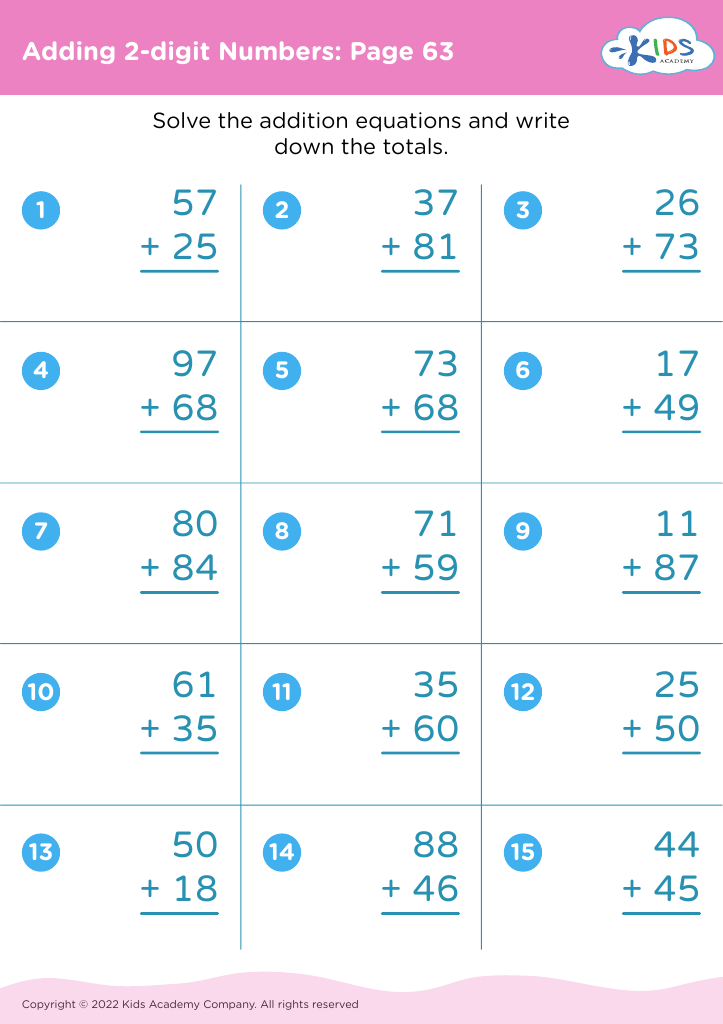
Adding 2-digit Numbers: Page 63

Adding 2-digit Numbers: Page 63

Adding 2-digit Numbers: Page 63
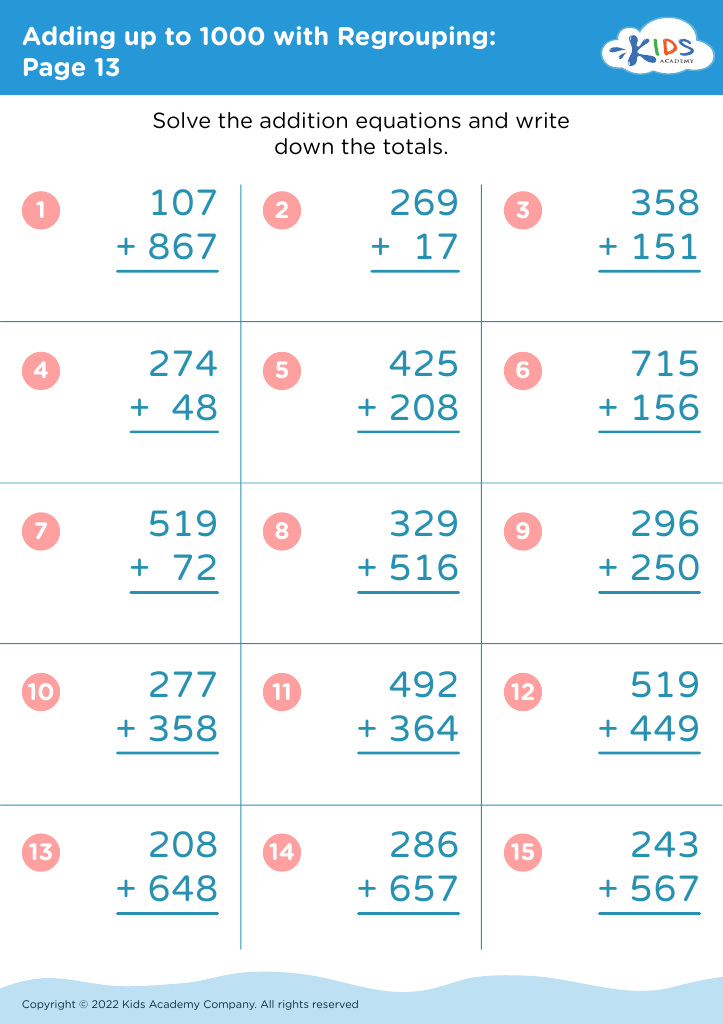
Worksheet
Adding up to 1000 with Regrouping: Page 13
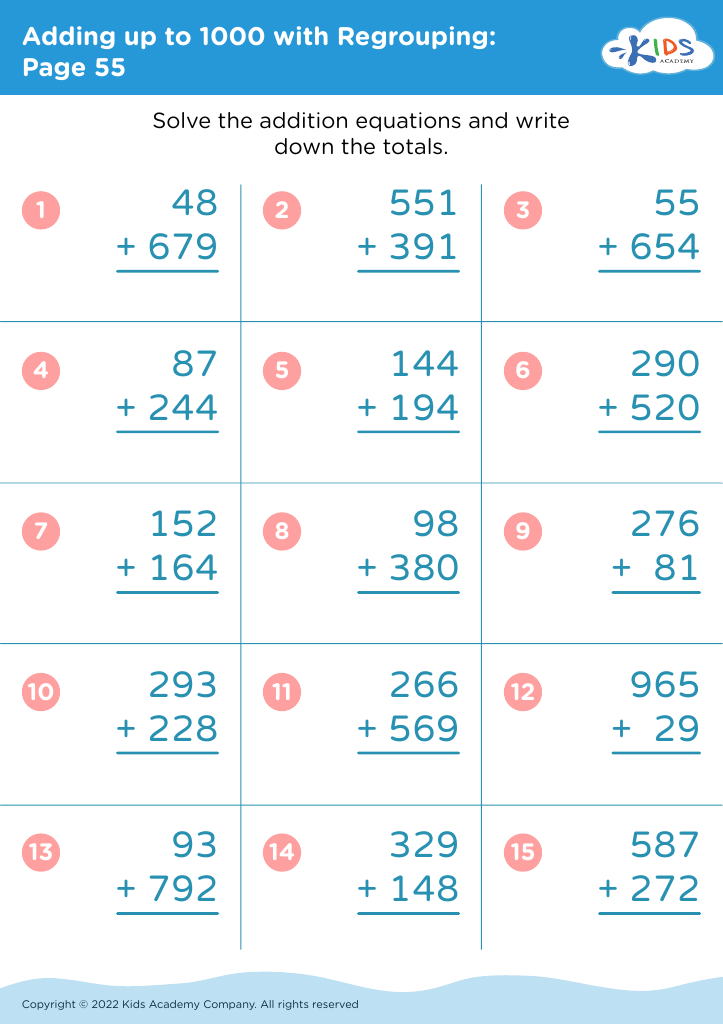
Worksheet
Adding up to 1000 with Regrouping: Page 55
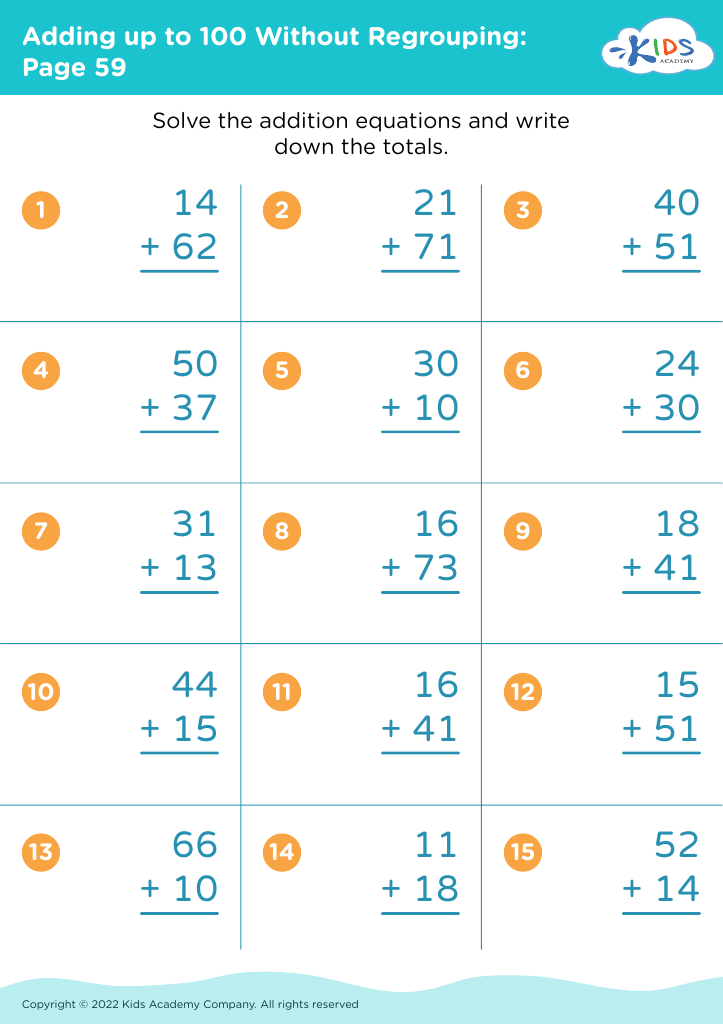
Worksheet
Adding up to 100 Without Regrouping: Page 59
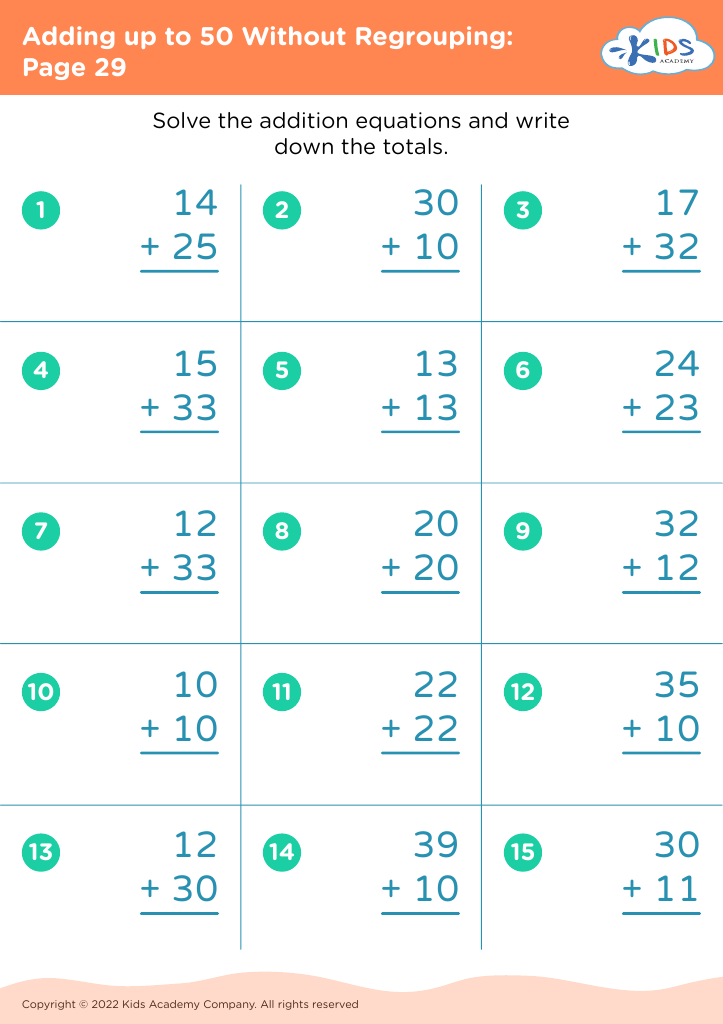
Worksheet
Adding up to 50 Without Regrouping: Page 29
Worksheet
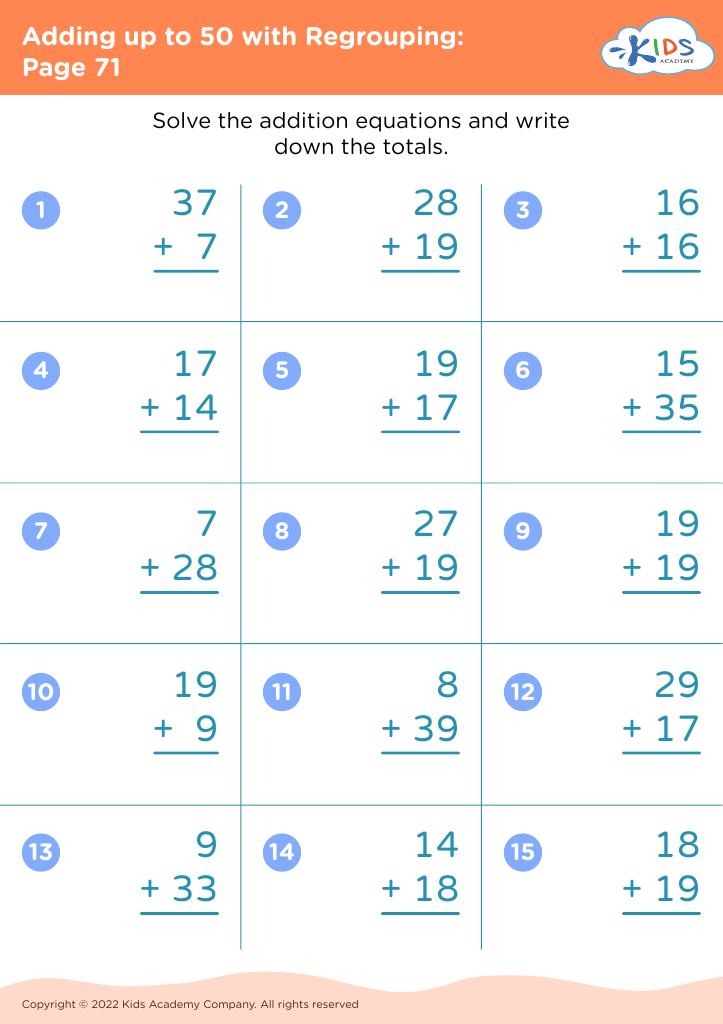
Adding up to 50 with Regrouping: Page 71
Worksheet
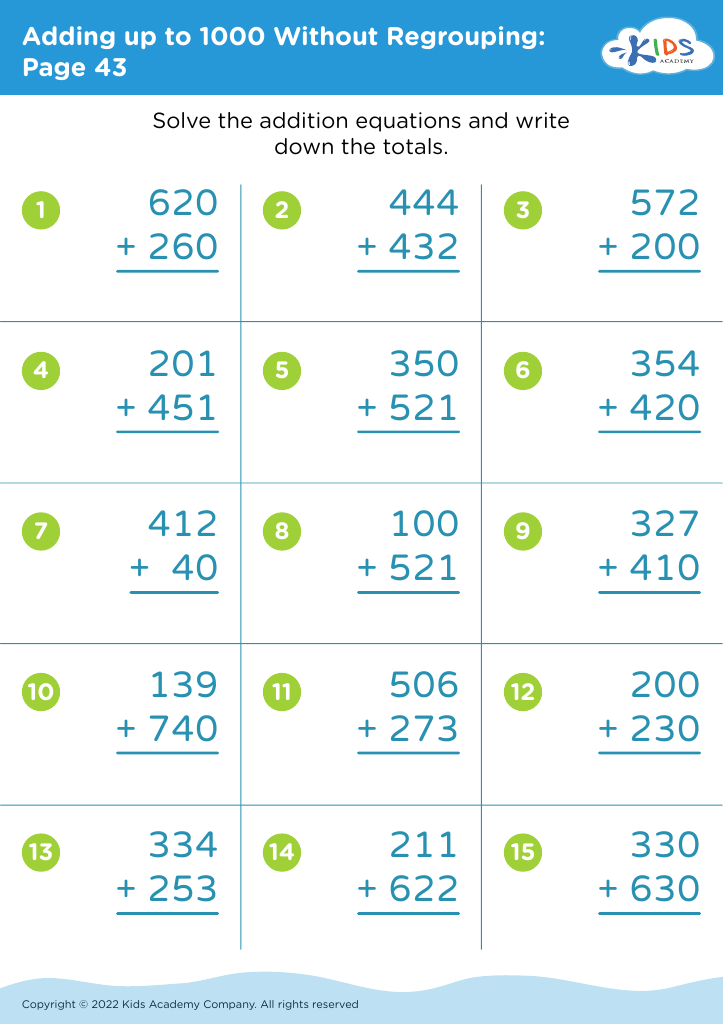
Adding up to 1000 Without Regrouping: Page 43
Worksheet
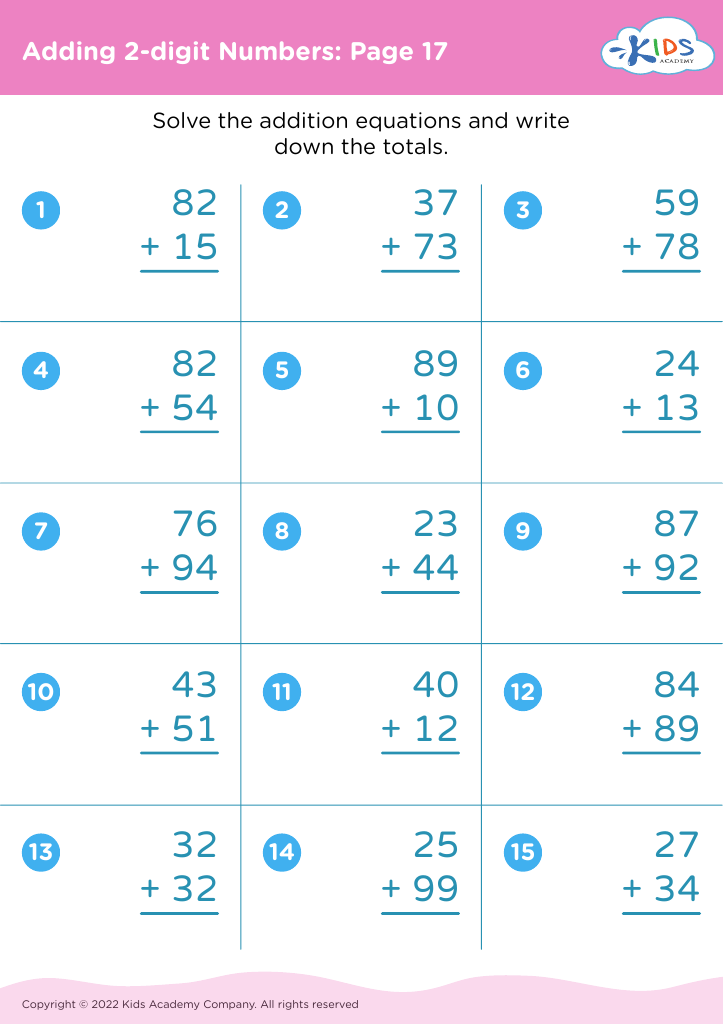
Adding 2-digit Numbers: Page 17

Adding 2-digit Numbers: Page 17

Adding 2-digit Numbers: Page 17
Worksheet
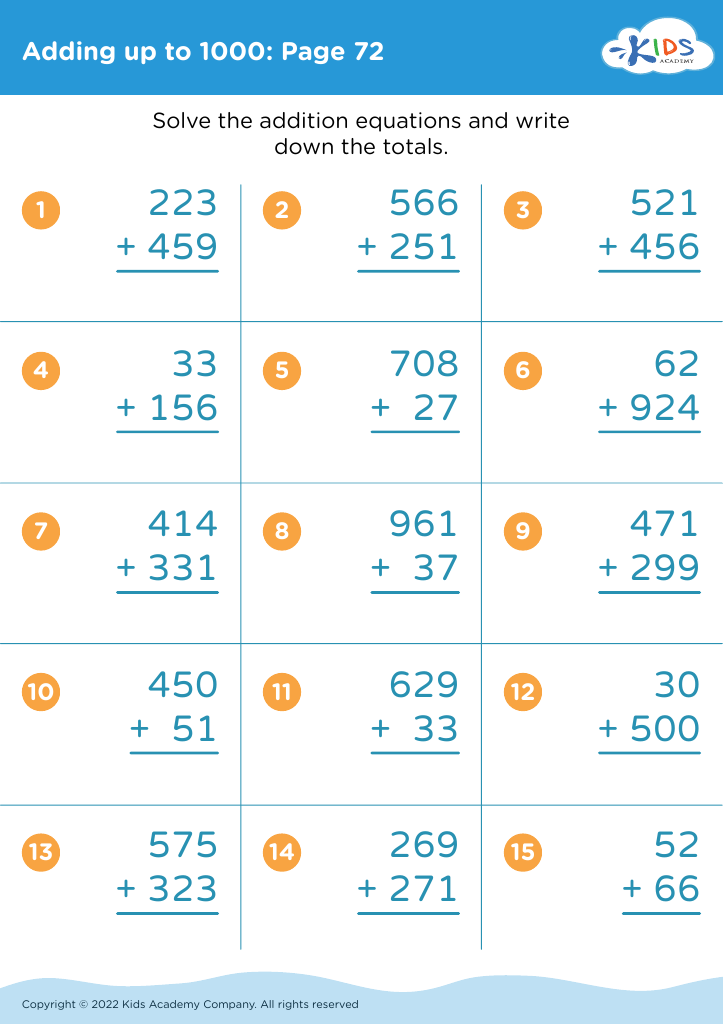
Adding up to 1000: Page 72

Adding up to 1000: Page 72

Adding up to 1000: Page 72
Worksheet
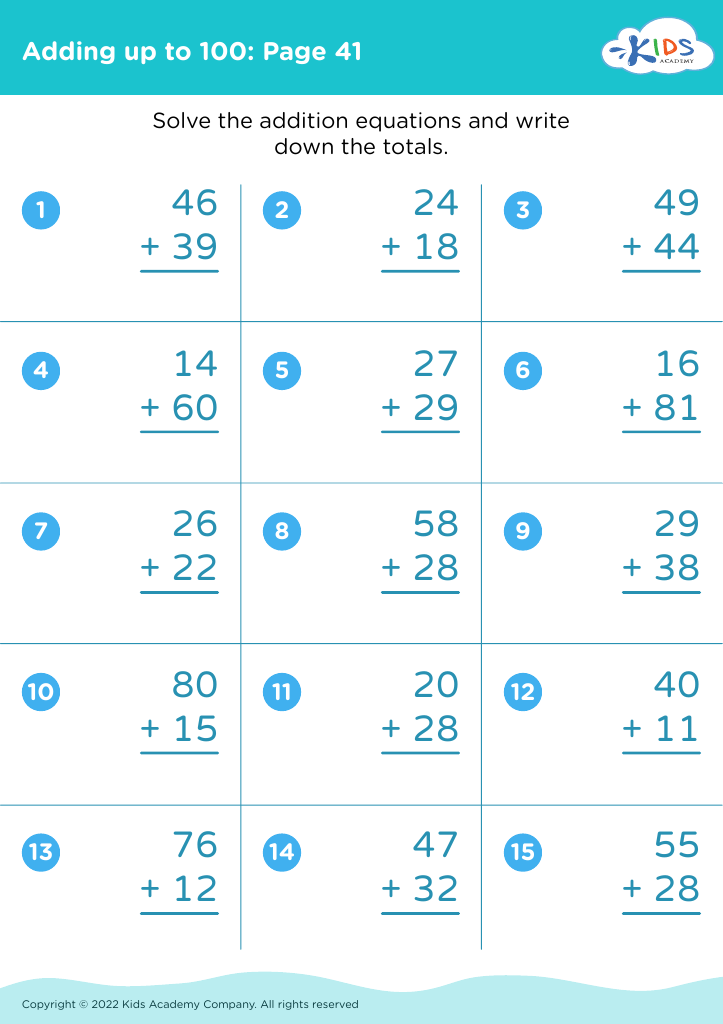
Adding up to 100: Page 41

Adding up to 100: Page 41

Adding up to 100: Page 41
Worksheet
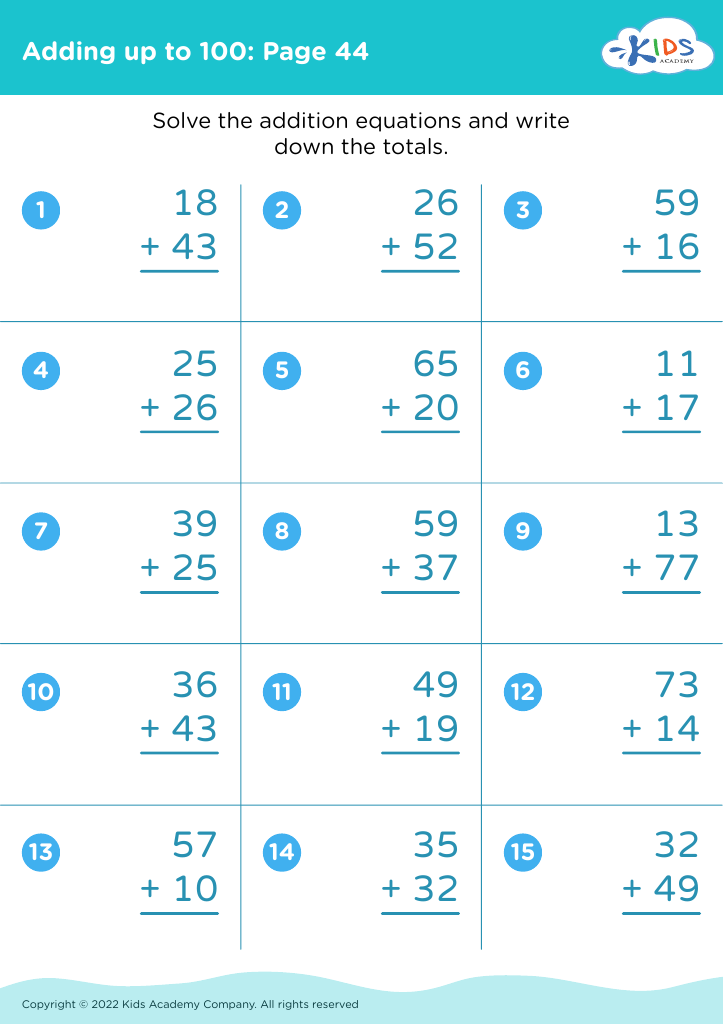
Adding up to 100: Page 44

Adding up to 100: Page 44

Adding up to 100: Page 44
Worksheet


Recognizing patterns in Grade 2 addition is crucial for young learners as it lays a foundation for their mathematical understanding and problem-solving skills. At this stage, children begin to move beyond rote memorization of facts towards a deeper comprehension of numbers and their relationships. When students identify patterns, such as the way different numbers combine to form sums, they develop mental strategies that facilitate quicker calculations and enhance their confidence in math.

Moreover, recognizing patterns helps children understand the properties of addition, like the commutative property (e.g., 2 + 3 is the same as 3 + 2), fostering flexible thinking in mathematics. It also supports the development of algebraic thinking as they progress, paving the way for future topics.

For parents and teachers, fostering this skill not only aids in immediate academic success but also cultivates a love for mathematics by demonstrating its logic and coherence. Engaging students with patterns can also be integrated into enjoyable activities and games, enriching their learning experience. Overall, valuing pattern recognition equips children with tools that are essential not only for math but for real-world applications and critical thinking in various aspects of life.