Filters

27 filtered results

Clear all filters
Favorites
With answer key
Interactive

27 filtered results

Difficulty Level

Grade


Enhance your second grader's learning experience with our engaging Color Identification Math Worksheets. Designed specifically for Grade 2, these interactive worksheets combine color recognition with essential math skills, making learning both fun and effective. Your child will practice identifying colors while solving addition, subtraction, and other math problems, creating a seamless link between creativity and computation. Our worksheets are aligned with educational standards, ensuring that they develop critical thinking and analytical skills. With a variety of exercises to choose from, your child will build confidence in their math abilities while enjoying colorful learning. Download now and watch their skills bloom!
Check out this FREE Grade 2 Trial Lesson on Math!

Irregular Past Tense Verbs

Favorites
With answer key
Interactive
  • Grade 2
  • Color Identification
  • Math
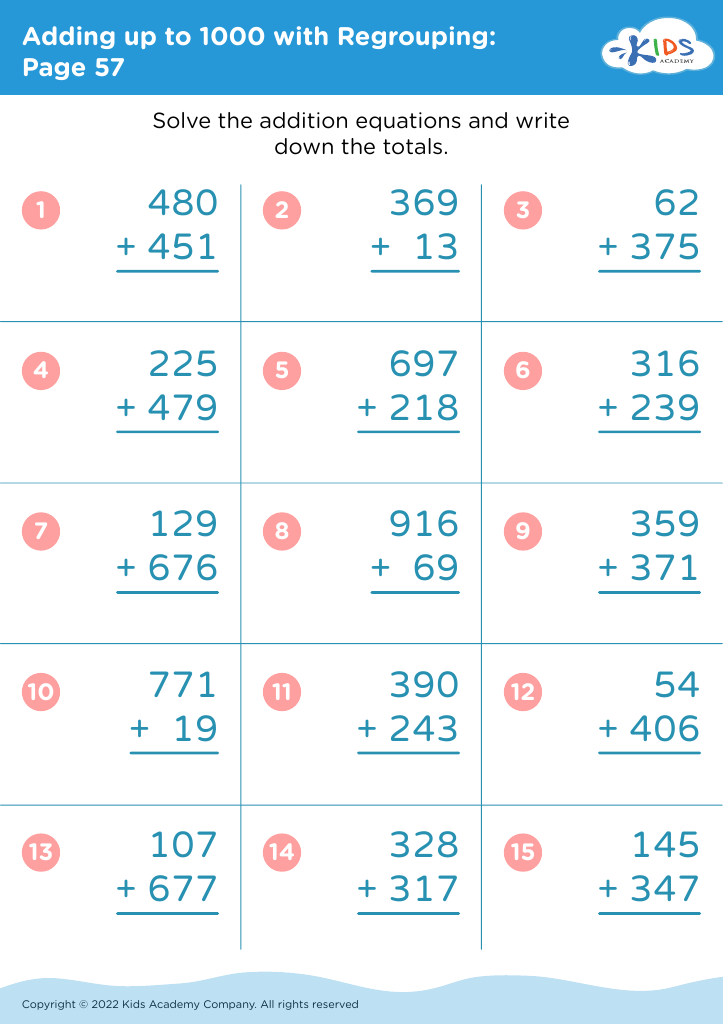
Adding up to 1000 with Regrouping: Page 57
Worksheet
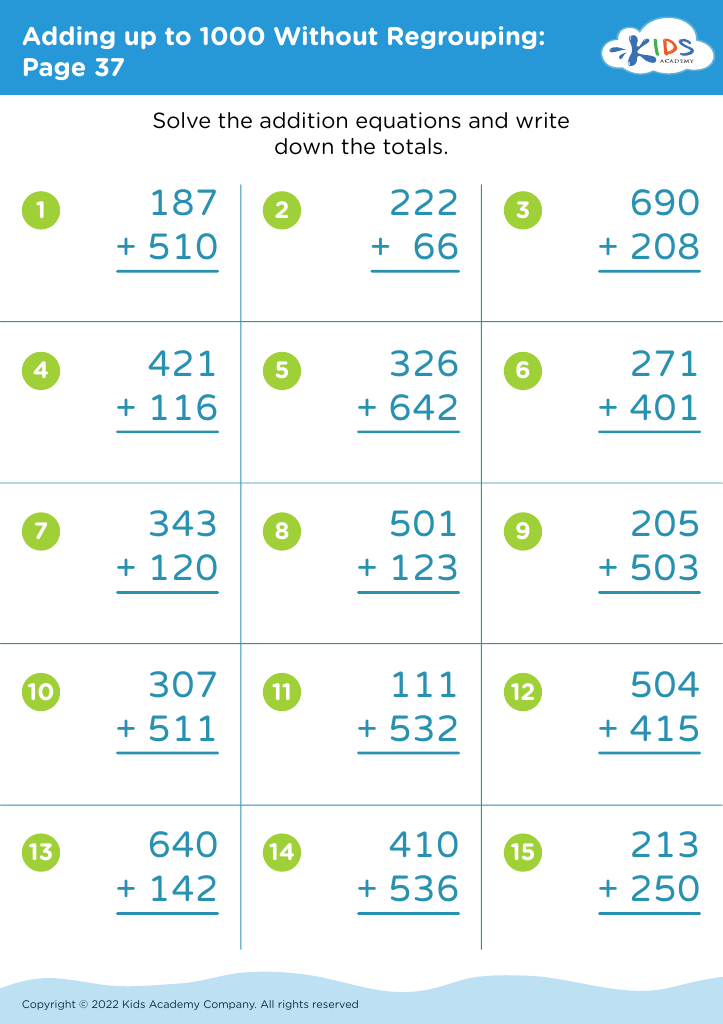
Adding up to 1000 Without Regrouping: Page 37
Worksheet
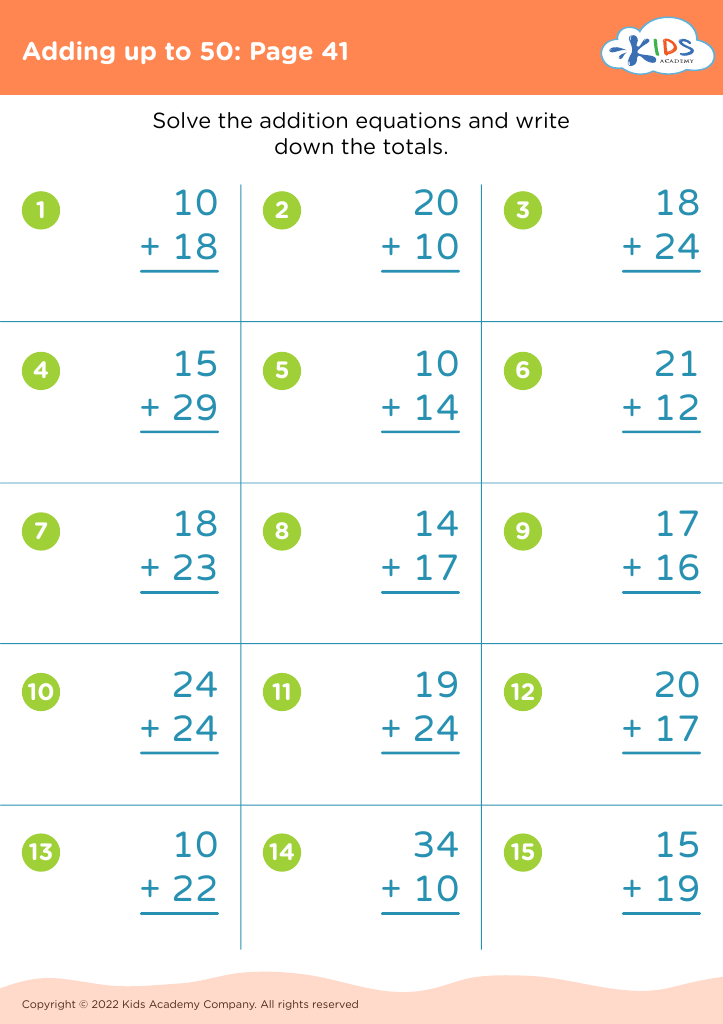
Adding up to 50: Page 41

Adding up to 50: Page 41

Adding up to 50: Page 41
Worksheet
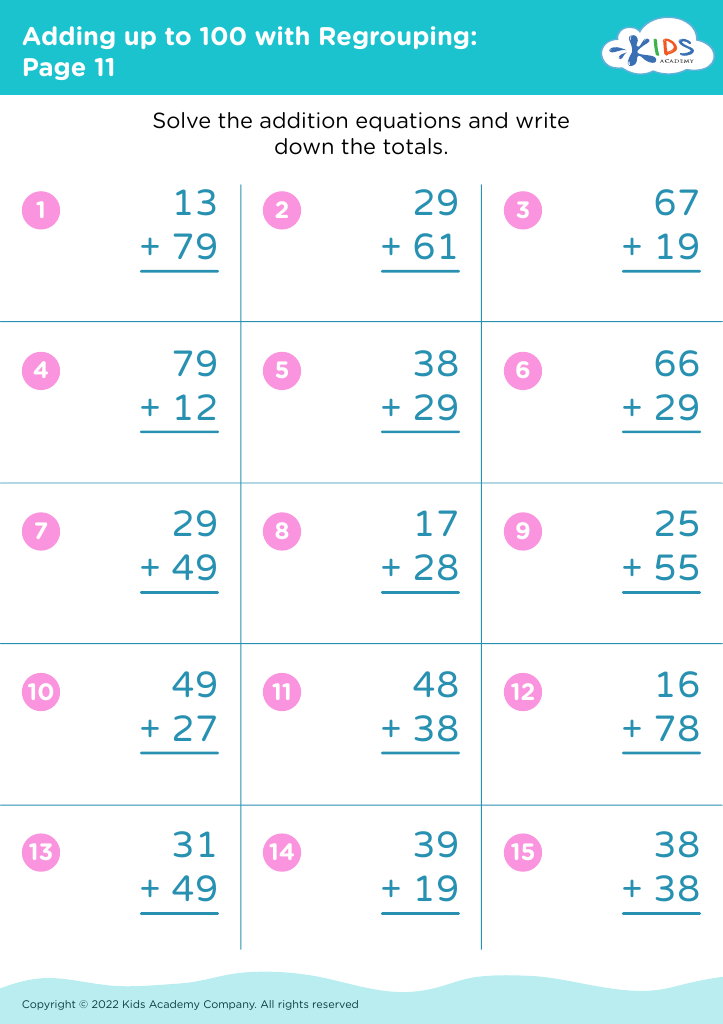
Adding up to 100 with Regrouping: Page 11
Worksheet
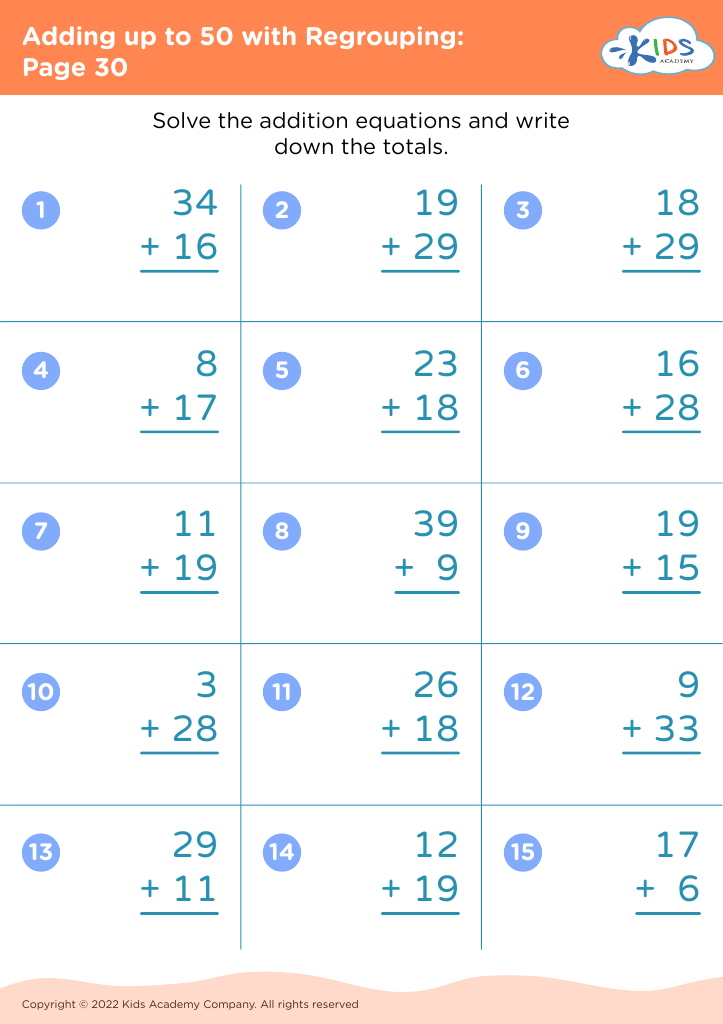
Adding up to 50 with Regrouping: Page 30
Worksheet
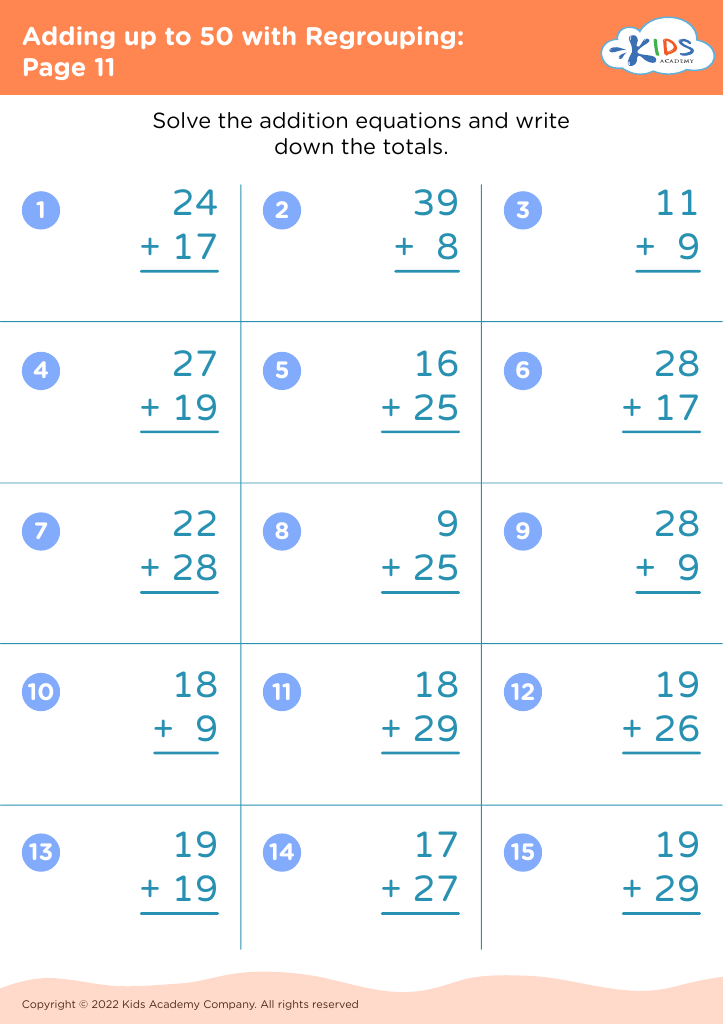
Adding up to 50 with Regrouping: Page 11
Worksheet
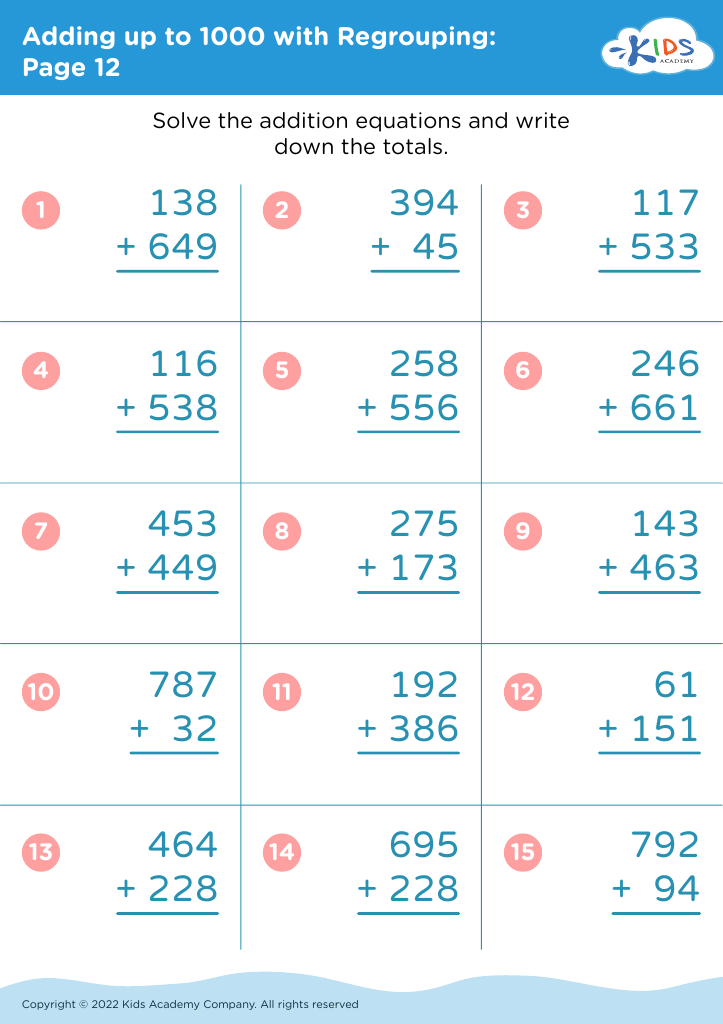
Adding up to 1000 with Regrouping: Page 12
Worksheet
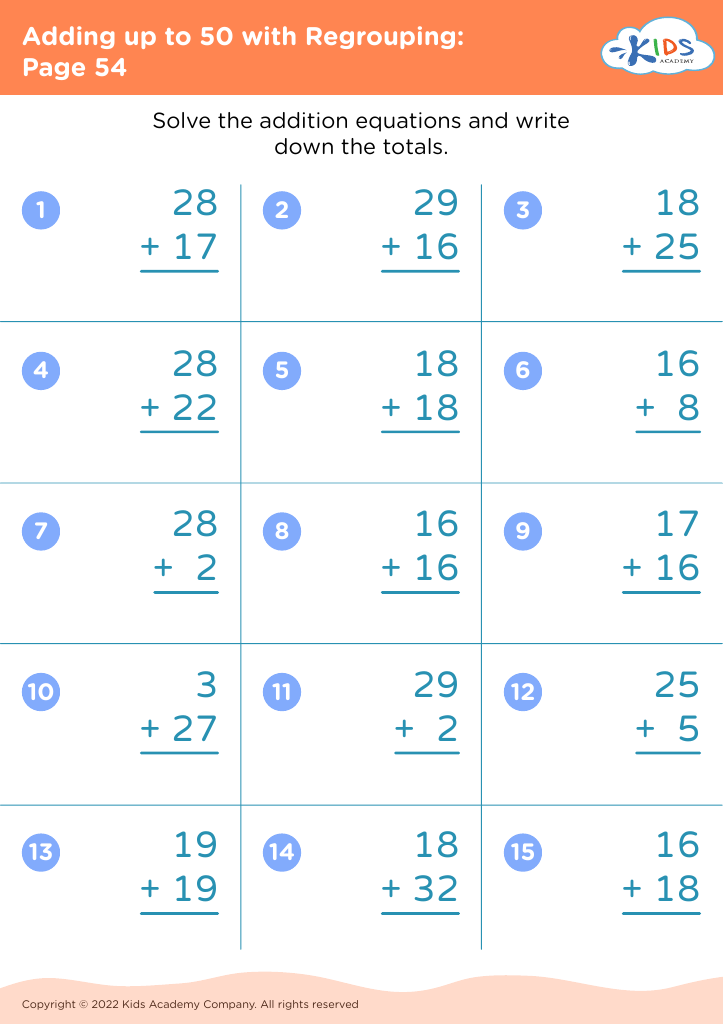
Adding up to 50 with Regrouping: Page 54
Worksheet
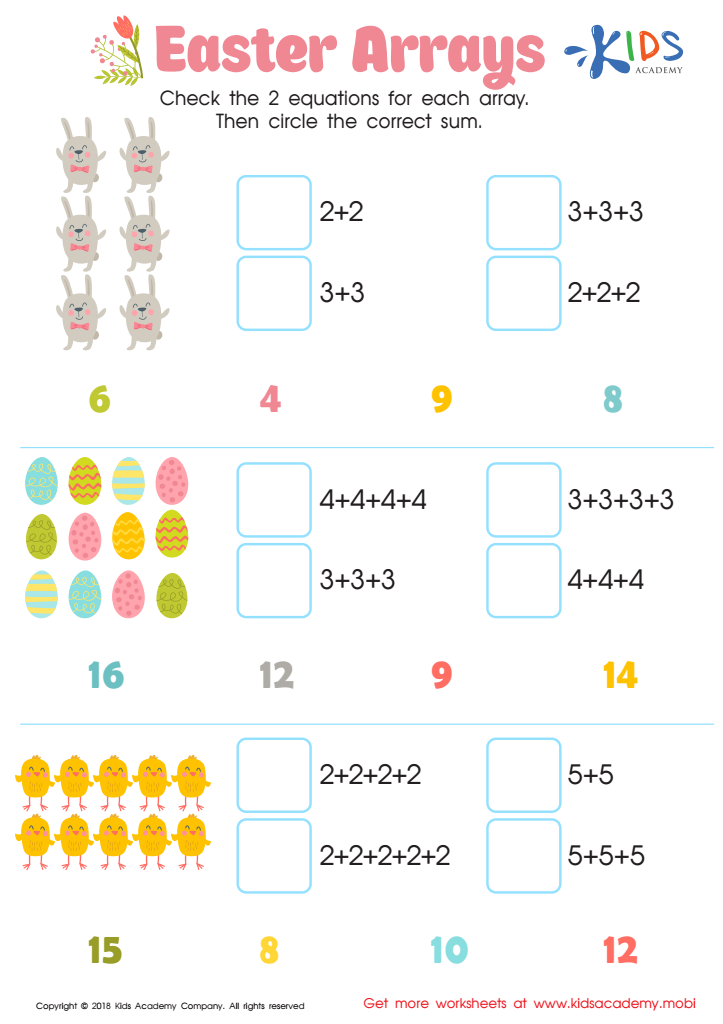
Easter Arrays Worksheet

Easter Arrays Worksheet

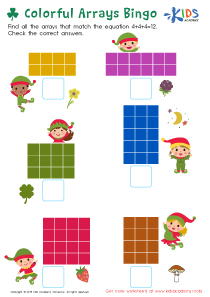
Does your child love Easter? Do they adore the Easter bunny and egg hunts? Help them have fun with this worksheet! Go through it with them and check the equations for each array. Then, have them circle the correct sum. It's a great way to make the holiday extra exciting!
Easter Arrays Worksheet
Worksheet
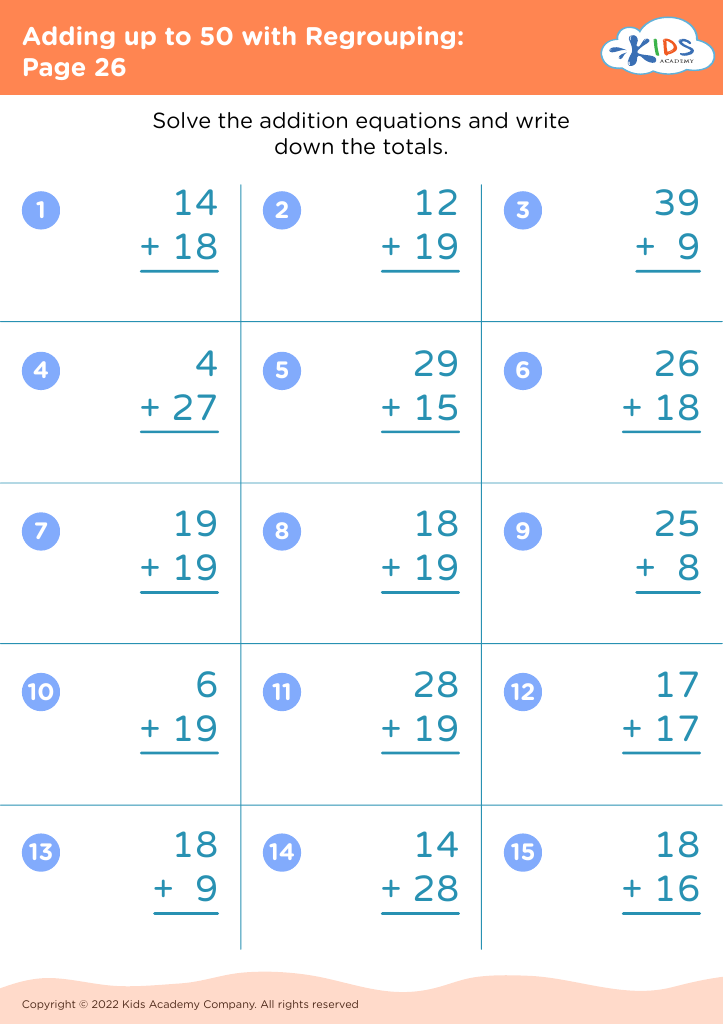
Adding up to 50 with Regrouping: Page 26
Worksheet
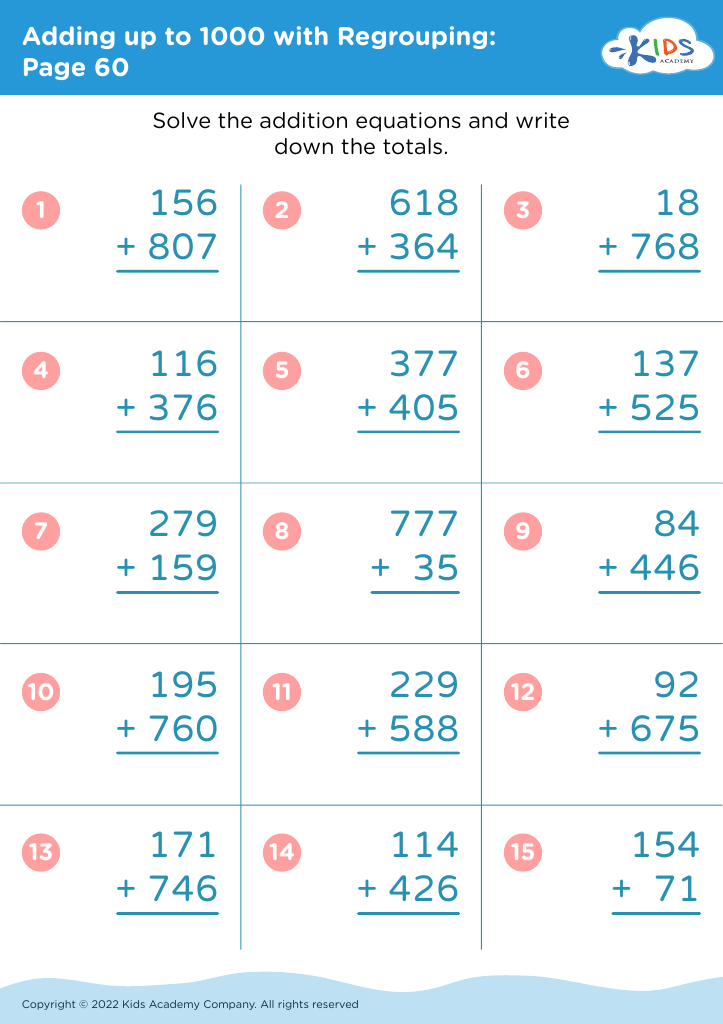
Adding up to 1000 with Regrouping: Page 60
Worksheet
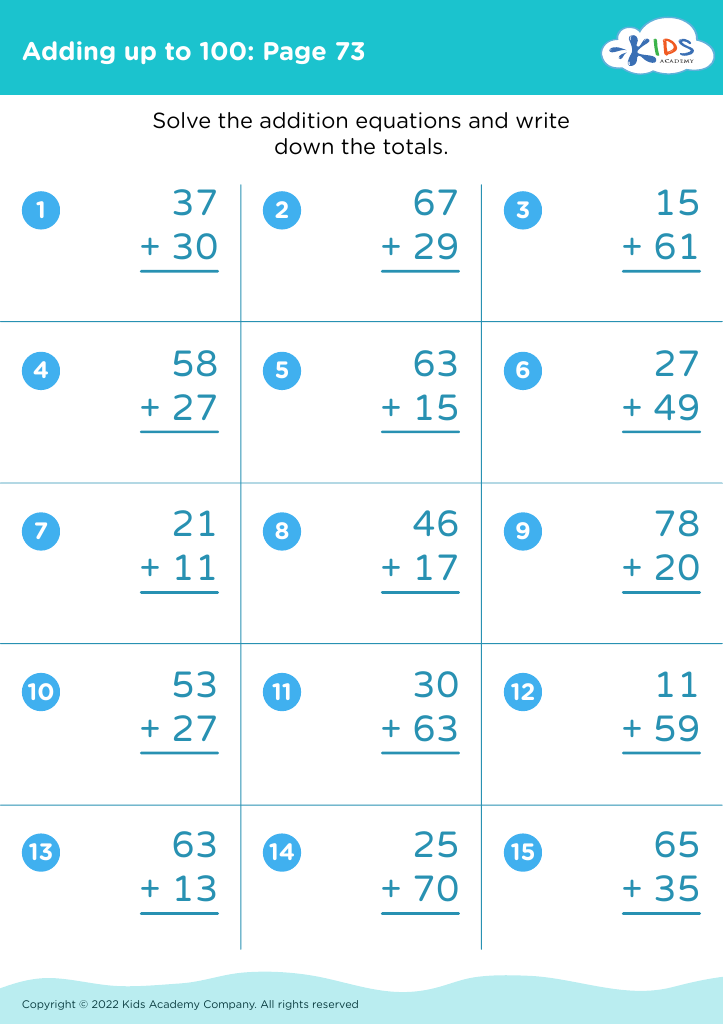
Adding up to 100: Page 73

Adding up to 100: Page 73

Adding up to 100: Page 73
Worksheet
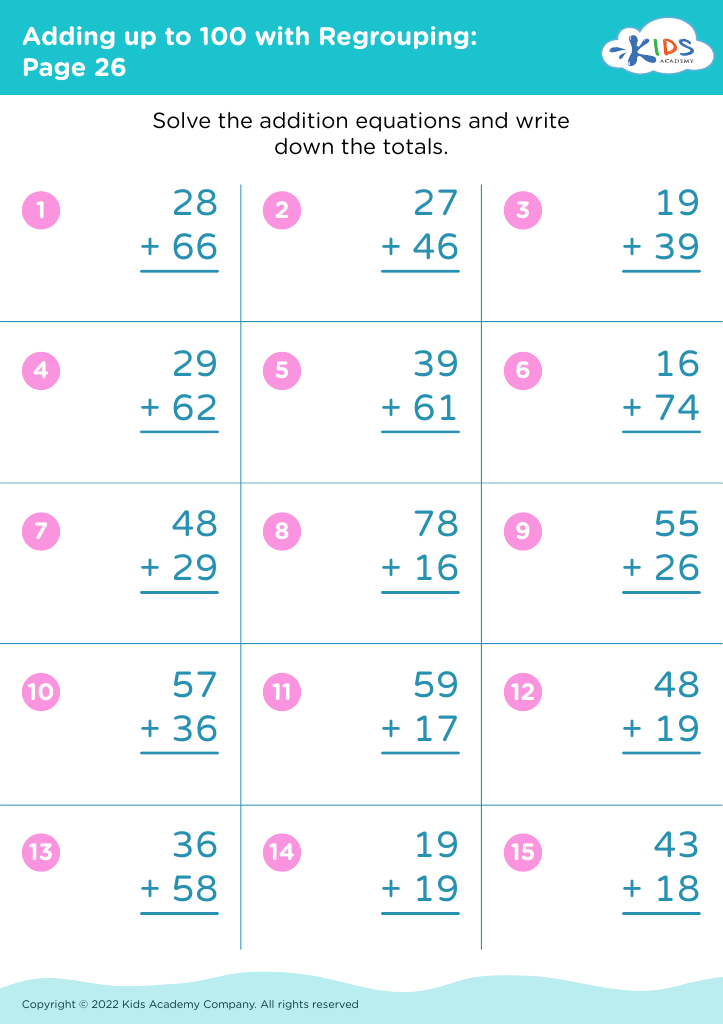
Adding up to 100 with Regrouping: Page 26
Worksheet
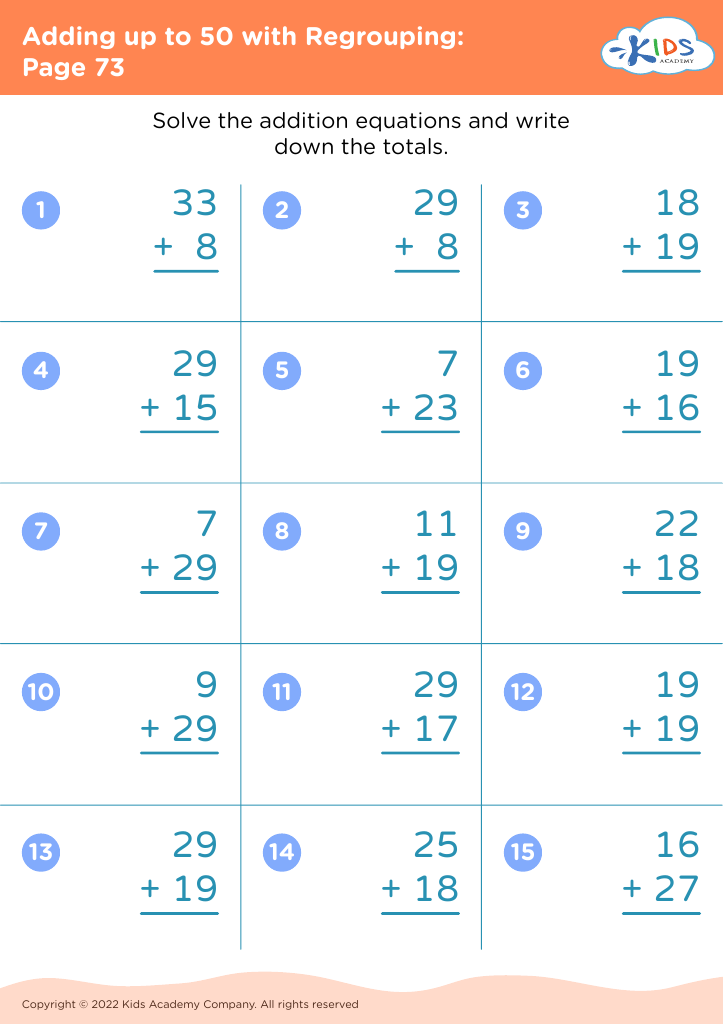
Adding up to 50 with Regrouping: Page 73
Worksheet
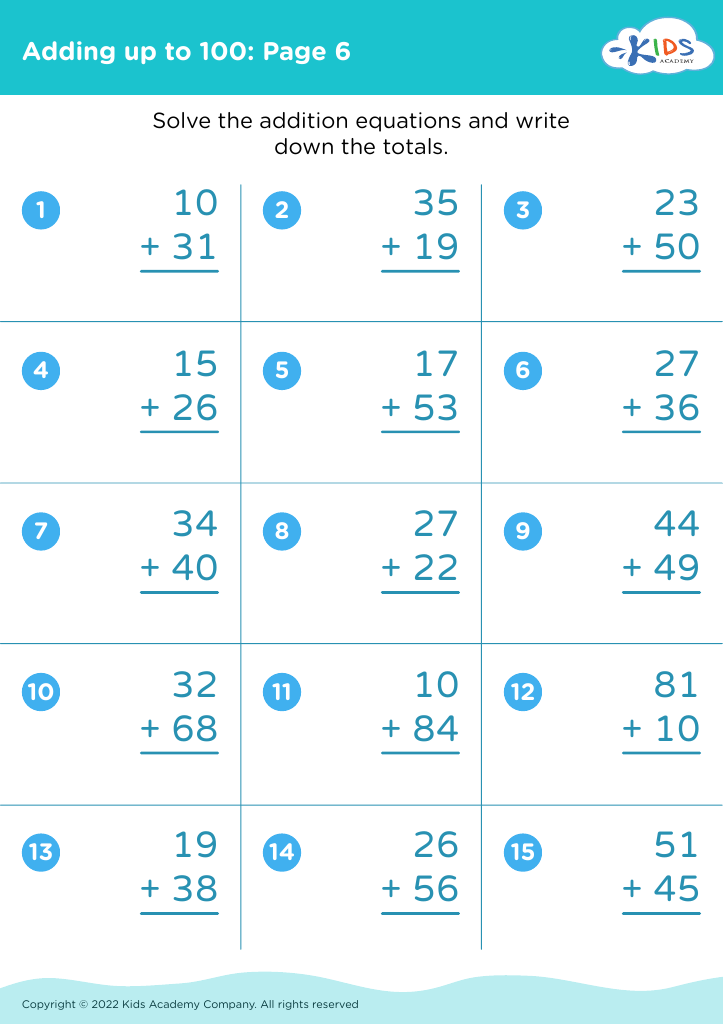
Adding up to 100: Page 6

Adding up to 100: Page 6

Adding up to 100: Page 6
Worksheet
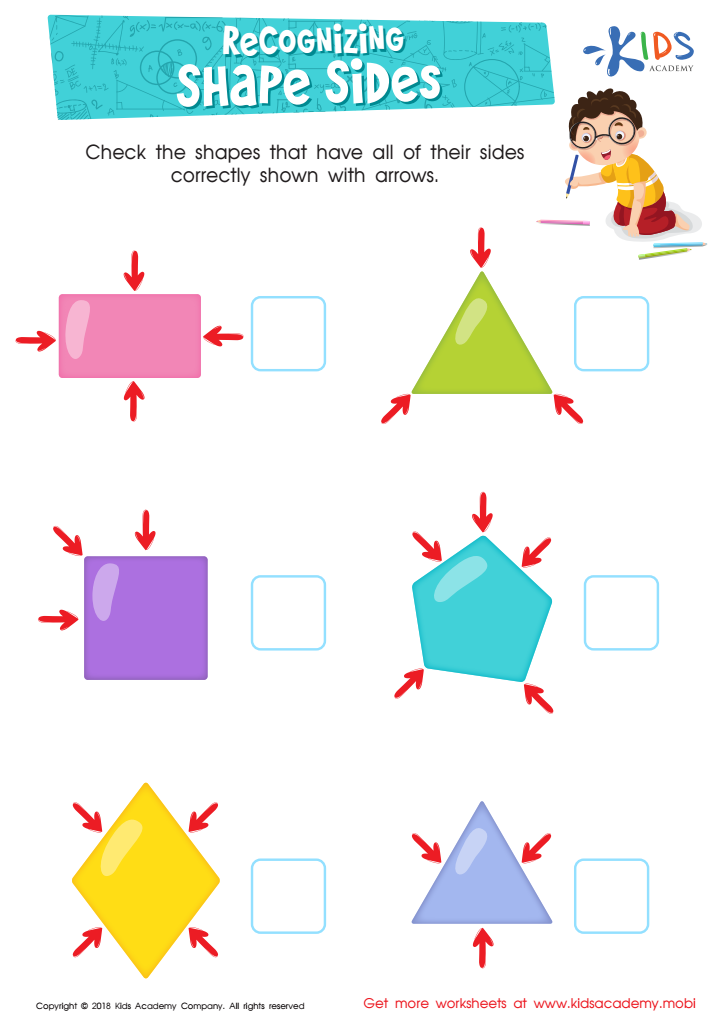
Recognizing Shape Sides Worksheet
Recognizing Shape Sides Worksheet
This exercise will help your child recognize shape sides. Go over the difference between sides and angles first, then have them check the shapes with arrows to show the sides. They'll quickly get the hang of it and find it much easier after completing the colorful worksheet.
Recognizing Shape Sides Worksheet
Worksheet
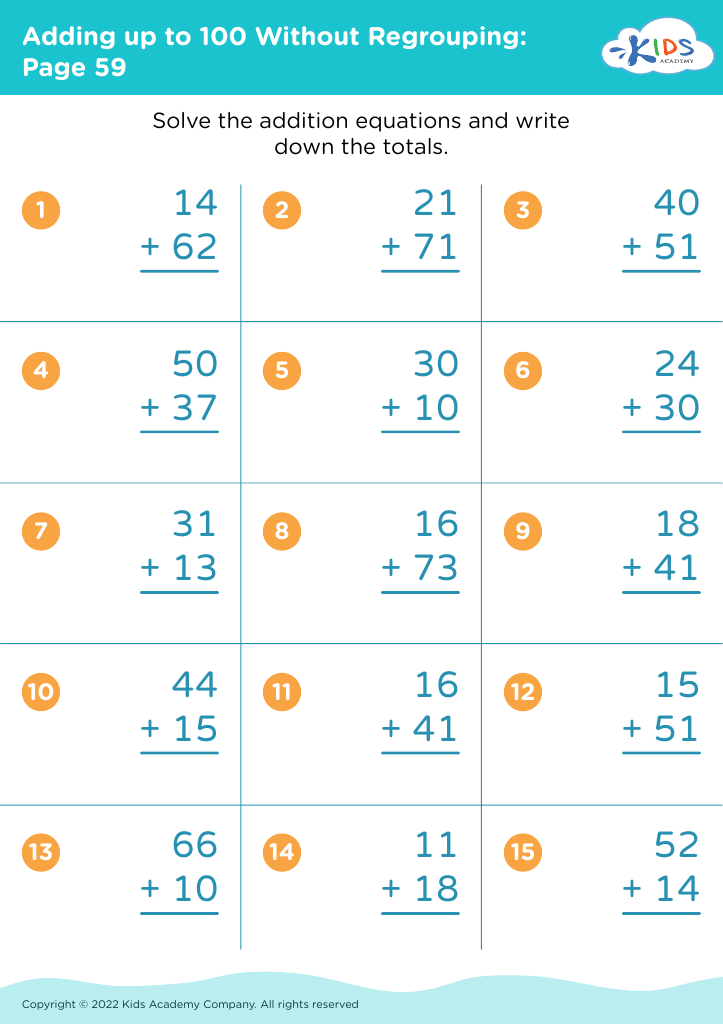
Adding up to 100 Without Regrouping: Page 59
Worksheet
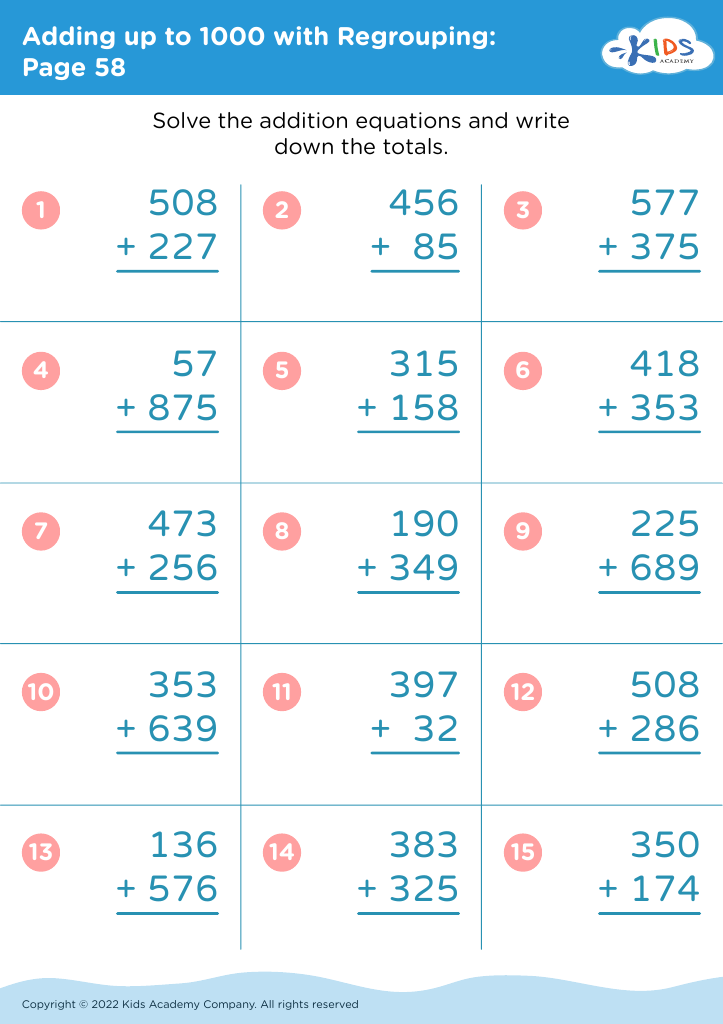
Adding up to 1000 with Regrouping: Page 58
Worksheet
Color the Shapes Worksheet

Color the Shapes Worksheet

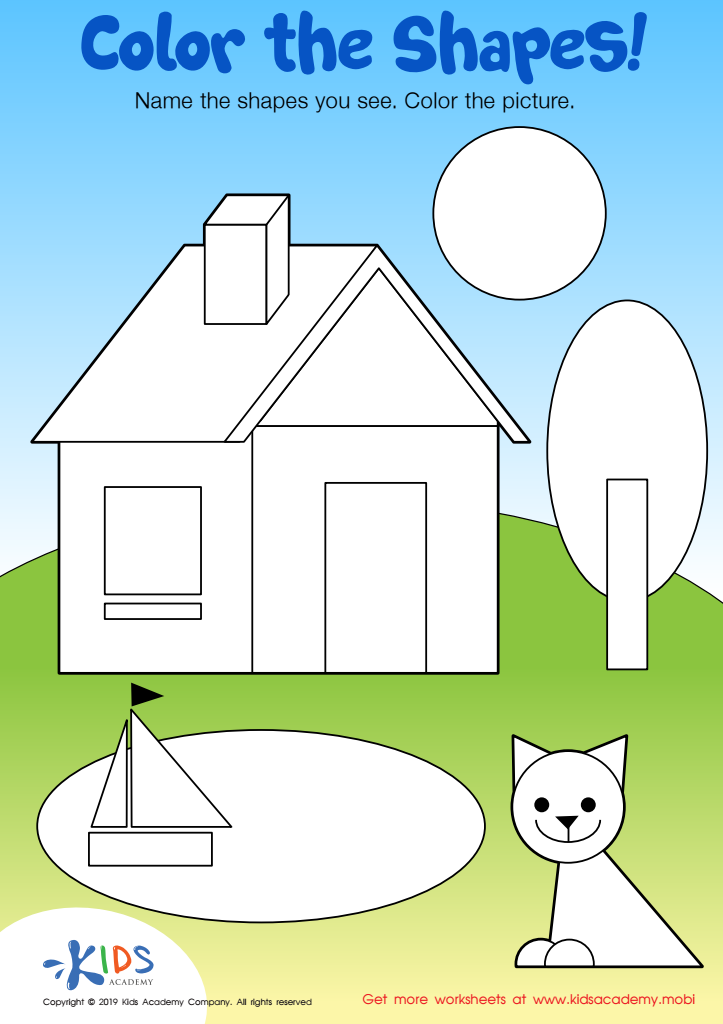
Help your student master shape identification with this fun worksheet. Ask them to name the shapes in the picture, then color it! Ask questions like "How many squares do you see?" and "How many triangles?" to extend the learning. Identify squares, circles, triangles and rectangles with this enjoyable coloring page.
Download (PDF)
Assign to My Students
Color the Shapes Worksheet
Worksheet
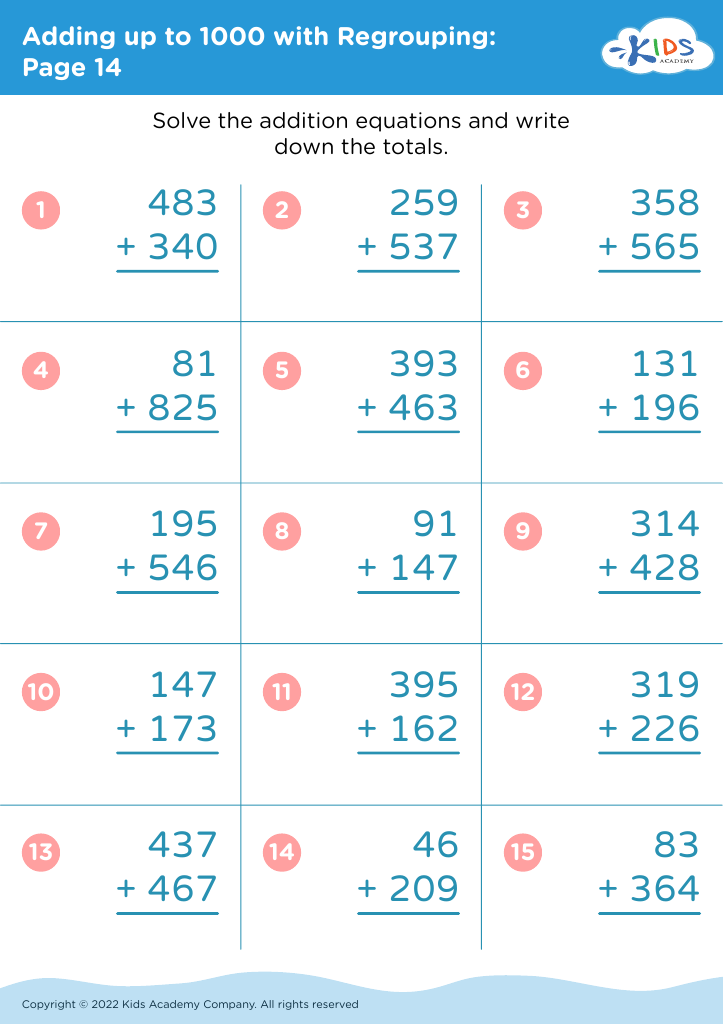
Adding up to 1000 with Regrouping: Page 14
Worksheet
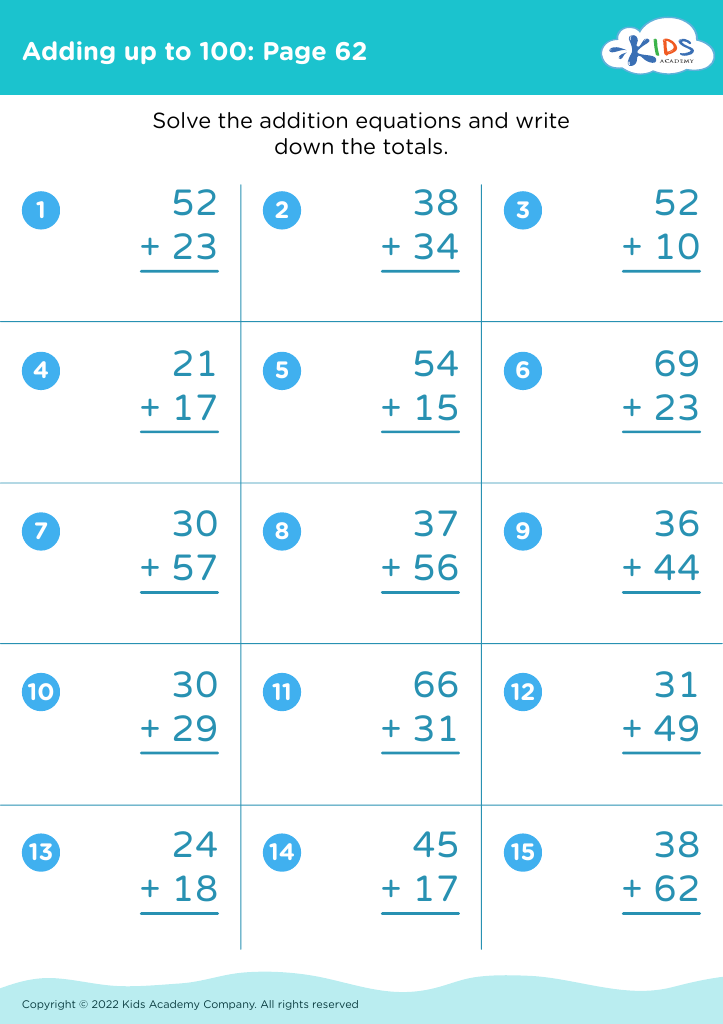
Adding up to 100: Page 62

Adding up to 100: Page 62

Adding up to 100: Page 62
Worksheet
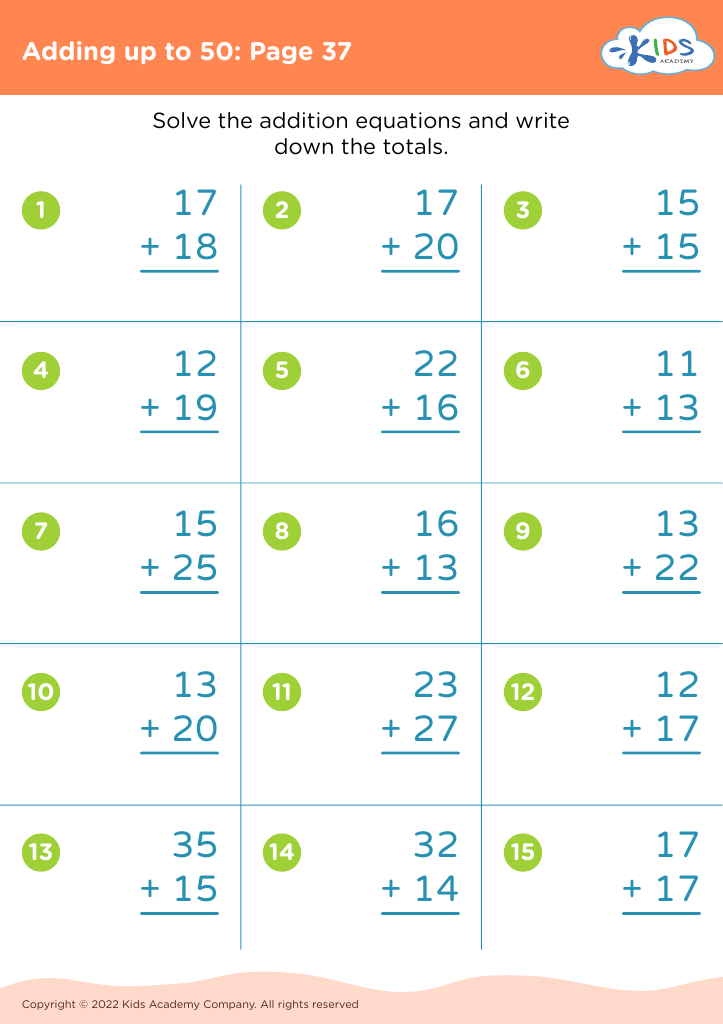
Adding up to 50: Page 37

Adding up to 50: Page 37

Adding up to 50: Page 37
Worksheet
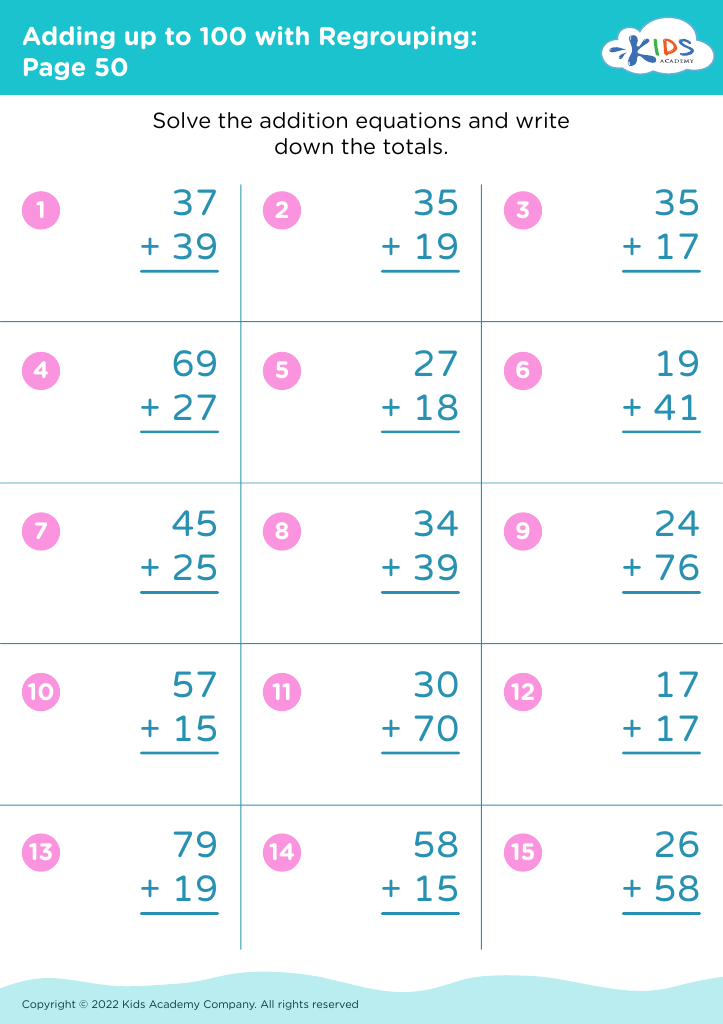
Adding up to 100 with Regrouping: Page 50
Worksheet
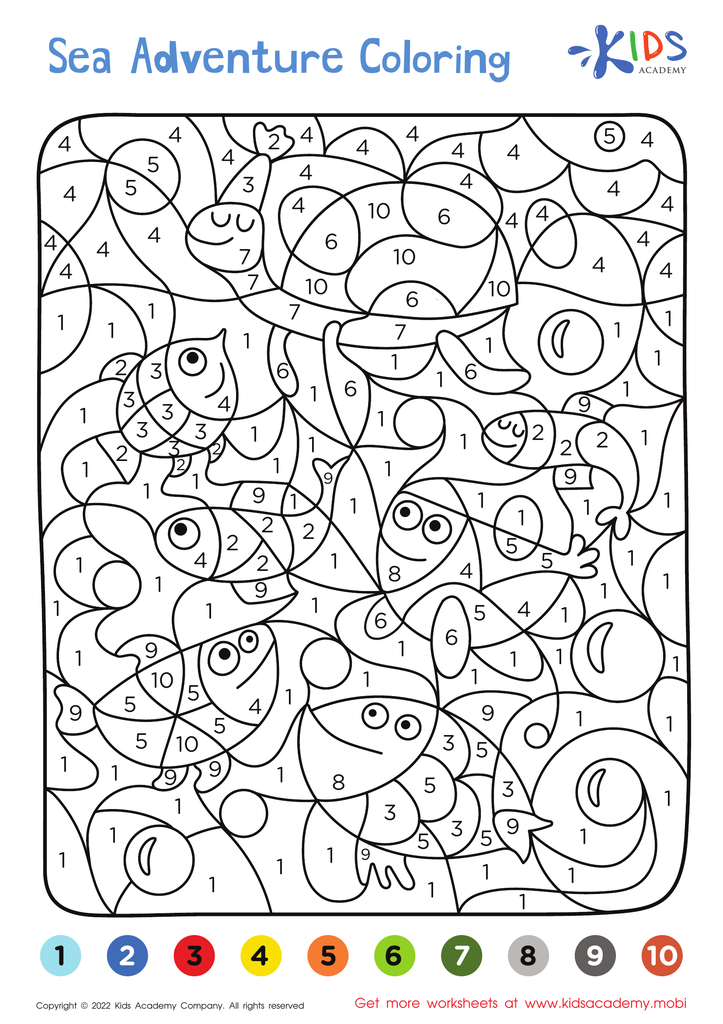
Sea Adventure – Coloring by Numbers


Sea Adventure – Coloring by Numbers

Unlock a sea adventure with a free coloring by numbers PDF page! Download now to get creative and fill the page with vibrant colors.
Sea Adventure – Coloring by Numbers
Worksheet


Color identification in Grade 2 math is crucial for several reasons that impact a child's overall learning and development. Firstly, it enhances visual discrimination skills, enabling students to differentiate between various colors and their shades. This skill supports not only artistic expression but also aids in subjects like science, where color plays a role in understanding concepts such as plant biology and ecosystems.

Furthermore, color identification fosters engagement and motivation in learning. When math activities incorporate colors—whether through colorful graphs, blocks, or manipulatives—students often find the material more appealing and easier to grasp. This increased engagement can lead to improved retention of mathematical concepts, facilitating understanding in areas like addition and subtraction, where visual reinforcement is key.

Additionally, color identification supports the development of language and communication skills. Teachers and parents can encourage children to describe colors and relate them to everyday objects, enriching their vocabulary and comprehension.

Finally, in our increasingly visual world, recognizing and classifying colors helps children develop critical thinking skills as they begin to interpret visual data in charts, maps, and infographics. Therefore, supporting color identification from a young age is a foundational skill vital for later academic success.