Vocabulary Building Grade 2 Math Worksheets
7 filtered results
-
From - To
Enhance your second grader's math skills with our engaging Vocabulary Building Grade 2 Math Worksheets! Designed to strengthen understanding of key math concepts, these worksheets provide an interactive way for young learners to explore essential terms and language used in mathematics. From understanding basic operations to exploring shapes and patterns, each activity encourages students to connect vocabulary with mathematical ideas. With colorful illustrations and age-appropriate challenges, these worksheets cater to diverse learning styles, making math both fun and educational. Help your child build a solid math vocabulary foundation, setting them up for success in their future academic endeavors. Start exploring today!
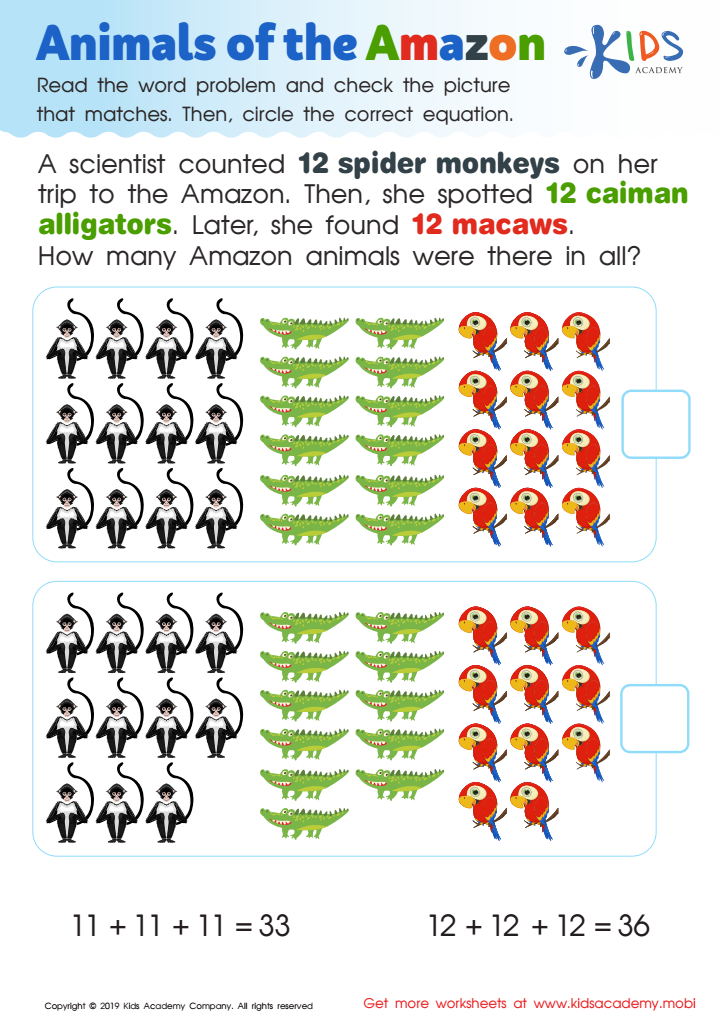
Animals of Amazon Worksheet
 Assign to My Students
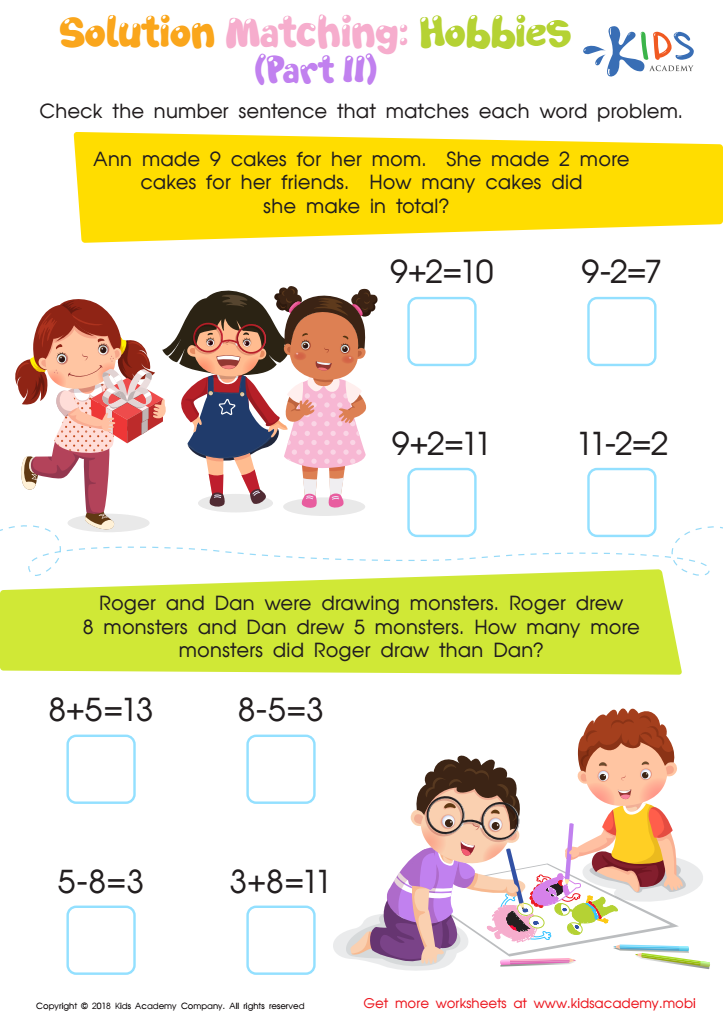
Solution Matching: Hobbies. Part 2 Worksheet
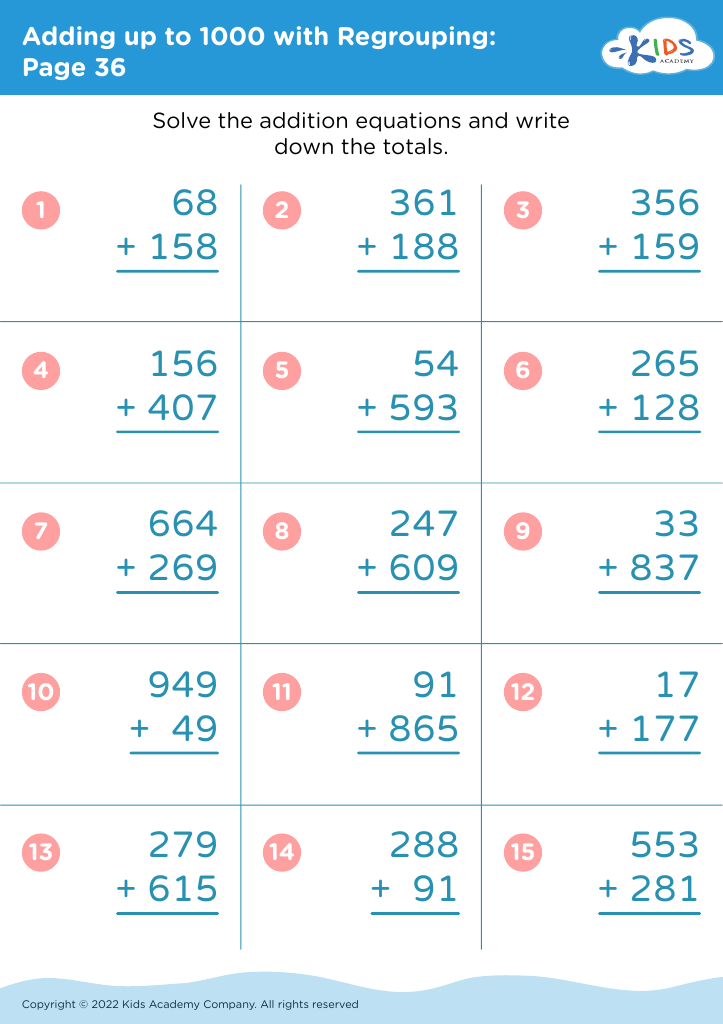






Vocabulary building in Grade 2 math is crucial for young learners as it lays a foundational understanding of mathematical concepts. At this stage, children are not just acquiring skills in calculation but are also developing their mathematical language. A rich mathematics vocabulary helps students articulate their thought processes, describe their problem-solving strategies, and communicate effectively about math. Grade 2 introduces essential concepts such as addition, subtraction, shapes, measurement, and basic fractions, each with specific terminology that needs to be mastered.
When parents and teachers focus on vocabulary building, they empower students to engage more deeply with the subject matter. A strong mathematical vocabulary enhances comprehension, enabling children to understand math problems more effectively and reducing anxiety around math-related tasks. Additionally, proficient vocabulary usage boosts confidence, encouraging students to participate in discussions, ask questions, and collaborate with peers.
Moreover, early vocabulary skills support lifelong learning. Math language is interconnected, and a solid foundation can positively impact other subjects. By fostering an environment where vocabulary is prioritized, adults help create competent, confident learners ready to tackle more complex concepts in the future. Investing in vocabulary building now will benefit students well beyond Grade 2, shaping their overall academic success.