Problem-Solving Skills Grade 2 Word Problems Worksheets
37 filtered results
-
From - To
Unlock your child's potential with our Problem-Solving Skills Grade 2 Word Problems Worksheets. Designed specifically for second graders, these engaging worksheets challenge young minds to apply critical thinking in practical scenarios. Our diverse and stimulating word problems help students develop essential problem-solving skills while reinforcing fundamental mathematical concepts, such as addition, subtraction, multiplication, and division. Each worksheet encourages learners to think creatively and logically, paving the way for future academic success. With vivid illustrations and relatable contexts, our expertly crafted resources make math enjoyable and accessible. Empower your child to excel in problem-solving and boost their confidence with Kids Academy today!
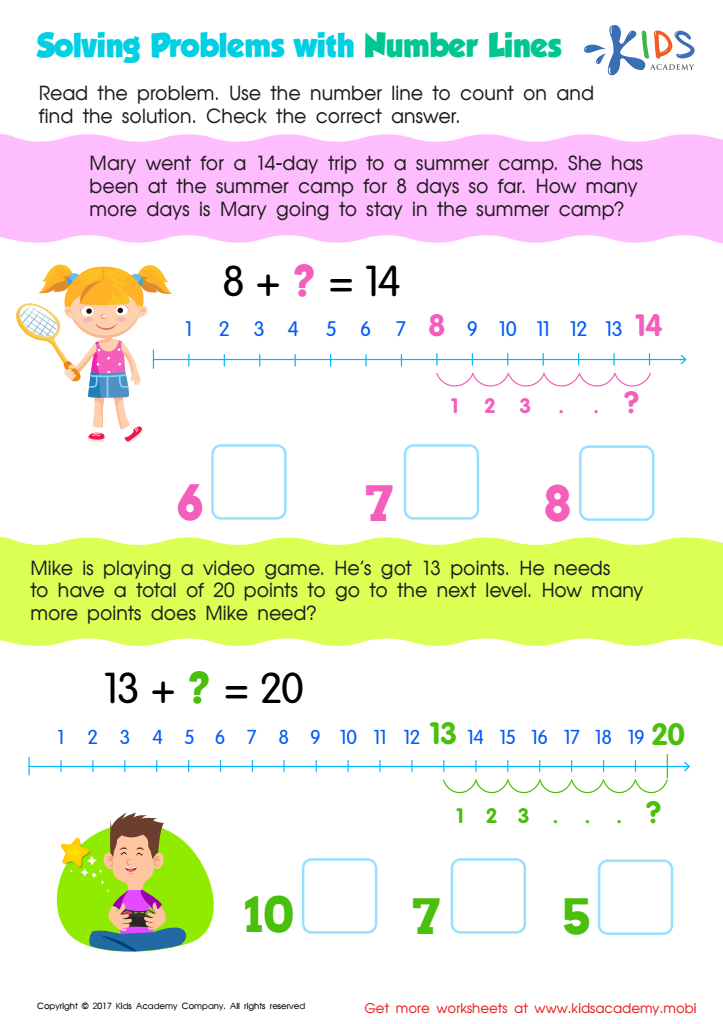
Solving Problems: Number Lines Worksheet
 Assign to My Students
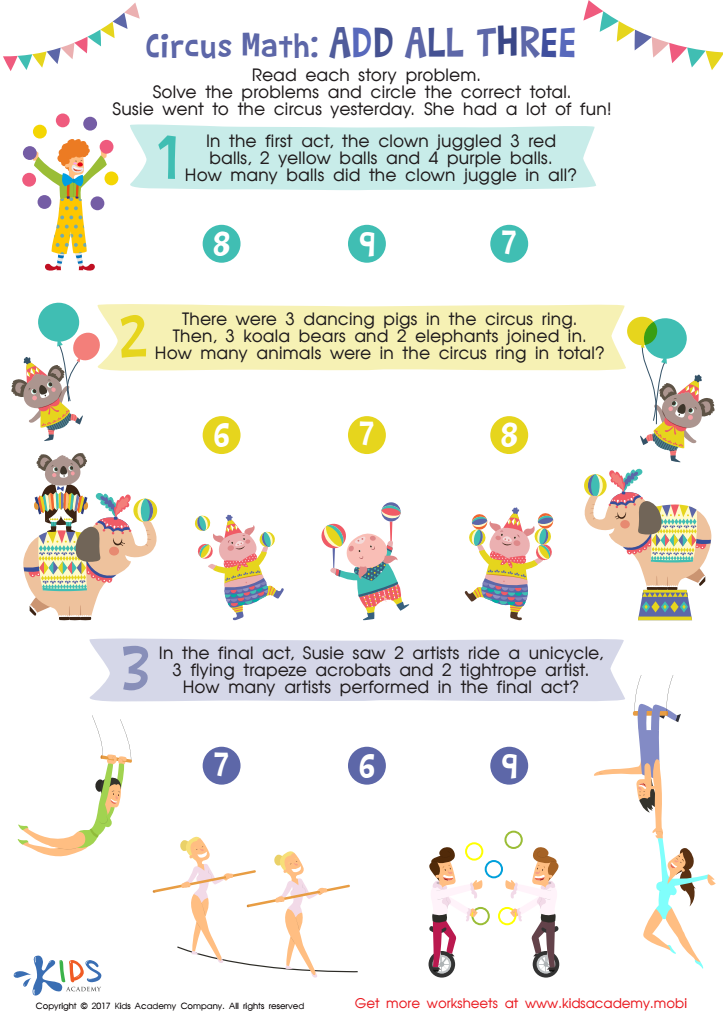
Circus Math Printable
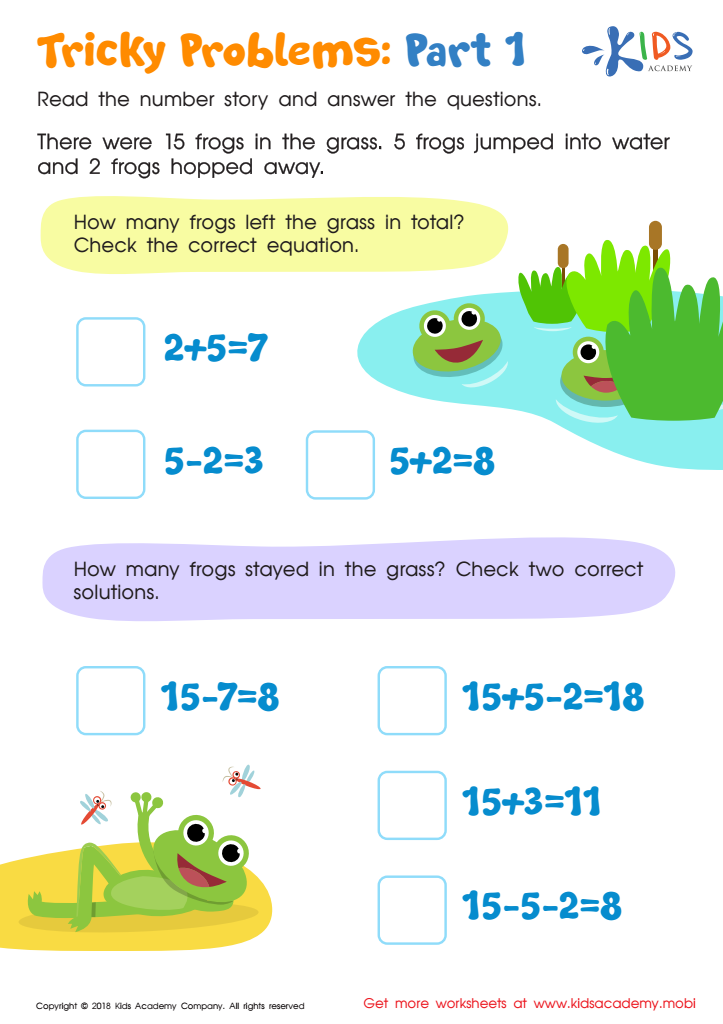
Tricky Problems Worksheet: Part 1
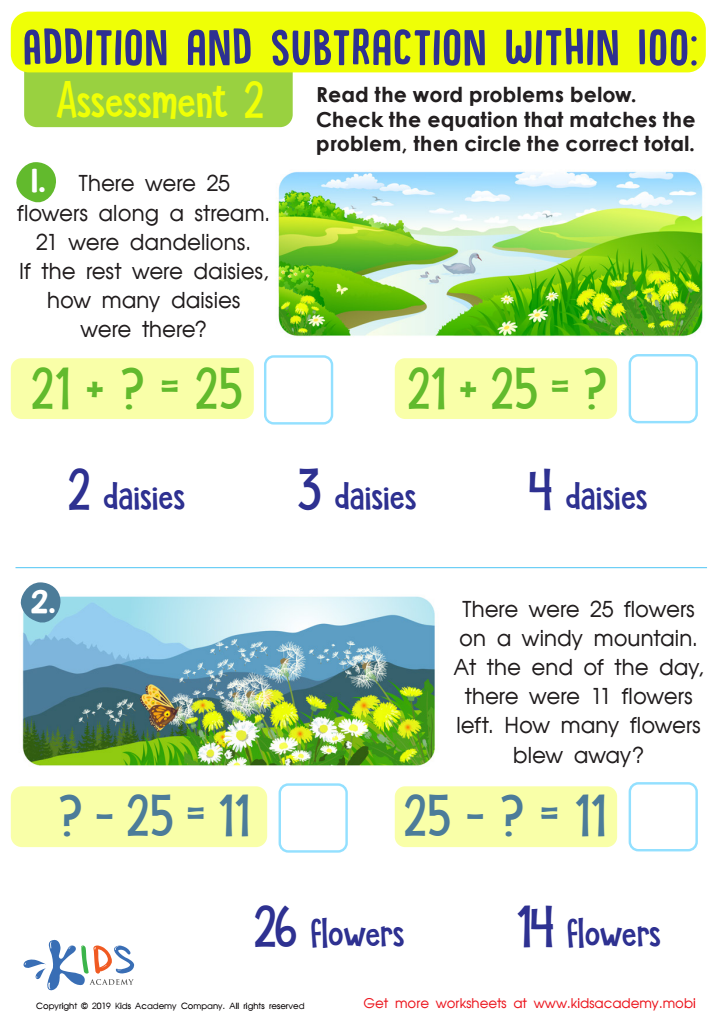
Assessment 2 Math Worksheet
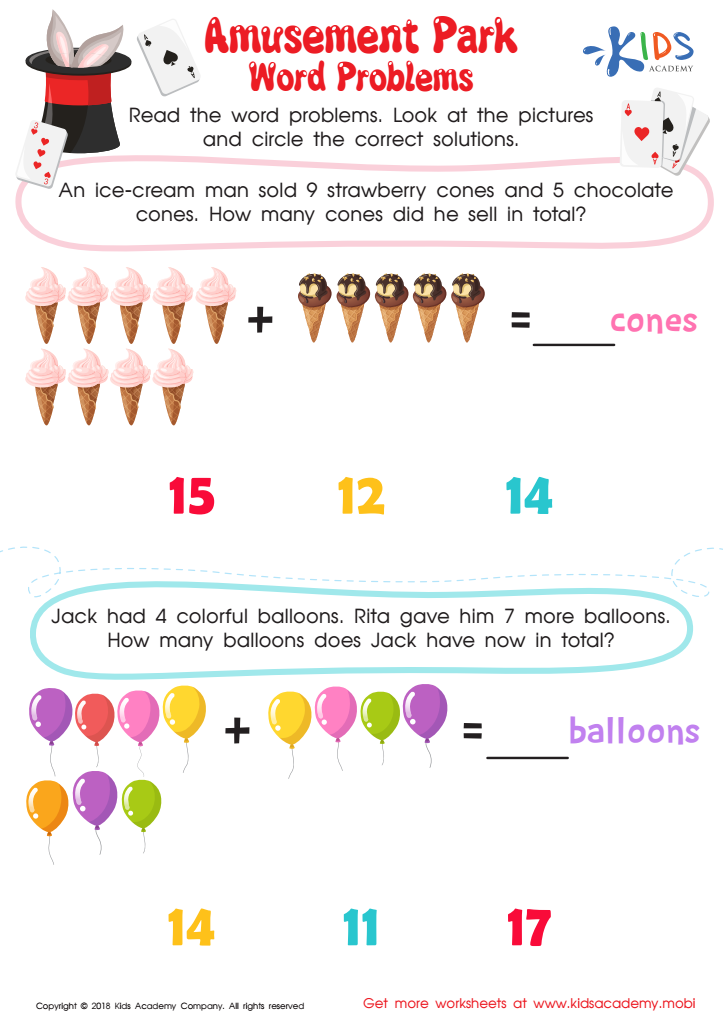
Amusement Park Word Problems Worksheet
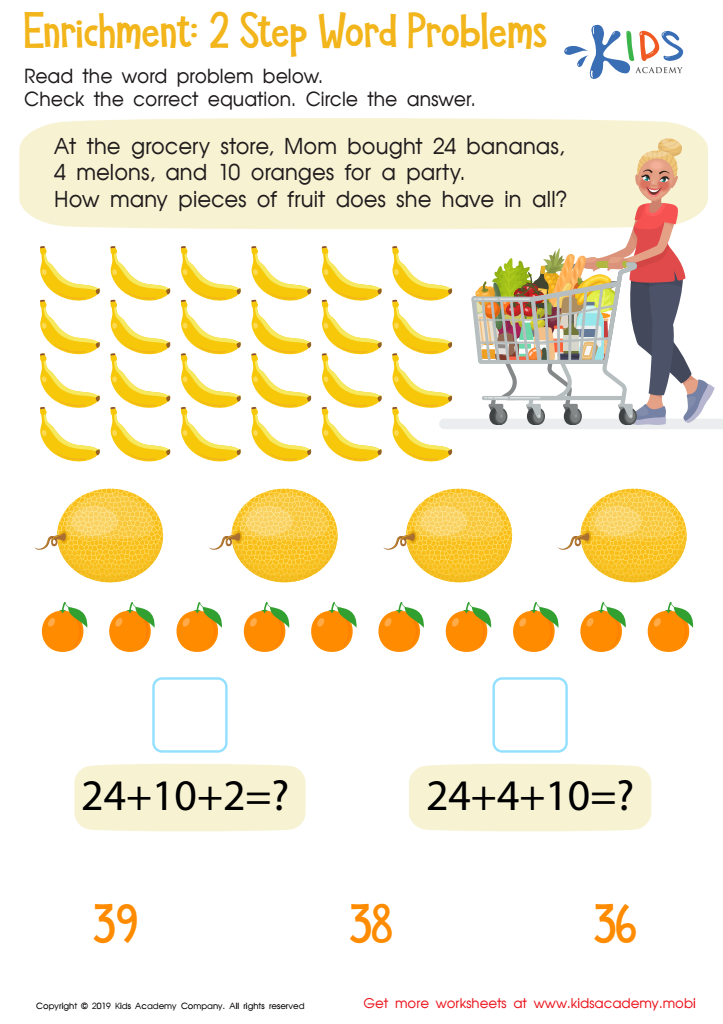
Enrichment -2 Step Word Problems Worksheet
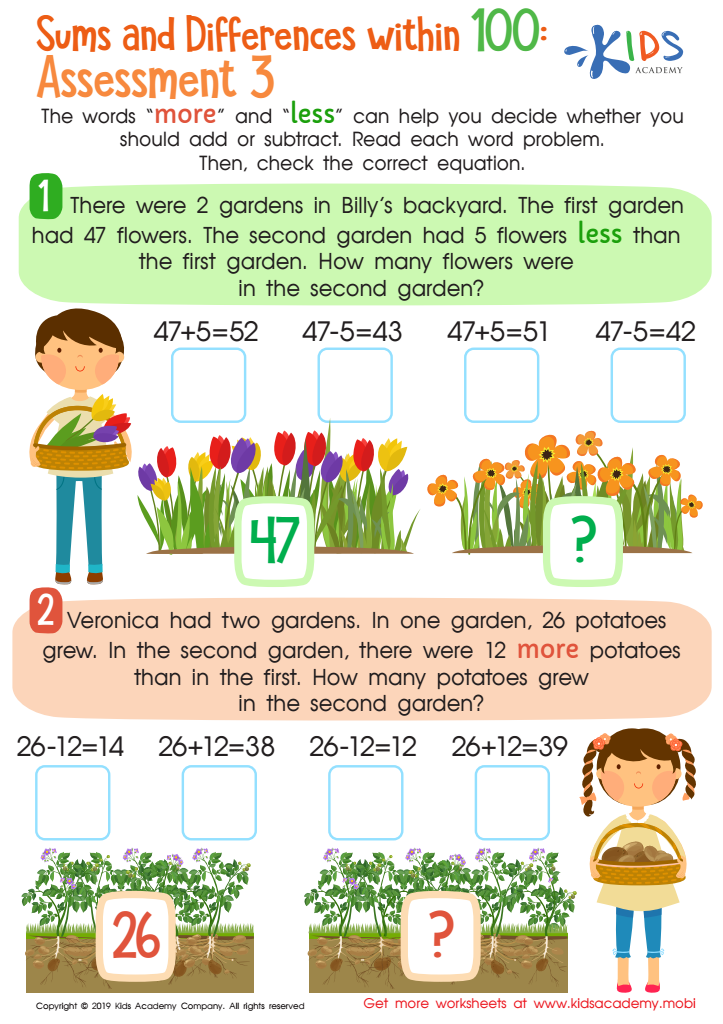
Sums and Differences Within 1 - Assessment 1 Worksheet
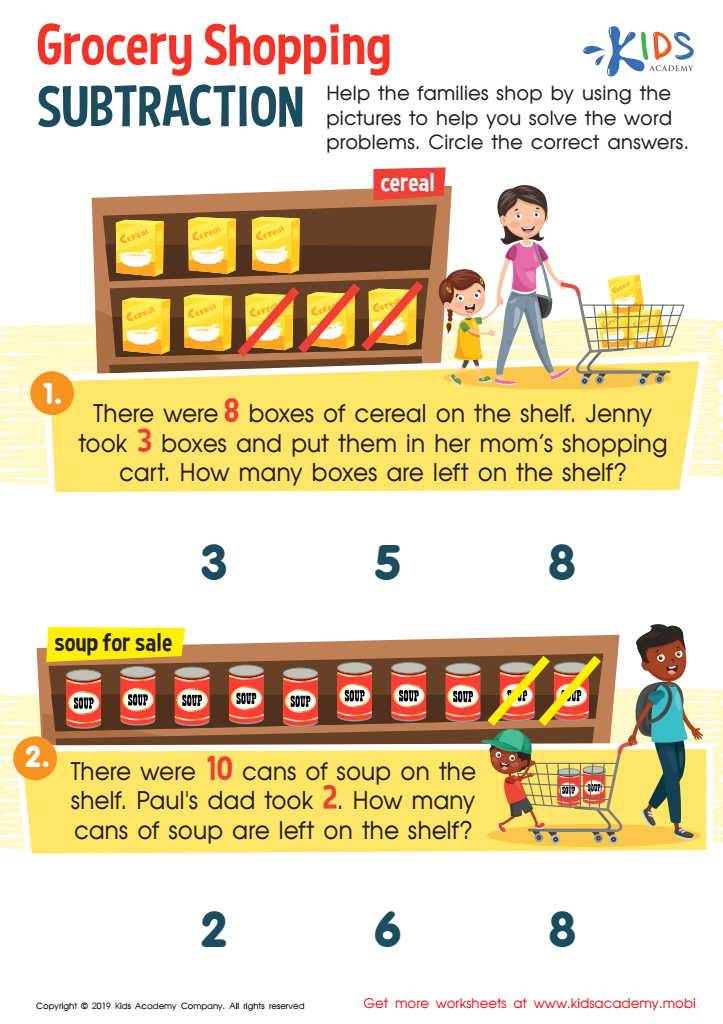
Grocery Shopping Subtraction Worksheet
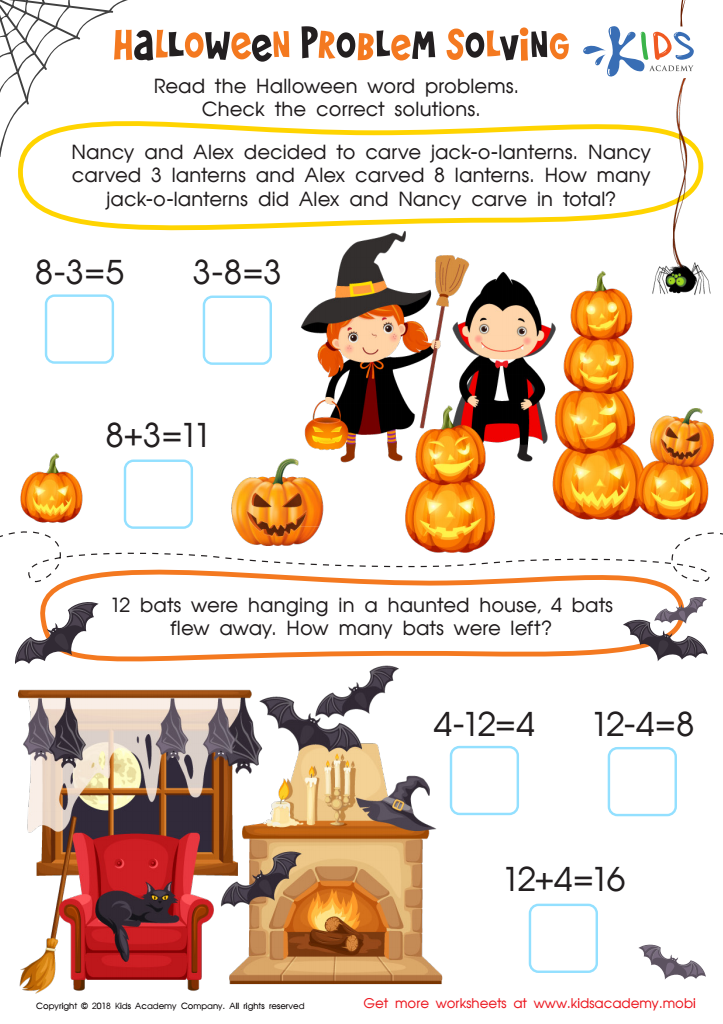
Halloween Problem Solving Worksheet
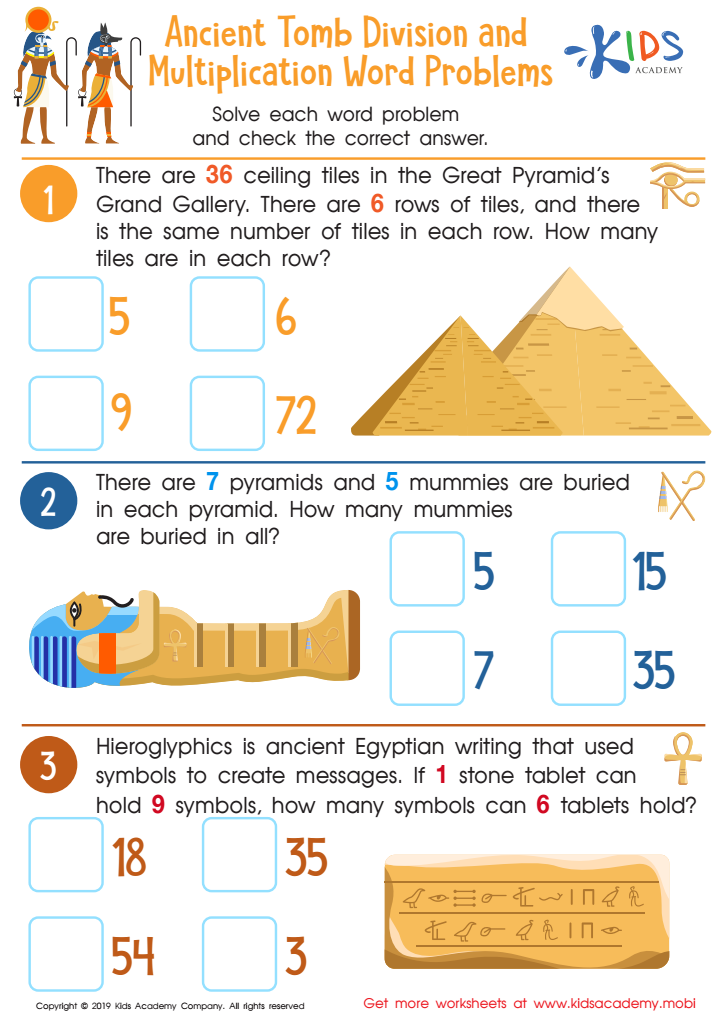
Ancient Tomb Division and Multiplication Word Problems Worksheet
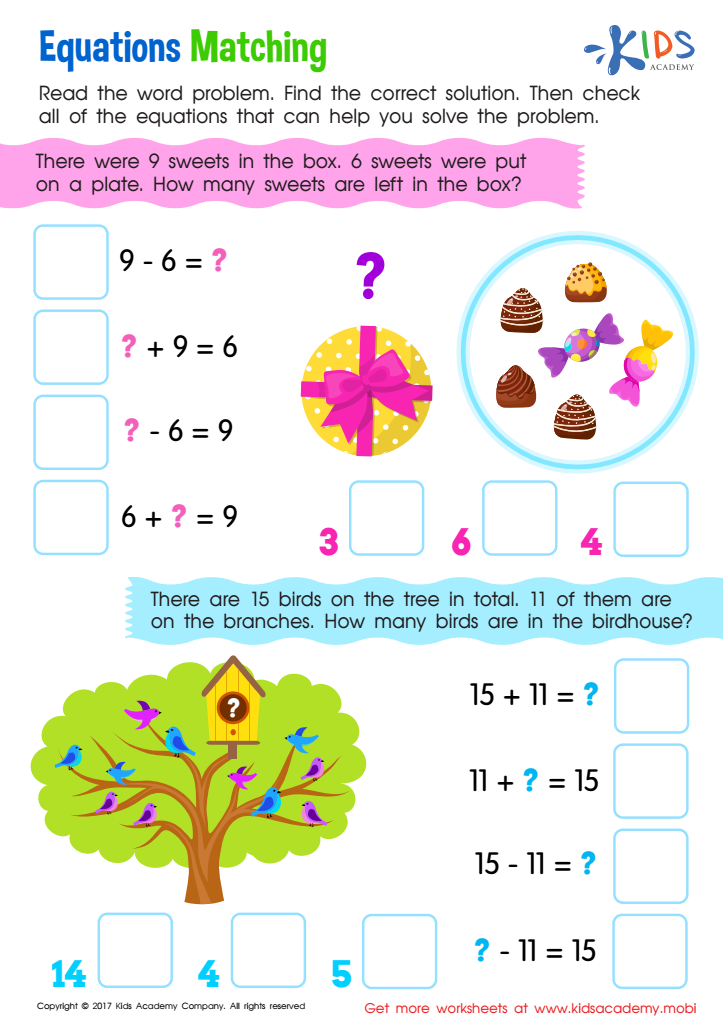
Equations Matching Word Problems Worksheet
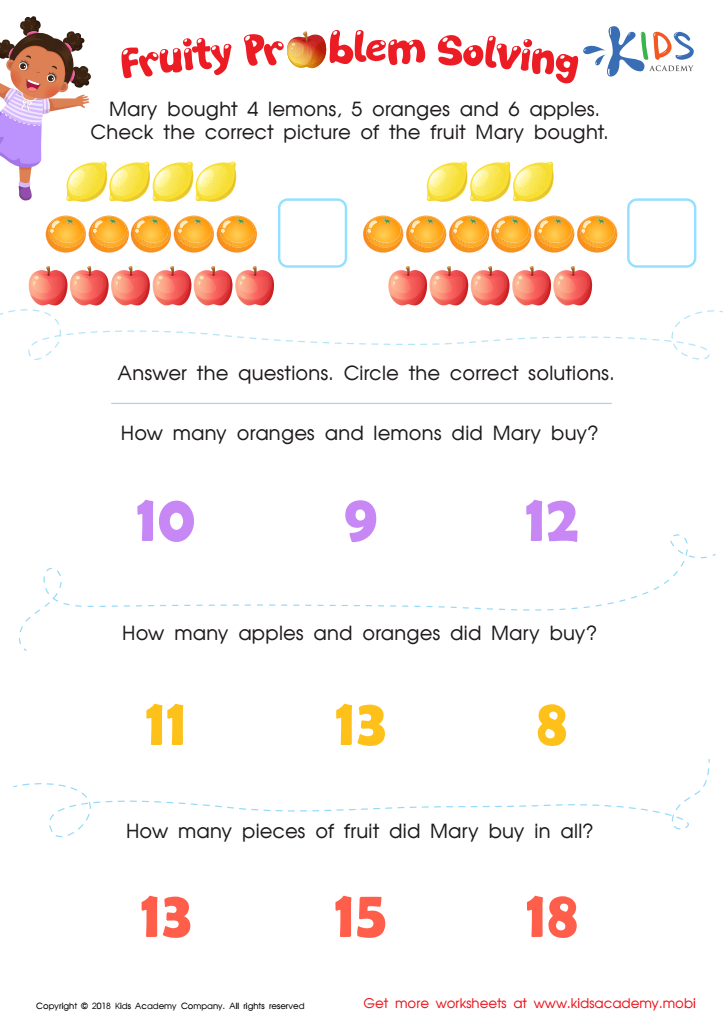
Fruity Problem Solving Worksheet
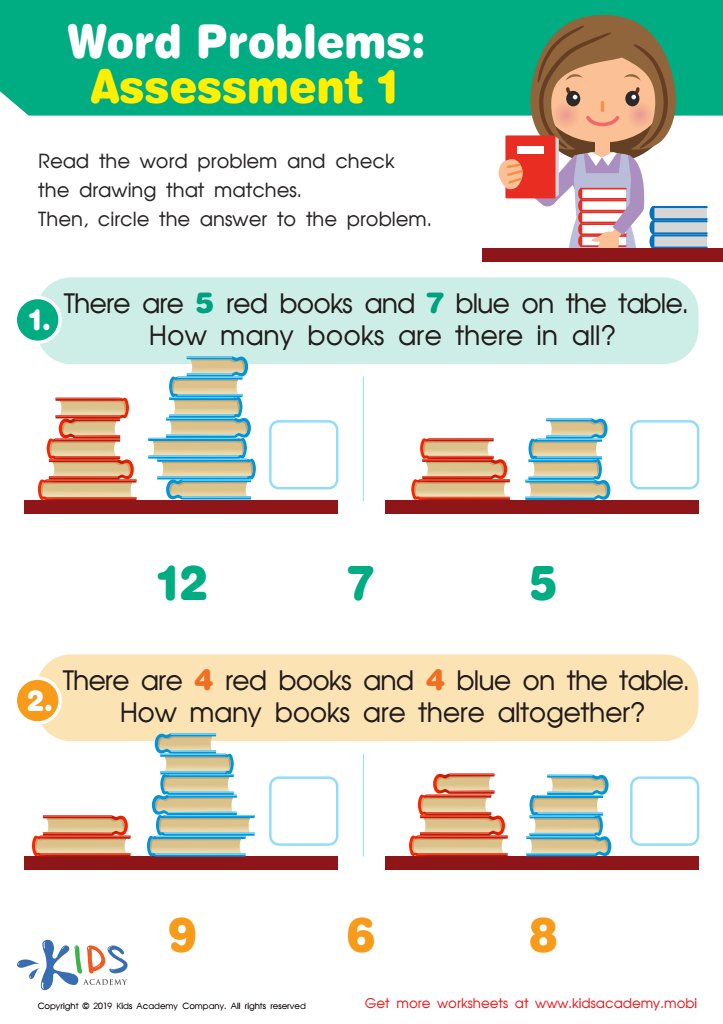
Word Problems: Assessment 1 Worksheet
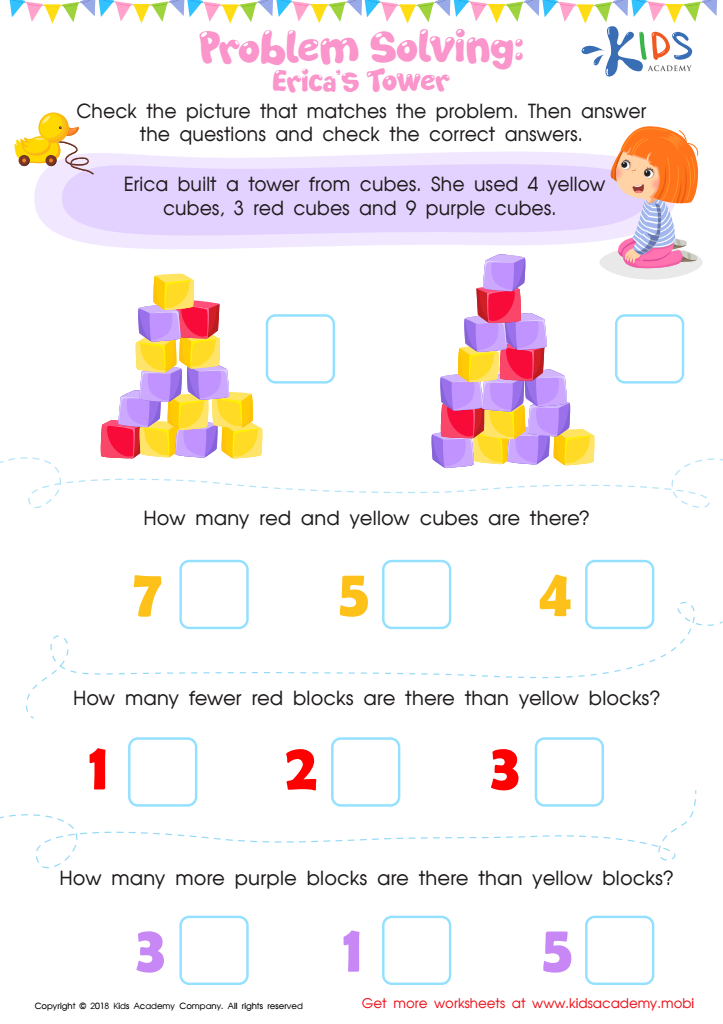
Problem Solving: Erica's Tower Worksheet
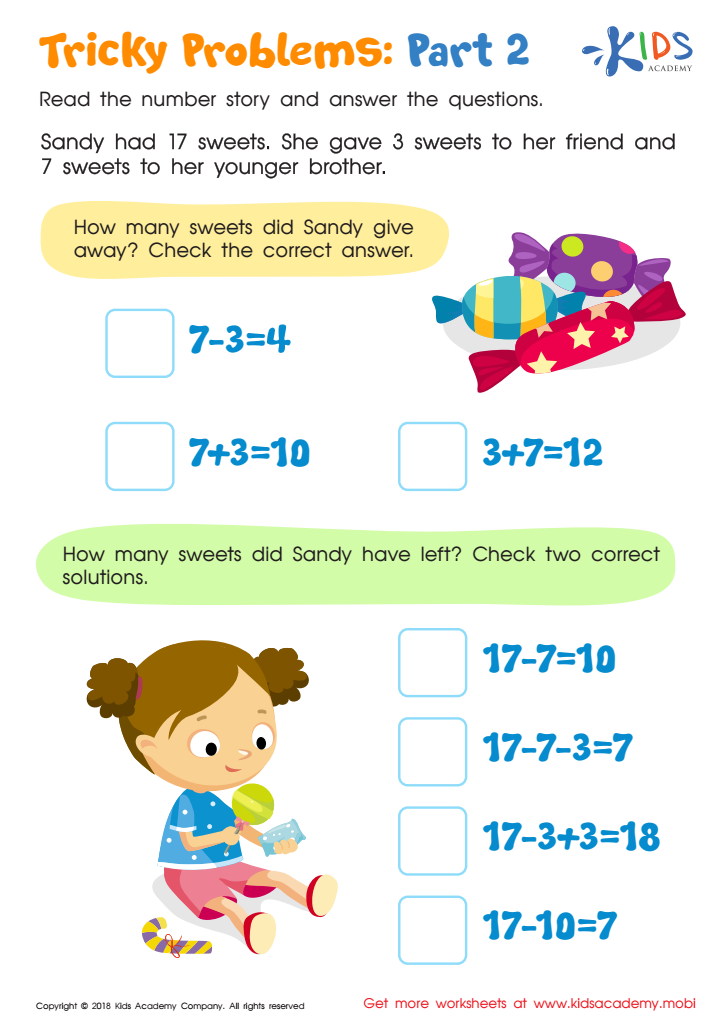
Tricky Problems Worksheet: Part 2
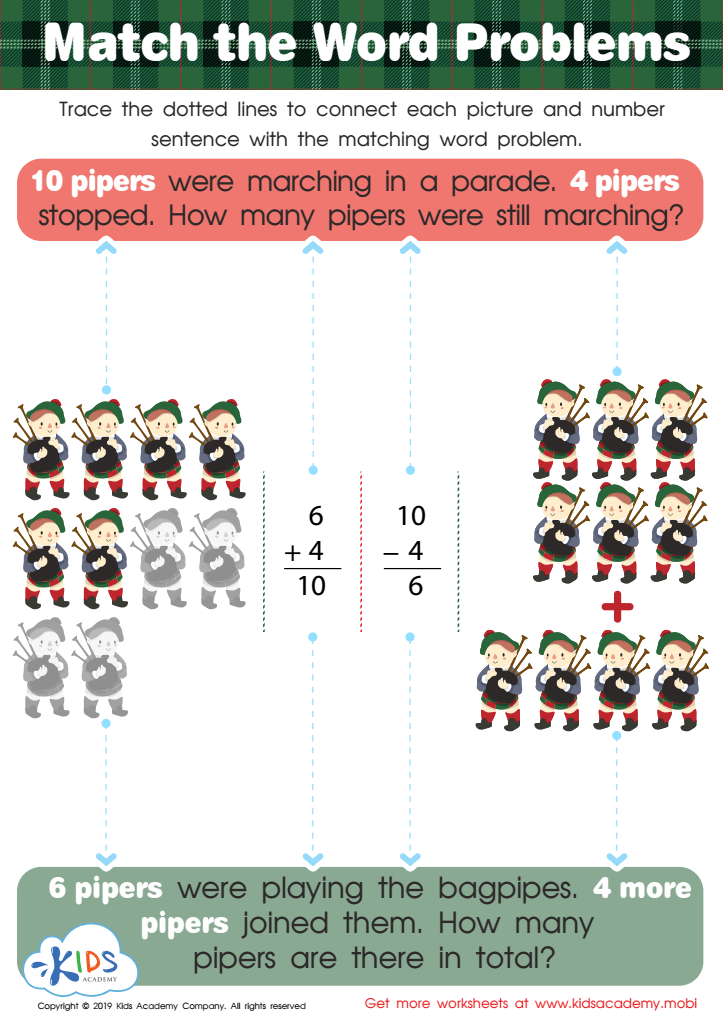
Match the Word Problems Worksheet
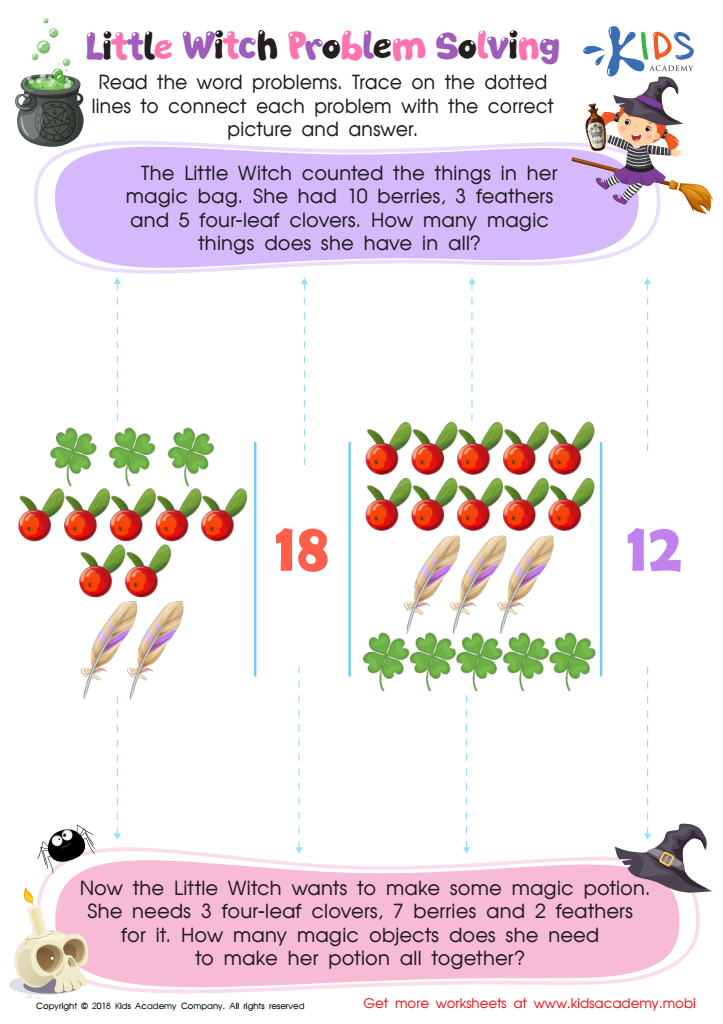
Little Witch Problem Solving Worksheet
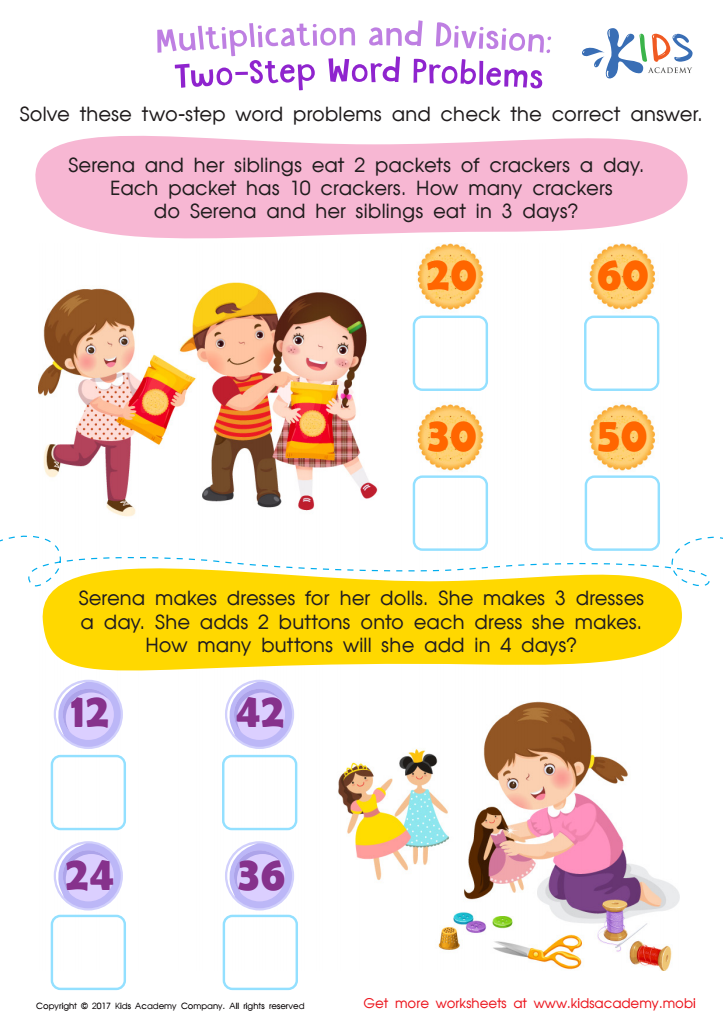
Two Step Word Problems Worksheet
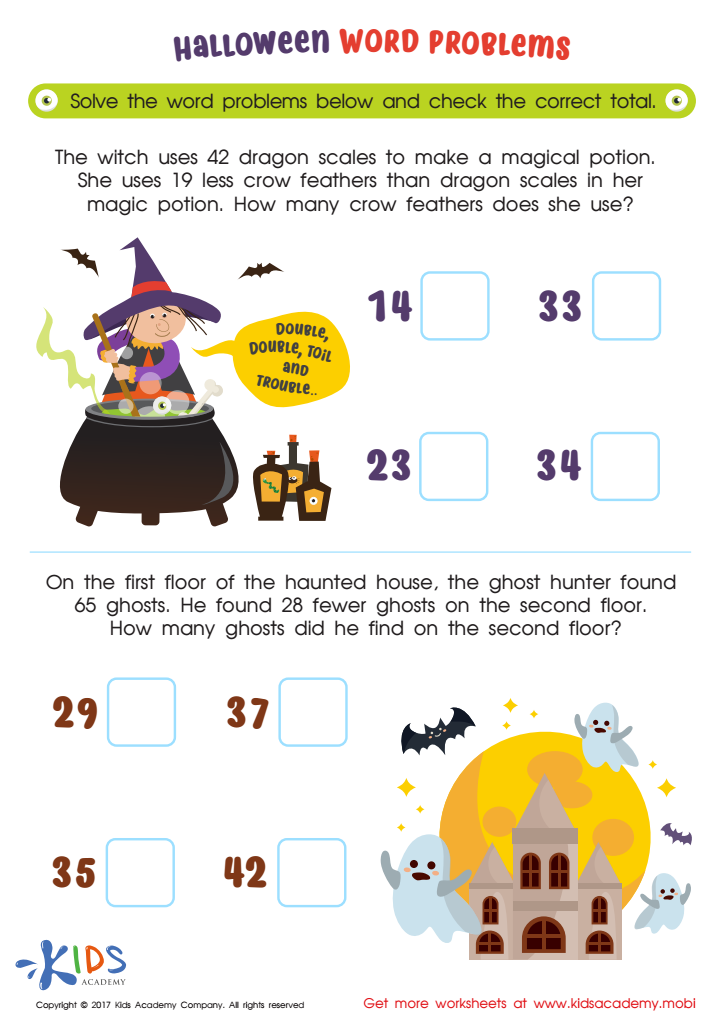
Halloween Word Problems Printable
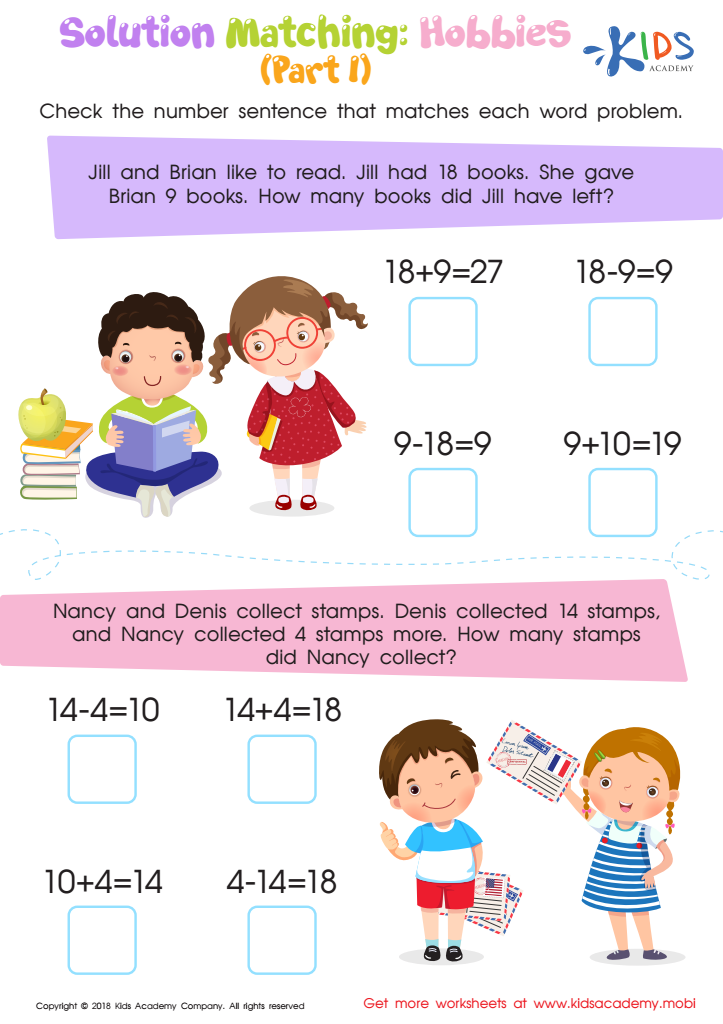
Solution Matching: Hobbies. Part 1 Worksheet
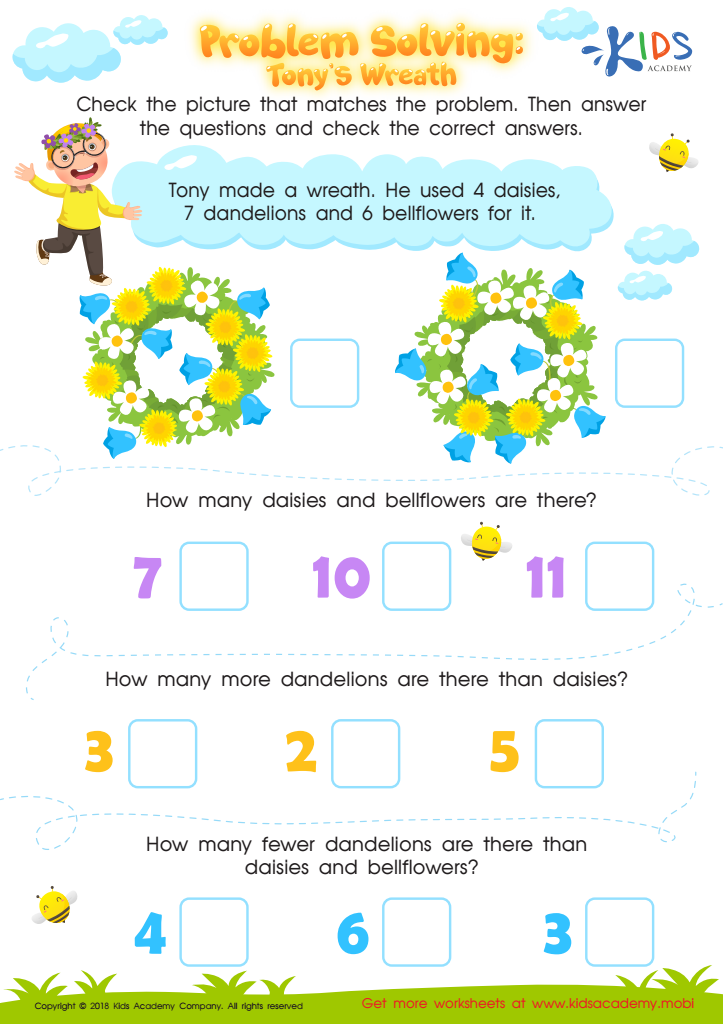
Problem Solving: Tony's Wreath Worksheet
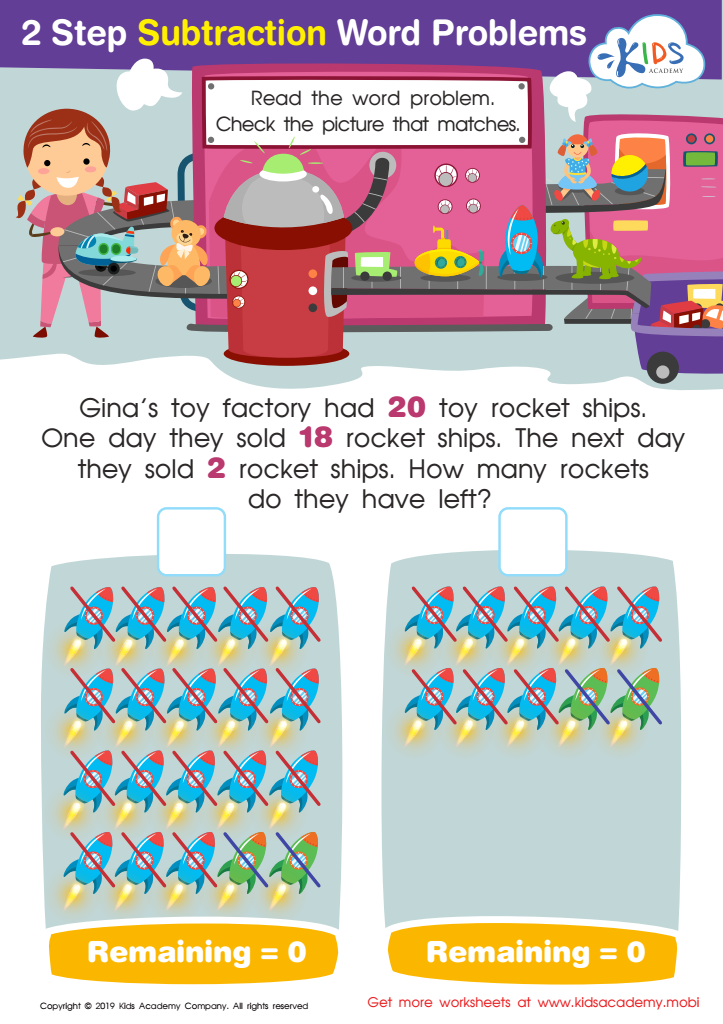
Step Subtraction Word Problems Worksheet
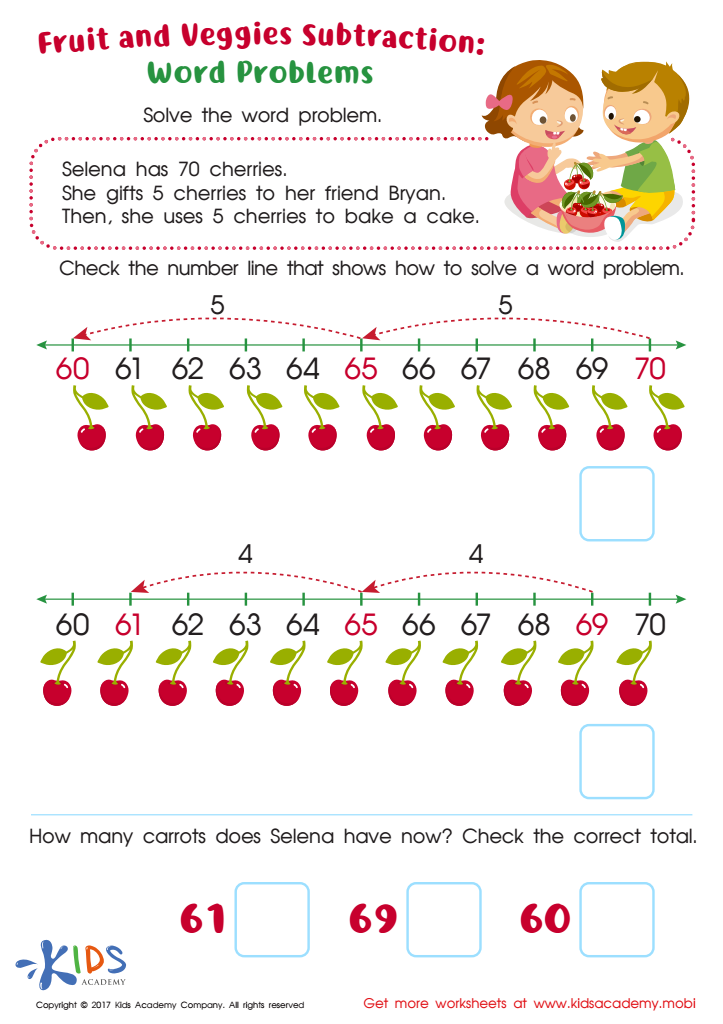
Subtraction Word Problems Free Printable
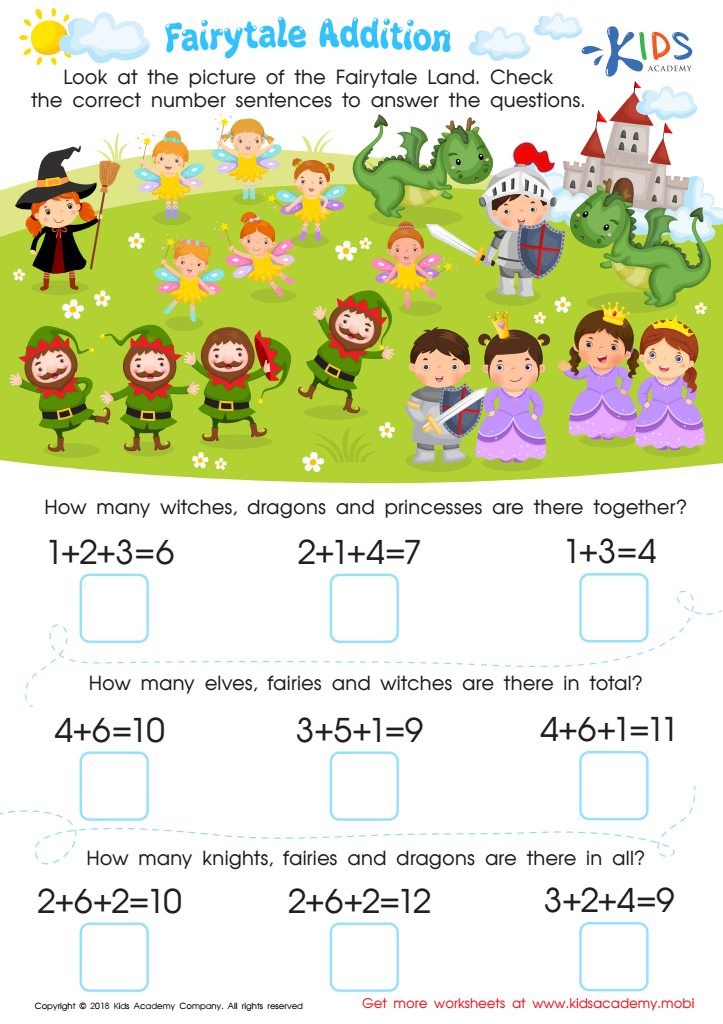
Fairytale Addition Worksheet








Parents and teachers should care about second-grade word problems because they are foundational to developing essential problem-solving skills. At this stage, students are just beginning to transition from basic arithmetic to applying mathematical concepts in real-world situations. Engaging with word problems helps young learners understand that math is not just abstract numbers, but a useful tool that can be employed to solve everyday challenges.
When tackling word problems, second graders practice critical thinking, reading comprehension, and logical reasoning. This holistic approach to learning ensures that children can decode information, identify key details, and systematically work through a solution, which builds perseverance and attention to detail. Moreover, honing these skills at a young age sets the stage for more advanced mathematical and cognitive tasks in later grades and in life.
Writing or solving word problems also fosters communication skills, since students often need to explain their thought process and reasoning. When parents and teachers emphasize the importance of these skills, they are helping children to become more confident and effective thinkers. Ultimately, competency in problem-solving translates to better academic achievement, enhanced ability to navigate real-world scenarios, and stronger overall intellectual development. Supporting young learners in this way fosters a lifelong love of learning and equips them with skills essential for future success.