Multiplication practice Social Studies Worksheets
9 filtered results
-
From - To
Enhance your students' learning experience with our Multiplication Practice Social Studies Worksheets! Combining math skills with social studies concepts, these worksheets offer a unique approach to education, fostering critical thinking and interdisciplinary connections. Students will engage with relevant historical and cultural topics while mastering multiplication through enjoyable and interactive exercises. Our resources are designed to cater to various learning levels, making it easy for teachers to differentiate instruction. Boost academic performance, encourage collaboration, and provide a well-rounded curriculum with these innovative worksheets. Explore our collection now and watch your students thrive in both math and social studies!
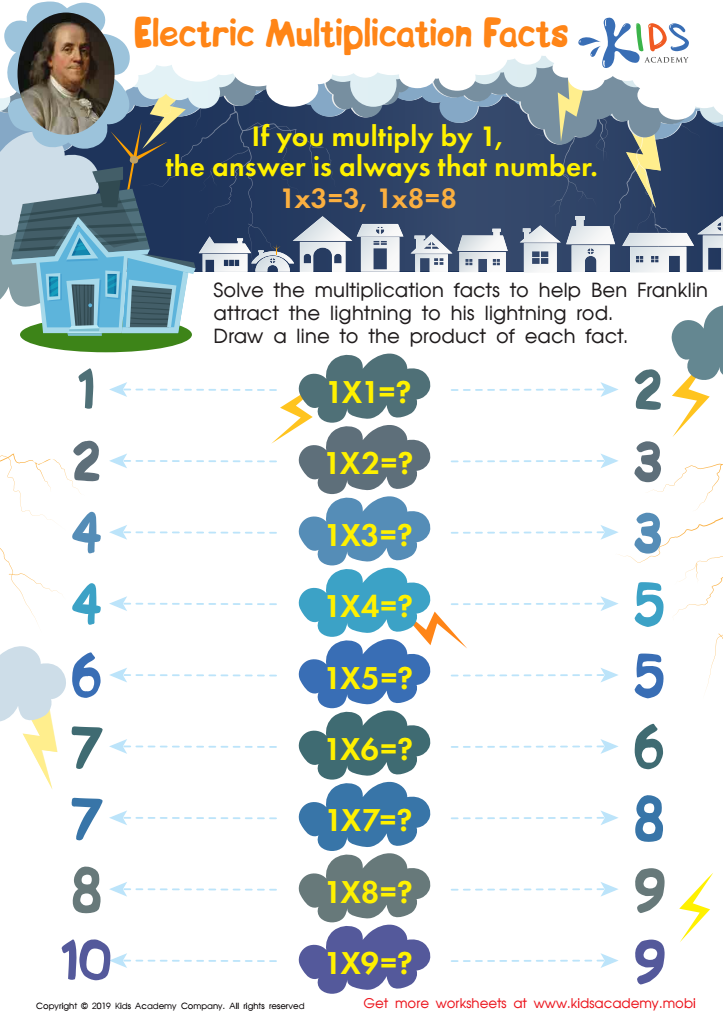
Electric Multiplication Facts Worksheet
 Assign to My Students
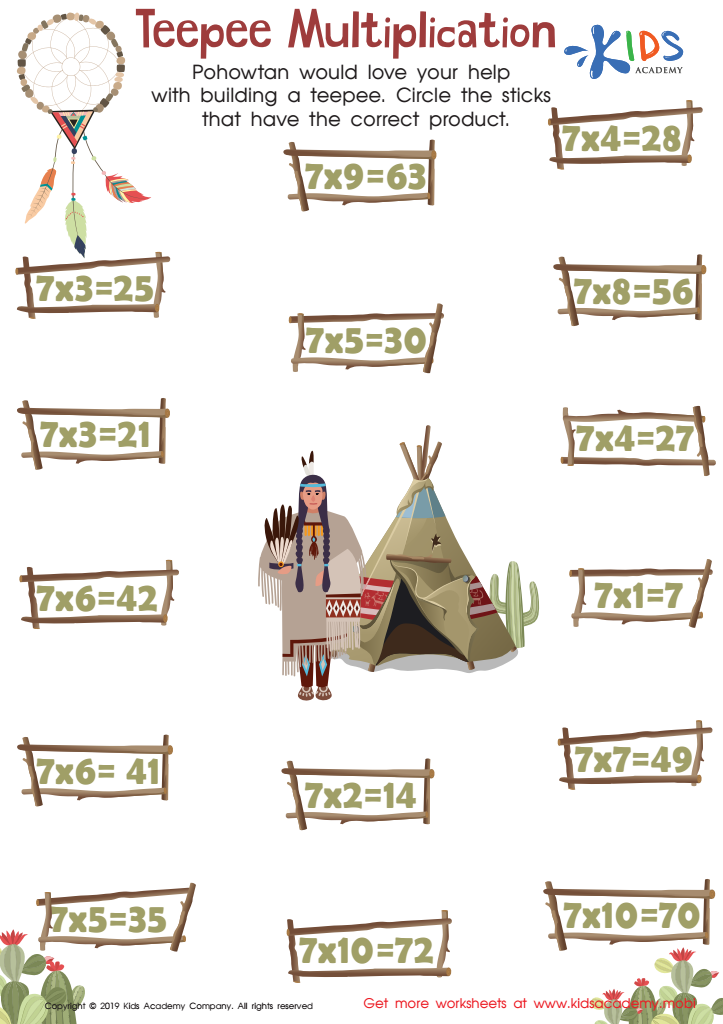
Teepee Multiplication Worksheet
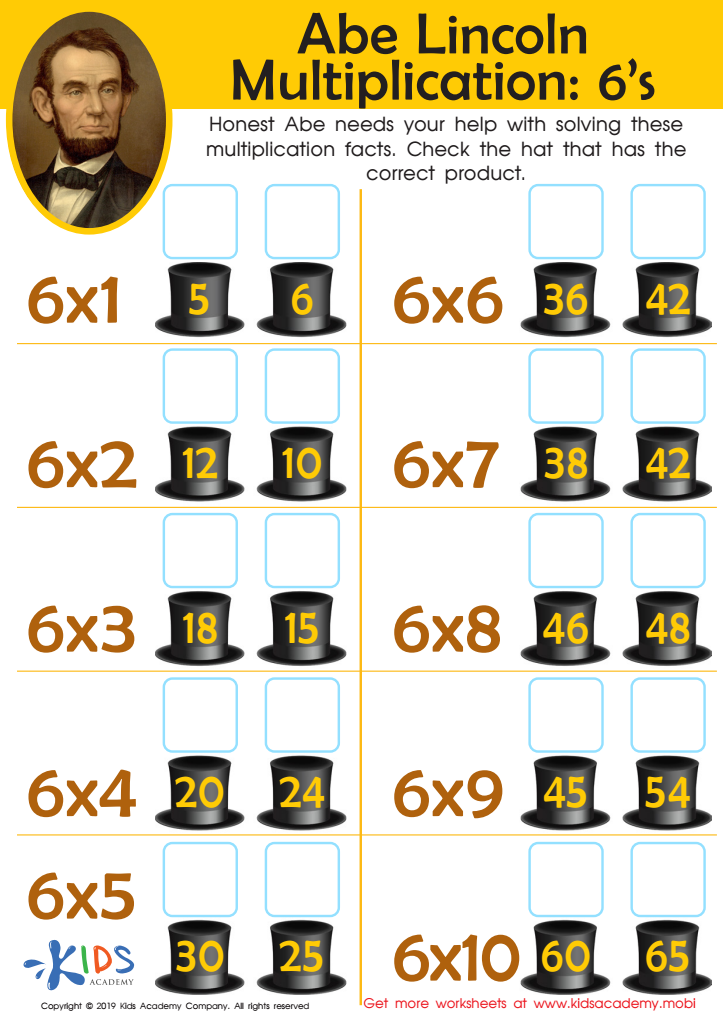
Abe Lincoln Multiplication: 6’s Worksheet
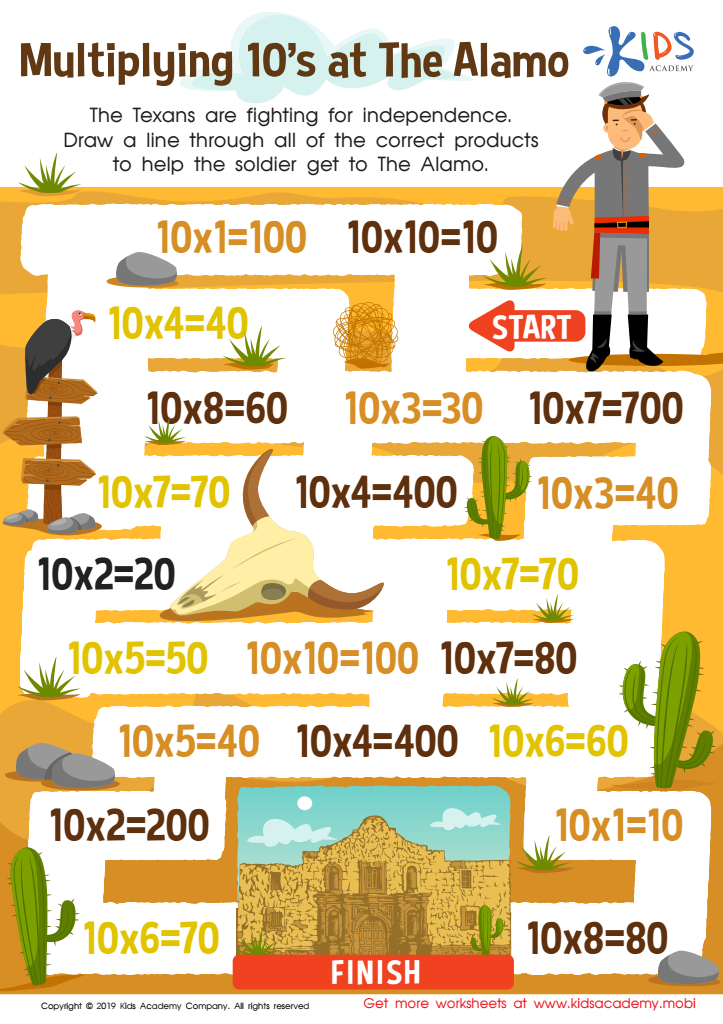
Multiplying 10’s at The Alamo Worksheet
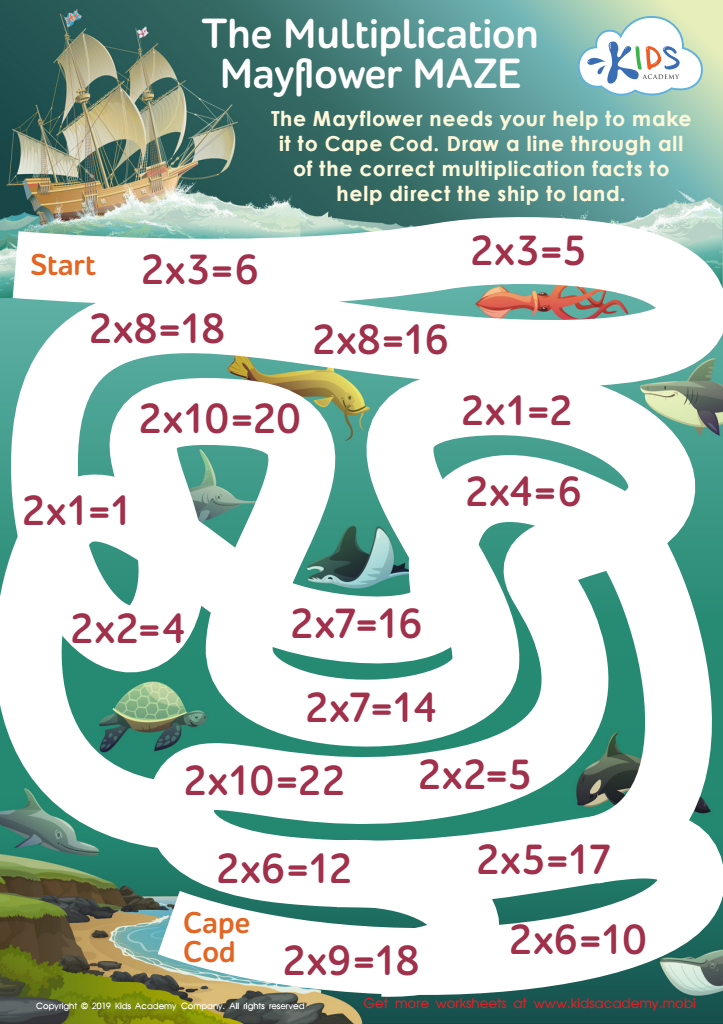
The Multiplication Mayflower Maze Worksheet
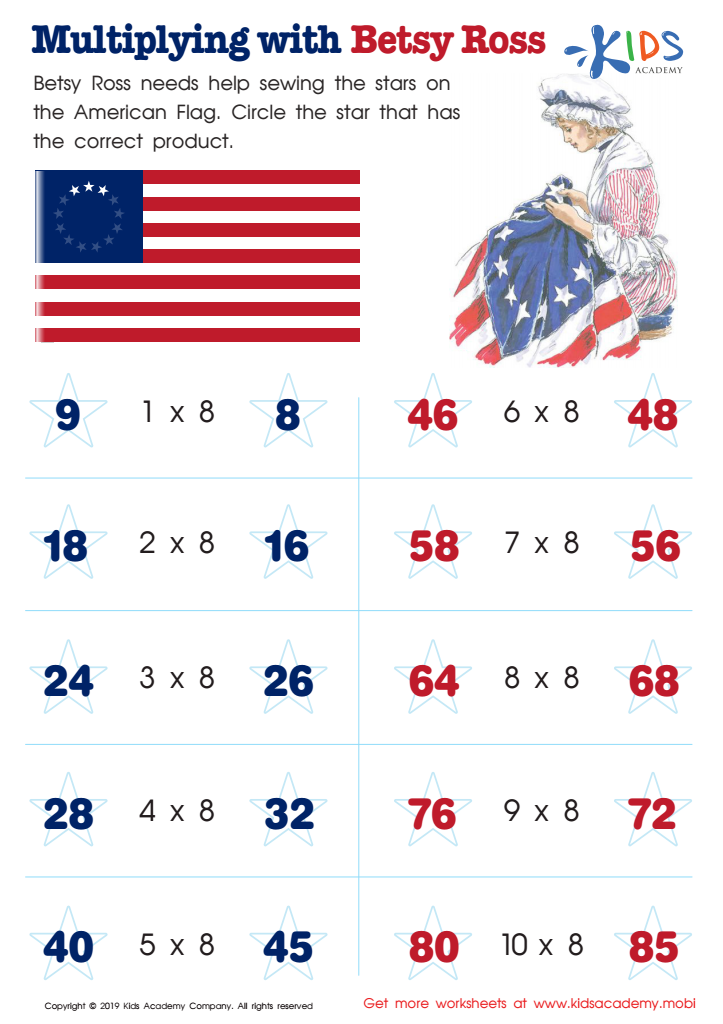
Multiplying with Betsy Ross Worksheet
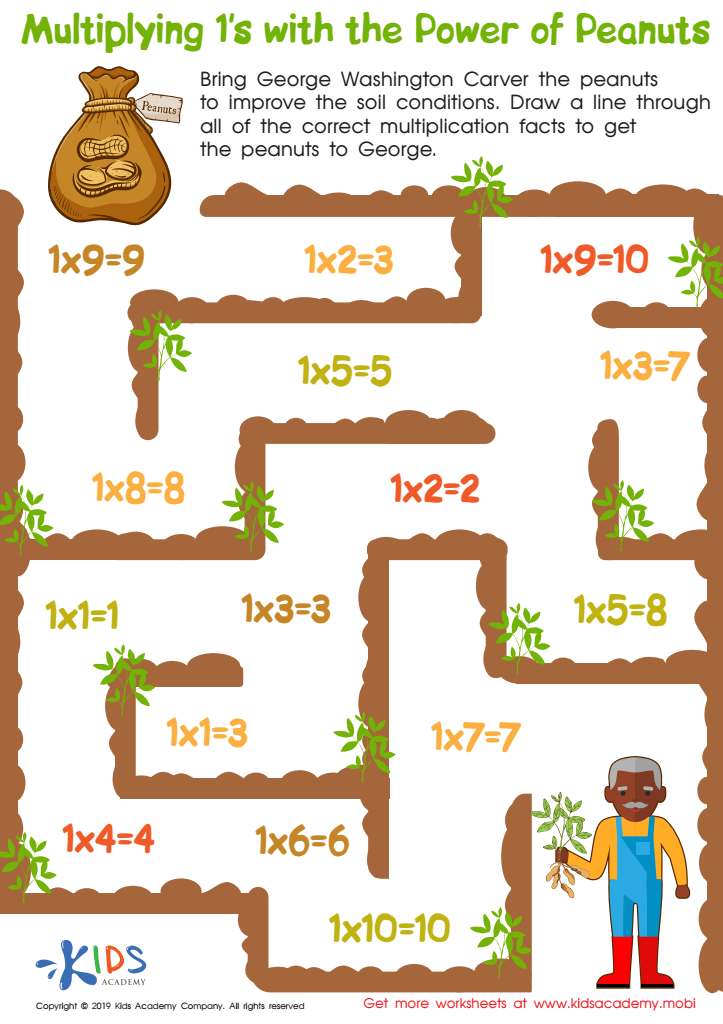
Multiplying 1’s With the Power of Peanuts Worksheet
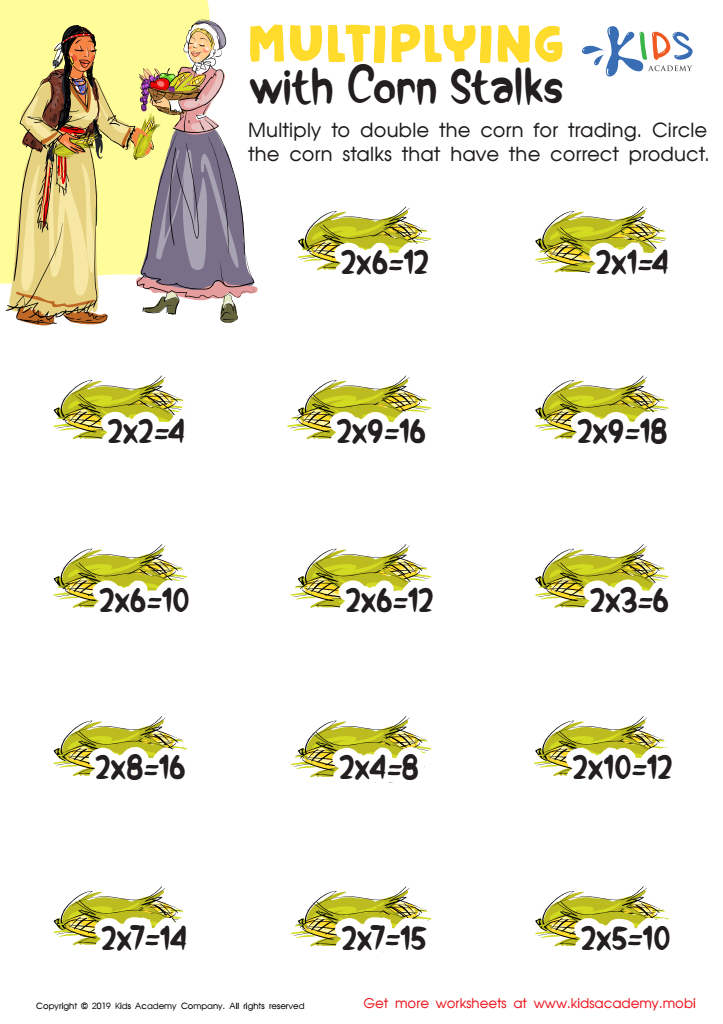
Multiplying With Corn Stalks Worksheet
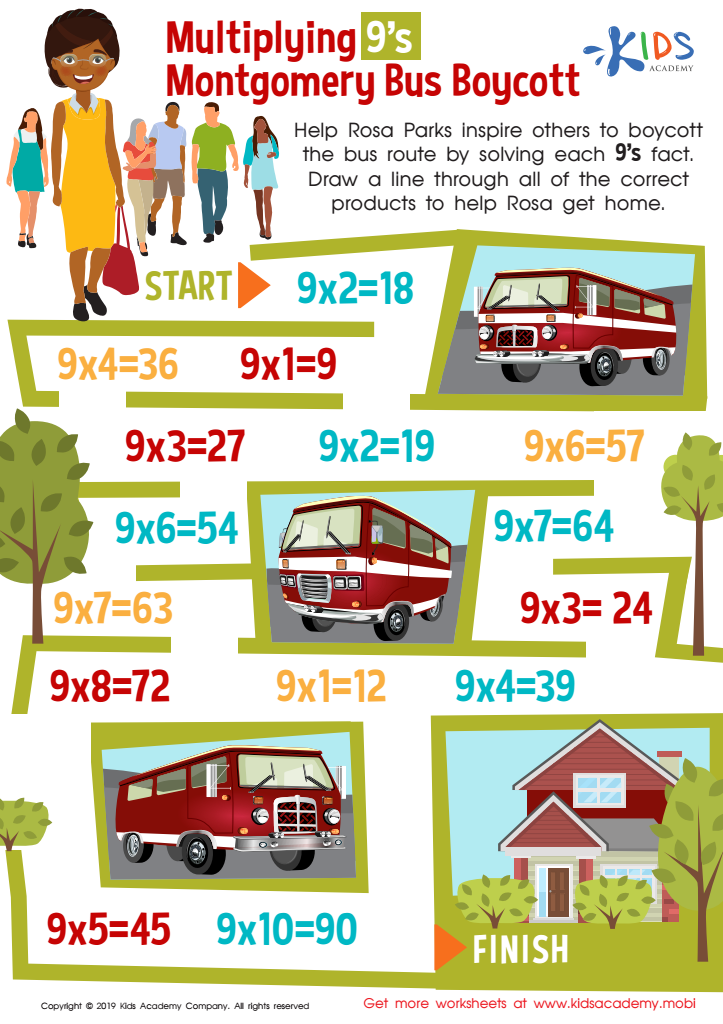
Multiplying 9’s Montgomery Bus Boycott Worksheet








Parents and teachers should care about incorporating multiplication practice into social studies because it aids in developing both mathematical and critical thinking skills that are essential for understanding and interpreting social studies concepts. Mathematics, particularly multiplication, often plays a pivotal role in analyzing data, including demographics, economics, and historical trends. By recognizing patterns and making calculations, students can better grasp the quantitative aspects of social issues, resource distribution, and historical population changes.
Additionally, connecting multiplication drills to real-world scenarios within social studies—such as calculating totals of goods produced in an economy or analyzing survey data about communities—makes learning more relevant and engaging for students. This cross-disciplinary approach nurtures a deeper understanding of both subjects and demonstrates the interconnectedness of math with everyday life and societal structures.
Moreover, practicing multiplication enhances cognitive abilities, improving memory, and concentration—skills that are valuable not just in math and social studies, but across all academic areas. Parents and teachers can facilitate this learning by creating integrated lessons that foster collaboration, discussion, and hands-on projects, fostering a holistic educational environment that emphasizes the importance of numeracy in understanding the world. Ultimately, this enriches students’ learning experiences and prepares them for more advanced studies.