Shape Recognition Social Studies Worksheets
4 filtered results
-
From - To
Discover our engaging Shape Recognition Social Studies Worksheets designed for young learners! These worksheets seamlessly blend geometry with social studies, helping students identify and understand shapes within their community and environment. From recognizing shapes in architecture to identifying them in transportation and nature, these activities promote critical thinking and creativity. Perfect for preschool and early grade classrooms, our worksheets encourage interaction and observation skills, making learning fun and effective. Dive into a world of shapes while exploring social concepts, and equip your students with essential skills for lifelong learning. Download now and enrich your classroom with these vibrant, educational resources!
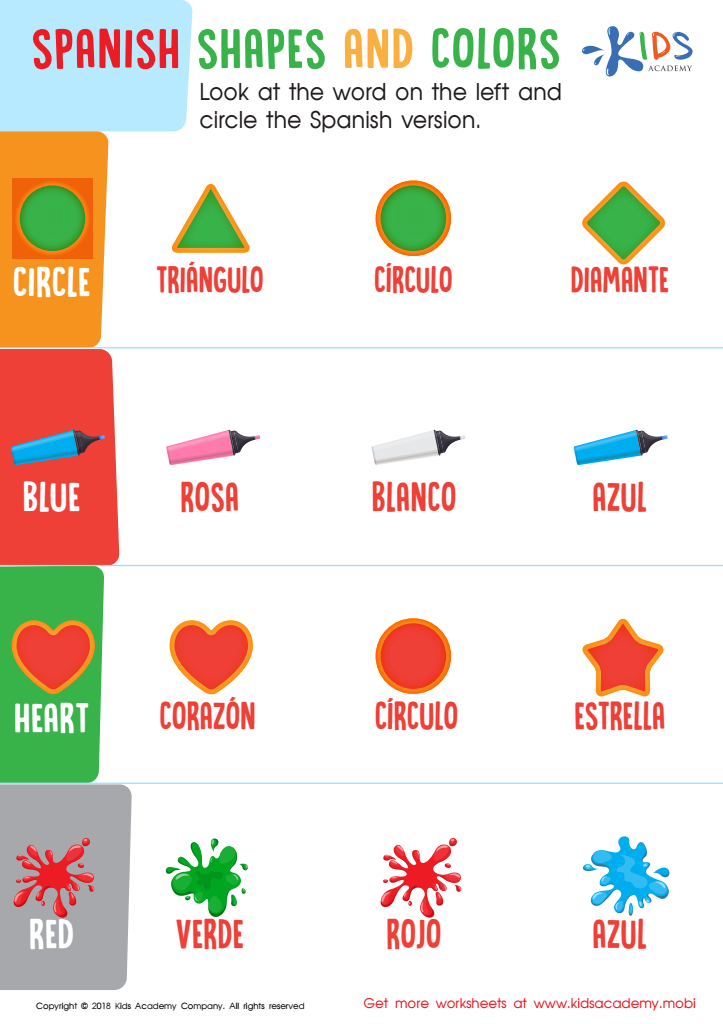
Spanish Shapes and Colors Worksheet
 Assign to My Students
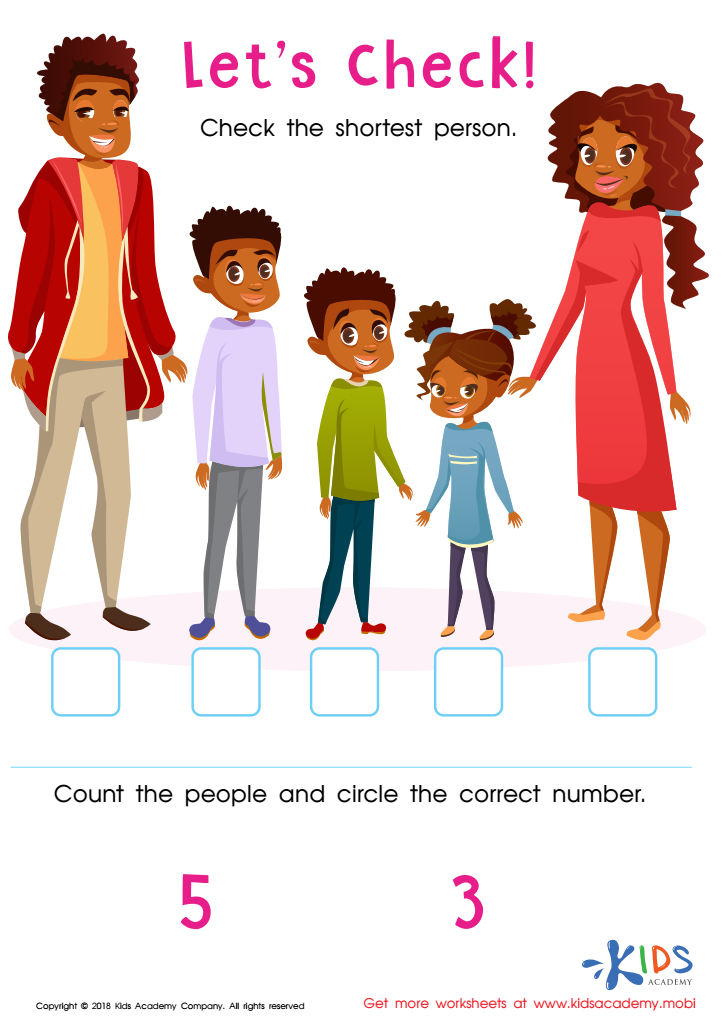
Let's Check! Assessment Worksheet

Playground Worksheet
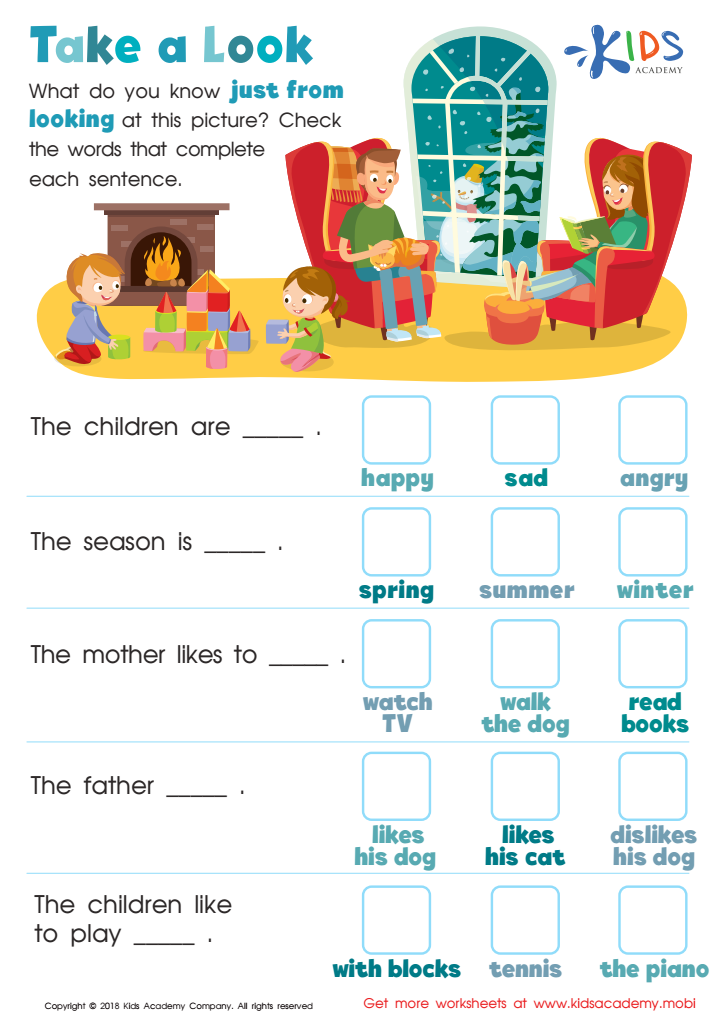
Take a Look - Part 1 Worksheet








Shape recognition is a fundamental skill that plays a crucial role in early childhood education and social studies. Parents and teachers should care about integrating shape recognition within social studies for several reasons. First, understanding shapes helps children develop critical thinking and problem-solving skills, fostering their ability to categorize and make connections between different objects and environments. This foundational knowledge supports later mathematical learning, as shapes are a precursor to concepts like geometry and spatial awareness.
Moreover, the visual aspect of social studies—such as maps, community layouts, and cultural symbols—requires shape recognition to make sense of the information presented. Recognizing shapes aids children in interpreting these visuals, enhancing their understanding of the world around them and their place within it.
Additionally, incorporating shape recognition into social studies instills a sense of community and identity, as children learn to relate shapes to objects in their daily lives and cultural experiences. When parents and teachers collaborate in these educational efforts, they create a supportive environment that encourages curiosity and exploration, both essential for developing well-rounded, informed citizens. Ultimately, fostering shape recognition enriches children’s cognitive development and enhances their engagement in social studies, paving the way for a deeper understanding of their community and culture.








