Understanding patterns Social Studies Worksheets
4 filtered results
-
From - To
Discover our "Understanding Patterns Social Studies Worksheets," designed to engage young learners in recognizing and analyzing patterns within social studies contexts. These worksheets provide stimulating activities that help students connect historical events, cultural practices, and societal changes. By exploring these patterns, children enhance their critical thinking and observational skills. Our thoughtfully crafted resources cater to diverse learning styles, ensuring every student gains a deeper appreciation of the interconnectedness in social studies. Perfect for classroom use or at-home learning, our worksheets promote inquiry and collaboration among students while building foundational skills essential for their educational journey. Start exploring today!

Teepee Multiplication Worksheet
 Assign to My Students
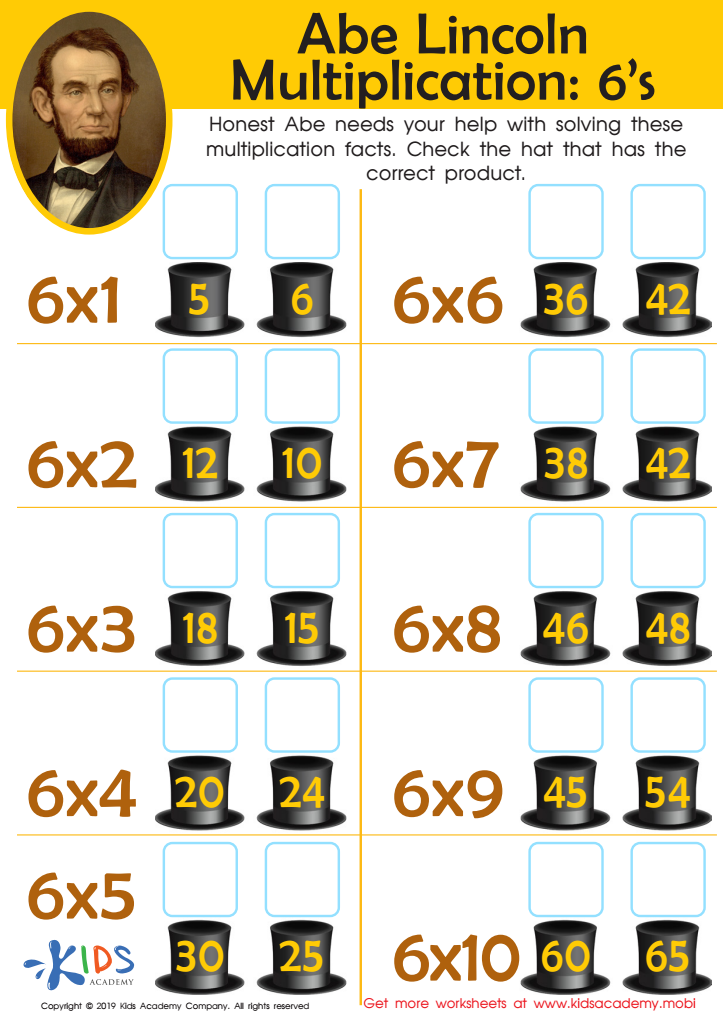
Abe Lincoln Multiplication: 6’s Worksheet

Multiplying 10’s at The Alamo Worksheet
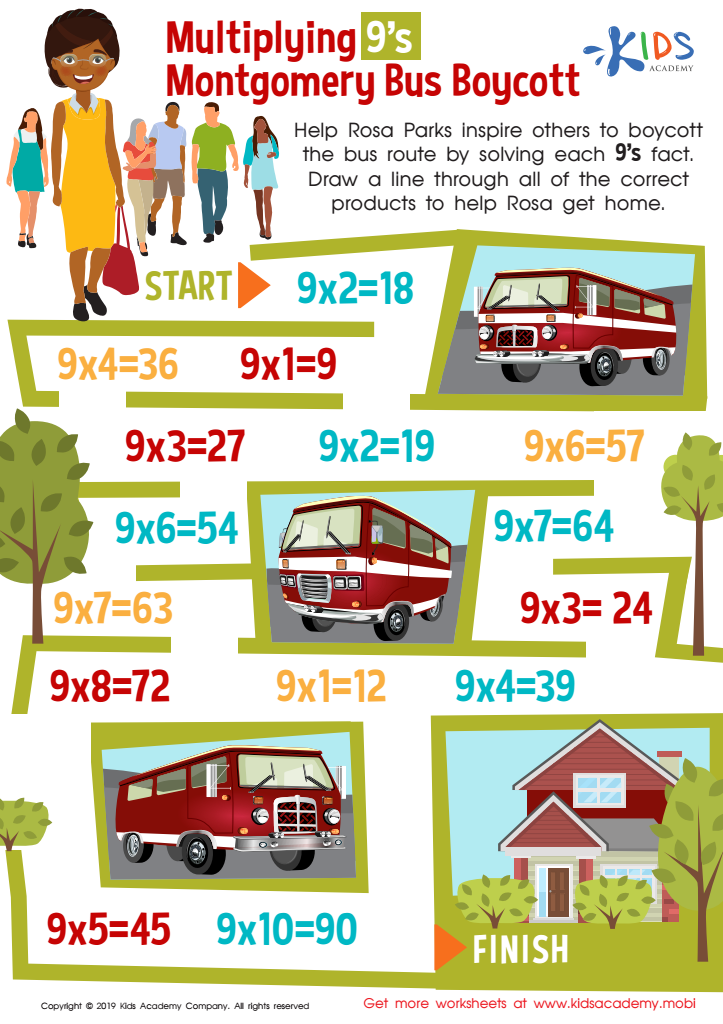
Multiplying 9’s Montgomery Bus Boycott Worksheet







Understanding patterns in social studies is crucial for both parents and teachers as it forms the foundation for comprehensive learning and critical thinking skills in young students. Recognizing patterns in history, culture, geography, and society helps children comprehend complex relationships and trends over time. This understanding aids them in making sense of their own experiences and the world around them, fostering an engaged and informed citizenry.
For parents, being involved in their child's education can lead to a more enriched home learning environment. Discussing historical events, social movements, or cultural similarities helps reinforce classroom lessons, promoting a deeper understanding and connection. This engagement sparks curiosity and encourages children to ask questions, developing analytical reasoning.
Teachers, on the other hand, can utilize pattern recognition as a teaching tool to inspire discussions about current events and social issues. This not only aids students in understanding historical contexts but also cultivates empathy, allowing them to interpret societal dynamics.
Ultimately, parents and teachers should care about teaching patterns in social studies because it equips children with essential skills—critical thinking, cultural awareness, and social responsibility—that will serve them throughout their lives, empowering them as proactive members of society.