Pattern recognition Grade 3 Worksheets
6 filtered results
-
From - To
Explore our engaging Grade 3 Pattern Recognition Worksheets designed to enhance students' analytical skills through fun and interactive activities. These worksheets help third graders identify, analyze, and create patterns using numbers, shapes, and colors, fostering critical thinking and problem-solving abilities. Aligned with educational standards, our resources cater to diverse learning styles, making it easy for teachers and parents to support children's growth. With a variety of exercises, including visual puzzles, sequencing tasks, and real-life pattern identification, students will develop confidence in their math skills while enjoying the learning process. Start building a strong foundation in pattern recognition today with our printable worksheets!
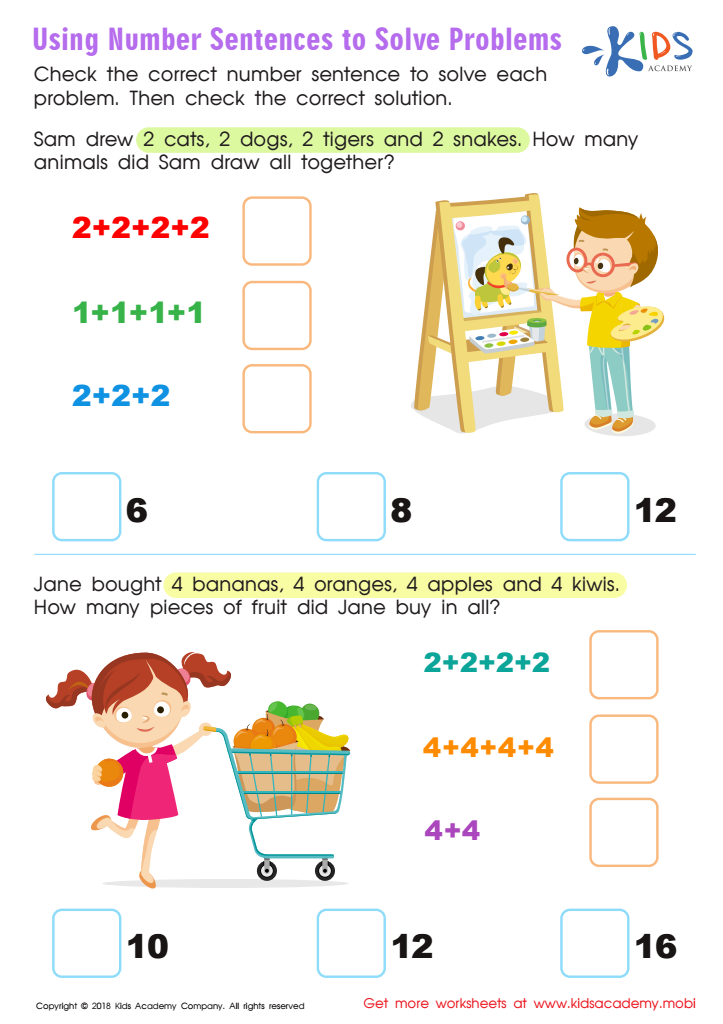
Using Number Sentences to Solve Problems Worksheet
 Assign to My Students
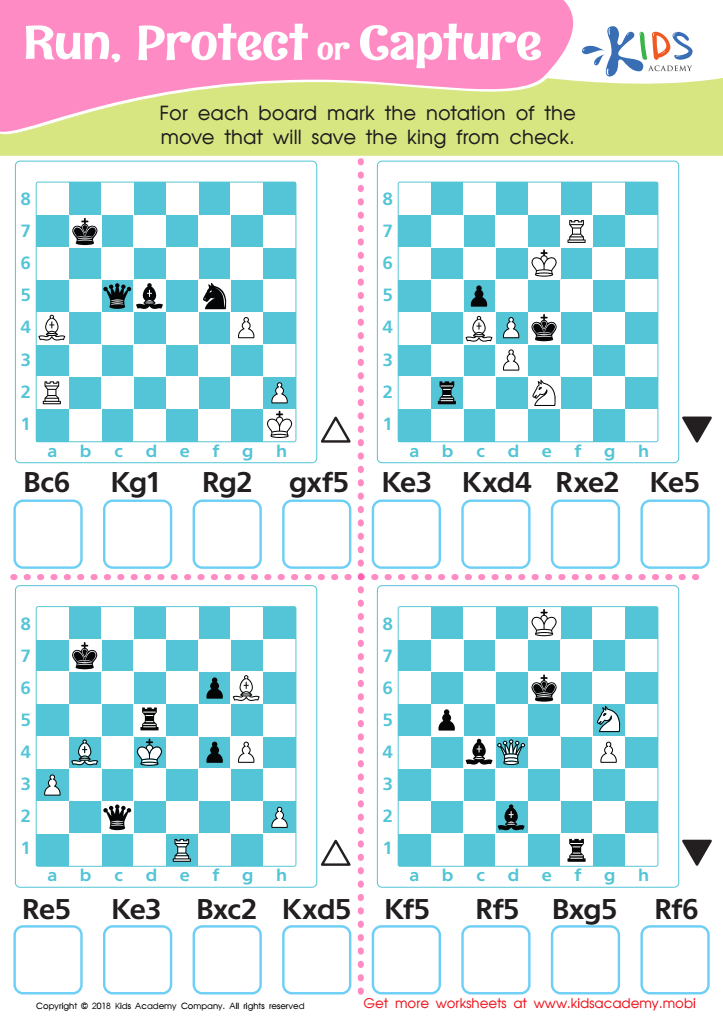
Run, Protect or Capture Worksheet
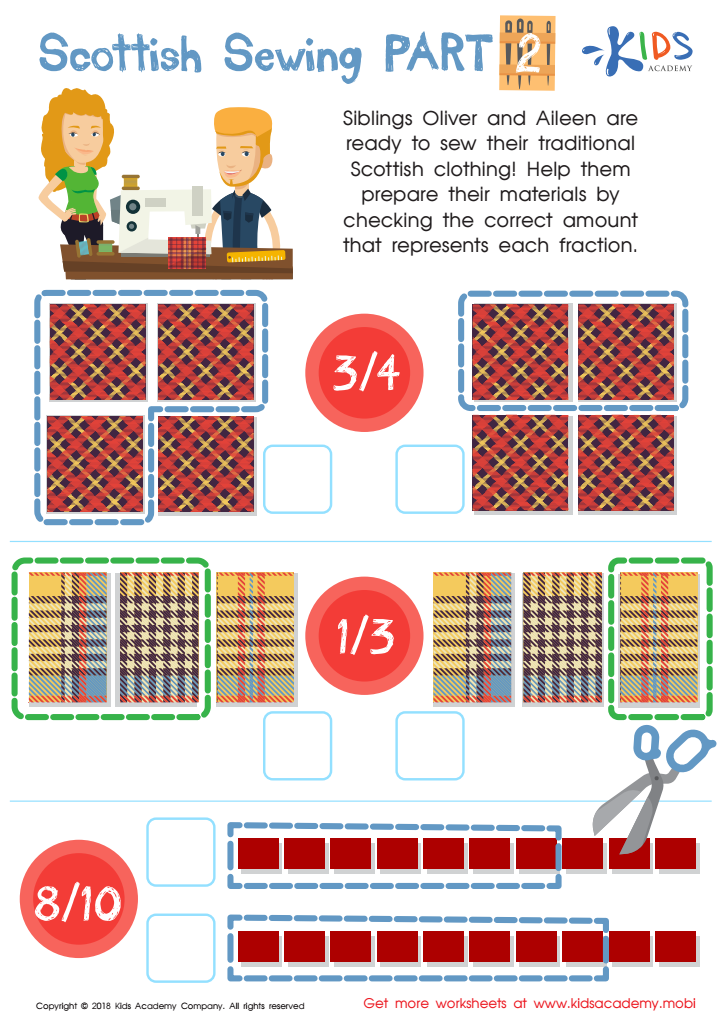
Scottish Sewing Part 2 Worksheet
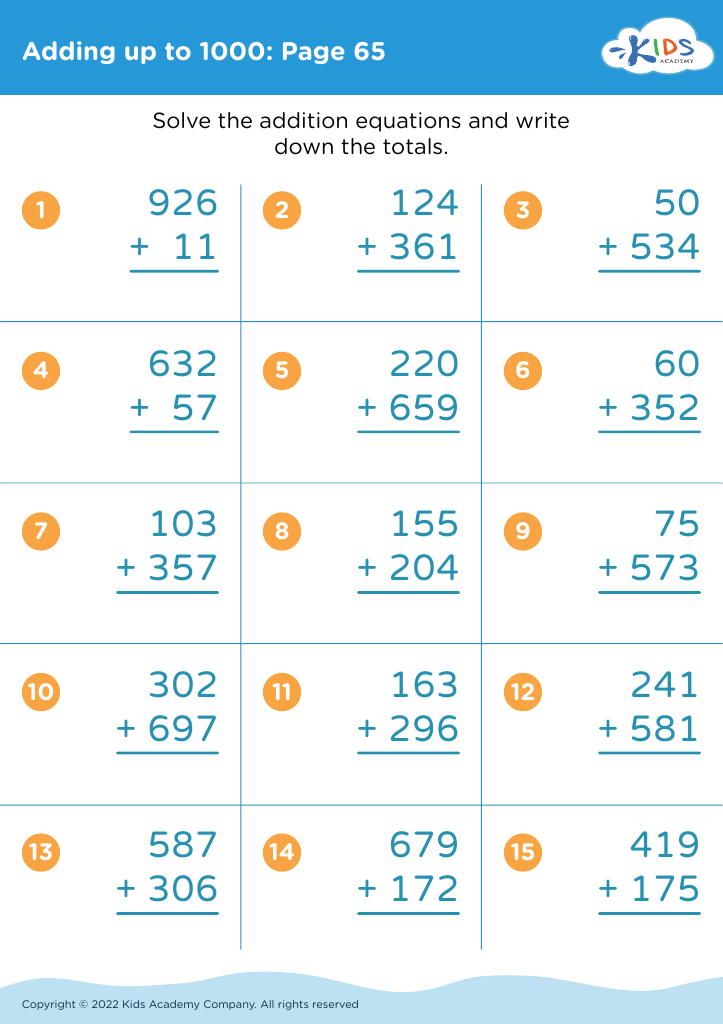
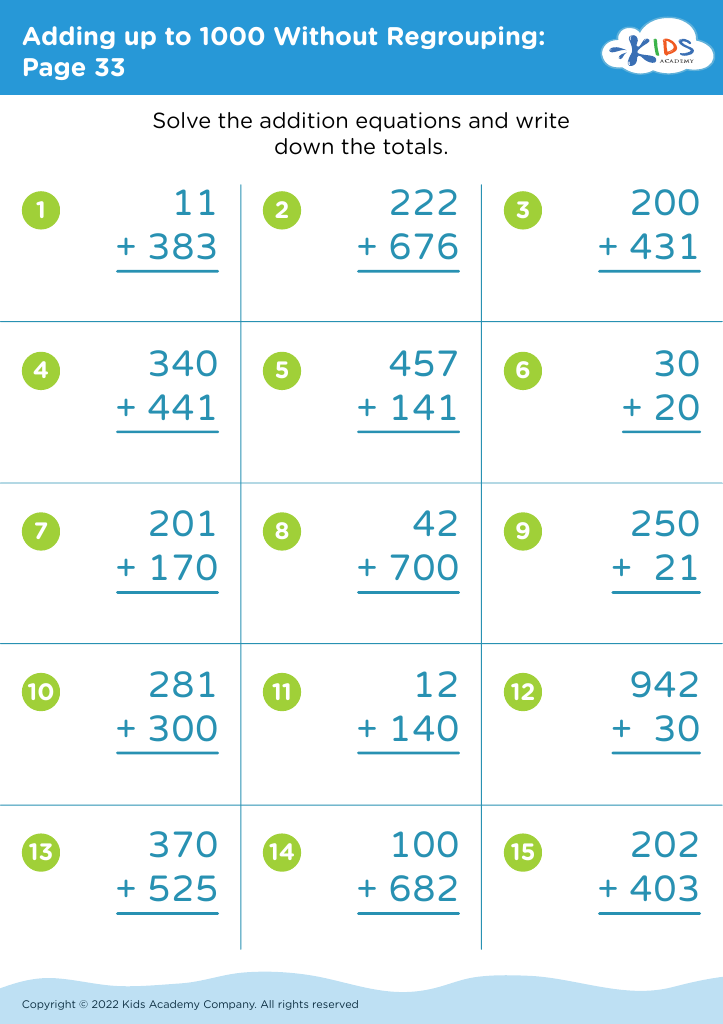







Pattern recognition is a crucial cognitive skill that significantly impacts a child's academic and personal development, making it essential for parents and teachers to prioritize this area in Grade 3. At this age, children are sharpening their ability to identify, predict, and manipulate patterns, which serves as a foundational skill for various subjects, particularly math and science. Recognizing patterns enables students to solve problems effectively, develop critical thinking skills, and fosters creativity—skills that are essential for lifelong learning.
Additionally, pattern recognition is linked to mathematical concepts such as multiplication, sequencing, and algebra. By nurturing this skill early, children not only enhance their current learning but also set the stage for more complex mathematical thinking in the future. Beyond academics, understanding patterns aids children in making sense of the world around them, from recognizing sequences in nature to social interactions.
For parents and teachers, supporting pattern recognition through engaging activities and discussions can help cultivate a love for learning, build confidence, and improve overall cognitive abilities in children. In essence, focusing on pattern recognition in Grade 3 equips children with essential tools for both academic success and real-world problem-solving, emphasizing its long-term importance.