Check out this FREE Grade 3 Trial Lesson on Math!

What are the Parts of a Fraction?

Favorites
With answer key
Interactive
  • Grade 3
  • Understanding fractions
  • Math
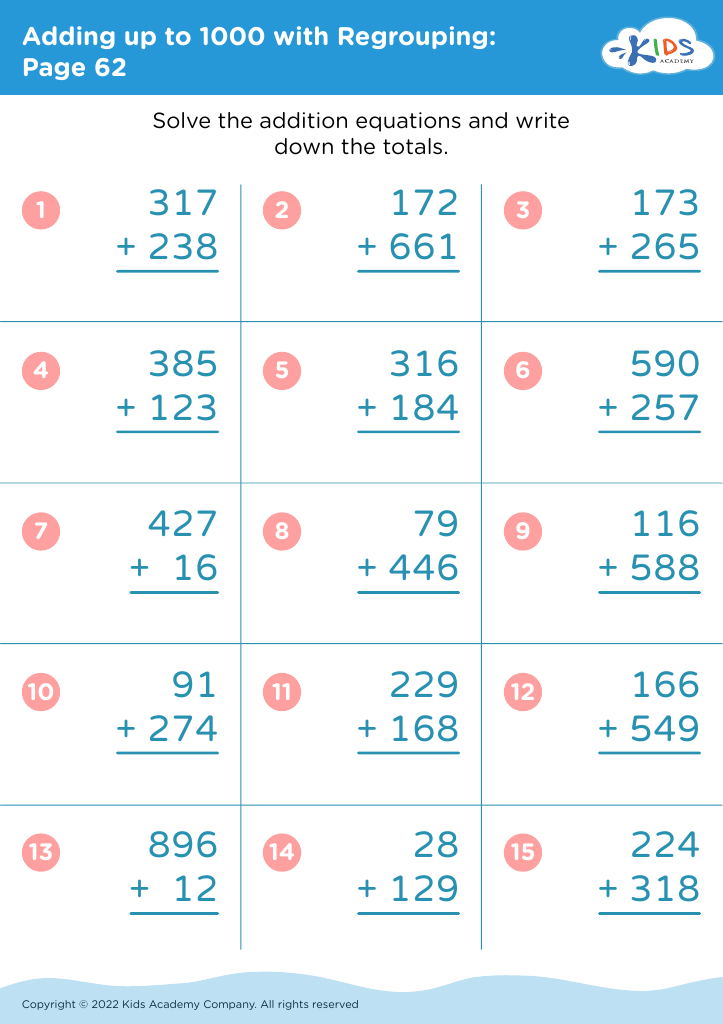
Adding up to 1000 with Regrouping: Page 62
Worksheet
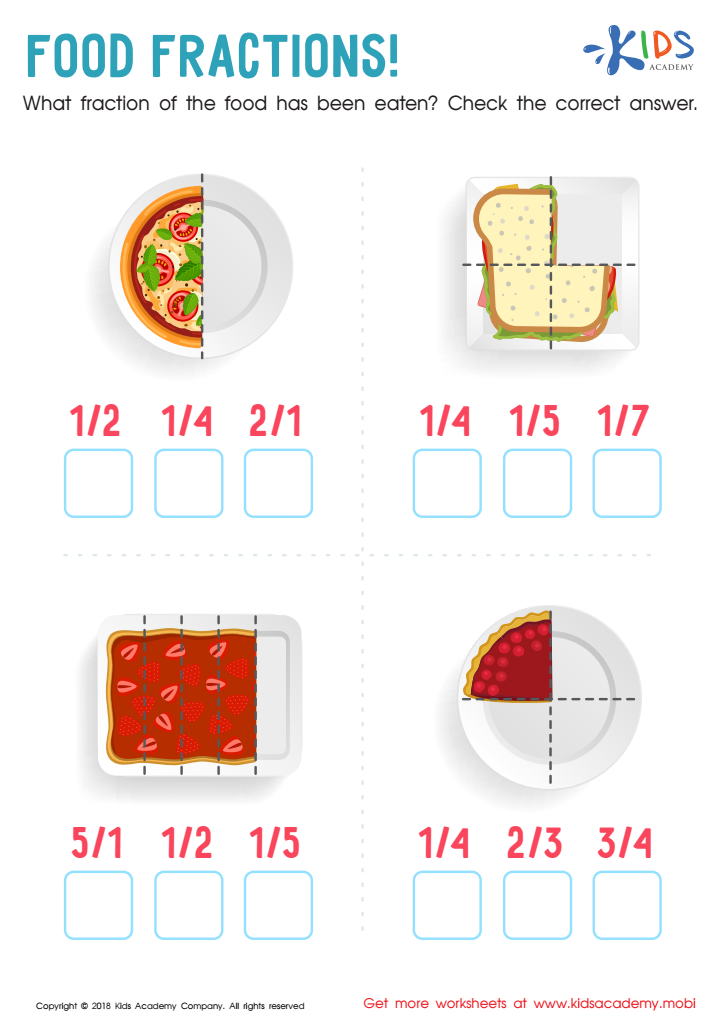
Food Fractions Worksheet

Food Fractions Worksheet

Test your child's understanding of fractions with this Food Fractions worksheet. Ask them to identify what fraction of the food in the four pictures has been eaten and select the correct answer from the options provided. See how well they understand your lessons!
Food Fractions Worksheet
Worksheet
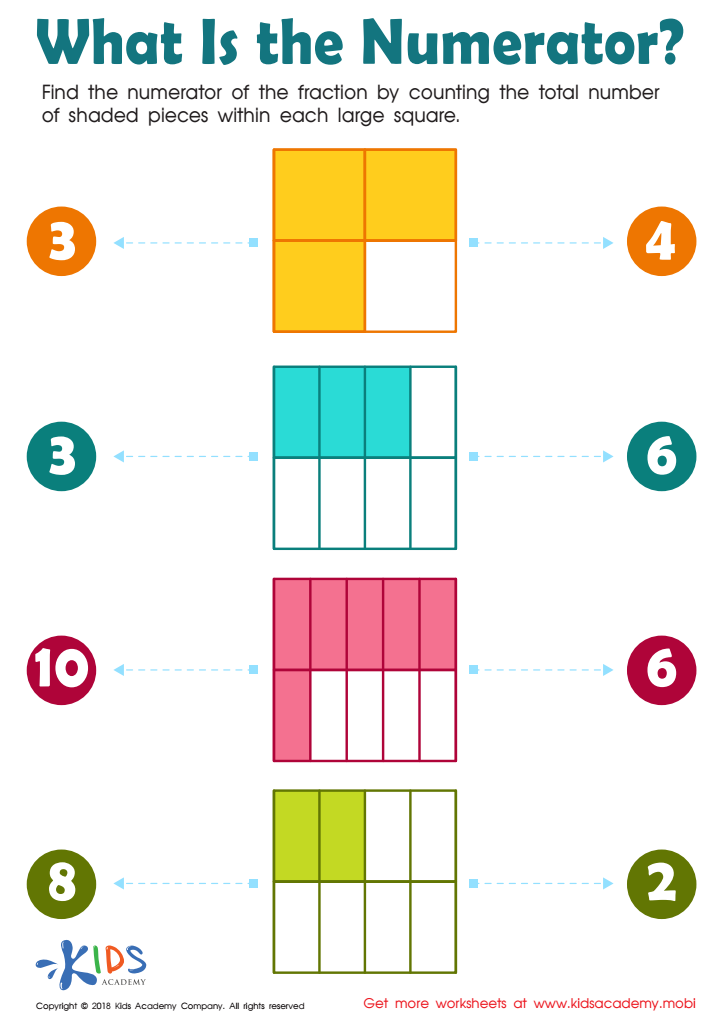
What Is the Numerator? Worksheet

What Is the Numerator? Worksheet

Help your kids learn fractions with this simple worksheet. Explain that the numerator is the number atop another number, then have them count the shaded pieces in each large square to find the numerator of the fraction. This activity is perfect for young kindergartners starting out with fractions.
What Is the Numerator? Worksheet
Worksheet
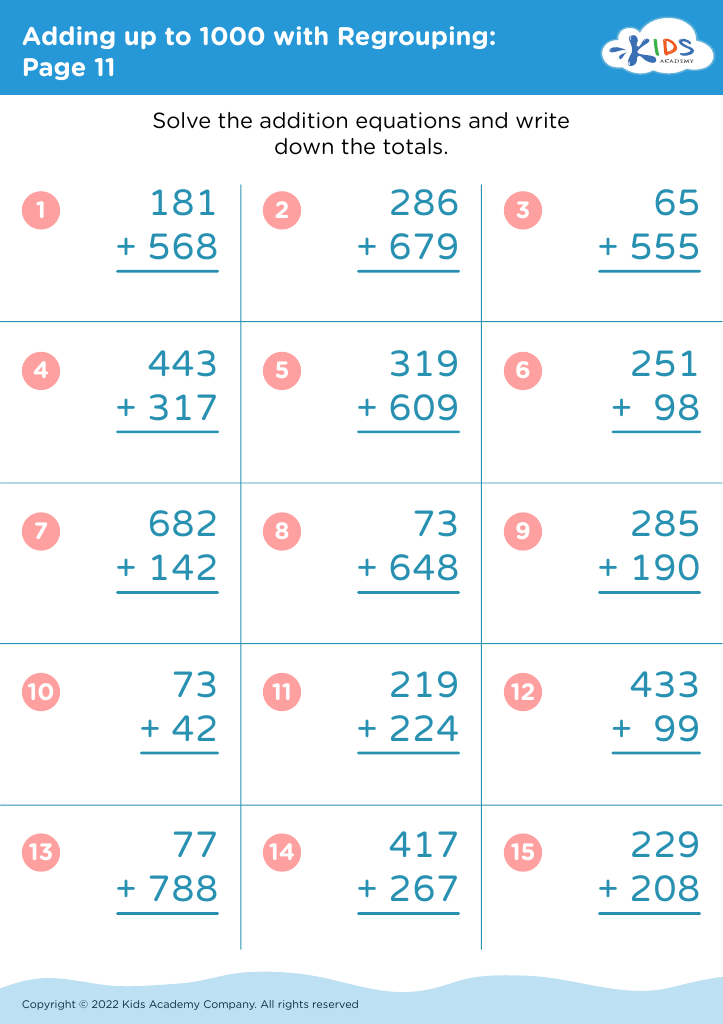
Adding up to 1000 with Regrouping: Page 11
Worksheet
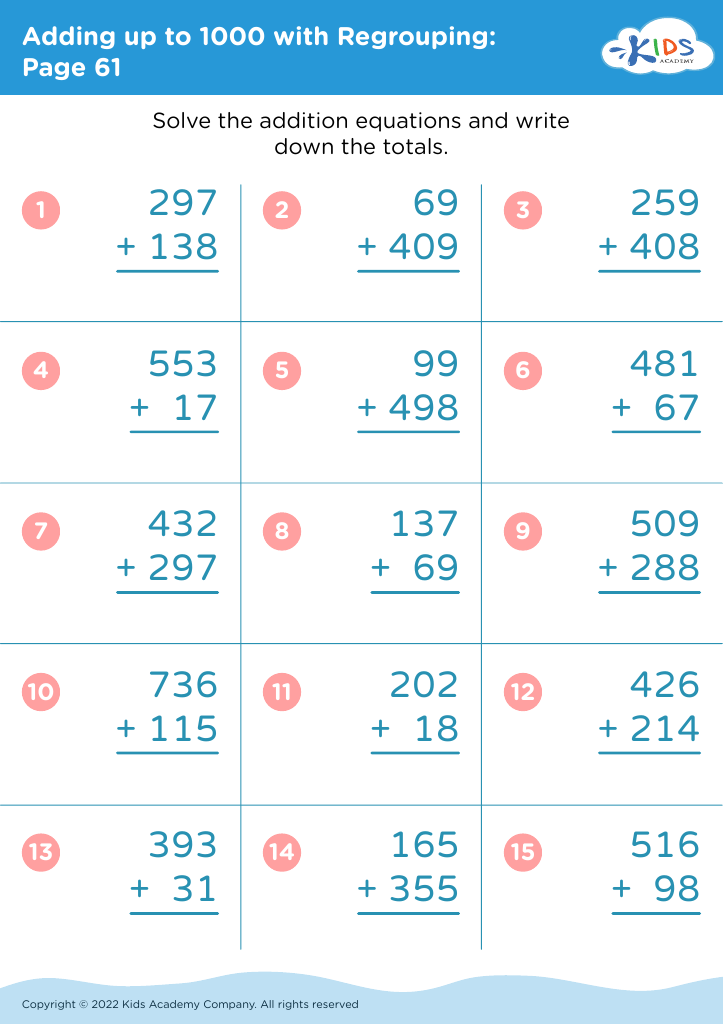
Adding up to 1000 with Regrouping: Page 61
Worksheet
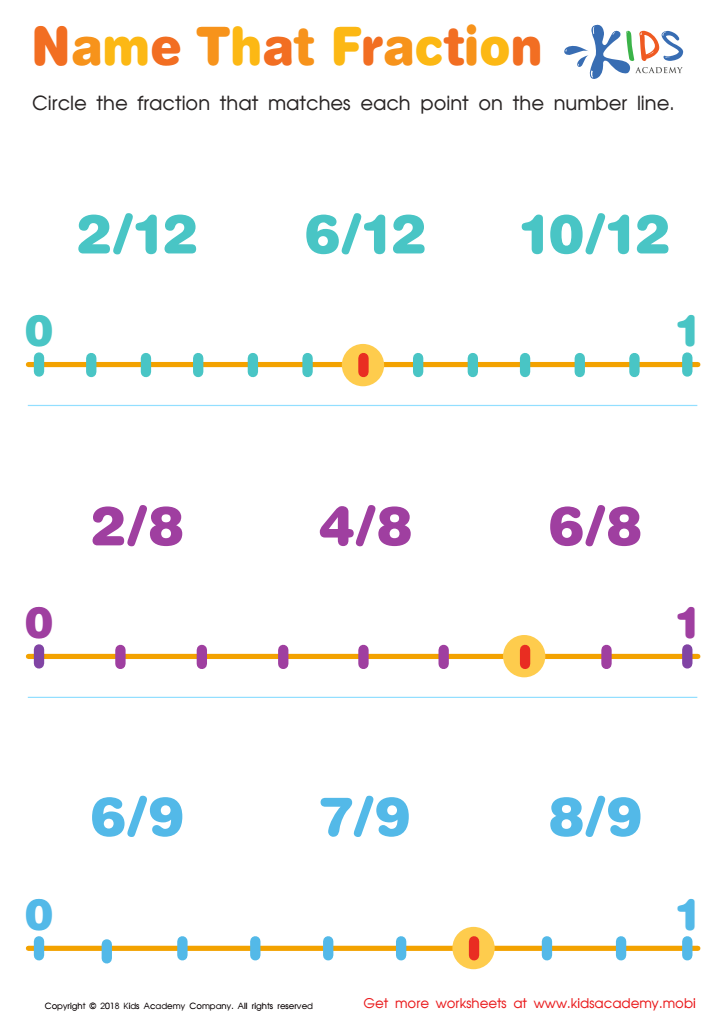
Name That Fraction Worksheet
Name That Fraction Worksheet

Kids must learn to identify and name fractions to solve equations. Included in this worksheet are three equations that need solving. Have your child match each point on the number line with the correct fraction and circle it. This exercise helps build their fraction skills.
Name That Fraction Worksheet
Worksheet
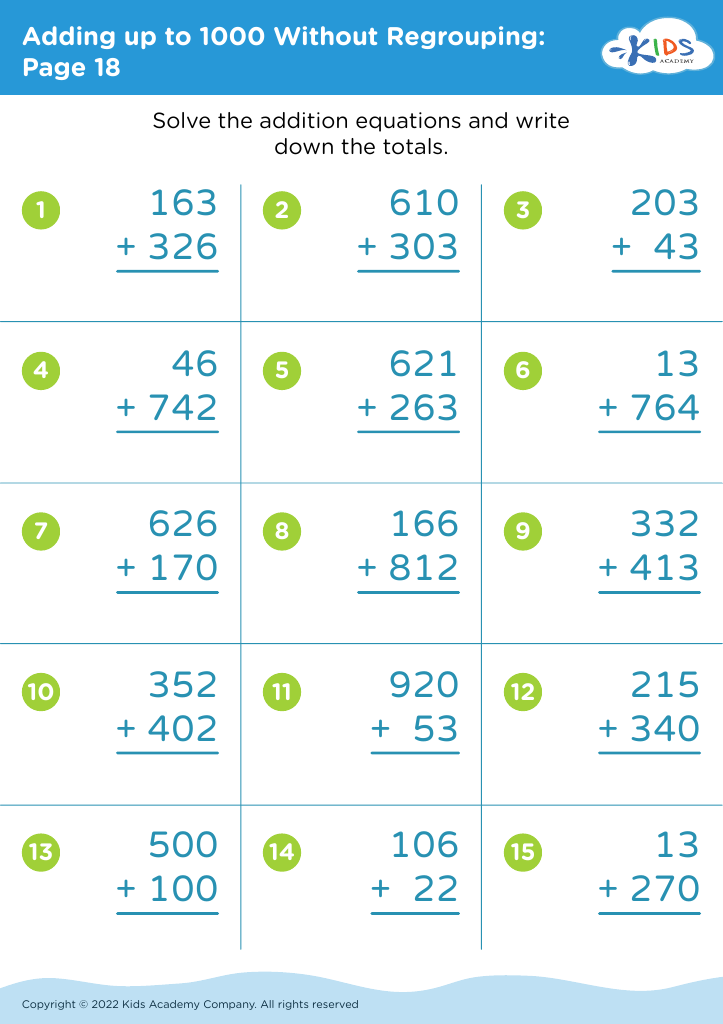
Adding up to 1000 Without Regrouping: Page 18
Worksheet
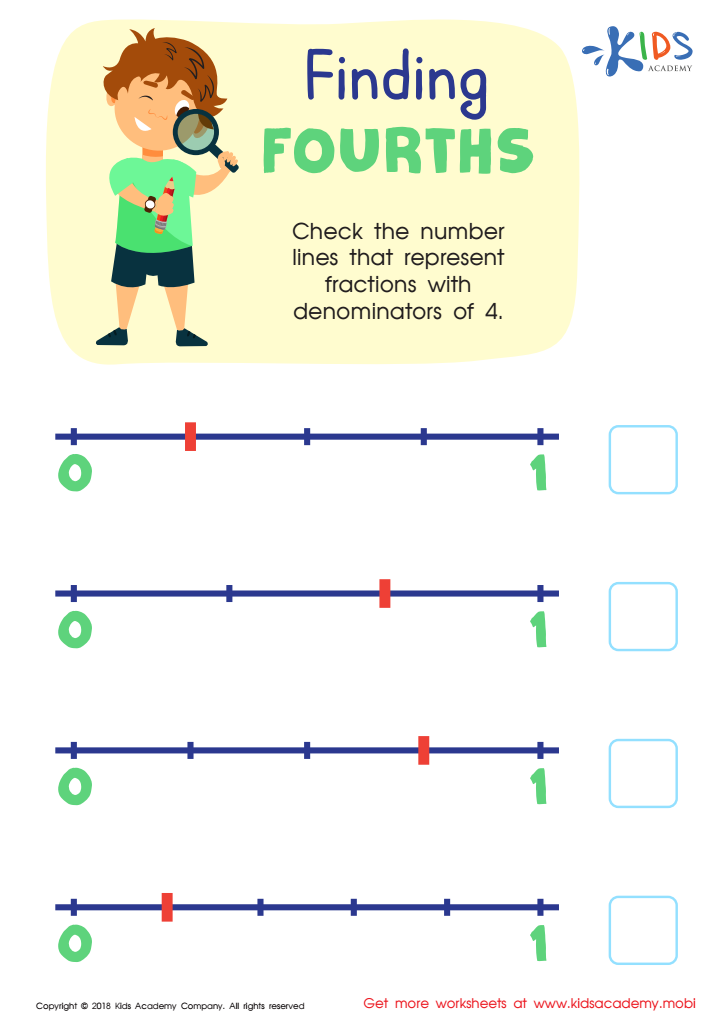
Finding Fourths Worksheet
Finding Fourths Worksheet
Help your kids sharpen math skills with extra homework, stimulating exercises, and fun worksheets. This printout features four equations with fractions and number lines. Your child's task is to check the number lines with denominators of 4. Enough to get them thinking and learning.
Finding Fourths Worksheet
Worksheet
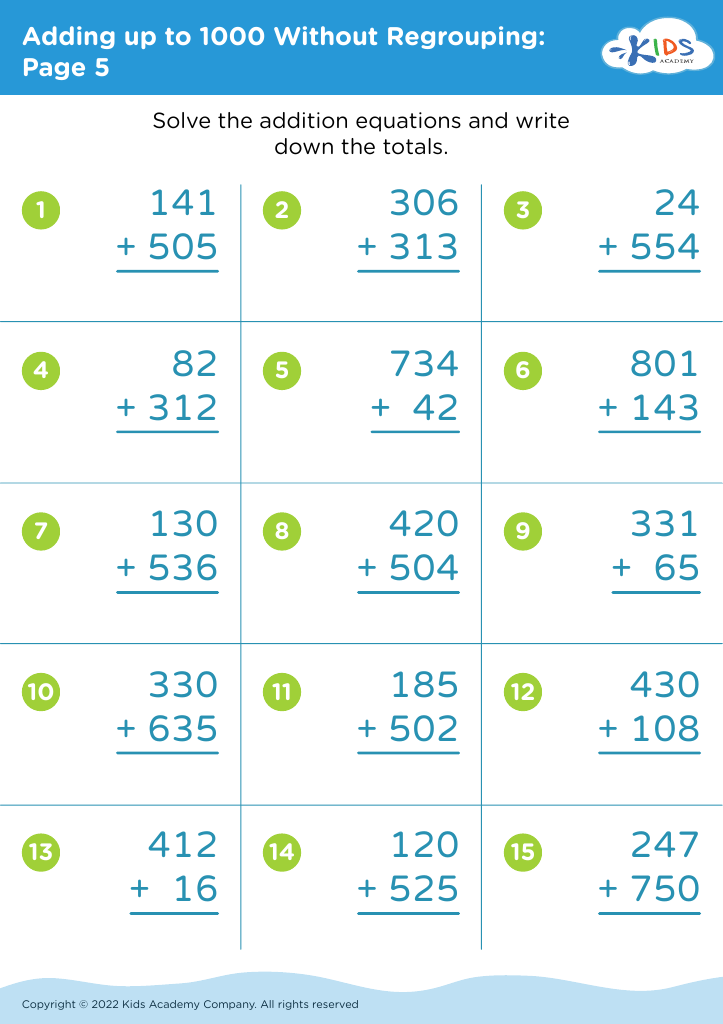
Adding up to 1000 Without Regrouping: Page 5
Worksheet
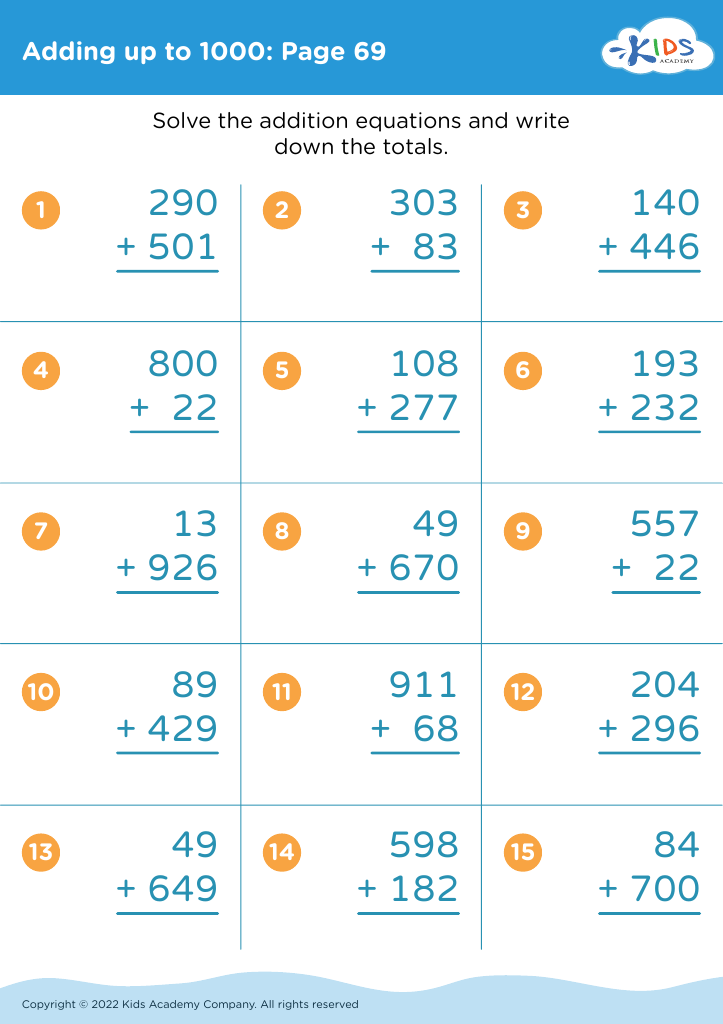
Adding up to 1000: Page 69

Adding up to 1000: Page 69

Adding up to 1000: Page 69
Worksheet
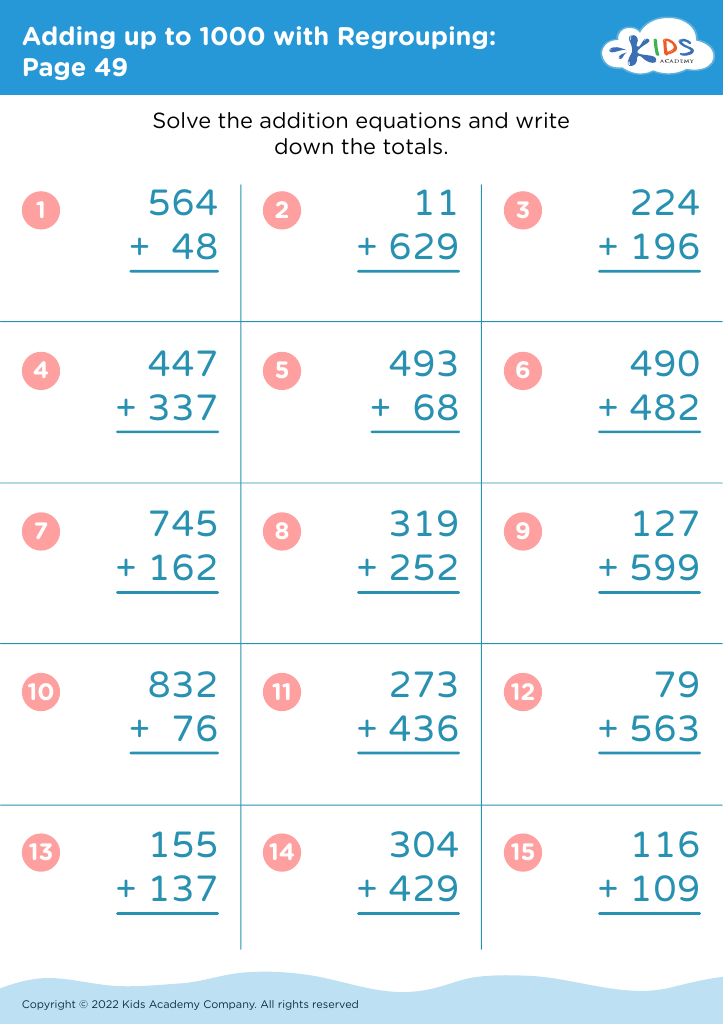
Adding up to 1000 with Regrouping: Page 49
Worksheet
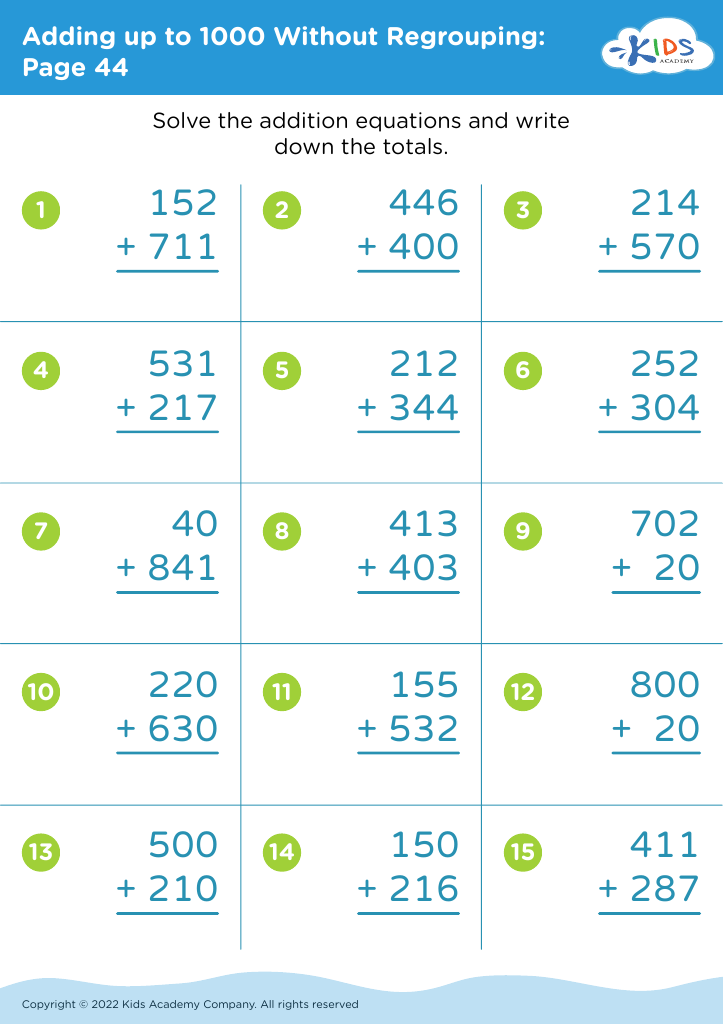
Adding up to 1000 Without Regrouping: Page 44
Worksheet
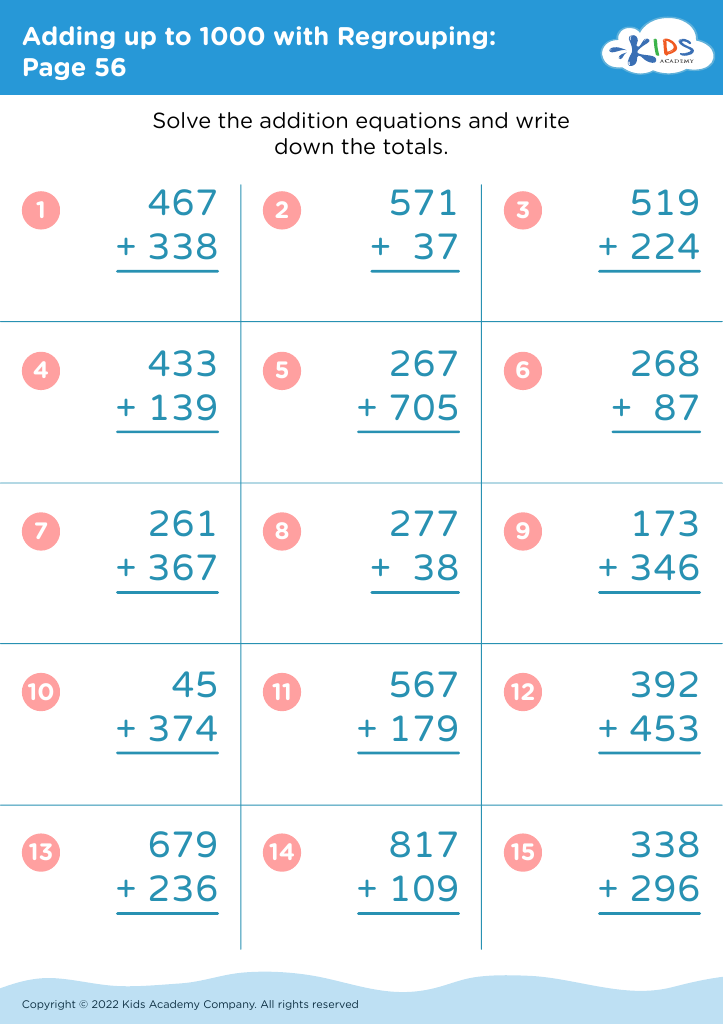
Adding up to 1000 with Regrouping: Page 56
Worksheet
Equal Fractions Maze Worksheet
Equal Fractions Maze Worksheet
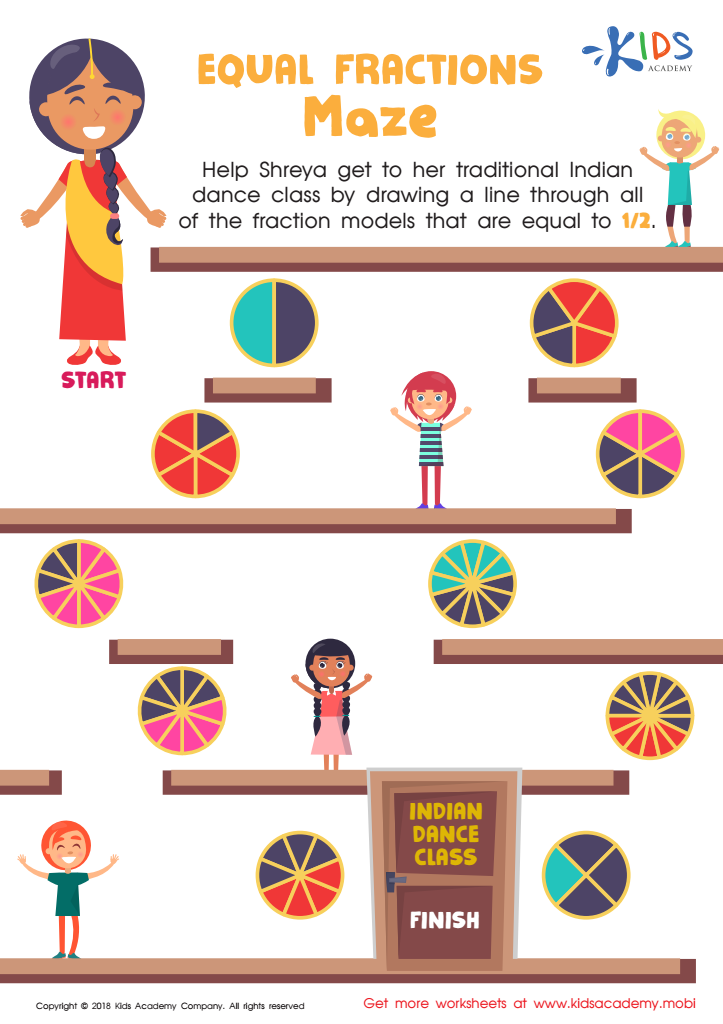
Help Shreya get to dance class! Draw a line through all fraction models that are equal to ½, starting at the entrance marked 'start'. Guide your kids through the maze paths and help Shreya -- she's an Indian girl who practices her cultures and traditions -- reach the door to her class.
Equal Fractions Maze Worksheet
Worksheet
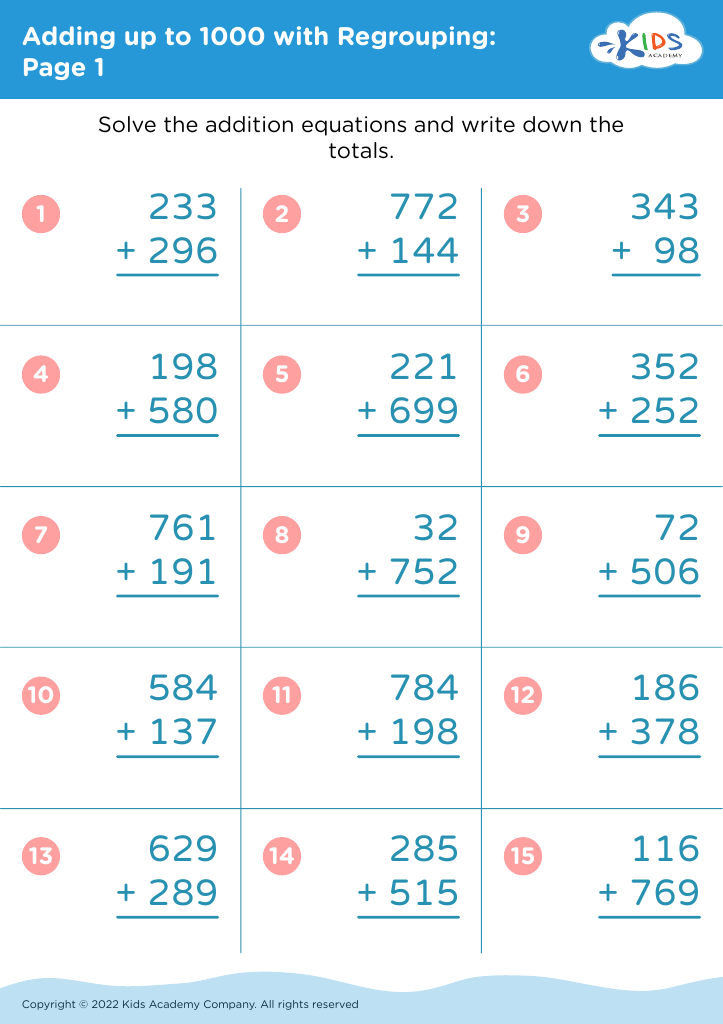
Adding up to 1000 with Regrouping: Page 1
Worksheet
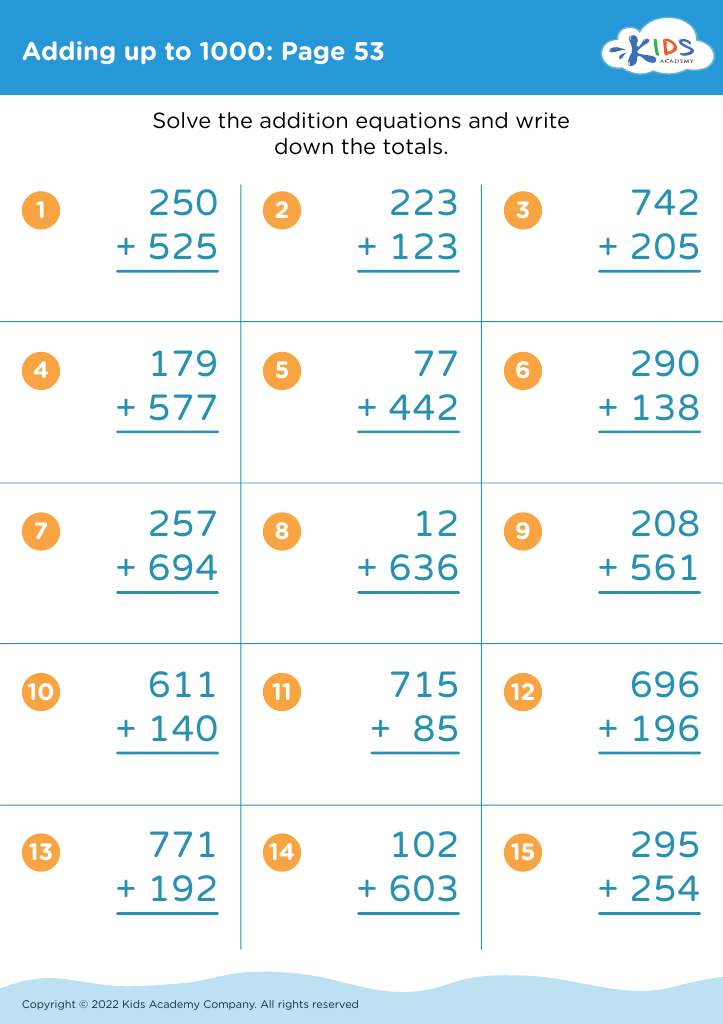
Adding up to 1000: Page 53

Adding up to 1000: Page 53

Adding up to 1000: Page 53
Worksheet
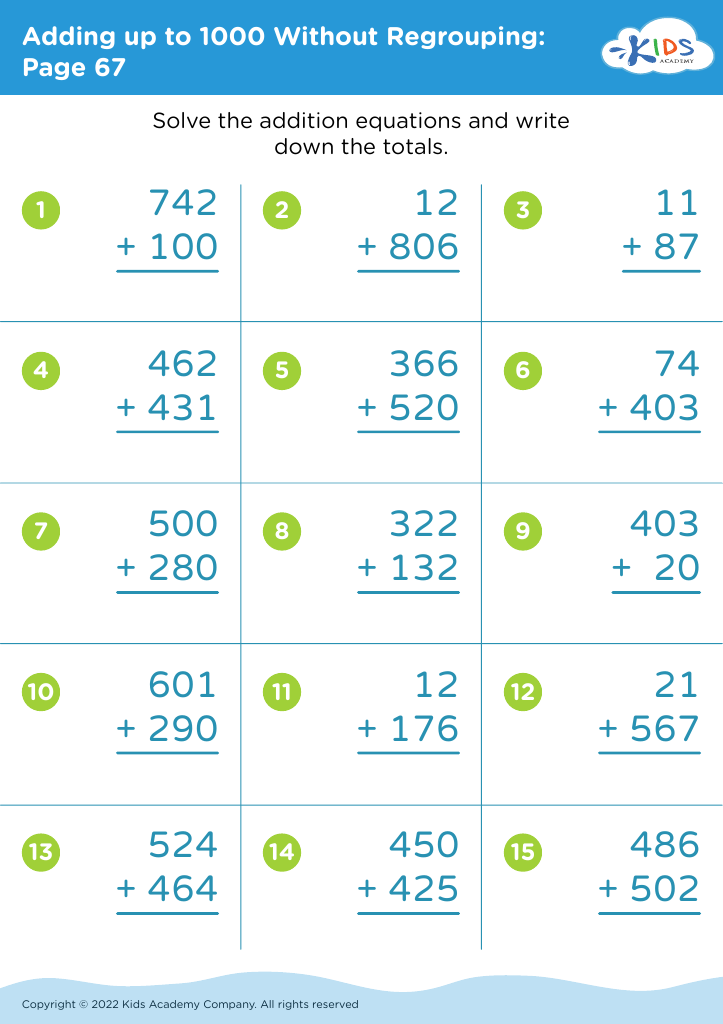
Adding up to 1000 Without Regrouping: Page 67
Worksheet
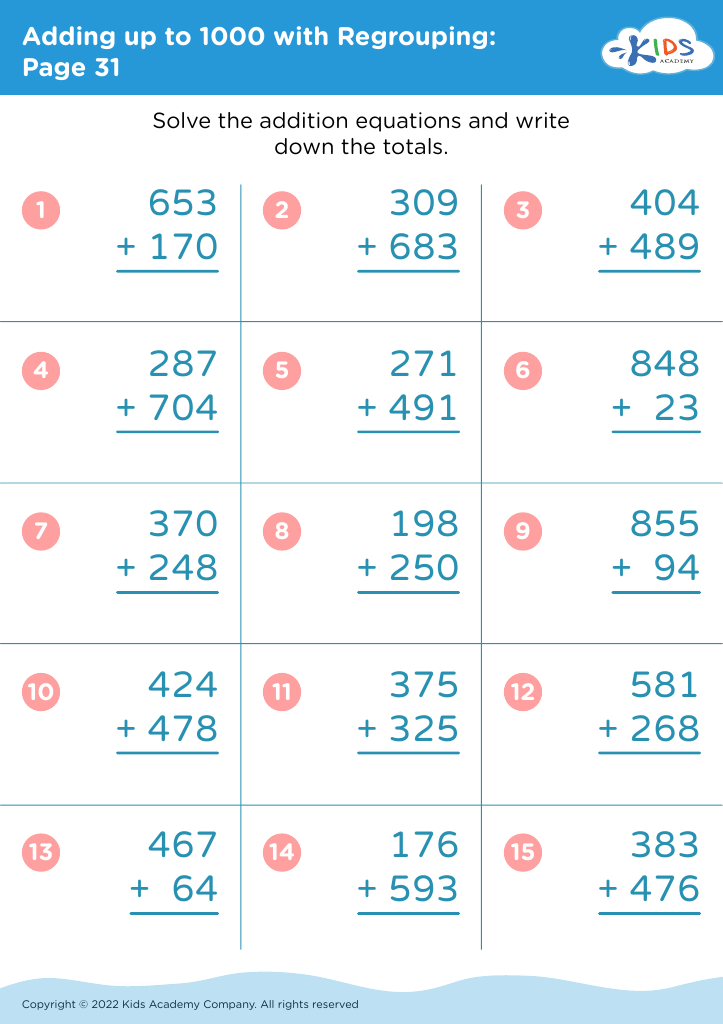
Adding up to 1000 with Regrouping: Page 31
Worksheet
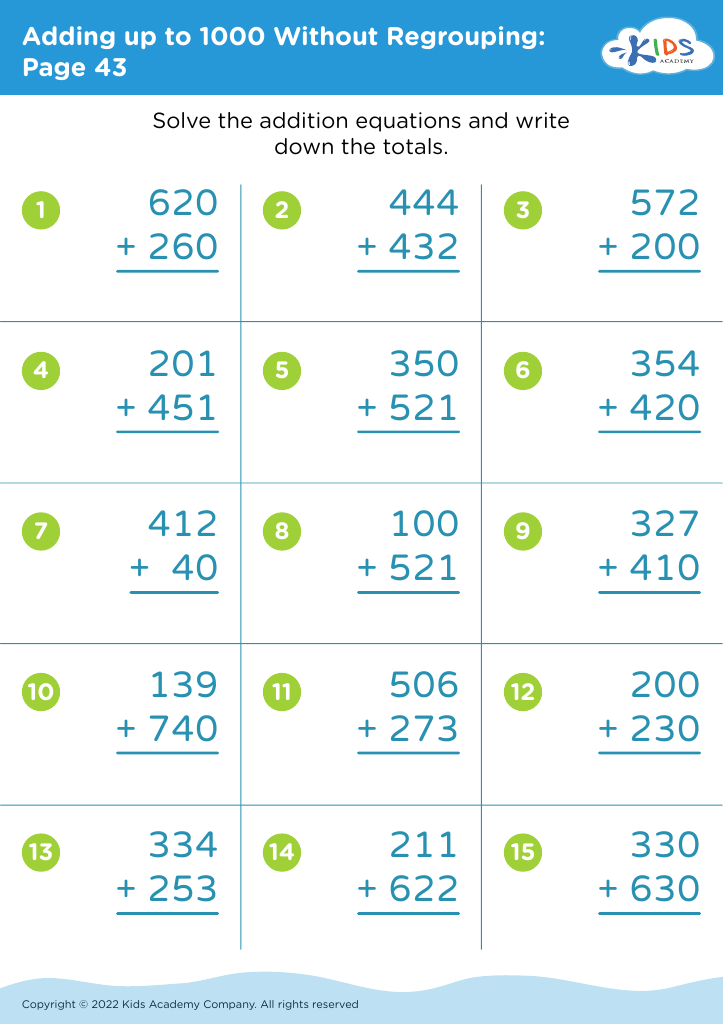
Adding up to 1000 Without Regrouping: Page 43
Worksheet
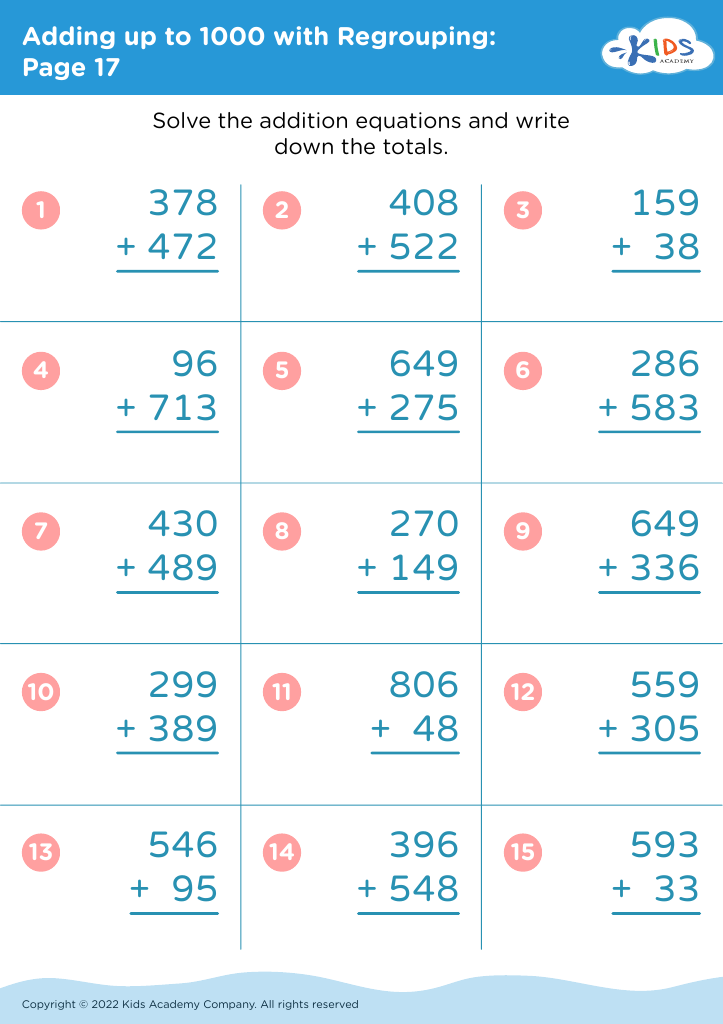
Adding up to 1000 with Regrouping: Page 17
Worksheet
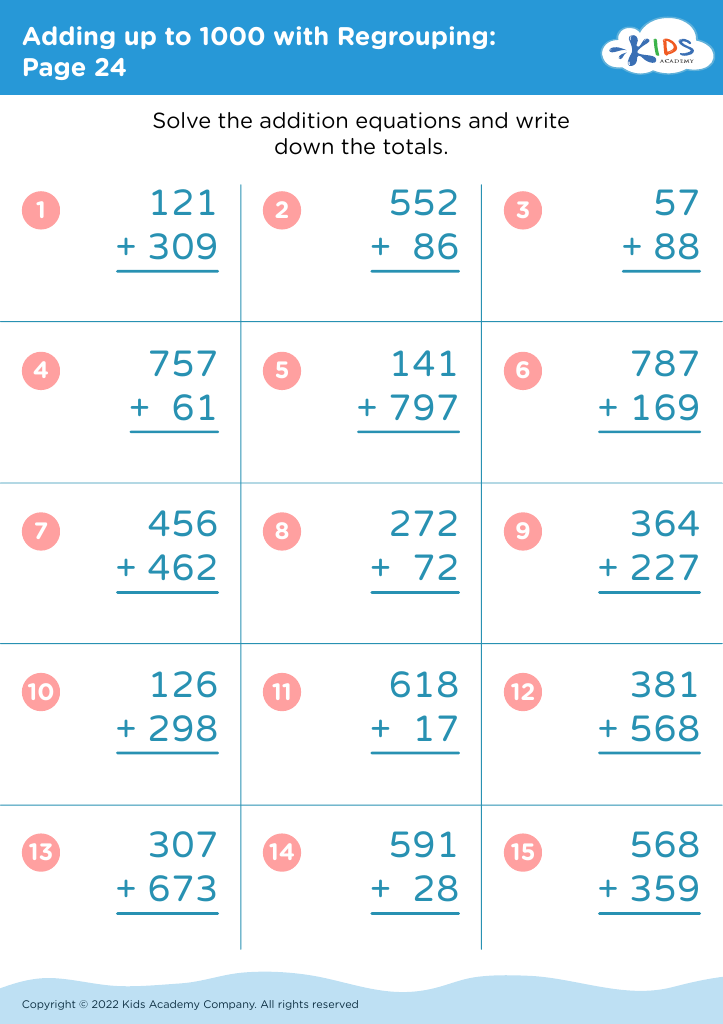
Adding up to 1000 with Regrouping: Page 24
Worksheet
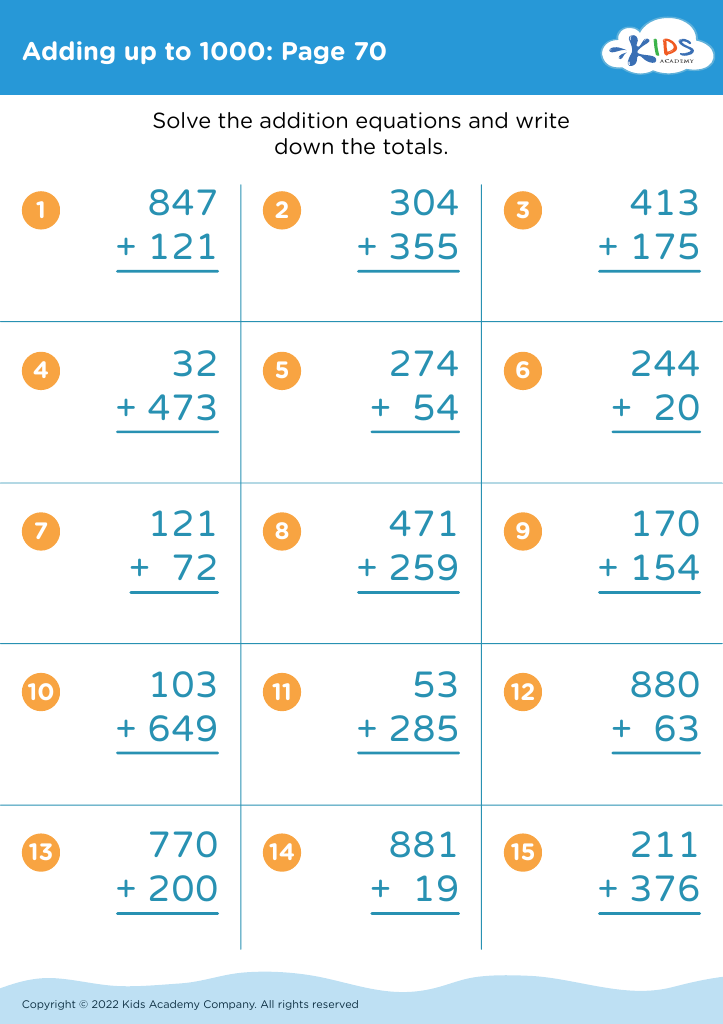
Adding up to 1000: Page 70

Adding up to 1000: Page 70

Adding up to 1000: Page 70
Worksheet
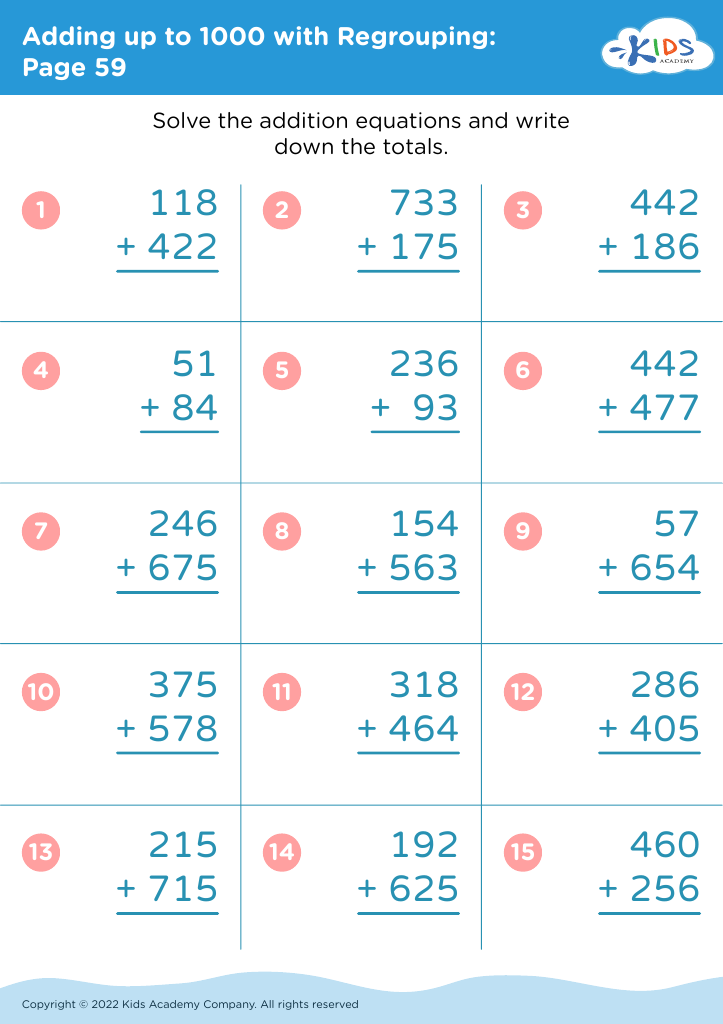
Adding up to 1000 with Regrouping: Page 59
Worksheet
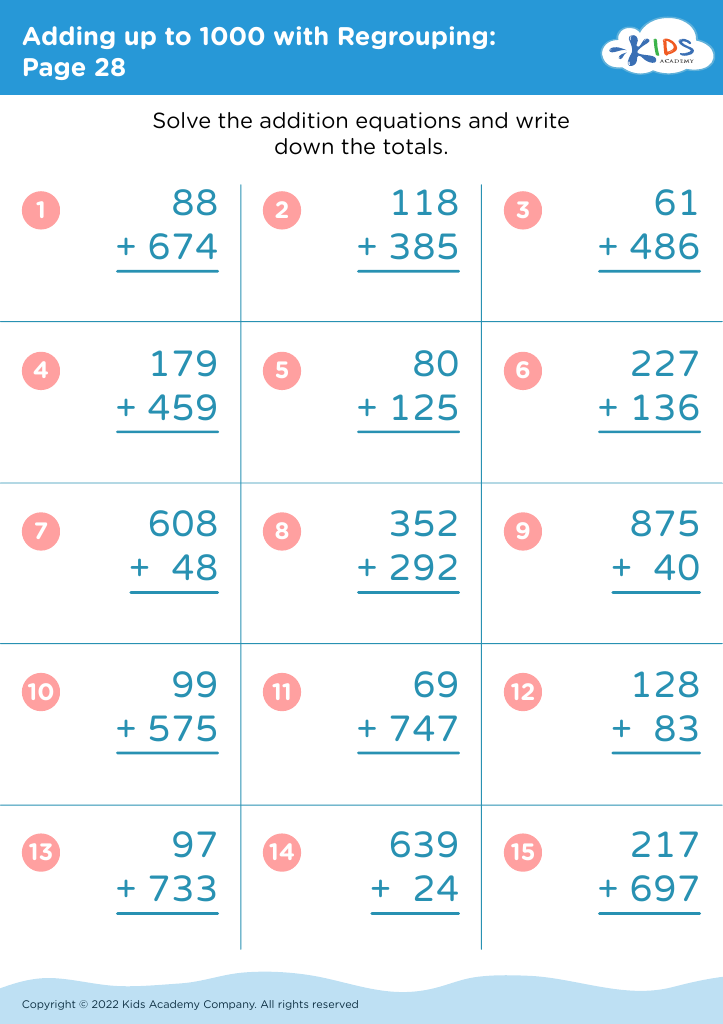
Adding up to 1000 with Regrouping: Page 28
Worksheet


Understanding fractions in Grade 3 is fundamental for several reasons. For starters, fractions are integral to daily life, appearing in cooking, shopping, and even time management. By grasping these concepts early, children become better equipped to navigate everyday tasks efficiently.

From an academic standpoint, fractions form the foundation for more advanced mathematical concepts such as ratios, percentages, and algebra. A solid understanding at this stage can boost confidence, fostering a positive attitude towards more challenging subjects later on. Furthermore, fraction comprehension enhances problem-solving skills, encouraging logical thinking and pattern recognition.

Parents and teachers should also recognize that mastering fractions at an early age supports overall cognitive development. It aids in abstract thinking, as children learn to comprehend and manipulate parts of a whole. This skill translates across various academic subjects and real-world scenarios, contributing to a well-rounded education.

Lastly, displaying an interest in a child's education positively impacts their motivation and performance. When parents and teachers collaborate to emphasize the importance of topics like fractions, children receive a consistent message about the value of learning. This support can make educational experiences more rewarding and enriching, fostering lifelong learning habits.