Vocabulary enhancement Grade 3 Reading Worksheets - Page 2
37 filtered results
-
From - To
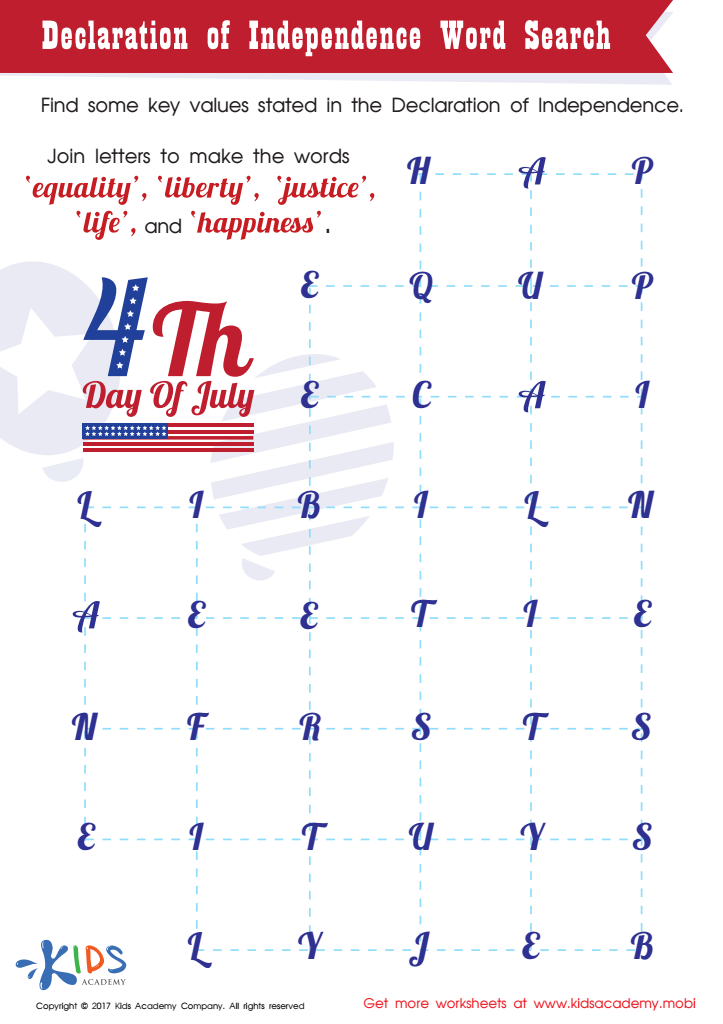
Declaration of Independence Word Search Printable
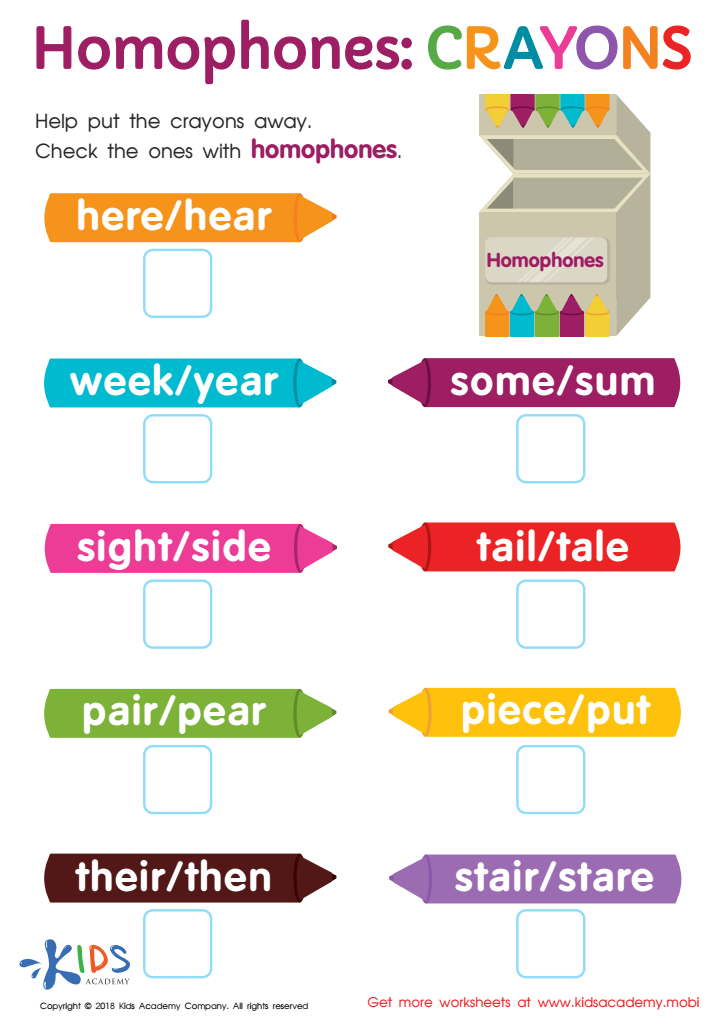
Homophones: Crayons Worksheet
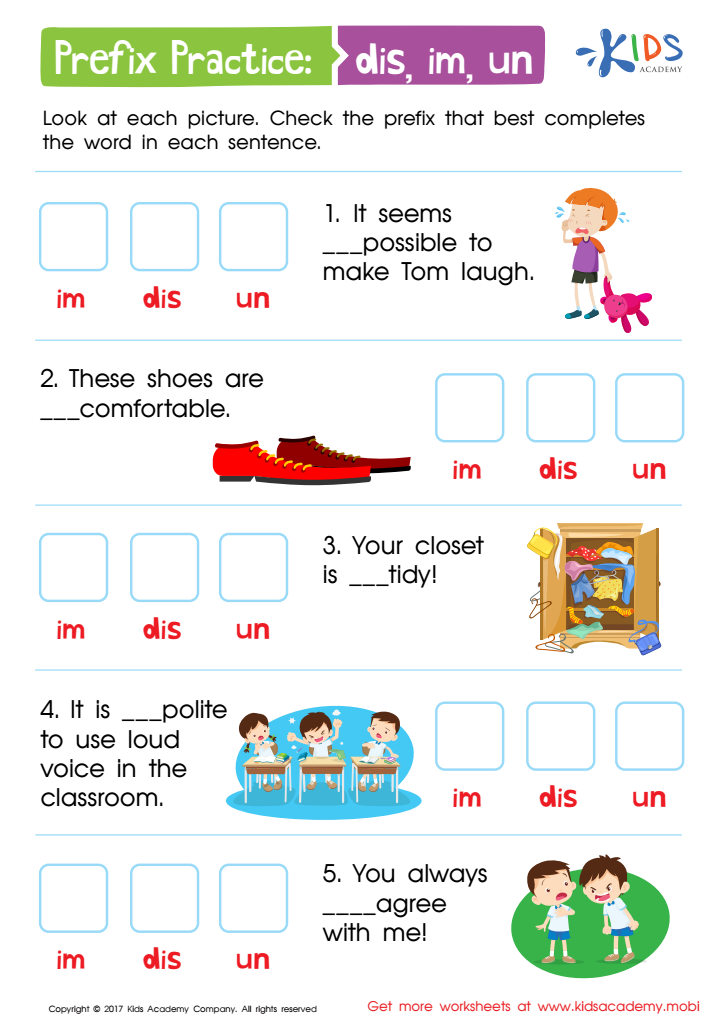
Prefix Practice Worksheet: DIS, IM, UM
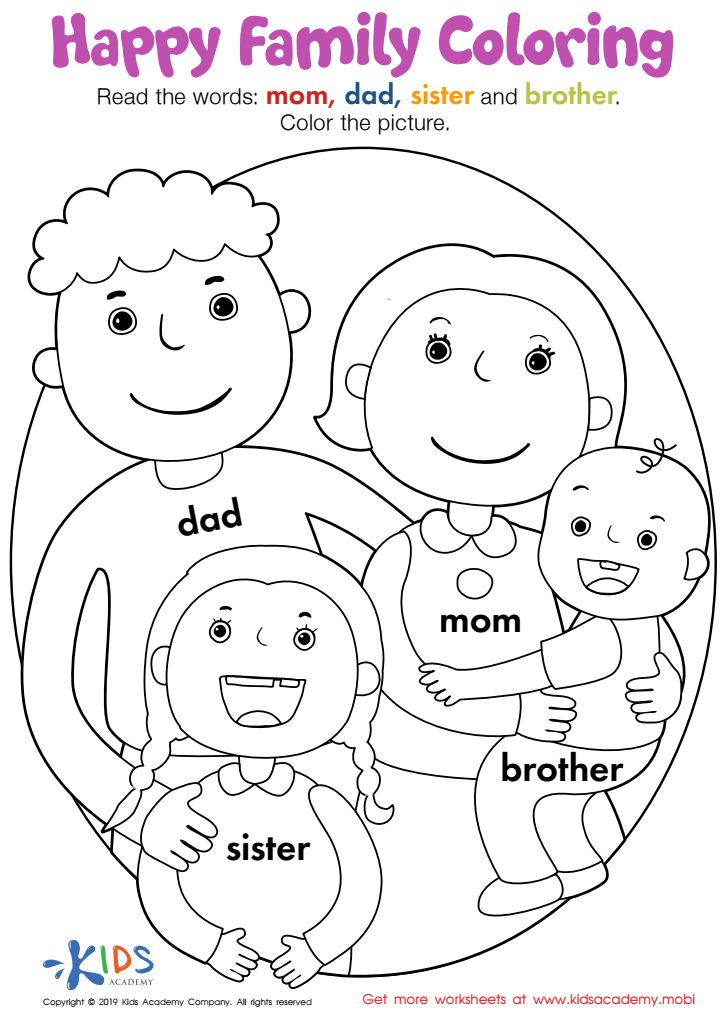
Happy Family Coloring Worksheet
 Assign to My Students
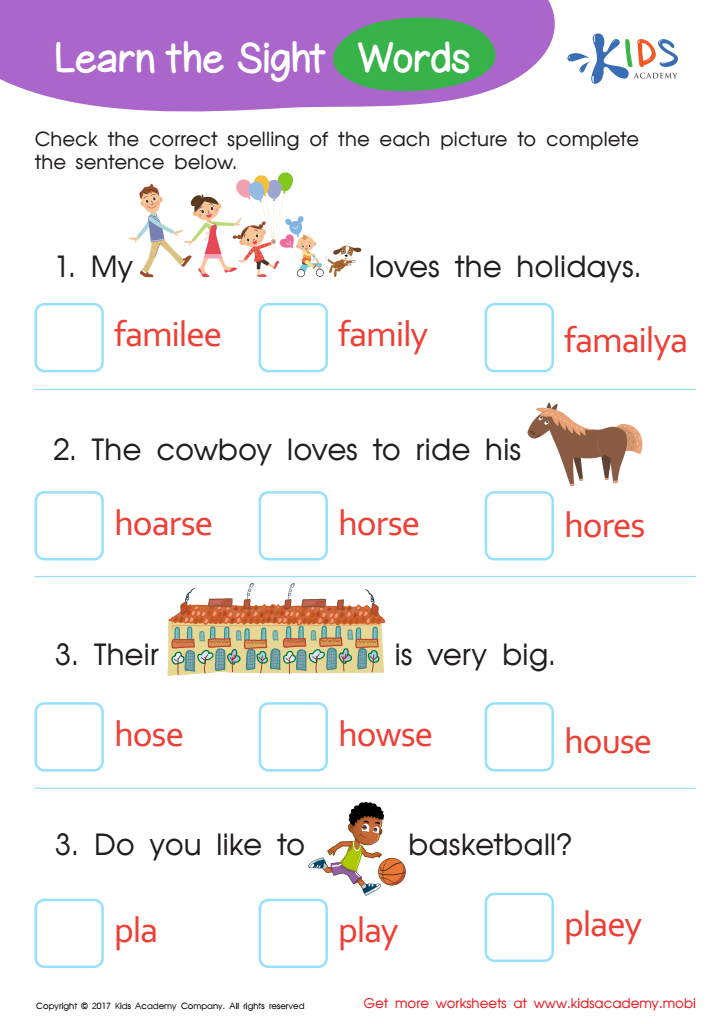
Family, Horse, House, Play Sight Words Worksheet
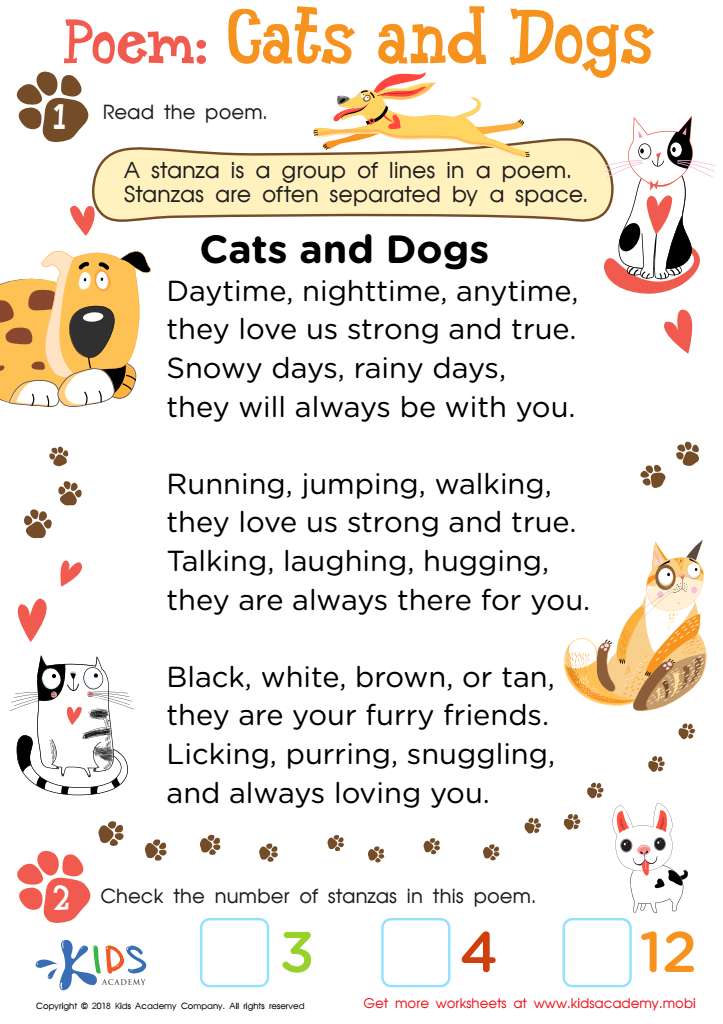
Poem: Cats and Dogs Worksheet
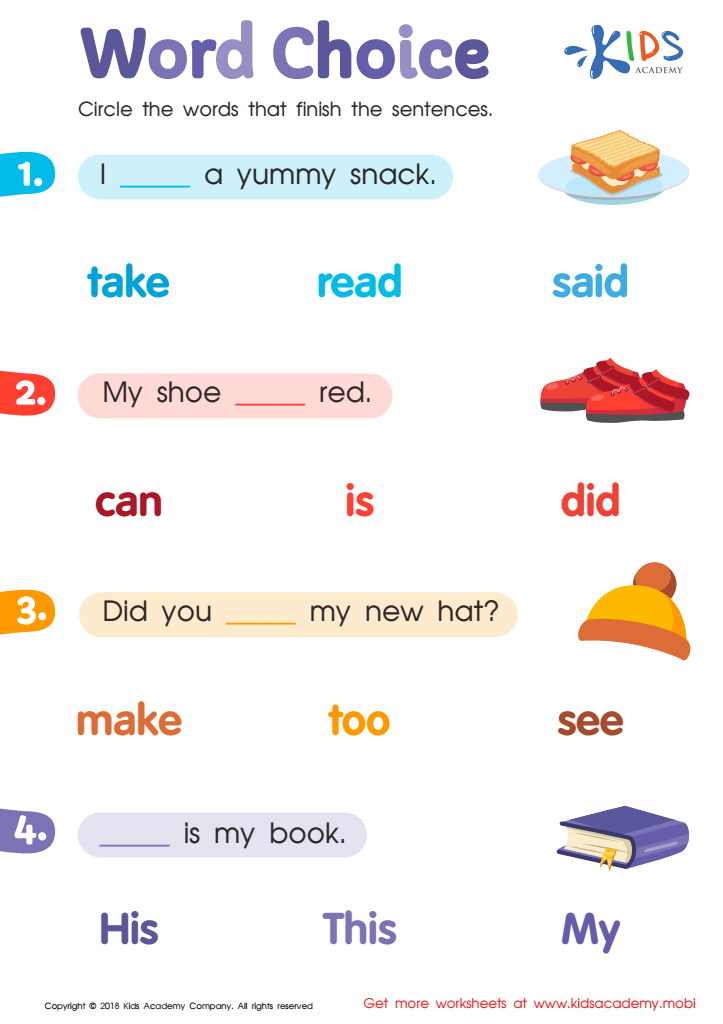
Word Choice Worksheet
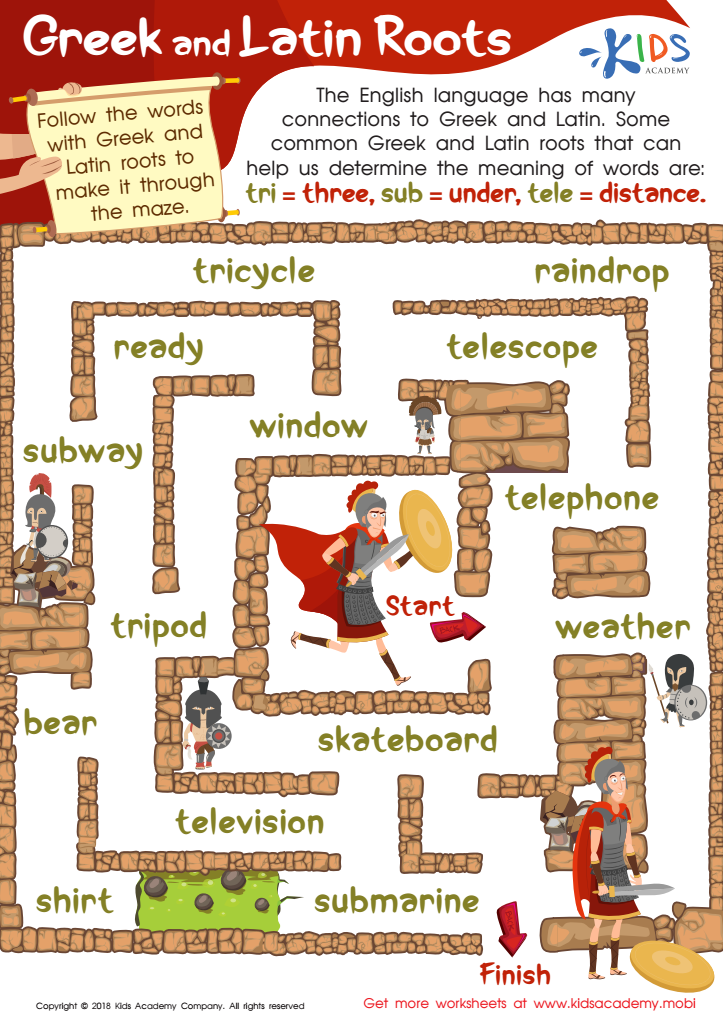
Greek and Latin Roots Worksheet
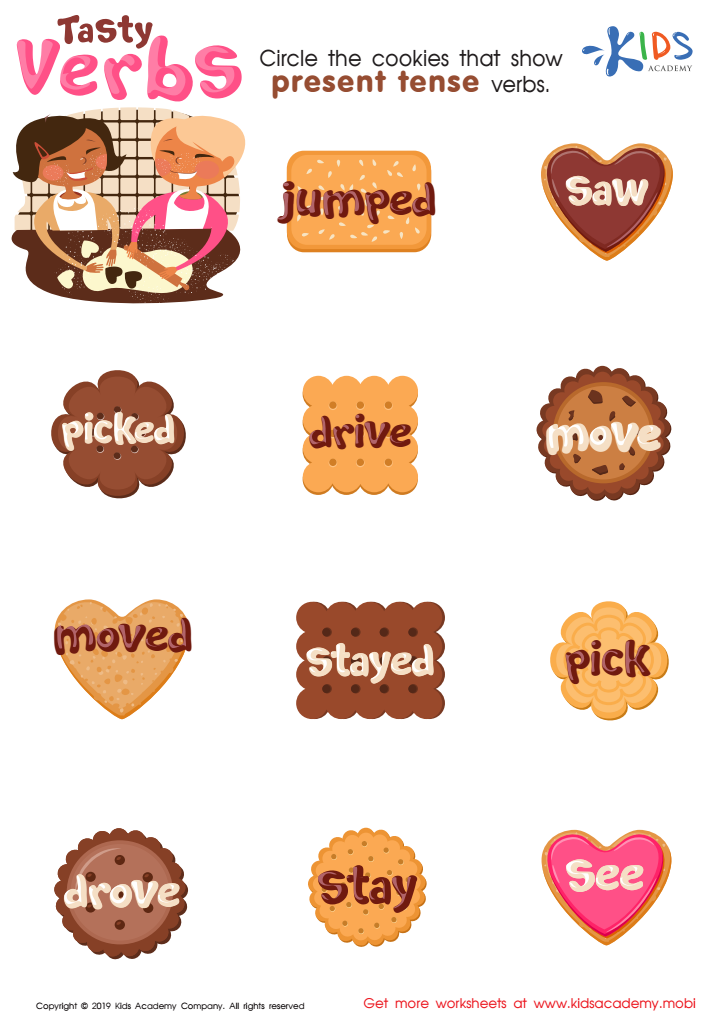
Tasty Verbs Worksheet
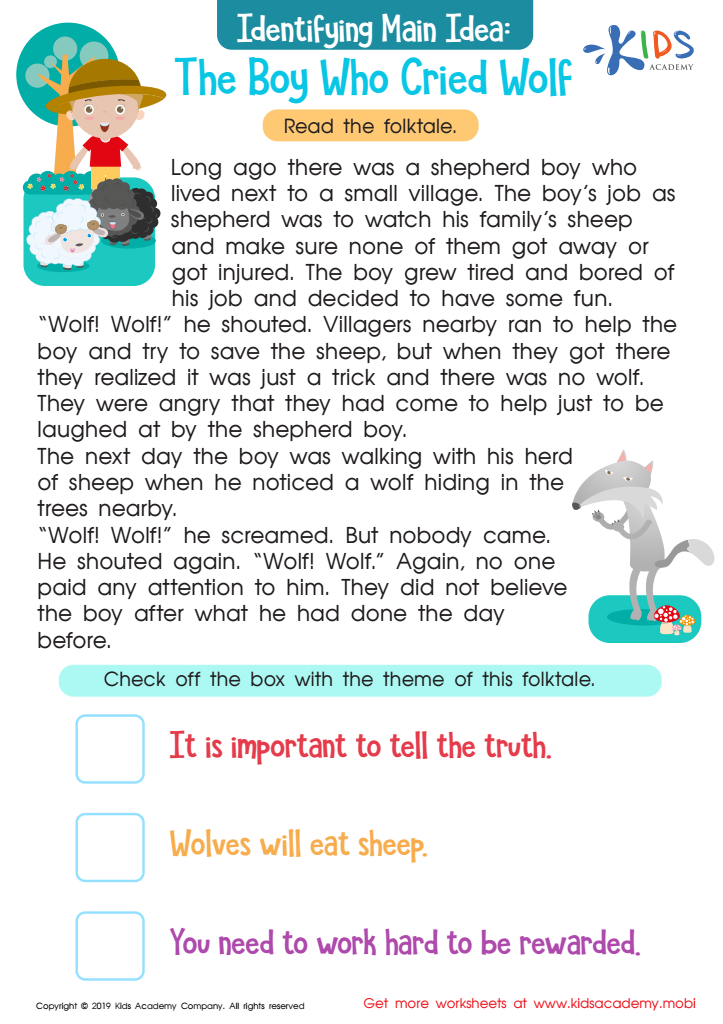
The Boy Who Cried Wolf Part 2 Worksheet
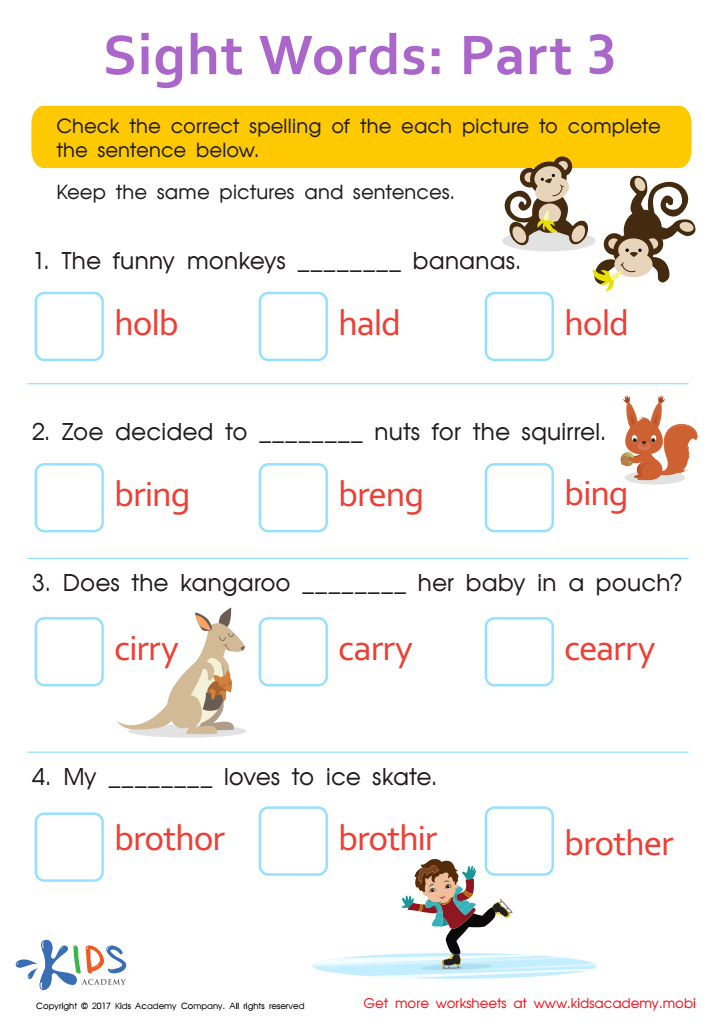
Hold, Bring, Carry, Brother Sight Words Worksheet
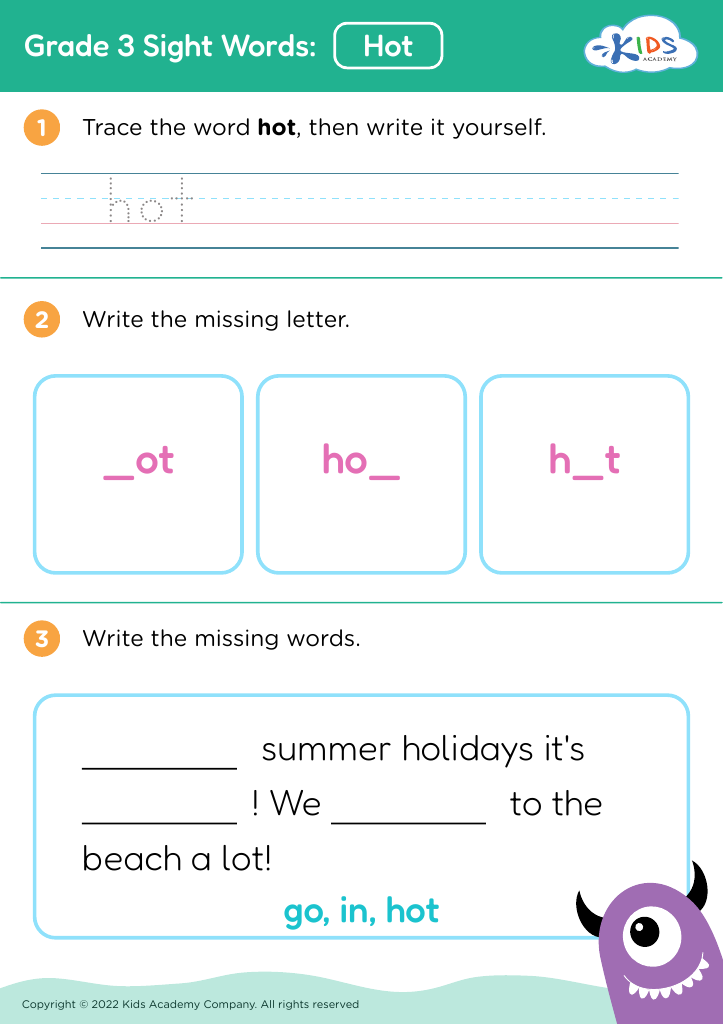






Vocabulary enhancement is crucial for Grade 3 students and should be prioritized by both parents and teachers. At this stage, children transition from "learning to read" to "reading to learn." An enriched vocabulary enables them to understand complex texts, enhance comprehension, and foster a love of reading. Students with a robust vocabulary are more likely to excel across all subjects, as words are the building blocks of knowledge and communication.
When children's vocabulary is vast, they can express thoughts clearly, participate actively in discussions, and write more creatively. Vocabulary also influences cognitive development, enabling kids to grasp new concepts easier and relate them to existing knowledge. Beyond academics, it supports social-emotional growth, facilitating better communication and relationships with peers and adults.
Early intervention in vocabulary not only boosts confidence but also mitigates the risk of future learning difficulties. Given that word knowledge is cumulative, the words learned in third grade lay a foundation for future academic success.
Parents and teachers should collaborate in creating a language-rich environment filled with diverse and meaningful verbal and written interactions. Reading a variety of books, engaging in discussions, and exposing children to new words in context are essential strategies. In summary, vocabulary enhancement equips third-graders with the essential tools for academic and personal growth.