Phonics Skills Writing Worksheets
11 filtered results
-
From - To
Enhance your child's reading and writing abilities with our Phonics Skills Writing Worksheets! Designed to support early literacy development, these engaging and interactive worksheets help kids master essential phonics concepts. With activities tailored to reinforce letter-sound recognition, blending, and segmenting, students will gain the confidence to decode words independently. Our diverse range of worksheets includes tracing, fill-in-the-blanks, and creative writing prompts, making learning fun and effective. Perfect for classroom use or at-home practice, these resources cater to various learning styles. Help your child develop a strong foundation in phonics and set them on the path to reading success today!
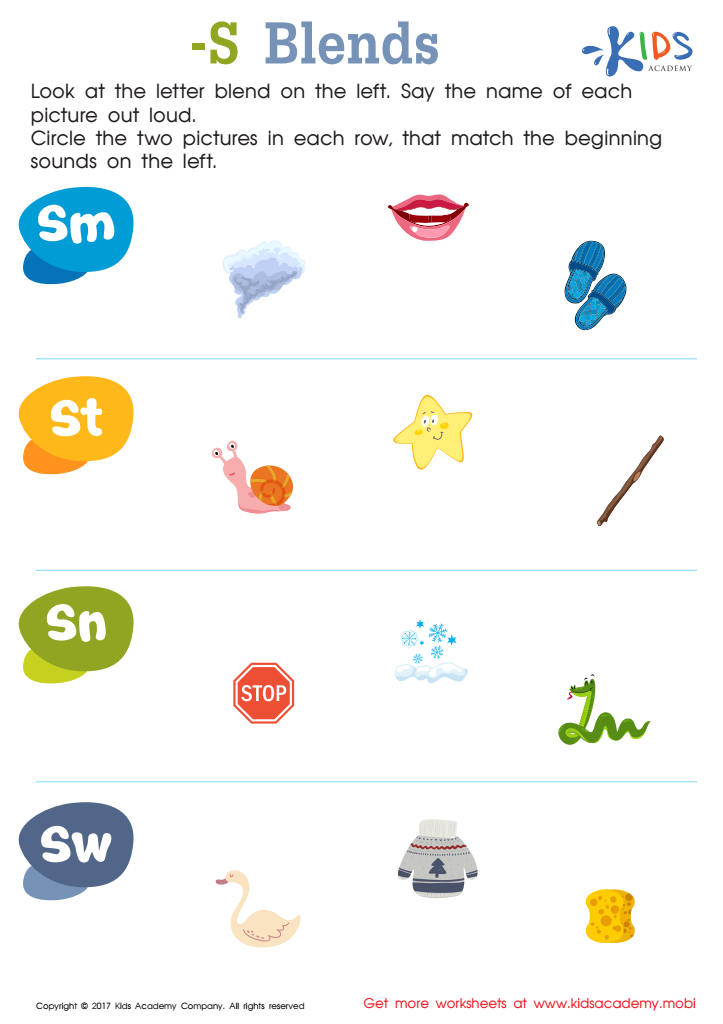
"s" Blends Spelling Printable
 Assign to My Students
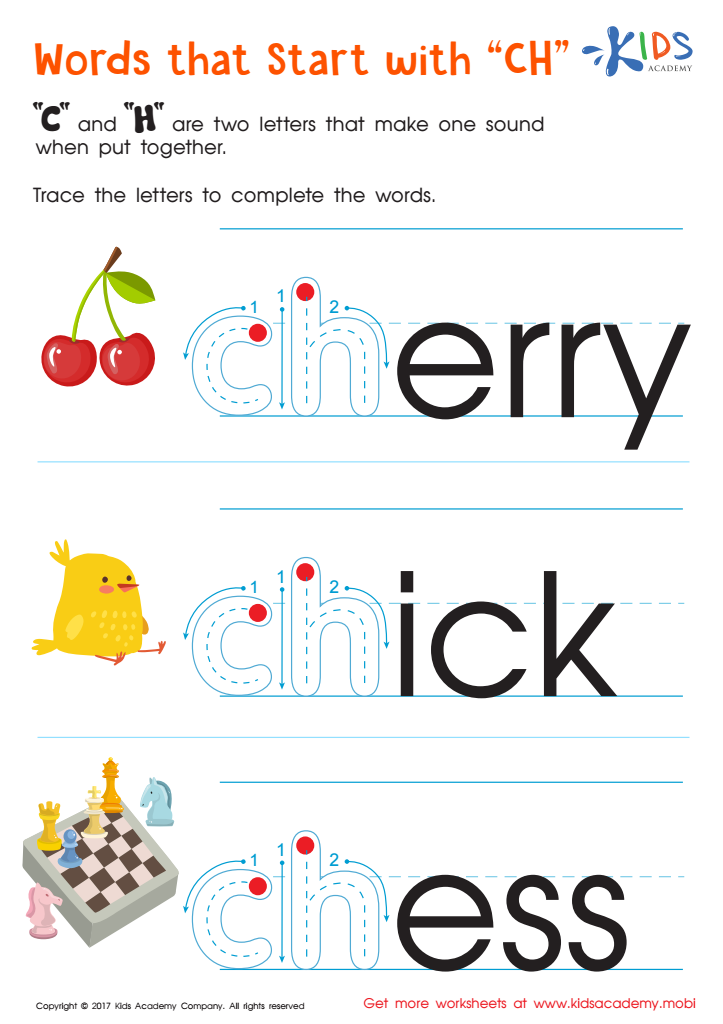
Words That Start with "ch" Spelling Worksheet
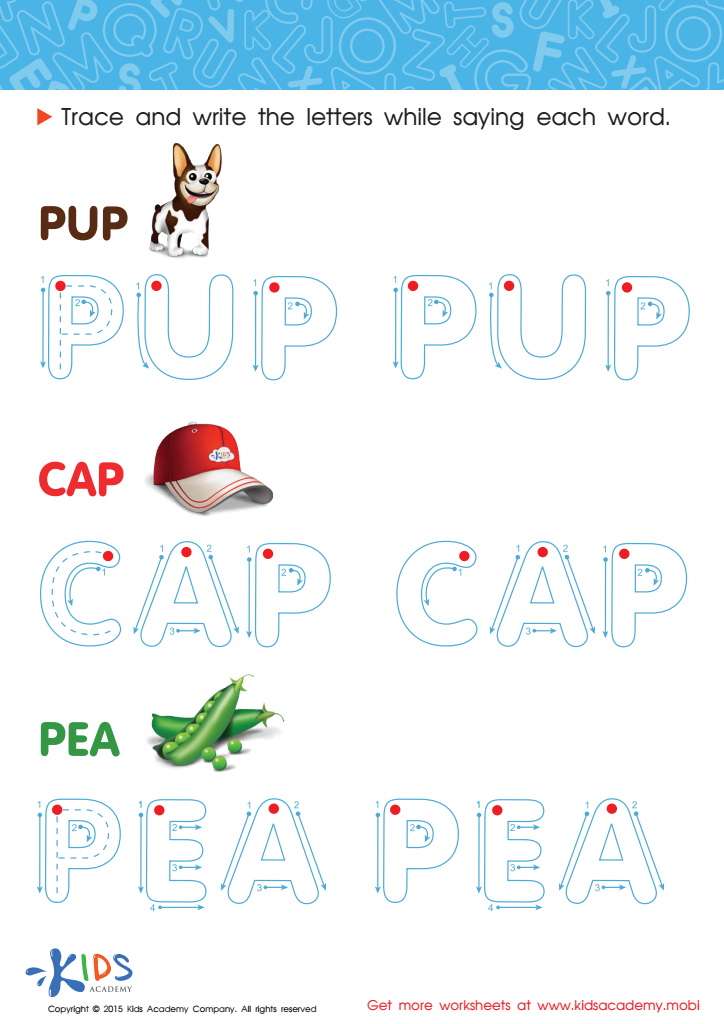
A Pup, a Cap and a Pea Spelling Worksheet
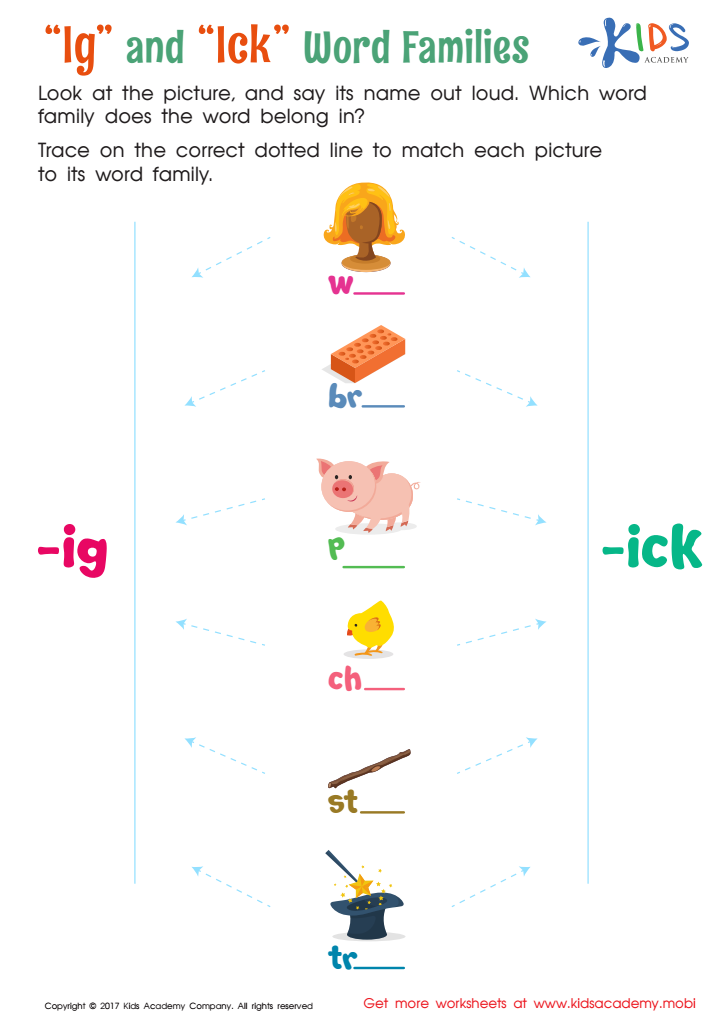
Words Families "ig" and "ick" Spelling Worksheet
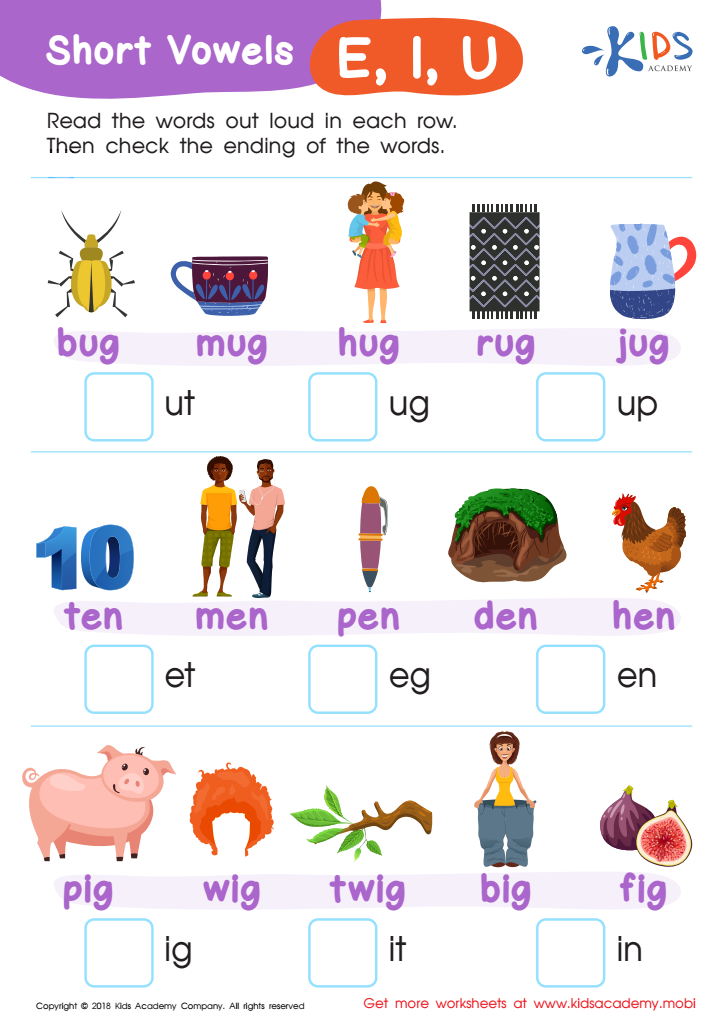
Short Vowels /e/, /i/, and /u/ Worksheet
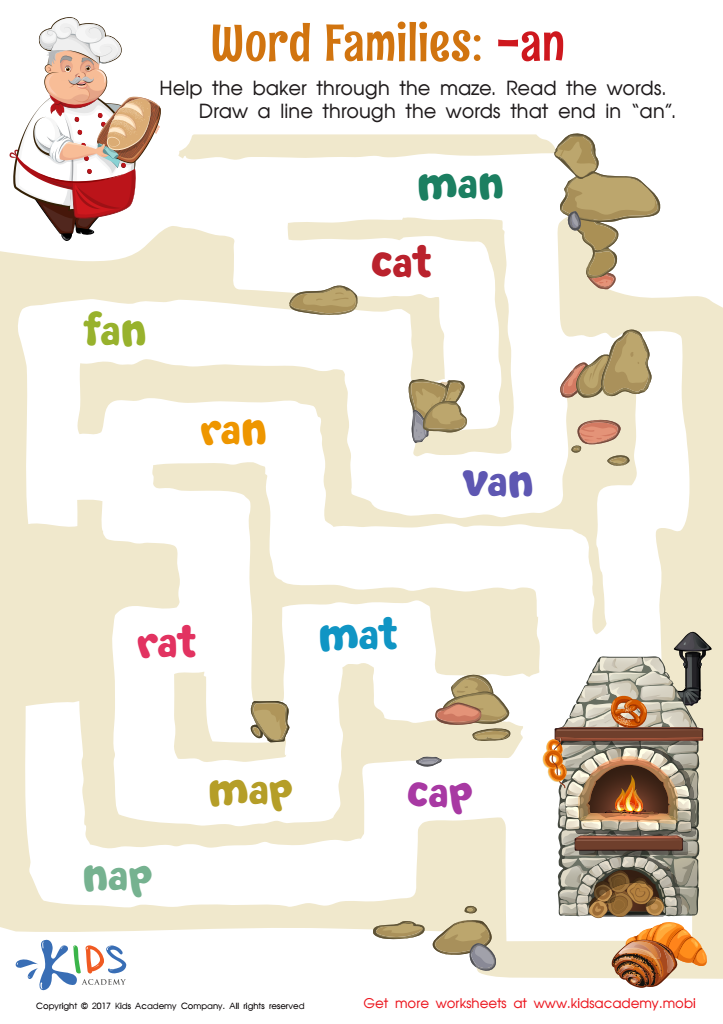
Words Families "an" Spelling Worksheet
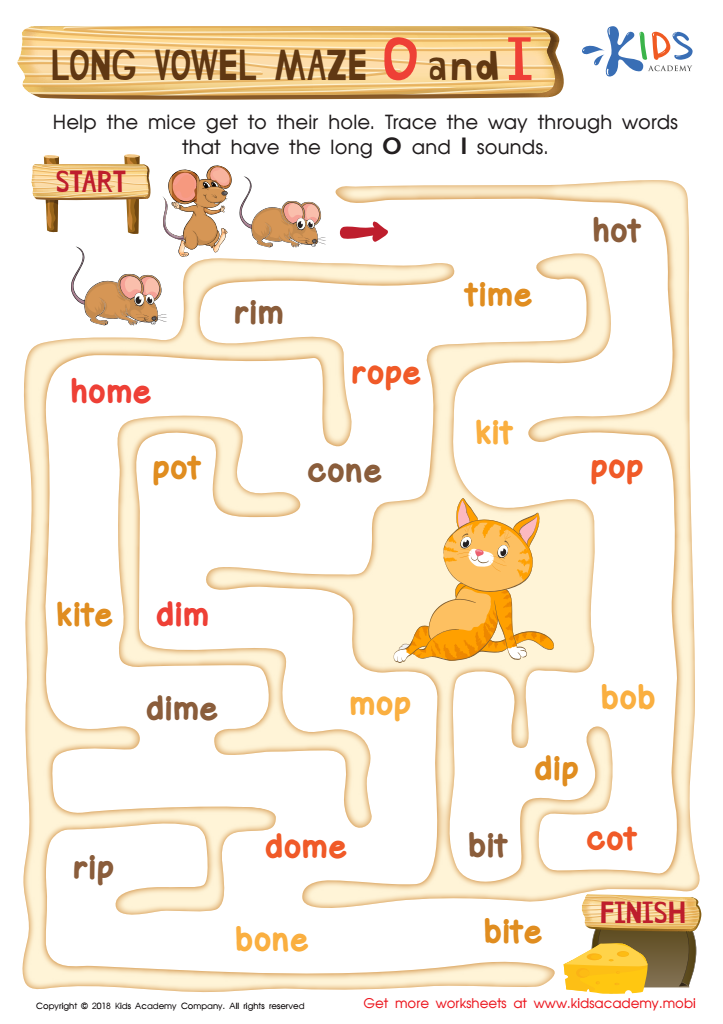
Long Vowel Maze /o/ and /i/ Worksheet
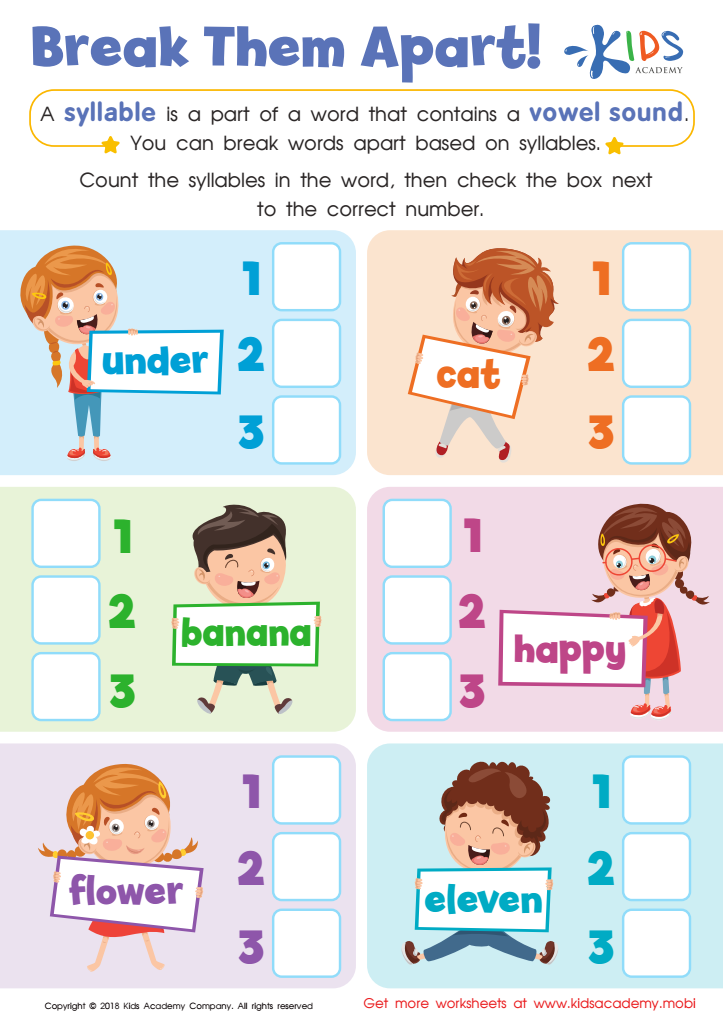
Reading: Break Them Apart Worksheet
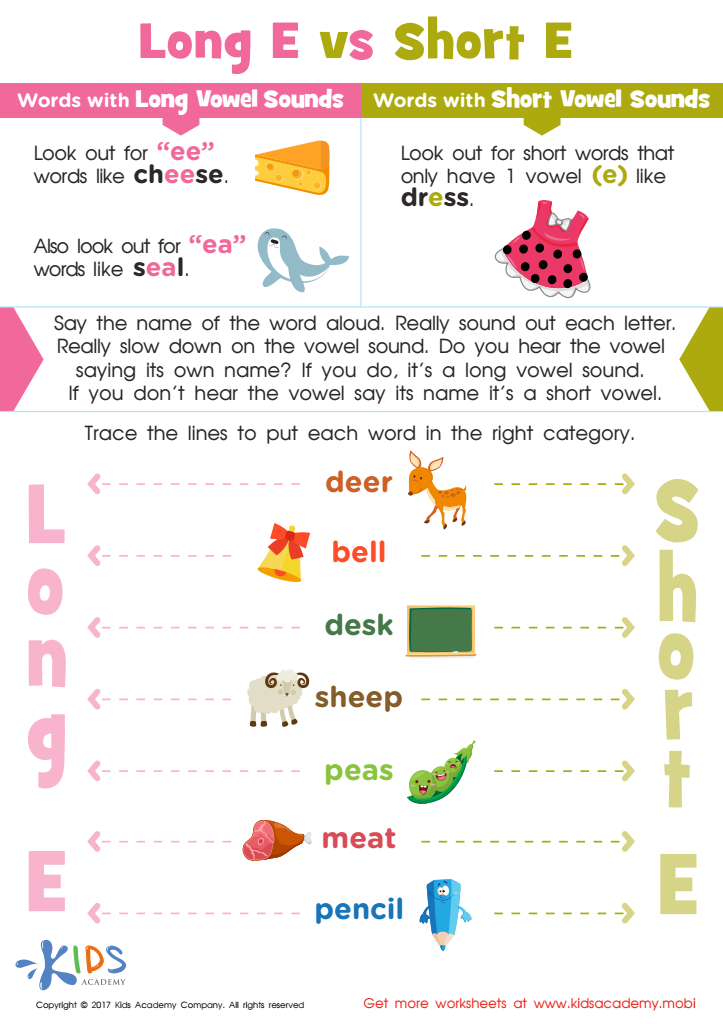
Long and Short Vowel E Spelling Worksheet
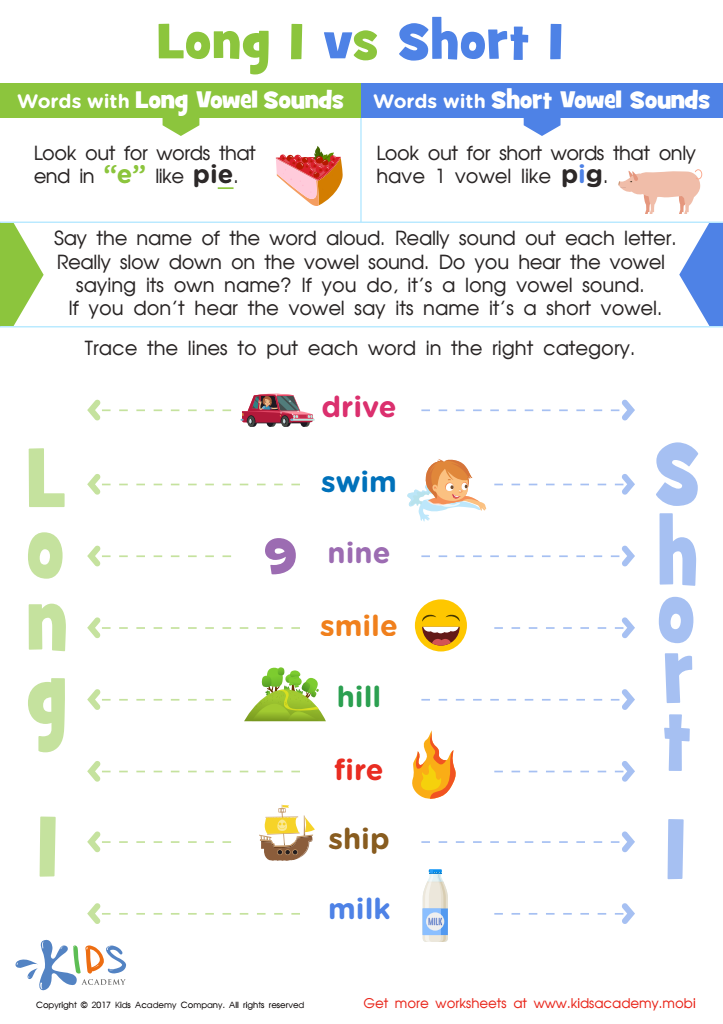
Long and Short Vowel I Spelling Worksheet
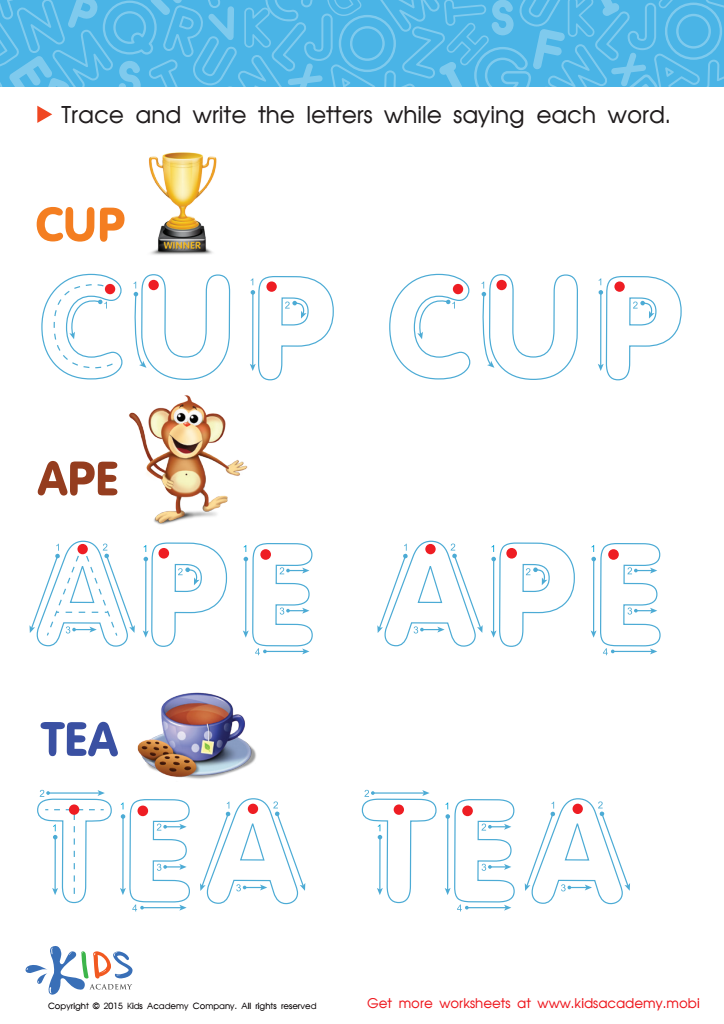
A Cup, an Ape and Tea Spelling Worksheet








Phonics skills writing is crucial for early literacy development and has significant implications for both parental and teacher involvement. Phonics, the relationship between letters and sounds, forms the foundation for reading and writing. When children learn to decode words through phonics, they also develop the ability to encode, or write, using the same principles. This skill allows them to express their thoughts clearly and create text that accurately reflects their understanding.
Parents should care about phonics skills writing because it directly impacts their child’s confidence and lifelong learning. Children who grasp phonics are more likely to become proficient readers, which is essential for academic success across subjects. Engaging in phonics-based writing activities at home reinforces these skills and provides a supportive learning environment, fostering a love for literacy.
Teachers play a vital role in integrating phonics instruction within the classroom. By focusing on phonics skills writing, they can ensure students develop not only decoding abilities but also strong writing skills. This holistic approach enhances overall literacy and promotes effective communication. Ultimately, both parents and teachers have a shared responsibility to cultivate these foundational skills, equipping children for future learning and encouraging a lifelong engagement with reading and writing.








