Reading worksheets activities for Ages 3-9 - Page 2
29 filtered results
-
From - To
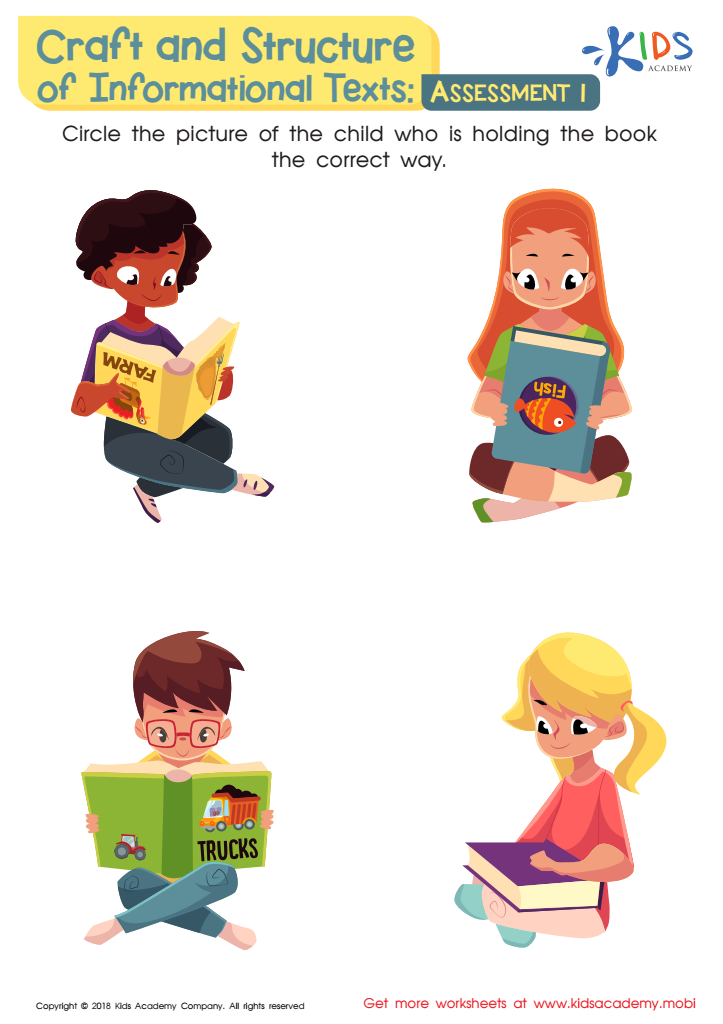
Craft and Structure of Informational Texts: Assessment 1 Worksheet
 Assign to My Students
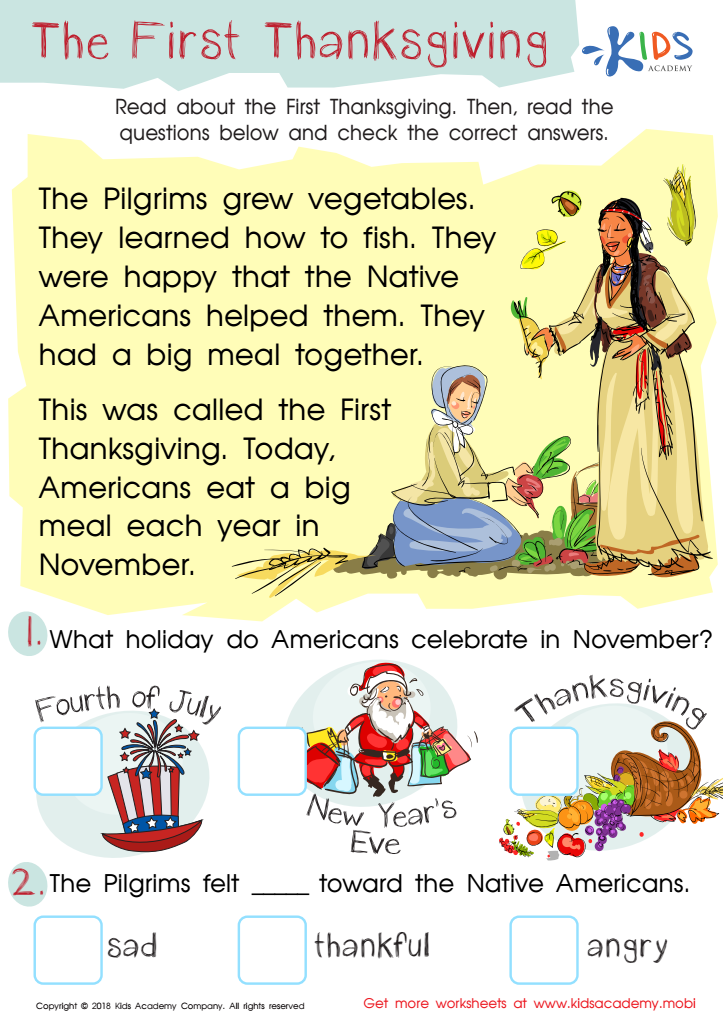
Assessment: First Thanksgiving Worksheet
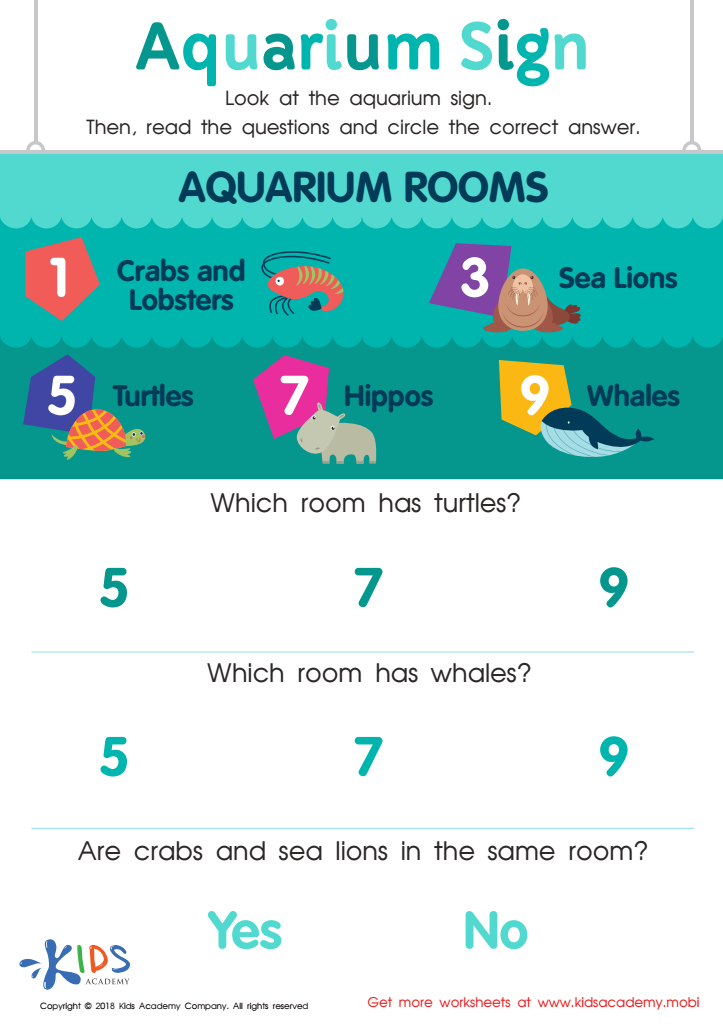
Assessment: Aquarium Sign Worksheet
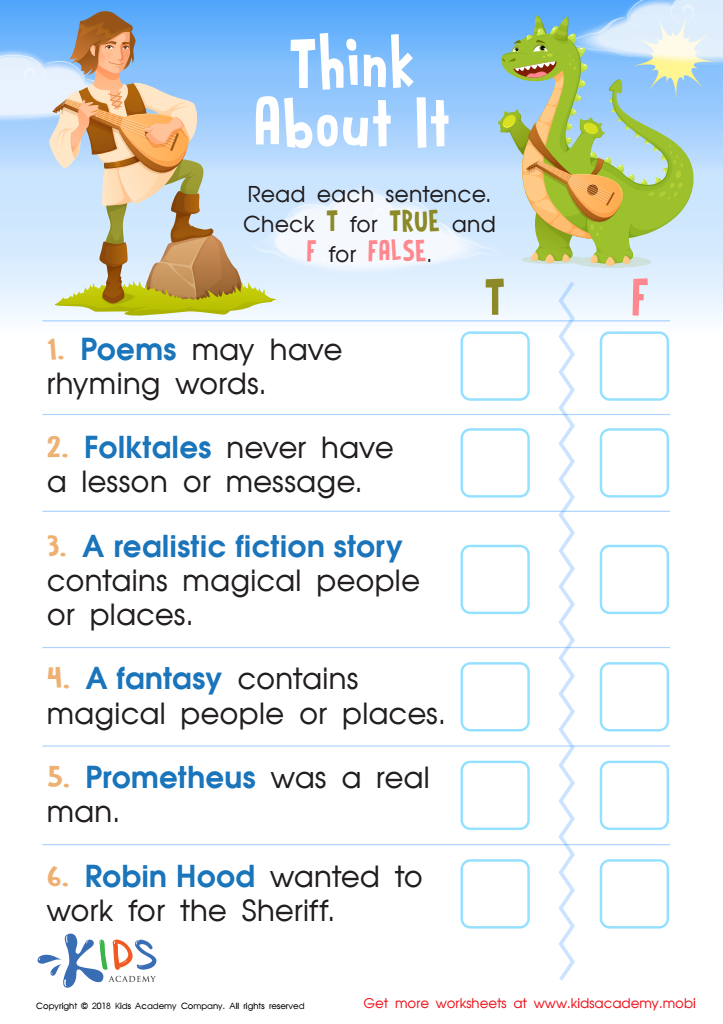
Think About It: Assessment Worksheet
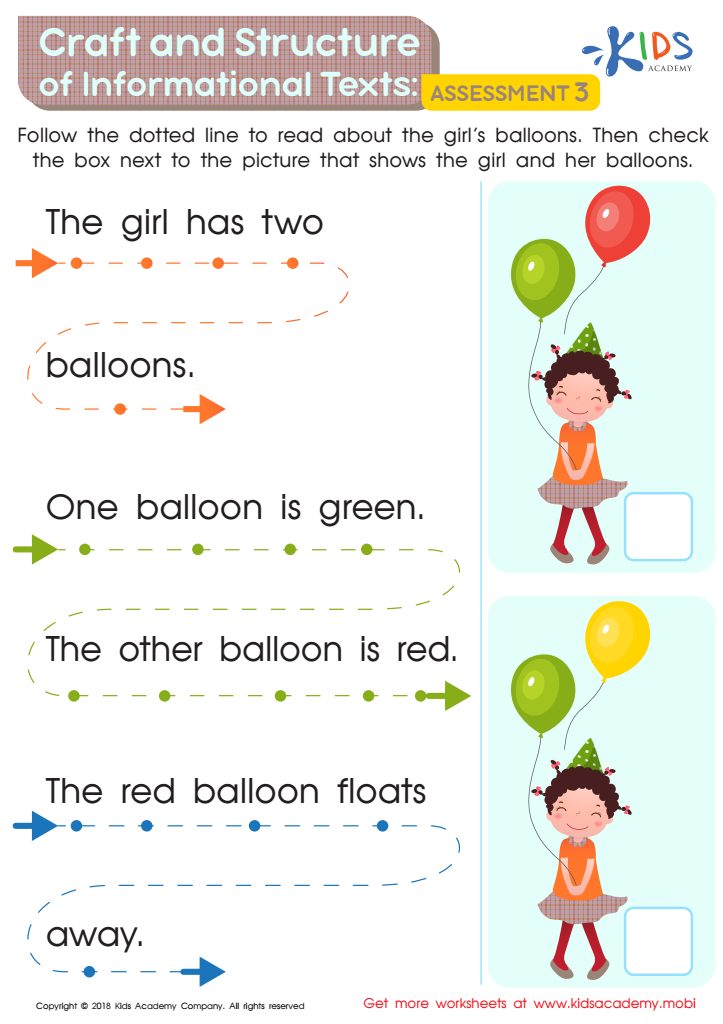
Craft and Structure of Informational Texts: Assessment 3 Worksheet





.jpg)

Reading activities for children ages 3-9 are crucial for their cognitive, emotional, and social development. During these formative years, children's brains are rapidly developing, and exposure to reading significantly enhances their language skills. Engaging in reading activities aids in vocabulary expansion, comprehension, and sentence structure, laying a strong foundation for lifelong learning.
Additionally, reading fosters creativity and imagination. Storybooks transport children to different worlds and experiences, stimulating their minds and encouraging them to think critically. These activities also promote focus and attentiveness—key skills for academic success.
Moreover, reading nurtures a love for books and learning. When parents and teachers incorporate enjoyable reading activities, such as storytelling or interactive reading exercises, they help create positive associations with literature, paving the way for future reading endeavors.
Socially, shared reading routines strengthen bonds between parents and children, or teachers and students, cultivating a sense of connection and trust. Furthermore, discussing stories with peers enhances social skills and encourages collaborative learning.
In summary, prioritizing reading activities in early childhood paves the way for academic achievement, emotional security, and social competence, making it an invaluable focus for parents and educators alike.








