Building Vocabulary worksheets activities for Ages 4-7
13 filtered results
-
From - To
Unlock the world of words with our engaging "Building Vocabulary Worksheets Activities" designed for ages 4-7! Our carefully crafted worksheets provideyoung learners with dynamic and interactive opportunities to enhance their vocabulary through fun exercises. From matching pictures to words and filling in the blanks to colorful word searches, each activity promotes language development and comprehension. These resources encourage creativity and critical thinking while making learning enjoyable. Ideal for teachers, parents, and caregivers, our worksheets ensure that children develop essential vocabulary skills in an entertaining way. Explore our diverse activities today and help your child embark on an exciting journey of language discovery!
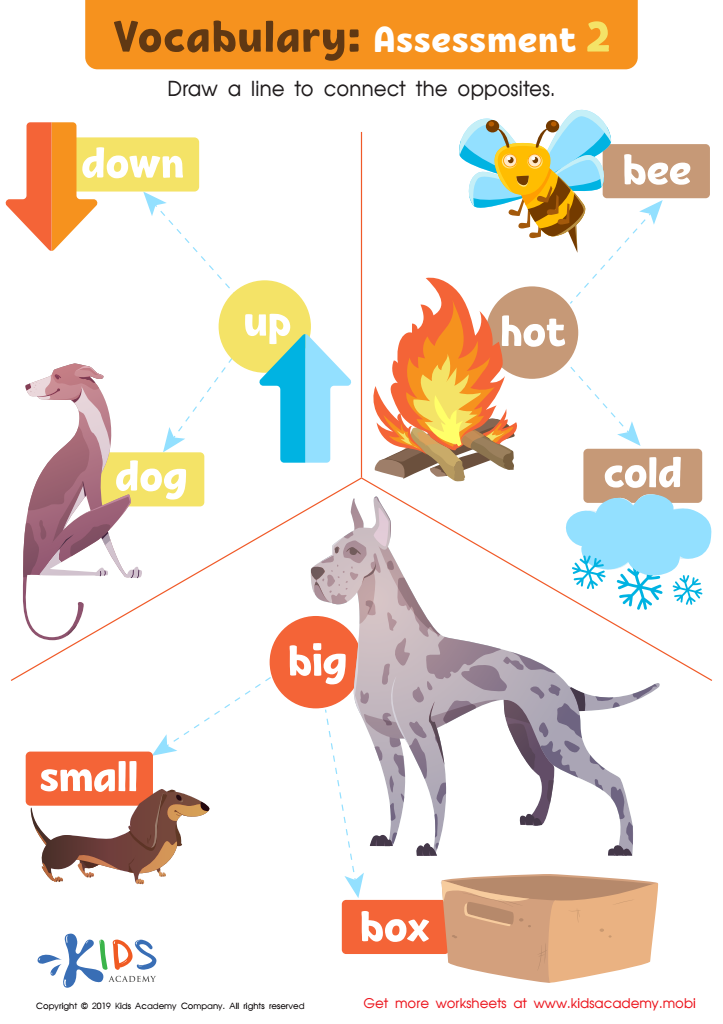
Vocabulary: Assessment 2 Worksheet
 Assign to My Students
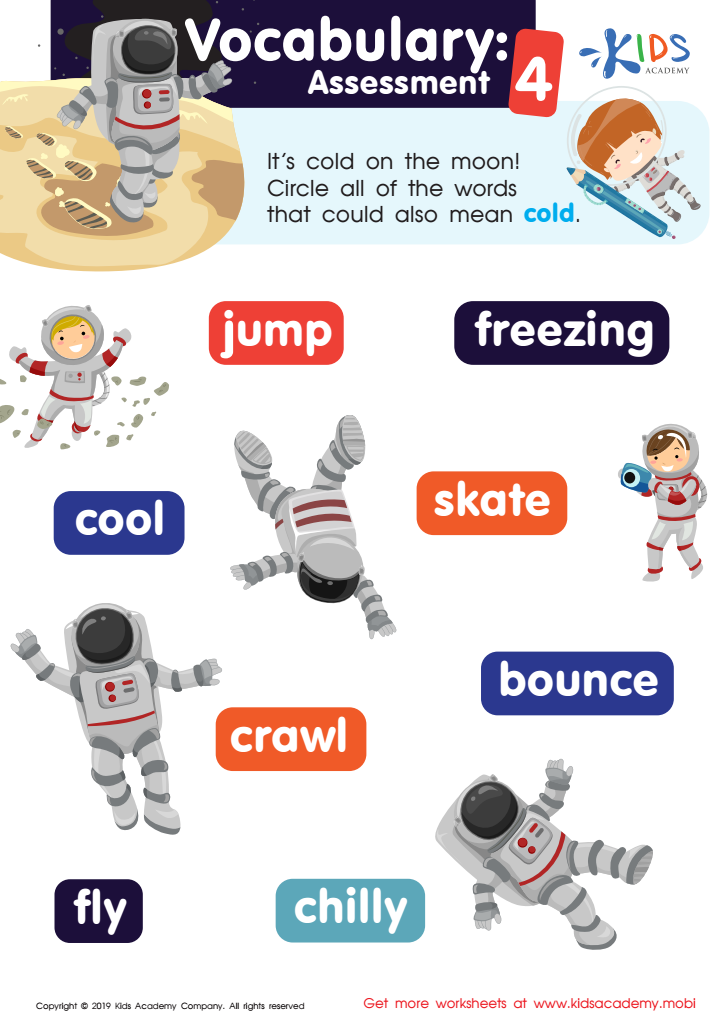
Vocabulary: Assessment 4 Worksheet
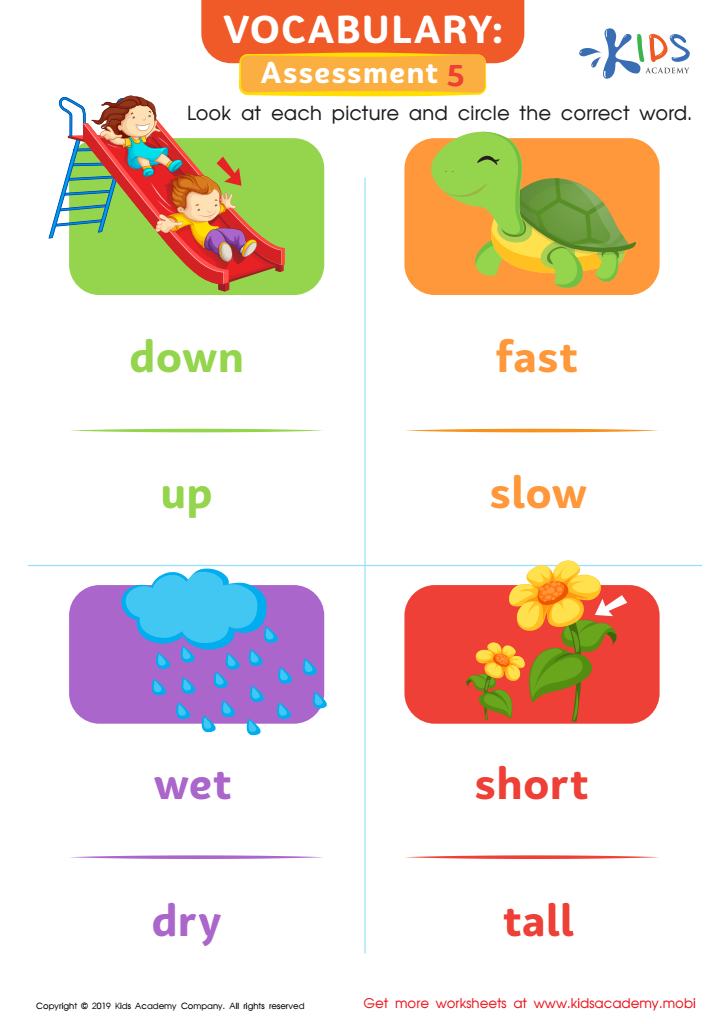
Vocabulary: Assessment 5 Worksheet
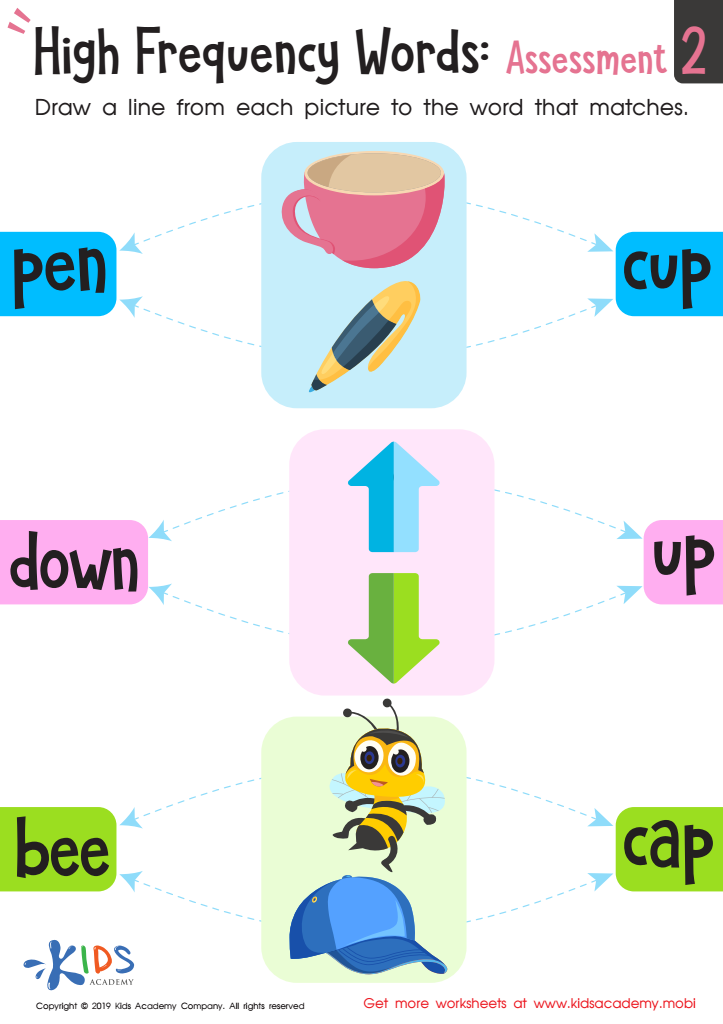
High Frequency Words: Assessment 2 Worksheet
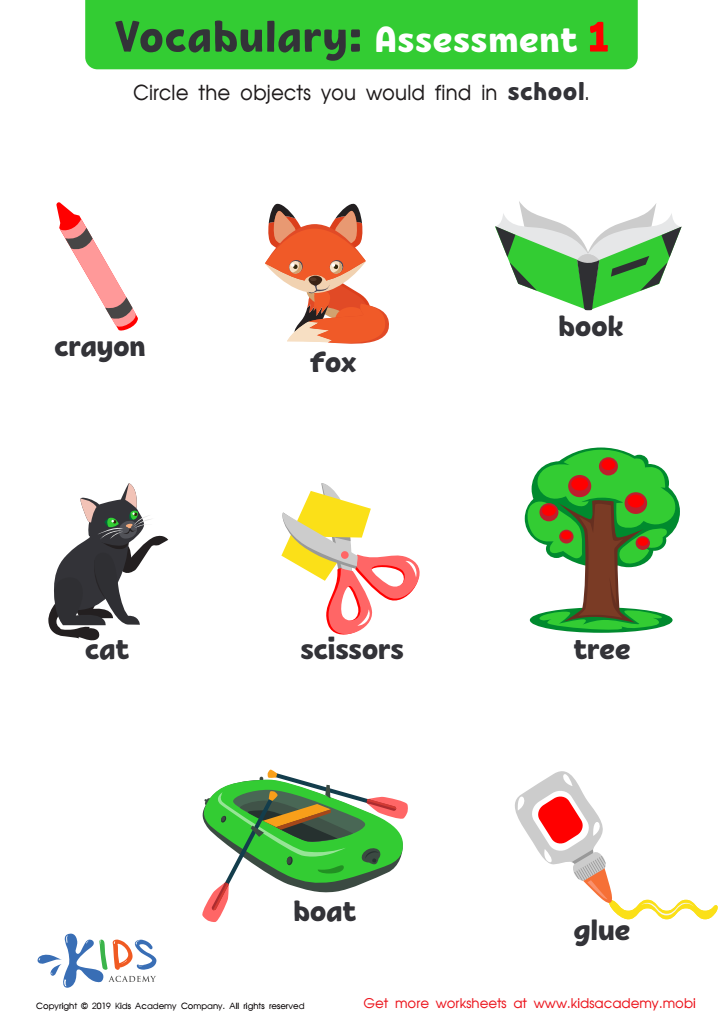
Vocabulary: Assessment 1 Worksheet
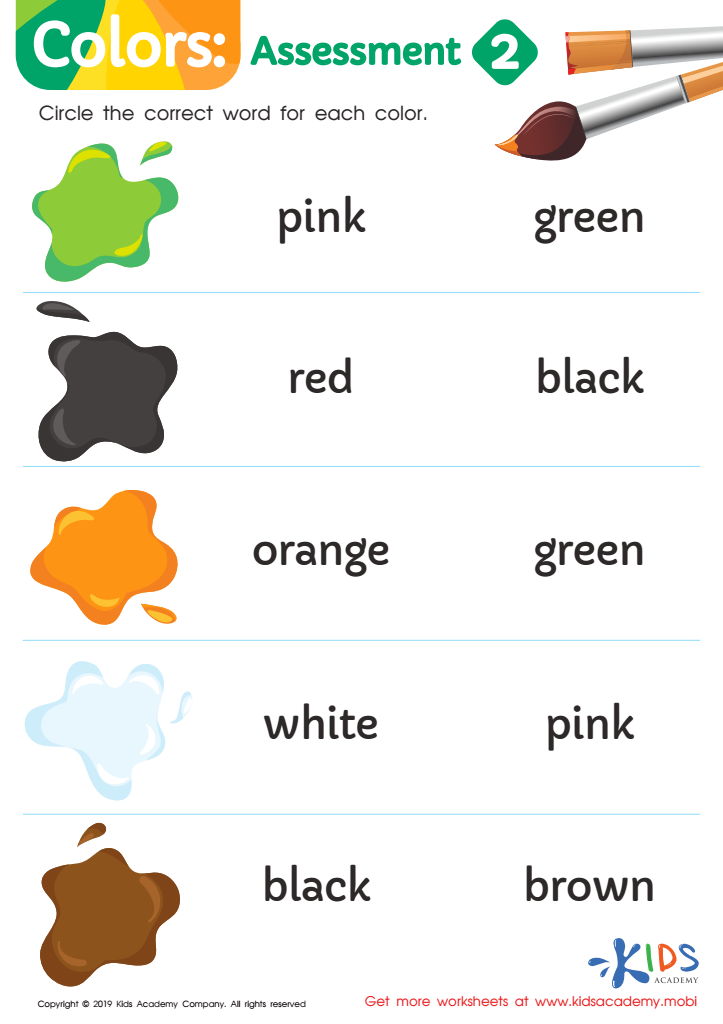
Colors: Assessment 2 Worksheet
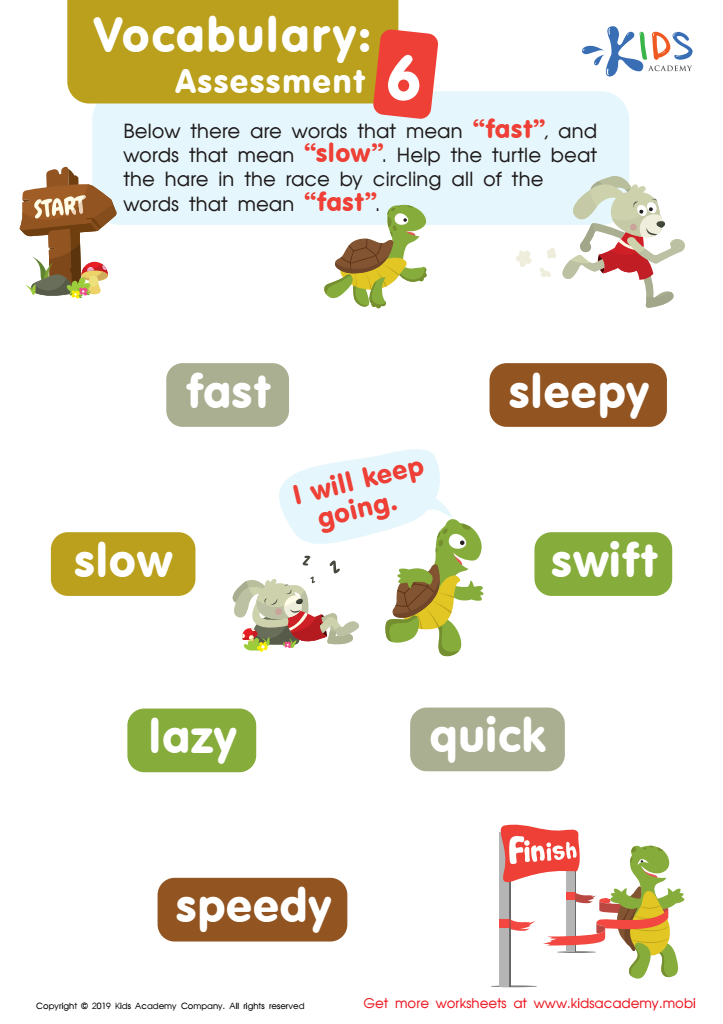
Vocabulary: Assessment 6 Worksheet
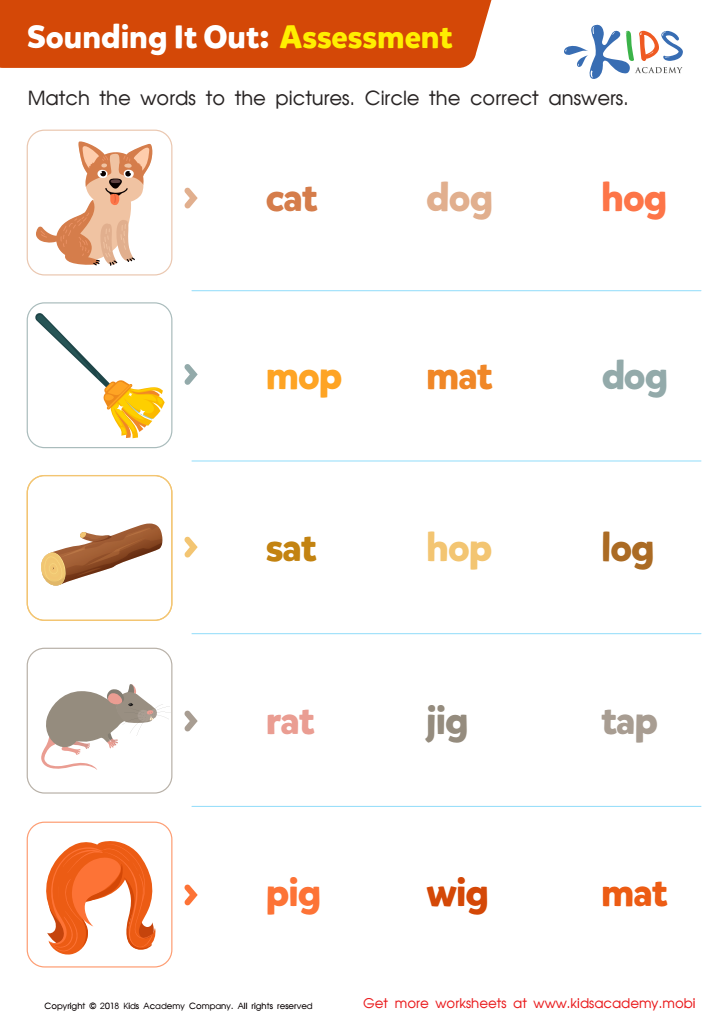
Sounding it Out: Assessment Worksheet
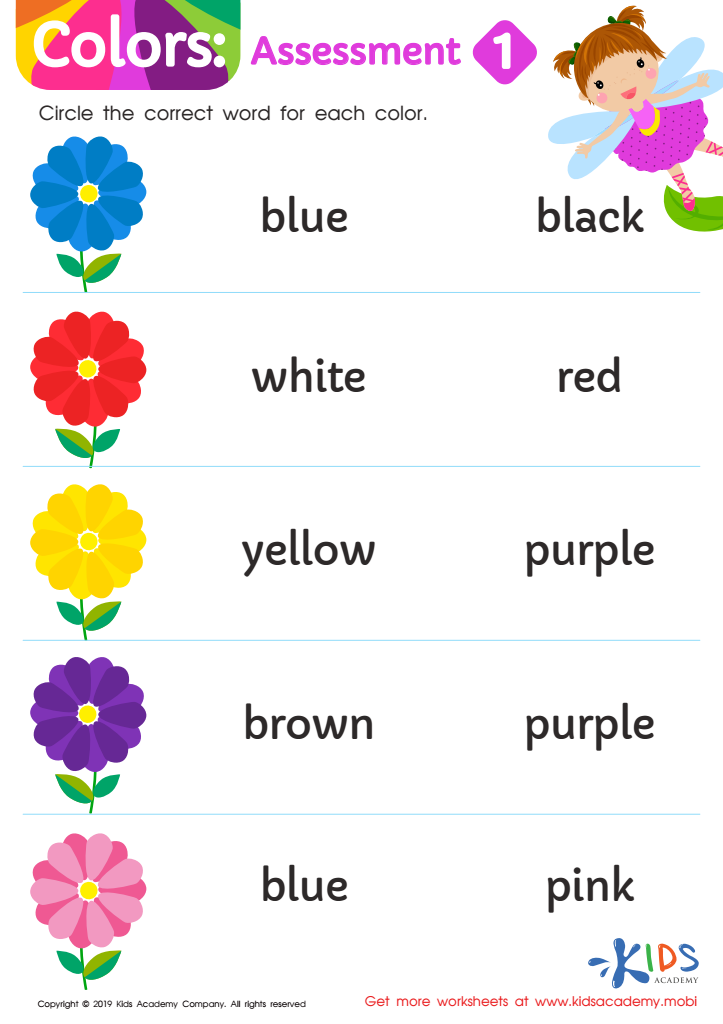
Colors: Assessment 1 Worksheet
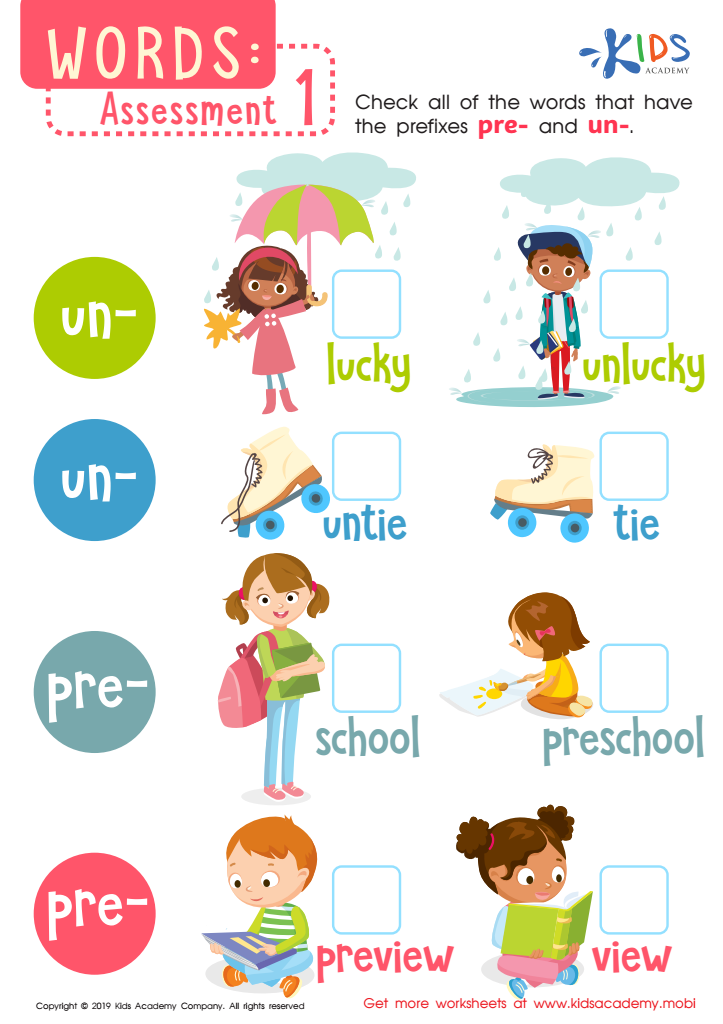
Words: Assessment 1 Worksheet
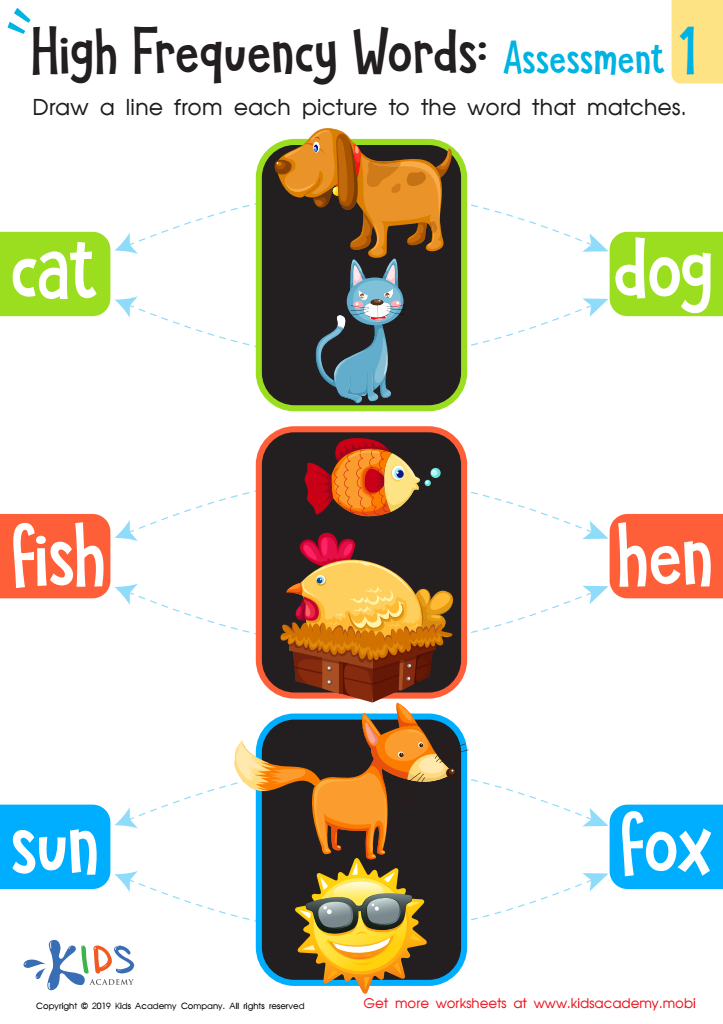
High Frequency Words: Assessment 1 Worksheet
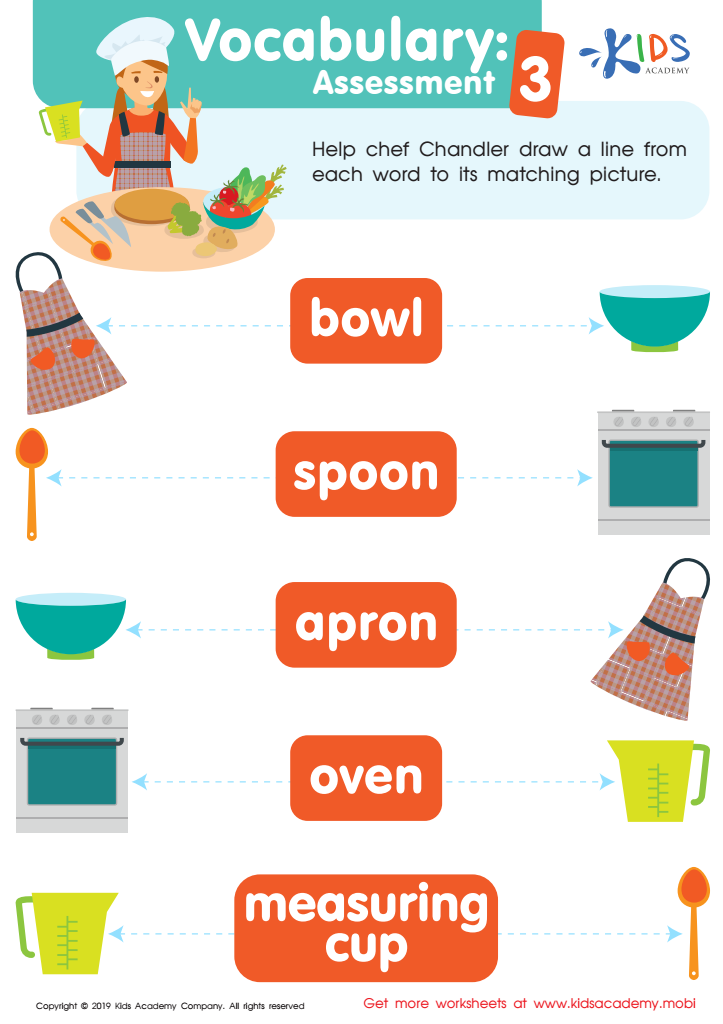
Vocabulary: Assessment 3 Worksheet
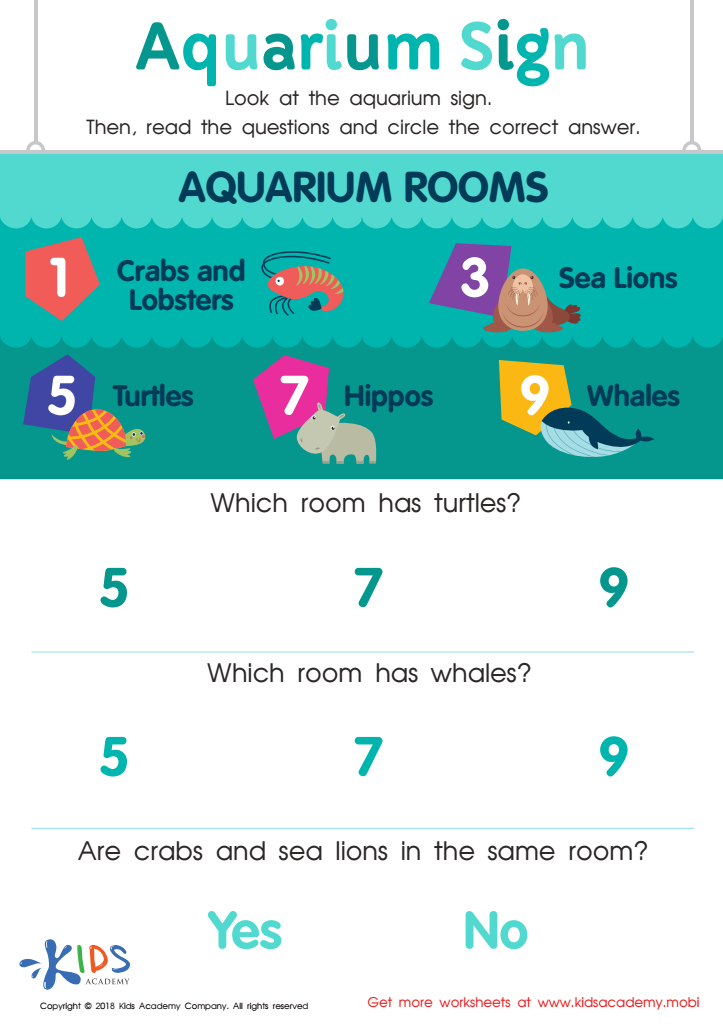
Assessment: Aquarium Sign Worksheet




%20(1).jpg)

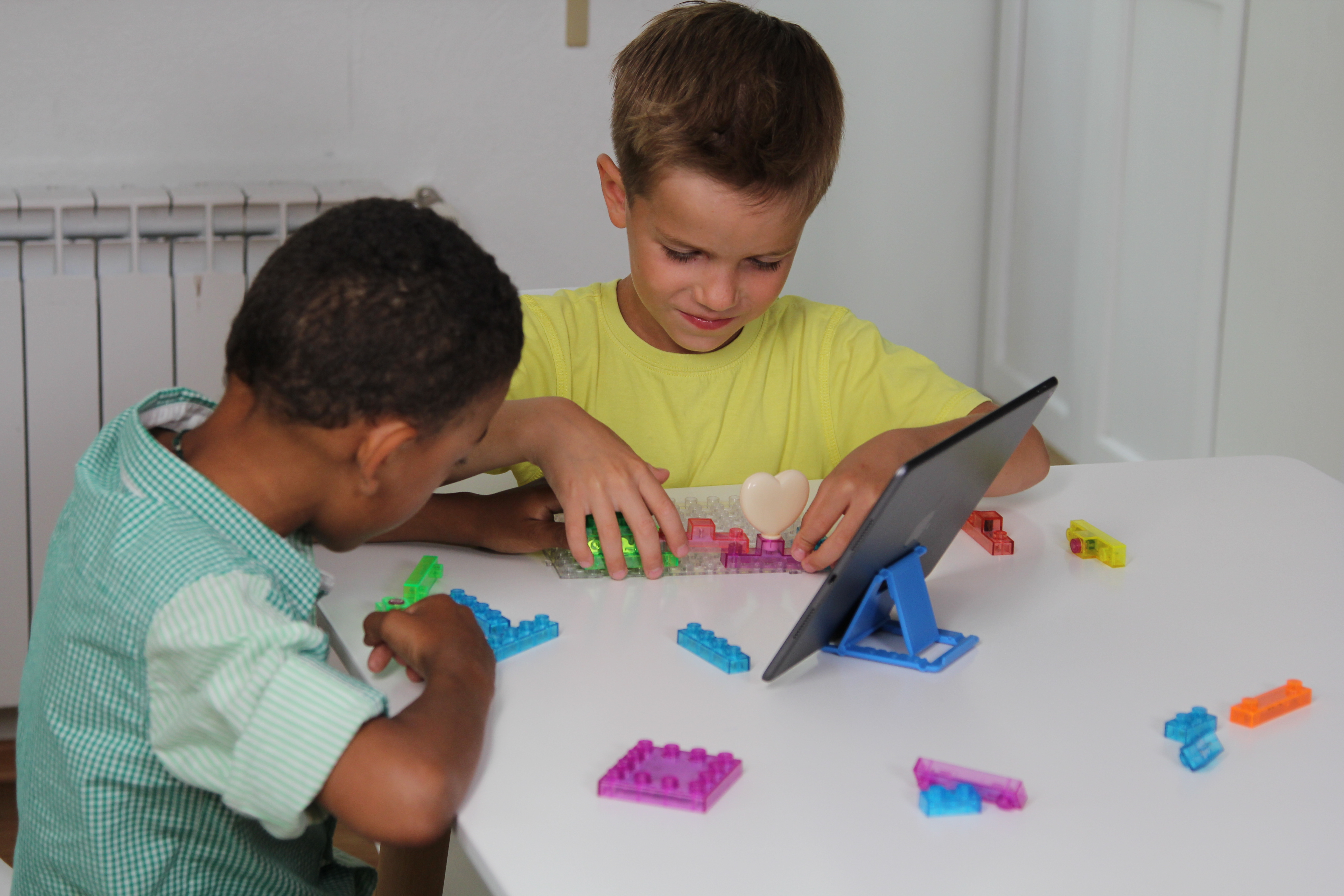

Building vocabulary for children aged 4-7 is vital for their overall development and academic success. This foundational stage is critical, as children are rapidly acquiring language skills that will shape their ability to communicate, understand concepts, and engage with the world around them. Parents and teachers should care about vocabulary-building activities because these skills are directly linked to reading proficiency, writing clarity, and verbal expression.
Early exposure to new words fosters curiosity and cognitive development, allowing children to connect personal experiences with broader concepts. Engaging vocabulary activities not only make learning fun but also promote critical thinking, creativity, and confidence in children’s abilities to express themselves.
Furthermore, a strong vocabulary is correlated with improved school performance and increased opportunities later in life. By incorporating games, storytelling, and interactive discussions, adults can create a rich language environment that supports and nurtures young learners.
Ultimately, investing time and resources in vocabulary-building helps equip children with the necessary tools to navigate their educational journeys, develop meaningful relationships, and succeed in an increasingly complex world. By prioritizing these activities, parents and teachers play a pivotal role in laying the groundwork for lifelong learning and effective communication.








