Tracing Letters worksheets activities for Ages 4-8 - Page 3
57 filtered results
-
From - To
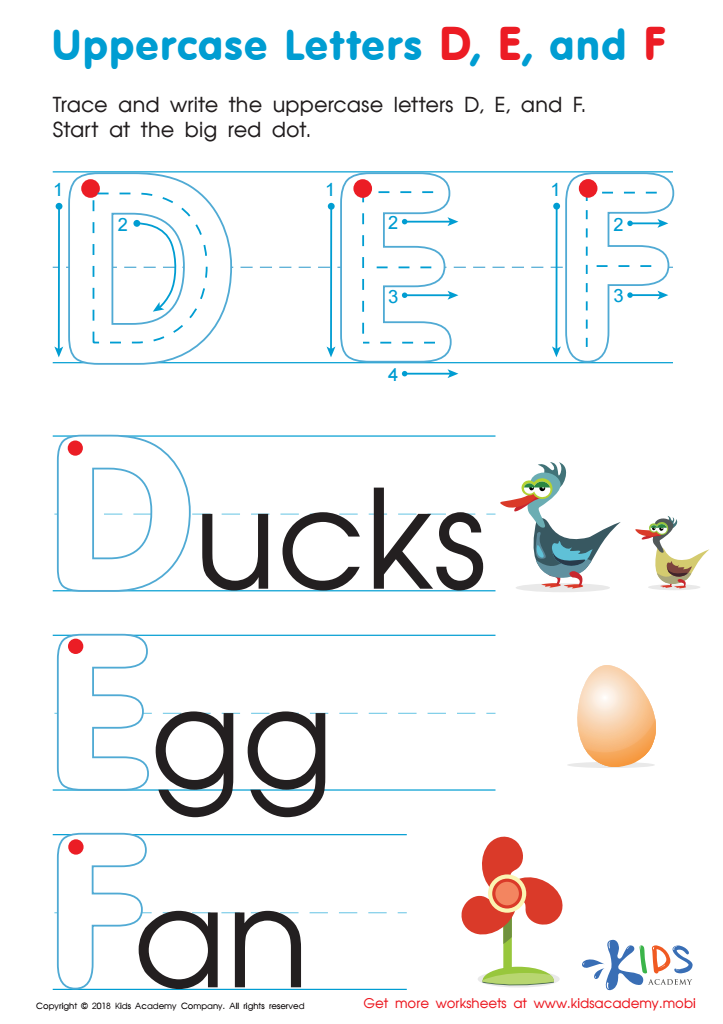
Uppercase Letters D, E, and F Worksheet
 Assign to My Students
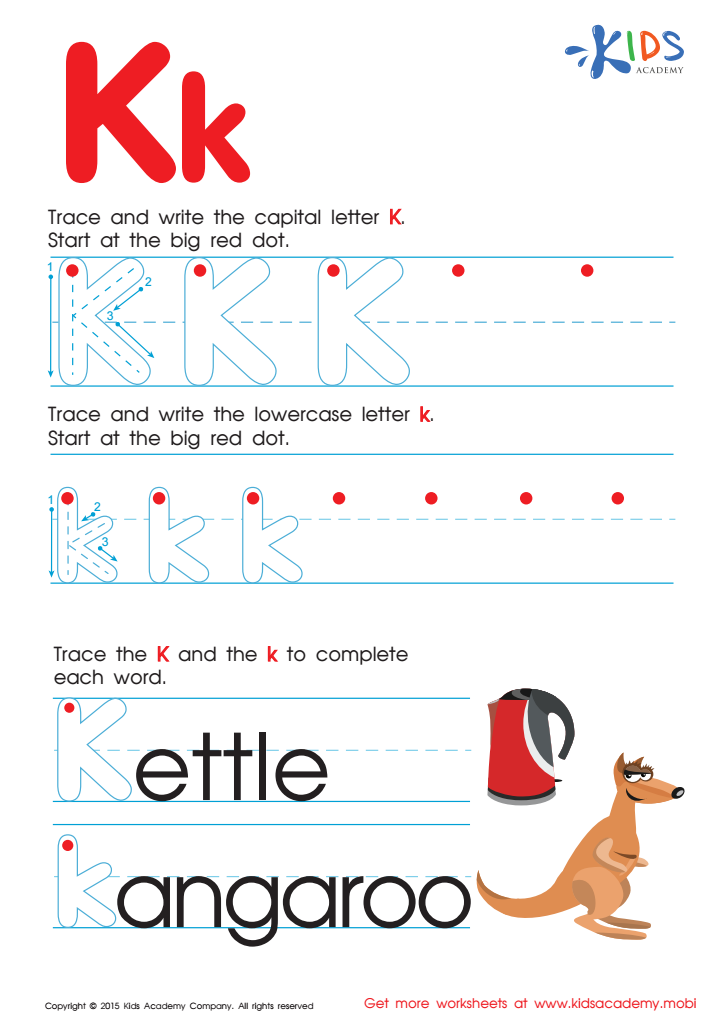
Letter K Tracing Page
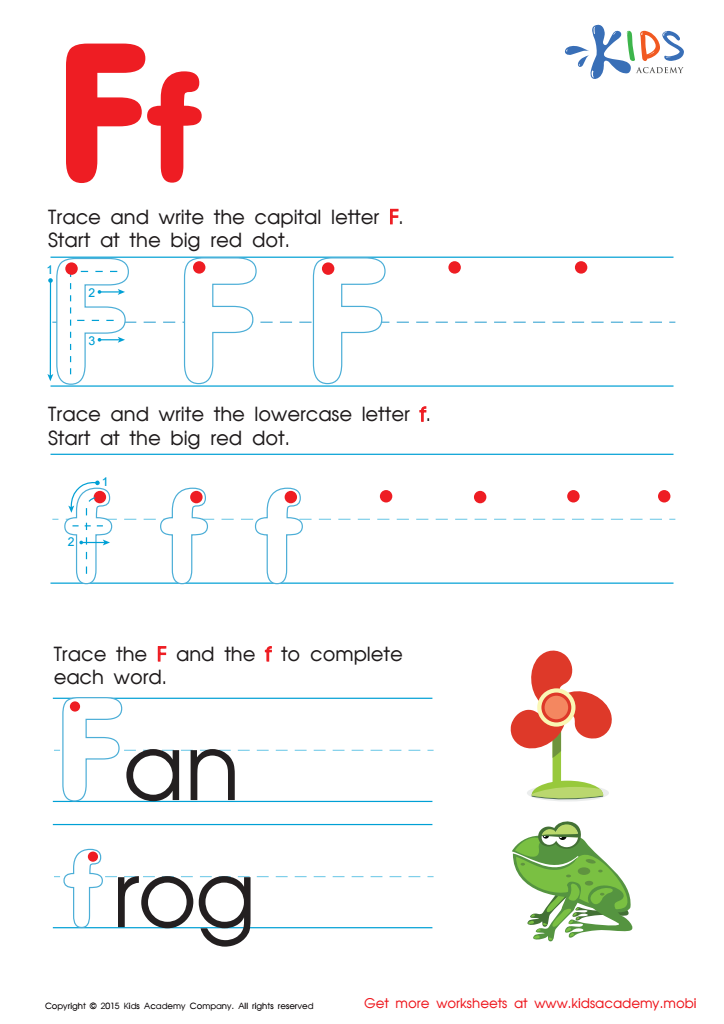
Letter F Tracing Page
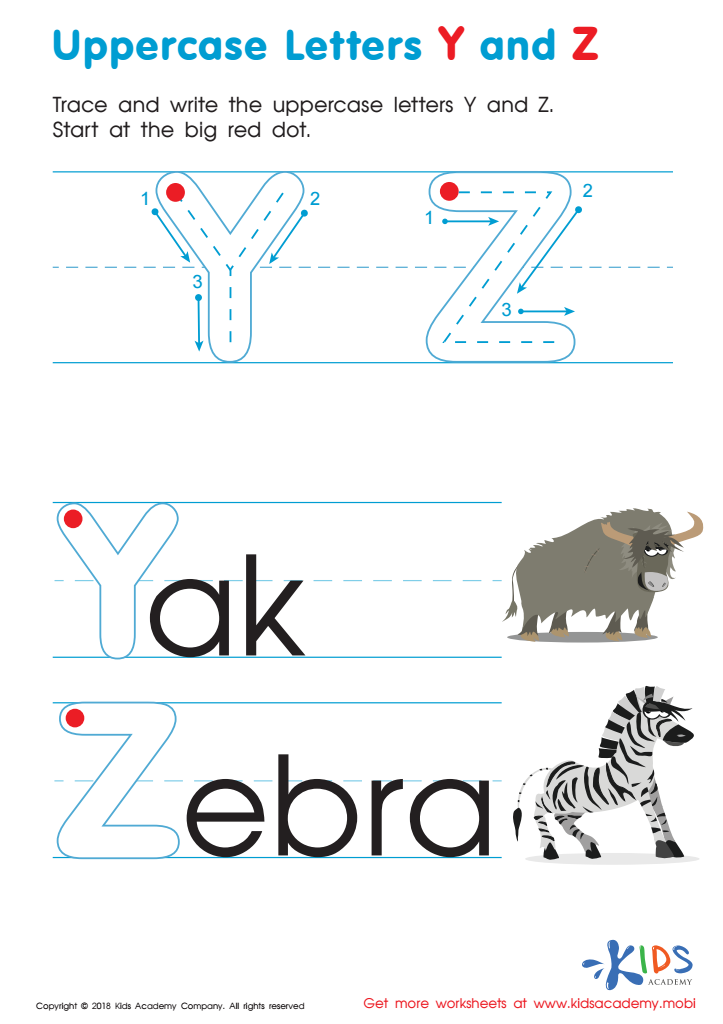
Uppercase Letters Y Z Worksheet
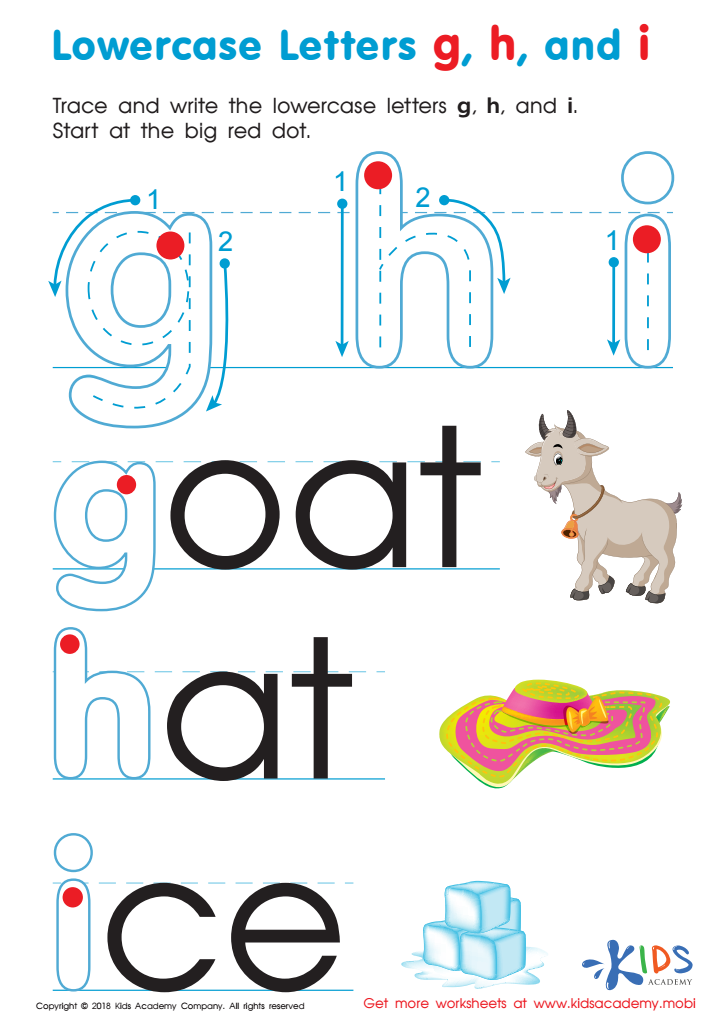
Lowercase Letters g h i Worksheet
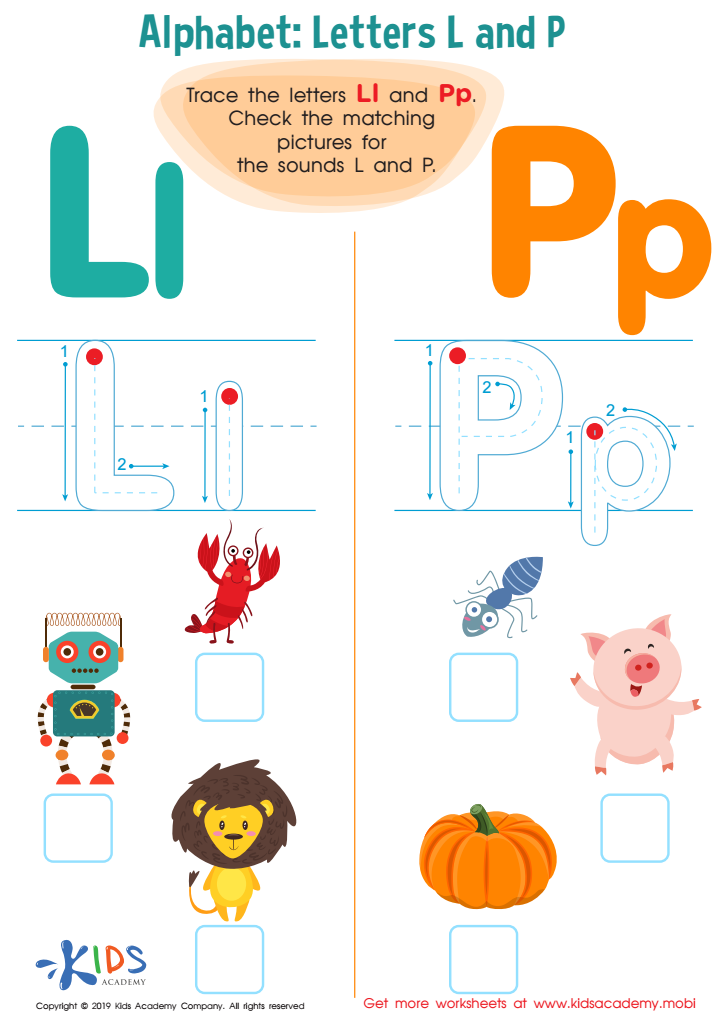
Letter L and P Tracing Worksheet
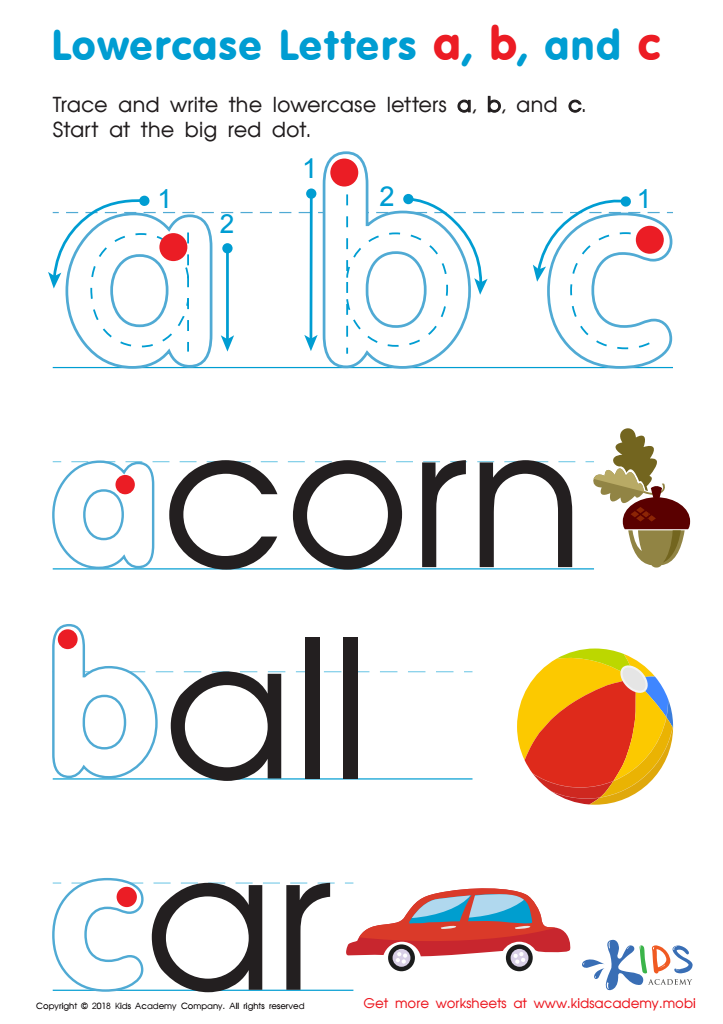
Lowercase Letters a b c Worksheet
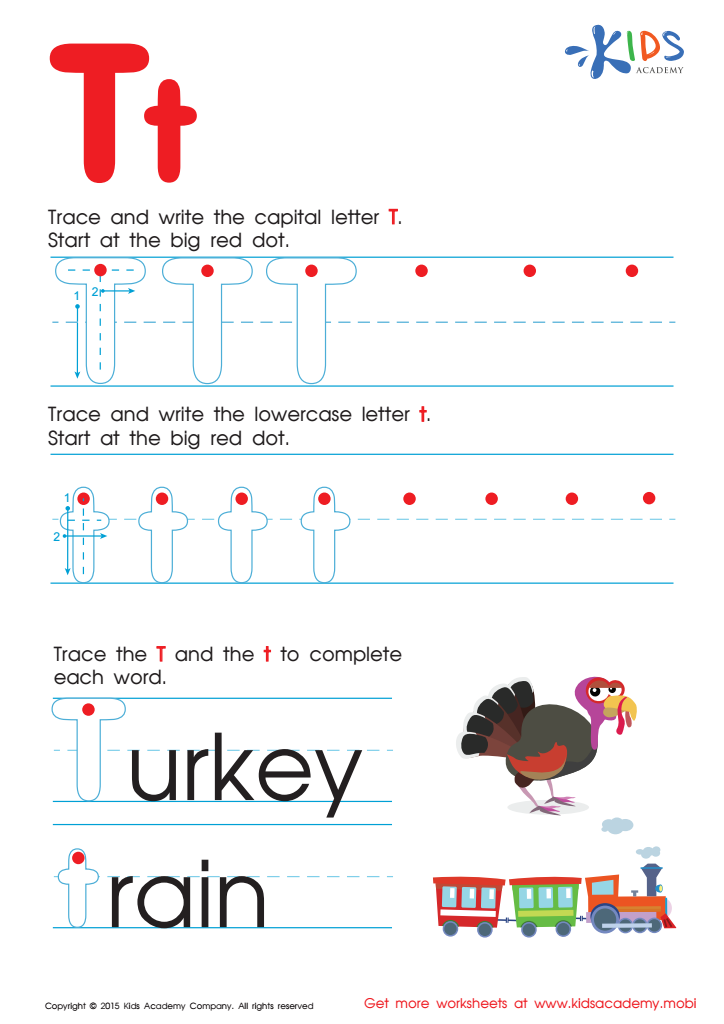
Letter T Tracing Page

Letter D Tracing Page







Tracing letter activities are essential for early learners aged 4-8, as they serve as foundational skills for literacy development. First and foremost, these activities enhance fine motor skills, enabling children to strengthen the small muscles in their hands and fingers necessary for writing. As children meticulously trace letters, they improve their hand-eye coordination and overall dexterity, which sets the stage for more complex writing tasks.
Furthermore, letter tracing helps reinforce letter recognition, an important aspect of reading readiness. As children repetitively engage with letters, they become more familiar with their shapes, sounds, and forms, allowing for quicker recognition during reading. This inquiry leads to the development of phonemic awareness, crucial for effective language construction.
Additionally, tracing encourages focus and concentration, vital skills for young learners. It fosters patience and persistence, as children learn to accept mistakes and improve their abilities over time. Lastly, these activities can be a fun and interactive way for parents and teachers to engage with students, allowing them to celebrate progress and build confidence as they witness their growth in literacy skills. Overall, letter tracing is a valuable tool in supporting early education, laying the groundwork for a lifetime of literacy and learning.








