Mazes worksheets activities for Ages 5-8 - Page 4
84 filtered results
-
From - To
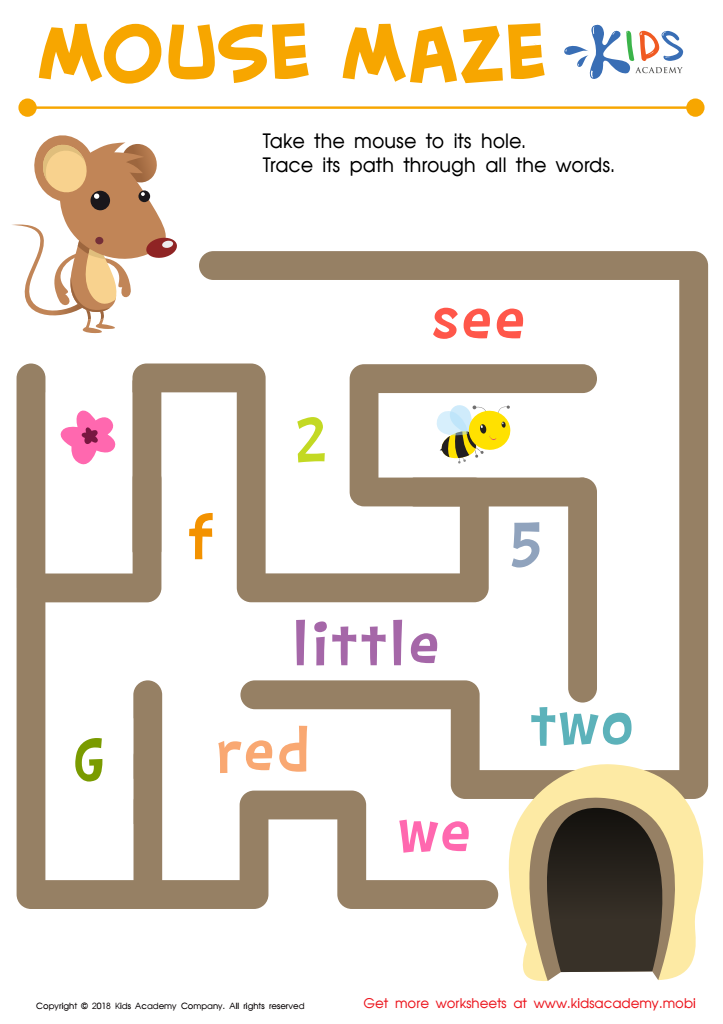
Find Words Mouse Maze Worksheet
 Assign to My Students
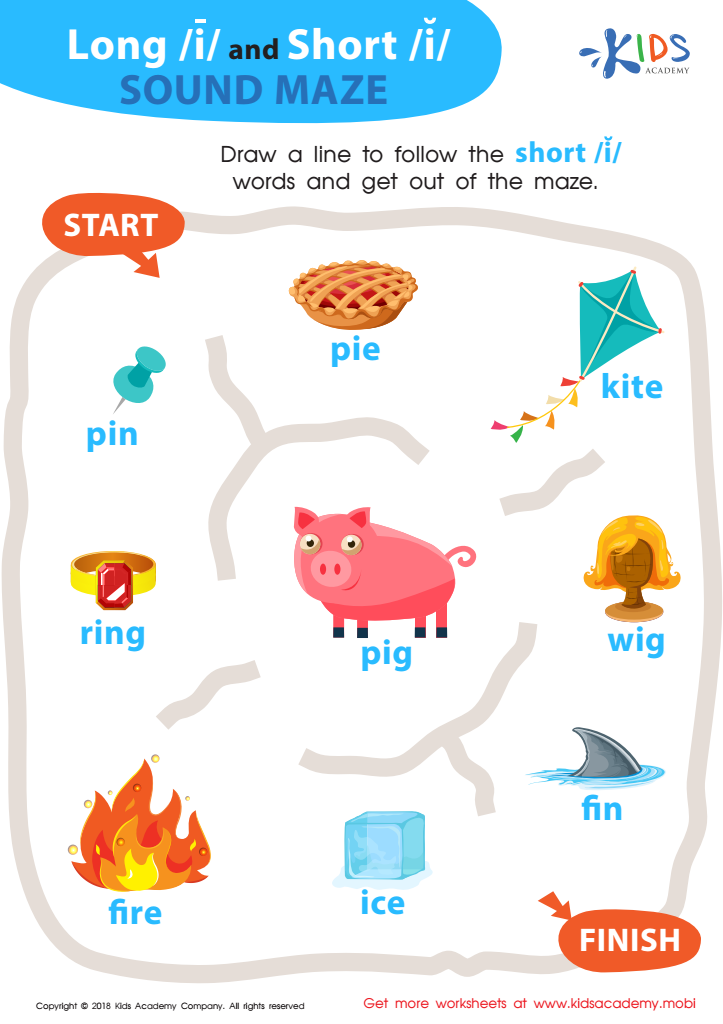
Reading: Long I and Short I Sound Maze Worksheet
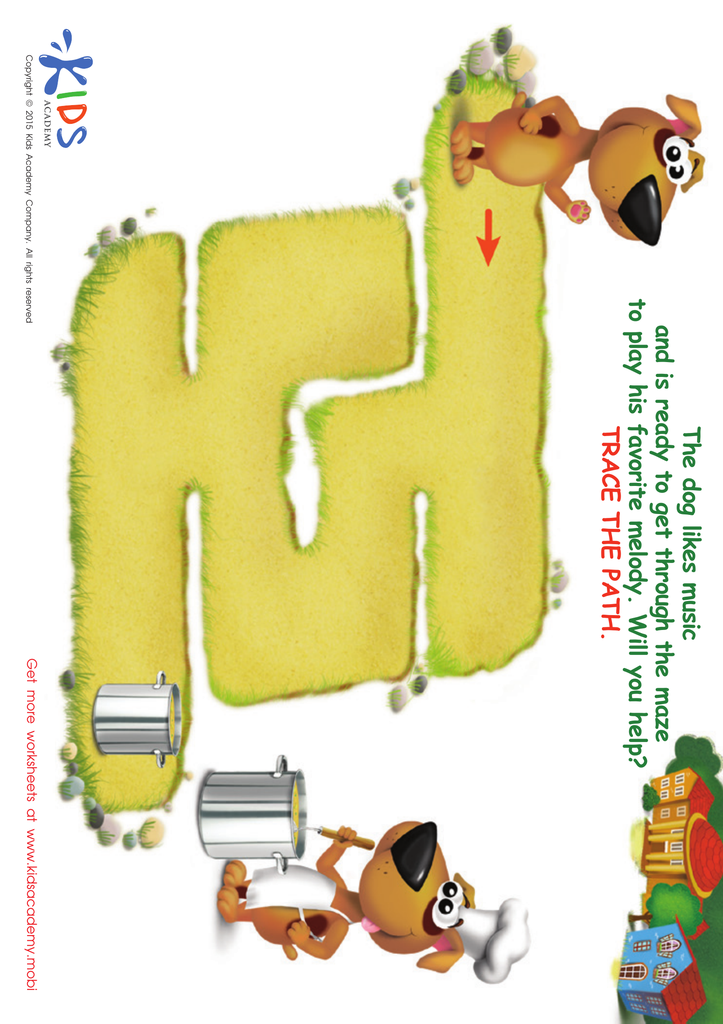
Cook Maze Worksheet
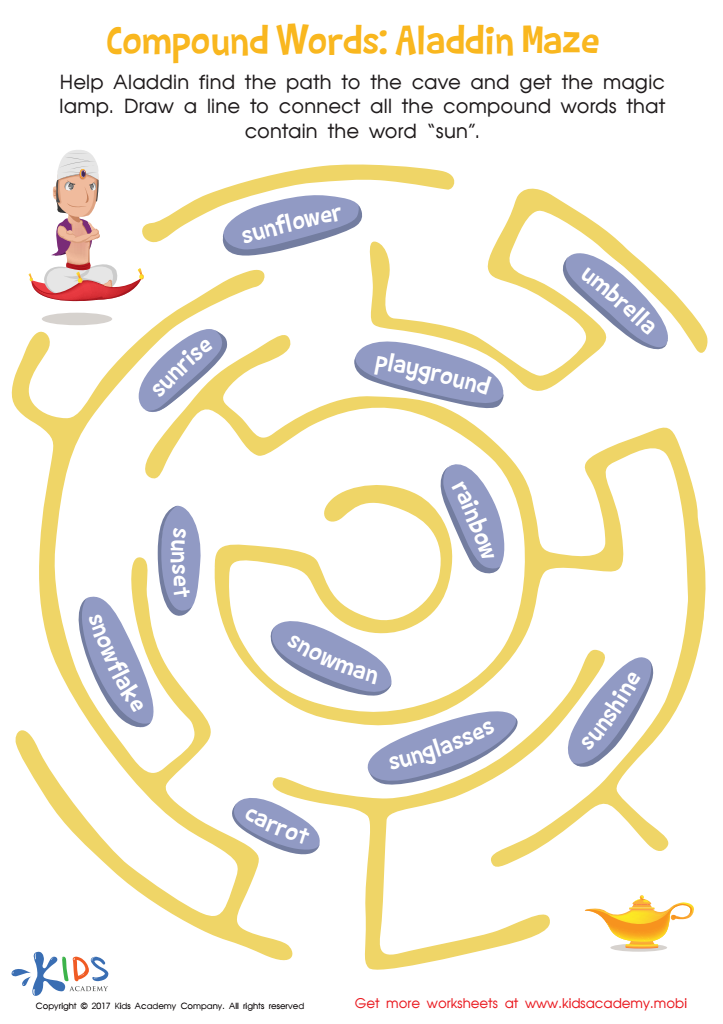
Compound Aladdin Maze Word Structure Worksheet
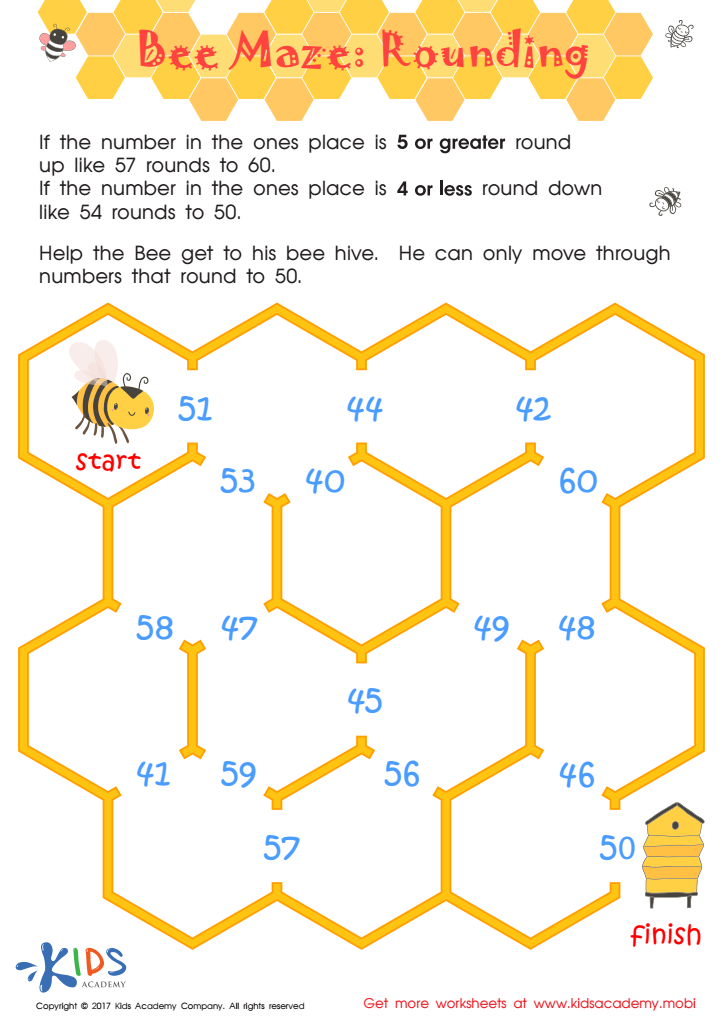
Bee Maze Worksheet
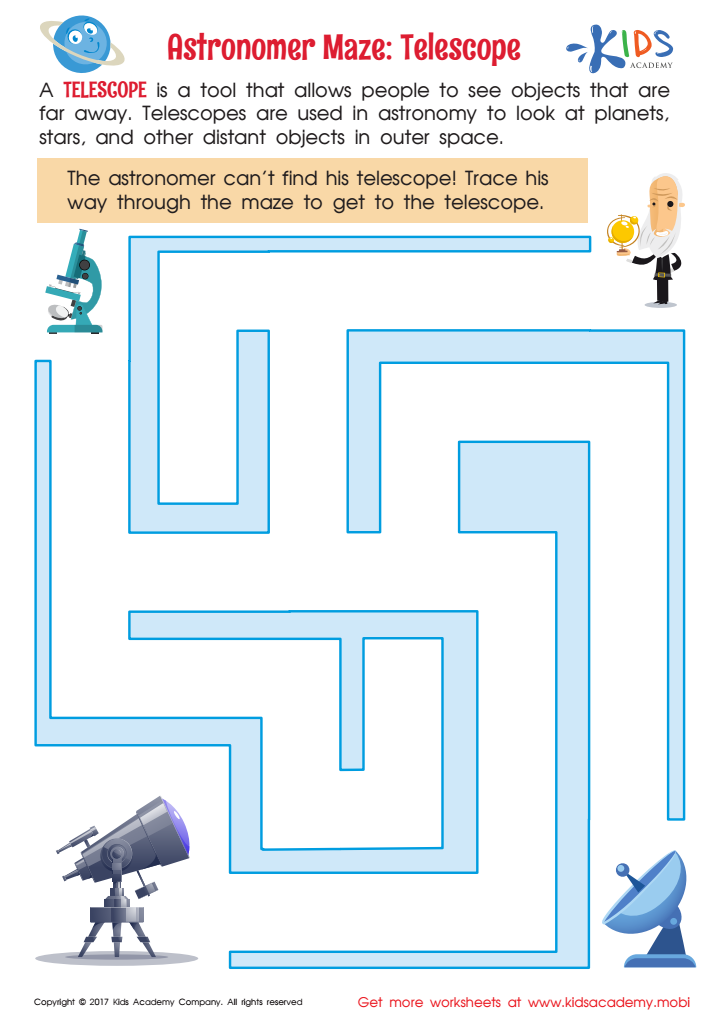
Astronomer Maze: Telescope Worksheet
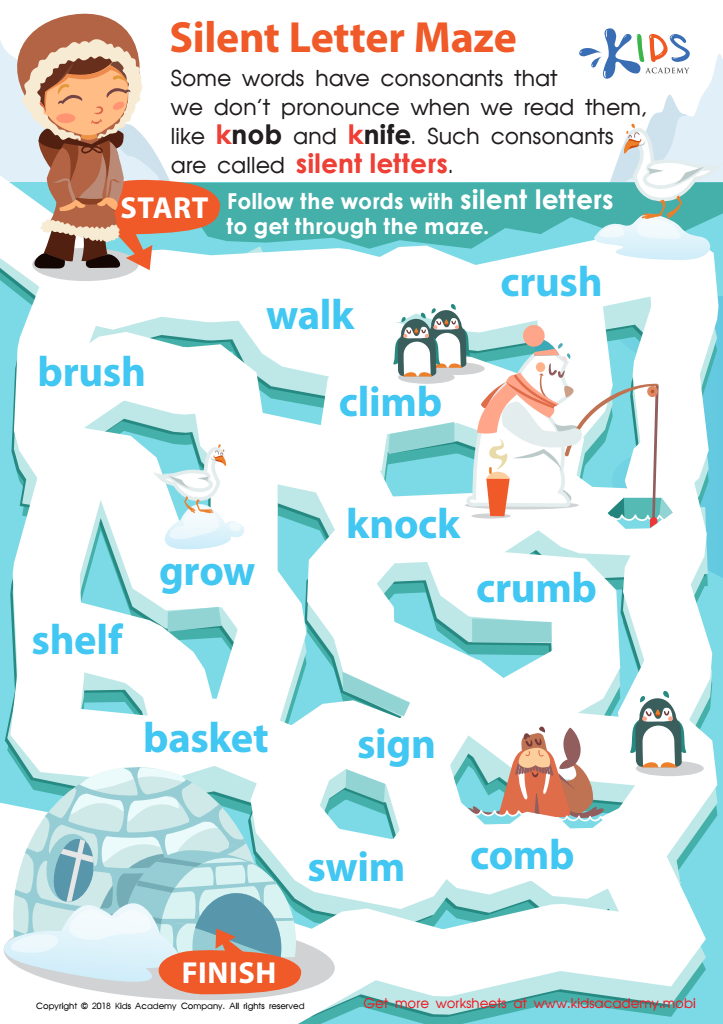
Silent Letter Maze Worksheet
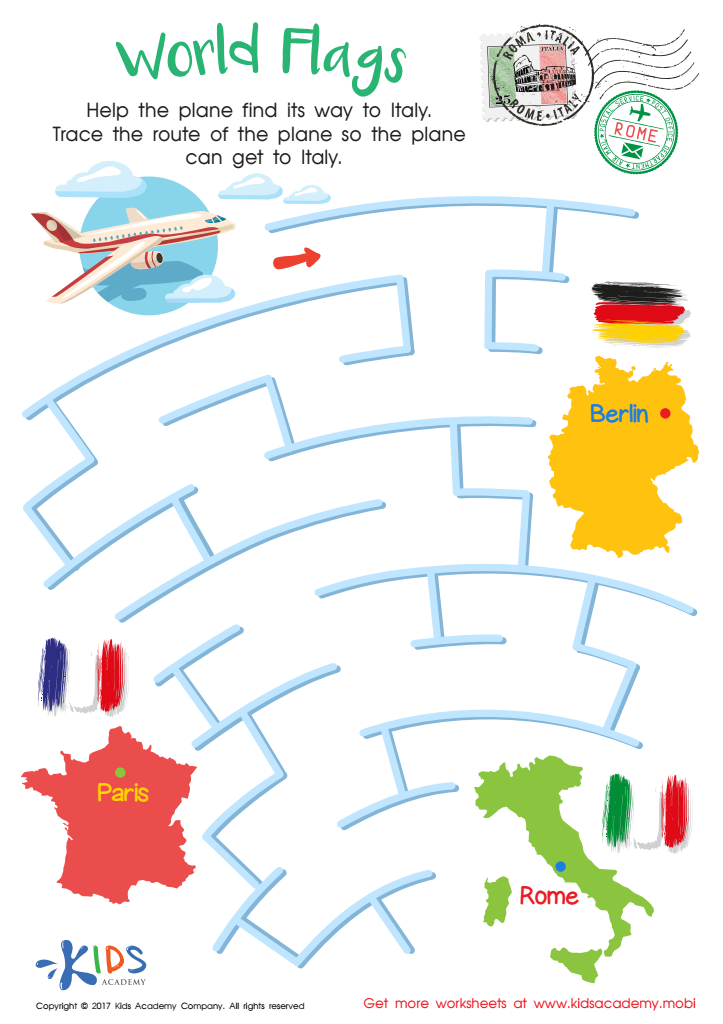
World Flags Maze Worksheet
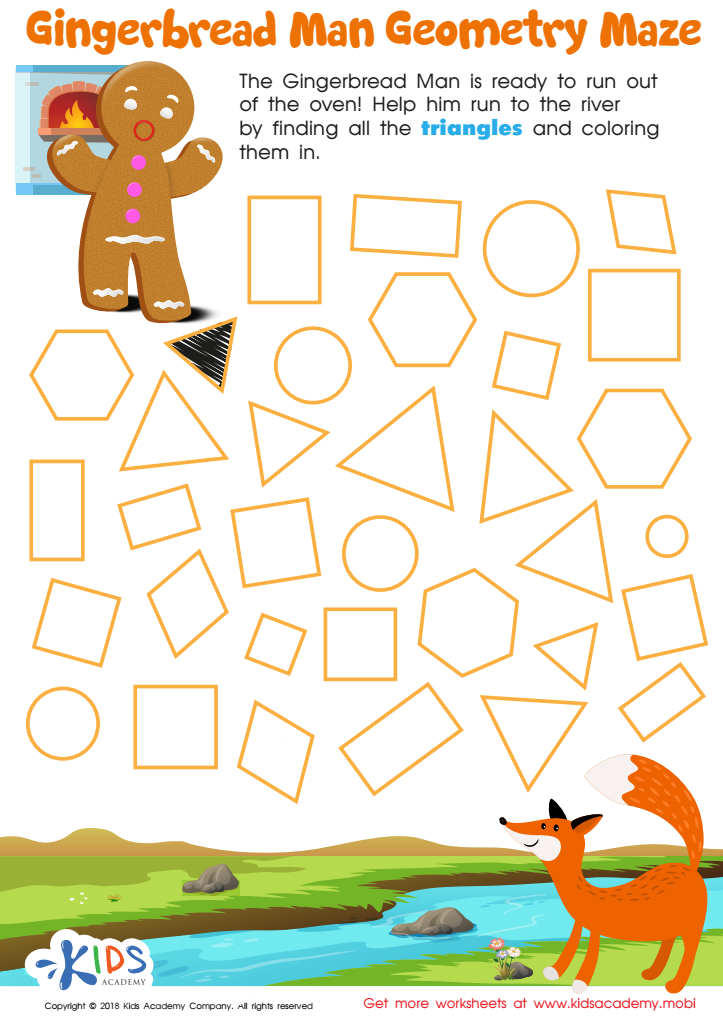
Gingerbread Man Geometry Maze Worksheet
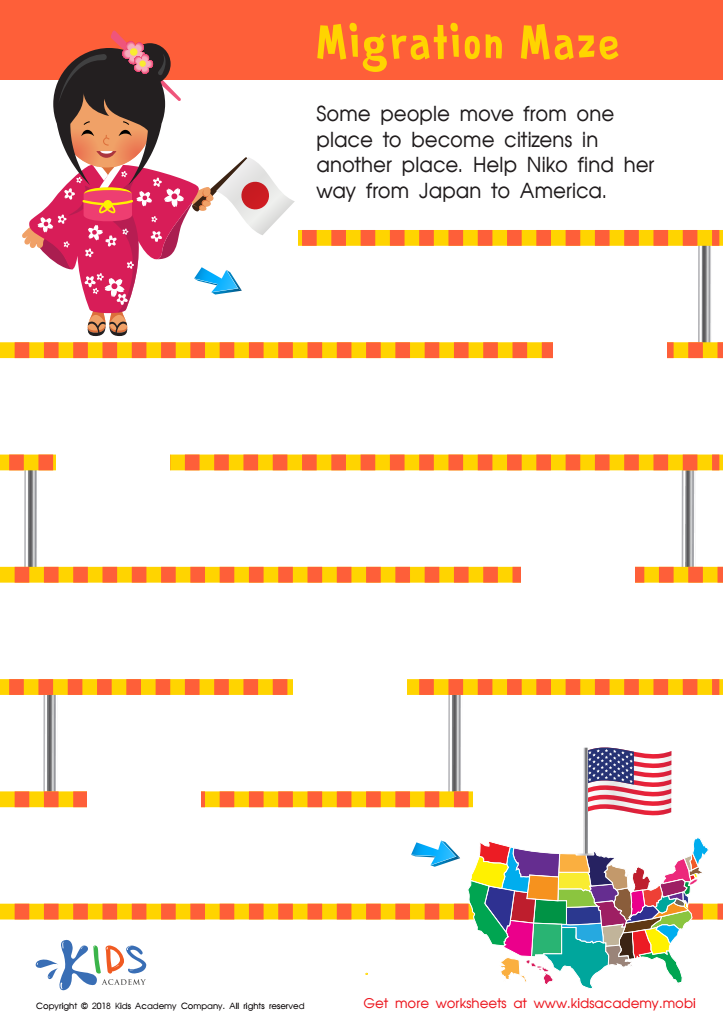
Migration Maze Worksheet
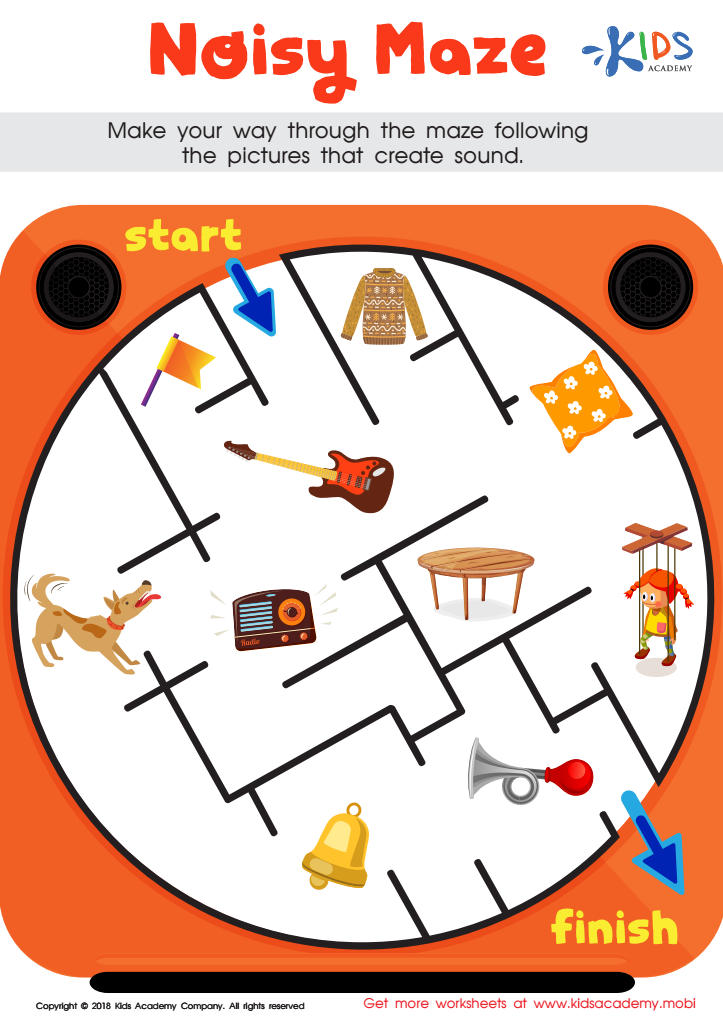
Noisy Maze Worksheet
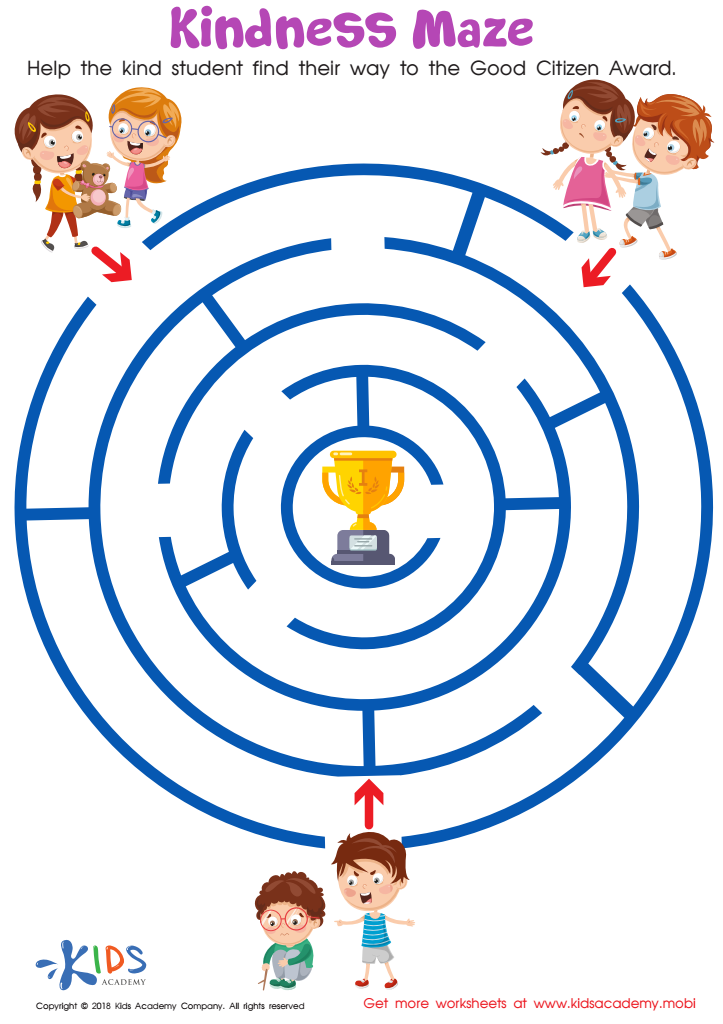
Kindness Maze Worksheet







Mazes are engaging activities that offer numerous developmental benefits for children aged 5-8, making them an essential tool for parents and teachers. First, mazes enhance problem-solving skills; as children navigate the paths, they learn to think critically and devise strategies, fostering cognitive development. This active engagement with challenges builds resilience, teaching kids how to persevere when faced with obstacles.
Additionally, maze activities promote fine motor skills, as children manipulate pencils and other tools to trace their paths. This practice is vital for their handwriting development and overall coordination. Mazes also encourage focus and concentration, requiring children to stay attentive for extended periods, which is beneficial for their learning habits in school settings.
Creatively, mazes stimulate imagination and storytelling; kids can create their own maze narratives, linking play with literacy. Furthermore, these activities provide a fun, stress-relieving outlet, balancing academic pressures with enjoyable play.
Ultimately, incorporating maze activities into the curriculum or at home can boost children's cognitive, physical, and emotional growth, making it an enjoyable strategy for holistic development in early education. Parents and teachers should embrace mazes not just as playful exercises but as valuable tools for enhancing key life skills.








