Fairy Tales worksheets activities for Ages 5-9 - Page 3
69 filtered results
-
From - To
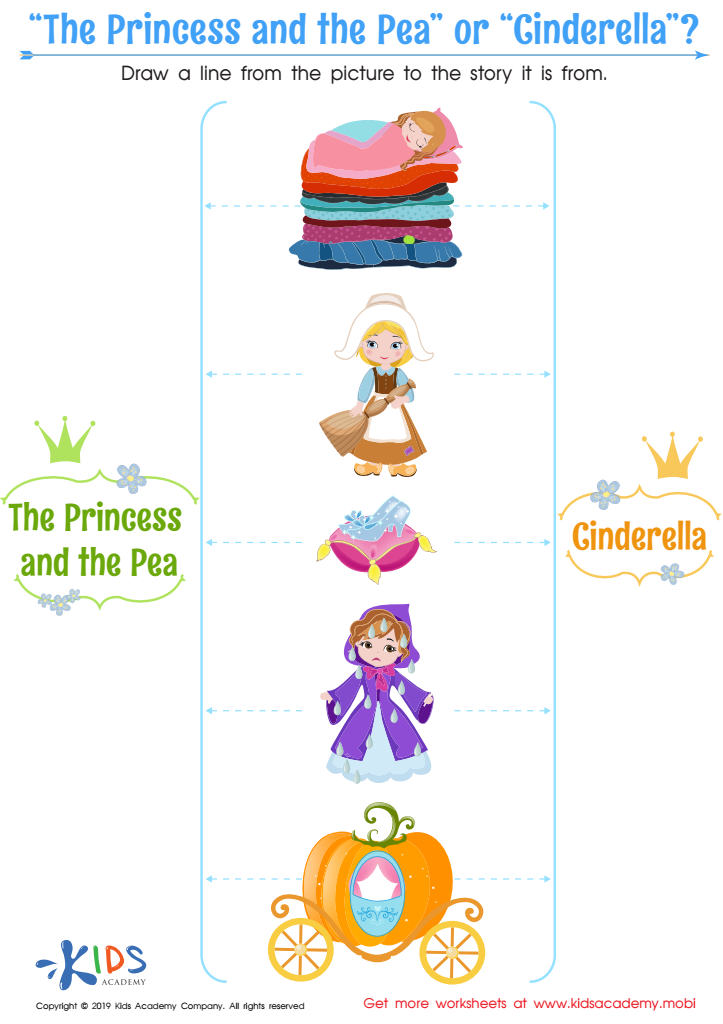
“The Princess and the Pea” or “Cinderella” Worksheet
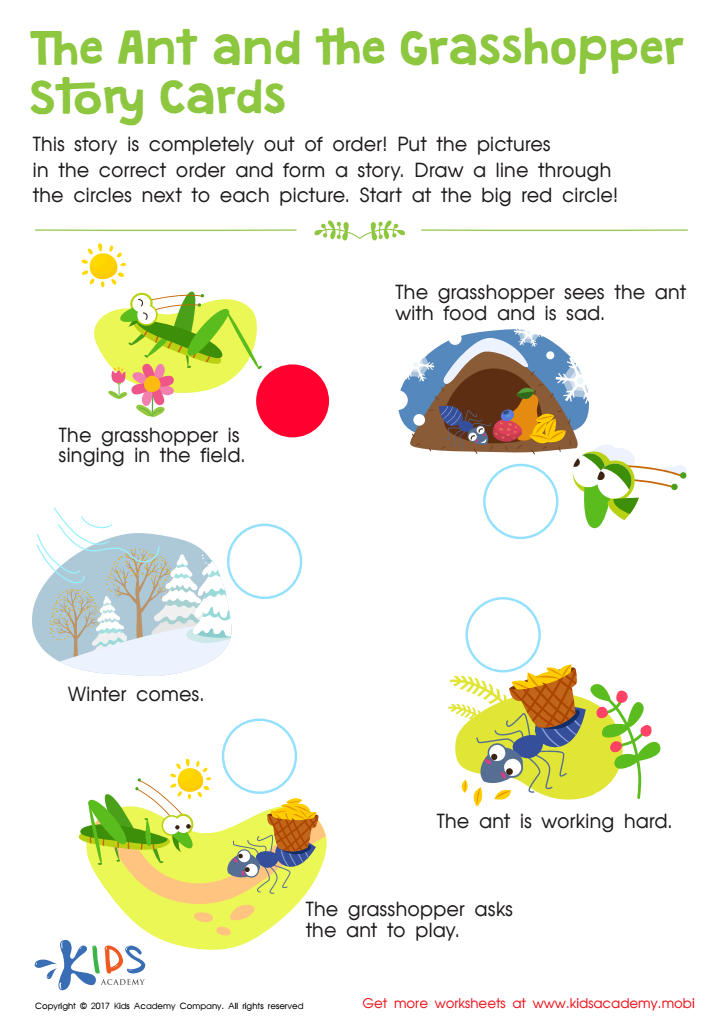
The Ant and The Grasshopper Worksheet
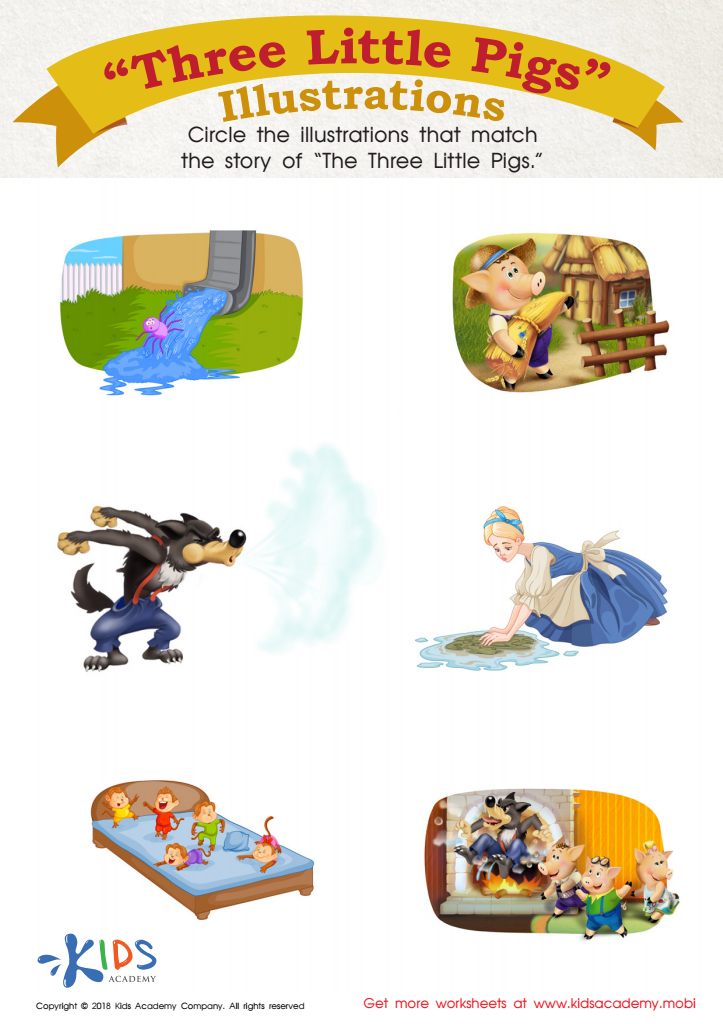
Three Little Pigs: Illustrations Worksheet
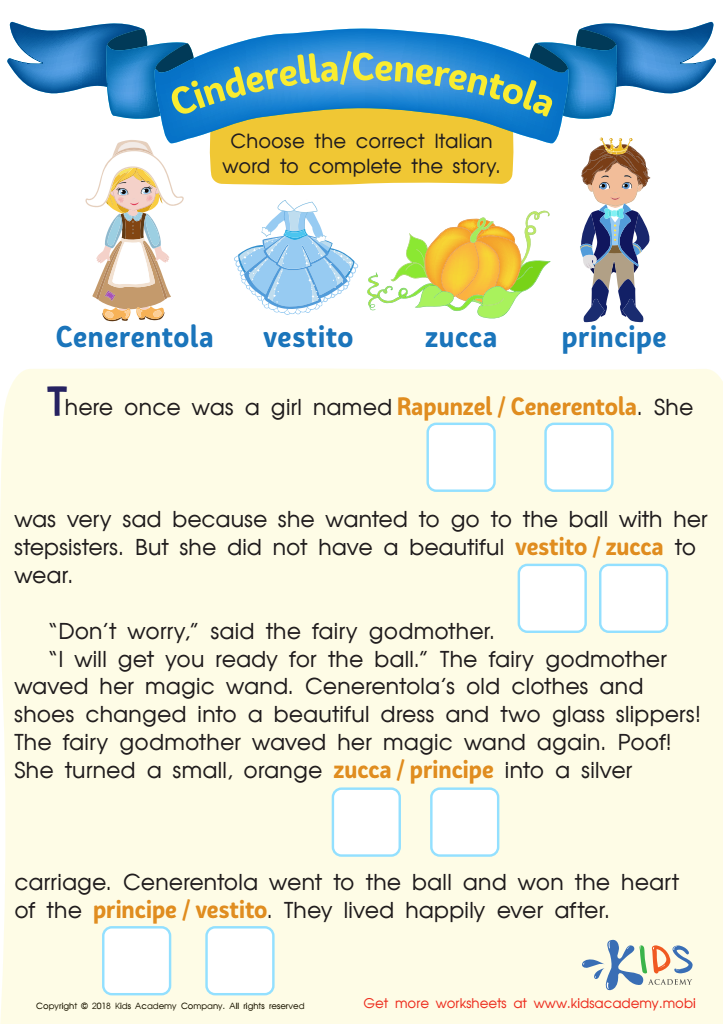
Cinderella / Cenerentola Worksheet
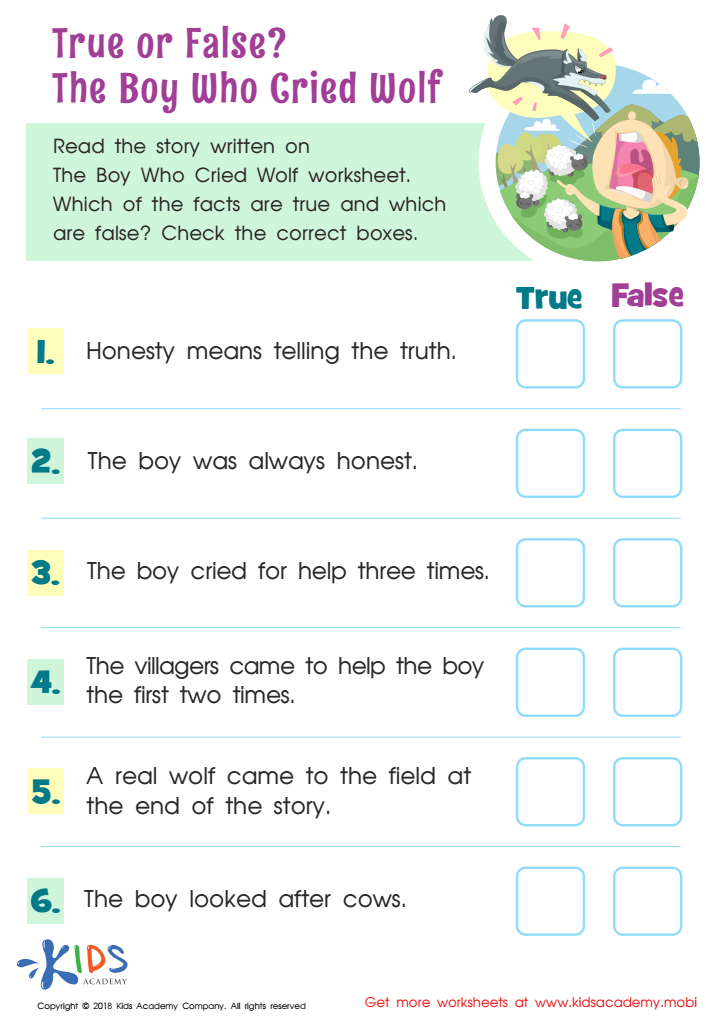
True or False? The Boy Who Cried Wolf Worksheet
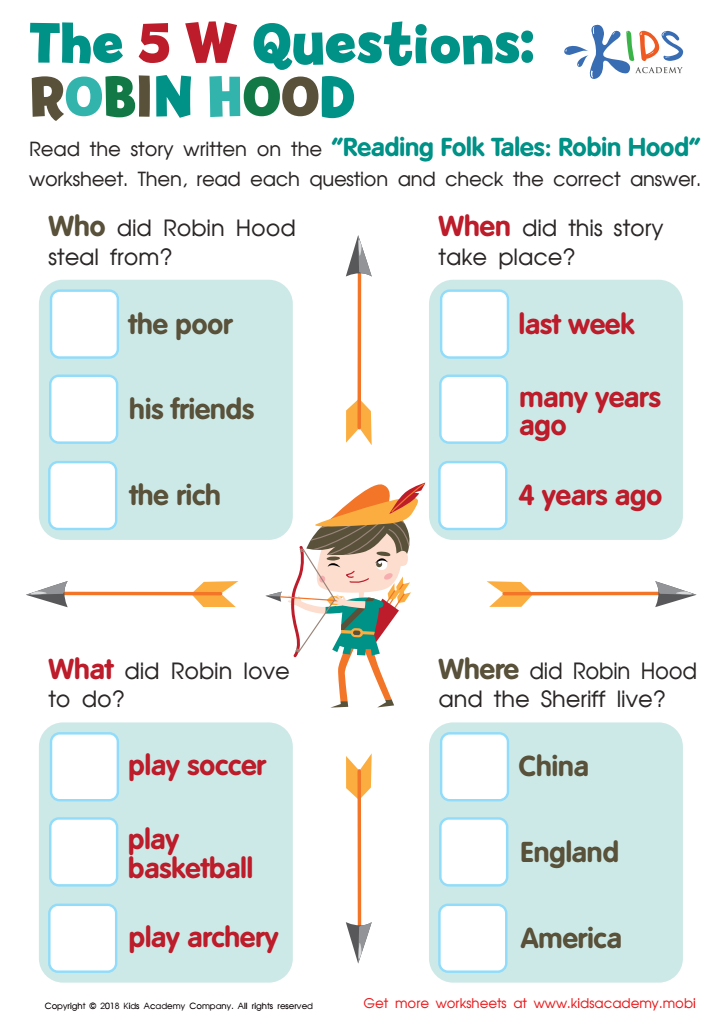
The 5 W Questions: Robin Hood Worksheet
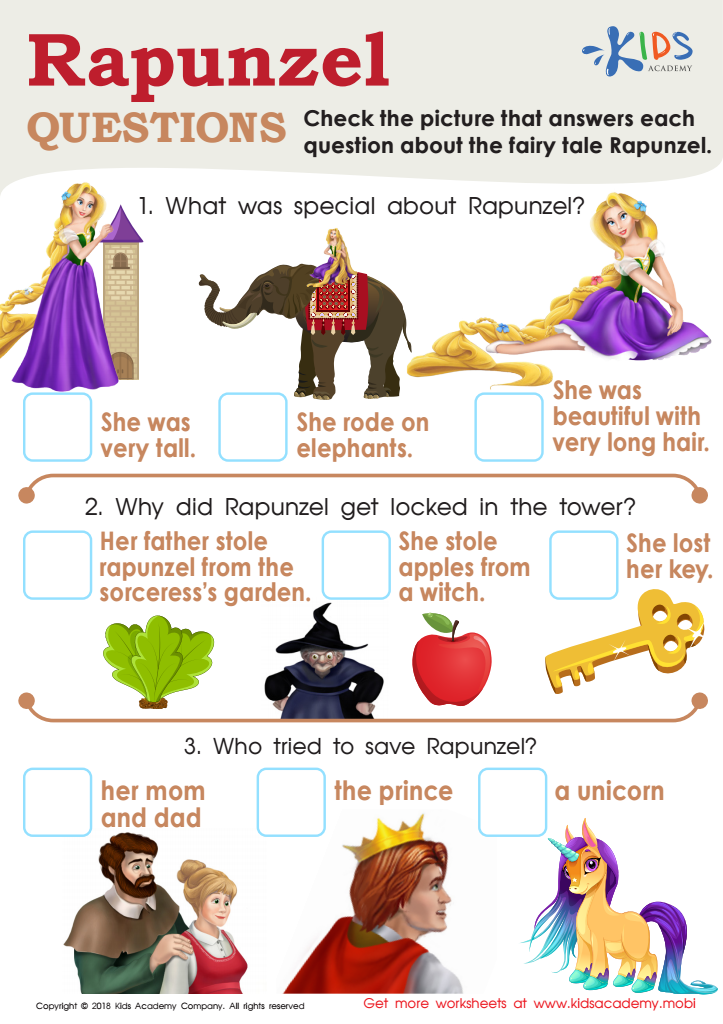
Rapunzel Questions Worksheet
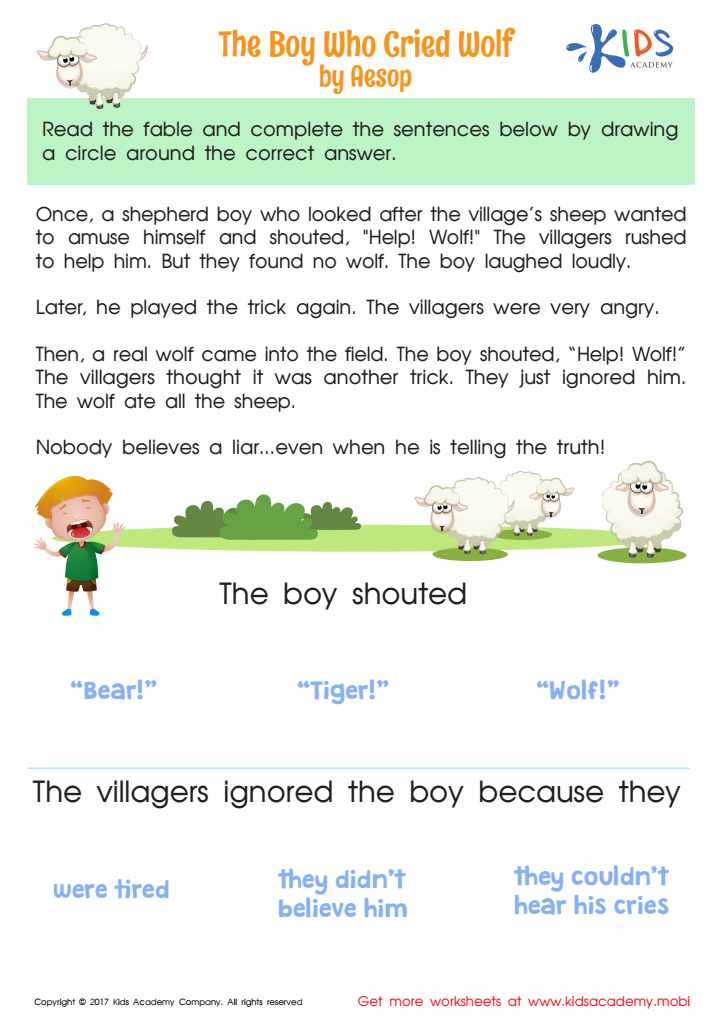
The Boy Who Cried Wolf Worksheet
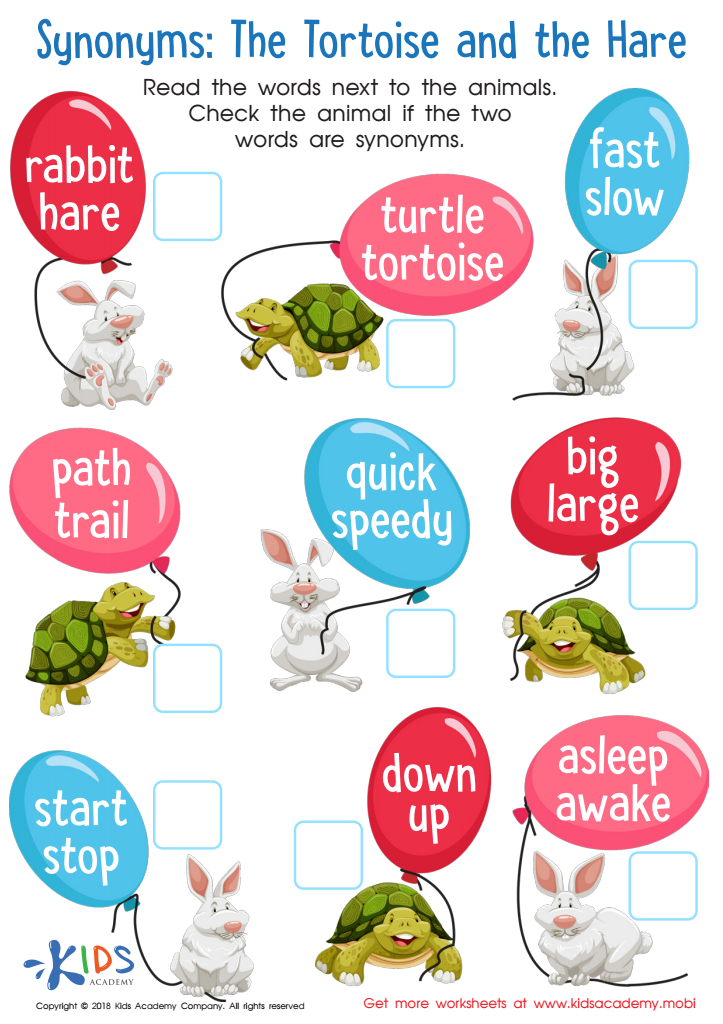
Synonyms: The Tortoise and Hare Worksheet
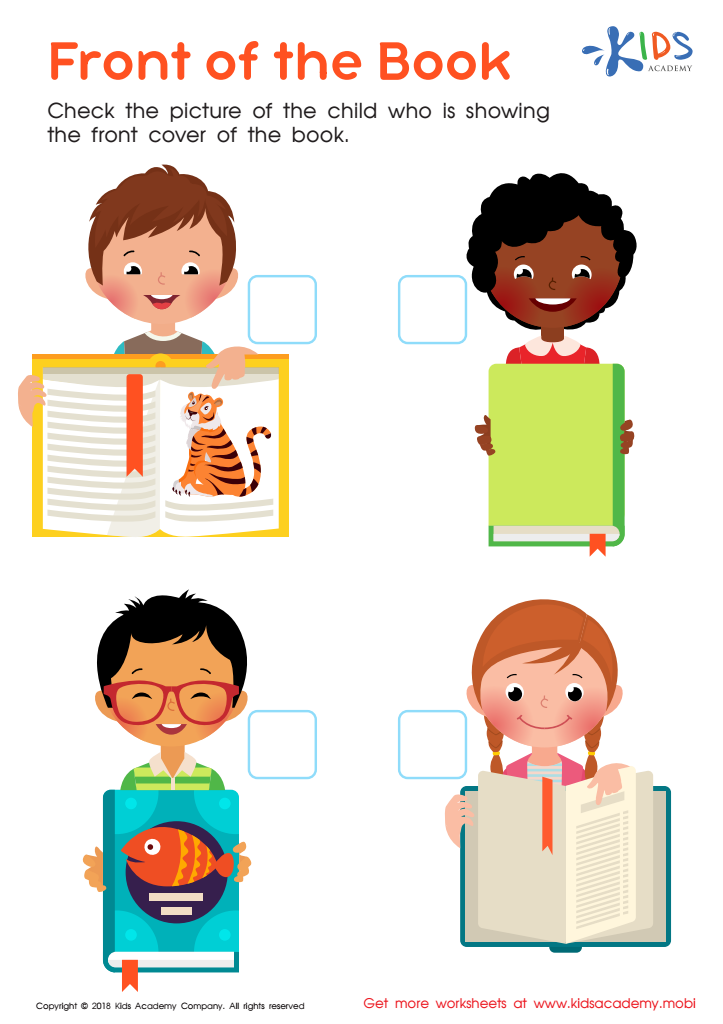
Front of the Book Worksheet
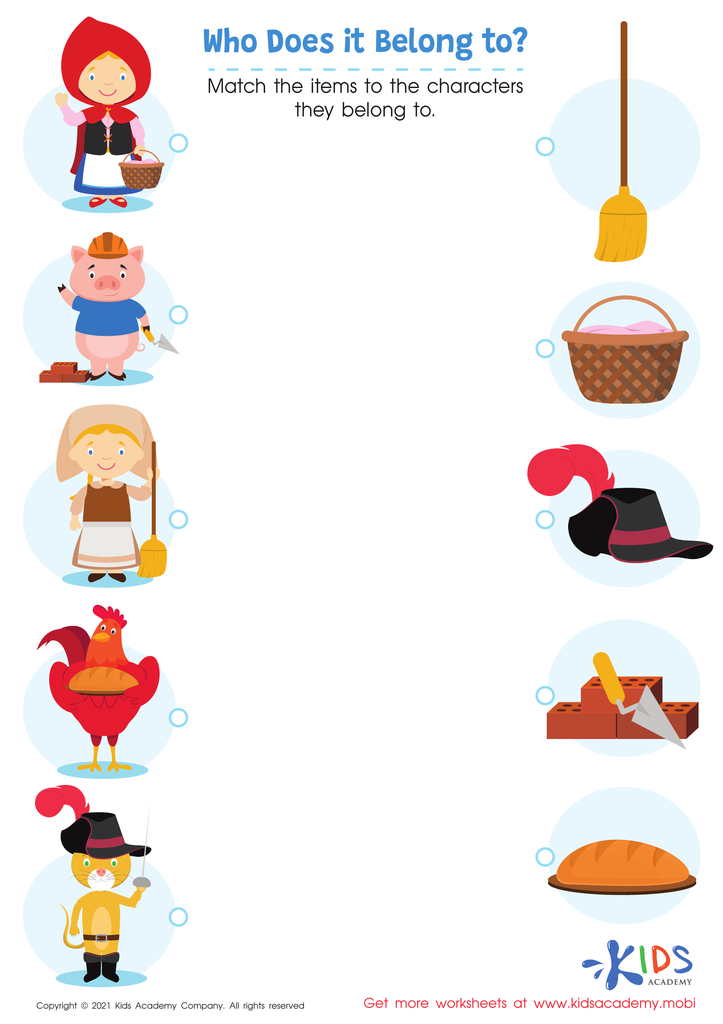
Who Does It Belong To? Worksheet
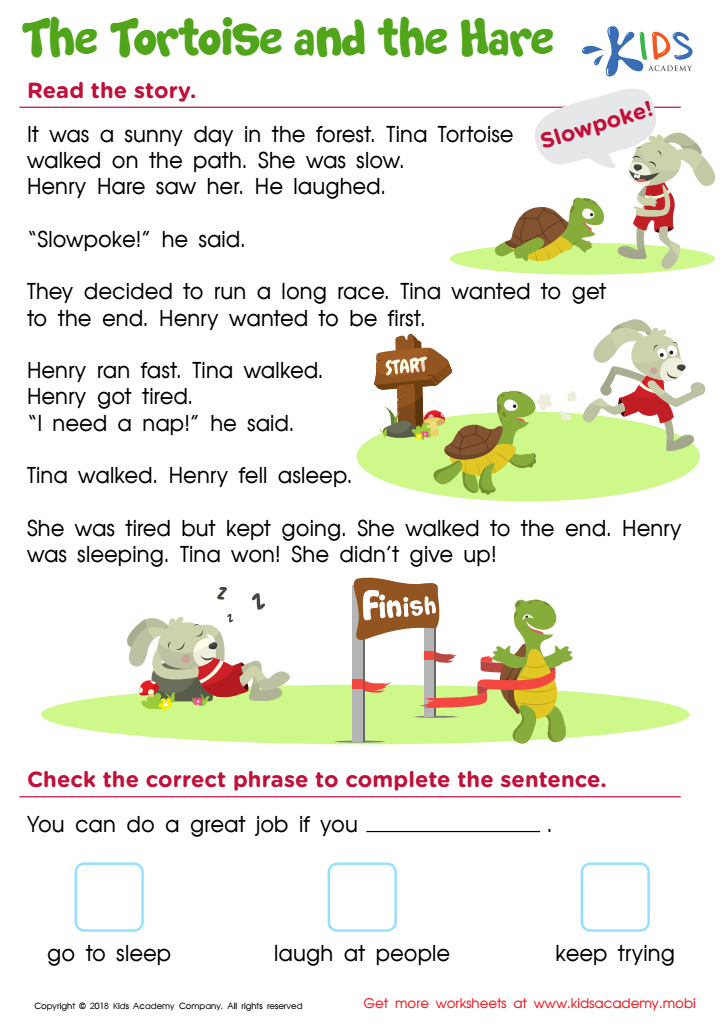
The Tortoise and the Hare Worksheet
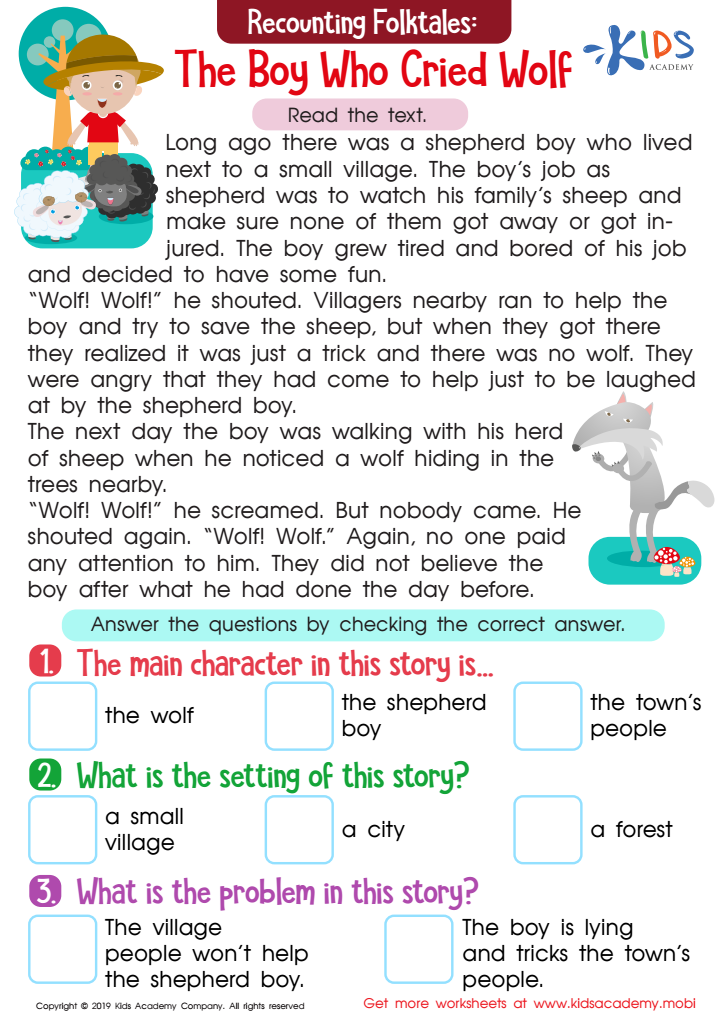
The Boy Who Cried Wolf Part 1 Worksheet
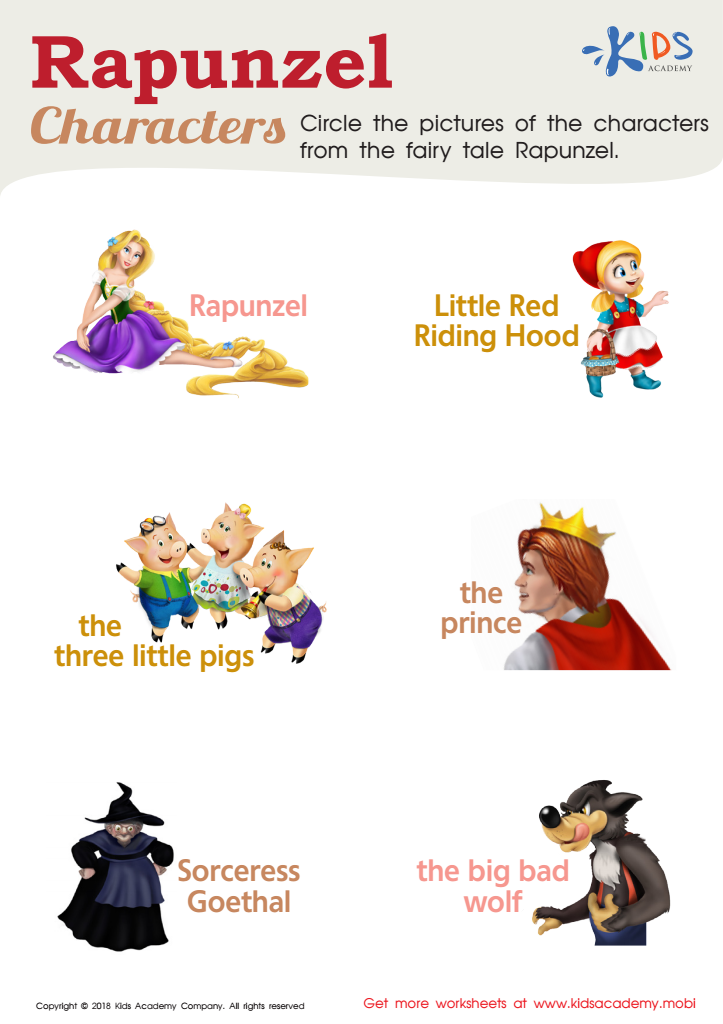
Rapunzel Characters Worksheet
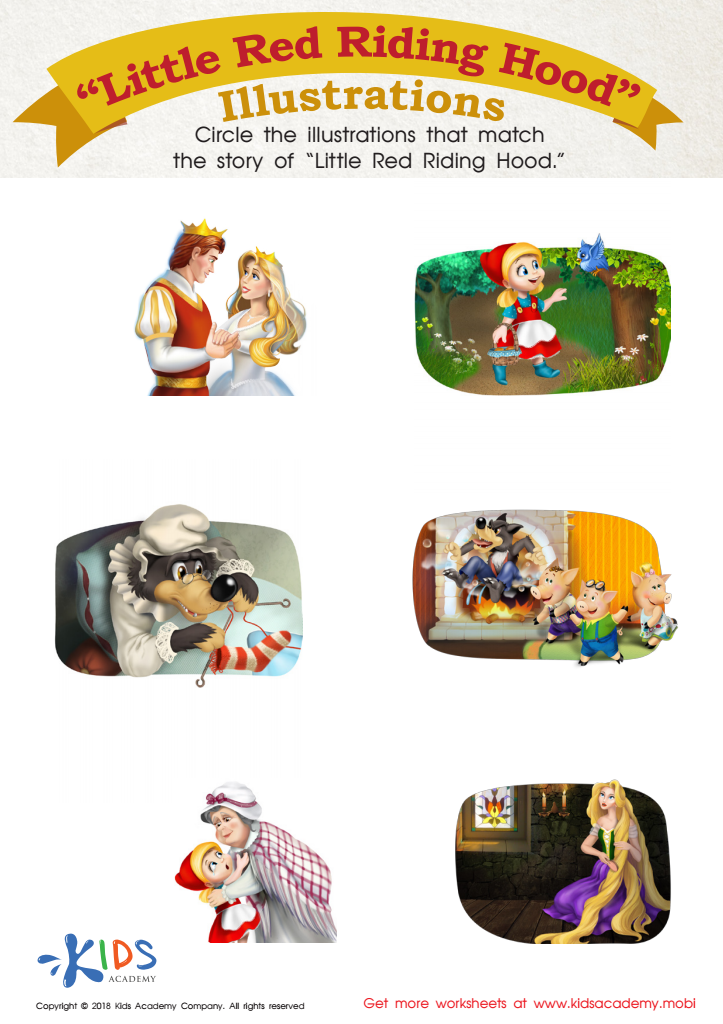
Little Red Riding Hood: Illustrations Worksheet
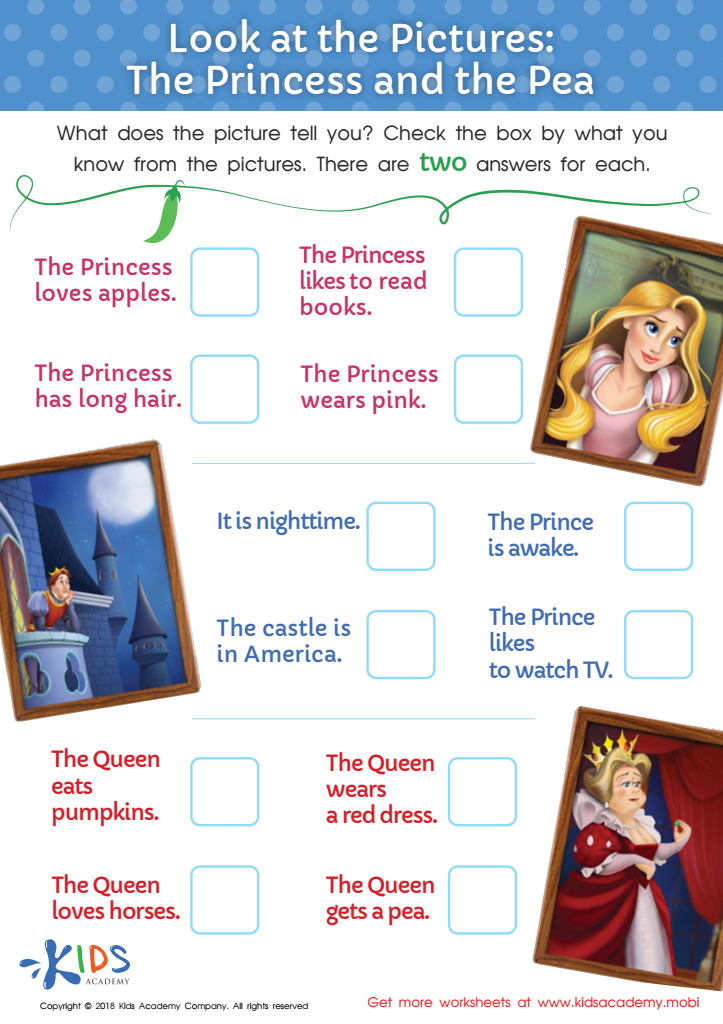
Look at the Pictures: The Princess and the Pea Worksheet
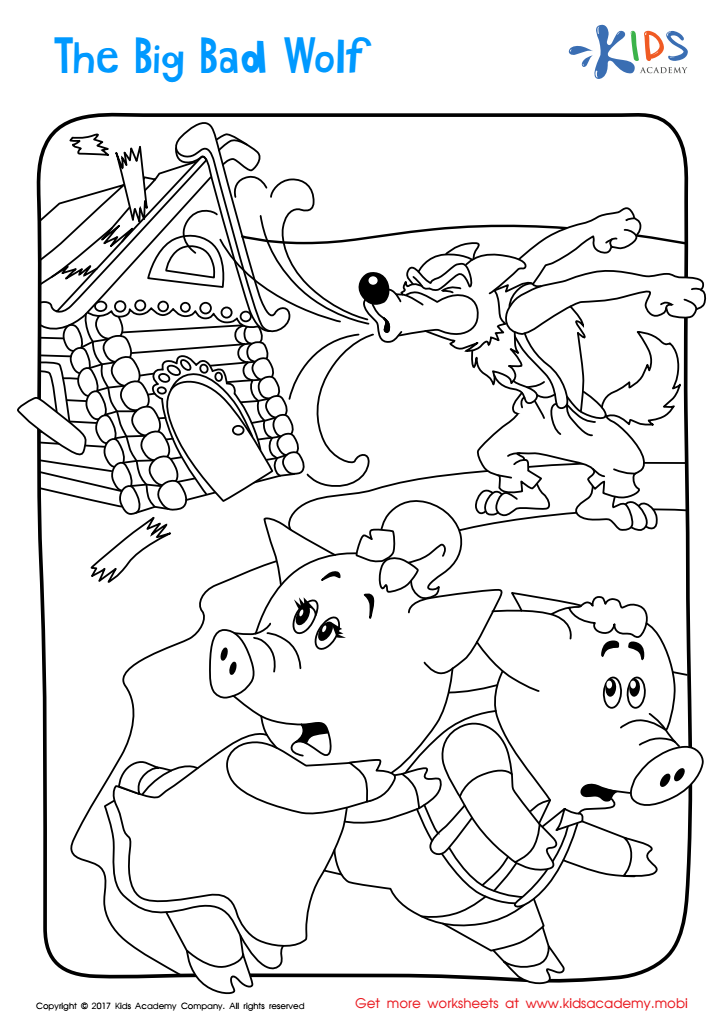
Big Bad Wolf Printable Coloring Page
 Assign to My Students
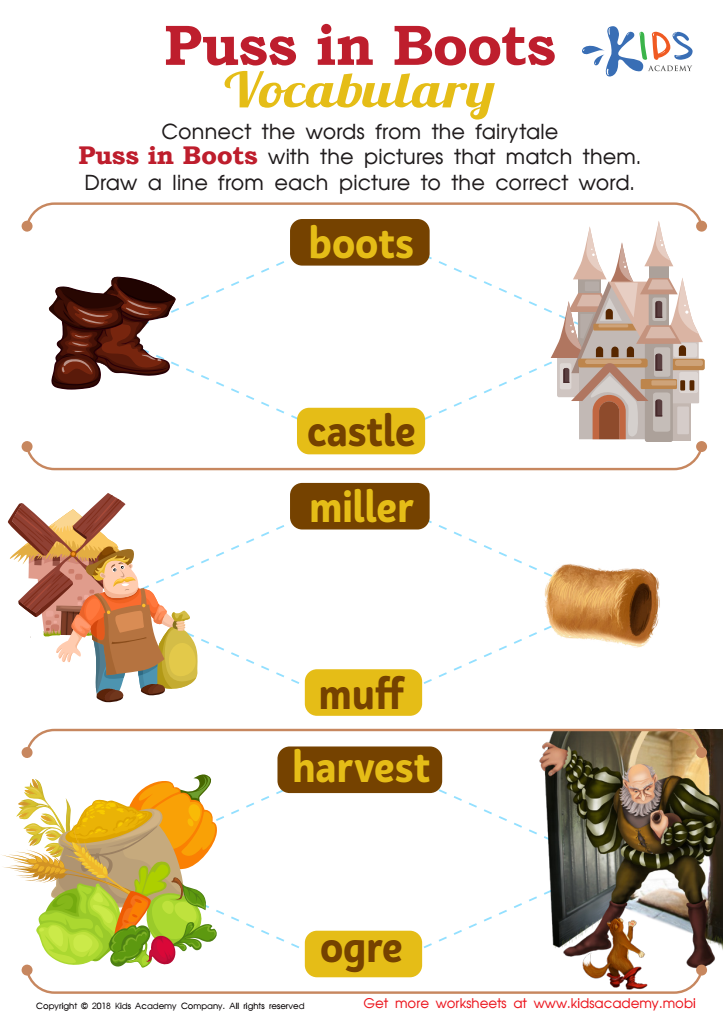
Puss in Boots Vocabulary Worksheet
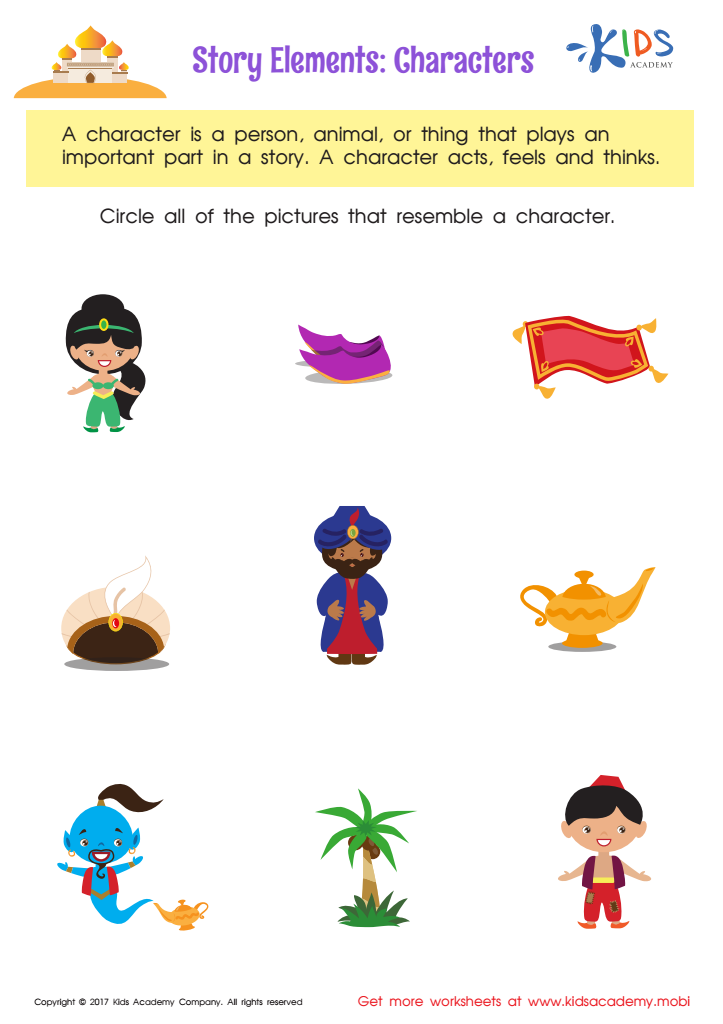
Story Elements Printable
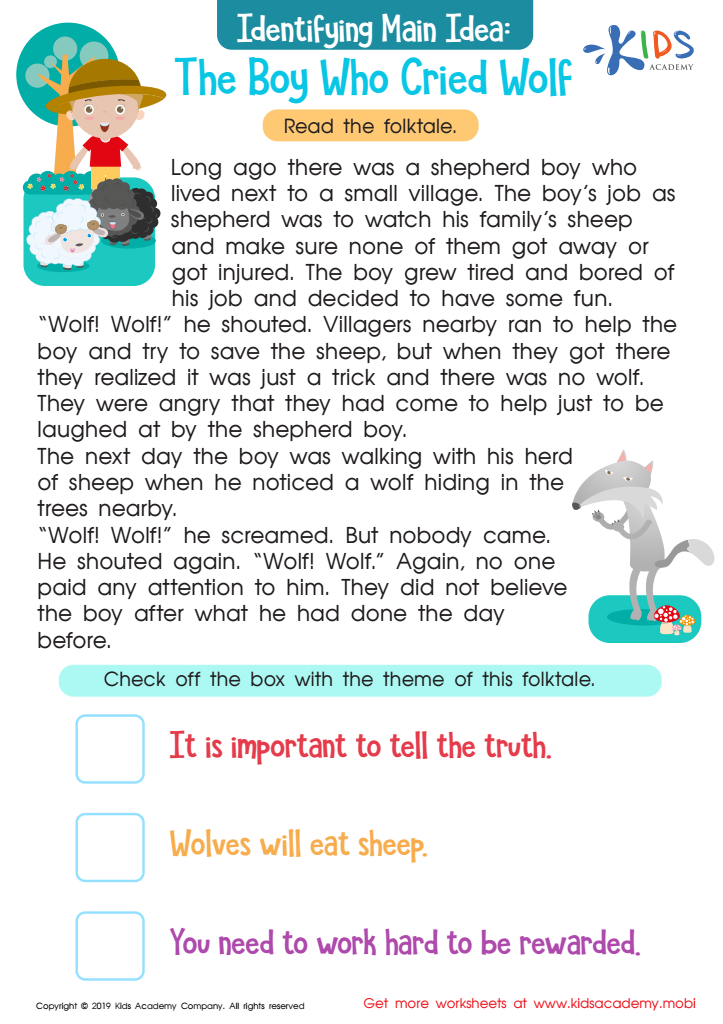
The Boy Who Cried Wolf Part 2 Worksheet
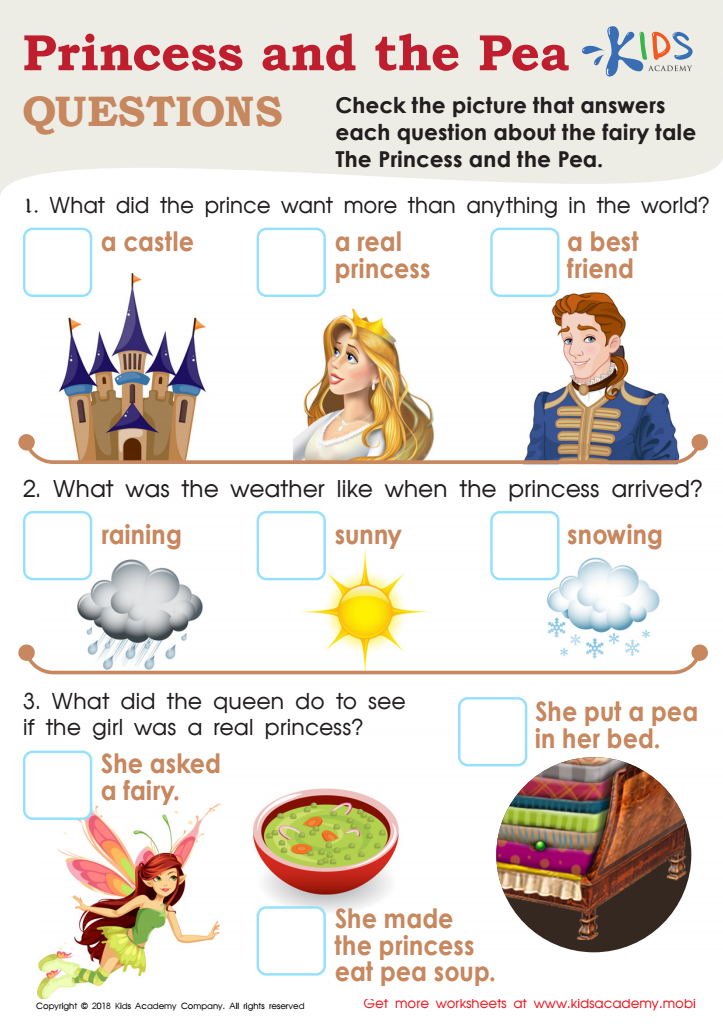
Princess and the Pea Questions Worksheet





.jpg)

Fairy tales hold a special place in childhood development, especially for ages 5-9. Engaging with fairy tale activities offers numerous benefits that parents and teachers should prioritize. Firstly, these stories captivate children's imagination, sparking creativity and encouraging them to envision fantastical worlds. This imaginative play is essential for cognitive development, helping children learn to express themselves and explore complex themes.
Additionally, fairy tales often convey moral lessons and values, such as kindness, resilience, and honesty. By discussing these themes, parents and teachers can facilitate important conversations about right and wrong, empathy, and understanding different perspectives.
Fairy tale activities also enhance literacy skills. Reading and retelling stories helps children build vocabulary, improve comprehension, and develop their narrative abilities. Activities like puppet shows or story-telling enhance engagement and comprehension.
Furthermore, these activities can foster social skills, as children often work together in group settings to enact stories or create their versions. This collaboration helps build confidence, encourages teamwork, and nurtures communication skills.
In conclusion, fairy tale activities are not just fun; they play a crucial role in a child's social, emotional, and cognitive development, making them essential for parents and educators to incorporate into learning experiences.








