Tracing worksheets activities for Ages 6-7 - Page 7
148 filtered results
-
From - To
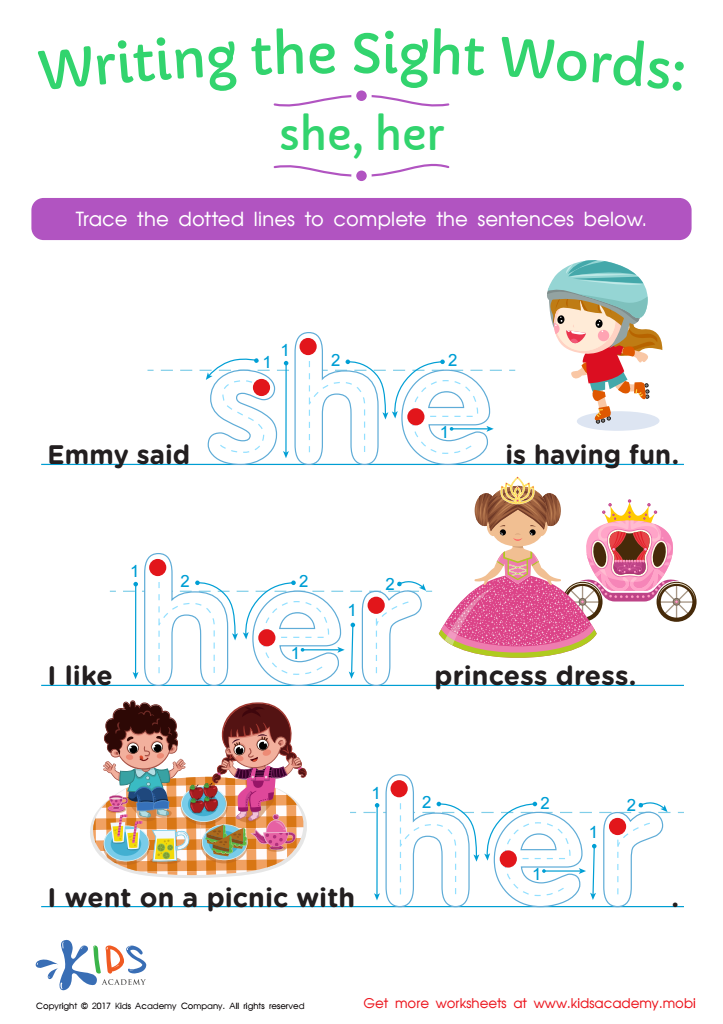
She, Her Printable Sight Words Worksheet
 Assign to My Students
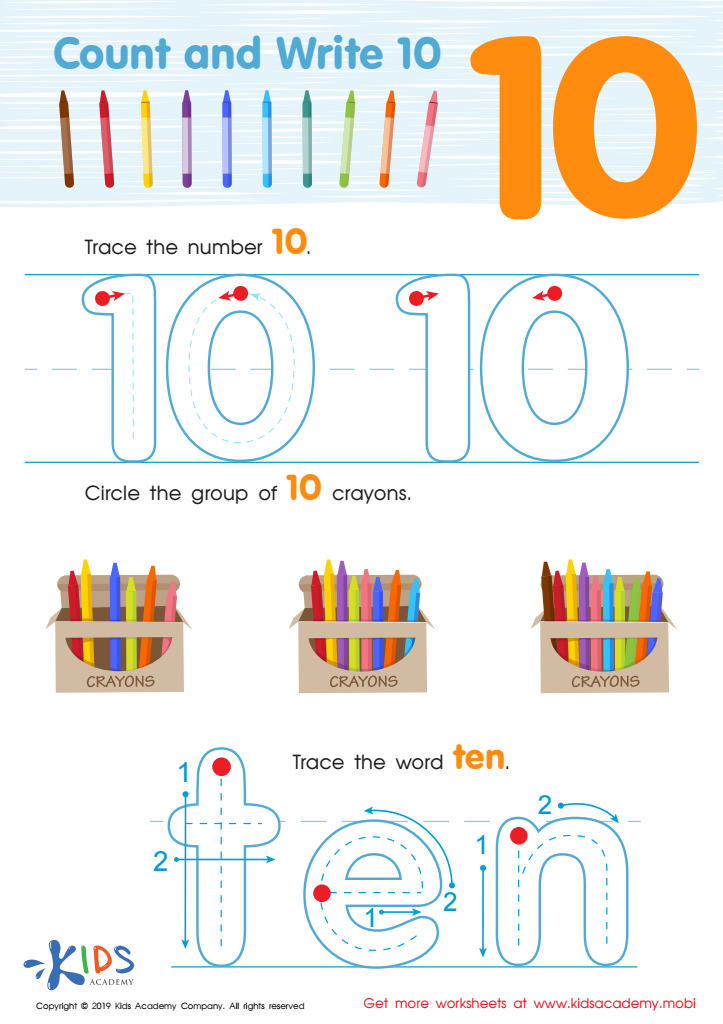
Count and Write 10 Worksheet
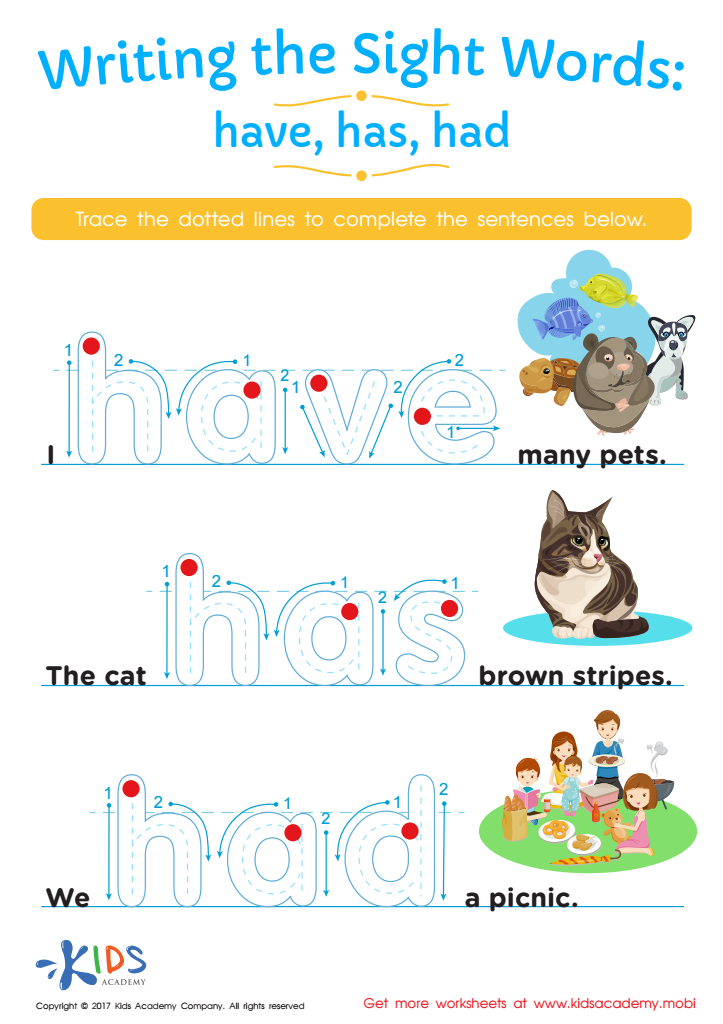
Have, Has, Had Worksheet Sight Words Worksheet
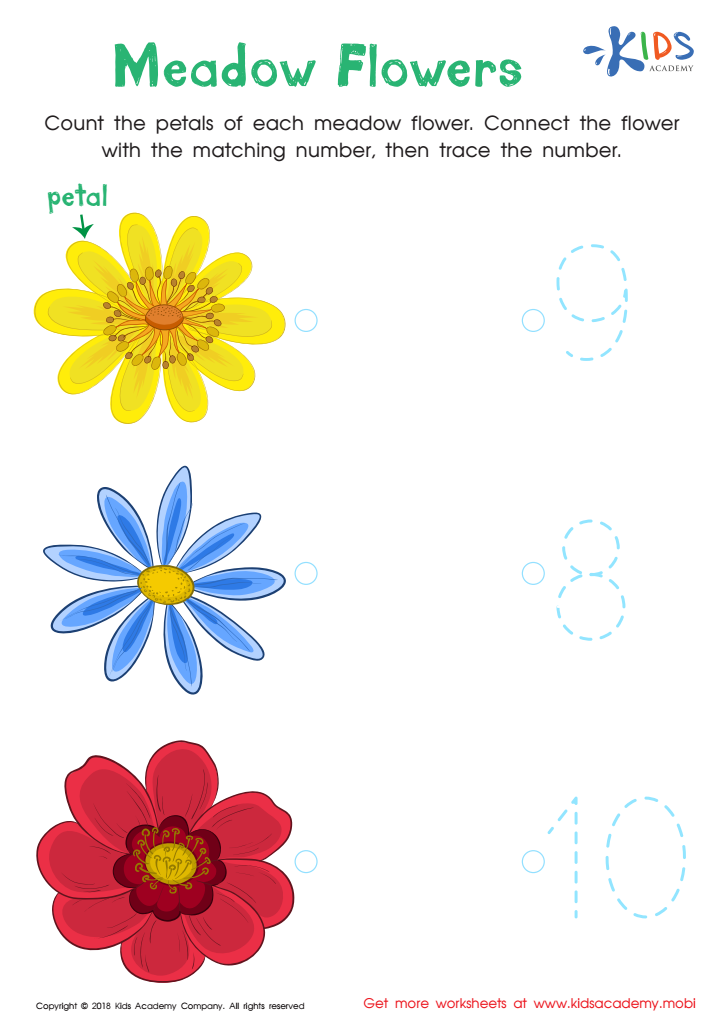
Kindergarten Number Tracing: Medow Flowers Worksheet








Tracing worksheets activities are an invaluable tool in the realm of early childhood education and development. These simple yet effective exercises are designed to enhance a child's fine motor skills, improve hand-eye coordination, and promote understanding of shapes, letters, and numbers. Let's delve into why tracing worksheets activities are so beneficial.
First and foremost, tracing worksheets activities lay the foundational groundwork for handwriting skills. By guiding a child's hand along dotted lines or patterns, these activities teach the basic strokes needed to form letters and numbers. This not only helps in improving their penmanship but also boosts their confidence in writing tasks. As children become more proficient in tracing, they naturally transition to writing with greater ease and accuracy.
Moreover, tracing worksheets activities are a fantastic way for children to develop their fine motor skills. The precise movements required to follow the paths on the worksheets strengthen the muscles in the hands, wrists, and fingers. This development is crucial for tasks that require dexterity and precision, such as buttoning clothes, tying shoelaces, or using scissors.
Cognitive development is another significant benefit of tracing worksheets activities. These exercises require concentration and focus as children learn to follow patterns and understand the sequence of movements. This enhances their cognitive abilities, including memory, attention, and problem-solving skills. Tracing shapes, letters, and numbers also reinforces their recognition and understanding, paving the way for early literacy and numeracy skills.
Lastly, tracing worksheets activities are highly versatile and can be tailored to suit a range of developmental levels and learning objectives. Whether it’s tracing straight lines, curves, alphabets, or complex shapes, these activities can be adjusted to challenge and engage children at different stages of their learning journey.
In conclusion, tracing worksheets activities are much more than a simple pastime. They are a crucial educational tool that nurtures a child's development across multiple domains. By incorporating these activities into early learning, we can provide children with a strong foundation for their future academic and personal success.








