Fairy Tales worksheets activities for Ages 6-8 - Page 3
63 filtered results
-
From - To
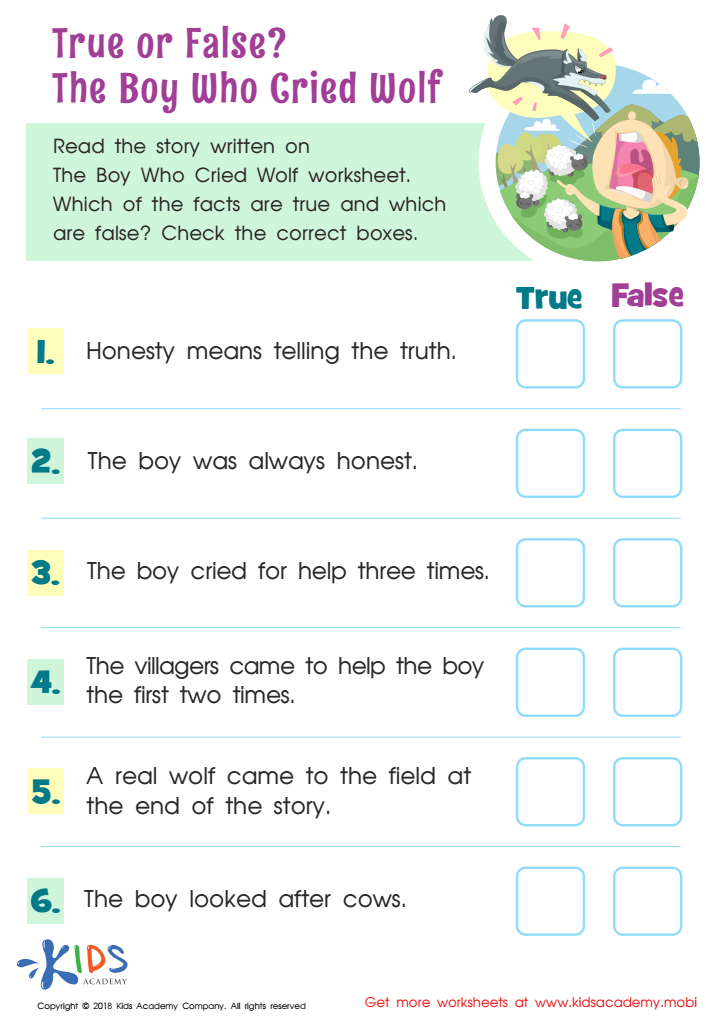
True or False? The Boy Who Cried Wolf Worksheet
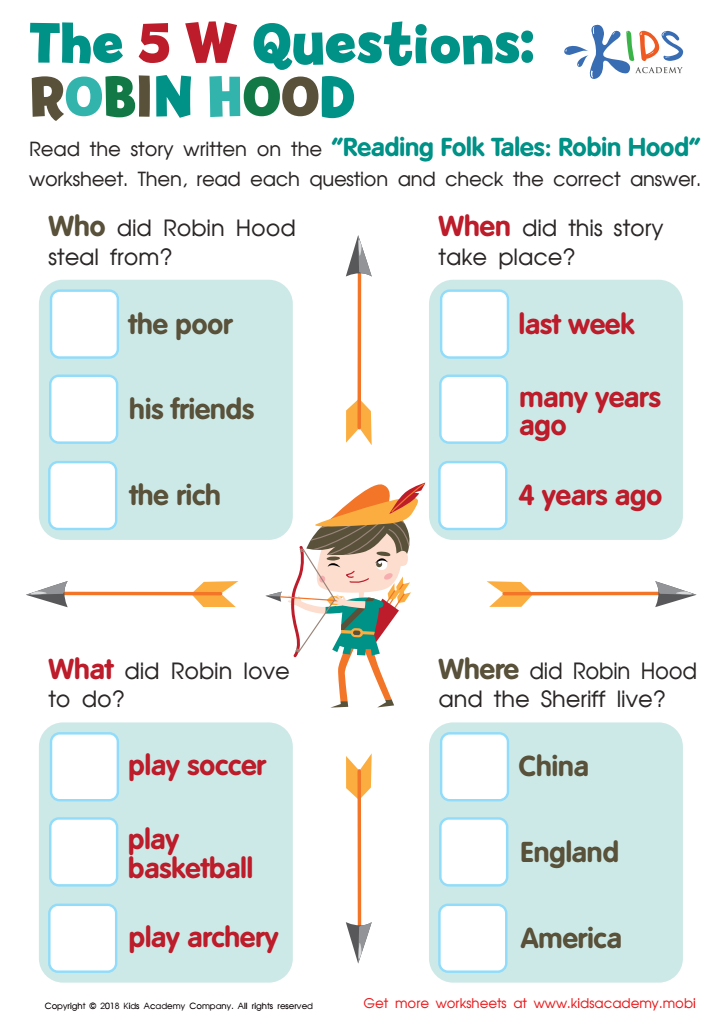
The 5 W Questions: Robin Hood Worksheet
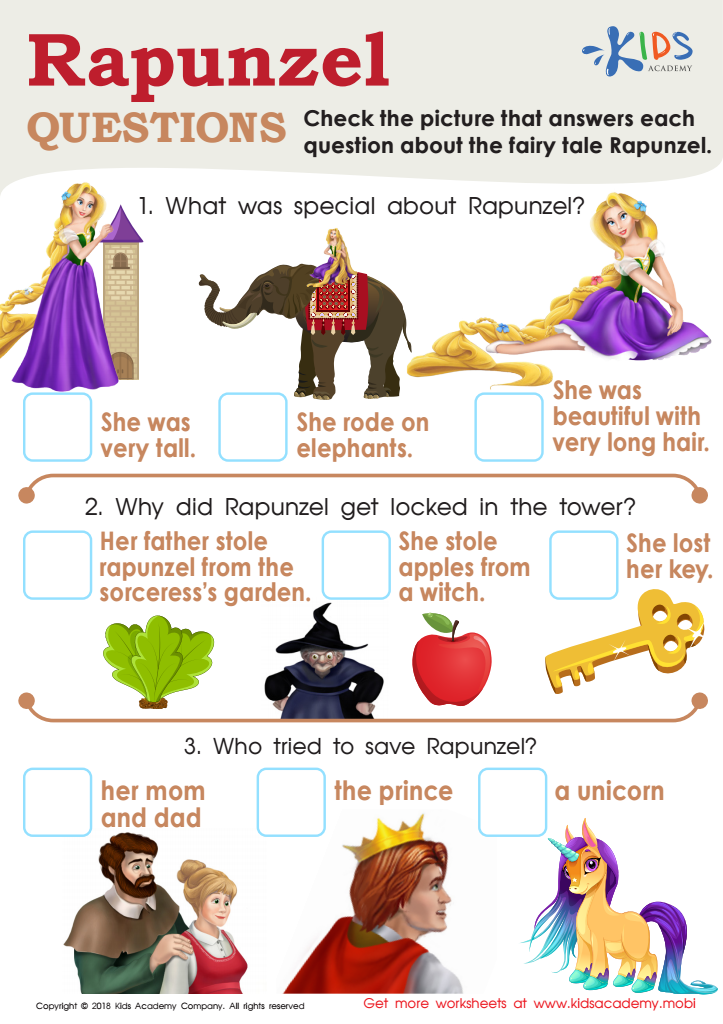
Rapunzel Questions Worksheet
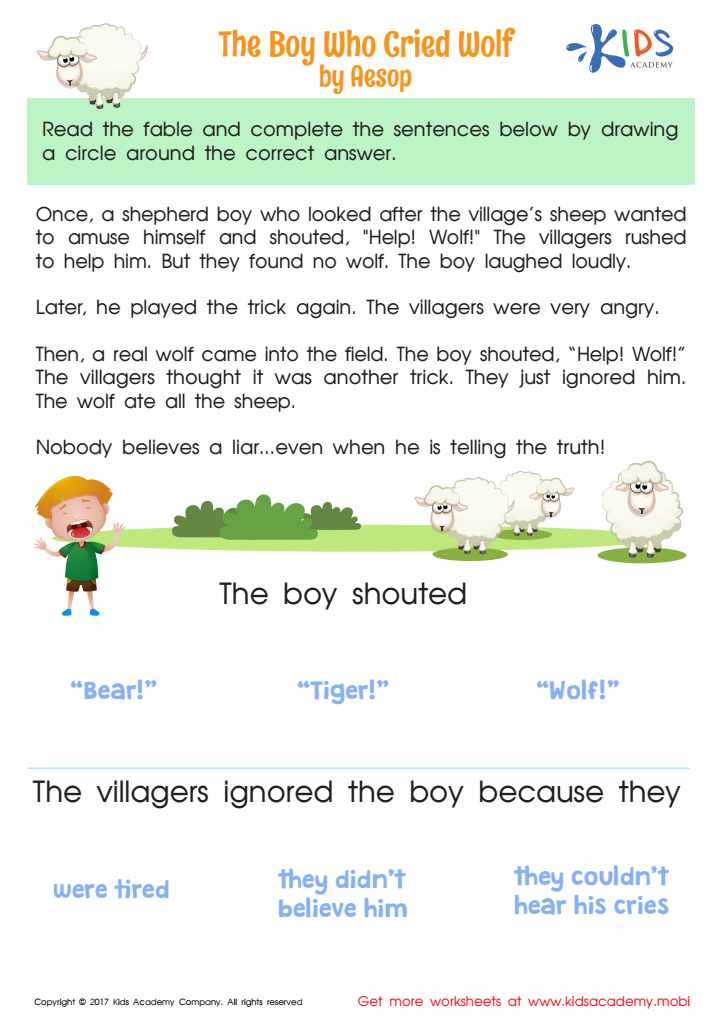
The Boy Who Cried Wolf Worksheet
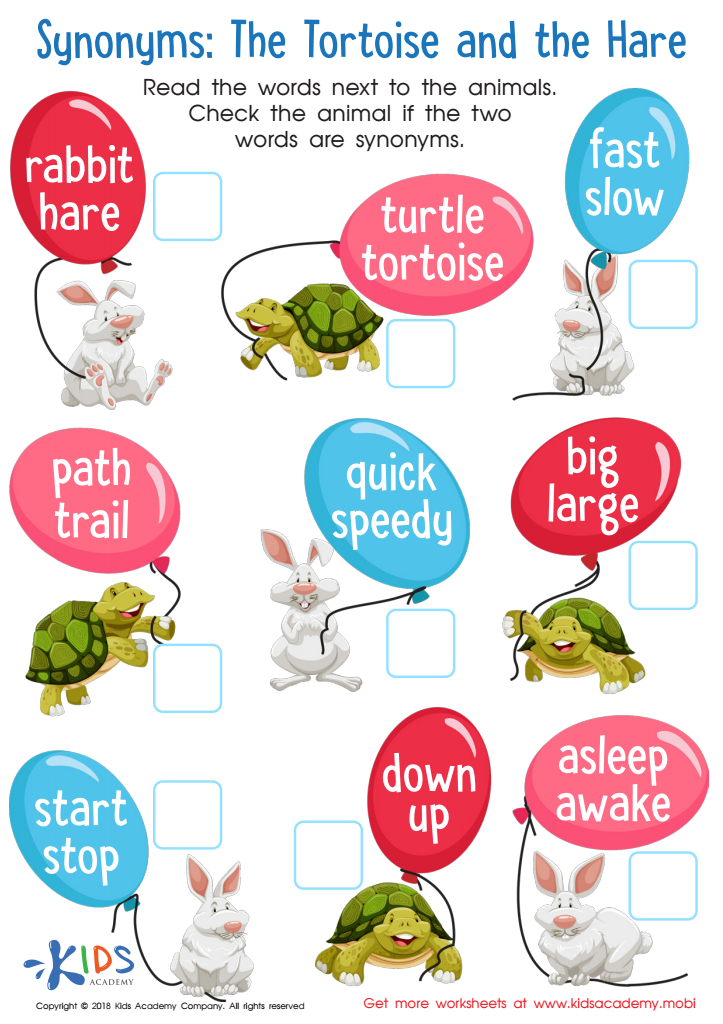
Synonyms: The Tortoise and Hare Worksheet
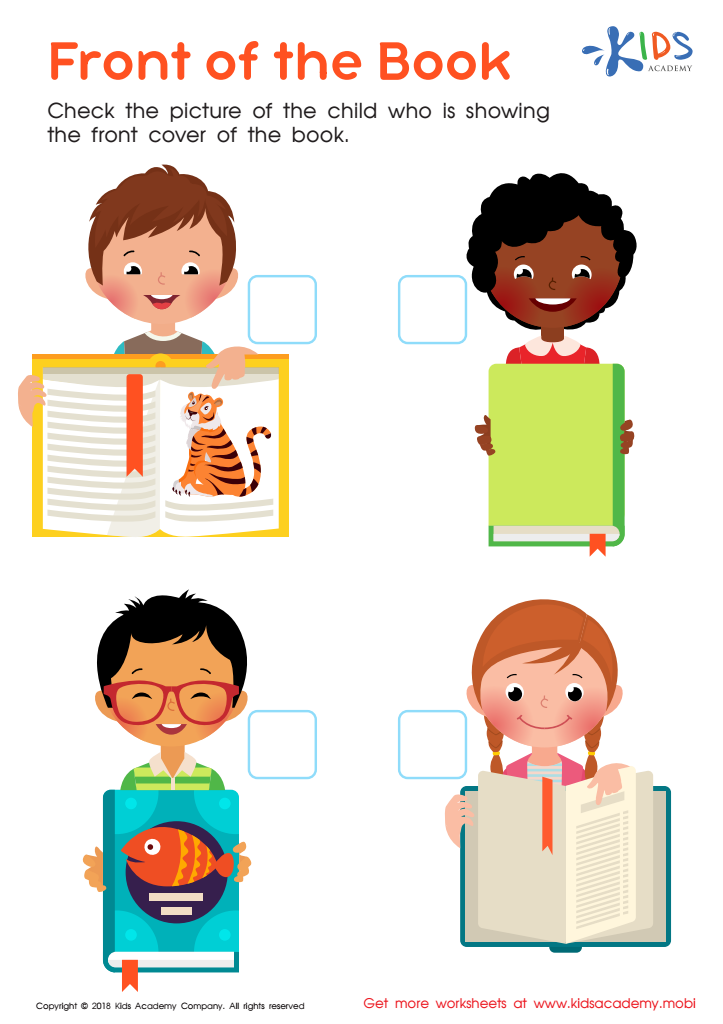
Front of the Book Worksheet
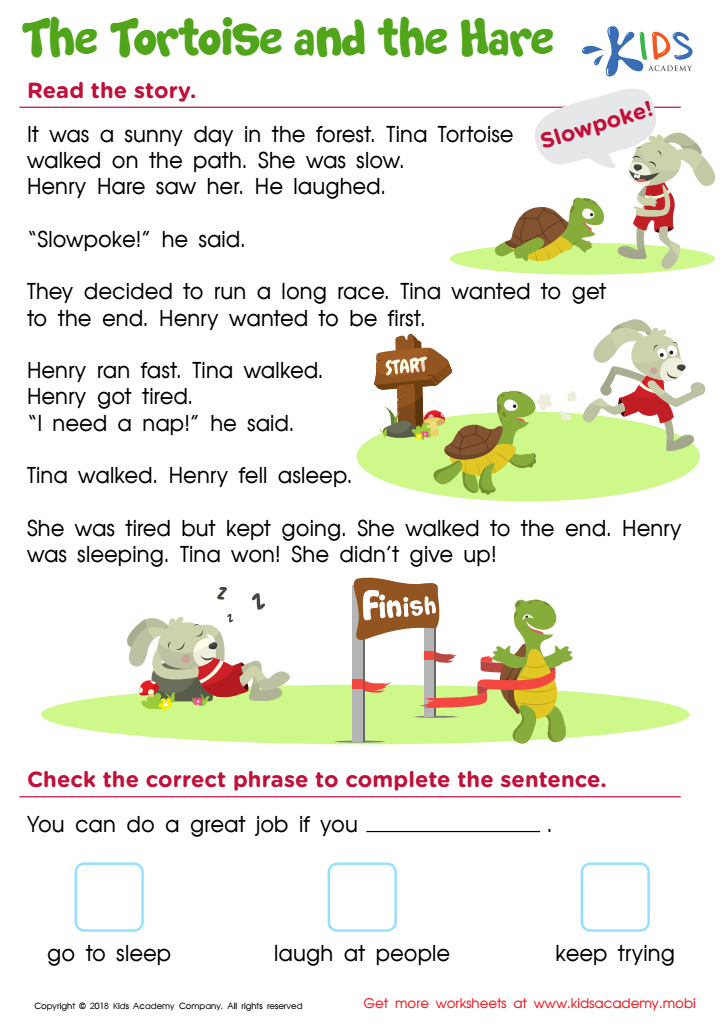
The Tortoise and the Hare Worksheet
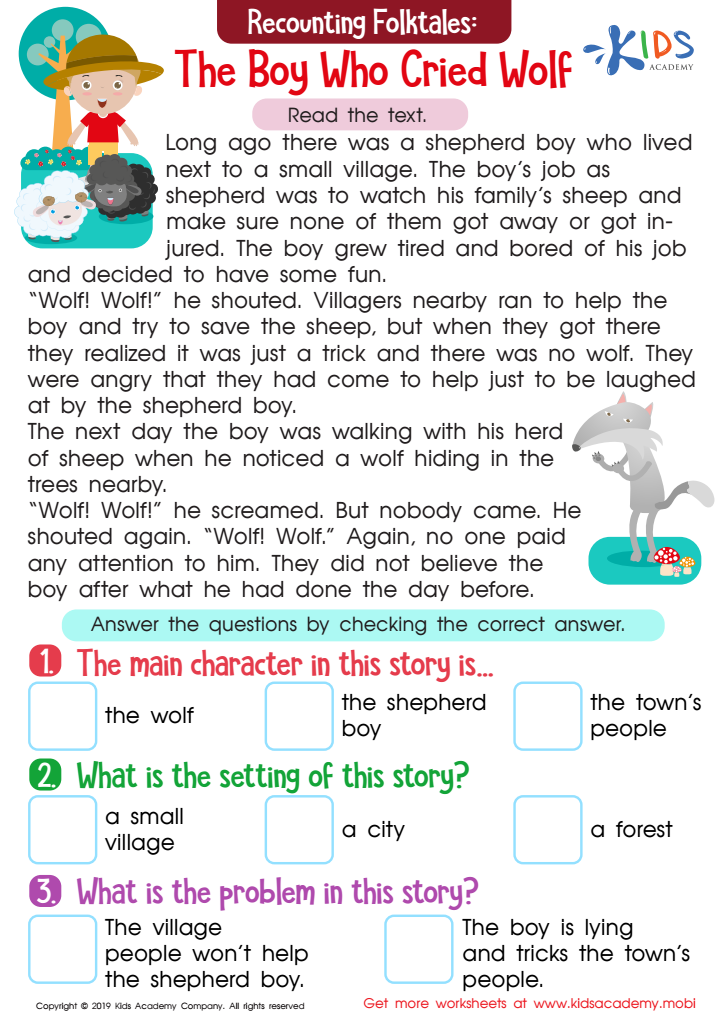
The Boy Who Cried Wolf Part 1 Worksheet
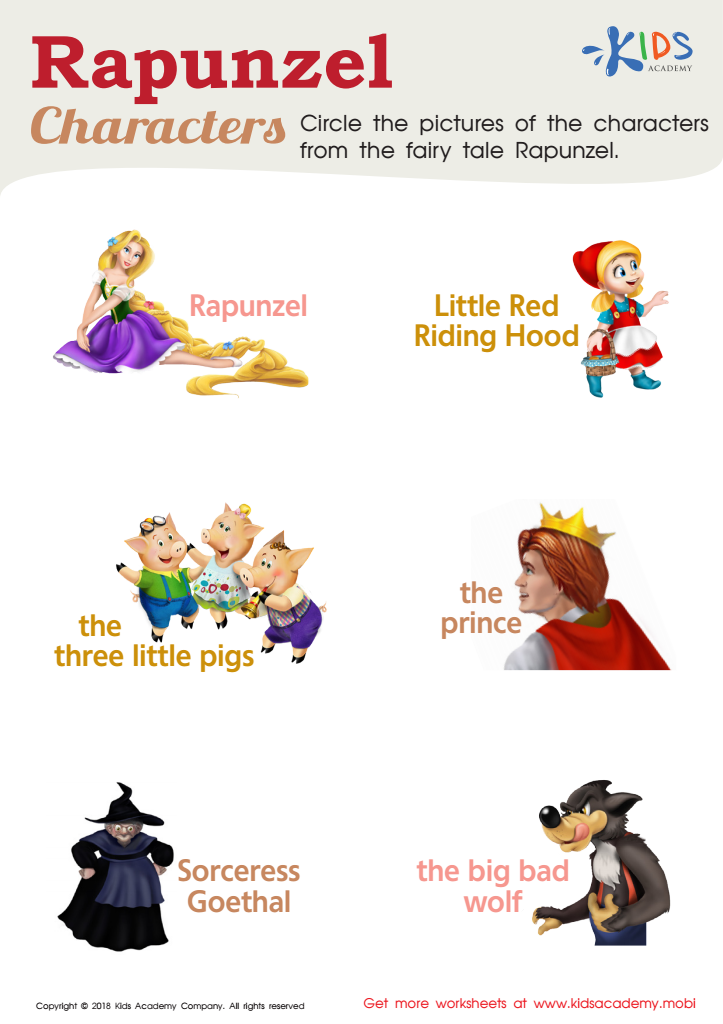
Rapunzel Characters Worksheet
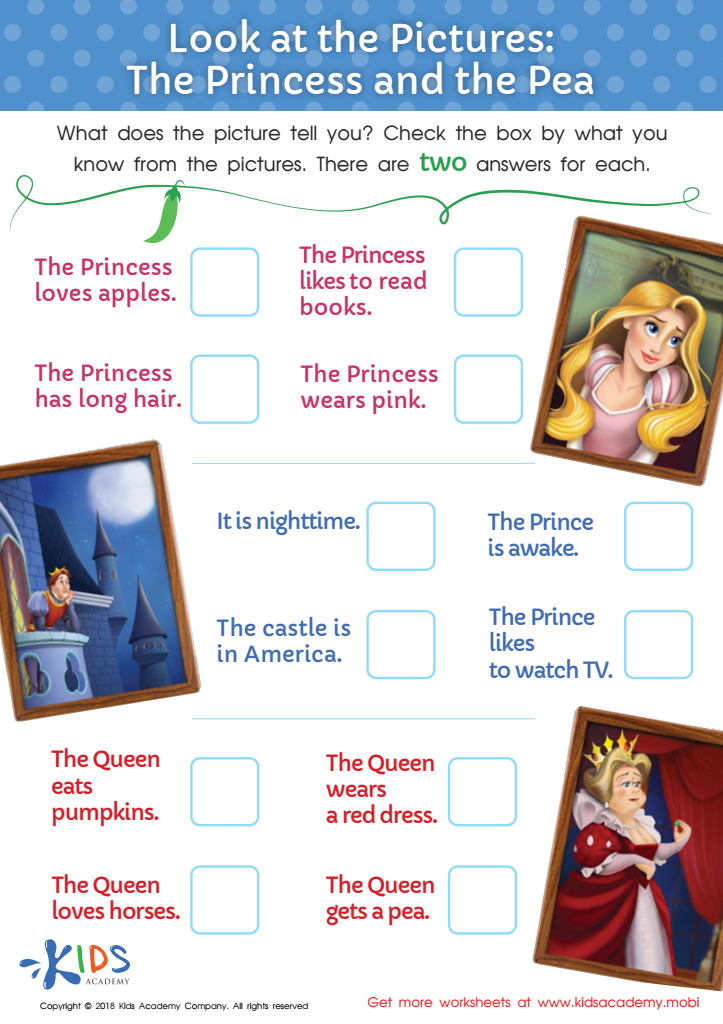
Look at the Pictures: The Princess and the Pea Worksheet
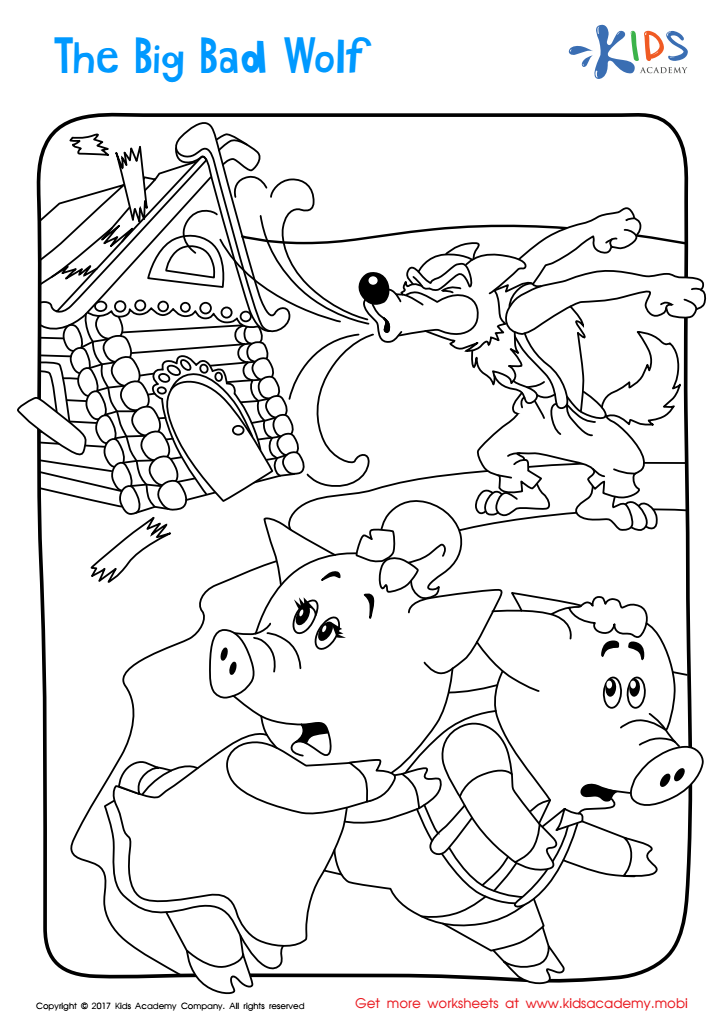
Big Bad Wolf Printable Coloring Page
 Assign to My Students
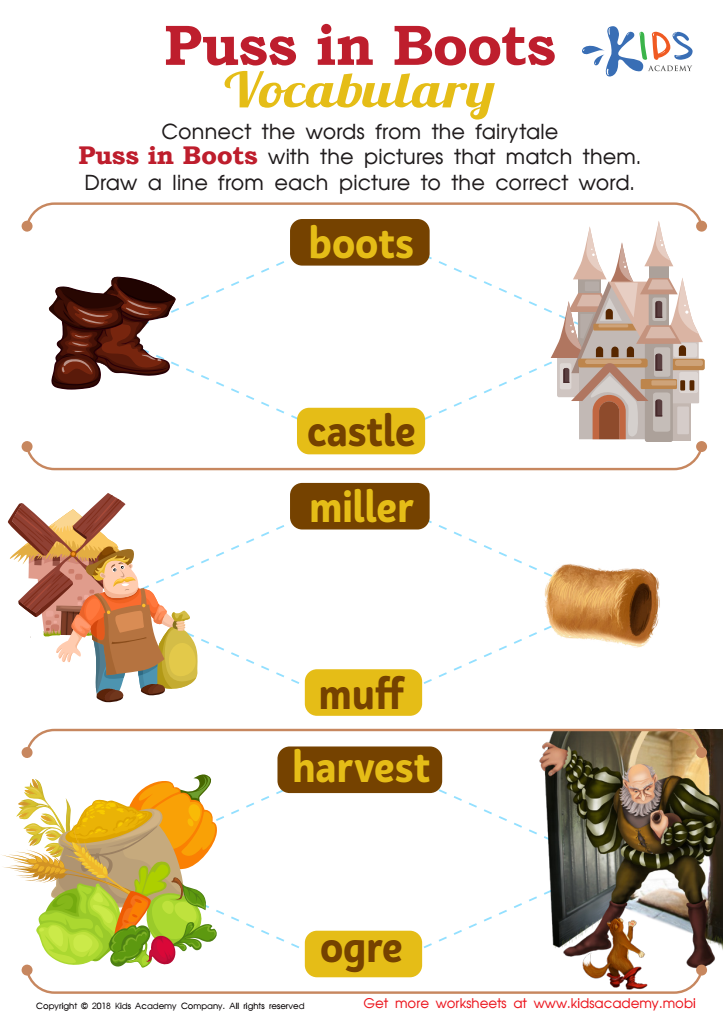
Puss in Boots Vocabulary Worksheet
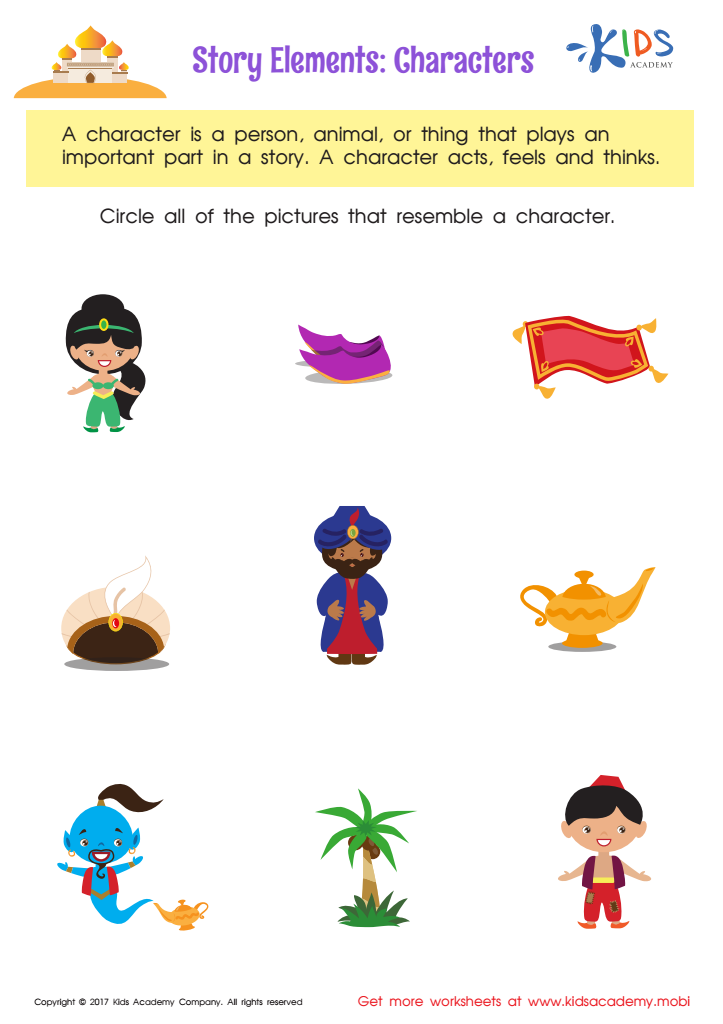
Story Elements Printable
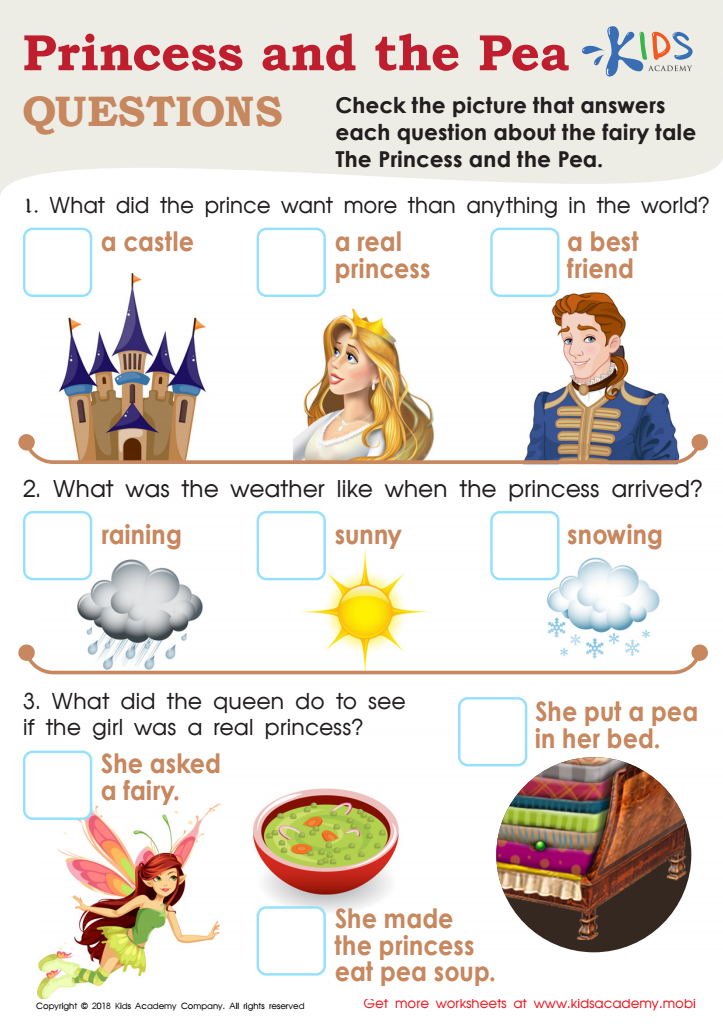
Princess and the Pea Questions Worksheet
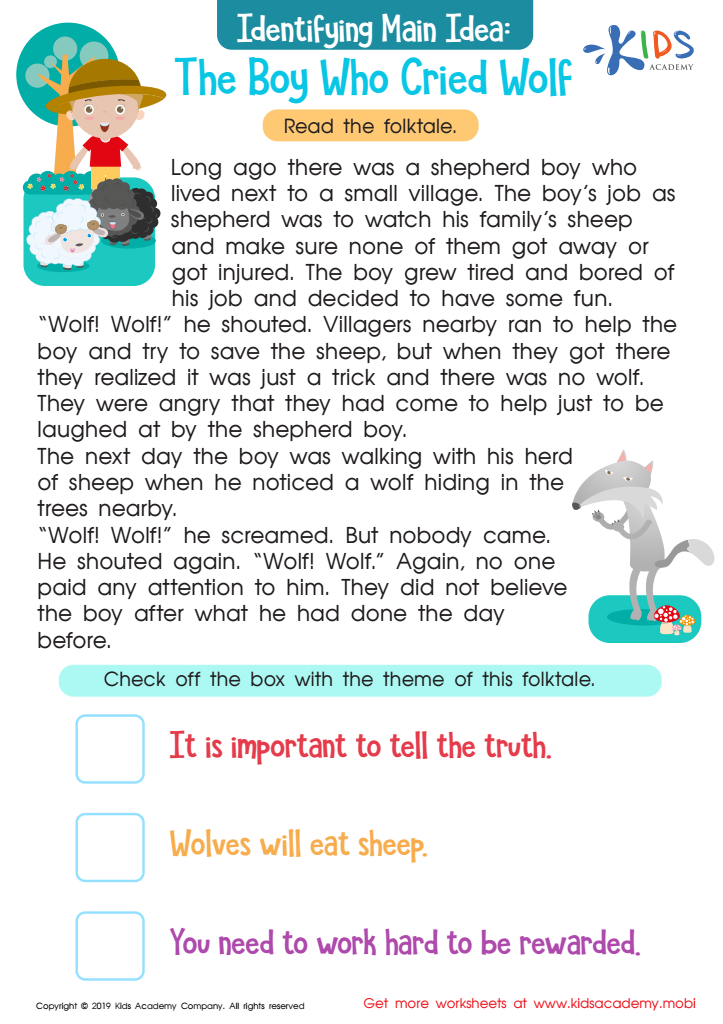
The Boy Who Cried Wolf Part 2 Worksheet



.jpg)
Fairy tales play a pivotal role in childhood development, making them essential for parents and teachers of children aged 6-8. Engaging in fairy tale activities fosters creativity, as kids are encouraged to imagine fantastical worlds and characters. This imaginative play enhances their cognitive skills, allowing them to develop comprehension, vocabulary, and narrative abilities.
Furthermore, fairy tales contain valuable morals and lessons that can spark meaningful conversations about ethics, kindness, and resilience. Discussing these themes helps children navigate their emotions and understand the nuances of human behavior.
Activities centered around fairy tales—such as storytelling, role-playing, and crafts—also nurture social skills. Collaborative projects encourage teamwork, communication, and empathy as children work together to bring stories to life.
Moreover, fairy tales provide a cultural and historical context, introducing kids to diverse perspectives and traditions. Exploring different tales from around the world can broaden their horizons, fostering global awareness and appreciation for various narratives.
Incorporating fairy tale activities into education helps create a holistic learning environment that balances literacy development with emotional and social growth. Ultimately, both parents and teachers should champion fairy tales as foundational tools for nurturing well-rounded, imaginative, and empathetic young learners.








