Plants and Animals worksheets activities for Ages 6-8
3 filtered results
-
From - To
Explore our engaging Plants and Animals worksheets designed for children aged 6-8. These interactive activities foster essential knowledge and curiosity about the natural world. Students will learn to identify different plant species, understand animal habitats, and explore the roles of various organisms in their ecosystems. Our worksheets encourage critical thinking through fun exercises such as matching, coloring, and simple quizzes. Ideal for classroom or home education, these resources help children enhance their understanding of biological concepts while developing their fine motor skills. Dive into an exciting journey of discovery and make learning about plants and animals a delightful experience!
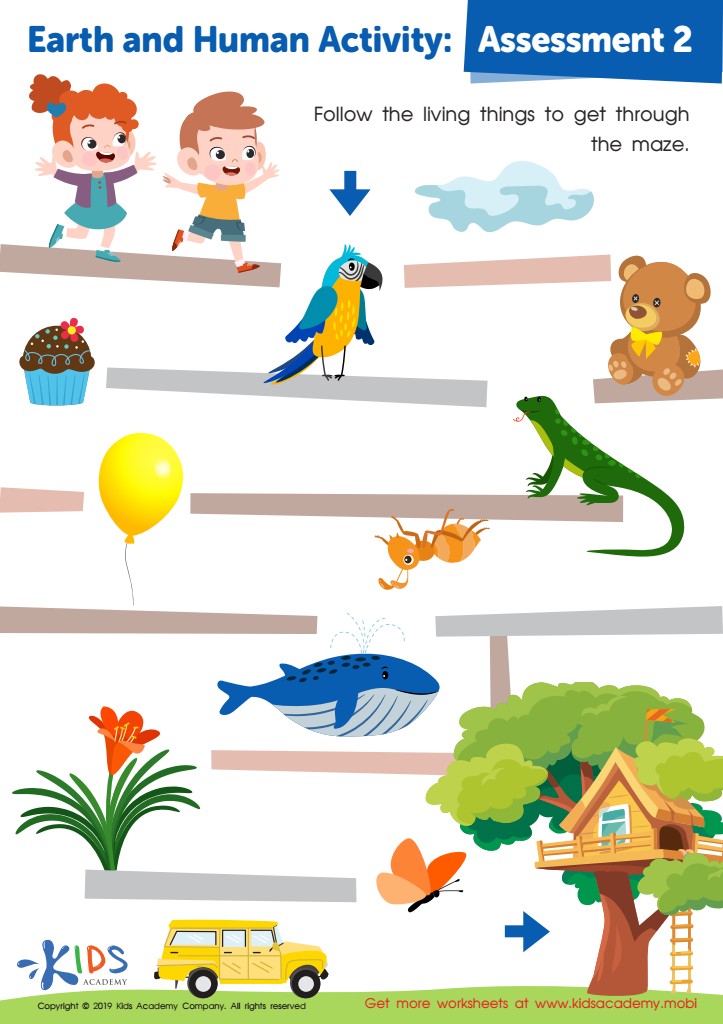
Earth and Human Activity: Assessment 2 Worksheet
 Assign to My Students
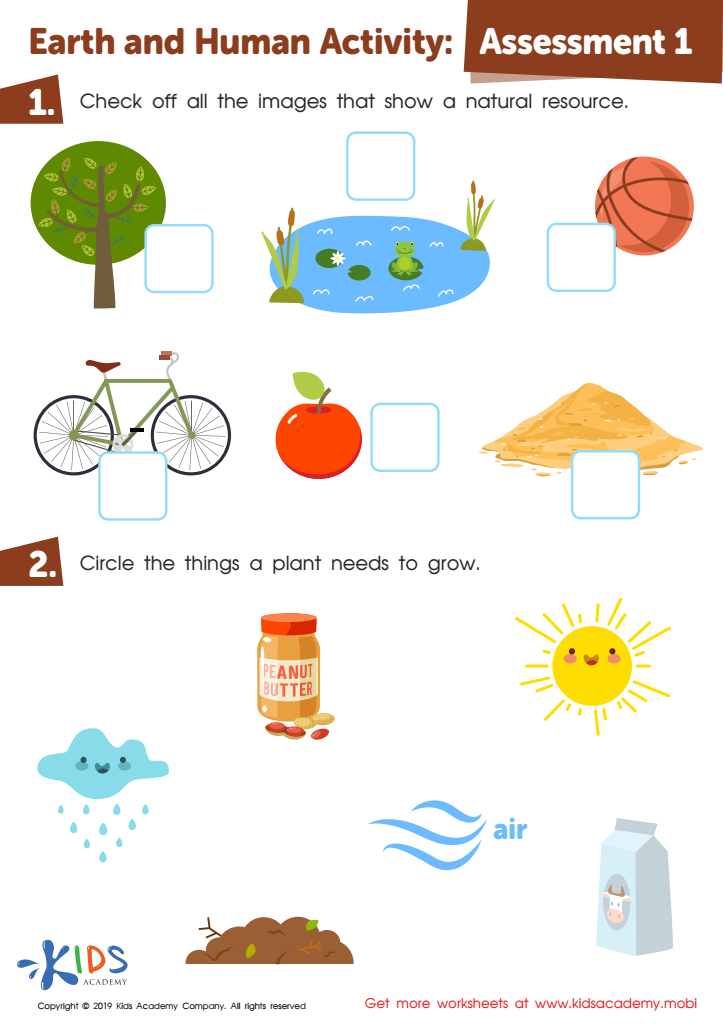
Earth and Human Activity: Assessment 1 Worksheet
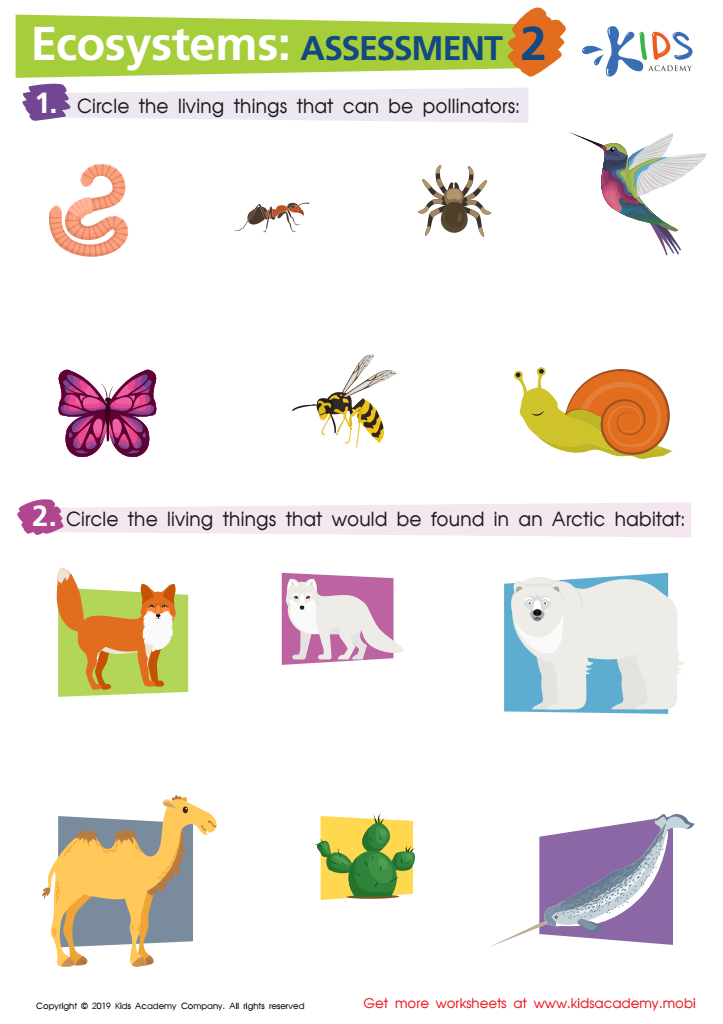
Ecosystems: Assessment 2 Worksheet






Parents and teachers should prioritize Plants and Animals activities for children aged 6-8 because these experiences play a crucial role in fostering curiosity, empathy, and respect for the natural world. At this age, children are naturally inquisitive, and engaging with plants and animals can stimulate their interest in science and nature, laying the groundwork for lifelong learning.
Such activities often promote hands-on learning, allowing children to observe life cycles, understand ecosystems, and recognize the importance of biodiversity. This experiential approach enhances critical thinking skills as children explore how different species interact with each other and their environments.
Moreover, participating in plant and animal activities encourages environmental stewardship. When children care for plants or animals, they develop a sense of responsibility and learn about the impact of human actions on the ecosystem. These activities also bolster social skills, as children collaborate and communicate with peers during group projects.
Finally, a personal connection with nature has been shown to reduce stress and improve overall well-being. Growing plants or caring for pets can also facilitate discussions about compassion and empathy, equipping children with essential social-emotional skills. Overall, these initiatives are vital for holistic development during these formative years.








