Normal Tracing worksheets activities for Ages 4-8 - Page 5
98 filtered results
-
From - To
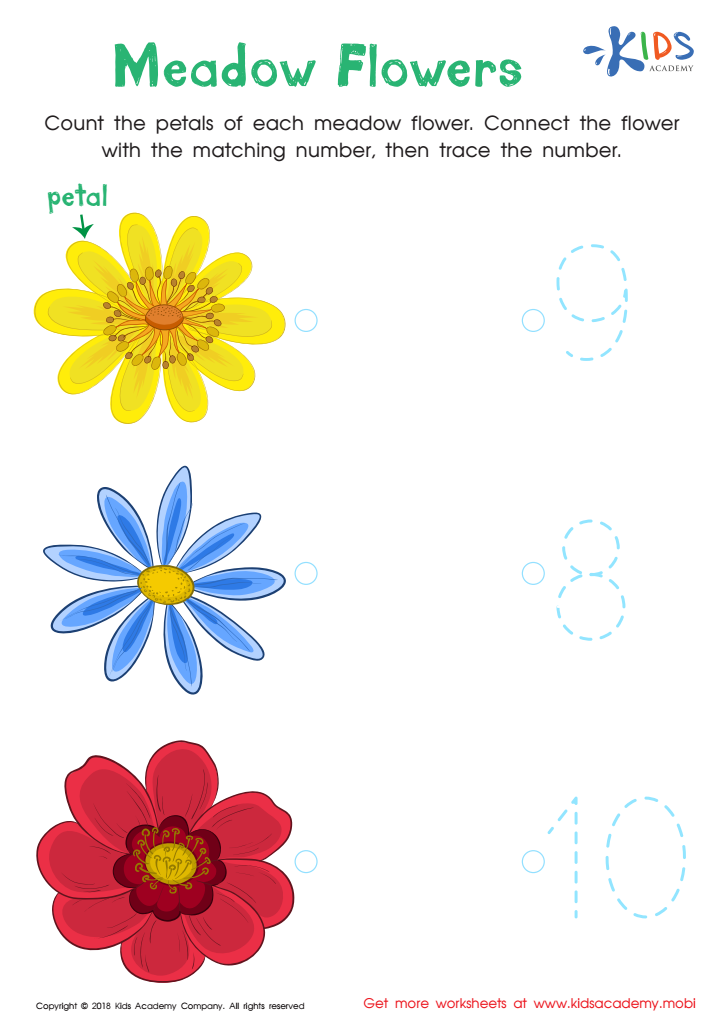
Kindergarten Number Tracing: Medow Flowers Worksheet
 Assign to My Students
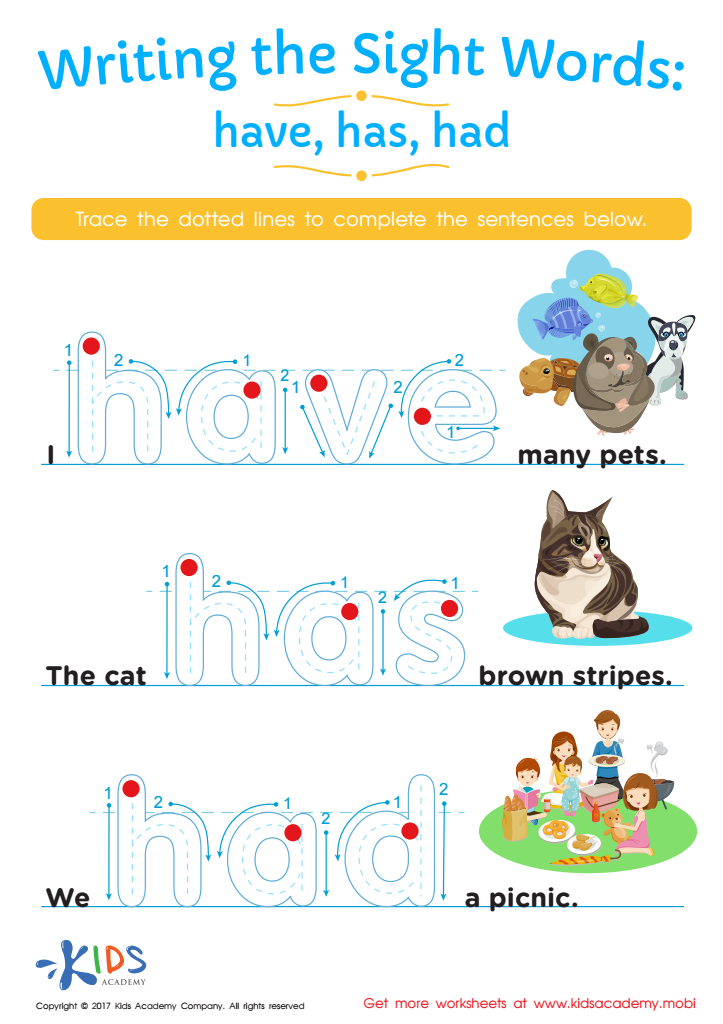
Have, Has, Had Worksheet Sight Words Worksheet








Normal tracing activities are essential for children aged 4-8 as they support the critical development of fine motor skills, hand-eye coordination, and cognitive abilities. Engaging in tracing tasks helps children strengthen the small muscles in their hands, which is foundational for future tasks such as writing, drawing, and even self-care activities like buttoning shirts. As they follow the lines with precision, they learn control and focus, key components of effective learning.
Moreover, these activities nurture visual perception skills, aiding children in distinguishing shapes, letters, and numbers. This is particularly important in early literacy and numeracy development, as improved visual discrimination contributes to reading proficiency and mathematical understanding later on.
Tracing also provides an opportunity for creativity and self-expression. Children can enhance their artistic skills while gaining confidence in their abilities. Parents and teachers who incorporate these activities foster an environment of learning that values persistence, patience, and concentration.
Lastly, normal tracing activities serve as an invaluable tool for assessment. They allow educators to monitor progress in motor skills and identify areas that might require additional support, ensuring that each child meets their developmental milestones. By caring about these activities, parents and teachers play a pivotal role in shaping well-rounded, capable children.








