Normal Fairy Tales worksheets activities for Ages 6-9 - Page 3
49 filtered results
-
From - To
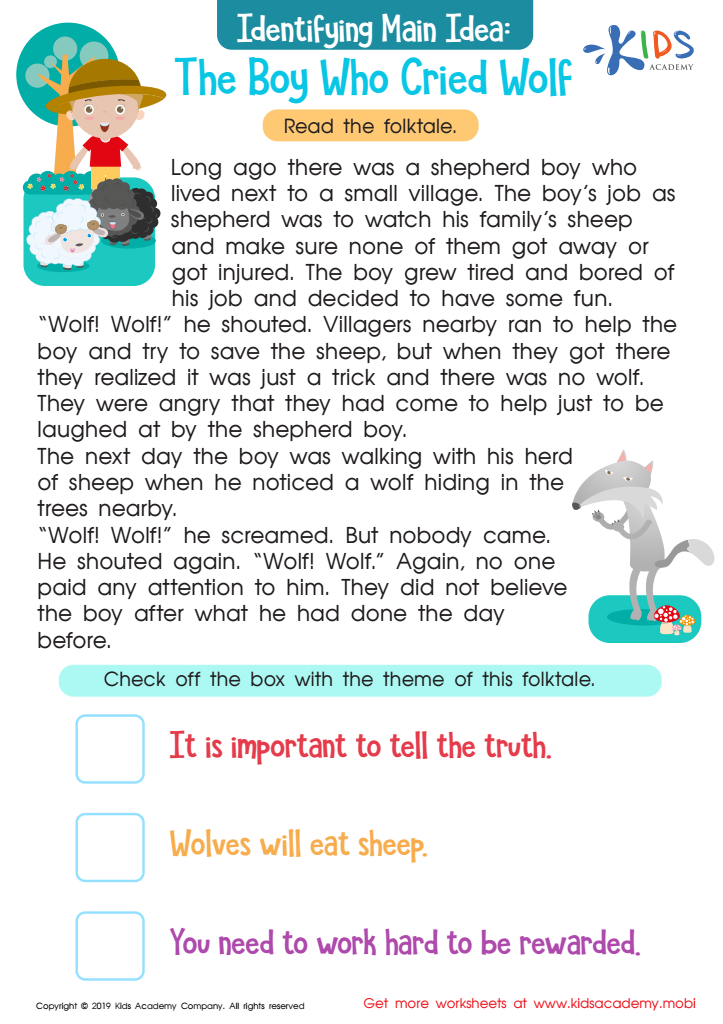
The Boy Who Cried Wolf Part 2 Worksheet
 Assign to My Students





Parents and teachers should prioritize "Normal Fairy Tales" activities for children aged 6-9 as they play a crucial role in early childhood development. First, these activities help to cultivate literacy skills. By engaging with stories and characters from relatable fairy tales, children enhance their vocabulary and comprehension, setting a strong foundation for reading.
Furthermore, Normal Fairy Tales foster social-emotional learning. These stories often present characters overcoming challenges, allowing children to explore emotions and develop empathy. Through discussions about the characters’ choices and consequences, children learn valuable life lessons, which contribute to their moral development.
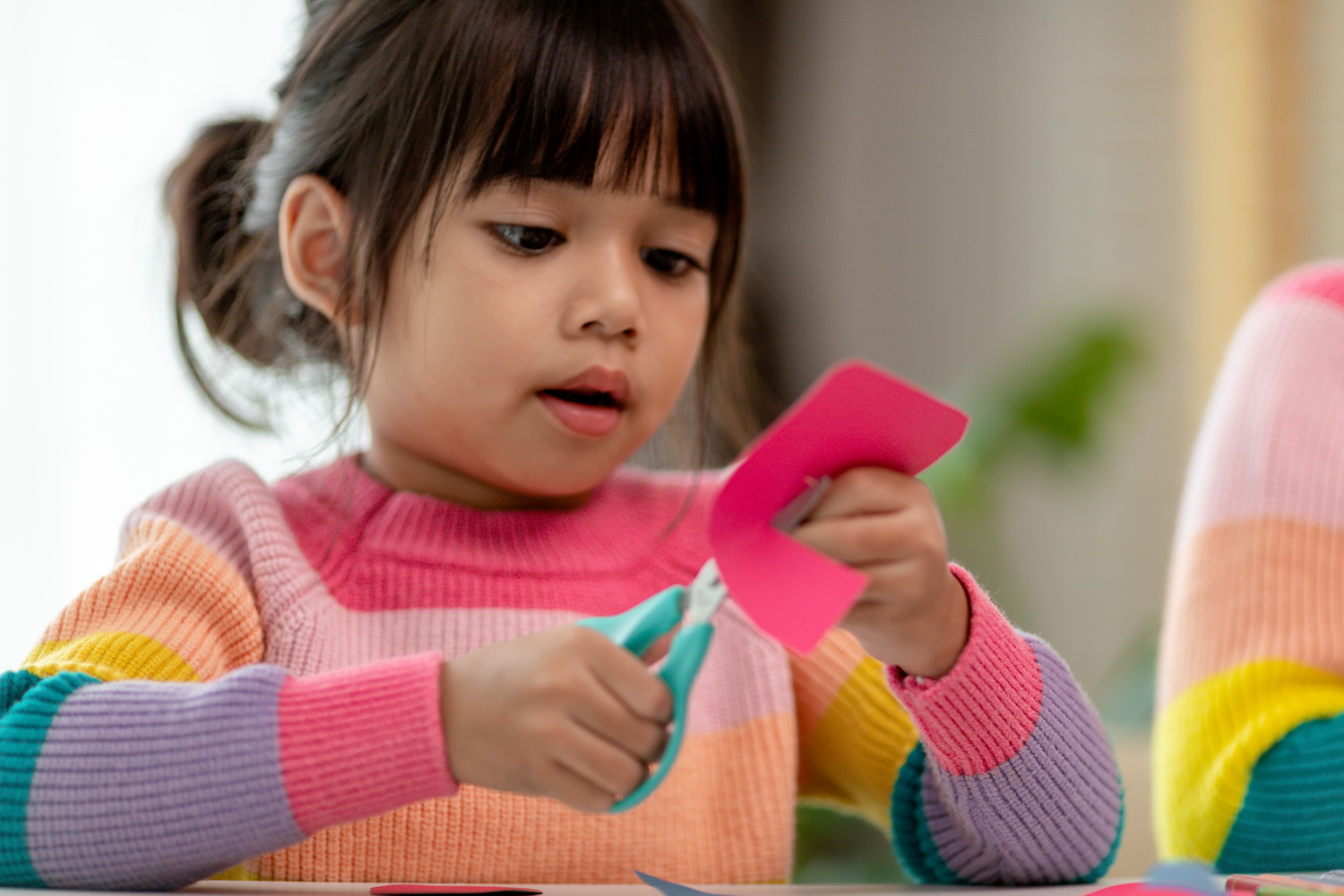
Creativity is another key benefit. Art and dramatic play activities associated with these tales encourage imaginative thinking, enabling children to express themselves and explore narrative structures creatively.
Additionally, fairy tales can stimulate critical thinking as students compare and contrast various story elements or discuss possible alternative endings.
Lastly, incorporating these activities fosters a sense of community, where children collaborate in group storytelling and role-play, enhancing their social skills. Overall, Normal Fairy Tales offer multifaceted benefits that enrich children's emotional, cognitive, and social growth in a playful and engaging manner.








