Normal Tracing Shapes worksheets activities for Ages 6-9
8 filtered results
-
From - To
Explore our engaging Normal Tracing Shapes worksheets designed for children ages 6-9! These fun and interactive activities help young learners develop essential fine motor skills and hand-eye coordination. As children trace various shapes, they enhance their understanding of geometry while building confidence in their writing abilities. Our collection features a variety of shapes, including circles, squares, triangles, and more, making learning both enjoyable and educational. Perfect for at-home practice or classroom use, these worksheets provide a creative outlet for kids to express themselves while learning. Start your child's adventure in shape recognition and tracing today with our exciting worksheets!
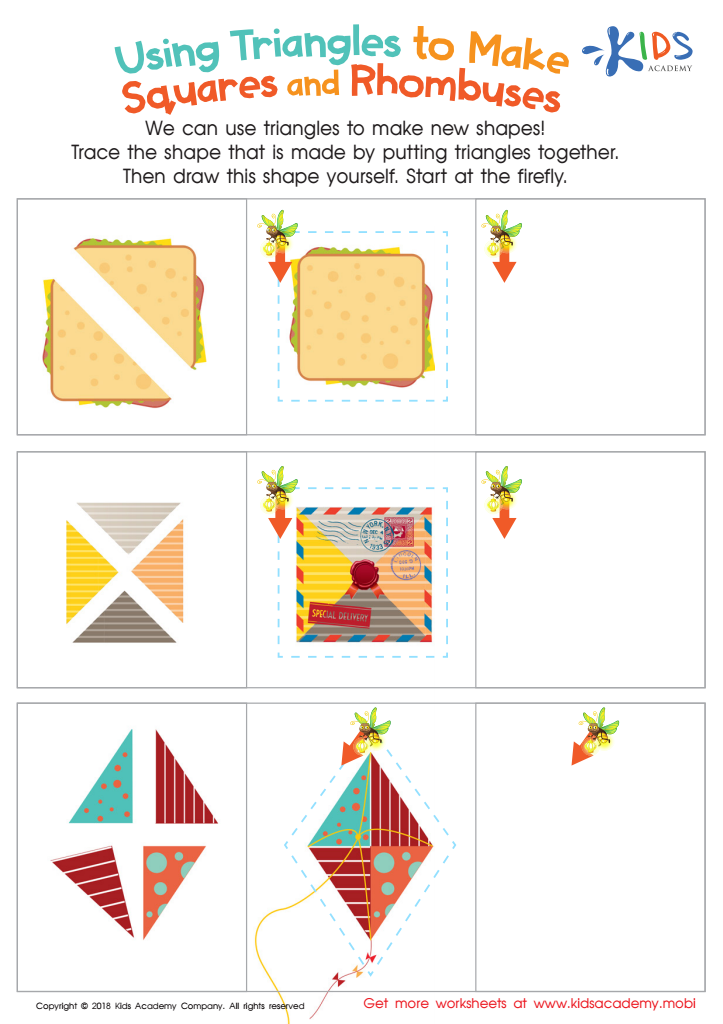
Using Triangles to Make Squares and Rhombuses Worksheet
 Assign to My Students
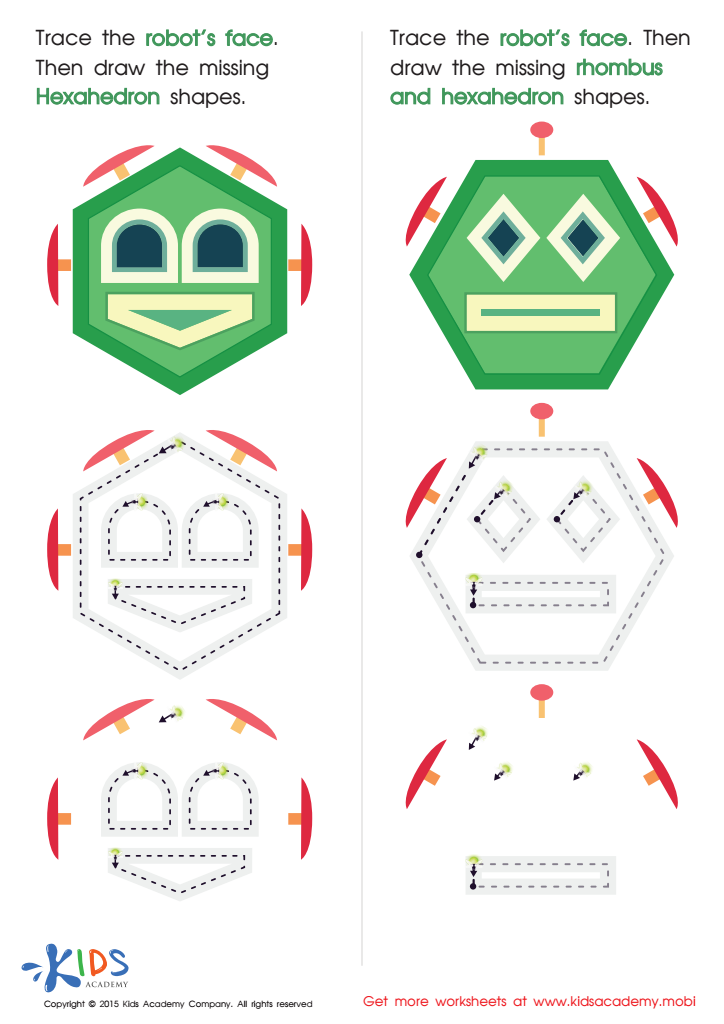
Practice Drawing Hexahedrons And a Rhombus Worksheet
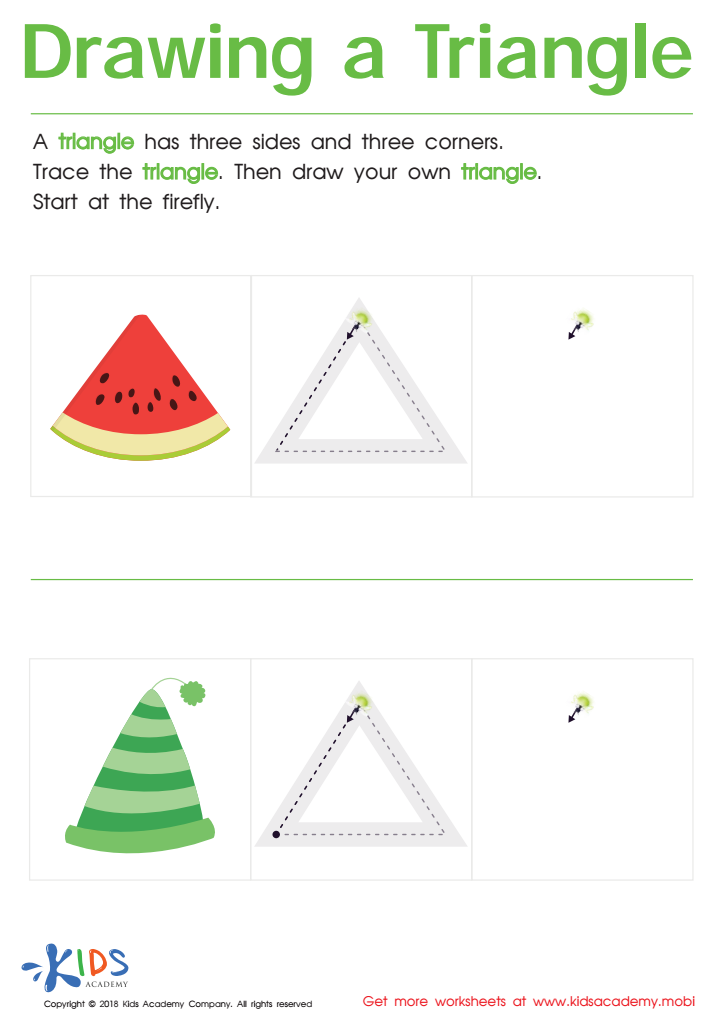
Drawing a Triangle Worksheet
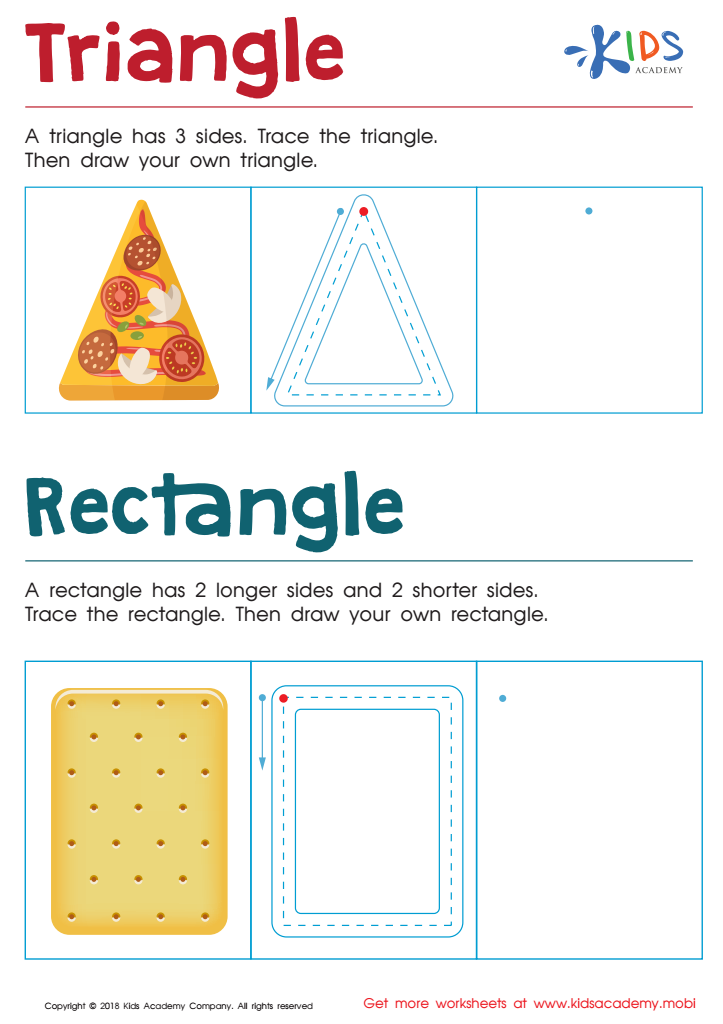
Triangle Rectangle Worksheet
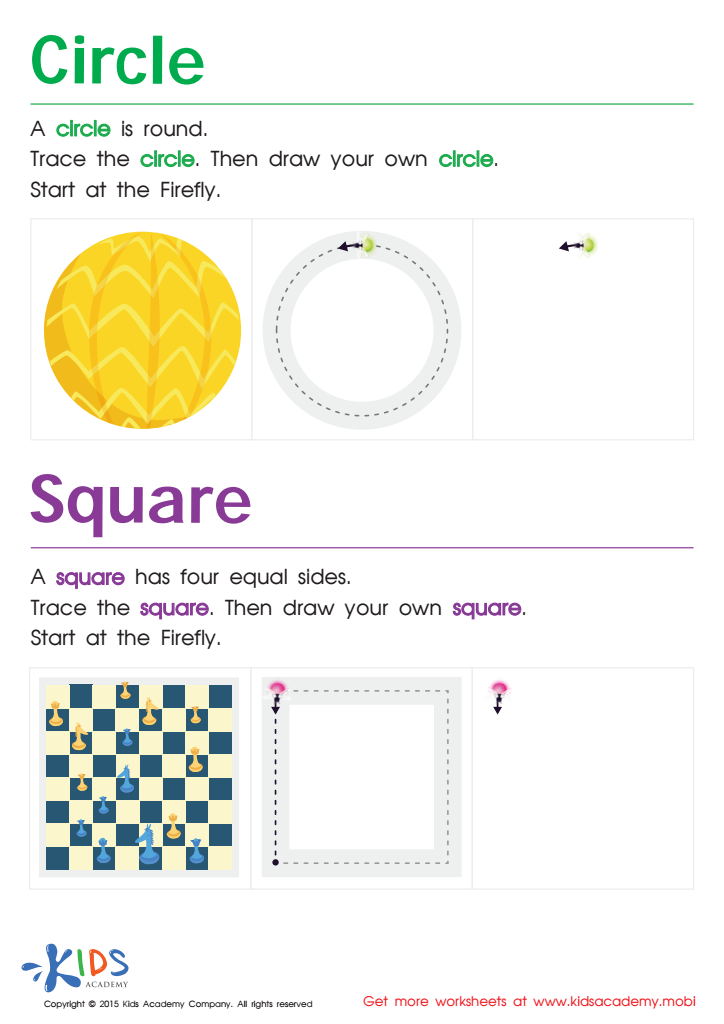
Trace And Draw a Circle And a Square Worksheet
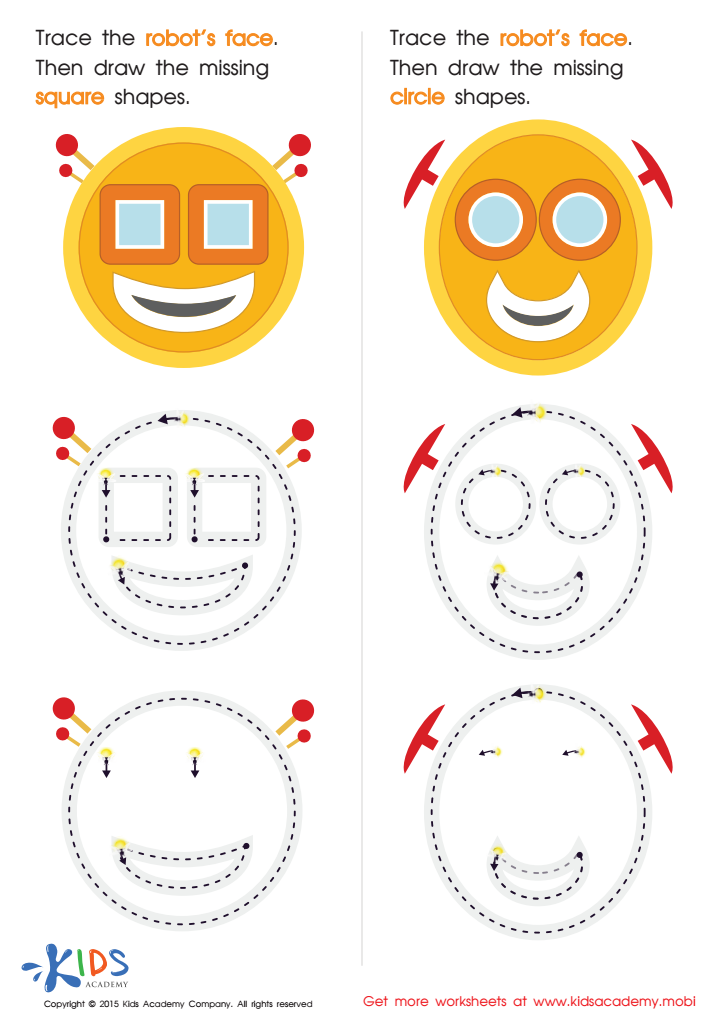
Practicing to Draw Circles And Squares Printable
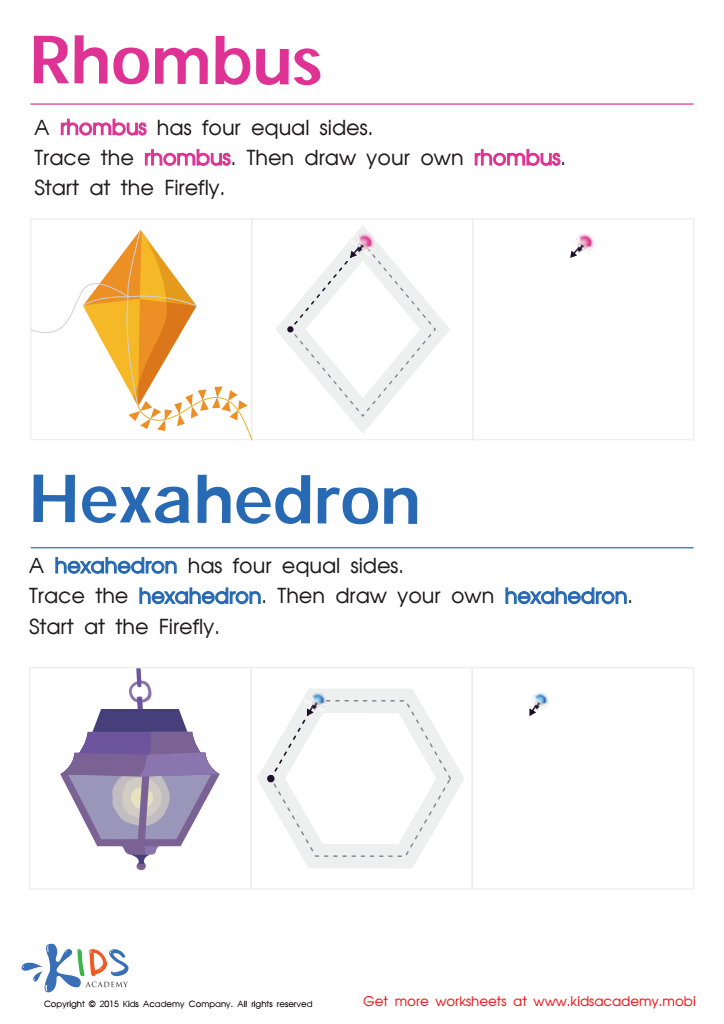
Draw a Rhombus And a Hexahedron Printable
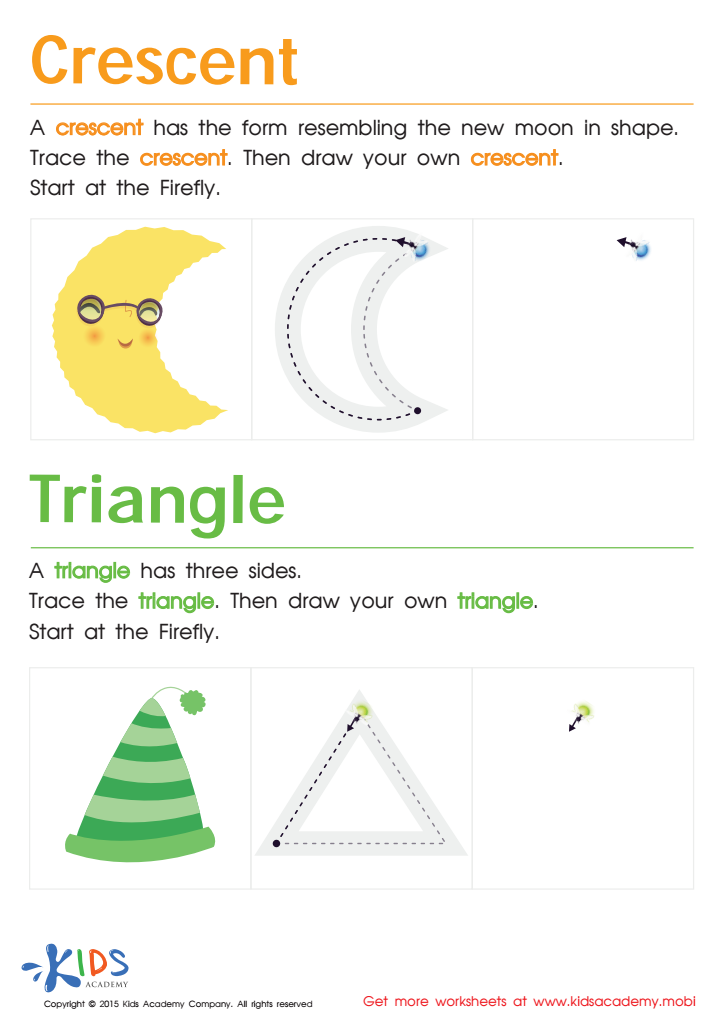
Learning to Draw Crescents And Triangles Worksheet







Normal tracing shapes activities are essential for children ages 6-9 as they play a crucial role in their cognitive and motor skill development. Firstly, these activities enhance fine motor skills, which are essential for tasks such as writing, drawing, and self-care. By tracing shapes, children develop better hand-eye coordination and dexterity, fostering their ability to manipulate various tools and materials.
Additionally, tracing activities assist in the recognition and understanding of geometric shapes and patterns, laying the foundation for critical mathematical concepts. As children become familiar with shapes, they can easily identify and categorize them in their surroundings, boosting their spatial awareness.
These activities also stimulate creative expression and imaginative thinking. Children experiment with designs and colors while tracing, fostering creativity and boosting their confidence. Furthermore, tracing shapes can be a calming and therapeutic activity, helping to improve focus and reduce anxiety.
For parents and teachers, encouraging tracing activities integrates play with learning, making it an enjoyable experience that promotes academic growth. Ultimately, normal tracing shapes activities contribute significantly to children's overall development and academic readiness, setting the stage for future learning success. Prioritizing these activities can lead to well-rounded, confident learners.








